Photo credit: Petronelka/Shutterstock.com
Reloaders are a different breed. You know what works, what doesn’t, and what takes up too much bench time for too little payoff. Some cartridges were never designed with reloaders in mind—ridiculous shoulder angles, limited component availability, or brass that splits faster than you can resize it. And the worst part? No one’s impressed when you say you reload for them. These aren’t the cartridges you boast about at the range or with your reloading buddies. These are the ones you hide in the back of the ammo cabinet, hoping nobody notices you’re still messing with them. If you’re looking to save time, money, or sanity, these are the calibers you quietly stop fooling with.
.22 Hornet

You won’t find many reloaders bragging about running .22 Hornet. Sure, it has some charm for small game or nostalgic single-shots, but the reloading process is a pain. The brass is fragile—neck tension is inconsistent, and the thin case walls love to crumple during sizing. It doesn’t handle hot loads well, either, so you’re not chasing performance. You’re babying every round like it’s glass.
If you’re working with a Hornet, odds are you’re loading for an old rifle with loose tolerances, poor accuracy, or both. Dies are finicky, seating is delicate, and even small mistakes show up on target. And when you finally get it running halfway decent, nobody cares. It’s not a flex—it’s a chore.
.25-20 Winchester

The .25-20 sounds like a fun project—until you try reloading it. Brass is scarce and overpriced. It’s easy to dent during resizing. And don’t even think about pushing pressures—most rifles chambered in .25-20 are old lever guns or questionable hand-me-downs with worn chambers and sketchy headspace.
Powder charge weights are tiny, bullet selection is limited, and the payoff isn’t much better than a .22 Magnum. You spend more time fiddling with your powder trickler than you do actually shooting. Most reloaders try it once for the nostalgia, then box everything up and quietly move on. It’s not a round that gets anyone talking or asking for load data.
.30 Carbine

On paper, the .30 Carbine should be a good candidate for reloading—common brass, plentiful bullets, moderate pressures. But the reality is more annoying. Case prep takes forever because you’re constantly trimming. Brass stretches fast. And most M1 Carbines won’t run well unless everything’s sized and seated exactly right.
You’re also dealing with a cartridge that doesn’t know what it wants to be. Too much powder and you’re jamming up the action. Too little and the bolt won’t cycle. And those tapered cases don’t always feed clean. No one’s impressed when you tell them you reload .30 Carbine. They just nod and ask why you’re bothering.
.32 H&R Magnum

The .32 H&R Magnum is one of those cartridges that should’ve had more love, but it never caught on. Reloading it feels like you’re prepping ammo for a gun nobody remembers. Component bullets are a guessing game—either you’re pulling .32 S&W stuff that’s too light or forcing .327 loads that don’t quite match up.
Most of the time, reloaders are cobbling together brass or fire-forming from .32 S&W Long, and it’s more hassle than it’s worth. Even the velocity gains aren’t exciting. If you’re doing all that work, why not load .327 Federal instead? That one at least gives you something to talk about. The .32 H&R doesn’t start conversations—it ends them.
.32-20 Winchester

Brass for the .32-20 is fragile enough to make you flinch every time you run it through your press. Thin walls, excessive body taper, and low pressure thresholds make reloading it more delicate than enjoyable. It’s an old-school cartridge meant for rifles and revolvers that weren’t built for speed—or consistency.
The case necks split often. Bullet seating is finicky, and even small variances in charge weight seem to throw accuracy all over the place. When you finally get a load dialed in, the results are often mediocre. You don’t reload .32-20 because you love it. You reload it because you’re stuck with it—and that’s not a selling point.
.41 Magnum

Most reloaders who’ve dabbled in .41 Magnum quickly figure out it’s a cartridge with no home. Brass is harder to find than .44 or .357, and bullet selection is limited. You’re often stuck casting your own or trying to resize stuff that doesn’t quite fit. Factory support has been on life support for years.
And then there’s the recoil—it kicks harder than it needs to, especially in medium-frame revolvers. The .41 sits in a weird spot where it doesn’t offer much you can’t get from a .44, and it costs more to load. You’re not impressing anyone at the bench or the range. Most folks didn’t ask, and you’re better off not saying.
.221 Fireball

The .221 Fireball is fun for a hot second—usually until you run out of brass or start trying to find small rifle primers during a shortage. It’s a boutique cartridge for bolt guns and specialty pistols, and most reloaders give up when they realize how few rifles actually shoot it well.
Case capacity is low, so you’re trickling every charge. Pressure spikes happen fast, and load data is thin unless you dig into older manuals. You can get .223 to do everything the Fireball does, but with more reliable feeding, easier brass prep, and better accuracy in most guns. Bragging about loading .221 Fireball is like bragging about still owning a Zune.
.25-06 Remington
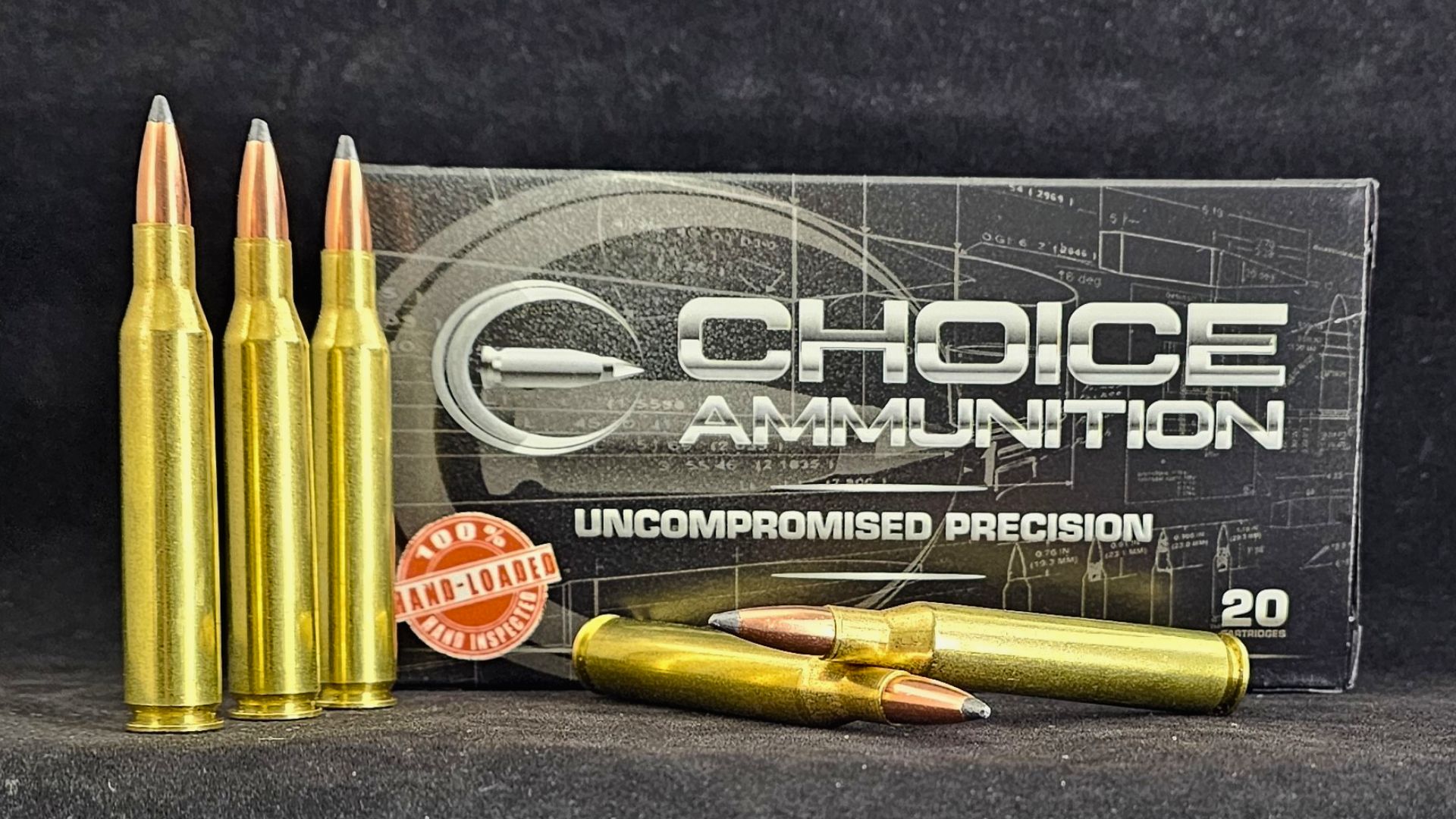
You’d think the .25-06 would be a favorite—it’s fast, flat, and works well on deer. But for reloaders, it burns barrels and doesn’t like to be pushed. Brass life is short if you try to get that velocity back. You’re fighting case neck growth, long seating depths, and inconsistent throat erosion across rifles.
Bullet options are limited unless you’re chasing long-range varmints, and recoil gets snappy without offering much you can’t get from modern 6mm or 6.5s. The .25-06 feels dated and finicky. It doesn’t inspire range envy. It inspires sighs when someone hears you’re still loading it instead of moving on to a 6.5 Creedmoor or .243 Win.
.44-40 Winchester

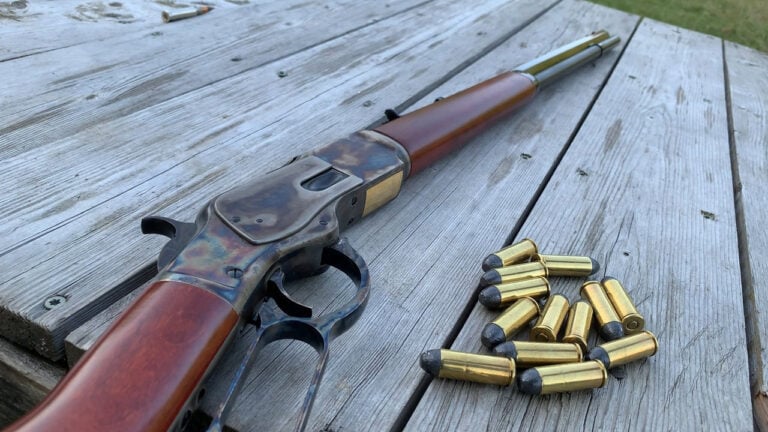
The .44-40 is a reloading headache. The brass is thin, the necks are fragile, and even resizing once-fired cases can ruin a whole batch. Seating cast bullets without collapsing the case takes a delicate touch. And since it’s a black powder-era round, pressure thresholds are lower than what most modern reloaders are used to working with.
If you’re loading for cowboy action or an old lever gun, you’re probably working around loose chambers and slow twist rates. It takes more work than .45 Colt and doesn’t give you much back. And nobody at the range says, “Man, I wish I had a .44-40.” They say, “You still shoot that thing?”
.45 GAP

The .45 GAP was a solution to a problem nobody had, and reloaders never really embraced it. Brass is hard to find and even harder to keep from getting mixed in with your .45 ACP stash. The shorter case limits bullet selection, and you’re often seating bullets deeper than you’d like.
Pressure ceilings are higher than ACP, so you need to pay closer attention to charge weights—but the performance difference isn’t worth the effort. Reloading .45 GAP is mostly an exercise in inconvenience. There’s no bragging rights, no real payoff, and unless you’re one of the few Glock 37 owners still hanging on, you’re probably the only one doing it.
.17 Remington

Reloading .17 Remington will test your patience more than anything else on your bench. Necking down .223 brass is a chore, and even if you buy factory brass, the stuff is fragile. You’ll lose cases during sizing, priming, and seating if you’re not extremely careful. And don’t expect long case life—split necks happen early and often.
You need tiny powder charges, small bullets, and a trickler that can hit tenth-grain increments without overshooting. Cleaning primer pockets becomes surgical work. The rifles themselves are hard to find, and the velocity gain over a .204 Ruger or .22-250 isn’t enough to justify the hassle. It’s the kind of cartridge you reload once—for the experience—and never again.
Like The Avid Outdoorsman’s content? Be sure to follow us.
Here’s more from us:
The worst deer rifles money can buy
Sidearms That Belong in the Safe — Not Your Belt
*This article was developed with AI-powered tools and has been carefully reviewed by our editors.