Photo credit: mannyCA/YouTube
Some handguns disappear from the spotlight without ever losing the people who really matter. They stop getting pushed by marketing, stop dominating online arguments, and stop feeling like the gun of the moment, but the shooters who actually train, carry, compete, and pay attention never really let them go. That kind of staying power means more than a flashy relaunch or a sudden wave of internet praise. It means the handgun kept proving itself long after trendier names started chasing attention.
That is why some pistols never really need a comeback story. They were never gone in the first place. They just kept living in holsters, range bags, nightstands, and duty rigs while the broader market got distracted. These are the handguns serious shooters kept trusting without needing to be reminded why.
SIG Sauer P226

The P226 never needed to be rediscovered because the people who shoot a lot never forgot what it is. Even when polymer striker guns took over more of the market, the P226 kept a reputation for balance, reliability, and a level of shootability that still earns respect. Serious shooters stayed with it because it shoots flat, carries real duty credibility, and feels like a pistol built for people who care what happens after the timer starts or the pressure rises.
It also helps that the gun never relied on novelty in the first place. The P226 earned trust the hard way through service use, range use, and years of being run by shooters who care more about performance than fashion. It may not always be the loudest pistol in the room, but it never stopped being one of the safest bets.
Glock 17

The Glock 17 has been so steady for so long that people sometimes forget how hard that is to do. It never needed a comeback because serious shooters never really stopped buying, carrying, and training with it. While the market bounced from one “Glock killer” to the next, the 17 kept doing what it always did well: running reliably, shooting predictably, and offering a straightforward package that holds up under hard use better than a lot of flashier pistols.
That consistency matters. Serious shooters stick with guns that make practice easier, not more interesting. The Glock 17 has never been about charm, and that is part of why it keeps surviving every hype cycle. It is simple to live with, easy to support, and brutally well proven. Plenty of pistols have had bigger moments. Very few have had this kind of staying power.
Beretta 92FS
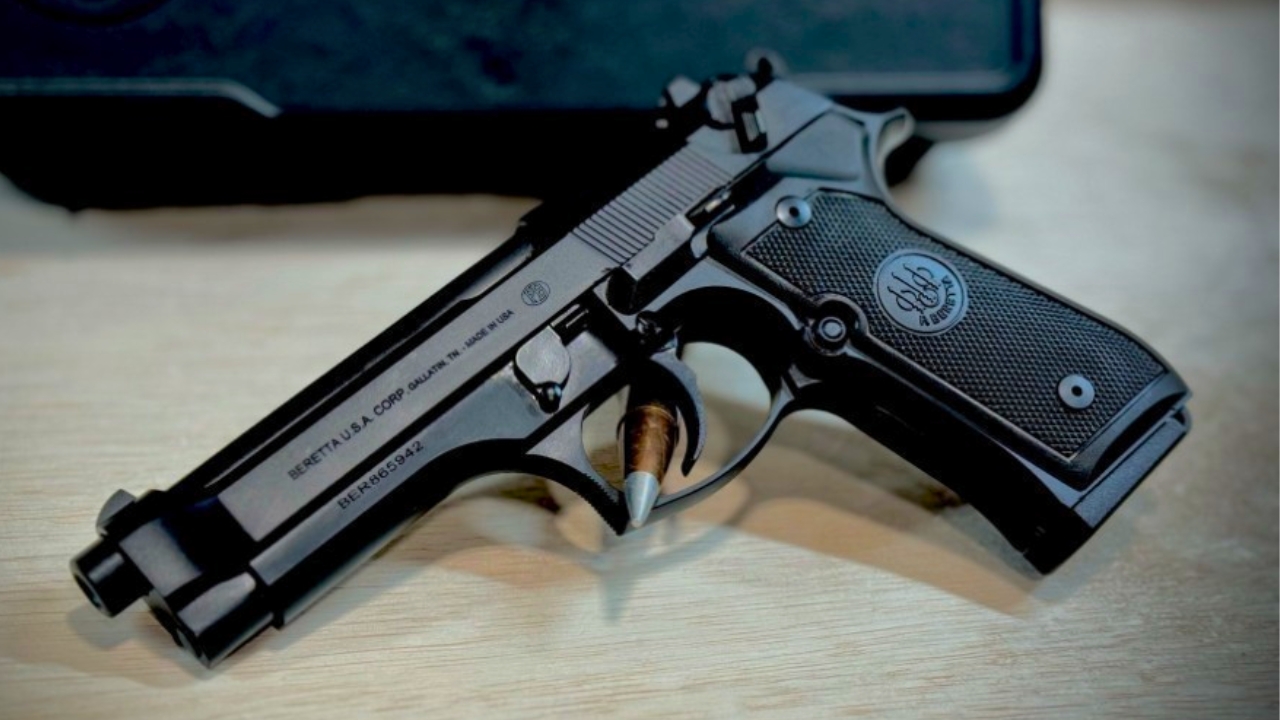
The Beretta 92FS never had to beg for relevance because the shooters who understood it never really stepped away. Even after polymer carry pistols and striker-fired duty guns took over more attention, the 92 platform kept a loyal following among people who value soft recoil, excellent practical accuracy, and a full-size pistol that feels stable when the shooting starts getting fast. Serious shooters did not need the market to remind them it was good.
A lot of that comes down to how the gun behaves in real use. The 92FS is easy to shoot well, and that matters more than trend-chasing. It may not fit every hand the same way, and it is not the smallest or lightest option, but it never stopped delivering where it counts. That is why it never really left the serious conversation.
CZ 75 BD

The CZ 75 BD is one of those pistols that serious shooters kept close even while the wider market looked elsewhere. It never needed a comeback because the people who cared about trigger control, steel-frame shootability, and real-world handling never stopped appreciating what the gun offered. It stayed relevant through plain performance. The weight helps it track well, the ergonomics win over a lot of shooters quickly, and the overall feel makes the pistol hard to dismiss once you have spent honest time behind it.
That is usually how these pistols survive trend cycles. They are not always marketed the hardest, but they become hard to replace once shooters learn how well they actually run. The CZ 75 BD kept its following because it rewarded real use. A lot of serious shooters never bailed on it because it never gave them much reason to.
Smith & Wesson 686

The 686 is proof that a handgun does not have to dominate headlines to stay important. Serious shooters never left this revolver behind because it kept doing too many things well. It can serve as a training gun, a field gun, a home-defense revolver, or just a deeply satisfying range gun for people who appreciate what a solid double-action wheelgun can still teach. The 686 never stopped making sense to shooters who value control and mechanical honesty.
It also survives because it never pretended to be something else. The gun is not trendy, not especially light, and not designed around shortcuts. But serious shooters know what a quality revolver offers: trigger discipline, accountability, and a clean reminder that fundamentals still matter. The 686 never needed a revival because the people who understand revolvers never treated it like a relic.
1911 Government Model

The Government Model 1911 never needed a comeback because serious shooters never really agreed that it was gone. Yes, the market moved heavily toward polymer pistols and higher-capacity options, but skilled shooters kept the 1911 alive by continuing to run it, compete with it, carry it, and trust it where it made sense. A good 1911 still offers a trigger that is hard to ignore and a shooting experience that keeps experienced hands coming back.
That does not mean it is perfect for everybody. It means the people who know how to keep one running and know what they want from a handgun never stopped finding value in it. The 1911 stayed alive through competence, not nostalgia alone. Plenty of people talk about its history. Serious shooters are the ones who kept proving it still has real present-day use.
Heckler & Koch USP 9

The USP 9 has always had the kind of rugged, overbuilt personality that serious shooters recognize even if casual buyers do not get excited about it anymore. It never needed a comeback because the people who value durability and long-term trust never really walked away. The gun built its reputation on being tough, predictable, and hard to scare. That kind of credibility does not vanish just because newer pistols start getting more marketing heat.
It also helps that the USP has always felt like a pistol built with margins. Serious shooters notice that. They notice guns that keep working, keep holding up, and keep behaving under heavy use. The USP 9 may not get hyped like the newest thing on the shelf, but that is almost the point. It stayed respected by people who care more about hard use than fresh packaging.
Browning Hi-Power

The Hi-Power never needed a comeback because serious handgun people never stopped respecting it. Even when it felt overshadowed by newer service pistols and modern carry guns, shooters who knew what they were looking at still understood the appeal. It points naturally, carries real history, and offers the kind of slim steel feel that many modern double-stacks still do not quite duplicate. For a lot of serious shooters, it never stopped being a meaningful pistol.
Part of its staying power comes from the fact that it was always more than just a classic. It remained a shooter’s gun. Good examples still handle beautifully, and the pistol’s legacy stayed tied to actual use rather than museum talk. That is the difference. Some old handguns survive because people admire them. The Hi-Power survived because a lot of serious shooters kept running them.
Smith & Wesson Model 5906
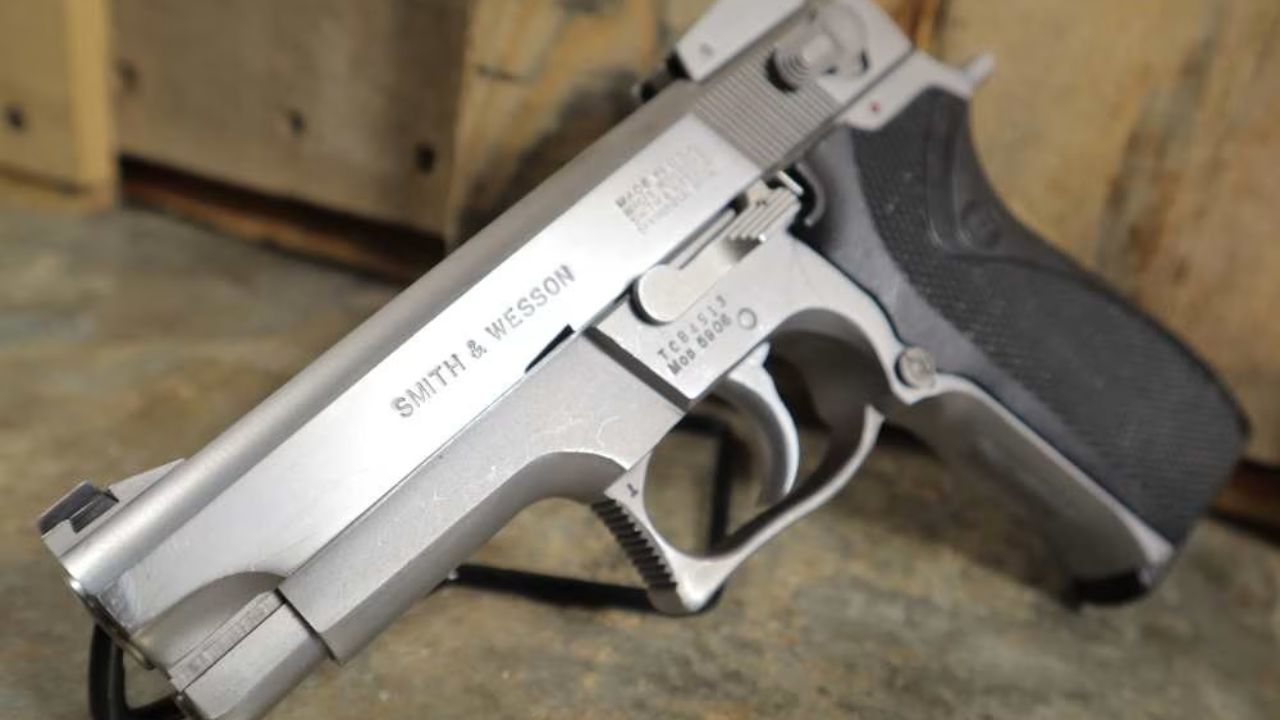
The 5906 never needed a comeback because the shooters who appreciate old-school service pistols never gave up on it. For years, it was easy for the broader market to dismiss it as heavy, overbuilt, and outdated. Serious shooters saw something else. They saw a durable stainless 9mm with real duty roots, excellent toughness, and the kind of shootable weight that still matters once live fire starts replacing theory.
That is why the 5906 kept more respect than casual buyers realized. It was not pretty in the modern sense, and it was not built around the latest carry trends, but it kept working. Serious shooters tend to stay loyal to guns that feel trustworthy, and the 5906 has that in abundance. It never needed to be saved because the right crowd never let it go.
SIG Sauer P220

The P220 has always been the sort of pistol serious shooters quietly keep in the conversation even when the wider market moves on. It never needed a comeback because those shooters never stopped valuing a reliable, accurate .45 that feels like a real working gun instead of a fashion statement. The pistol shoots with a calm, steady character that appeals to people who care about control more than buzz.
It also survives because it feels settled. There is very little confusion about what a P220 is supposed to do, and it generally does it well. Serious shooters tend to trust handguns with that kind of established identity. The P220 never had to reinvent itself because the people who shoot enough to know the difference kept treating it like a serious option all along.
Walther P99 AS
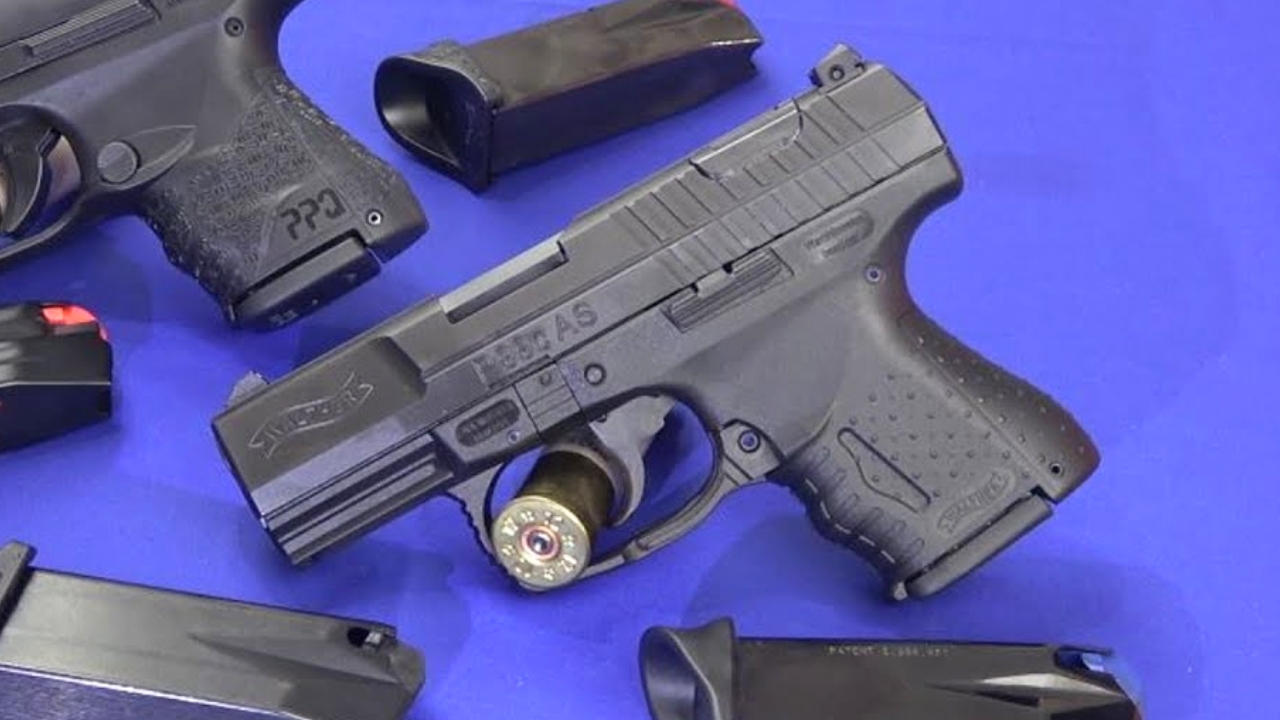
The P99 AS is one of those pistols that never got the broad loyalty it deserved, but the shooters who understood it never really turned away. It did not need a comeback because serious users kept recognizing how much thought went into the design. The ergonomics are strong, the trigger system has real merit, and the gun shoots better than many people expected if they only knew it from the edge of the market conversation.
That kind of handgun stays alive through earned respect, not noise. The P99 AS built a following among people who actually valued its strengths instead of chasing whatever new carry pistol had the most aggressive rollout. Serious shooters held onto it because it never felt lazy or disposable. It felt like a pistol designed with intention, and that tends to age very well.
Colt Python
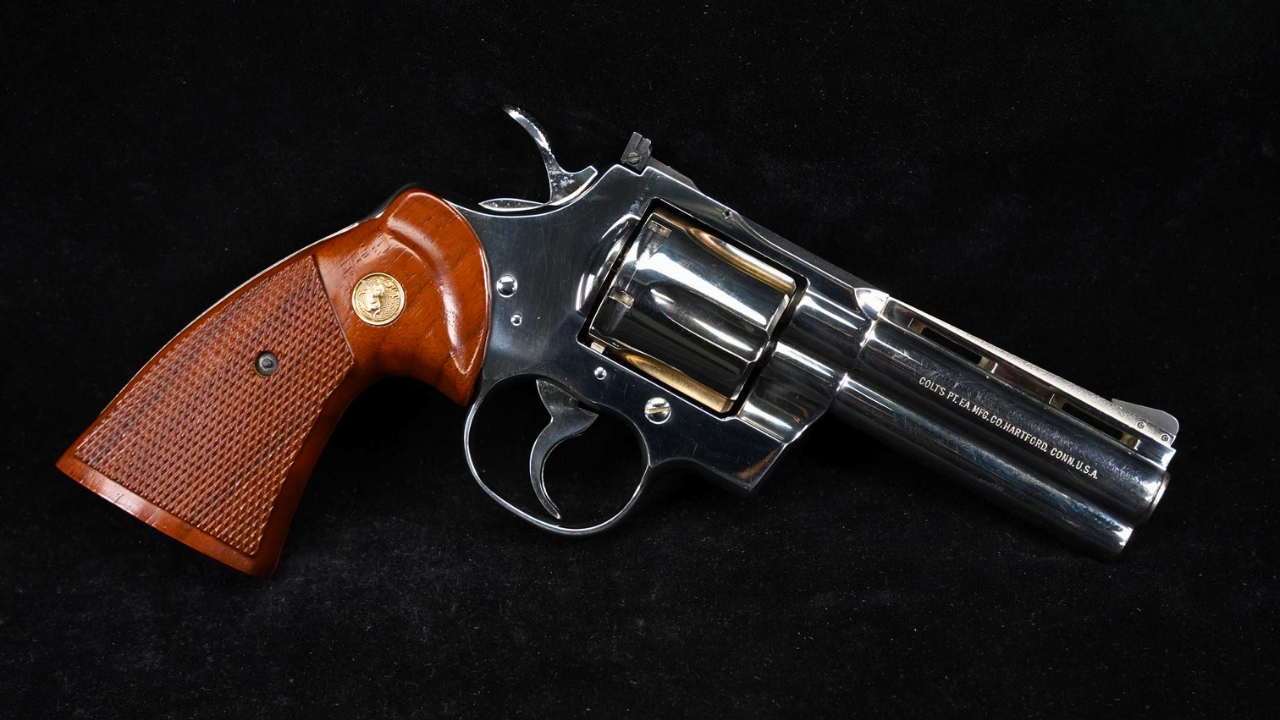
The Python gets talked about for style, but serious shooters never stuck with it just because it looked good. It never needed a comeback because people who cared about quality revolvers never stopped seeing it as something special. A good Python offered excellent trigger feel, real accuracy, and the kind of craftsmanship that still stands apart in a world full of shortcuts. That is enough to keep serious revolver people interested without any help from trend cycles.
It also carries that rare mix of shootability and presence. A lot of handguns become admired pieces. The Python kept shooter credibility too. Serious wheelgun shooters did not need to be reminded that a finely made double-action revolver still matters. They knew it already, and they kept proving it every time they brought one to the range instead of just the display shelf.
Ruger GP100

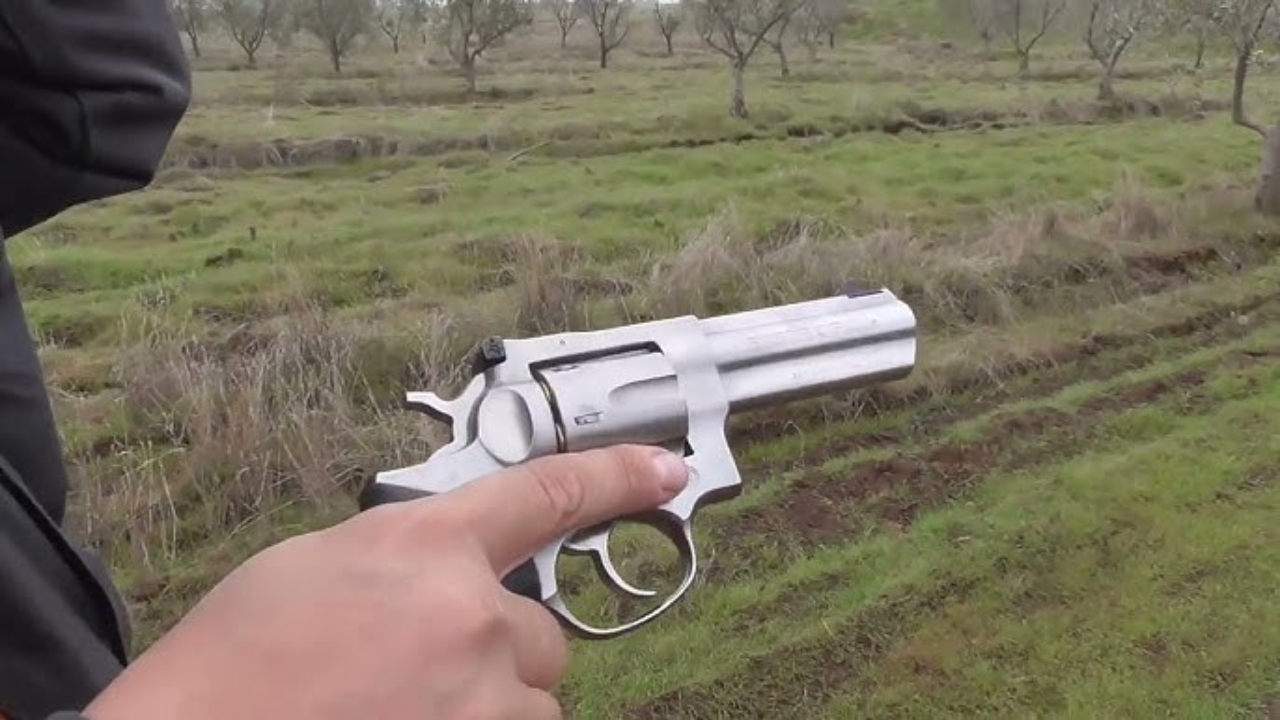
The GP100 never needed a comeback because serious shooters never stopped seeing it as one of the smartest working revolvers on the market. It did not have to be delicate, rare, or romantic to stay respected. It just had to keep holding up. That is exactly what it did. The GP100 built its standing on toughness, usable accuracy, and the kind of practical durability that matters to people who actually shoot their revolvers instead of mostly talking about them.
That is why it stayed relevant even when revolvers moved farther from the center of the market. Serious shooters who still wanted a dependable .357 did not need to rediscover the GP100. They already knew it was there. It remained one of those handguns that made sense before the hype, during the hype, and after the hype went somewhere else.
Springfield Armory TRP

The TRP never needed a comeback because serious 1911 shooters never let it drift out of relevance. While a lot of 1911 talk got trapped between bargain guns and ultra-high-end custom dreams, the TRP kept holding a valuable middle ground. It offered the kind of practical performance and serious-use reputation that experienced shooters notice quickly. It was not just a pretty 1911. It was a working one with real credibility.
That matters in a crowded handgun category where a lot of guns get sold on image. The TRP stayed respected because it gave serious shooters something more solid than marketing language. It shot well, carried real authority on the range, and never leaned on nostalgia alone. That kind of reputation does not need a comeback. It just keeps getting passed quietly from one knowledgeable shooter to another.
FN FNX-45
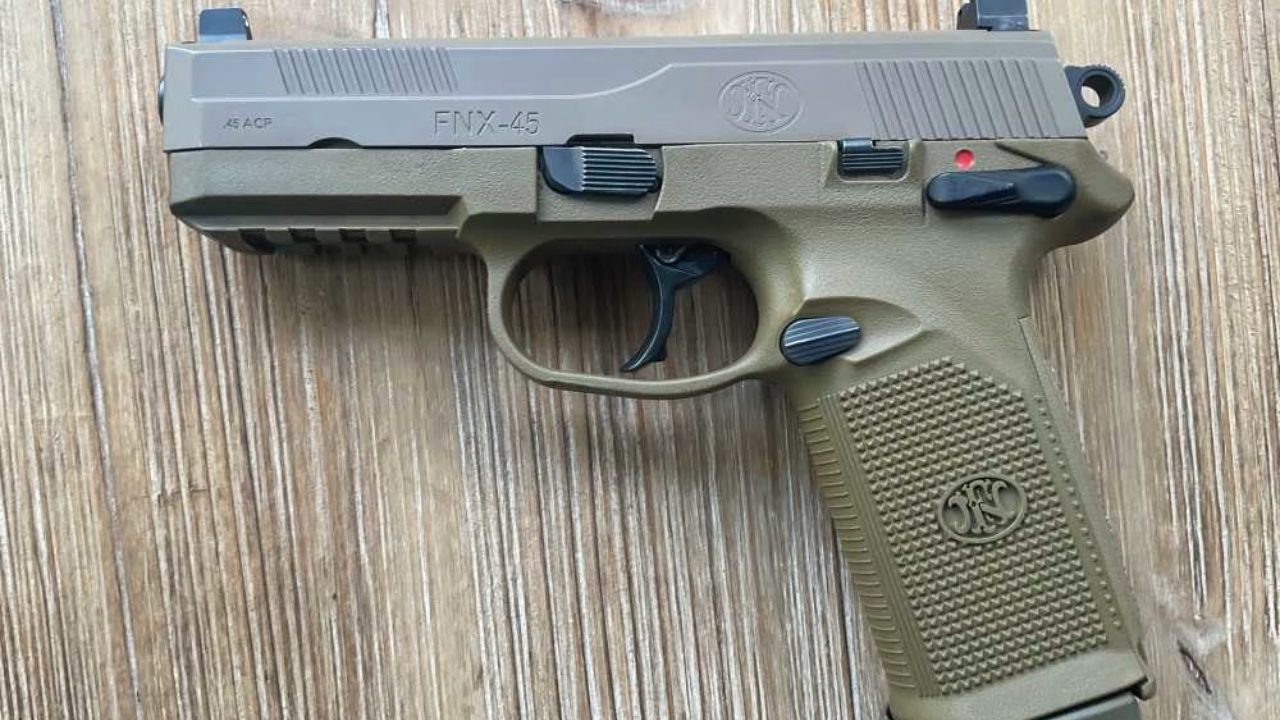
The FNX-45 never became the internet’s forever favorite, but serious shooters never really left it behind either. It did not need a comeback because the people who wanted a high-capacity .45 with real capability already knew what it brought to the table. It offered controllability, solid reliability, and a practical feature set that made sense for shooters who wanted more than a standard polymer service pistol.
It also stayed alive because it filled a role honestly. The FNX-45 was not trying to be tiny, trendy, or universally fashionable. It was a serious .45 built for people who actually wanted the size, capacity, and purpose that came with it. Serious shooters tend to stay loyal to guns that know what they are, and the FNX-45 has always had that going for it.
Beretta PX4 Storm
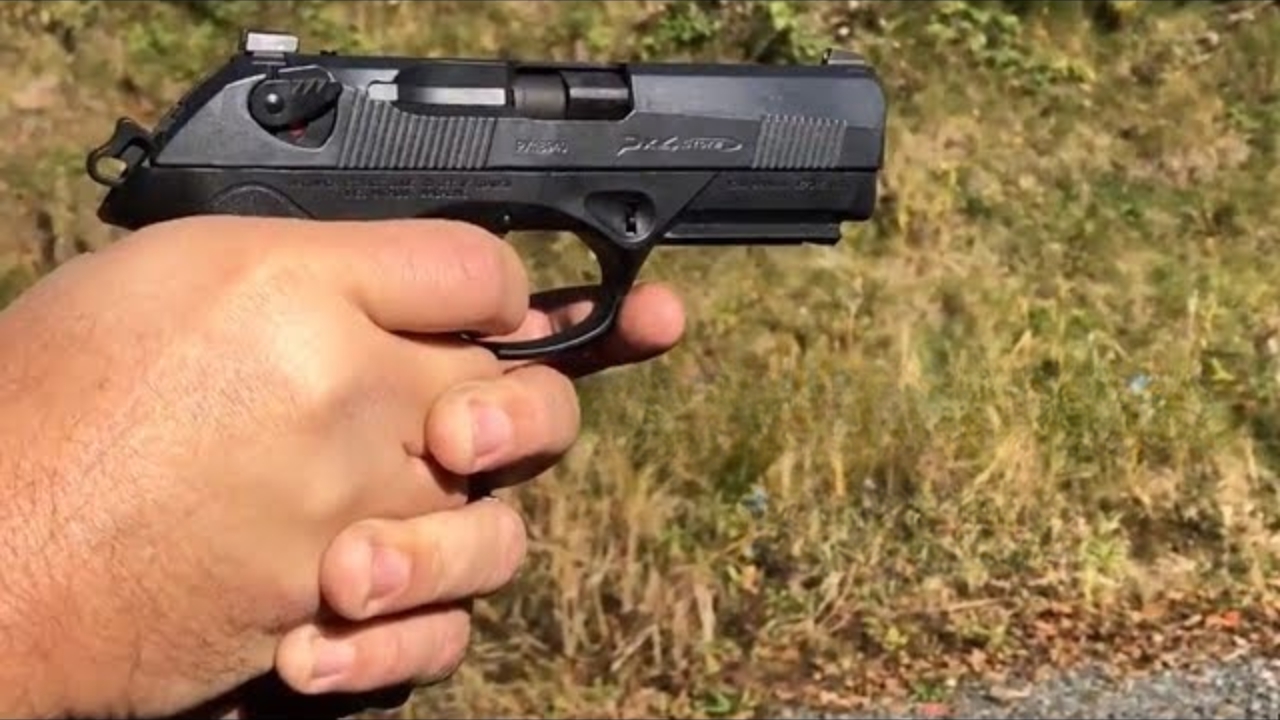
The PX4 Storm has spent years being easier to underrate than it ever deserved, but serious shooters never fully bailed on it. It never needed a comeback because the people who actually shot it enough to understand it often stayed impressed by how well it handled recoil and how well it held up. The rotating-barrel system was not just a gimmick to them. It was part of why the pistol stayed so shootable.
That is the kind of handgun that keeps a real following even when the market looks elsewhere. Serious shooters do not always abandon good ideas just because the spotlight shifts. The PX4 survived because it offered practical performance, good ergonomics, and a shooting feel that kept winning people over once they gave it honest time. Some pistols need to be rediscovered. This one was never fully forgotten by the right crowd.
Like The Avid Outdoorsman’s content? Be sure to follow us.
Here’s more from us: