
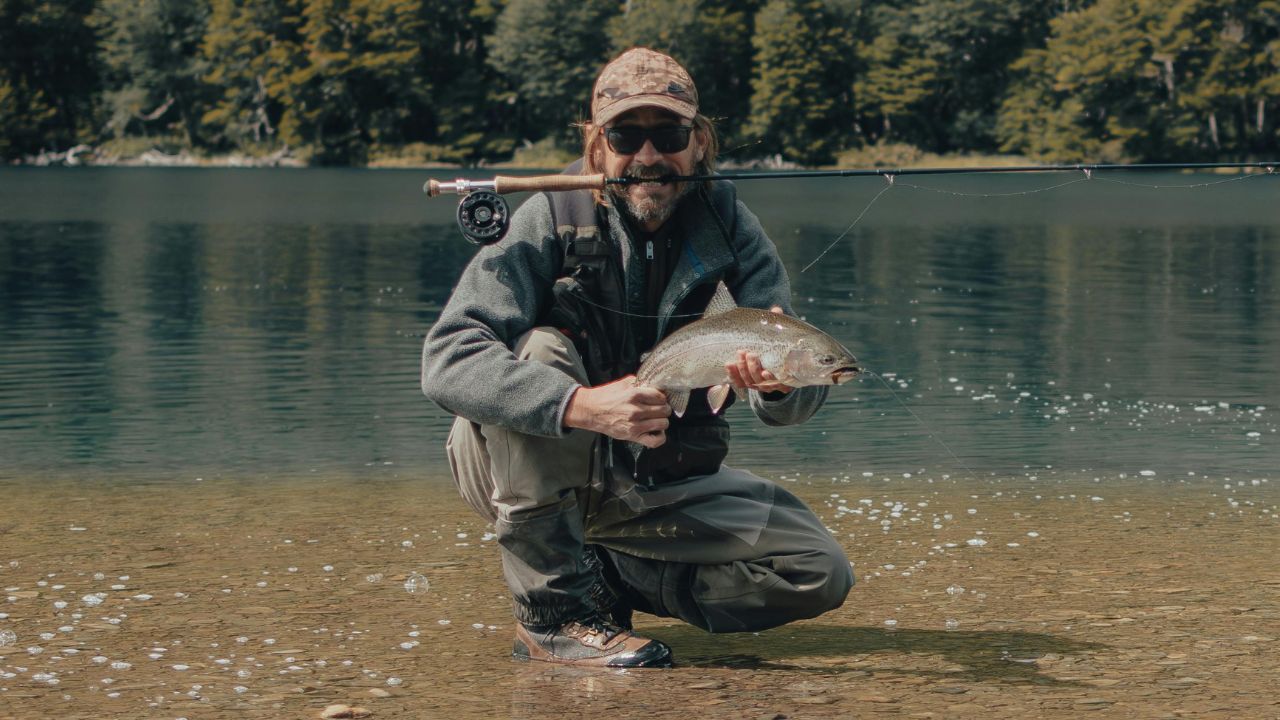
Photo credit: Gaspar Zaldo/Pexels.com
Connecticut is starting the year by rewriting how you fish for trout, and the changes are aimed squarely at keeping wild brook trout from slipping away. New size limits, special stream designations, and tighter harvest rules are reshaping familiar waters so that native fish have a better chance to survive, grow, and reproduce.
If you spend time on the Farmington, the Housatonic, or the small blue lines that crisscross the Quiet Corner, these rules will affect how you rig up, what you keep, and where you step. Understanding what the state is protecting, and why, will help you adjust quickly and fish in a way that keeps those wild fish in the system for the long haul.
What is changing in Connecticut’s trout rulebook
The most visible shift you will notice is a new default minimum size for trout on inland waters, which is now set at 9 inches before a fish can be legally harvested. That baseline applies across a wide range of rivers and streams and is designed so that smaller, slow growing wild brook trout are far more likely to be released, even in places where you might be targeting stocked fish. By pushing the legal size up, the state is effectively turning many mixed fisheries into de facto catch and release water for the smallest native trout that share space with larger, stocked rainbows and browns, a point highlighted in coverage of new inland sportfish regulations.
Alongside the size change, you are also seeing more waterbodies moved into specialized management categories that limit harvest or gear, especially where wild brook trout still hold on. Several streams and river sections are being reclassified into more protective regimes, and the Connecticut Department of Energy and Environmental Protection, often referred to as the Connecticut Department of Energy and Environmental Protection or DEEP, has signaled that this is part of a broader inland sportfish overhaul rather than a one off tweak. For you, that means checking the regulations for each stretch you fish instead of assuming last year’s rules still apply, because the same river can now have very different expectations from one bridge crossing to the next.
Why wild brook trout are at the center of the new rules
At the heart of the regulatory shift is a simple reality: wild brook trout in Connecticut are in decline, and the state is treating them as a native species that needs active conservation rather than passive admiration. You are not just dealing with a beloved game fish, you are dealing with a cold water indicator species that signals whether small headwater streams are still functioning. Reporting on how the wild brook trout population is in decline, and here’s what CT is doing to help, makes clear that the fish are facing multiple stressors at once, from habitat fragmentation to changing water temperatures.
DEEP biologists have been tracking these trends for decades, and their monitoring shows that native brook trout have been squeezed into smaller and more isolated pockets of suitable habitat. That long view is what underpins the new regulations, not a single bad summer or a few poor stocking years. When you see a 9 inch minimum or a special brook trout only designation, you are looking at a response to that long term data set, which is also referenced in coverage of how Connecticut adds minimum size limit for brook trout as the species faces decline.
The new minimum size limit and what it means on the water
For you as an angler, the new minimum size limit for brook trout is the rule that will most directly change what happens when you net a fish. Instead of being able to keep any legal trout that looks “about right,” you now need to be sure that a brook trout meets the 9 inch threshold before it goes on a stringer. That requirement is not arbitrary, it is calibrated so that a high percentage of wild brook trout in small streams, which often top out below that length, are effectively protected from harvest even if you are fishing under general regulations. Coverage of how DEEP said monitoring by its biologists over decades showed a decline in wild fish underscores that this size floor is meant to give those fish at least one shot at spawning before they are vulnerable to harvest.
In practice, that means you should expect to release more fish, especially in the small, shaded brooks where native trout still dominate. It also means you will want to carry a reliable measuring device, whether that is a marked net bag, a ruler on your wading staff, or the tape on the side of a popular trout net like a Fishpond Nomad. The state is not asking you to guess, it is asking you to measure, and the more precisely you do that, the more effectively you help protect the wild component of the fishery that these rules are designed to shield.
Special protections for wild brook trout streams
Beyond the blanket size limit, DEEP is carving out specific streams and stream segments where wild brook trout get even stronger protections. In these places, you may see reduced creel limits, seasonal closures, or gear restrictions that favor artificial lures and flies to reduce hooking mortality. The agency has identified 22 waters or portions of waters that fall into this category, and the announcement of new inland regulations for wild brook trout spells out that these areas are being managed explicitly to conserve native fish, a point that is central to the Key Takeaways from the Connecticut Department of Energy and Environmental Protection.
For you, these designations change the culture of a stream as much as the letter of the law. A small brook that once functioned as an overlooked put and take spot may now be treated as a wild trout nursery where the expectation is that you fish lightly, handle fish carefully, and think twice before wading through obvious spawning gravel. When DEEP officials explain that updated regulations are crafted to protect native populations of fish that have been declining, they are talking about these exact places, and coverage of how DEEP is trying to save native brook trout with new regulations notes that the agency is also looking to prevent unnecessary movement of trout between waters.
Climate pressure, warm rivers, and why temperature now matters to you
Even the best regulations cannot change physics, and brook trout are fundamentally cold water fish that struggle as rivers warm. Biologists point out that when water temperatures start getting above 20 or 22 degrees Celsius, which is 68 to 71 degrees Fahrenheit, brook trout can start to experience stress that affects their survival and reproduction. That specific threshold, cited in reporting on how the wild brook trout population is in decline and here’s what CT is doing to help, is a reminder that your thermometer is now as important as your fly box.
As summers trend hotter and droughts become more common, you will see more days when your favorite stream creeps into that danger zone by mid afternoon. The responsible move is to shift your fishing to early morning, seek out higher elevation or spring fed creeks, or even give trout a break entirely during heat waves. The same temperature thresholds, 20 or 22 degrees Celsius and 68 to 71 degrees Fahrenheit, are echoed in additional coverage of how wild brook trout are faring and what CT is doing to help, reinforcing that temperature is not a vague concern but a measurable line you can watch in real time.
How DEEP is reshaping inland sportfishing statewide
The new trout rules are part of a broader inland sportfishing update that DEEP is rolling out across Connecticut, not just a narrow tweak for a handful of streams. Earlier this winter, the agency outlined a suite of changes that include new special regulations, updated maps, and clearer signage so that anglers can see at a glance where wild trout protections kick in. Coverage of how Connecticut DEEP updates inland fishing rules notes that several waterbodies will shift to more restrictive categories and that the changes take effect on Jan 1, which is why you are hearing so much about them as the calendar turns.
DEEP is also leaning on digital tools to help you keep up. The agency has promoted the use of mobile platforms, including an updated version of the FishBrain app, to show regulation boundaries, access points, and species information in real time. That means you can stand on a bridge in SOUTHBURY or along a back road in the Quiet Corner, open your phone, and confirm whether the pool in front of you is managed under general rules, a trout management area, or a wild brook trout conservation reach. The same modernization push is reflected in social media posts noting that Connecticut is updating its trout regulations, a reminder that the rulebook now lives as much in your pocket as it does in a printed guide.
Enforcement, education, and the role of local communities
Regulations only matter if they are understood and enforced, and Connecticut is leaning on both traditional law enforcement and community outreach to make the new trout rules stick. Local departments, including the City of SHELTON (CT) POLICE Department, have amplified DEEP’s messages about updated trout regulations through their own channels, signaling that compliance is not just a niche concern for hardcore anglers but a broader community expectation. When a post from SHELTON POLICE CONN highlights that Connecticut is updating its trout rules, it is a cue that you should expect conservation officers and local police to take violations seriously, especially in clearly marked wild brook trout waters.
At the same time, DEEP staff and partner organizations are investing in education so that you and your fishing partners understand not just what the rules say but why they exist. Public facing explanations emphasize that the updated regulations were crafted to protect native populations of fish that have been declining and to prevent unnecessary movement of trout that can spread disease or genetic issues, themes that appear in reporting on how DEEP officials said the updated regulations are designed. When you talk about these changes at the fly shop counter or in a local Facebook group, you are part of that education network, and your willingness to explain the “why” behind a 9 inch limit or a seasonal closure can be as important as any ticket written on the riverbank.
How you can adapt your fishing to support wild trout
Adjusting to the new rules does not mean giving up on trout fishing, it means refining how you approach it so that your time on the water lines up with the state’s conservation goals. Start by building the 9 inch minimum into your habits: measure fish accurately, err on the side of release when you are unsure, and consider voluntarily releasing all brook trout from small, cold headwaters even where harvest is technically allowed. You can still keep a legal brown or rainbow from a stocked river for dinner, but treating wild brook trout as a catch and release resource is one of the most direct ways you can support the intent behind the new regulations that aim to protect wild trout.
Beyond harvest decisions, you can adapt your tactics to reduce stress on fish. Fish early or late during hot spells, carry a stream thermometer and stop fishing when temperatures approach 20 or 22 degrees Celsius, and use barbless hooks to speed up releases. When you explore new water, use DEEP’s online maps or tools like the FishBrain app mentioned in coverage of inland rule updates so you know when you are stepping into a specially managed brook trout stream. By aligning your choices with the structure of the new regulations, you turn what could feel like a set of restrictions into a shared project to keep wild brook trout on the landscape for the next generation of anglers.
What to watch for as the new rules take hold
The real test of Connecticut’s new trout rules will come over the next several seasons as biologists, guides, and everyday anglers like you see how wild brook trout respond. DEEP’s long term monitoring gives the agency a baseline, and future electrofishing surveys and angler reports will show whether more fish are reaching older age classes under the 9 inch minimum and whether protected streams are holding stronger year classes of young trout. Because the regulations are grounded in decades of data, as noted in coverage of how DEEP biologists monitored wild trout, you can expect the agency to keep refining the rulebook as new numbers come in.
For now, your role is to fish within the new structure, pay attention to what you see on the water, and share that feedback through creel surveys, club meetings, and direct conversations with DEEP staff at public forums. If you notice a small brook that still holds wild fish but seems vulnerable, flag it. If you see a pattern of anglers ignoring size limits or special designations, speak up. The new year’s trout rules are not a finished product, they are a living framework that will evolve, and your on the ground experience is one of the most valuable data points the state has as it works to keep wild brook trout in Connecticut’s rivers and streams.
Like The Avid Outdoorsman’s content? Be sure to follow us.
Here’s more from us:


