Photo credit: Savage Arms
When you’re building out your hunting kit, it’s easy to get pulled in by flashy marketing and promises of better results. But not every “upgrade” makes a real difference in the field. Some products look good on paper but add weight, drain your wallet, and provide little benefit where it matters most. Spending smarter means knowing what truly helps you hunt better and what’s more gimmick than game-changer. Here are seven “upgrades” that rarely deliver the payoff you expect.
Ultra-premium camouflage patterns

New camo lines launch every year claiming better concealment through “cutting-edge” designs. In reality, animals notice movement and scent long before they care about the exact pattern on your jacket. The small differences between high-end and affordable camo often make little difference in success rates.
Your positioning, wind control, and patience will beat pattern design nine times out of ten. Unless you’re hunting highly pressured areas where every ounce of concealment counts, you’re better off saving your money and focusing on technique.
Expensive carbon clothing systems

Carbon-infused clothing promises total scent elimination, but real-world results rarely live up to the hype. No matter the price tag, nothing stops your body from producing scent entirely, and animals with sharp noses will still pick you up if the wind works against you.
Washing with scent-free soap, storing your gear properly, and playing the wind do far more for staying undetected than shelling out hundreds for “scent-locking” layers. Invest where it matters most—skills and setup—rather than overbuilt gimmicks.
Overbuilt rangefinders with endless features

Some rangefinders pack in angle compensation, ballistics data, Bluetooth syncing, and multiple reticle modes—but most hunters only need one thing: a reliable yardage read. High-end models often cost triple the price for features that rarely come into play.
A solid mid-range rangefinder gives accurate distance readings without draining batteries or slowing you down. Unless you’re shooting extreme distances in changing terrain, you can keep it simple and put the savings toward ammo, tags, or optics that truly matter.
Heavy-duty tree stands loaded with extras

Some stands now come with padded seats, adjustable armrests, folding footrests, and built-in accessory mounts—but all that comfort comes at a price: weight and noise. Every added feature means more bulk to haul, more metal to creak, and more complexity in setup.
A lighter, well-built stand often serves you better in the long run. Mobility and silence matter far more than extra “luxury” attachments. If you hunt hard-to-reach spots or switch setups often, simplicity is worth far more than padded bells and whistles.
High-priced “tactical” flashlights

Some hunting lights are marketed as “tactical” upgrades with turbo modes, strobe features, and insane brightness claims. The problem? Too much light can actually ruin your night vision, alert game, and drain batteries faster than you expect. Most hunters never use half the settings these lights provide.
A durable, mid-lumen flashlight with dependable battery life beats a complicated, $200 powerhouse in most scenarios. Look for reliability and beam control rather than tech-heavy options you’ll never need in the woods.
Overengineered knife systems

There’s no shortage of folding knives and replaceable-blade systems promising quicker processing and “unmatched efficiency.” But in reality, thin blades snap under pressure, and complex hinge systems wear out or gum up after a season.
A well-made fixed-blade hunting knife outperforms most gimmicky “upgrade” systems. Look for a solid steel build that sharpens easily and handles rough work without breaking down. Durability, not innovation for its own sake, is what gets the job done season after season.
Overly sensitive electronic calls
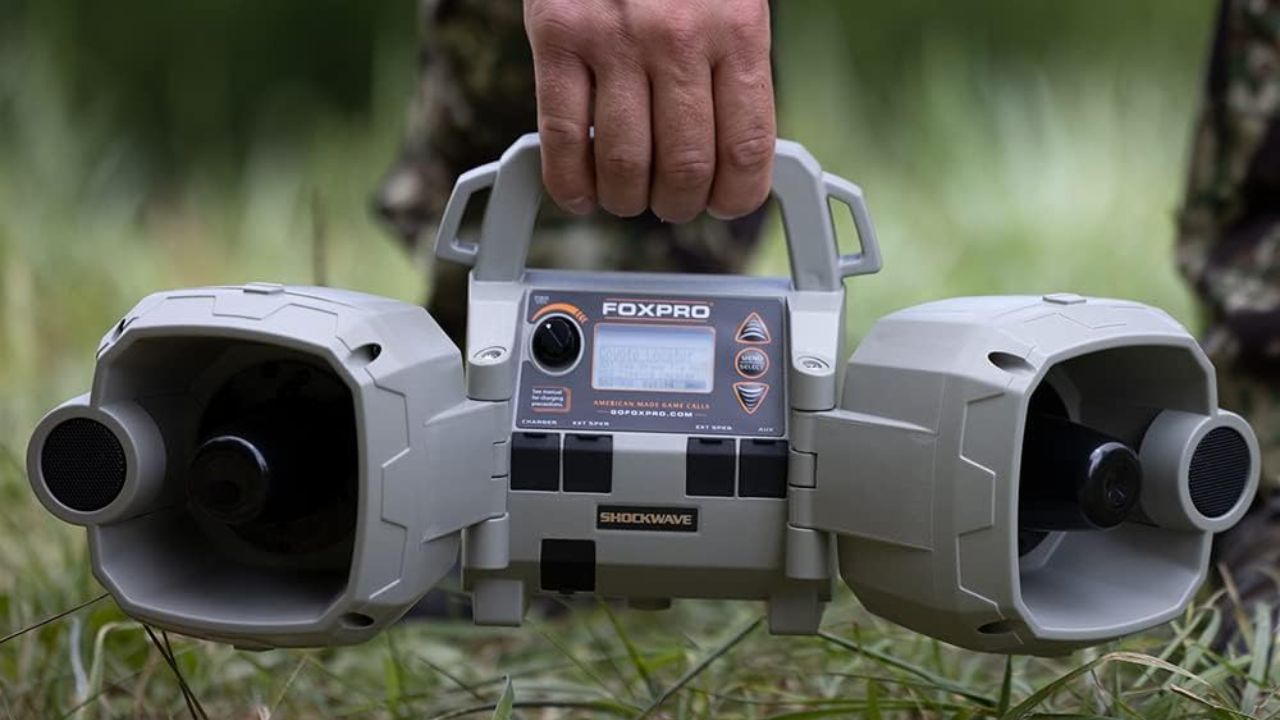
Electronic game calls are a great tool, but pricier models packed with endless sound libraries often cause more harm than good. Overuse leads to unnatural patterns, and inexperienced hunters rely too heavily on them rather than reading real animal behavior.
A simple, reliable electronic call—or even a traditional manual call—often works better in the field. Knowing when and how to use it makes more difference than spending extra on a unit with hundreds of built-in sounds you’ll never touch.
*This article was developed with AI-powered tools and has been carefully reviewed by our editors.