Photo credit: BassFishingHQ/YouTube
Spinnerbaits aren’t just a “throw and wind” lure. When you know how to work them right, they can pull big fish out of cover, trigger reaction bites in open water, and keep you hooked up when other baits fall short. The flash and vibration are already built in, but how you present them—and the tweaks you make—can turn a slow day into a productive one. If you want those larger fish to commit, you’ve got to make that spinnerbait look and feel like an opportunity they can’t pass up.
Slow Roll Along the Bottom
Slowing your retrieve down until the blades just thump along the bottom can make your bait look like an easy meal. This is especially effective in cooler water when bass aren’t chasing fast-moving lures.
Let it tick rocks and structure without snagging, and you’ll often get bit right after it bumps into something. That subtle contact triggers strikes from fish that might otherwise watch it go by.
Burn It for a Reaction Bite
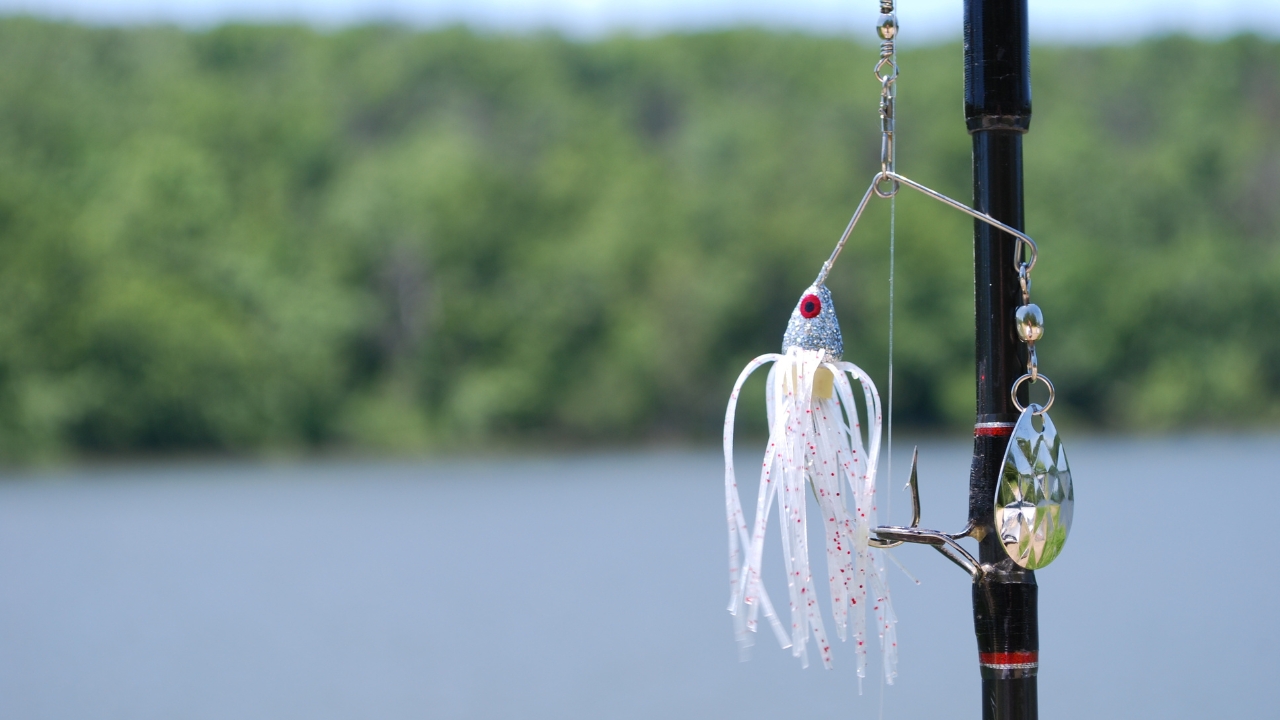
In warm water or when baitfish are active, speeding up your retrieve can create a chase instinct. Burning a spinnerbait just under the surface causes the blades to throw off a ton of flash.
Fish that aren’t feeding will often hit out of pure aggression. Keep your rod tip low and maintain steady pressure to avoid blowouts on the strike.
Yo-Yo Through the Water Column
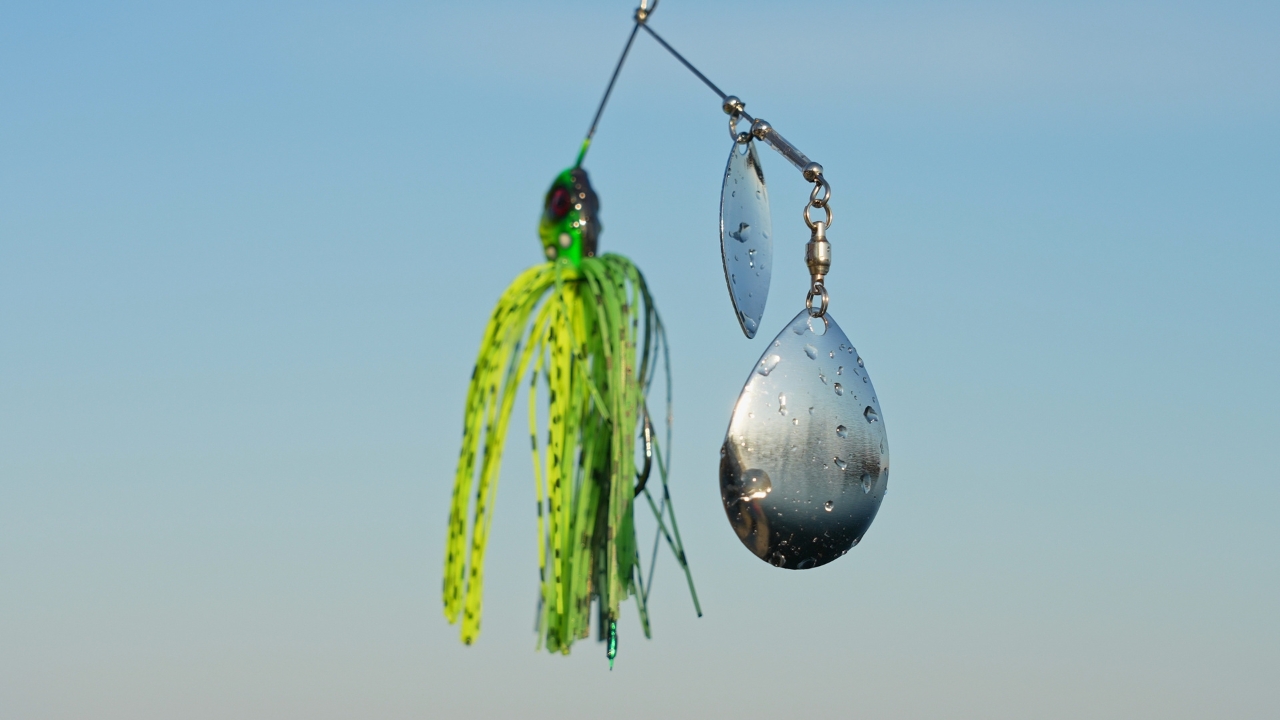
Instead of a steady retrieve, try lifting and dropping your rod tip as you reel. This makes the spinnerbait rise and fall like a wounded baitfish.
That change in speed and depth often draws fish from a distance. It’s especially good around drop-offs and ledges where bass hang back before committing.
Bump Cover on Purpose
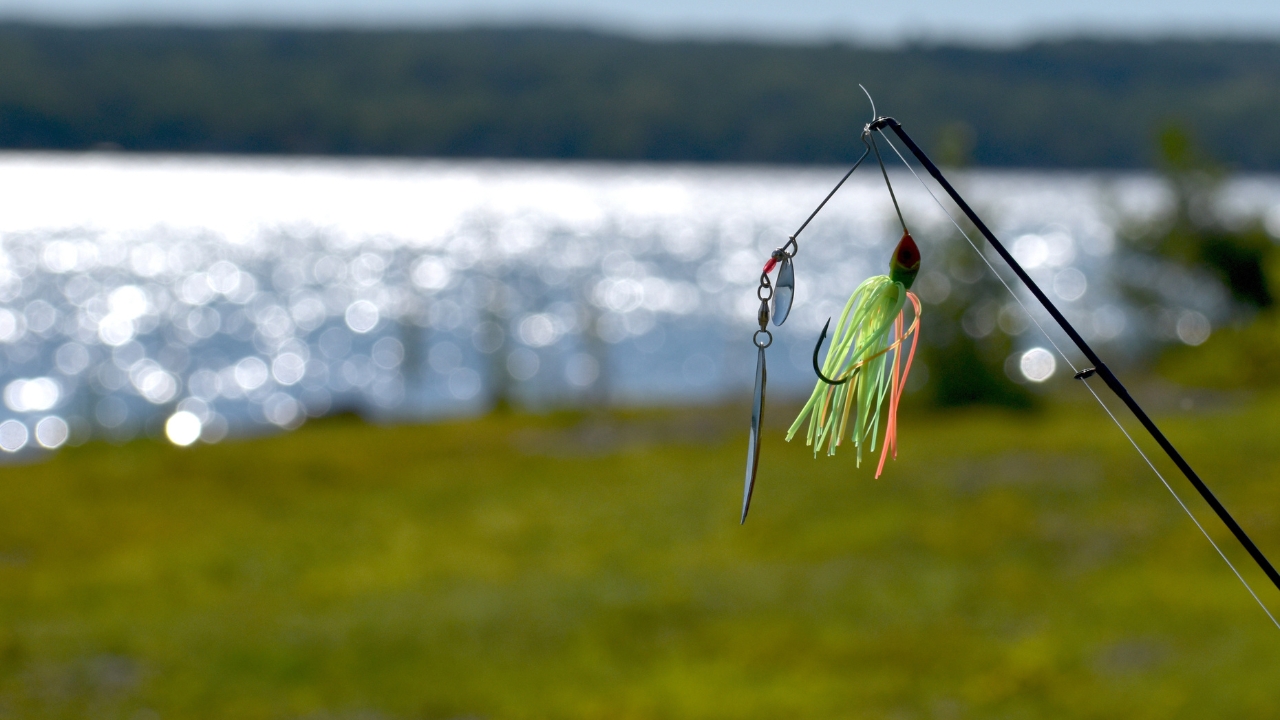
Don’t shy away from stumps, laydowns, or dock pilings. Running your spinnerbait into cover makes it flare and change direction, which often triggers a strike.
Keep your rod high when approaching obstacles so you can guide the lure over without hanging up. The moment it clears, be ready—fish often hit right then.
Switch Blade Styles for Conditions
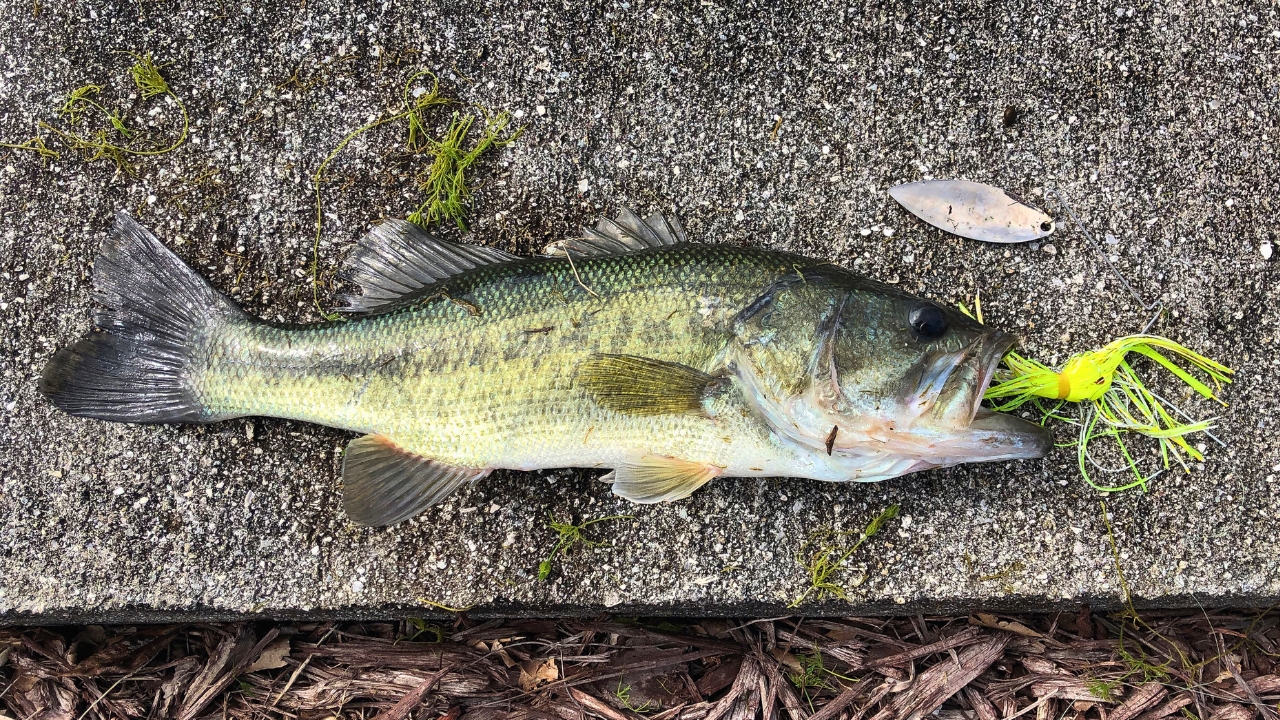
Willow blades give more flash, Colorado blades give more thump, and tandem setups offer a mix. Changing blade type and size can make a big difference based on water clarity and light conditions.
In stained water, bigger Colorado blades help fish find the bait by vibration. In clear water, willows give off a more subtle, natural flash that won’t spook fish.
Add a Trailer for More Action
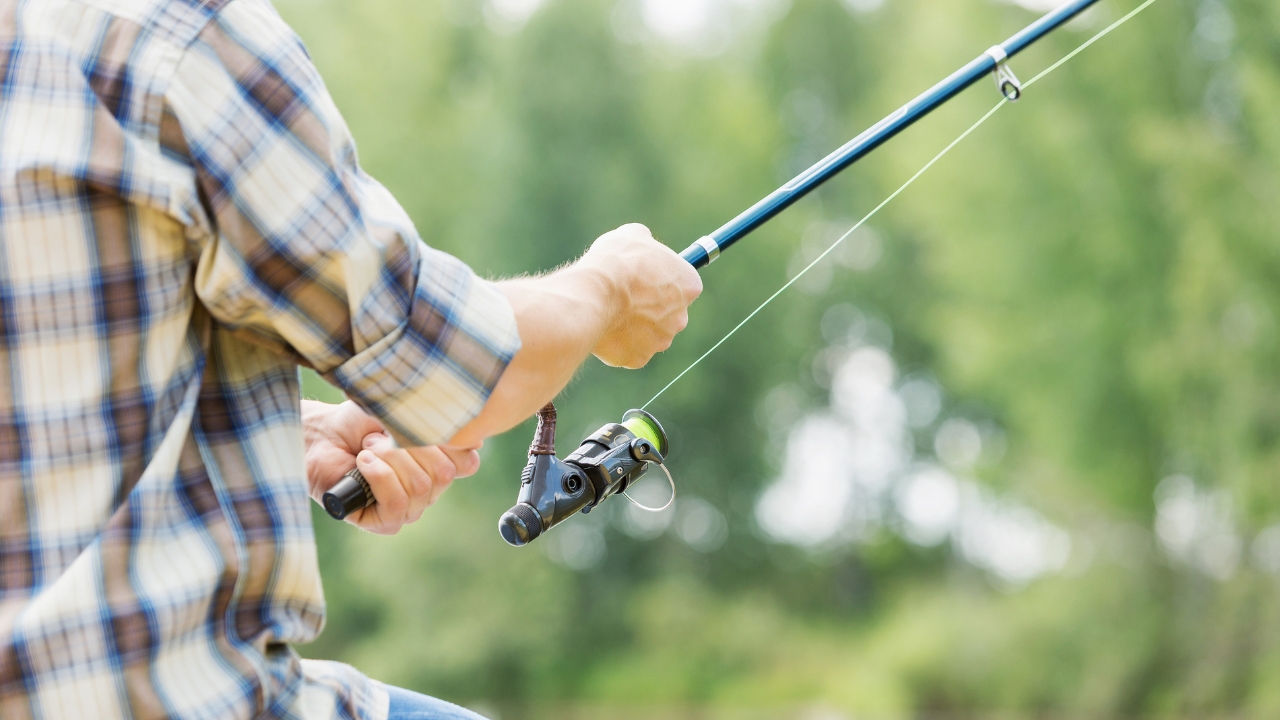
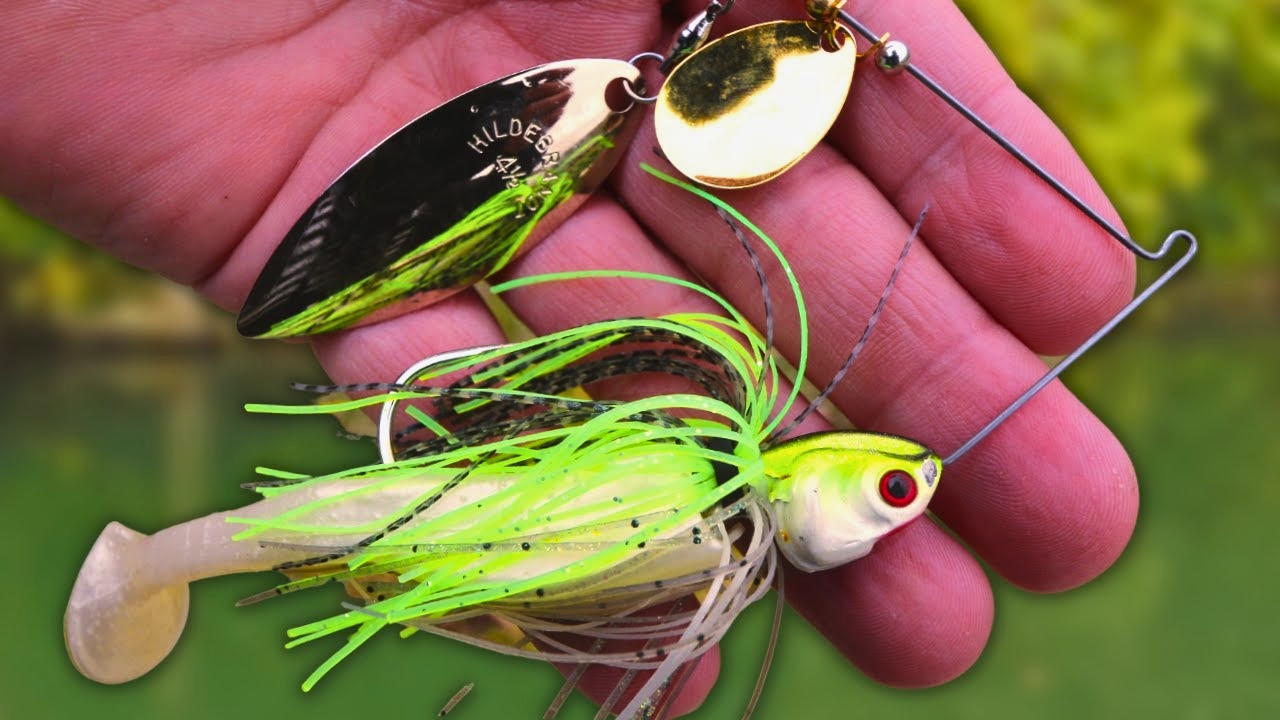
A soft plastic trailer can bulk up your presentation and change the bait’s profile. Grubs, swimbaits, or split-tail trailers can mimic baitfish or give a more aggressive look.
Trailers also slow the fall slightly, which can help in shallow water or when you want to keep the bait in the strike zone longer. Match the color to your skirt or use a contrast to draw attention.
Vary Your Retrieve Within a Cast
Instead of sticking to one retrieve speed the whole time, mix it up. Start fast to get attention, slow down as it approaches cover, then speed up again as it exits.
That change in pace can trigger following fish to strike. The idea is to make it look alive, unpredictable, and worth chasing down.
*This article was developed with AI-powered tools and has been carefully reviewed by our editors.