Photo credit: TylersReelFishing/YouTube
Fishing jigs around structure is one of the best ways to pull out big bass, but it comes with a real downside—snags. Between rocks, brush, and weeds, it doesn’t take much to lose a jig or two if you’re not being smart about how you fish it. The good news? There are a few tricks that can seriously cut down how often you get hung up. These aren’t complicated—just small adjustments that make a big difference once your jig hits the water.
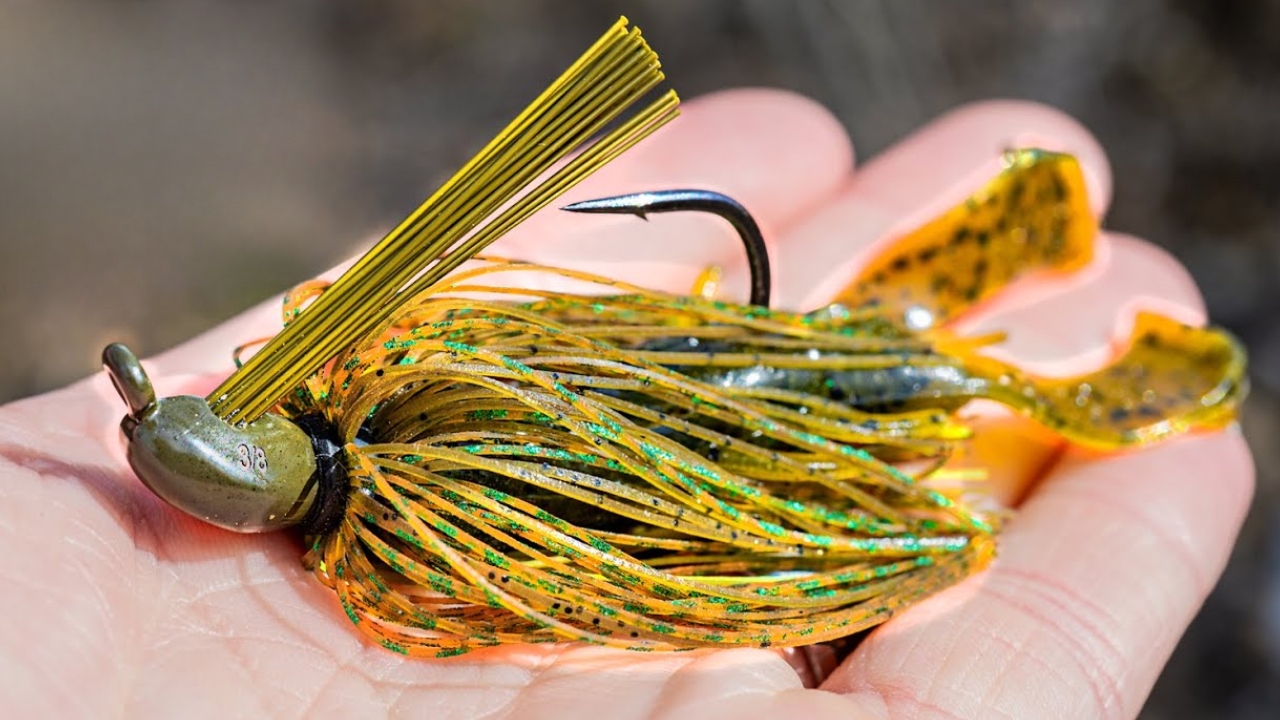
Use a Jig with a Good Weed Guard

Not all weed guards are built the same. A solid weed guard gives you a chance to fish through grass, brush, and wood without constantly getting stuck. If yours is too stiff, it can block hooksets. Too flimsy, and it won’t help you at all.
Stick with a medium-strength guard that flexes enough for bites but still deflects cover. It won’t stop every snag, but it’ll let you fish tighter spots with more confidence. If you’re losing jigs every trip, upgrading your weed guard is a smart first step.
Swim It Instead of Dragging

Dragging a jig across the bottom puts it right in the danger zone—especially around rocks and branches. Instead, try swimming it. This keeps your jig higher in the water and away from the snaggiest stuff.
Swimming a jig doesn’t mean burning it back. A slow, steady retrieve is usually all you need. You’ll still get bites, especially from bass looking to ambush from below, and you’ll lose way fewer jigs along the way.
Stick to Vertical Drops Around Cover

When you’re fishing tight to cover like docks or stumps, a vertical drop can help keep things clean. It gives you more control and lets the jig fall straight down instead of swinging into snags.
After the drop, give it a couple light hops and watch your line. If you feel pressure, set the hook. If not, lift it out and drop again. This keeps the bait close to the fish but limits your chances of getting hung up in the structure.
Avoid Overly Light Line

Going too light on line might feel more sensitive, but it can backfire. Thinner line doesn’t give you as much pull when you do get snagged, and it’s more likely to break when dragging over rough spots.
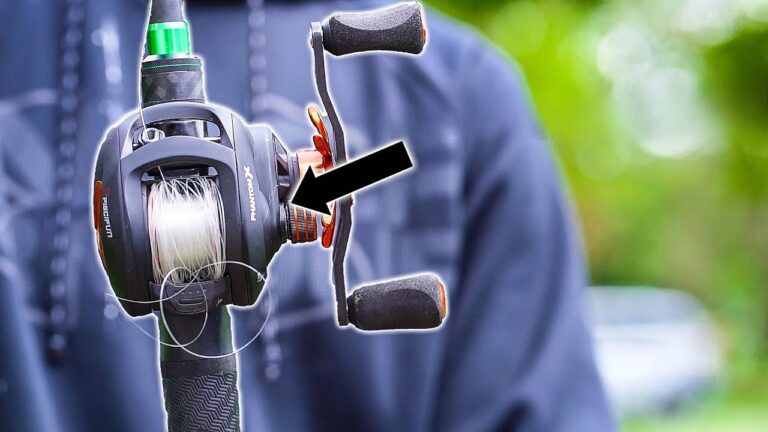
A good braid-to-fluoro setup helps. Braid gives you strength, and fluoro helps with invisibility and abrasion resistance. You’ll feel more without sacrificing your chances of pulling your jig out if it starts to wedge in somewhere.
Pick the Right Head Shape

The shape of your jig head plays a big role in how snaggy it is. Football heads tend to roll in rocks, which can lead to hang-ups. Arkie-style or flipping heads do better in mixed cover and slide through cleaner.
If you’re fishing mostly wood or weeds, go for a streamlined head. That profile helps the jig deflect instead of digging in. A small switch in shape can keep your jig fishing longer and off the bottom less.
Don’t Over-Hop Your Jig

It’s tempting to give your jig big, aggressive pops, especially if you’re not getting bites. But the bigger the movement, the more likely it is to jump into trouble—like wedging under rocks or wrapping around limbs.
Smaller hops with pauses keep your bait in the strike zone without moving it into risky spots. Most of the time, fish aren’t looking for something erratic anyway. They want a meal that looks wounded, not wild.
Pay Attention to Feel and Tension

One of the biggest causes of snags is not knowing where your jig actually is. If you’re not feeling bottom or tension on your line, you could already be stuck. Keep slight tension during the fall and stay aware of changes.
If it suddenly feels heavy or you stop feeling the bottom, don’t yank hard right away. Lift gently to see if you’re hung or just got hit. Being more aware of what’s happening with your line saves jigs and helps you catch more fish.
*This article was developed with AI-powered tools and has been carefully reviewed by our editors.