Image Credit: Mitch Cox Photo/Shutterstock.com
When it comes to self-defense, few debates get people more fired up than 9mm vs. .45 ACP. Some swear by the .45’s bigger bullet and old-school stopping power, while others point to the 9mm’s higher capacity and easier shootability. The truth is, both calibers have been around for over a century and have proven themselves in real-world defensive situations.
But which one is actually better? That depends on a few key factors—stopping power, capacity, recoil, and real-world effectiveness. If you’re choosing a handgun for home defense or concealed carry, you need to know the trade-offs. Let’s break it down and see which caliber truly comes out on top.
Stopping Power: Does Size Matter?

The .45 ACP has long been praised for its stopping power. It fires a heavier bullet—typically 185 to 230 grains—compared to the 9mm’s standard 115 to 147 grains. In theory, a bigger, slower-moving round should hit harder and stop threats faster. But modern ballistics testing shows that 9mm with quality defensive ammo expands just as well and penetrates deep enough to be just as effective.
What really matters is shot placement. A well-placed 9mm round will stop a threat faster than a poorly placed .45 ACP. And with today’s hollow-point technology, 9mm is no longer at a disadvantage.
Capacity: More Rounds or Bigger Bullets?

Capacity is where the 9mm dominates. Most standard 9mm handguns hold 15+1 rounds, while most .45 ACP pistols max out at 8+1. In a defensive situation, having more rounds on tap without reloading can make a difference, especially if you’re dealing with multiple threats.
Some .45 ACP pistols, like double-stack 1911s and the FNX-45 Tactical, offer higher capacity, but they’re bulkier and harder to conceal. The trade-off is clear—if you want more rounds in the magazine, 9mm is the way to go.
Recoil and Shootability: Which is Easier to Control?
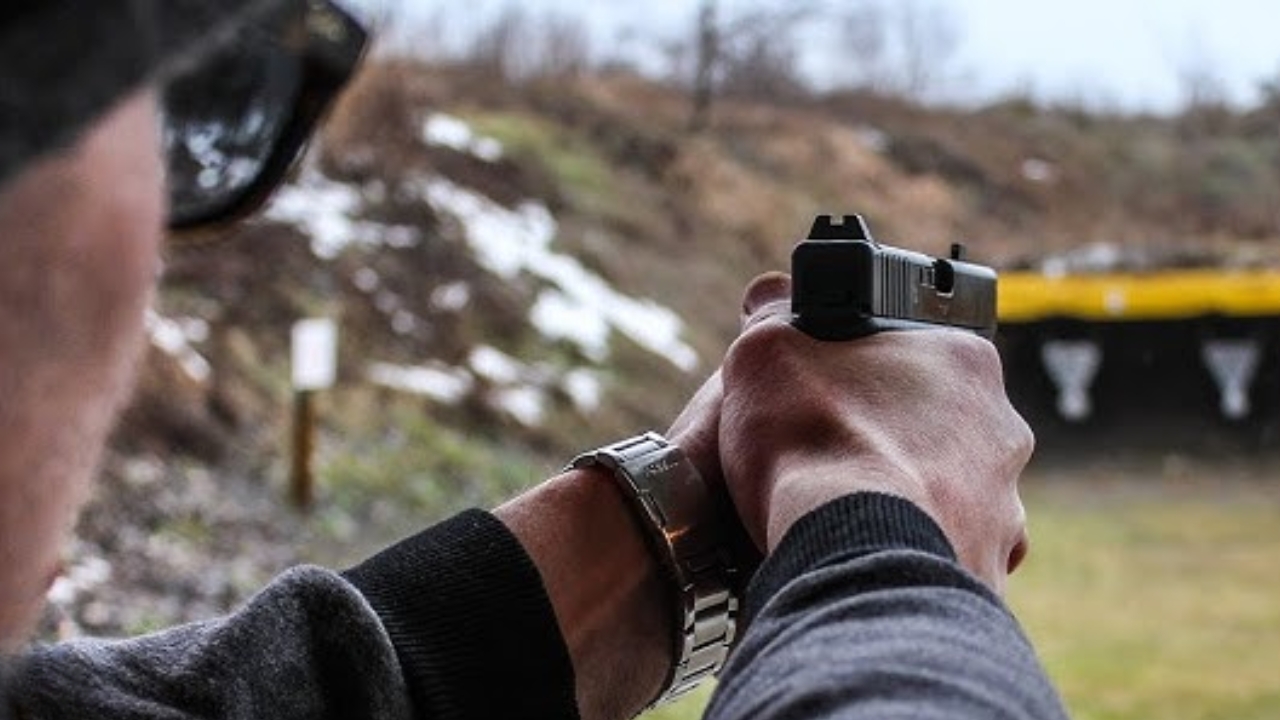
The .45 ACP has noticeably more recoil than the 9mm. While it’s not unmanageable, it’s slower to get back on target for follow-up shots. In a high-stress situation, that extra recoil could mean the difference between landing multiple hits quickly or struggling to get back on target.
9mm’s lighter recoil makes it easier to control, even for newer shooters or those with smaller hands. That means faster follow-up shots, better accuracy under stress, and less fatigue during extended shooting sessions.
Penetration and Overpenetration: Which is Safer for Home Defense?

Both 9mm and .45 ACP can overpenetrate, especially if you’re using full metal jacket (FMJ) rounds instead of hollow points. But .45 ACP, being a slower, heavier round, tends to dump more energy into the target rather than zipping through walls and continuing on.
9mm, especially in lighter-weight defensive loads, tends to penetrate more, which could pose a risk in home-defense scenarios where missed shots could go through drywall. However, both calibers have defensive ammo designed to reduce this risk.
Cost and Availability: Which is More Practical?

9mm is significantly cheaper than .45 ACP, both for training and defensive ammo. A box of 9mm typically costs about half as much as a box of .45 ACP, meaning you can train more for the same price. More practice means better proficiency, and that’s a major factor in self-defense effectiveness.
On top of that, 9mm is widely available. Nearly every gun store, sporting goods store, and even some big-box retailers carry it. .45 ACP is common, but not as universally stocked.
Handgun Options: Which Caliber Gives You More Choices?

If you’re looking for variety, 9mm wins hands down. Almost every major handgun manufacturer makes multiple 9mm models, from compact concealed carry pistols to full-size duty guns. Whether you want a striker-fired polymer pistol, a classic 1911, or a competition-ready gun, you’ll find endless options in 9mm.
.45 ACP is more limited. Outside of 1911s, there aren’t as many choices, especially if you want a compact or lightweight handgun. While there are some solid .45 ACP options, they don’t come close to the number of 9mm models available.
Ammunition Performance: Which One Hits Harder?
Defensive ammo has come a long way, and modern 9mm rounds expand just as well as .45 ACP while still offering deeper penetration. The FBI switched from .40 S&W to 9mm after extensive testing showed that 9mm offers equal or better performance in real-world scenarios.
.45 ACP still has its loyal following, especially among those who like heavier bullets. But ballistic gel tests consistently show that well-made 9mm hollow points perform just as well—or better—than .45 ACP.
Law Enforcement and Military Use: What Do the Pros Carry?

At one time, .45 ACP was the go-to caliber for military and law enforcement. The 1911 and later the M1911A1 served as the standard-issue sidearm for decades. But as firearms evolved, so did caliber selection. Today, nearly all law enforcement agencies and military forces have switched to 9mm.
Why? More capacity, less recoil, and better performance with modern ammo. Even elite units like the FBI’s Hostage Rescue Team and U.S. Special Operations Forces rely on 9mm for their sidearms. If the professionals trust 9mm in life-or-death situations, that says a lot.
Which One is Right for You?

If you want a higher capacity, lower recoil, and a more affordable option that’s widely available, 9mm is the clear winner. It’s easier to shoot, has better follow-up accuracy, and gives you more rounds per magazine. For most people, it’s the better choice for self-defense.
If you’re set on .45 ACP, it’s still a capable round with a proven history. Some shooters prefer the feel of a big-bore handgun, and if you don’t mind the trade-offs—lower capacity, higher cost, and more recoil—it can still get the job done. But in a head-to-head comparison, 9mm comes out on top in almost every category that matters for self-defense.
*This article was developed with AI-powered tools and has been carefully reviewed by our editors.