Photo credit: AI-generated image created using ChatGPT. Illustrative only
Getting an eviction notice is bad enough. Getting one that says you “brandished a gun” when you weren’t even home is the kind of thing that makes a responsible gun owner sit up straight and start digging for answers.
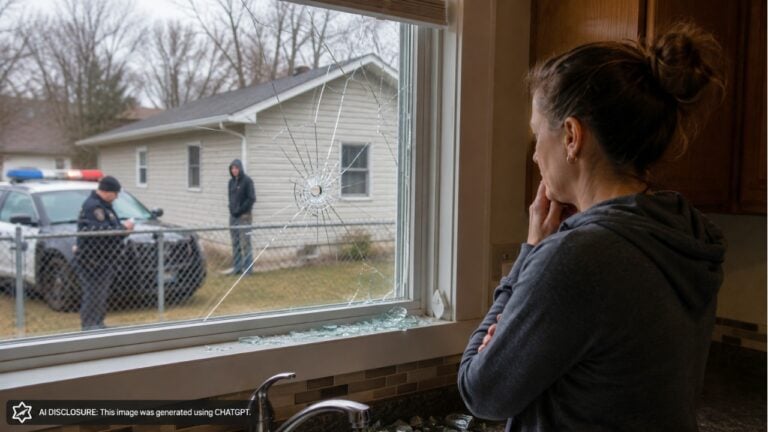
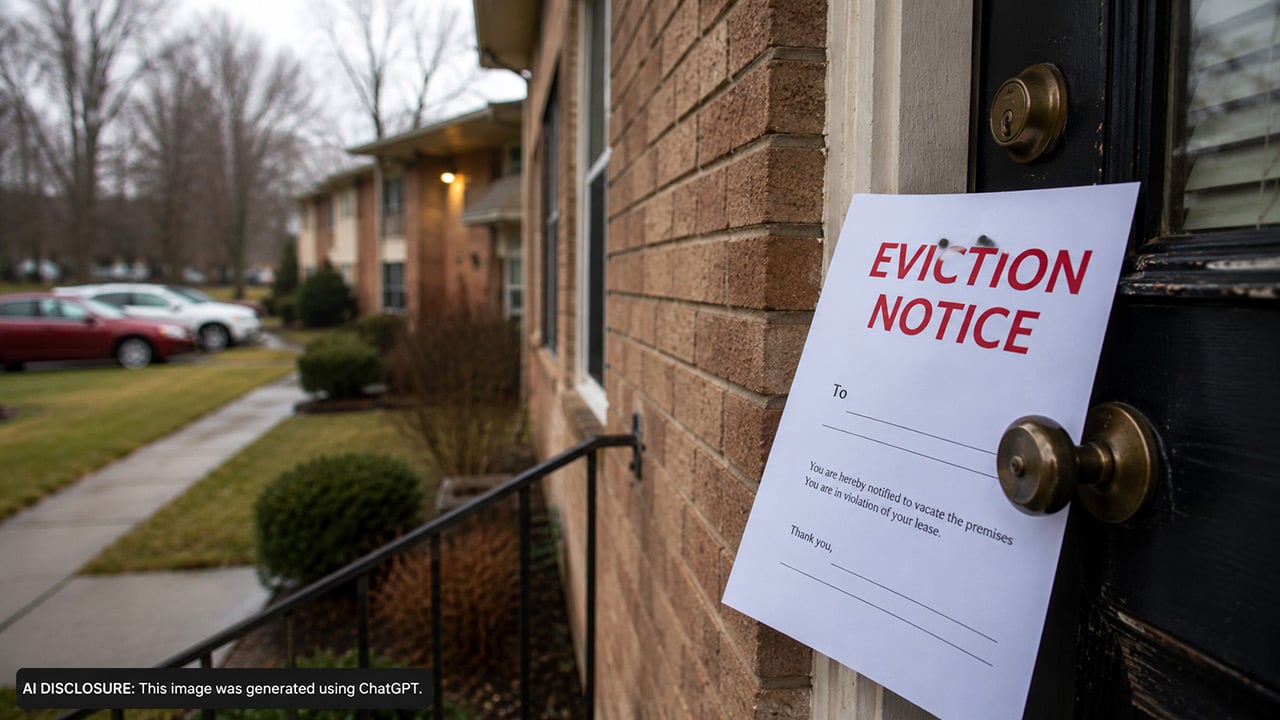
That’s the situation described in the source post, where a renter in Pontiac, Michigan said their apartment complex served them eviction papers tied to an alleged gun-brandishing incident. The renter added that police responded, but there was no police report made and no one was arrested.
An allegation that doesn’t line up with the timeline
The renter’s key detail was simple: nobody was home when the incident supposedly happened. That matters because “brandishing” implies a person was present, a gun was displayed, and someone witnessed it in a way that caused alarm or a perceived threat.
When the story you’re being accused of requires you to be standing there holding something, but you’re saying you weren’t even there, the whole situation turns into a question of proof. Who made the complaint? Who claims they saw it? And how is the property manager connecting it to a specific tenant?
Eviction doesn’t always require an arrest
A lot of folks assume an eviction like this can’t go anywhere unless there’s an arrest, a charge, or at least a police report. Real life isn’t always that clean, especially when leases and property rules enter the picture.
The attorney who responded explained that if the lease includes restrictions on firearms and that restriction was violated, the complex can likely file for eviction. That’s a big “if,” but it’s the part many renters overlook: a lease can create consequences separate from criminal court.
The lease language is where the rubber meets the road
If you’re a hunter or a concealed carrier renting an apartment, you’ve probably seen it—some leases try to ban firearms entirely, some ban discharge (which is reasonable in a residential setting), and others limit where guns can be carried or stored. Whether those clauses are enforceable in every situation is a separate fight, but the first practical step is knowing what you actually signed.
The response on Avvo pointed straight at that reality: if the lease addresses a restriction on firearms and it was violated, an eviction filing is likely on the table. That doesn’t mean the allegation is true; it means the landlord may try to use the lease as the tool to remove a tenant.
“No report, no arrest” still leaves a witness question
The renter noted police came, but there was no police report made and nobody was arrested. That’s unusual on its face, and the attorney basically asked the same thing most outdoorsmen would ask around a tailgate: if nobody was home, who witnessed this supposed brandishing and called it in?
In plain terms, the strength of the property’s case likely hinges on what they can claim to have: a complaining witness, an employee statement, security footage, another tenant’s account, or something else they believe ties the event to the renter. The attorney pointed out that the facts provided were brief and questioned who made the complaint and witnessed the event if the renter wasn’t home.
Practical steps that matter when your housing is on the line
This is where the “Avid Outdoorsman” brain kicks in—stay calm, get organized, and don’t try to talk your way out of something with half-information. When eviction papers show up, you’re in a process with deadlines, and “I didn’t do it” won’t carry much weight unless it’s backed by something solid.
The Avvo answer recommended a legal consultation, and that’s not just lawyer-speak. If you carry firearms, you already know how quickly a misunderstanding can snowball into big consequences. An attorney can help you look at the lease, the eviction paperwork, and what evidence (if any) exists behind the accusation, then decide how to respond in a way that protects you.
Why this hits gun owners and hunters differently
Plenty of renters own firearms for home defense, hunt on weekends, or keep a shotgun for deer camp. The problem is that apartment living compresses everybody together—thin walls, shared hallways, people who don’t know you, and sometimes management that would rather remove a “risk” than sort out facts carefully.
Even if you’re the safest person on the property, a claim like “brandishing” paints you like a threat. And once that label shows up on paperwork, it can affect more than one lease: future rental applications, employment background checks in some fields, and the simple ability to live where you want without constant scrutiny.
None of that means a renter should roll over. It means you treat it like any other serious outdoorsman problem: document what you can, follow the rules you’re bound by, and get qualified help before you make a move that makes things worse.
If there’s one takeaway from the attorney’s response, it’s that the eviction attempt may hinge on lease terms and whatever witnesses or evidence the complex claims to have—not on whether someone was arrested that day. When your home is at stake, that’s reason enough to take it seriously and get professional guidance fast.
Like The Avid Outdoorsman’s content? Subscribe to our newsletter so you never miss an article.
Here’s more from us: