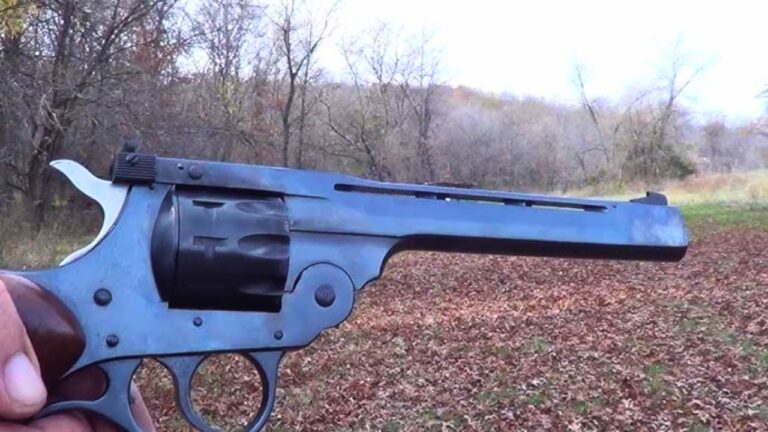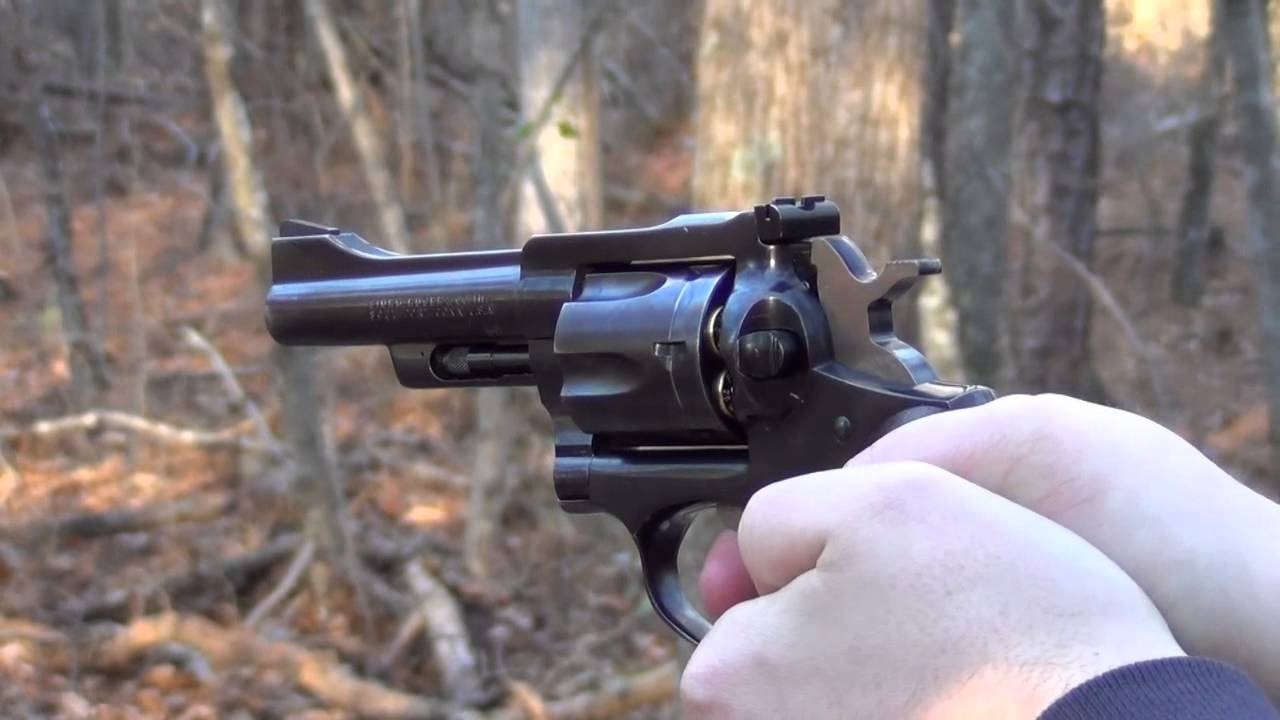
Photo credit: ShootFastFun/YouTube
Every gun show has that moment. A guy lays a revolver on the table like it’s just “an old wheelgun,” and the price tag is based on what he paid in 1998, not what it would cost to replace today. Revolvers are funny that way. They don’t have trendy optics cuts or new magazine designs, so sellers assume they’re stuck in the past. Meanwhile, clean examples keep drying up, especially with the right barrel length, original grips, and the box.
I’m not talking about mint, museum-grade collectibles only a hard-core collector cares about. I’m talking about the revolvers that quietly became expensive because everybody shot them hard, carried them rough, or “tuned” them with a file. If you’ve got one in good shape, you might be sitting on more value than you think.
1. Colt Python (pre-2020 production)
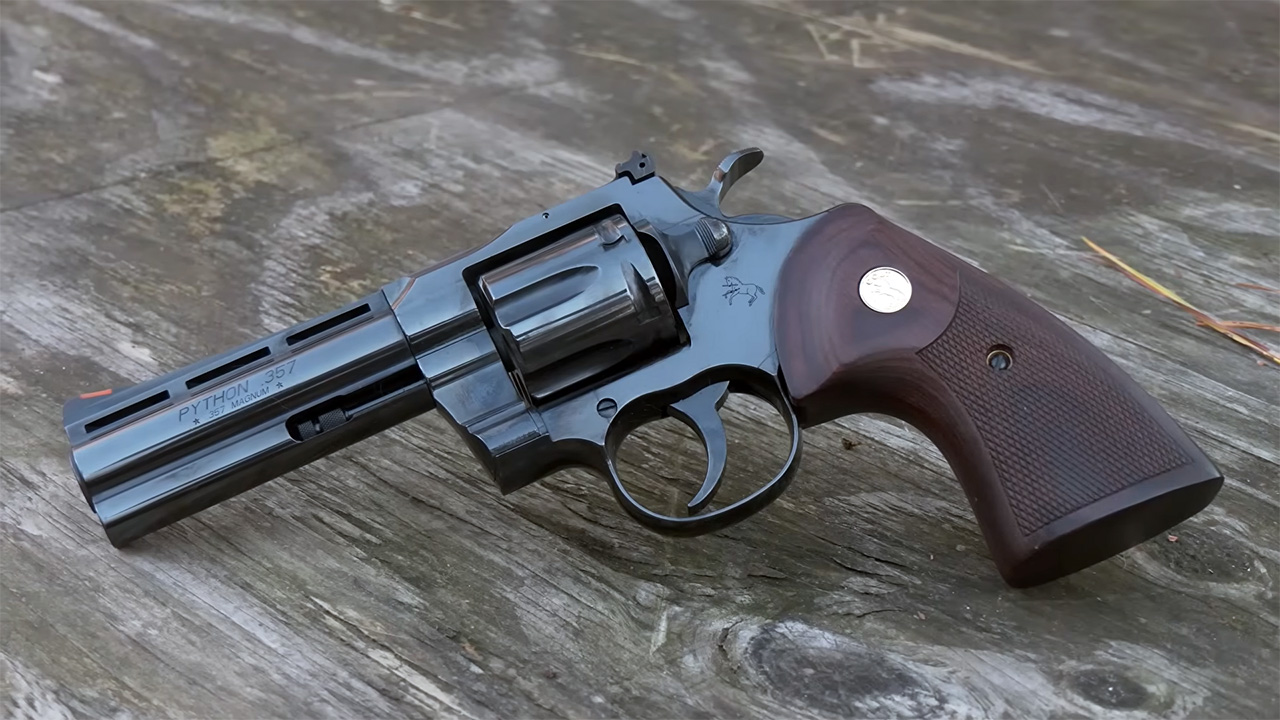
If you’ve ever felt a real, older Python lock up like a bank vault, you get why folks chase them. The finish, the rib, the way the trigger stacks—none of that is “just hype” when you’re holding a clean one.
What surprises sellers is how much condition matters. A Python with honest holster wear is one thing. A Python with clean edges, sharp lettering, and an un-buggered screw set is a whole different animal. Original box and papers can add another step up.
2. Colt Detective Special (early production)

This is one of those revolvers that looks ordinary until you try to buy a nice one. It’s a serious, old-school carry gun with real history behind it, and the older ones have a feel you don’t get from modern small frames.
Most get beat up because they were carried a lot. A good-condition Detective Special with tight timing and factory grips tends to bring more than “it’s just a snub” money.
3. Colt Diamondback
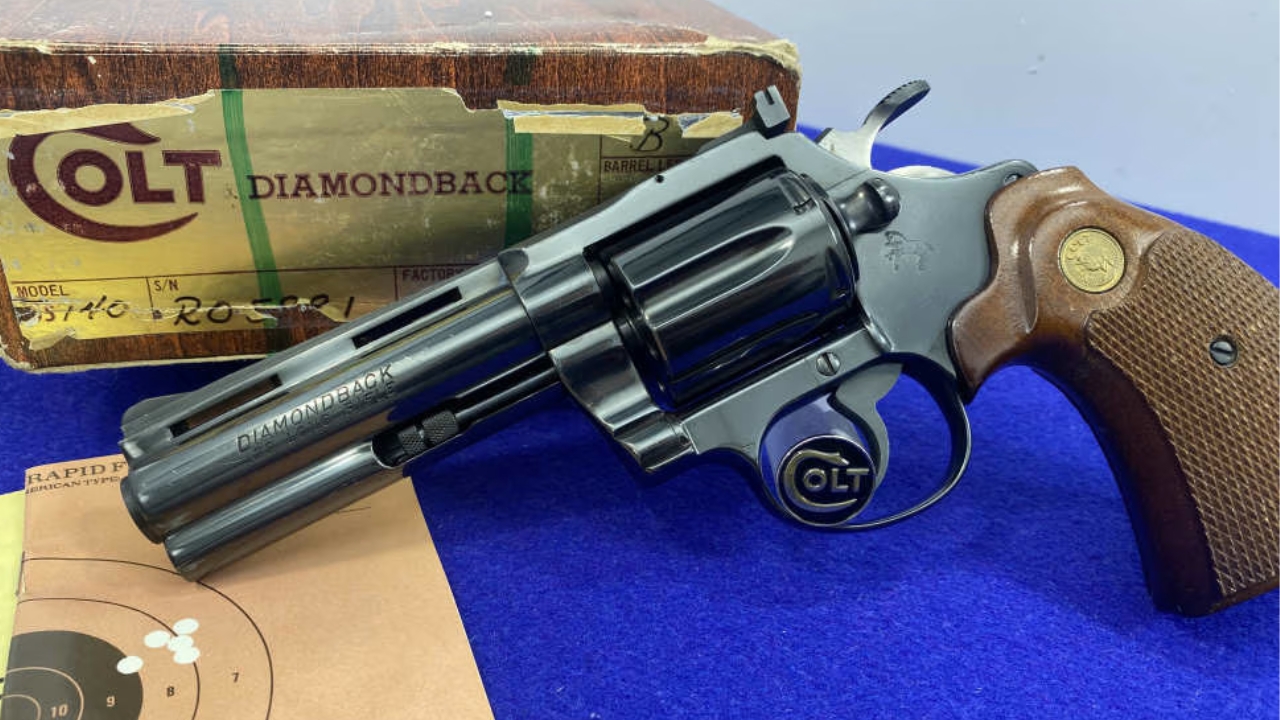
The Diamondback is the revolver that gets dismissed by the guy who thinks only Pythons count. Then he sees what a clean 4-inch .38 brings and suddenly he’s doing math in his head.
They were made to be used, and plenty were. A crisp example with minimal cylinder turn line and decent finish will get attention fast, especially in the more common barrel lengths that folks actually want to own.
4. Smith & Wesson Model 27 (pinned-and-recessed era)

The Model 27 is what happens when a company builds a .357 like they’re trying to impress somebody. Deep bluing, checkering where it didn’t “need” to be, and that old N-frame heft that soaks up recoil.
They aren’t all rare, but nice ones aren’t falling out of trees either. The pinned barrel and recessed cylinder details matter to collectors, and condition is everything because that finish shows wear quickly.
5. Smith & Wesson Model 19 (no-dash and early dash guns)
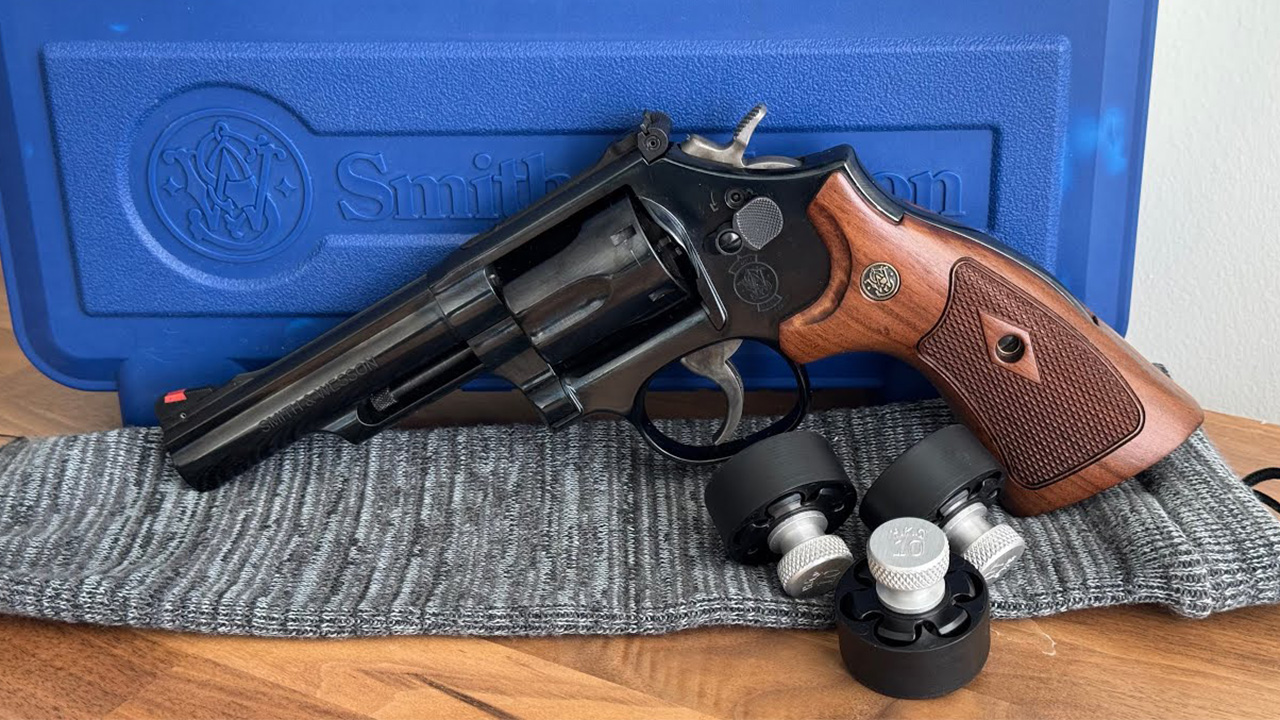
If you grew up around cops and outdoorsmen, you’ve seen the Model 19. It points like it was born in your hand. It’s also one of the easiest revolvers in the world to “just shoot a lot,” which is why clean ones are getting harder to find.
A tight, honest Model 19 with a good bore and no endshake is worth more than the average seller expects. The ones that haven’t been fed a steady diet of hot .357s tend to be the sweet spot.
6. Smith & Wesson Model 66

The stainless version of the 19 gets treated like a working gun, because it is. It rides well, it holds up, and it doesn’t scare you to carry it in bad weather.
That “working gun” reputation keeps prices sane on rough examples, but a clean early 66 with sharp edges and original parts is a different deal. Folks want them as a do-it-all revolver, and nice ones don’t sit long.
7. Smith & Wesson Model 29 (early .44 Magnum)
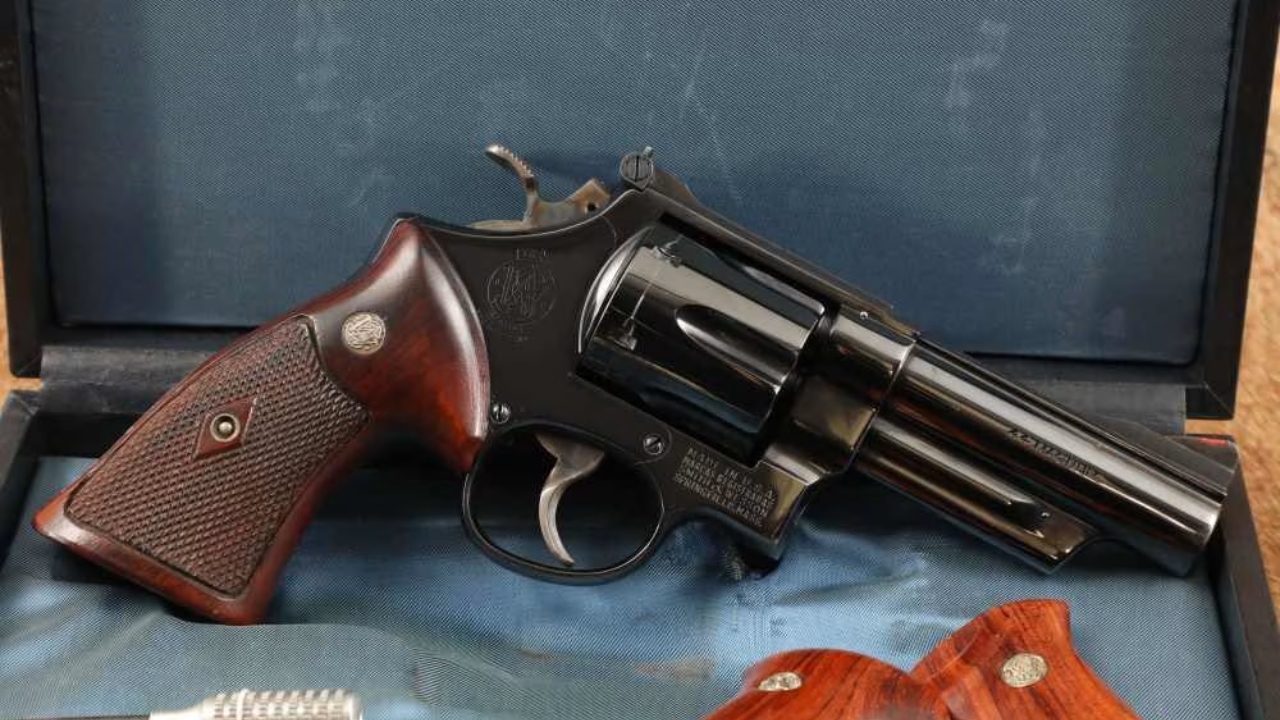
Everybody knows the Model 29, even if they’ve never shot one. The mistake is assuming every 29 is worth the same. They aren’t.
Early production guns in good shape pull a premium, and the difference between “nice” and “clean” is real money. A lot of these got carried for hunting and rode around in trucks, so un-abused examples stand out.
8. Smith & Wesson Model 57 (.41 Magnum)
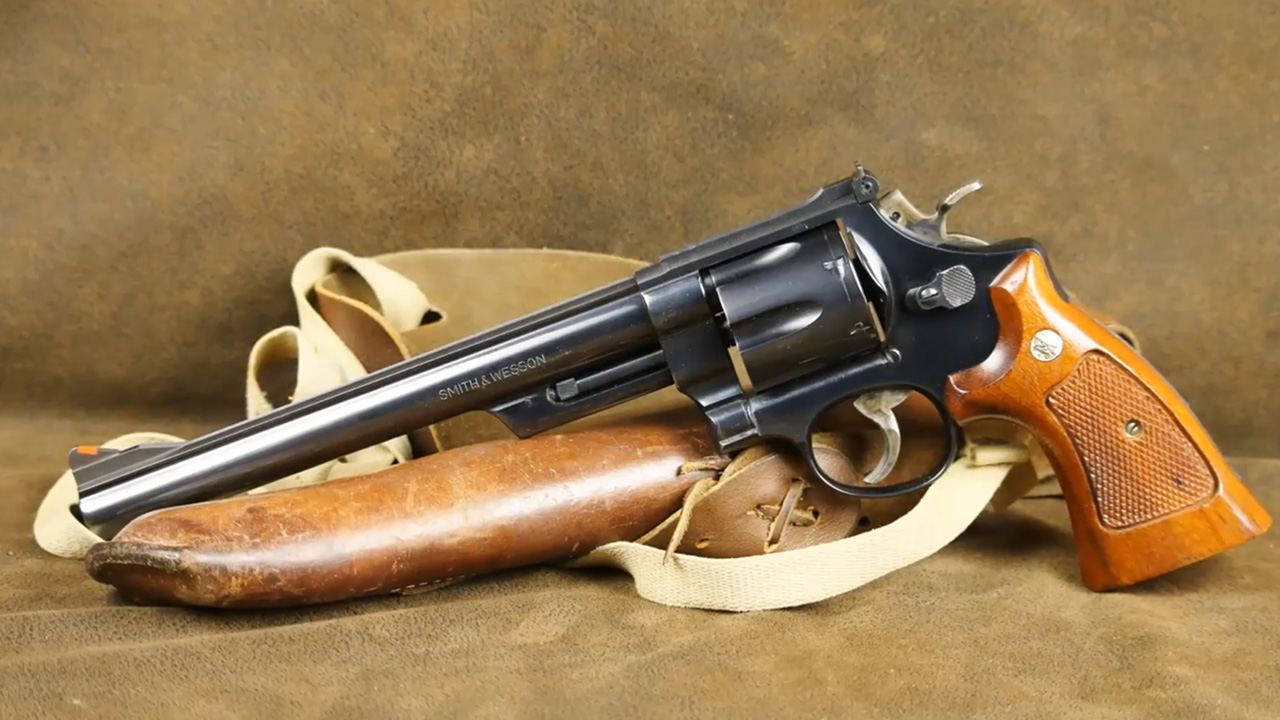
The .41 Magnum crowd isn’t huge, but they’re serious. The Model 57 is one of those revolvers that makes a person stop and stare at the counter, especially with the right barrel length.
Many sellers assume the oddball caliber hurts value. Sometimes it does on the fast-sale market. But clean Model 57s tend to bring strong money from the folks who know exactly what they are.
9. Smith & Wesson Model 625 (JM and early .45 ACP revolvers)
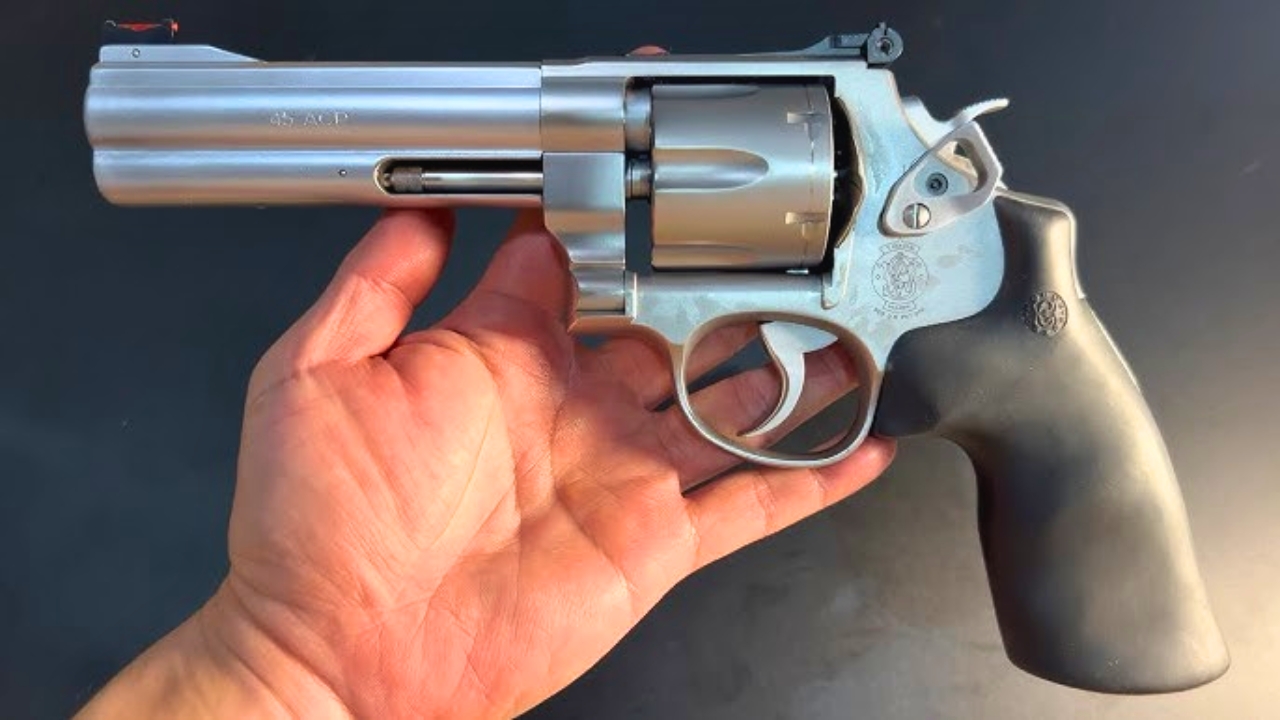
A good .45 ACP revolver is ridiculously useful. Cheap practice ammo (in normal times), fast reloads with moon clips, and a big, easy-to-shoot bullet. The 625 earned its reputation honestly.
Condition matters because competition use can be hard on guns. A 625 that hasn’t been “race-gunned” to death, with original parts and a clean crown, can be worth more than a seller expects when they think it’s “just a stainless shooter.”
10. Smith & Wesson Model 686 (no-dash and early dash guns)

The 686 is common enough that guys get careless when pricing them. But early examples in genuinely good condition keep climbing, especially the ones that haven’t been bubba’d with questionable springs and home trigger work.
It’s also a revolver that gets used hard as a range staple. A clean 686 with tight lockup and a smooth, factory-feeling action is not the same as the one that lived a rough life in a tackle box.
11. Smith & Wesson Model 17 (K-22 Masterpiece)

This is one of the best .22 revolvers ever made, and I’ll argue that on any range. The sights are right, the trigger is usually excellent, and it teaches you to shoot without punishing you.
They often get overlooked because “it’s only a .22.” Meanwhile, a clean K-22 with nice bluing and correct grips costs real money now, because folks figured out they aren’t making them like that anymore.
12. Ruger Security-Six
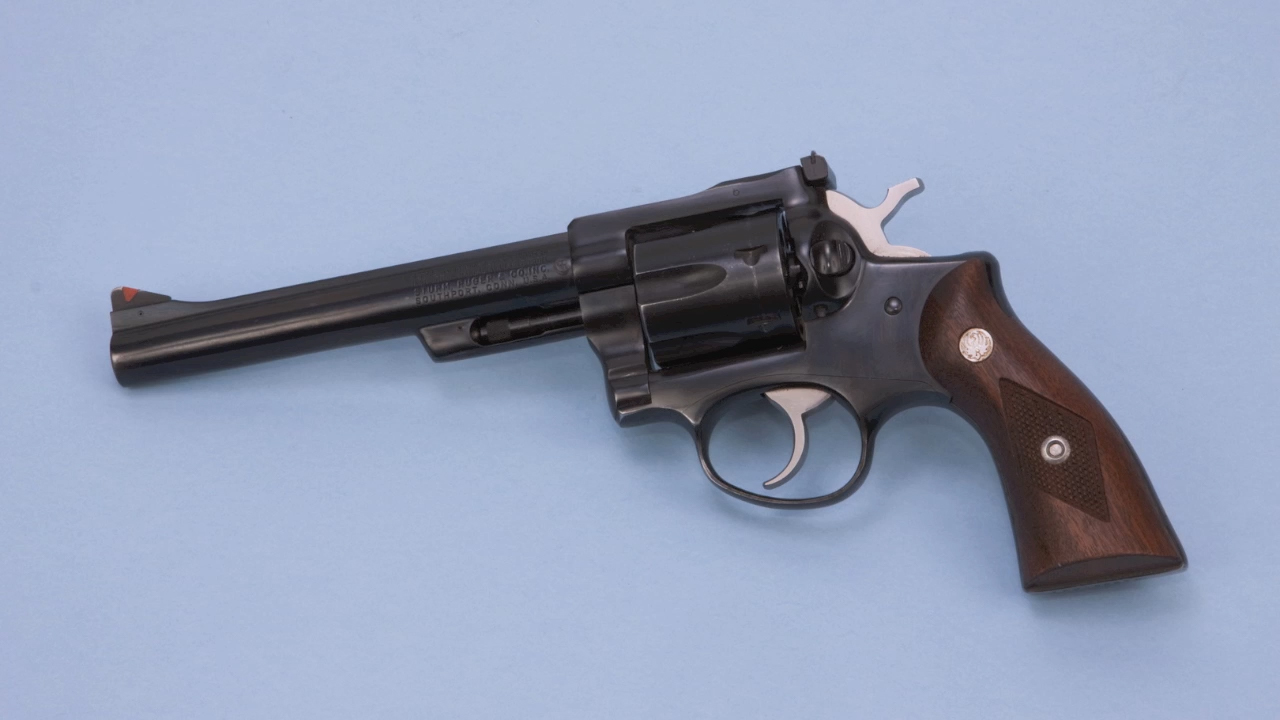
The Security-Six family has a loyal following for a reason. They’re tough, simple, and they digest .357 like it’s their job. If you’ve ever carried one in the woods, you know it’s a steady companion, not a safe queen.
They were also priced as working guns for years, so many got worked. A high-condition Security-Six with the right grips and minimal wear can surprise a seller who thinks it’s “the old Ruger before the GP100.”
13. Ruger GP100 (early production and uncommon variants)

The GP100 is still in production, so people assume it can’t be “worth much.” That’s the trap. Early production examples, and certain barrel lengths and configurations, get harder to find in nice shape than you’d think.
And here’s the thing: the GP100 is one of the revolvers that rarely gets babied. A clean one with a good action and no corrosion under the grips stands out immediately.
14. Ruger Redhawk (original .44 Magnum)
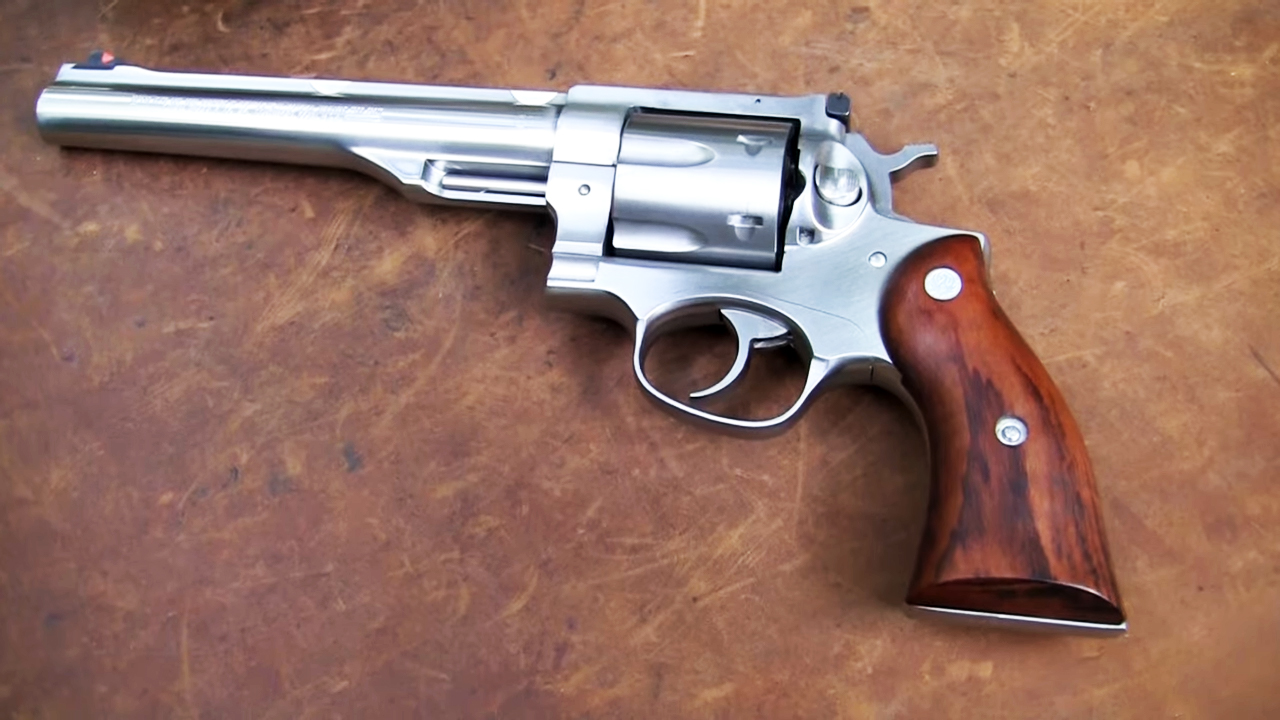
The Redhawk is not elegant. It’s a block of steel with a job to do. That’s why they wind up in hunting holsters, banging against tree stands, and riding in wet rigs during bear season.
A Redhawk in very good condition—especially with original grips and no weird aftermarket drilling—can bring more than expected because hunters want a strong, dependable .44 and Ruger’s older stuff has a reputation that sells itself.
15. Ruger Blackhawk (Old Model “three-screw”)
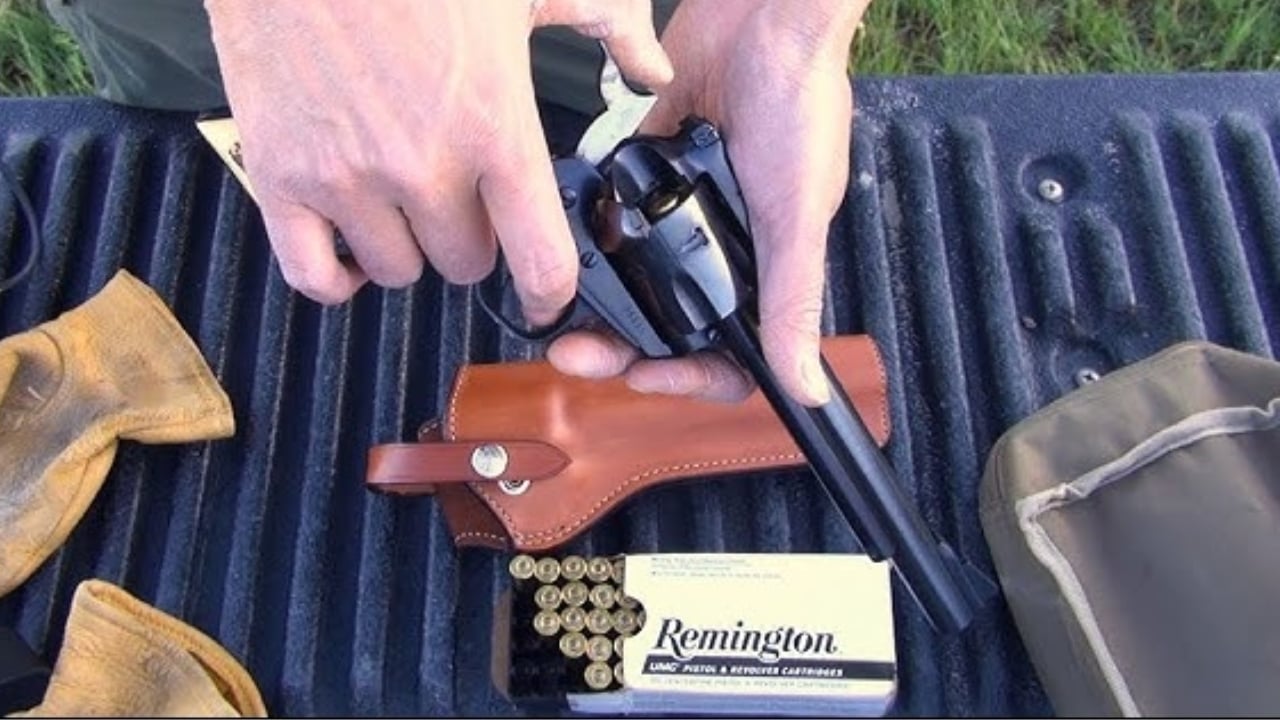
The old three-screw Blackhawks have a feel that makes single-action fans smile. They’re not for everybody, but they’re a real piece of Ruger history and they’ve got collector interest that keeps trending upward.
Many were converted with the factory safety update, and that can affect interest depending on the buyer. But condition still rules the day. A clean, original example is not the same as one that’s been refinished and “improved.”
16. Ruger Super Blackhawk (early production)
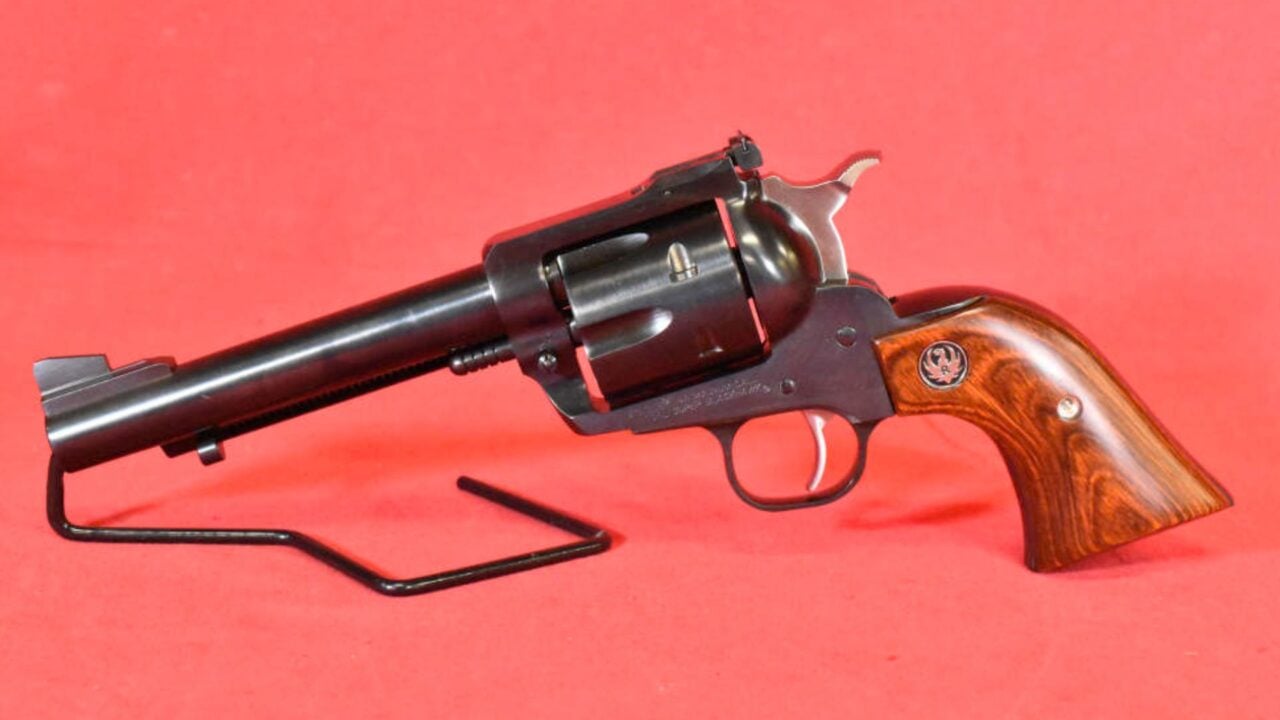
If you hunt with a revolver, you’ve seen these in the wild. They’re big, honest sixguns that shoot heavy loads without feeling fragile.
Older Super Blackhawks in good condition can surprise folks because they were treated like tools. When one shows up with a clean topstrap, sharp screws, and an un-battered cylinder, the price jumps.
17. Dan Wesson Model 15 (.357 with interchangeable barrels)
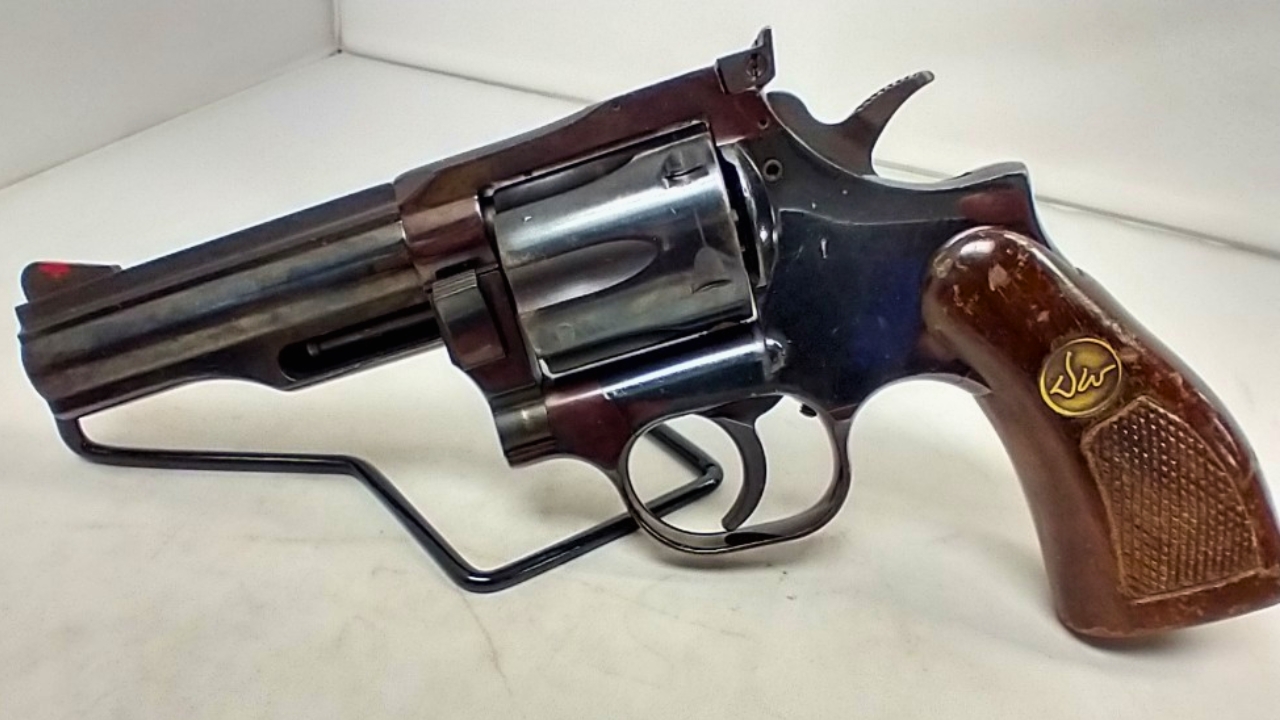
Dan Wesson revolvers are one of the best-kept secrets that isn’t really a secret anymore. The barrel system is genuinely practical, and a good Model 15 can shoot lights-out.
The value kicker is completeness. Having the barrel tools, multiple barrels, and the case can change the number in a hurry. A “just the gun” package is one thing. A complete setup in good condition is another.
18. Dan Wesson Model 44 (.44 Magnum)
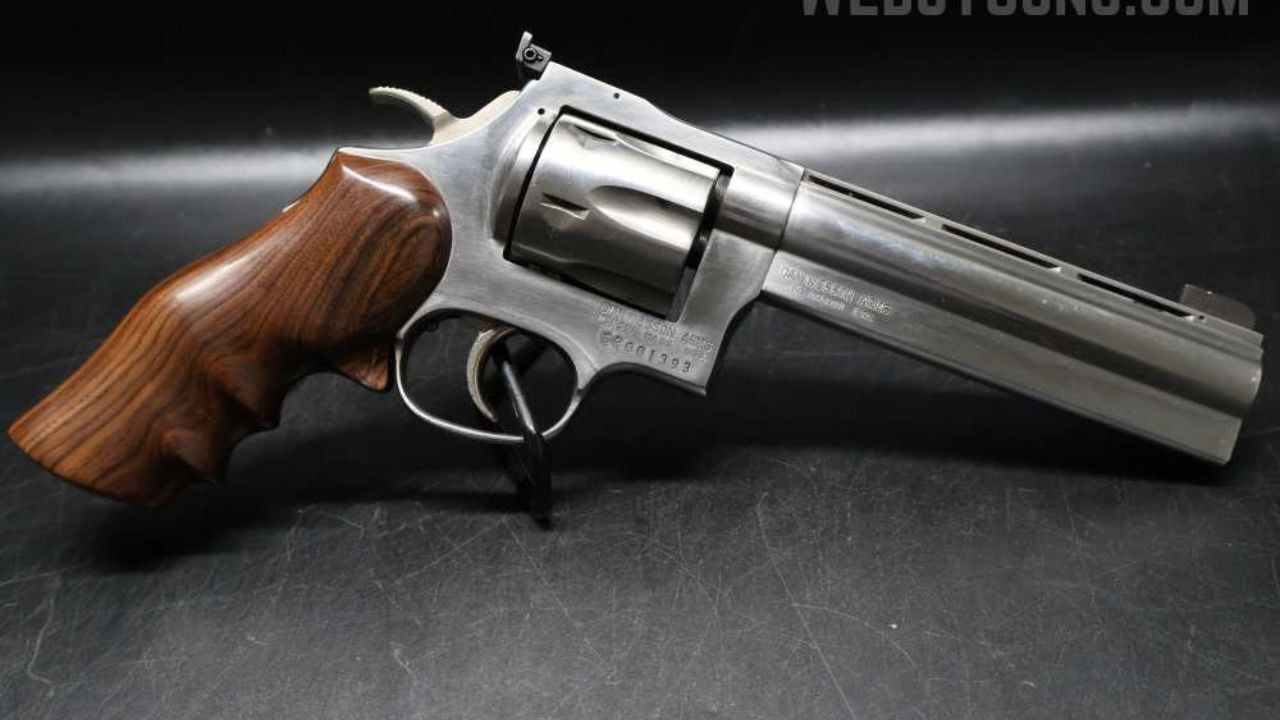
This is one of those revolvers you don’t see every day, and when you do, it’s often rough. The Model 44 has a dedicated fan base because it’s accurate and built like it expects to be fed real .44 Magnum.
Again, complete kits matter, but even the revolver alone brings more when it hasn’t been abused. If the shroud and barrel assembly are clean and the timing is right, it’s a desirable gun that doesn’t get priced like “some old off-brand.”
19. Colt Single Action Army (3rd Gen and earlier, genuine Colts)
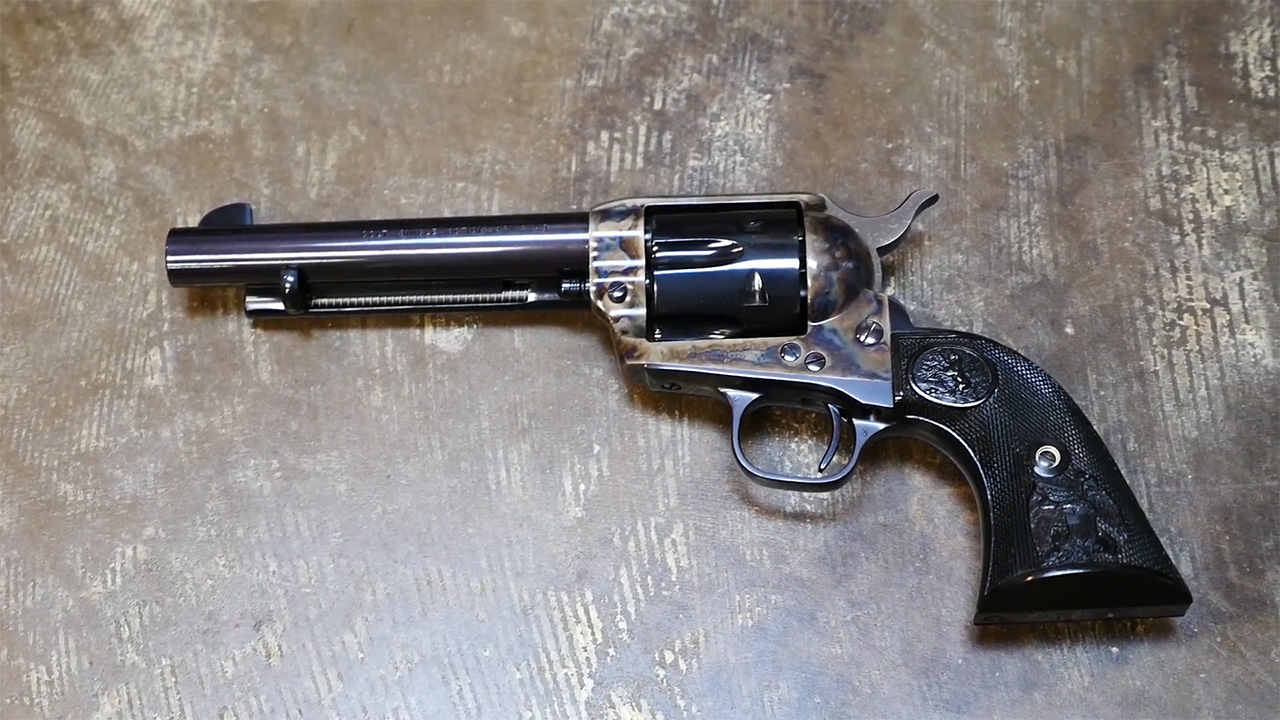
A real Colt SAA is one of those purchases that hurts once, then makes sense forever. The market doesn’t treat them like normal guns, because they aren’t normal guns.
Condition, originality, and correct parts matter a lot here. Refinished examples exist and they have a place, but a clean, honest Colt with good markings and no parts swapped around is where the value gets serious fast.
20. Smith & Wesson Model 10 (pre-Model “Military & Police” and early Model 10s)

This is the plain-jane revolver that built a reputation one shift at a time. It’s not flashy. It’s also one of the best-pointing, best-balanced service revolvers ever made.
The trick is that so many Model 10s are worn slap out from duty use. A really nice one with strong bluing, tight lockup, and correct grips often brings more than the seller expects, especially with earlier production features that collectors notice.
If you’ve got one of these sitting in the safe, the smartest move is usually slow down before you slap a price on it. Check the timing and lockup, be honest about modifications, and don’t “clean it up” with anything aggressive. Original grips, boxes, and paperwork aren’t just clutter—they’re value. And if the gun has family history, I’d think twice before turning it into a quick stack of cash. That one hurts more than most folks expect.
Like The Avid Outdoorsman’s content? Be sure to follow us.
Here’s more from us: