Photo credit: Elliott Delp/YouTube
Every now and then you pick up a firearm and you can just feel the extra hours that went into it. Not “fancy engraving” hours. I mean the kind of engineering where somebody decided, on purpose, to make it more complicated, more robust, and more refined than it had to be. Usually that kind of thinking gets mocked because it costs money and adds weight. But some designs earn their complexity the hard way: by running when they’re dirty, by staying accurate when they’re hot, and by keeping their manners when cheaper guns start feeling sloppy.
These are the guns I think fall into that category. Overbuilt, overthought, sometimes a little heavy or expensive, and still better for it when you’re actually using them in the field or putting real rounds downrange.
1. Heckler & Koch P7 (PSP/M8)

The P7 is the kind of pistol that makes you wonder what the engineers were trying to prove. Gas-delayed blowback, a squeeze-cocker, and a layout that feels like it was drawn by someone who didn’t want to accept normal pistol compromises.
It also shoots flatter than it should for its size, points naturally, and has a “serious tool” feel that modern plastic guns don’t even try to copy. Yes, it heats up fast. Yes, parts and mags aren’t bargain-bin items. Still, when you handle a good one, you get why folks hang onto them.
2. SIG Sauer P210
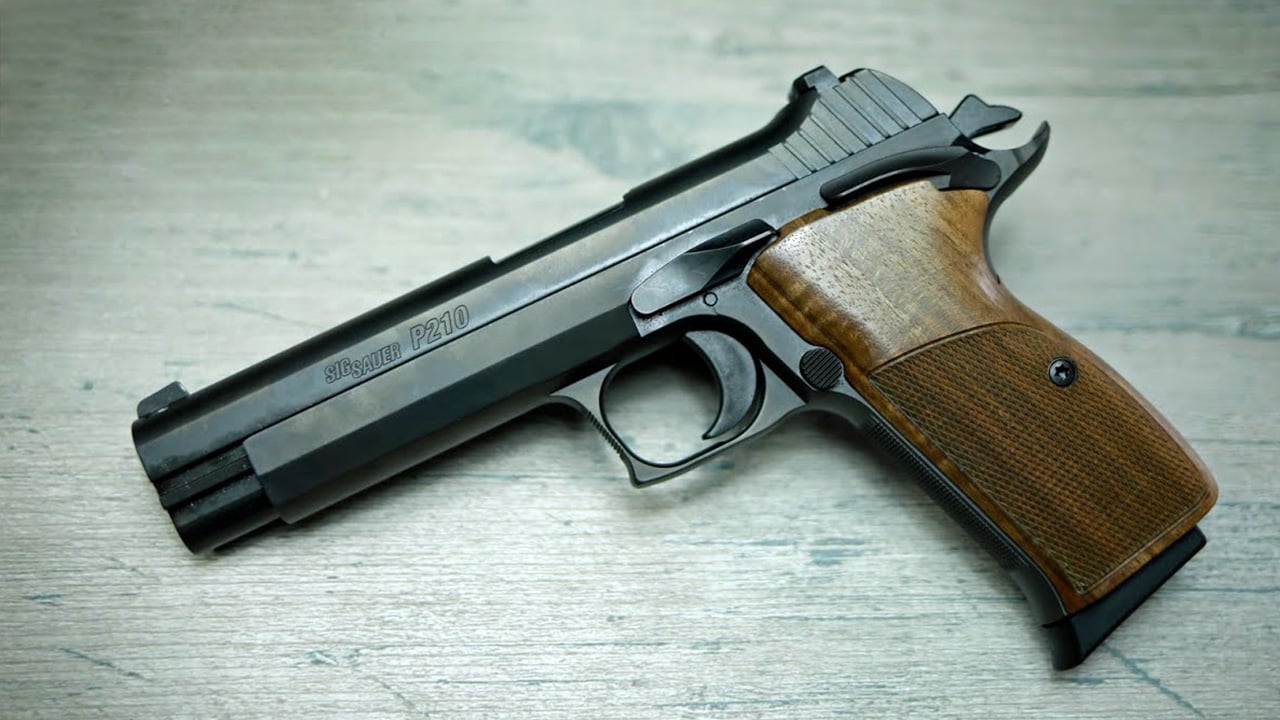
The P210 is what happens when “good enough” isn’t in the vocabulary. Slide-to-frame fit that feels like it’s on bearings, a trigger that makes you look better than you are, and accuracy that’s almost boring because it’s so consistent.
It’s not a lightweight carry gun, and it’s not priced like one either. But for a handgun you can shoot slow and fast with confidence, especially when you’re chasing tiny groups, the extra precision work is the whole point.
3. Heckler & Koch USP (9mm/.40/.45)

The USP has a reputation for being big, blocky, and built like a power tool. That’s accurate. HK went heavy on the recoil system and durability, and it shows the first time you run a few boxes of ammo and realize the gun never changes its attitude.
Controls aren’t for everyone, and the grip can feel like it was designed around winter gloves. But as a “hard use” pistol you can leave in a truck, carry on the property, or lean on for home defense, it’s the kind of overbuilt that buys peace of mind.
4. Beretta 92FS (and M9 variants)
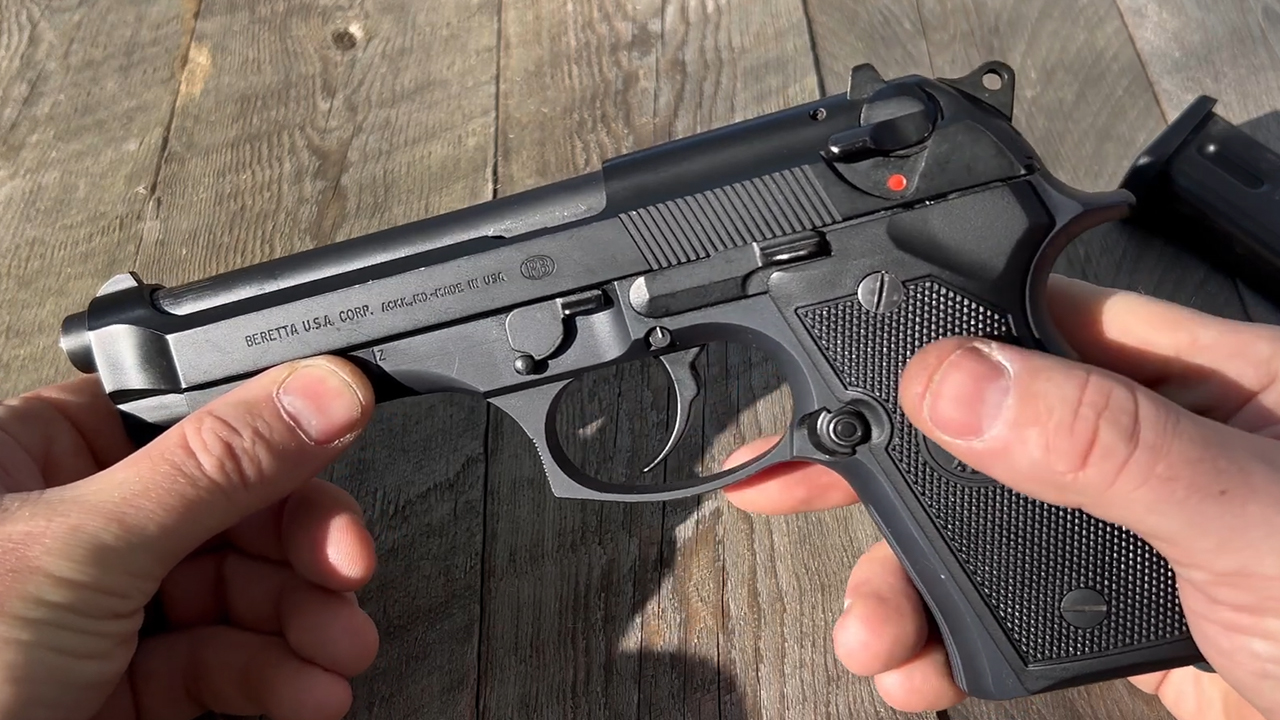
Open-top slide, locking block system, and that long, smooth cycling feel—Beretta didn’t go the simplest route. The result is a pistol that feeds like it’s being pulled along by a winch and runs well when it’s filthy, especially with decent magazines.
It’s not small, and the double-action reach can be a stretch for some hands. But as a range gun, nightstand gun, or “teach a new shooter” gun, the soft recoil and reliability are hard to argue with.
5. CZ 75 SP-01
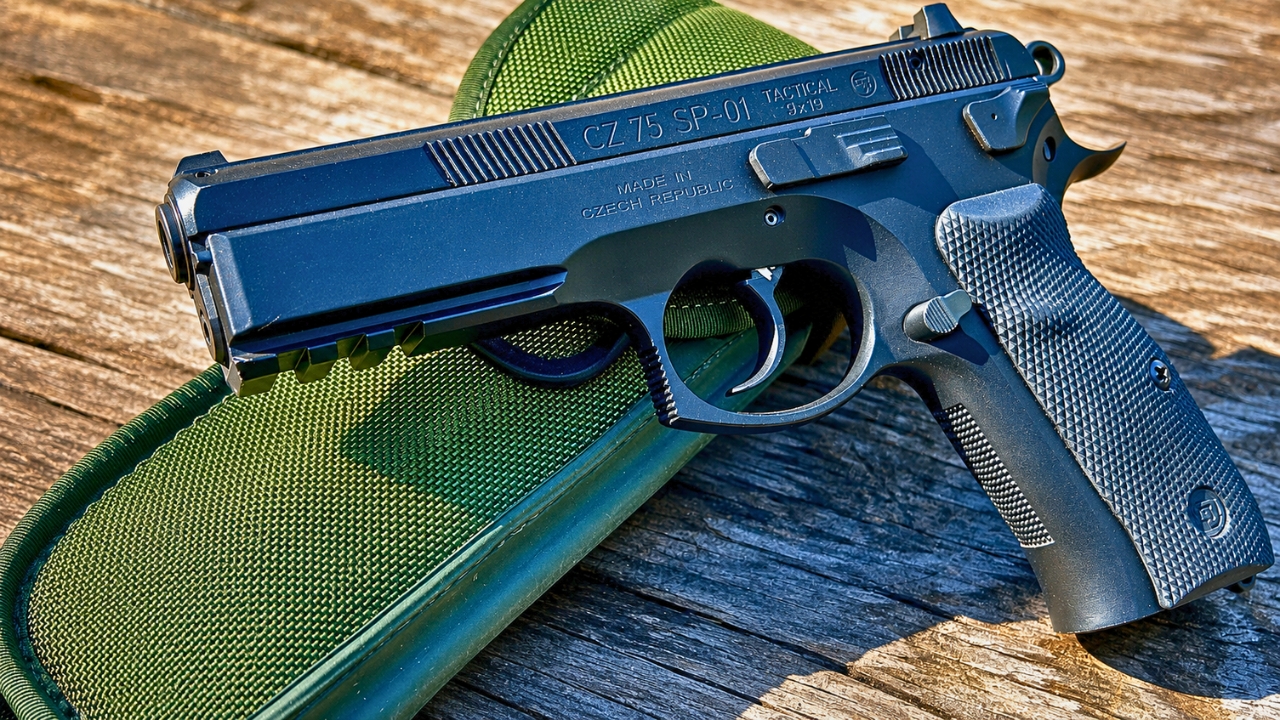
Full-size steel, slide-in-frame rails, and a balance that makes the muzzle settle where you want it. CZ didn’t invent “overbuilt,” but the SP-01 is a modern example of adding weight and structure on purpose to make the gun behave.
It’s not the gun you forget is on your belt. It is the gun you can run hard in classes, shoot well under pressure, and hand to a buddy without worrying it’s going to be picky.
6. Ruger GP100

Ruger leaned into strength with the GP100. Beefy frame, solid lockup, and enough steel where it matters that you can shoot full-house .357 without feeling like you’re slowly loosening screws.
It’s not as slick as some classic revolvers out of the box, and it’s not dainty. But as a trail gun, a camp gun, and a revolver that can take years of real use, the extra material isn’t wasted.
7. Smith & Wesson Model 29 (and 629)
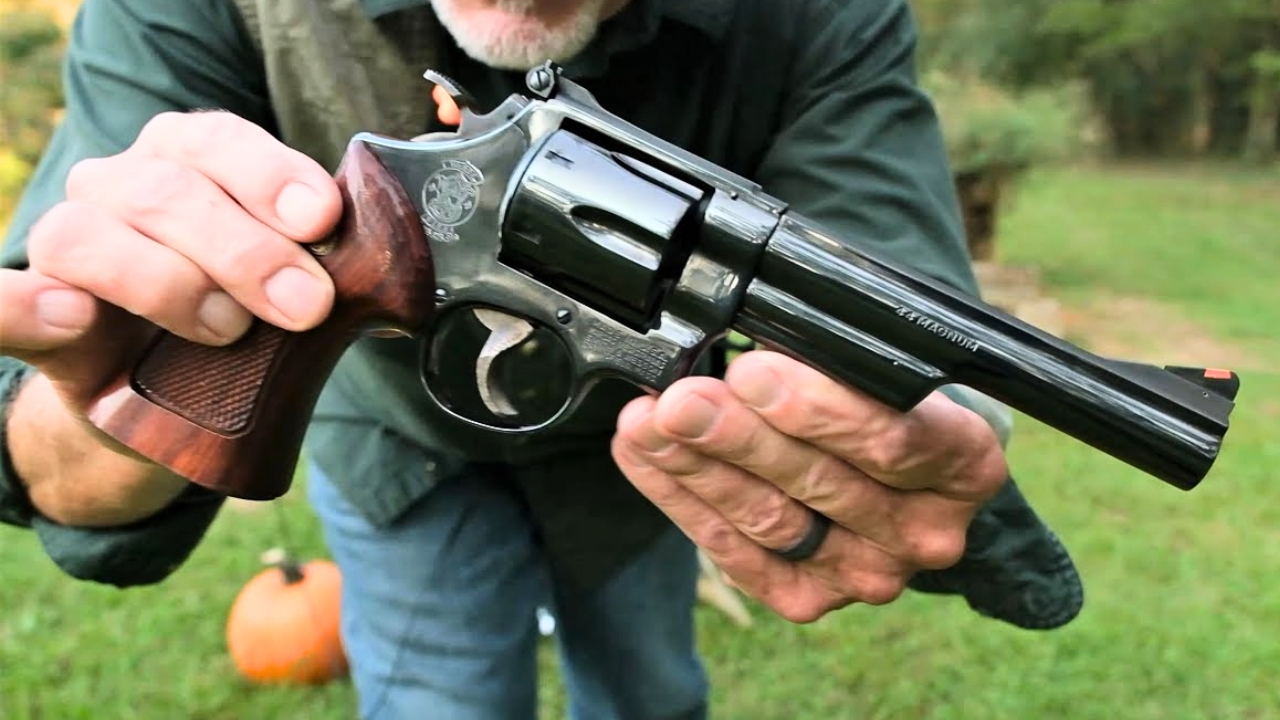
A .44 Magnum N-frame is never going to be “simple,” but the Model 29 has that old-school, over-engineered revolver feel where everything locks up with intention. When they’re right, they’re a joy.
It’s also a gun that teaches respect. For hunting handgun work or as a serious woods sidearm, the size and strength matter. Just be honest with yourself about recoil and practice, because the gun will do its part.
8. Desert Eagle Mark XIX
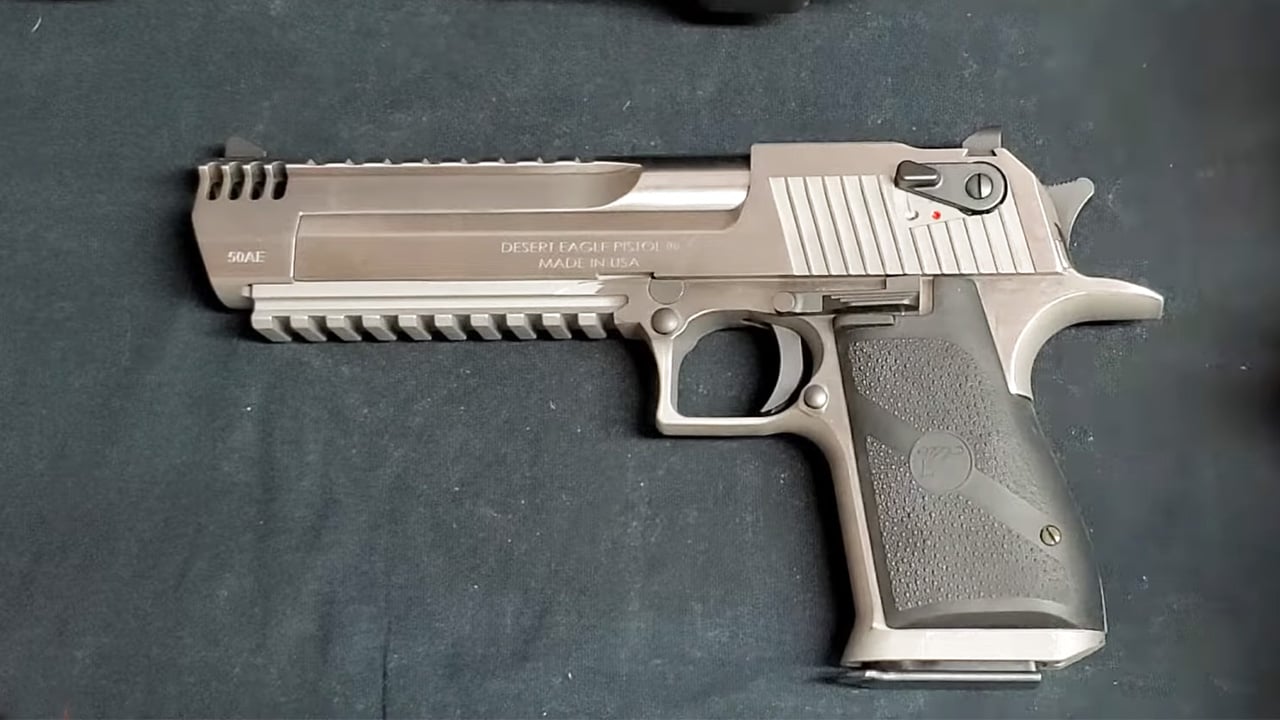
There are easier ways to launch a big bullet than a gas-operated, rotating-bolt pistol the size of a brick. The Desert Eagle is ridiculous on purpose, and that’s exactly why it has the following it does.
It’s heavy, loud, and not something you carry around checking fence lines. But as a range piece that actually functions when maintained and fed what it likes, the design is more serious than critics admit. It’s overbuilt because it has to be.
9. FN Five-seveN
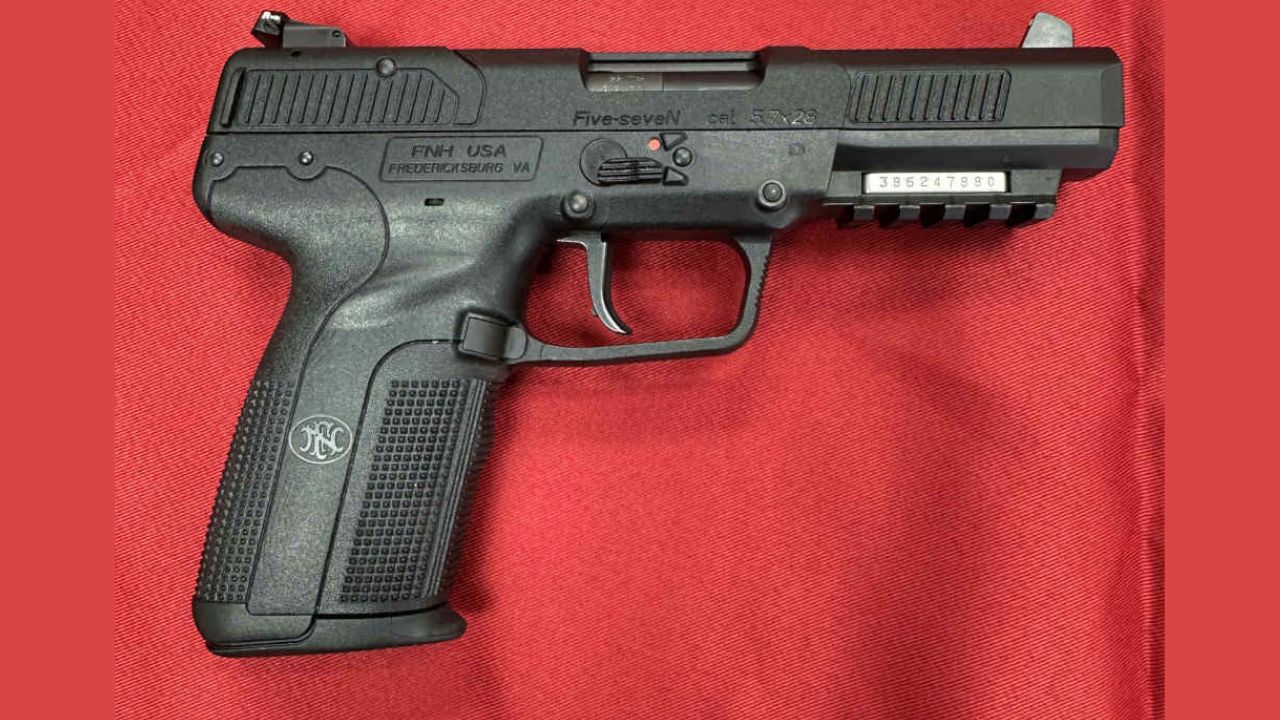
Lightweight polymer outside, but the whole package screams “engineered around a specific job.” The Five-seveN is reliable, soft-shooting, and built to run a fast, small cartridge with high capacity without drama.
Ammo cost is the catch, and that keeps it from being a normal working gun for most folks. Still, for what it is, the design choices make sense, and it runs like a sewing machine.
10. Glock 17 (Gen5)
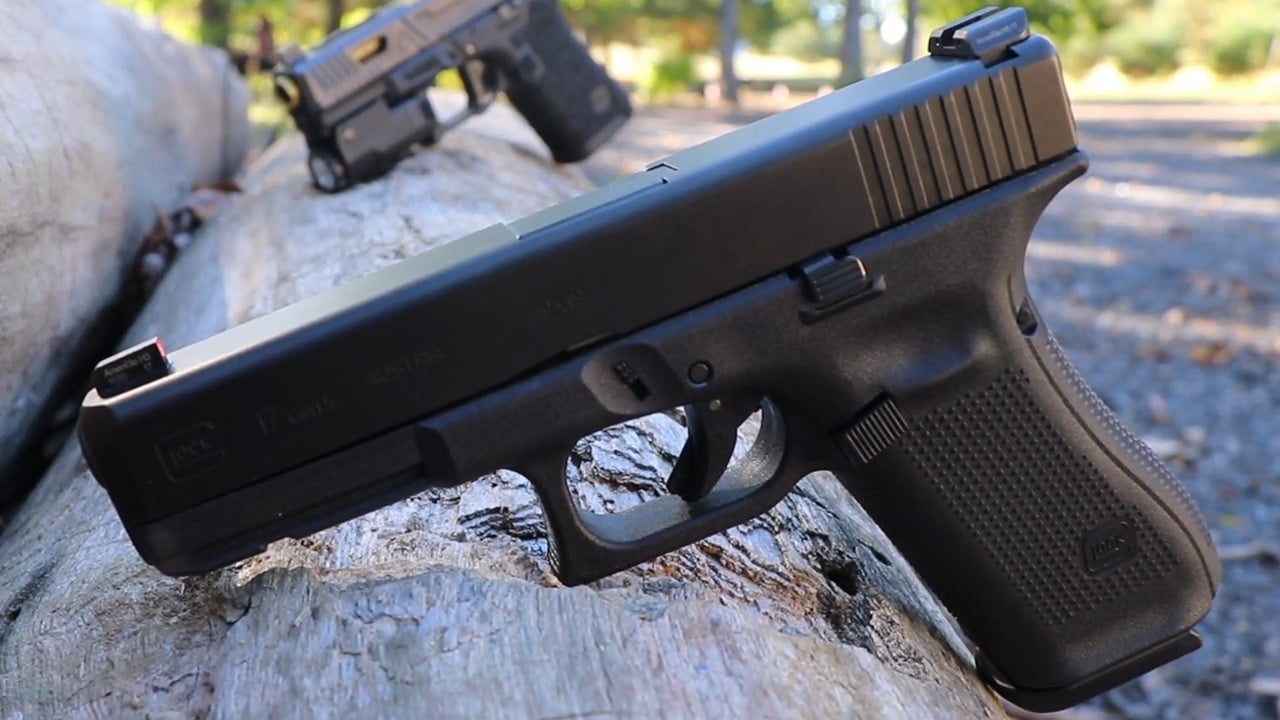
I know. Calling a Glock “overengineered” sounds backwards, but hear me out. It’s not complicated in the way a P7 is. It’s overengineered in the “everything is thought through for longevity and tolerance stacking” way.
Gen5 tightened up accuracy, improved the barrel, and kept the reliability that made the platform the default choice for so many. It’s boring. That’s a compliment. When you need a pistol to just work, a lot of engineering is hiding behind that plain exterior.
11. Benelli M4
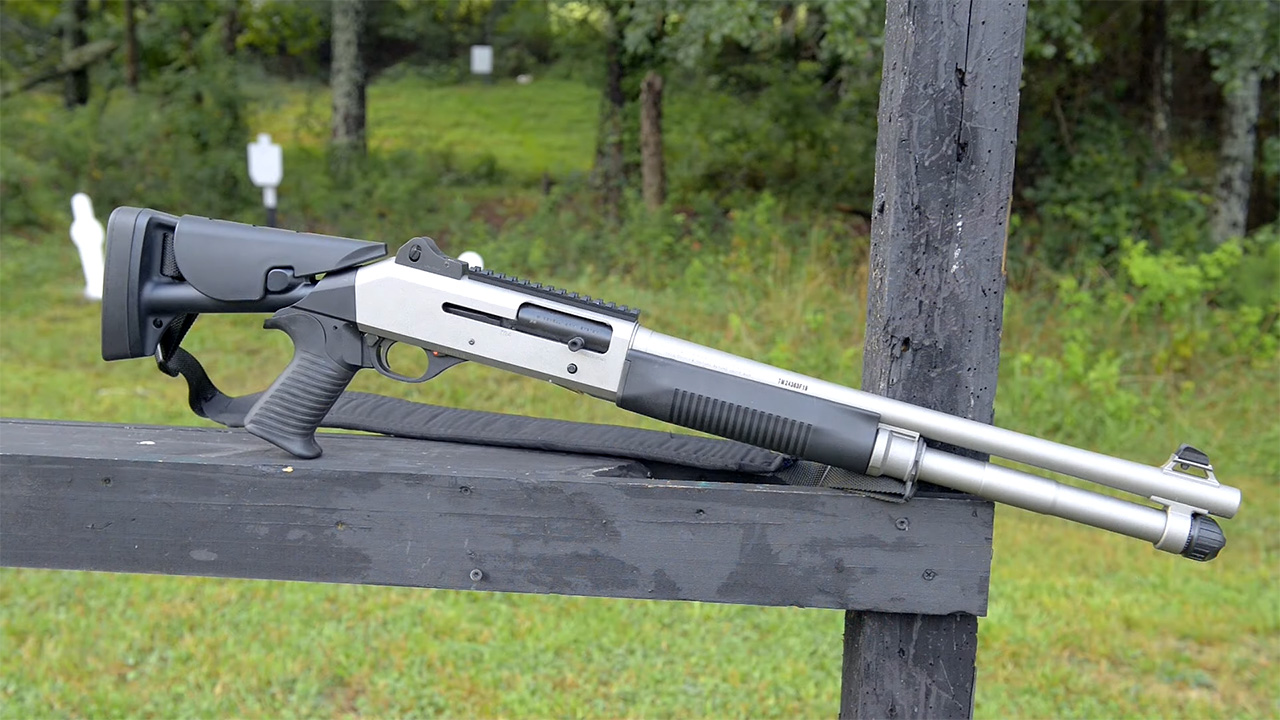
The M4 is a fighting shotgun built to run when conditions are ugly. The ARGO gas system is not the cheapest way to do it, but it’s a dependable way, and you feel that when the gun cycles everything from duty loads to heavier stuff with less fuss.
It’s not light, and it’s not priced for casual use. If you’re a hunter who wants one shotgun to do everything, it might be too much. But for home defense and hard training, the design earns its keep.
12. Browning Citori (over/under)
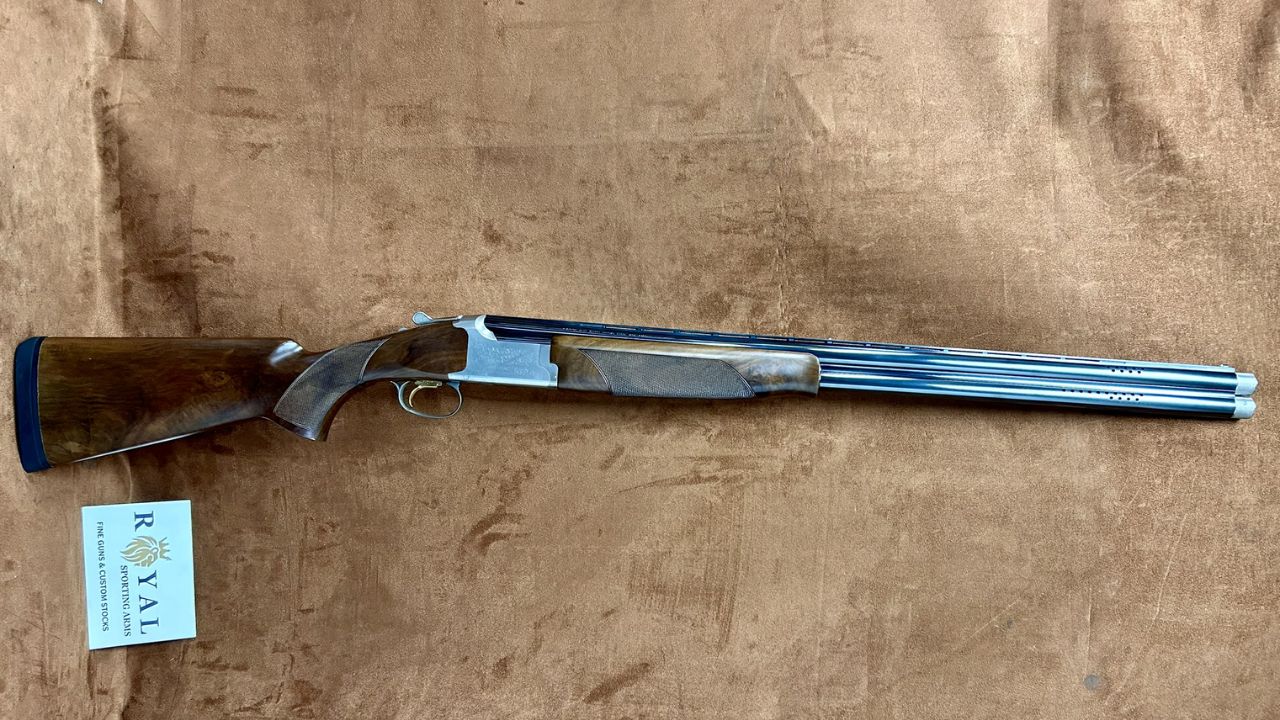
A good over/under is a small machine, and a Citori is the kind you can actually wear out if you shoot enough. Hinge pins, locking lugs, ejectors—none of it is simple, and that’s why the gun keeps going year after year.
They aren’t featherweights, and they aren’t cheap to set up if you need fitting work. But for upland birds and clays, the durability and consistent feel make the extra mechanical complexity worth it.
13. Remington 870 Wingmaster
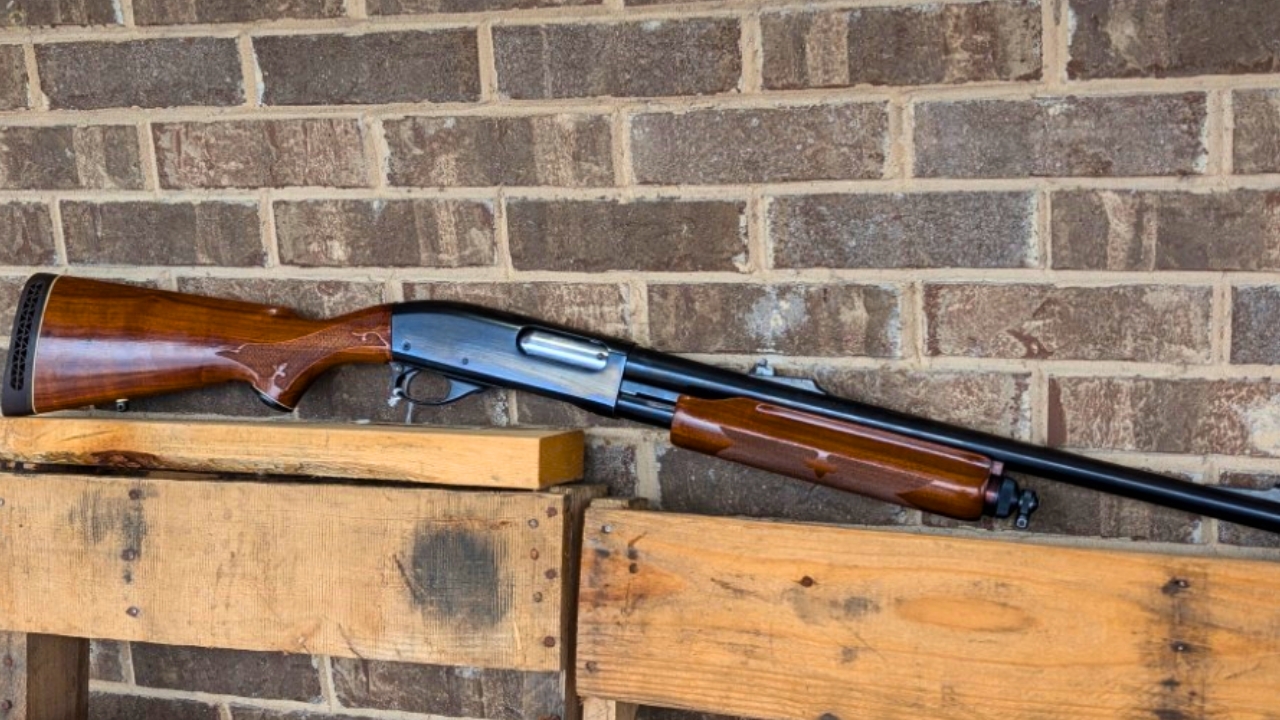
Old Wingmasters have a smoothness you don’t get by accident. The 870 design isn’t exotic, but the way the parts are fit and the way the action bars run is the result of a lot of manufacturing attention that newer budget pumps often skip.
It’s a working shotgun that doesn’t mind rain, dust, or being leaned in a corner of a barn as long as you treat it right. The “overbuild” here is polish and steel where it matters.
14. Franchi SPAS-12
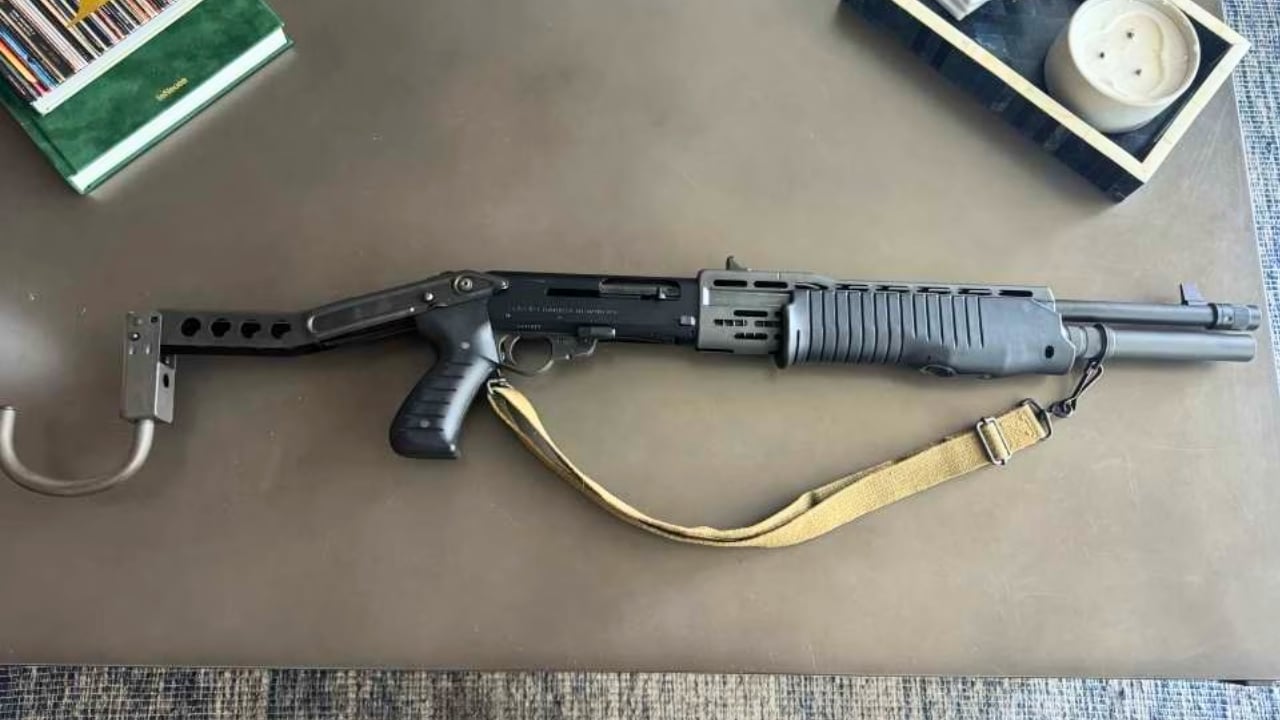
The SPAS-12 is peak “why did they do that?” A dual-mode pump/semi system, heavy construction, and controls that take a little time to understand. It’s not a beginner’s shotgun.
But it was built for a time when designers were trying to cover every possible scenario with one platform. It’s heavy and dated, sure. Still, the fact that it can run as a pump when ammo is light and semi when ammo is stout is a kind of intentional redundancy you don’t see much anymore.
15. FN SCAR 17S
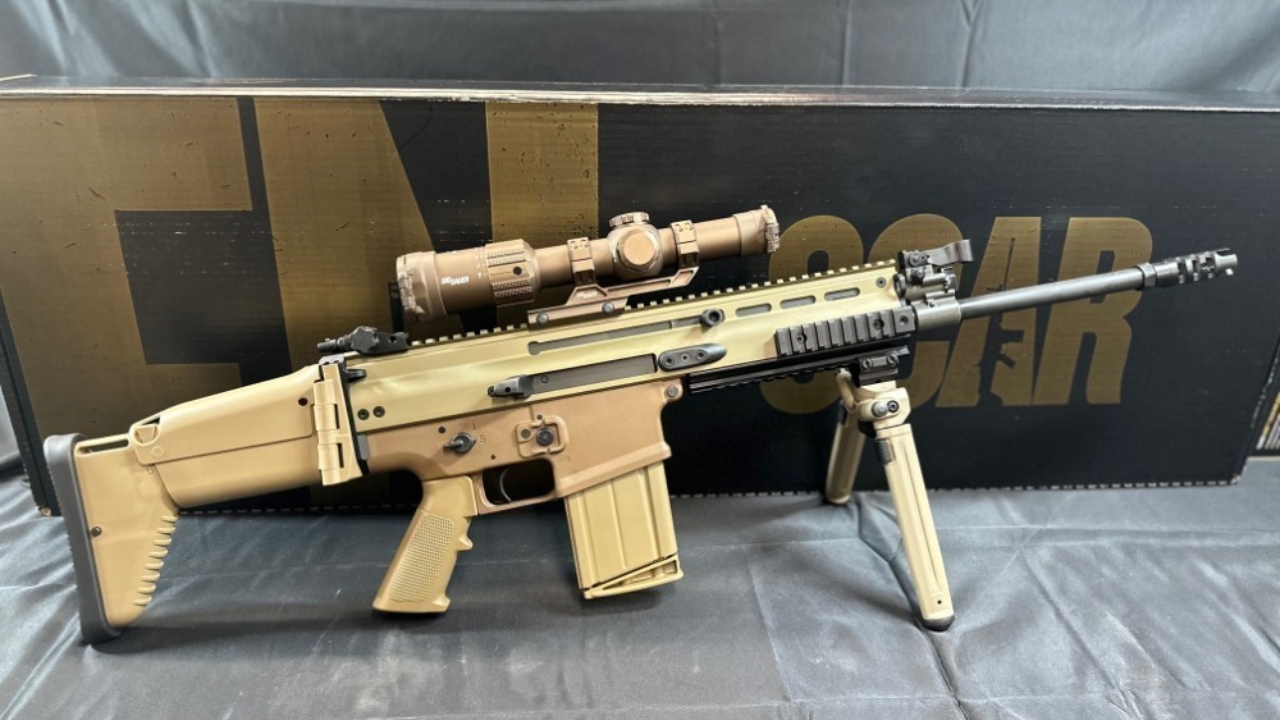
Lightweight .308 that doesn’t beat you up, with a short-stroke piston system and a folding stock that actually holds up. The SCAR is a lot of engineering concentrated into a rifle that wants to be carried and shot, not just photographed.
It’s expensive, and it has its quirks with optics mounting and recoil impulse. But as a practical “do a lot of things” .308, the design choices help it stay controllable and reliable in a way some cheaper .308 semis never quite manage.
16. Heckler & Koch G3 (and PTR-91 variants)

Roller-delayed blowback in a .308 battle rifle is a bold choice. It’s not gentle on brass, it’s not as soft as a tuned gas gun, and it has a very particular personality.
Still, the system runs dirty, runs cold, and runs long. For a rifle you can stash as a “serious” semi-auto .308 and expect it to keep working, the engineering is why it has the reputation it does.
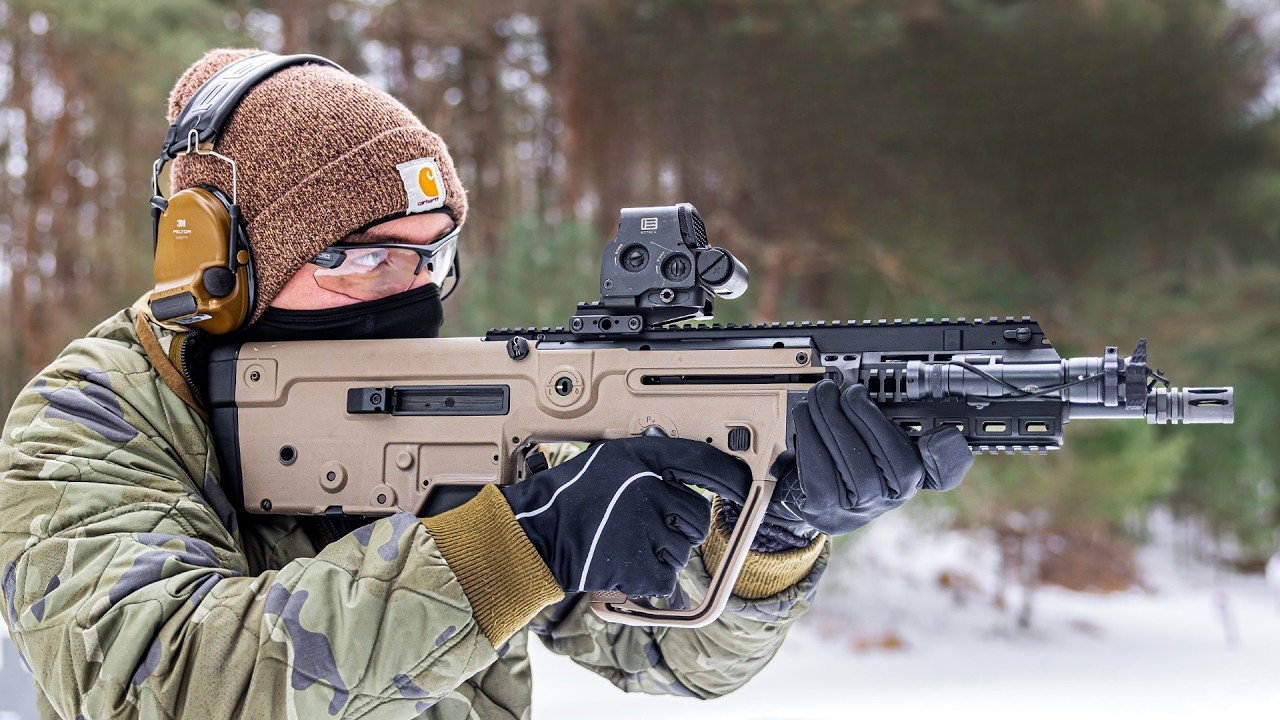
17. IWI Tavor X95

Bullpups aren’t simple. The X95 packs barrel length into a compact footprint, and the whole design is a compromise puzzle—trigger linkage, ejection, balance, controls. It’s a lot.
But if you’ve ever tried moving through thick brush, getting in and out of a truck, or working around a tight property layout with a longer rifle, you understand the appeal. The X95 gives you a handy package without giving up the performance you’d expect from a full-length setup.
18. Steyr AUG A3

The AUG is one of those rifles that feels like it was designed by an engineer who also hunts and hikes. Quick-change barrel system, sealed action, and a layout that stays surprisingly manageable in the real world.
It’s not the cheapest to feed with accessories, and the manual of arms is different enough that you need time behind it. But as a “grab it and it just runs” rifle with a lot of built-in durability, the AUG’s design is why it’s still here.
19. Accuracy International Arctic Warfare (AW/AWM)
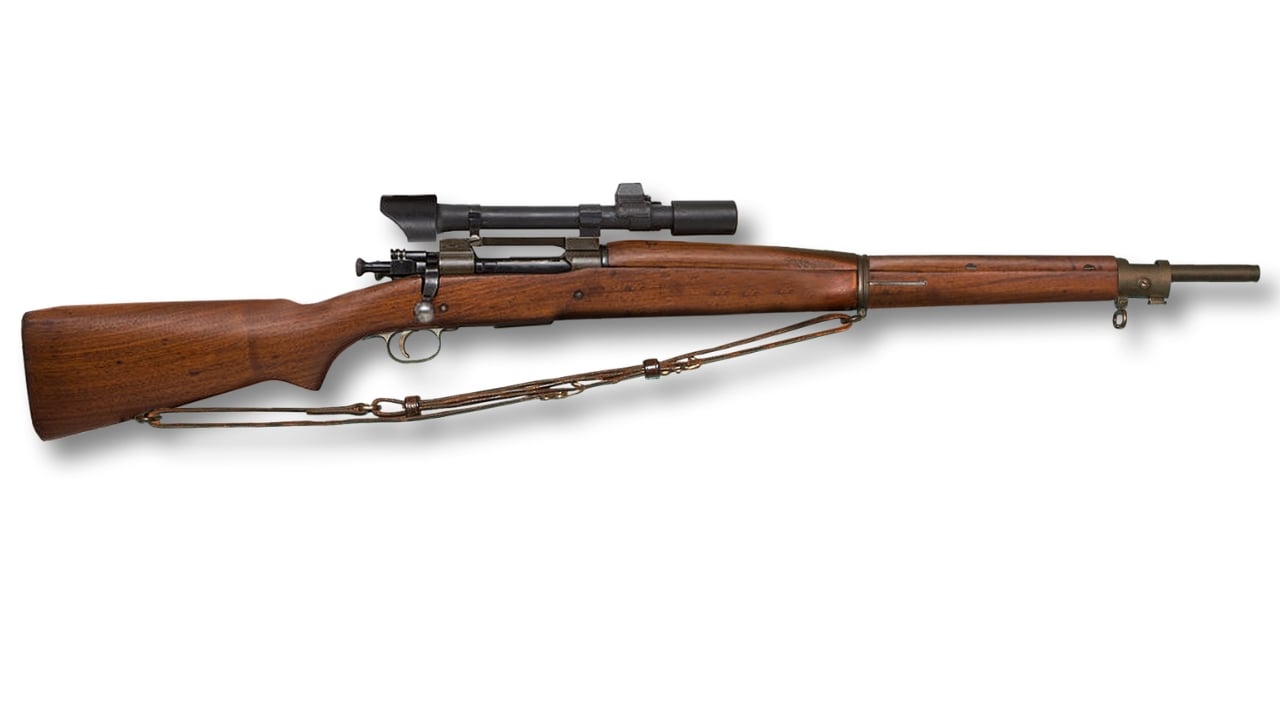
There are hunting rifles that shoot well and carry nice. This is not that. The AI AW family is a purpose-built precision tool with an action that feels like it’s riding on rails, magazines that lock in with authority, and a stock system meant for hard use.
It’s heavy, and you pay for that engineering twice—once at the counter and once when you’re hauling it. But when conditions are nasty and you still want repeatable accuracy and reliability, this is the kind of rifle that makes sense.
20. Ruger No. 1

A falling-block single-shot is simple on paper, but the No. 1 is a refined kind of complicated. Strong action, sleek lines, and the ability to run cartridges in a compact package without needing a long bolt throw.
It’s not a volume-fire gun, and it’s not always the easiest to tune for every load. But for a hunter who appreciates a rifle that carries well, balances right, and feels like it was built with pride, the No. 1 is overbuilt in the best way.
Overengineering can be a problem when it’s done for bragging rights or marketing. But when the extra parts, the extra steel, and the extra thought are aimed at real reliability, shootability, and longevity, it shows up where it counts: cold mornings, dusty range days, wet duck blinds, and long practice sessions. If you’ve got one of these that runs the way it should, I wouldn’t be quick to let it go. Ask me how I know.
Like The Avid Outdoorsman’s content? Be sure to follow us.
Here’s more from us: