
Photo credit: Vadi Fuoco/Shutterstock.com
For a long time, my hunting pack was basically a storage closet with shoulder straps. I carried too much food, too many knives, duplicate lights, extra clothes I never wore, calls I rarely used, and enough miscellaneous gear to make a two-mile walk feel much longer than it needed to. Most of it came along because I could imagine one situation where it might be useful.
Experience slowly changed that. I stopped packing for every possible emergency and started paying attention to what I actually reached for during a normal hunt. The result is a much smaller list built around safety, comfort, navigation, field care, and getting home after dark. I still adjust the pack for weather and the hunt, but these are the things that consistently earn their place.
A Small Fixed-Blade Knife
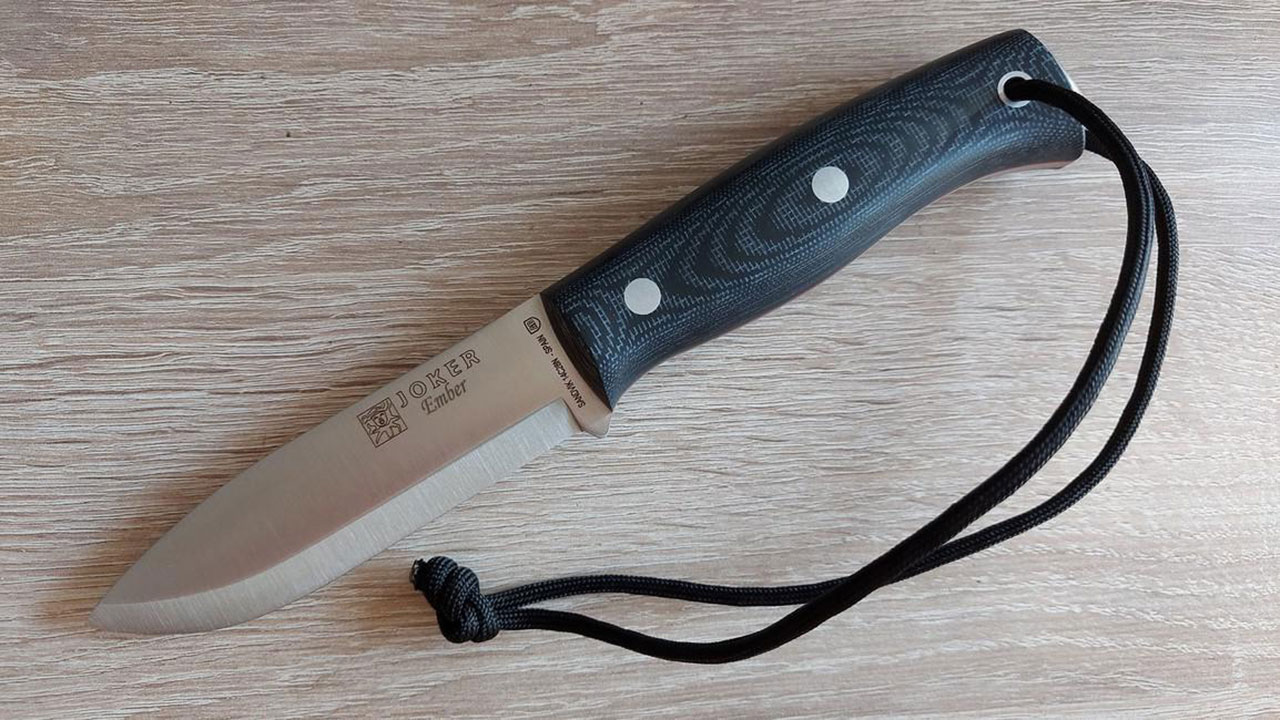
I used to carry multiple knives because I assumed one would be better for field dressing, another for general cutting, and maybe another as a backup. Most of them never left the pack. These days, I would rather carry one dependable fixed blade that fits my hand and has enough blade to handle normal field work without becoming a miniature machete.
A hunting knife does not need to be huge. In fact, a smaller blade gives me better control when working around hide and joints. I want a secure handle, an edge I know how to maintain, and a sheath that keeps the knife where it belongs. If I am hunting somewhere that requires more specialized processing equipment, I add it intentionally rather than hauling it around every day.
A Headlamp I Trust
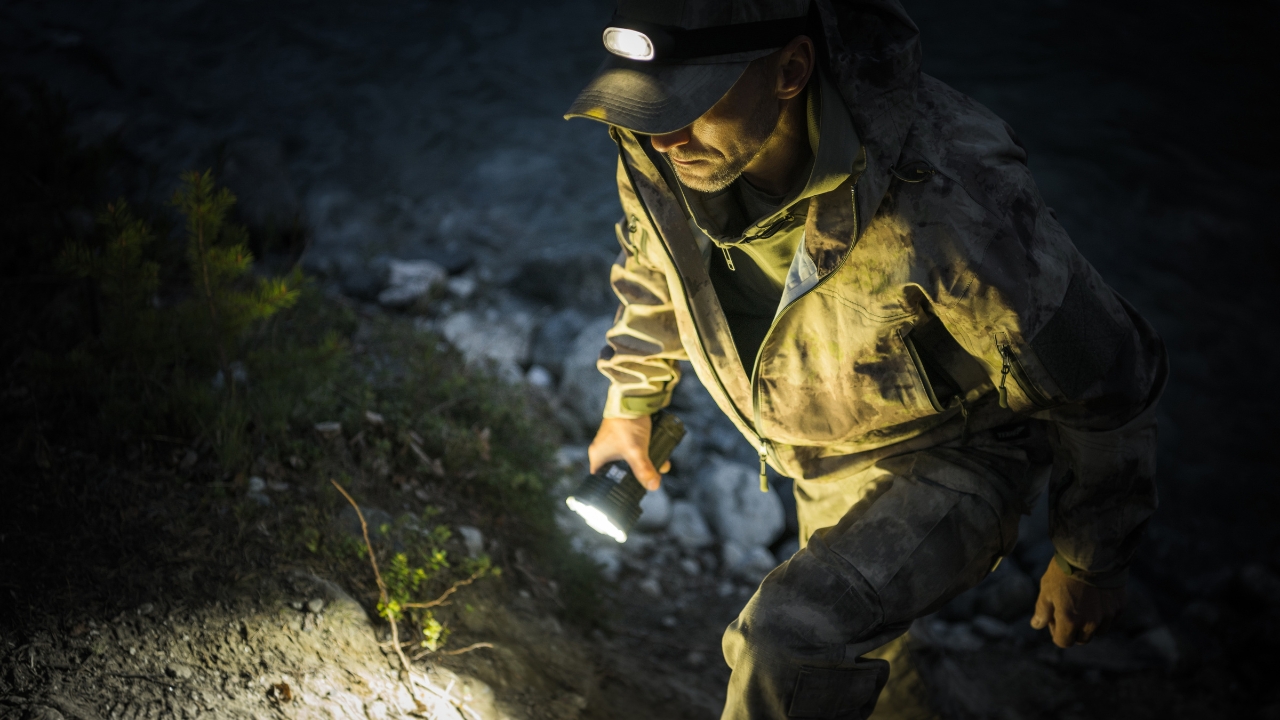
If there is one item I refuse to cheap out on anymore, it is the headlamp. I use it walking in, climbing down, following trails after dark, finding dropped gear, and handling anything that needs both hands. A flashlight works, but having the light fixed to my head is far more useful once I actually start doing something.
I carry one good headlamp instead of three mediocre ones. Before the hunt, I check the battery and make sure it still works. A spare light may stay buried in the pack as backup, but the primary headlamp is something I have already used enough to trust. Darkness is not the time I want to discover that the bargain light I bought has a loose battery connection.
One Backup Light

I no longer carry a collection of flashlights, but I still believe in one backup. Electronics fail, batteries die, and equipment gets dropped. A small second light weighs almost nothing compared with how much trouble it can prevent if the primary headlamp quits after sunset.
The backup does not need to be powerful enough to illuminate an entire field. I just need enough light to walk safely, find a trail marker, or get back to the truck. I also store it somewhere separate from the main headlamp so I do not lose both at once. Redundancy makes sense when failure would create a genuine problem. It makes less sense when I am simply duplicating gear because I cannot decide what to leave home.
A Small First-Aid Kit
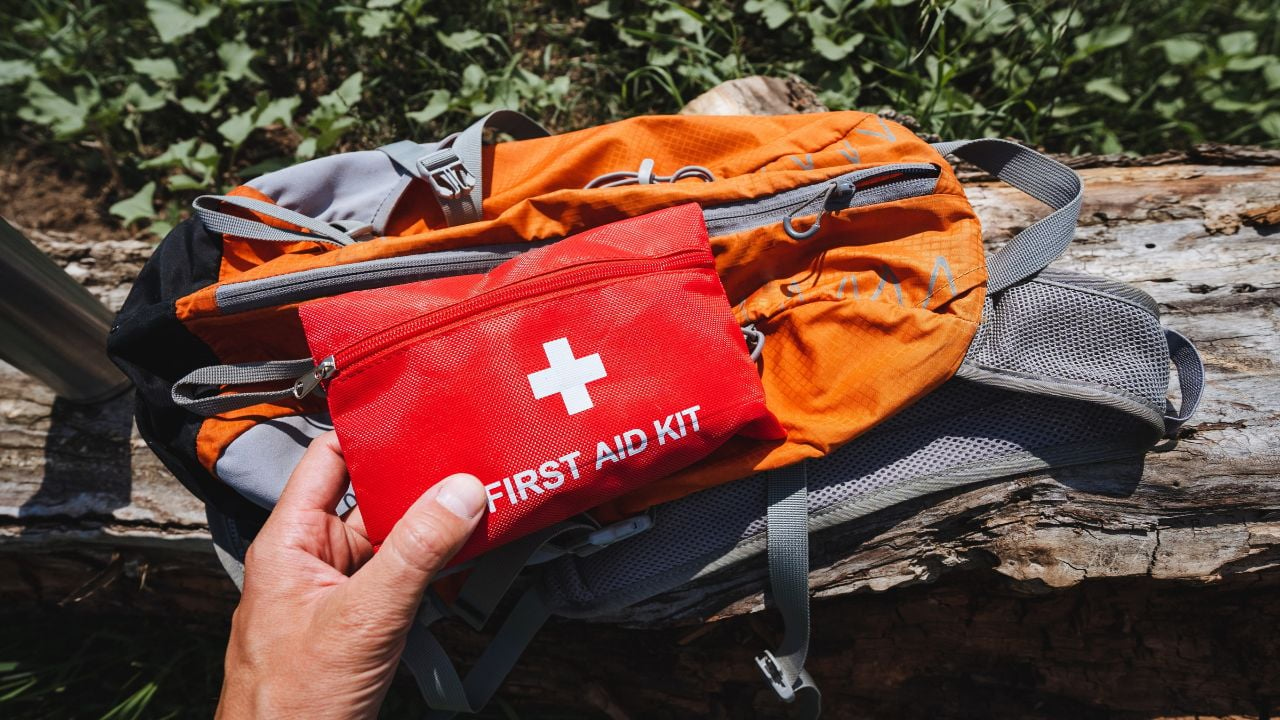
My first-aid kit is much smaller than the one I used to carry. I do not need a mobile emergency room for a normal day hunt, but I do want enough supplies to deal with cuts, blisters, minor bleeding, and the kind of injuries that can make a walk back miserable.
I focus on practical basics rather than filling the pack with items I do not know how to use. Bandages, gauze, tape, antiseptic wipes, blister care, and any personal medications usually make more sense than an enormous kit. The farther I am from help, the more serious the kit becomes. For ordinary deer hunting relatively close to a road or home, I keep it compact and useful.
Water

Water seems obvious, but I spent years either carrying far too much or not enough. The amount depends heavily on temperature, distance, and how physically demanding the hunt will be. A cold morning sitting in a stand requires something very different from hiking steep terrain in warm weather.
I would rather carry a reasonable amount and actually drink it than load the pack with several heavy bottles I bring home untouched. I also think about where additional water is available. If the truck is close, I do not need to carry the day’s entire supply on my back. If I am heading miles away, I adjust accordingly. Water is worth the weight. Excess water that I never need is still just weight.
A Couple of Simple Snacks
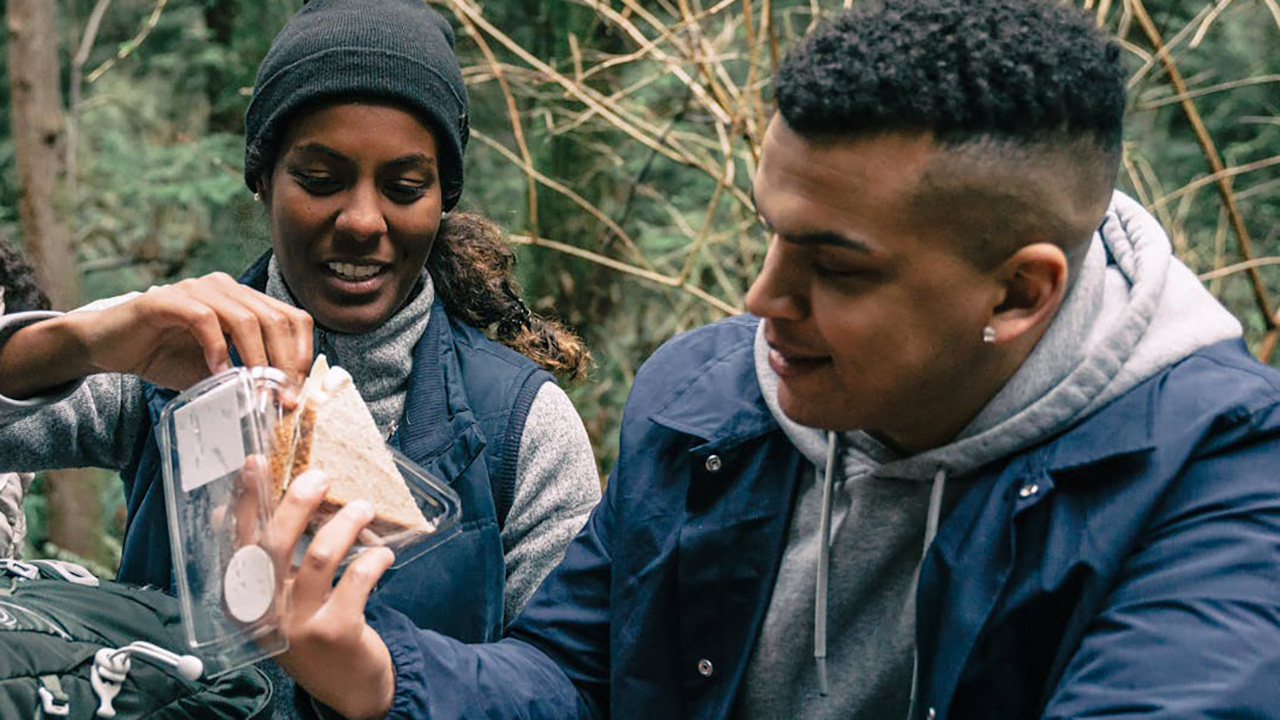
My food situation used to look like I was preparing for an evacuation. I would pack sandwiches, candy, jerky, crackers, protein bars, and enough extras to stay in the woods for two days. Most of it came home again.
Now I carry a couple of compact snacks I know I will eat. Something with protein and something quick for energy is usually enough for a normal hunt. I avoid anything with packaging that sounds like I am opening Christmas presents in the middle of the woods. Food should solve hunger without taking up half the pack or creating a pile of noisy wrappers every time I want a bite.
A Lightweight Rain Layer

I used to gamble on weather forecasts. After getting soaked enough times, I stopped. A lightweight rain layer earns a permanent place in the pack during seasons when unexpected weather is realistic. I do not need a giant insulated rain suit for every hunt. I want something compact that can keep me dry long enough to finish the sit or get back to shelter.
Staying dry matters more than I appreciated when I was younger. Wet clothing gets cold quickly once you stop moving, and discomfort makes it much easier to talk yourself into ending a hunt early. A rain layer that compresses into a small space provides far more value than several pieces of gear I used to carry just because they looked useful.
An Extra Warm Layer
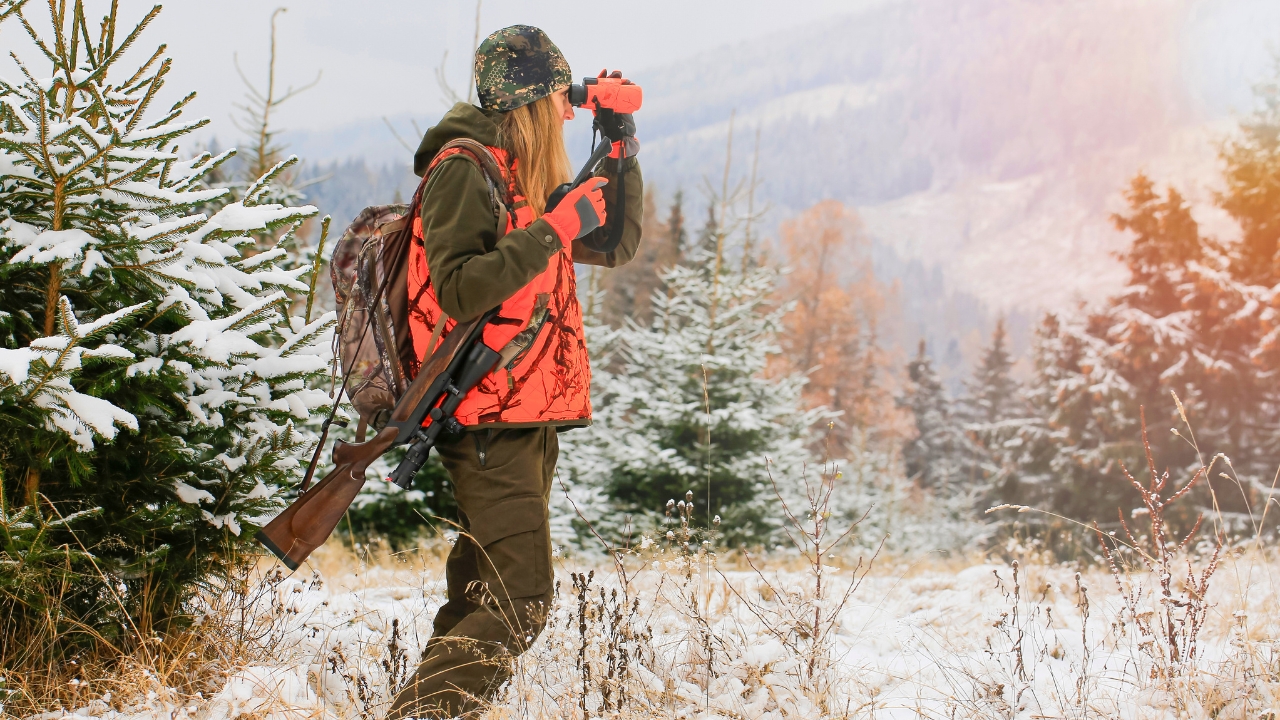
Weather can change fast, and sitting still makes temperatures feel much colder than walking. I usually carry one additional insulating layer that I can add after reaching the stand. That works better than wearing everything during the walk in and arriving sweaty.
The exact layer changes with the season. Early in the year, it may be something very light. During colder hunts, it may be a heavier jacket or vest. The principle stays the same: manage temperature rather than packing half the closet. One well-chosen extra layer does more for me than several redundant clothing items stuffed into every corner of the pack.
Gloves
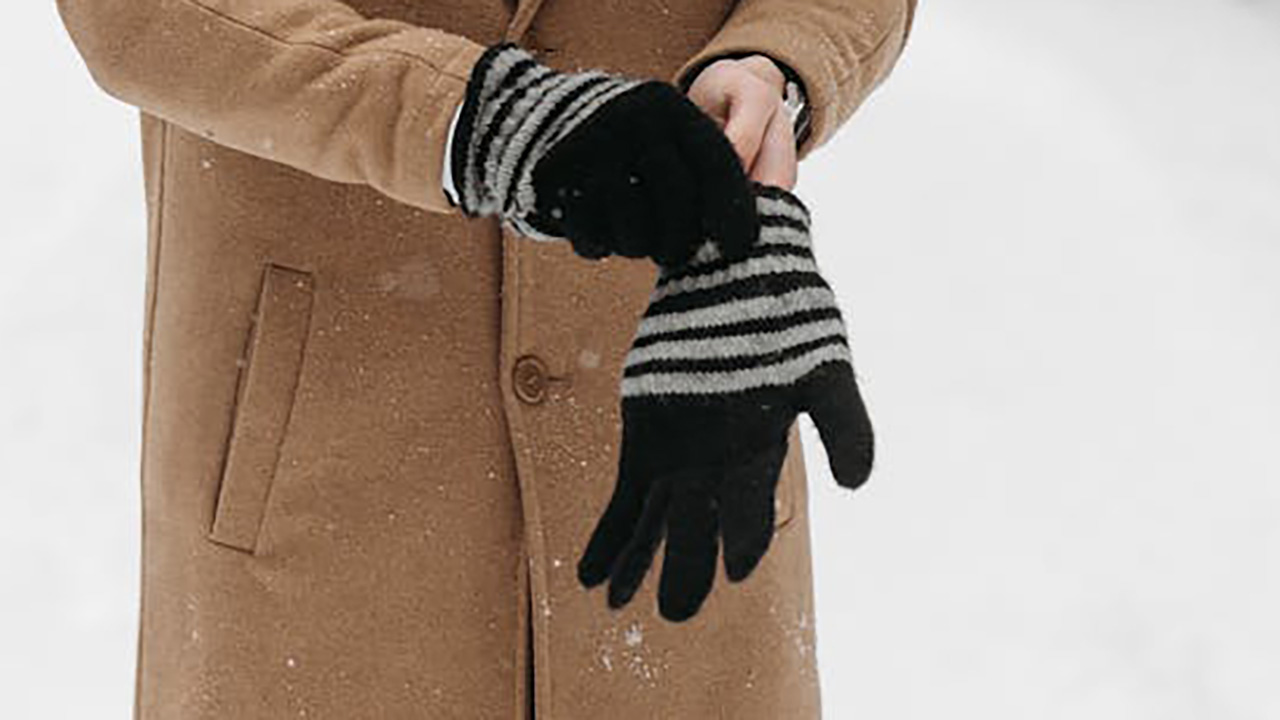
Gloves are easy to forget until cold metal reminds you. I like a pair thin enough that I can still use my hands without constantly removing them. If temperatures are genuinely cold, I may add a warmer pair, but I try to keep the system simple.
The biggest improvement for me was stopping the search for one glove that supposedly does everything. Thin gloves are good for dexterity. Heavy gloves are good for warmth. Sometimes those jobs require different equipment. For most moderate deer hunting, however, a simple pair that cuts wind and keeps my hands functional does the job. They weigh very little and have saved enough cold mornings to keep earning a spot.
A Neck Gaiter or Beanie
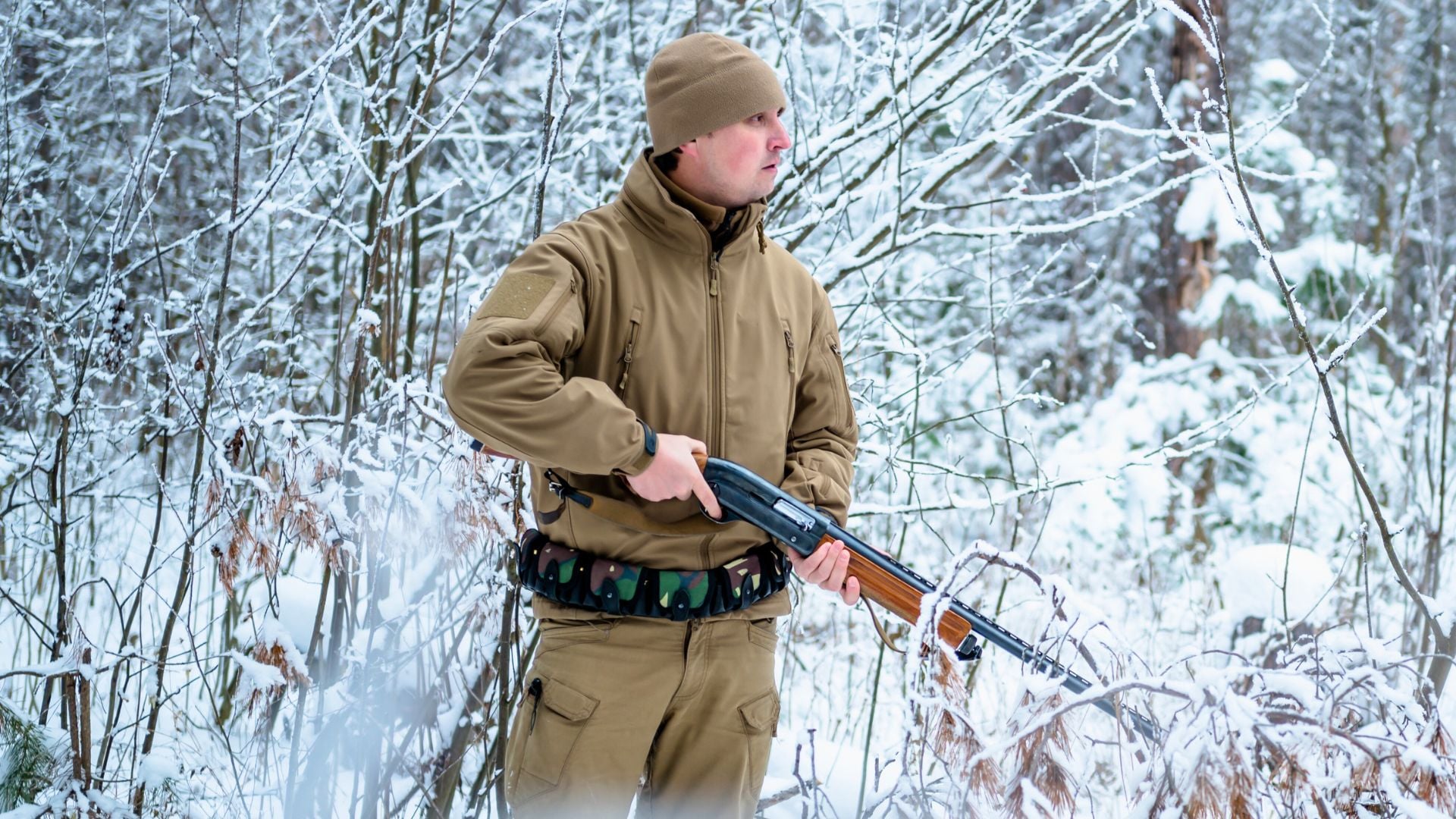
A small piece of warm clothing can make a bigger difference than another bulky jacket. A beanie or neck gaiter takes almost no room in the pack and helps considerably once I am sitting still and temperatures begin dropping.
I especially like gear that can serve more than one purpose. A neck gaiter can add warmth around my neck, cover part of my face in wind, or stay tucked away when I do not need it. A beanie can replace a heavier hood during mild cold. These are exactly the kind of small items I still carry after removing a lot of larger “just in case” gear. They solve a real comfort problem without adding meaningful weight.
Binoculars

Good binoculars are one of the few pieces of gear I use constantly rather than merely carry. I glass trails, field edges, distant movement, and anything else that deserves a closer look. They also keep me from using a rifle scope as an observation tool, which I never want to do.
I do not need enormous binoculars for most deer hunting. Something reasonably compact with clear glass is far more useful than an oversized pair I eventually stop carrying because it is heavy. Once I found binoculars comfortable enough to keep with me, they became one of the few pieces of equipment that consistently justify their space.
A Rangefinder When the Hunt Calls for It
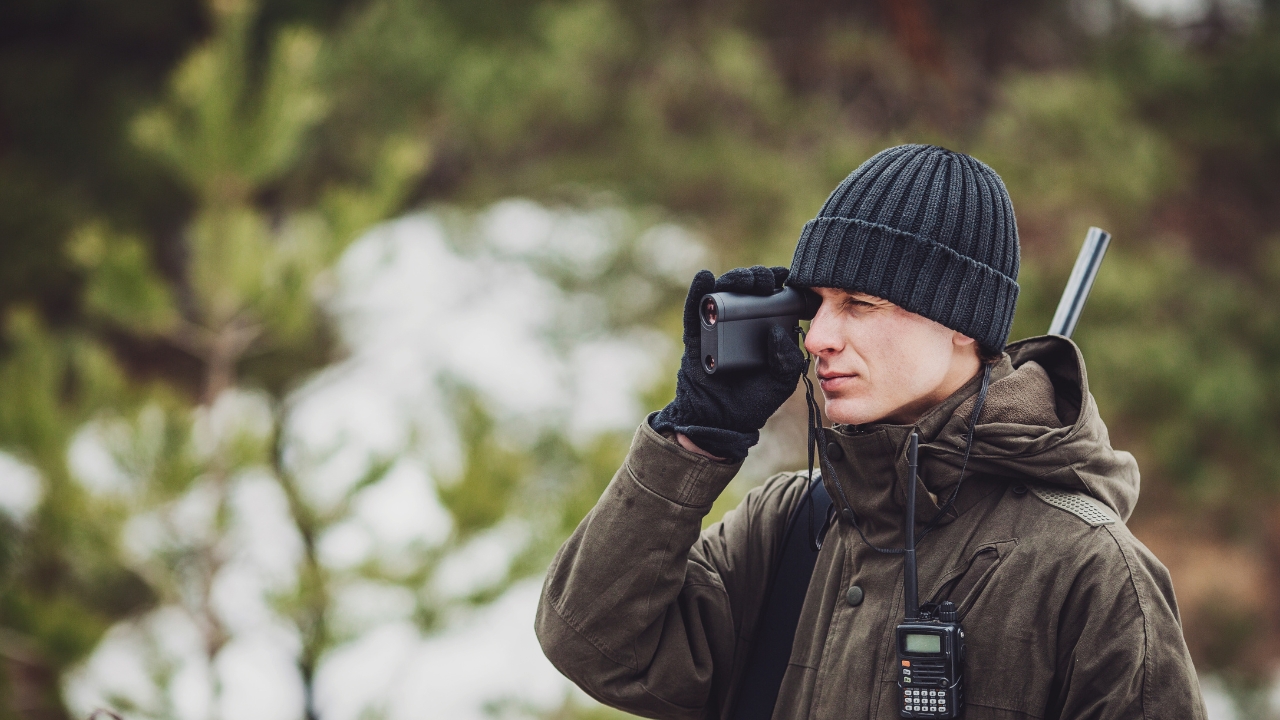
I no longer bring a rangefinder automatically. In thick woods where every possible shot is obviously close, it often stays home. In archery season, open country, or any location where judging distance can be difficult, it becomes much more important.
That is one of the biggest changes in the way I pack. I stopped confusing useful gear with universally necessary gear. A rangefinder is extremely useful when range matters. It is dead weight when the farthest opening in front of me is 60 yards. I decide based on where I am actually hunting rather than what every gear list says a hunter is supposed to carry.
A Wind Checker
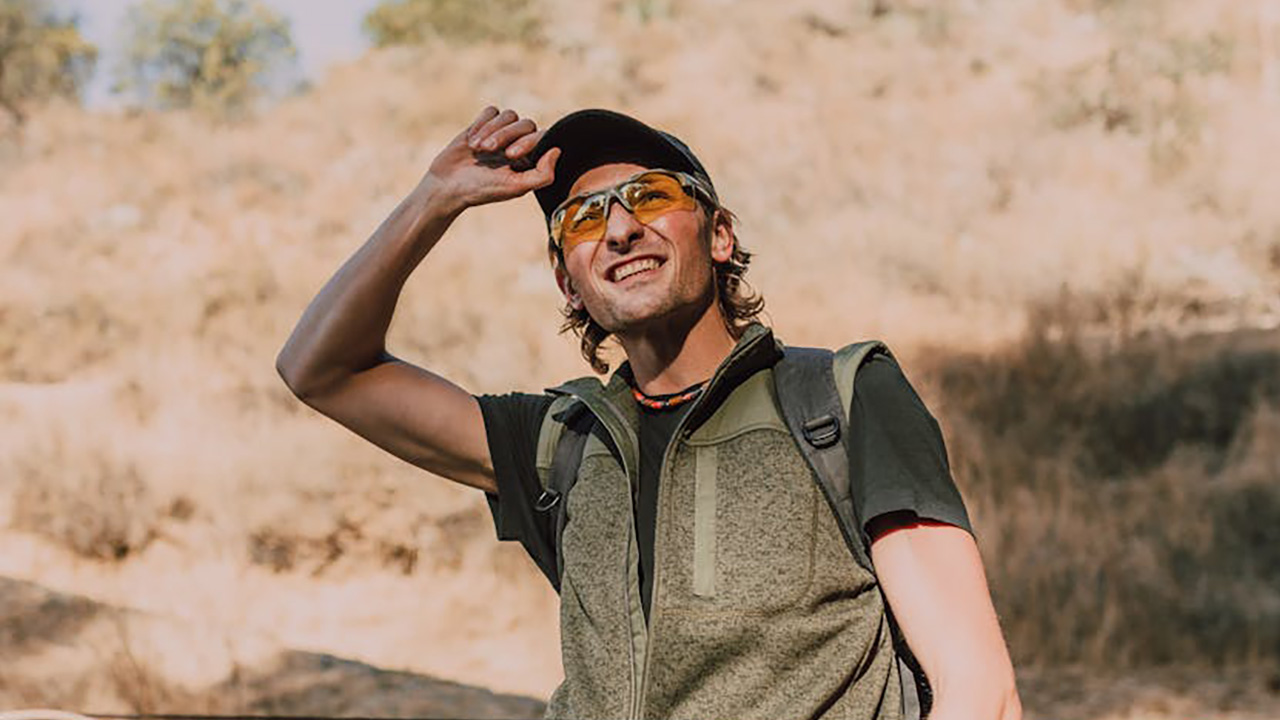
A tiny bottle of wind-checking powder may provide more useful information than several pieces of expensive hunting technology combined. It tells me what the air is actually doing at my position rather than what the weather app says should be happening.
Wind rarely behaves perfectly in the woods. Ridges, creek bottoms, tree lines, and temperature changes can all move air in unexpected directions. Being able to check it quietly throughout the hunt helps me understand whether my scent is moving where I think it is. The bottle weighs practically nothing and has prevented enough bad decisions that I consider it permanent equipment.
Flagging Tape or Reflective Tacks When Needed
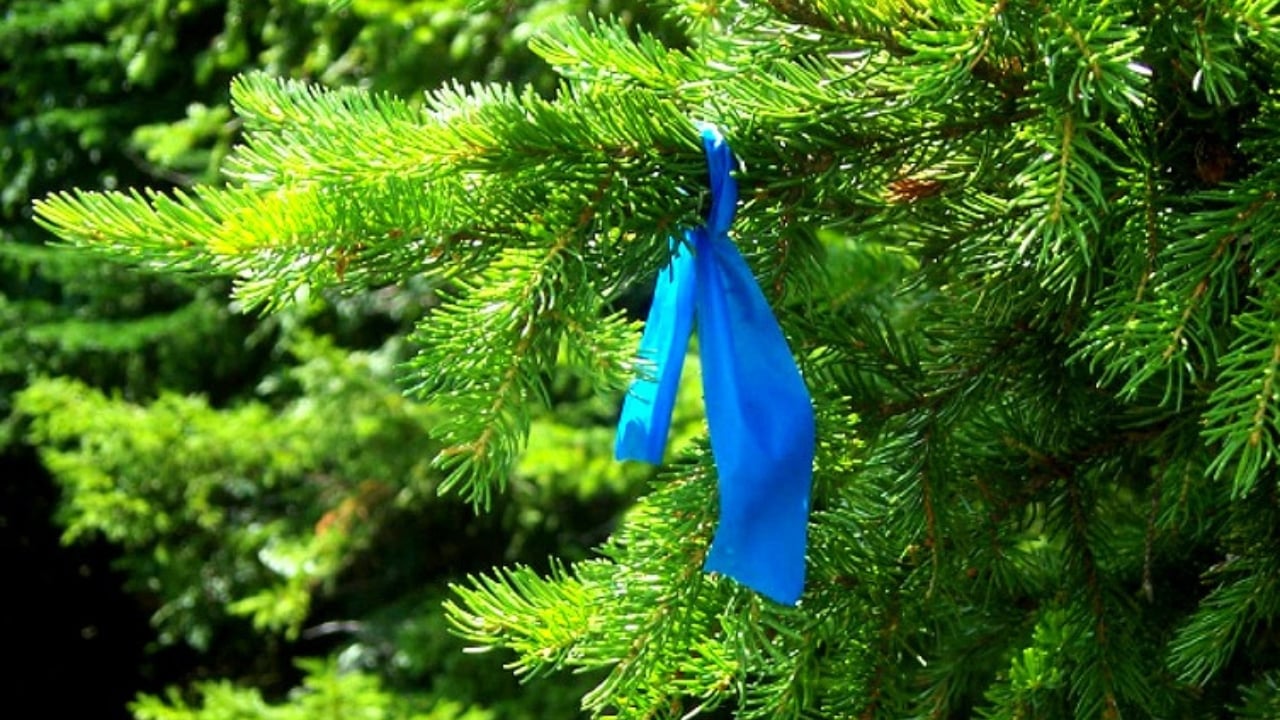
I do not permanently mark every path I hunt, but there are times when a little navigation help is worth carrying. Thick woods can look completely different after dark, especially if weather moves in or I take a different route than expected.
A small amount of flagging material or a few reflective markers can be useful when setting up a new route, provided their use is legal and appropriate on the property. On familiar ground, they may never leave the pack. On a new property, they can save a surprising amount of confusion. Again, I carry a tiny amount rather than enough to decorate half the county.
My Phone in a Protected Battery State

My phone has replaced several things I used to carry separately. Mapping, weather information, notes, time, communication, and even photos all come from one device now. That makes keeping the battery alive important.
I minimize unnecessary use and make sure the phone is charged before leaving. In colder weather, keeping it protected can also help preserve battery life. If I am going somewhere genuinely remote, I do not treat a phone as the only navigation or emergency tool. For the normal hunting I do, though, it has become one of the most useful pieces of gear in the pack even though it was never marketed as hunting equipment.
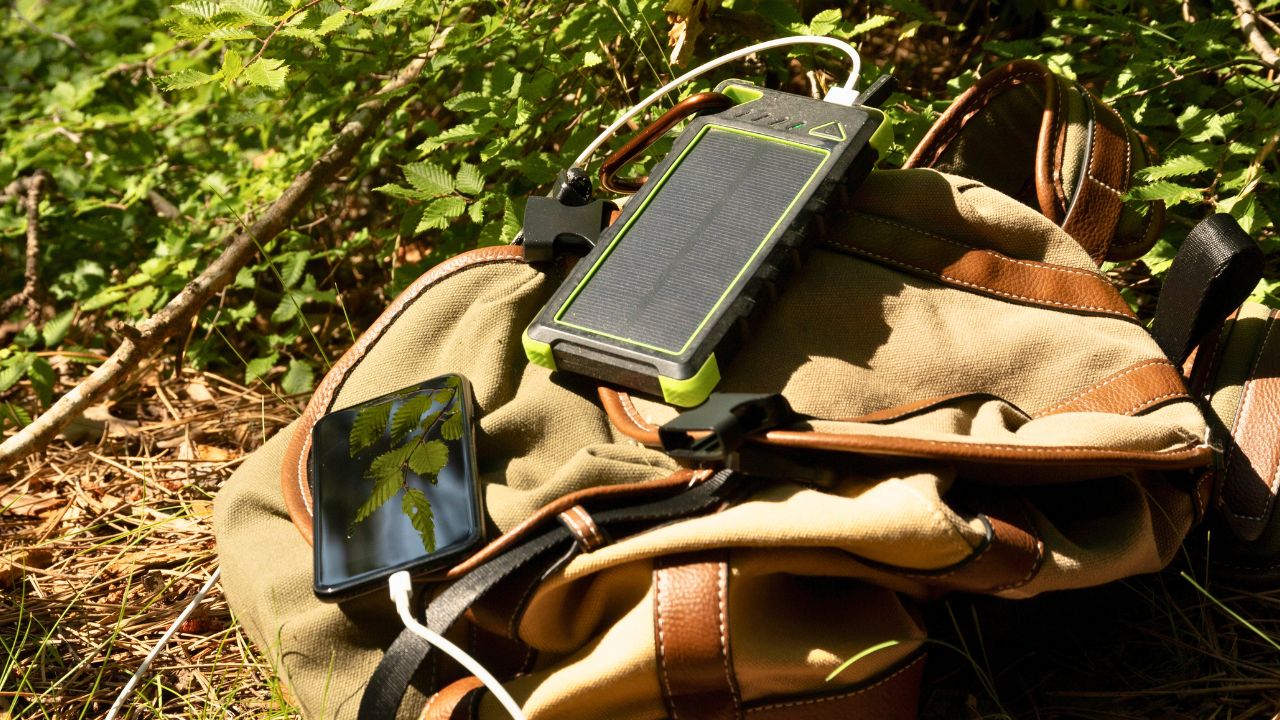
A Small Power Bank
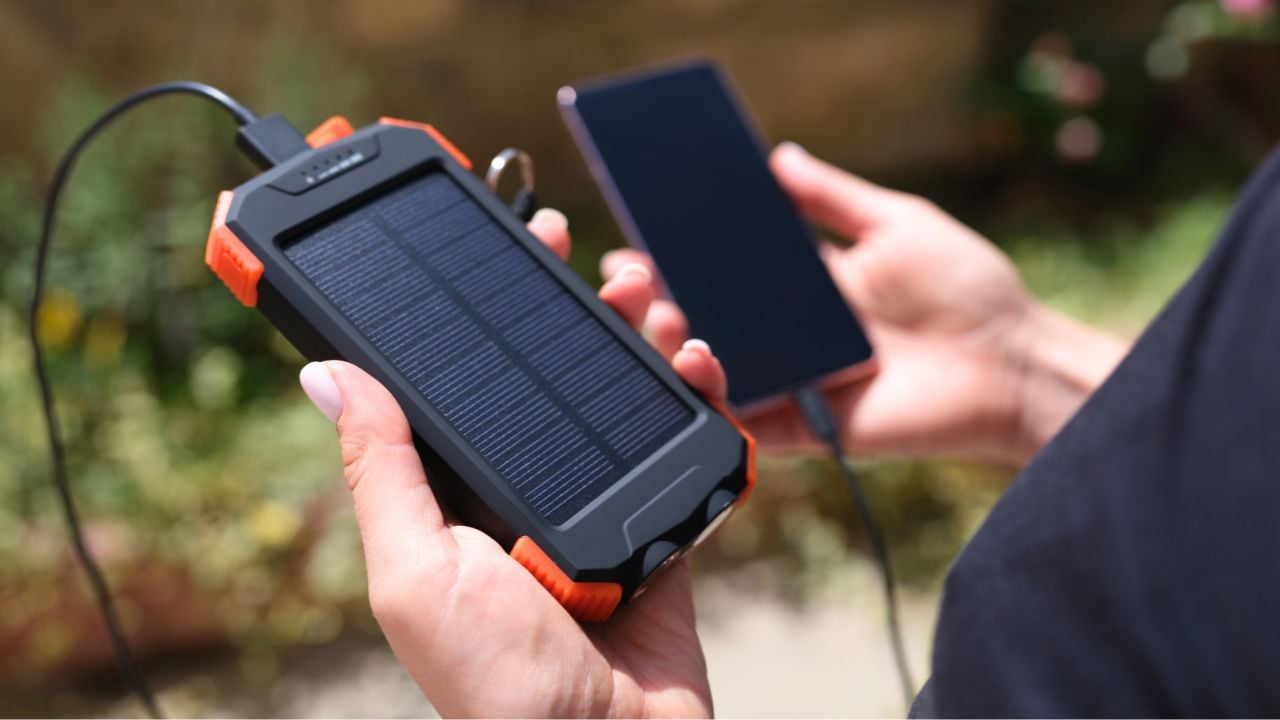
A power bank is something I resisted for years because it sounded like one more electronic gadget. Then phones became navigation devices, cameras, weather stations, and communication tools all at once. Suddenly having a little emergency power made much more sense.
I do not carry a giant battery capable of charging everything I own for a week. A compact unit with the correct cable is enough for a day hunt. Most of the time I never touch it, but unlike many “just in case” items I used to carry, a dead phone can create a real inconvenience. The small amount of weight earns its place when the consequences of not having it are higher than the inconvenience of carrying it.
Basic Field-Dressing Gloves
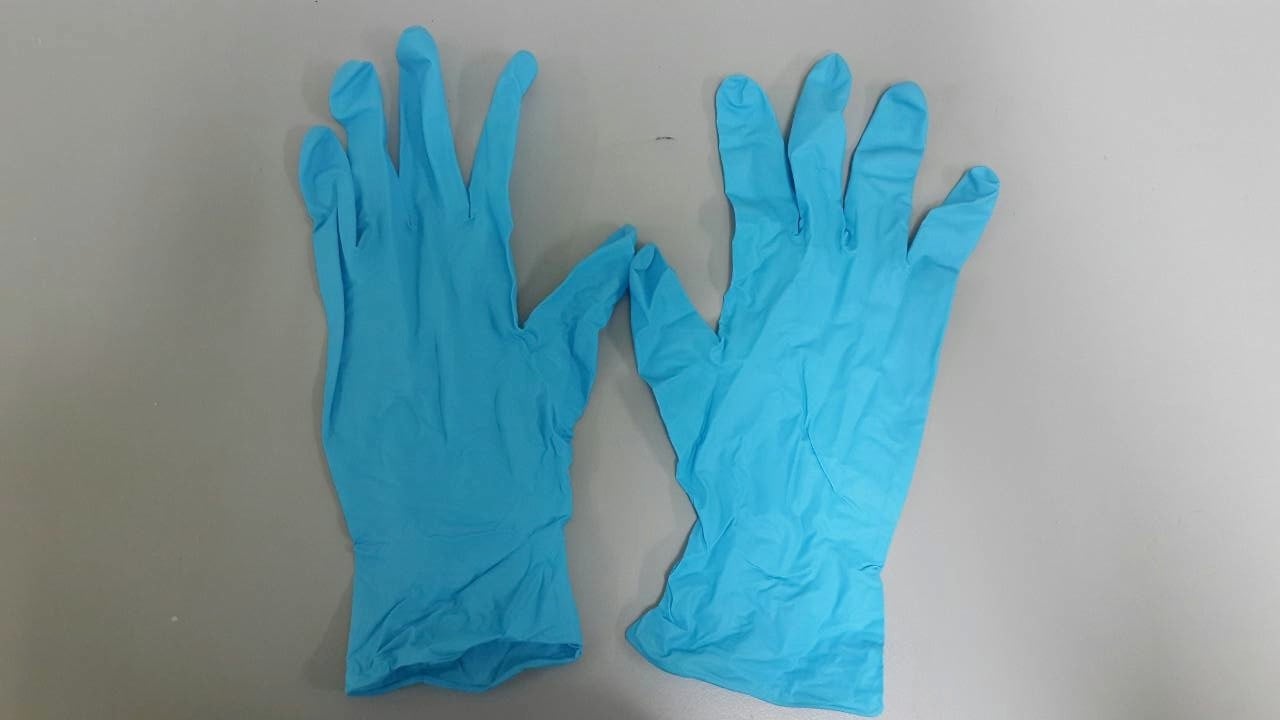
A pair of disposable gloves barely takes up space and makes field dressing cleaner and easier. I keep a few pairs sealed in a small bag so I do not have to think about them until they are needed.
This is one of those inexpensive additions I wish I had started carrying much earlier. I used to think gloves were unnecessary because people dressed game barehanded forever. That is true, but there is no prize for making the job messier than it has to be. The gloves also make cleanup easier when I still have equipment to handle afterward. Small, light, useful, and cheap is exactly the combination I want in pack gear.
A Few Zip Ties
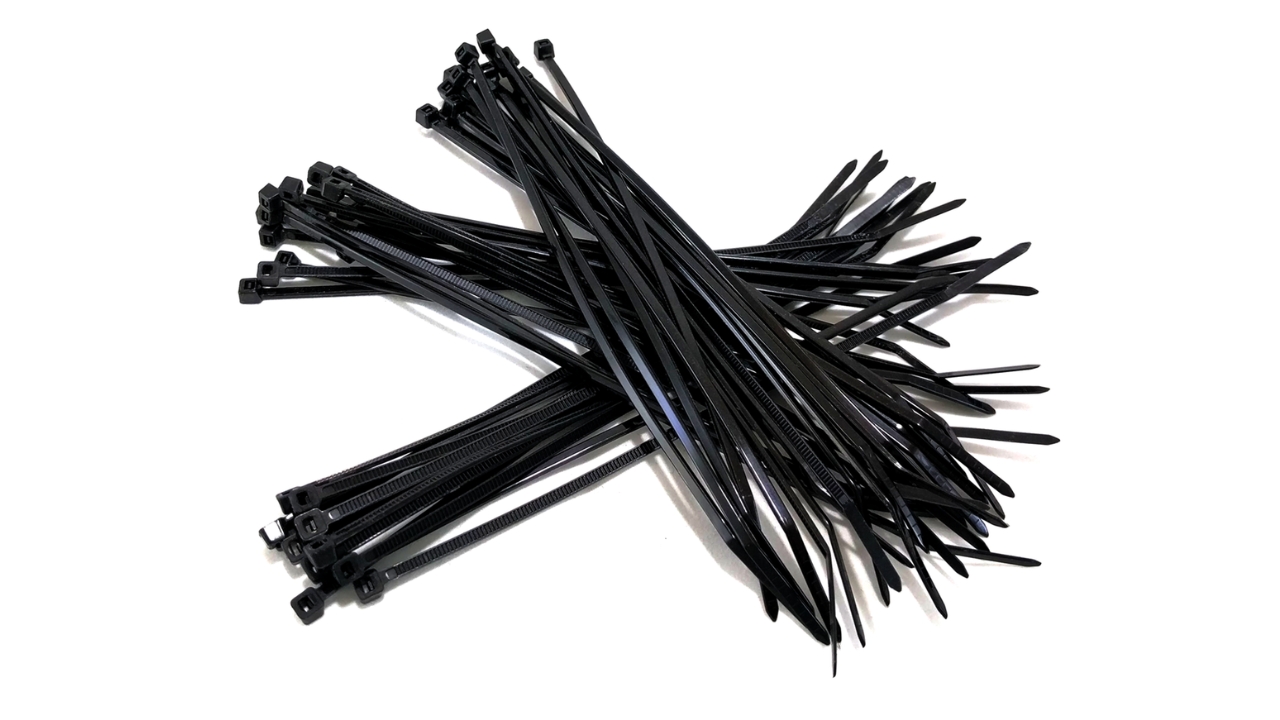
Zip ties have fixed more random hunting problems for me than several pieces of specialized gear. A loose strap, broken buckle, gear that needs securing, or something rattling at the wrong moment can often be dealt with using one or two ties.
I do not carry an entire package. A handful of different sizes weighs almost nothing and stays buried in one pocket until needed. This is the kind of multipurpose item that survived every pack cleanout because it solves problems I cannot always predict. When I remove gear, I ask whether something has actually saved a hunt before. Zip ties have done that often enough that they keep making the cut.
A Short Length of Cord
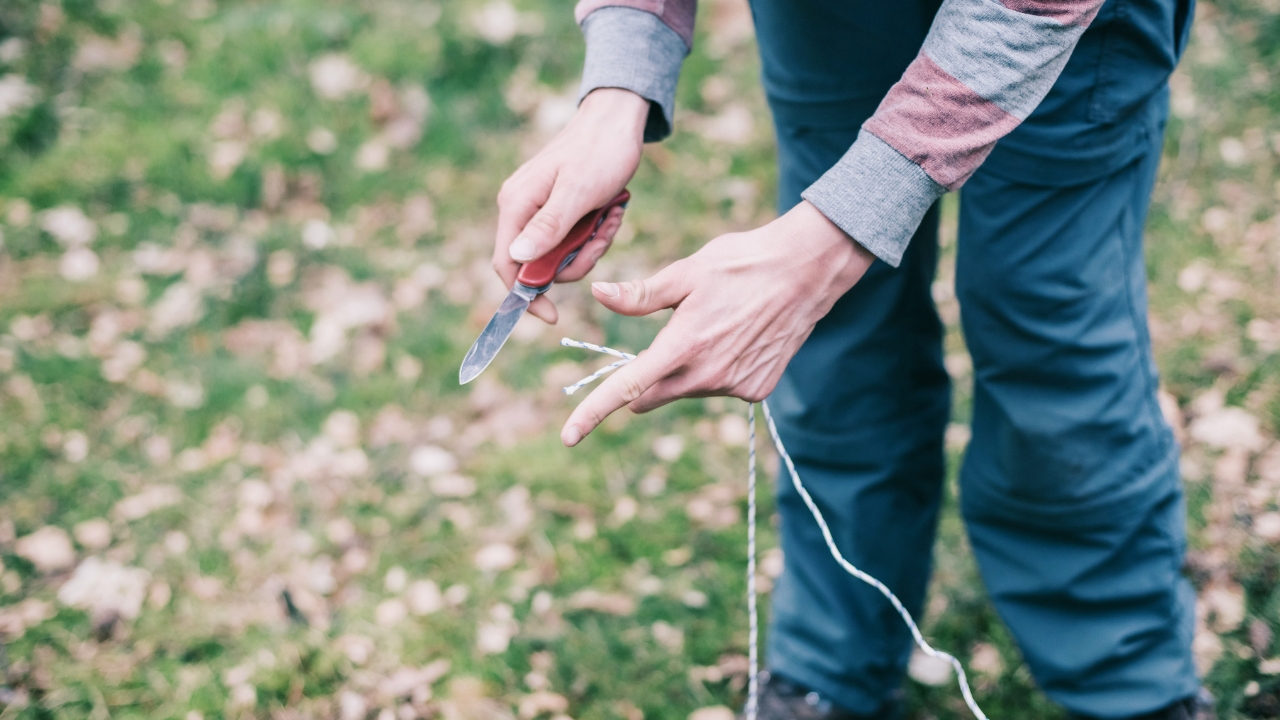
Cord is another multipurpose item I would rather carry than several specialized tools. A short length can secure gear, help hang something, replace a broken strap, or solve any number of small camp problems.
The key word is short. I used to carry far more cordage than any normal day hunt could require. Now I take enough to handle ordinary problems without pretending I am building a wilderness shelter. Like zip ties, good cord works because it can become whatever I need in the moment. Gear that performs several jobs is much easier for me to justify than equipment designed around one highly specific scenario.
My License and Identification
This sounds too basic to deserve space on a list, which is exactly why people forget it. I make sure whatever licenses, permits, tags, and identification I need are handled before leaving the truck. Where digital documentation is allowed, I still think carefully about whether I want to rely completely on a phone that can run out of power.
The details depend on where and what I am hunting, so this is one area where I check requirements rather than assume last year’s rules still apply. All the expensive equipment in the pack means very little if I overlooked the paperwork that actually allows me to hunt. It is not exciting gear, but it is some of the most important.
Less Than I Think I Need
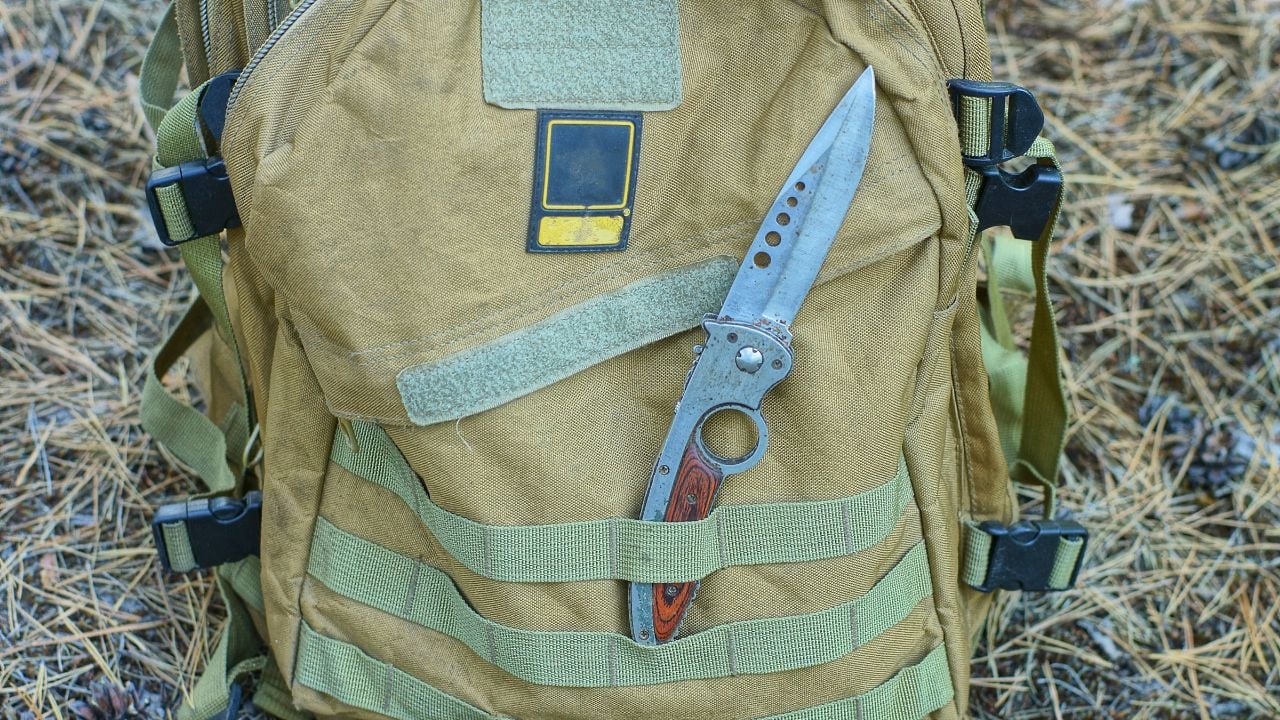
The biggest thing I carry after years of getting it wrong is simply less stuff. I stopped packing around imaginary situations and started building the load around the hunt actually in front of me. A short evening sit behind the house does not require the same equipment as a long day several miles from the truck.
That change made hunting more enjoyable. My pack is lighter, quieter, easier to organize, and much faster to check before heading out. When I reach inside, I know where everything is because there are not thirty unnecessary items piled on top of it. Experience did not teach me which products to buy. More than anything, it taught me how much I could leave behind.
Like The Avid Outdoorsman’s content? Be sure to follow us.
Here’s more from us:


