Photo credit: AI-generated image created using ChatGPT. Illustrative only
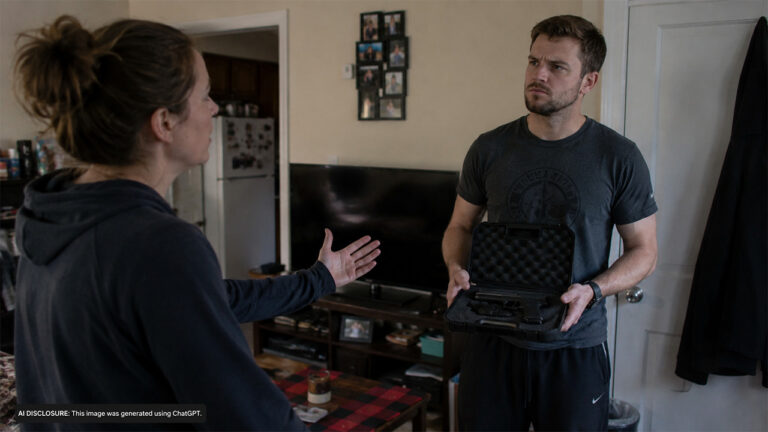
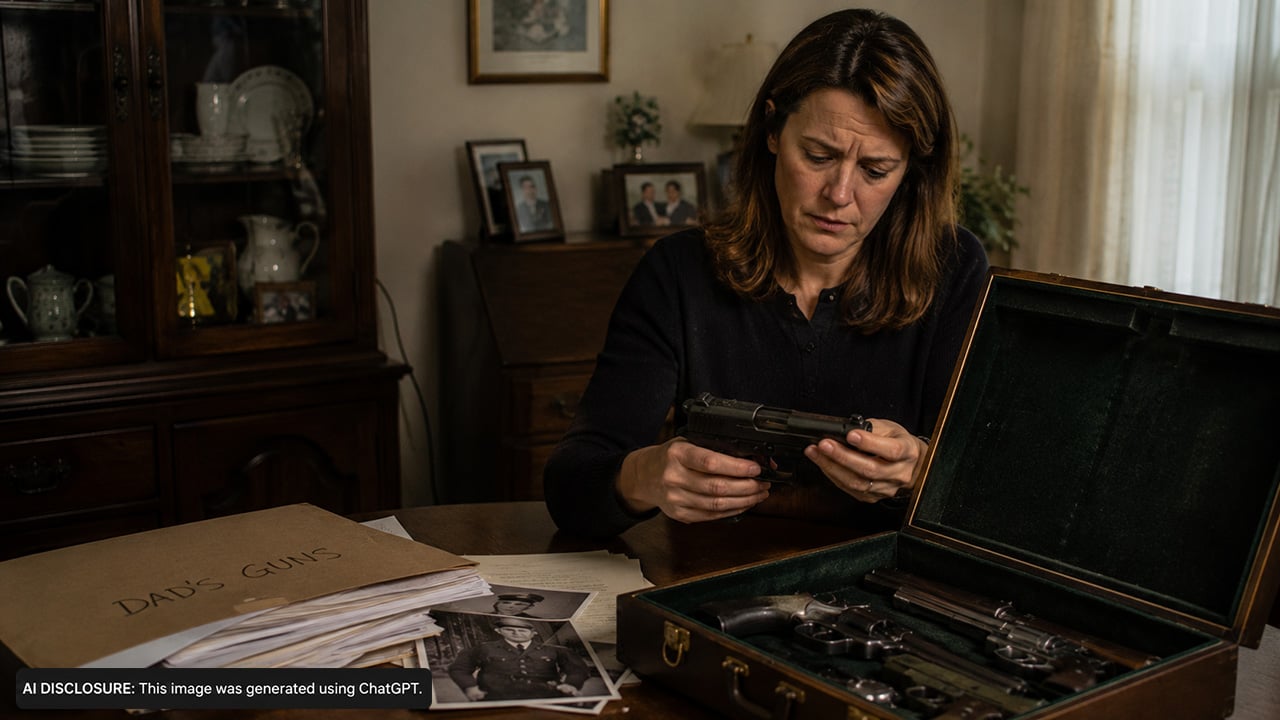
There are few things heavier than the responsibilities that land in your lap when a parent passes. One New Jersey woman found that out the hard way when she became executrix and discovered her father left behind a “number of unregistered guns,” some with serial numbers intentionally filed off, and a nagging fear that at least one might be stolen or tied to a crime.
She laid out the problem in the source post: she wanted to become the legal owner of some firearms, help her sister become the legal owner of others, and possibly sell a few—while keeping things “as uncomplicated as possible” and avoiding trouble for either of them. In plain language, she wanted the guns handled right, but without stepping into a mess.
A rough inheritance: guns, an estate, and missing serial numbers
Most outdoorsmen understand the normal kind of “dad’s gun cabinet” situation: Grandpa’s deer rifle, an old pump shotgun, maybe a revolver that’s been in the family longer than anyone can remember. This wasn’t that. The key detail here is that the father allegedly filed off serial numbers on some firearms.
That one detail changes everything. A firearm with an obliterated serial number isn’t just a paperwork headache. It’s a giant red flag—legally, practically, and morally—because serial numbers are how guns are identified, traced when they’re stolen, and connected (or cleared) in criminal investigations.
Why the “little government involvement” goal collides with reality
It’s easy to understand why someone dealing with grief and estate work would want minimal involvement from authorities. Probate is already stressful. Adding firearms law on top of it—especially in a state with strict rules—can feel like stepping into a thicket you won’t get out of.
But when you’re talking about guns that may be unregistered and have their serial numbers removed, “keeping it uncomplicated” isn’t really on the menu. The executrix wasn’t asking how to store them safely or how to split them up among heirs. She was asking how to make them legal to own, transfer to a sister, or sell, while also acknowledging they may be stolen or used in a crime.
At that point, the normal advice about using an FFL for transfers or checking state inheritance rules stops being the main issue. The bigger issue is possession of potentially illegal firearms and what happens if you’re found holding them.
The big risk for an executrix: possession before you ever “do” anything
One thing folks sometimes miss is that being the executrix doesn’t magically insulate you from consequences. Estate duties can require you to secure property, but firearms are different than a set of wrenches or a boat title—especially ones with defaced identifying marks.
Even if her intentions were good, she was now the person standing closest to the problem. Handling, transporting, or attempting to sell firearms like that can compound the exposure. It’s not just about what the deceased did; it’s about what the living do next.
And if you’ve ever helped clean out a home after a death, you know how fast “I’ll just move these somewhere safe” turns into “I’m in possession of something I can’t explain.” That’s the practical trap here.
The advice she got was blunt: don’t handle them—call local police
The one attorney response included in the thread didn’t dance around it. He said the safest thing to do would be to call local police and have them pick up the guns “without you handling them at all,” emphasizing the risk because they’re unregistered and missing serial numbers.
That’s not the kind of answer many gun owners want to hear, but it fits the situation described. A filed-off serial number isn’t a “fix it later” issue. It’s a stop-what-you’re-doing issue, because the gun may be contraband, evidence, or stolen property, and the next person in the chain can become part of the story whether they meant to or not.
From an outdoorsman’s perspective, it’s also a safety and accountability move. If there’s even a chance a firearm was used in a violent crime, you don’t want it bouncing around family members, being transported in personal vehicles, or being sold to a stranger. You want it out of circulation and handled in a way that protects everyone who didn’t create the problem.
What this means for folks with inherited guns: the “normal” path vs. the red-flag path
Most inherited firearms can be handled with common sense: keep them secured, document what you have, and follow your state’s rules for transfers. In many cases, that’s as straightforward as working with a knowledgeable local dealer and making sure everyone who receives a gun is legally allowed to possess it.
But the facts in this situation aren’t normal. Filed-off serial numbers are the red-flag path. The executrix wasn’t simply asking, “How do I transfer Dad’s hunting rifle to my sister?” She was asking how to deal with guns that may be illegal on their face and may be tied to theft or crime.
In the field, we talk a lot about “know your target and what’s beyond it.” This is the legal version of that. If you inherit firearms and something doesn’t look right—tampering, missing markings, odd modifications, or a story that doesn’t add up—treat it like an unsafe gun on the bench. Stop, secure the area, and don’t pass it along.
The other reality is that selling firearms with those kinds of issues isn’t just “hard.” It’s a fast way to pull yourself into trouble. Even if your goal is simply to liquidate estate property, you can’t assume these are sellable assets just because they were sitting in a house.
This is one of those stories that makes you think about what you’re leaving behind. A clean, documented gun collection is a gift to your family. A pile of questionable firearms is a problem you hand your kids and siblings when they’re already dealing with enough.
If you’re the one cleaning out an estate and you run into firearms with defaced serial numbers—or anything else that screams “this isn’t right”—don’t try to be the hero and sort it out quietly. The response in this case was simple: don’t handle them, and get local law enforcement involved so you and your sister don’t become the next people in line to answer hard questions.
Like The Avid Outdoorsman’s content? Subscribe to our newsletter so you never miss an article.
Here’s more from us: