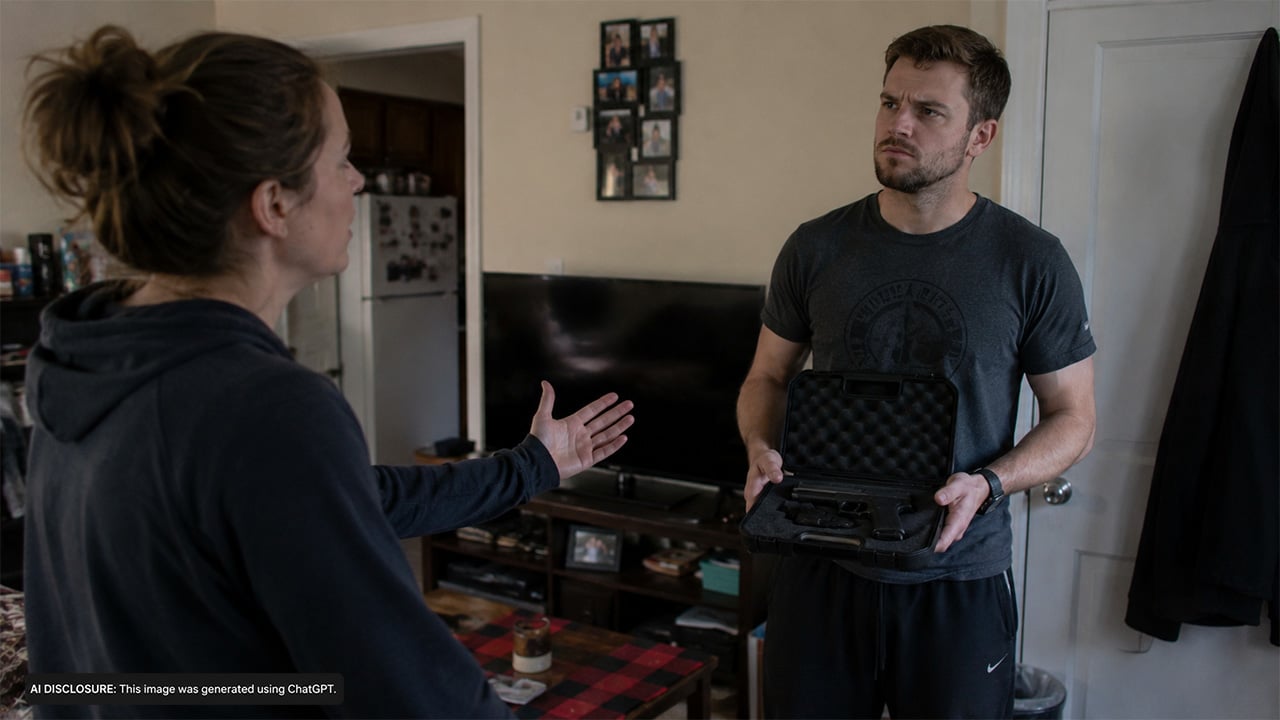
Photo credit: AI-generated image created using ChatGPT. Illustrative only
A lot of folks treat a first firearms license like a milestone. In British Columbia, one woman marked that moment by buying a gun for her boyfriend after he got his PAL. Now they’ve split up, and she says the gun is still sitting with him—even though, in her words, he “never filed the paperwork.”
In the original post, she explained she bought the firearm new from Canadian Tire as a “gift,” but she’s worried about what happens if she calls police to get it returned. It’s the kind of situation that turns a normal breakup into a safety and legal headache in a hurry.
The “gift” part is what made it messy
She didn’t describe the make, model, or type of gun, but she did say she bought it as a gift when he took his PAL. That one word—gift—can change the whole argument, because gifts usually mean you intended to transfer ownership.
But firearms aren’t the same as a fly rod or a pair of boots. In Canada, whether a gun can be legally possessed and how it gets transferred matters, and it doesn’t always line up neatly with “I paid for it” or “I gave it to you.” When relationships end, that gray area can feel a whole lot darker.
Paperwork and possession aren’t optional in the gun world
The most important detail in her post is that he “never filed the paperwork.” That suggests she believes the legal transfer didn’t happen the way it should have, which is a big deal when it comes to firearms.
Even without getting into the weeds on specific Canadian transfer steps, the practical point is simple: firearms ownership and lawful possession are tied to rules and documentation, not just who has the gun in the closet. If the gun is sitting with someone who doesn’t have the proper end of the deal completed, it can create risk for both people—especially if something goes wrong later.
Why calling police feels risky for the buyer
Her main question wasn’t just “How do I get it back?” It was, “Am I going to get in trouble when I call the police on him?” That’s a common worry when a firearm is involved, because nobody wants to accidentally confess to a violation while trying to fix a bad situation.
From a common-sense gun owner perspective, it’s easy to see why she’s uneasy. If she bought it new at a big-box retailer, there’s likely a purchase record somewhere. If the transfer process wasn’t completed, she may be worried the gun is still connected to her in a way that puts her on the hook. And if her ex is angry enough to refuse to hand it back, she may not want to show up in person and escalate things around a firearm.
The Canadian Tire detail matters more than it sounds
She specifically mentioned buying the gun new from Canadian Tire. That’s not just trivia. A retail purchase usually creates a clear paper trail—date, payment method, and a store record that the firearm left inventory through a regulated sale process.
In a dispute, clean documentation can be the difference between a straightforward recovery and a long argument about who owns what. Outdoor folks learn this lesson with ATVs, boats, and even treestands. With guns, it’s even more important: keep receipts, keep serial numbers recorded somewhere safe, and keep any transfer confirmations or emails that show where the firearm was supposed to end up.
The safest move is avoiding a face-to-face showdown
Anybody who’s been around firearms long enough knows the rule: when emotions are hot, you keep guns out of the equation. A breakup is already a pressure cooker. Adding a “come give me my gun” confrontation is how bad decisions get made fast.
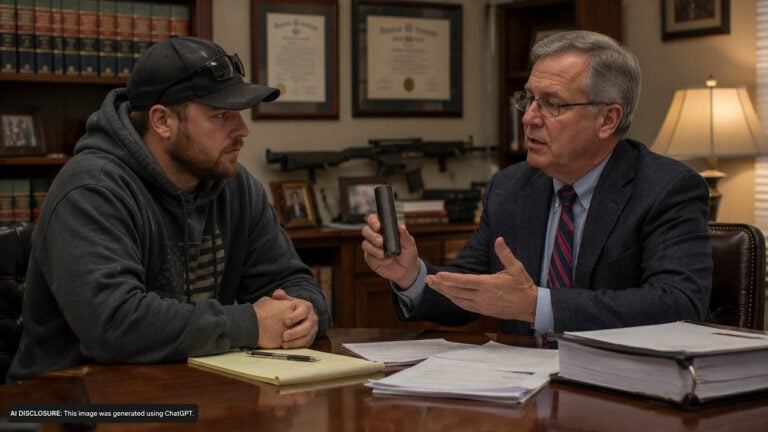
Even if she believes she’s 100% in the right, showing up on a doorstep to argue about a firearm is a bad plan. If she feels the gun is being held improperly or she’s worried about her own legal exposure, involving authorities or getting proper legal advice is a safer route than trying to physically retrieve it.
What gun owners can learn from this before it happens to them
This is one of those real-world reminders that mixing guns and relationships requires the same discipline as mixing guns and alcohol: just don’t invite trouble. If you’re going to help a spouse or partner get set up for hunting or sport shooting, do it in a way that’s clean, legal, and well-documented from day one.
That means understanding how transfers work where you live, keeping records like receipts and serial numbers, and thinking twice before calling something a “gift” if your real intention is “I’m buying this now, but it’s mine if we split.” It’s not romantic, but neither is trying to unwind firearm ownership after the relationship ends.
At the end of the day, her post reads like a person trying to do the responsible thing—get the firearm back and keep herself out of trouble. The hard lesson is that with guns, the paperwork and the possession both have to be right, and when they aren’t, the safest path usually involves patience, documentation, and letting the proper channels handle it instead of turning it into a personal standoff.
Like The Avid Outdoorsman’s content? Be sure to follow us.
Here’s more from us: