Photo credit: Lucky Gunner Ammo/YouTube
The more crowded the handgun market gets, the more some shooters start circling back to revolvers. That usually happens after enough disappointment with guns that were supposed to feel smarter, lighter, higher-capacity, or more advanced but somehow left a weaker impression once the shooting started. A lot of modern handguns do plenty right, but some also feel disposable, overly complicated, or weirdly forgettable in a way older wheelguns simply do not.
That is where revolvers start looking better again. Not because they are perfect, and not because they beat semiautos at everything, but because they still offer a kind of mechanical honesty a lot of shooters miss once newer options start feeling thin or overhyped. These are the revolvers that keep getting more appealing every time modern handguns feel a little less satisfying than advertised.
Smith & Wesson 686

The 686 keeps pulling people back because it feels like exactly what it is supposed to be. No mystery, no gimmicks, and no sense that corners were cut to hit a trend. It is a solid .357 that shoots well, balances well, and gives you the kind of confidence that comes from a gun with a long record of doing its job without asking for excuses. A lot of shooters start eyeing the 686 again after spending time with newer pistols that felt easier to buy than to truly trust.
Part of the appeal is how settled the gun feels. The weight helps, the trigger can be excellent, and full-power magnum performance is there when you want it without making the revolver feel like a novelty piece. When newer handguns start feeling like interchangeable plastic opinions, the 686 starts looking like the kind of gun you can actually build a long relationship with.
Ruger GP100

The GP100 gets more tempting the moment a shooter decides they are tired of fragile-feeling solutions to hard-use problems. It has always been one of those revolvers that looks and feels built to stay in the fight longer than the trend cycle. That matters when modern handguns start feeling too dependent on marketing language and not dependent enough on obvious toughness. The GP100 has never needed much explanation beyond the fact that it works and keeps working.
It also has the kind of plain usefulness that ages well. It may not have the flash of a Python or the polish of a higher-dollar wheelgun, but it has an earned reputation for strength that keeps drawing serious shooters back. The worse modern options feel in the hand, the more a GP100 starts looking like common sense with a cylinder.
Colt Python
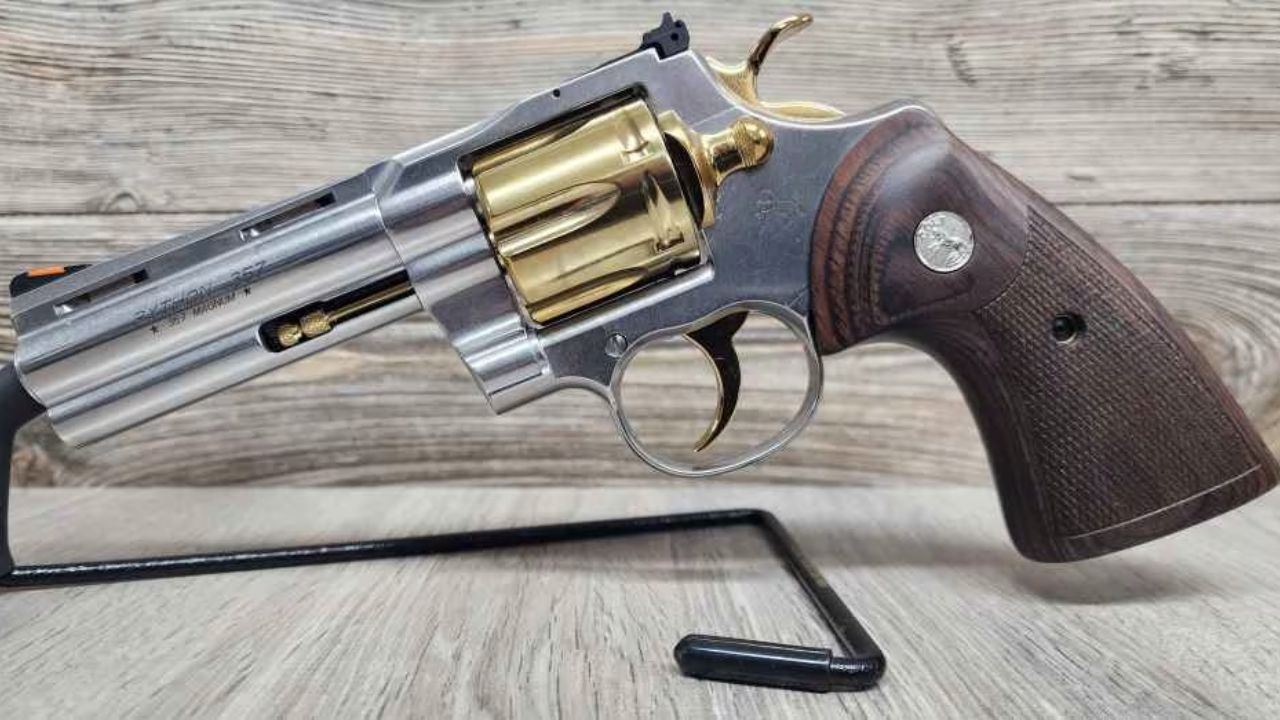
The Python gets more tempting every time shooters remember that refinement still matters. A lot of modern handguns are perfectly serviceable, but not many of them feel special once you start pressing triggers and paying attention. The Python reminds people what a really good revolver can feel like when the action is right, the balance is right, and the gun gives you more than just function. It gives you confidence and satisfaction at the same time.
That is why it keeps staying on people’s minds when newer choices start feeling flat. The Python is not tempting because it is old. It is tempting because it still feels like a serious handgun built with care, not just efficiency. Once a shooter gets tired of guns that seem designed to be replaced instead of kept, the Python starts making more emotional and practical sense.
Smith & Wesson Model 19

The Model 19 keeps getting more attractive because it sits in a sweet spot a lot of modern handguns miss completely. It is compact enough to carry with intention, powerful enough to matter, and elegant enough to make a lot of current designs feel clumsy by comparison. When shooters get worn out on pistols that feel blocky, overbuilt in the wrong places, or soulless in the hand, the Model 19 starts looking like a smarter answer.
It also helps that the gun never relied on hype to earn its place. The K-frame .357 has real history because it worked for real people who needed a revolver that balanced shootability with authority. That kind of reputation does not need refreshing. It only needs modern handguns to keep reminding people what they no longer get from many new designs.
Ruger SP101
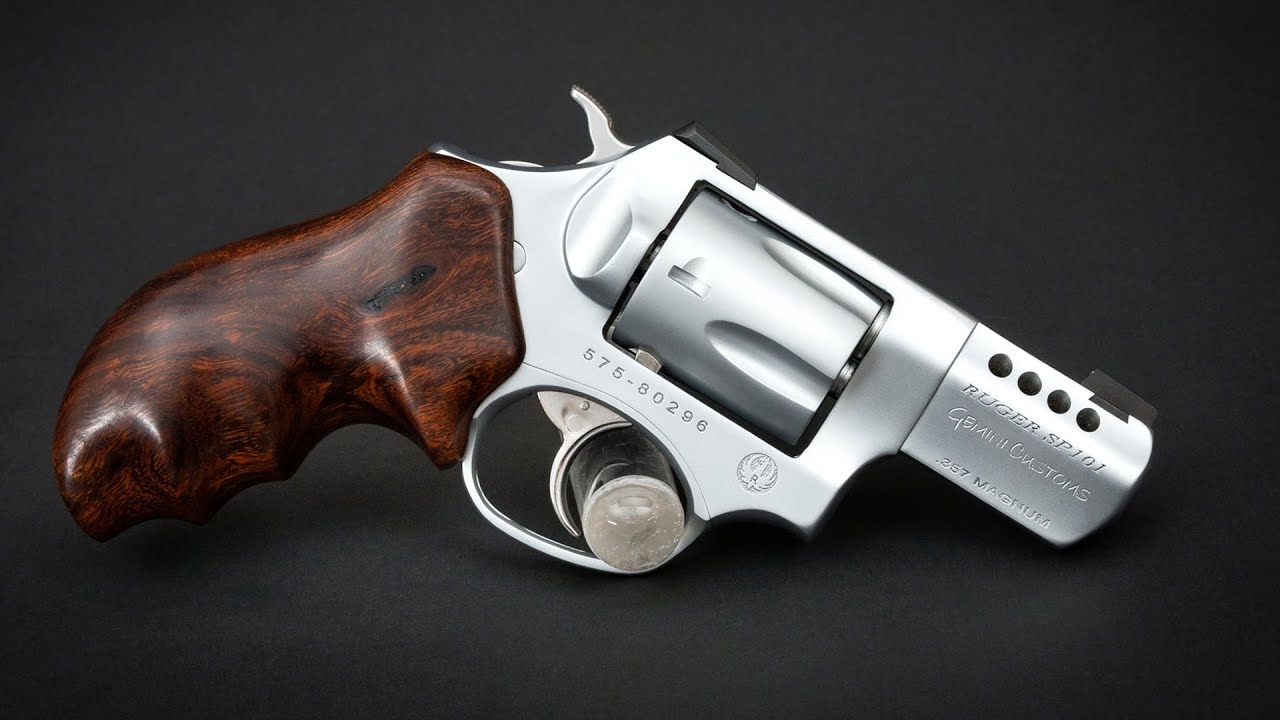
The SP101 becomes very tempting once shooters start realizing how many small modern carry guns are easy to carry and annoying to shoot. That is where this little Ruger starts making more sense again. It is sturdy, compact, and not trying to hide what it is. The recoil is real, sure, but so is the feeling that the gun was made to last rather than just made to disappear in your pocket until qualification day.
That honesty matters. The SP101 does not sell fantasy. It gives you a compact revolver with real strength and straightforward purpose. When a lot of newer carry pistols start feeling too snappy, too thin, or too dependent on compromises that never fully disappear on the range, the SP101 begins looking like a carry gun with fewer illusions and more backbone.
Smith & Wesson Model 642

The 642 keeps hanging around in serious conversations because it solves certain problems without pretending to solve all of them. That makes it easier to trust than a lot of modern pocket pistols that promise a bigger experience than they can actually deliver. The 642 is small, simple, and brutally honest about what it is asking from the shooter. Strangely enough, that honesty is exactly why people keep coming back to it.
When modern micro-compacts start feeling like tiny, sharp-edged compromises with just enough capacity to justify their recoil, the old Airweight starts looking smarter. It is not easier to shoot than a service-size gun, but it also does not ask you to believe it is. It is a carry revolver that still makes practical sense for people who value simplicity more than brochure bragging.
Colt Detective Special

The Detective Special gets more appealing every time shooters remember how much charm and usefulness can fit into one small revolver without feeling cheap or disposable. A lot of modern concealed-carry guns offer more capacity, but not necessarily more satisfaction, and that difference matters more than many buyers expect. The Detective Special feels like a real gun in a way some newer concealed-carry options simply do not.
That six-shot format in a compact revolver also keeps it interesting. It offers just enough extra over the five-shot norm to make people look twice, especially once they grow tired of tiny semiautos that feel cramped and harsh. The Detective Special has class, real-world practicality, and a type of staying power that becomes more attractive the more current options start blending together.
Smith & Wesson 27
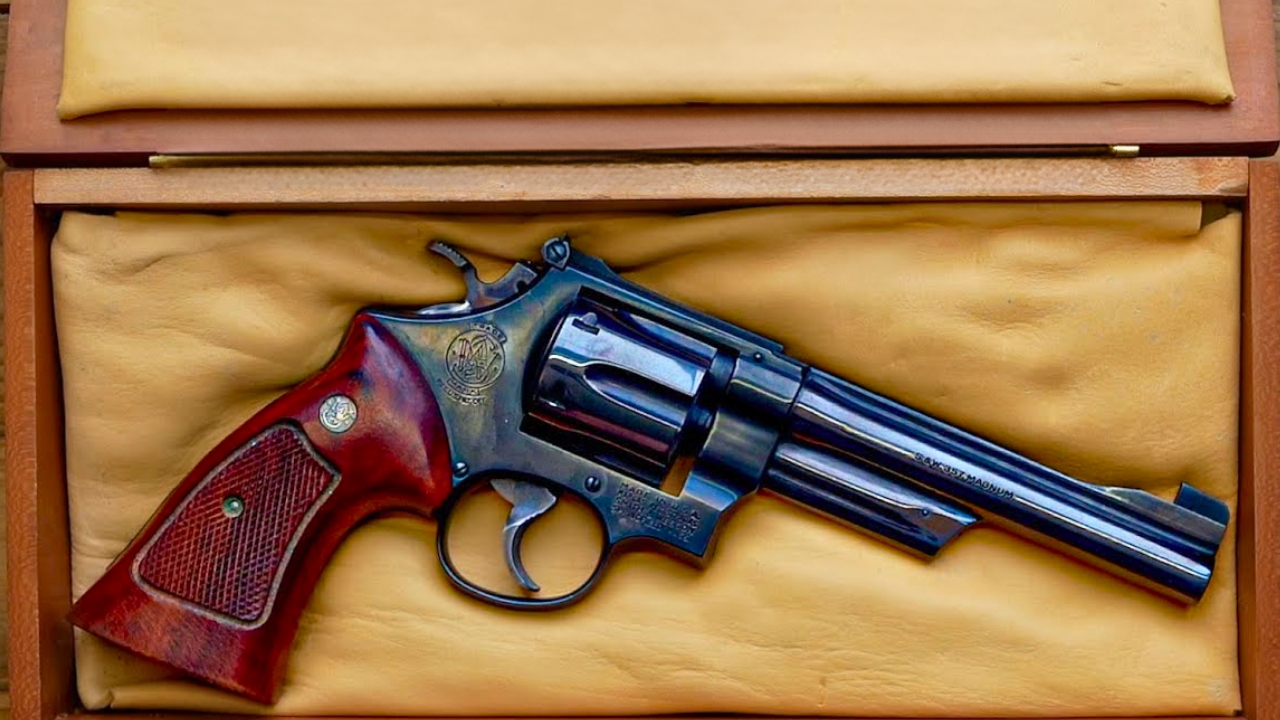
The Model 27 gets more tempting whenever shooters decide they are tired of modern handguns that feel like they were built around cost control first and shooting second. The 27 is old-school serious. It has presence, weight, and the kind of fit and finish that make a lot of new guns feel temporary. It does not need to be practical in every category to stay desirable. It only needs to remind people what quality once looked and felt like in a fighting revolver.
That is usually enough. The N-frame magnum carries a kind of authority that very few modern handguns can fake. Even if a shooter does not need that size every day, the attraction is easy to understand. The worse current options feel in terms of balance, trigger quality, or plain satisfaction, the more the Model 27 starts looking like a revolver from a time when gunmakers were aiming higher.
Ruger Blackhawk
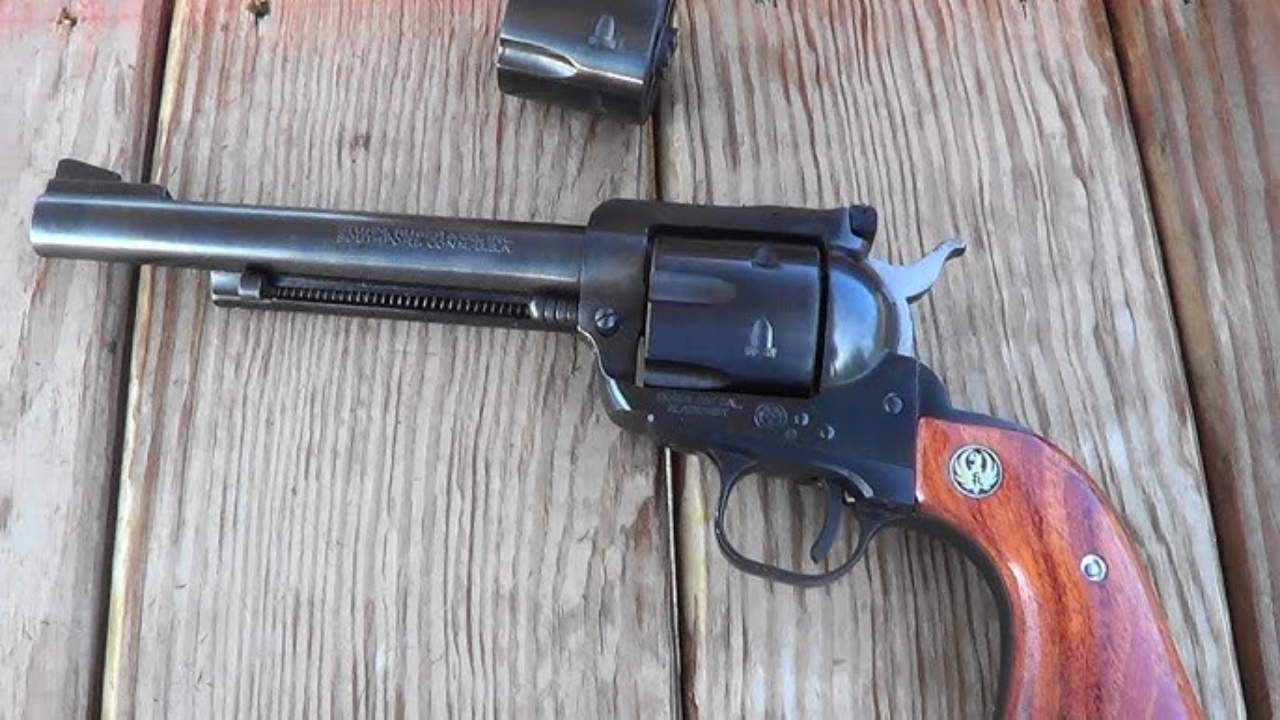
The Blackhawk gets more tempting when shooters start feeling burned out on modern handguns that all seem to do the same things in the same way. A good single-action revolver is almost the opposite experience. It slows you down, makes you shoot with intention, and gives you a stronger sense of connection to the gun in your hand. That can sound sentimental until you actually spend time with one and remember how satisfying deliberate shooting can be.
It also helps that the Blackhawk is still a very capable revolver, not some fragile nostalgia piece. It is strong, versatile, and useful across a wide range of chamberings and roles. When modern handguns start feeling repetitive and overly optimized for sales points instead of ownership experience, the Blackhawk starts looking like a much more rewarding gun to actually live with.
Smith & Wesson 629

The 629 becomes more attractive the moment a shooter starts wanting authority without gimmicks. Big-bore modern handguns often try to sell power with extra attitude, extra bulk, or some kind of tactical wrapper that does not really improve the core experience. The 629 does not need any of that. It is a stainless .44 Magnum that tells the truth the second you pick it up. That clarity goes a long way once newer “serious” options start feeling overdesigned.
The appeal is not just raw power. It is the way the revolver carries itself. It feels established, direct, and built around a role that still makes sense for hunting, field carry, and plain old appreciation of a powerful sidearm. When modern guns start feeling like they are trying too hard to look capable, the 629 keeps getting more tempting because it already is.
Colt King Cobra

The King Cobra gets more tempting because it offers something many modern handguns lack: personality without sacrificing credibility. A lot of current pistols are competent but bland. They work, but they do not leave much impression. The King Cobra feels different. It has weight, style, and a revolver presence that makes people want to shoot it, not just own it. That becomes more meaningful the more shooters get tired of lifeless modern options.
It also has that Colt factor without leaning entirely on nostalgia. The gun can still be a real shooter, and it still carries enough refinement to make modern production handguns feel a little flat by comparison. When current choices start feeling more like transactions than long-term companions, the King Cobra starts making a lot more sense.
Smith & Wesson 625

The 625 gets more appealing every time shooters remember that revolvers do not have to be slow, stodgy, or trapped in the past. A good N-frame .45 ACP revolver with moon clips has a way of making modern handgun debates feel smaller than they sound online. It shoots well, reloads faster than people expect, and offers a different kind of performance than most shooters realize until they actually spend time with one.
That is part of the appeal. The 625 feels like a revolver for people who know better than to assume new automatically means smarter. It takes an old format and reminds you that there are still elegant ways to get serious performance without following the latest script. When modern handguns start feeling samey, the 625 looks like the kind of detour that can turn into a favorite.
Ruger Redhawk
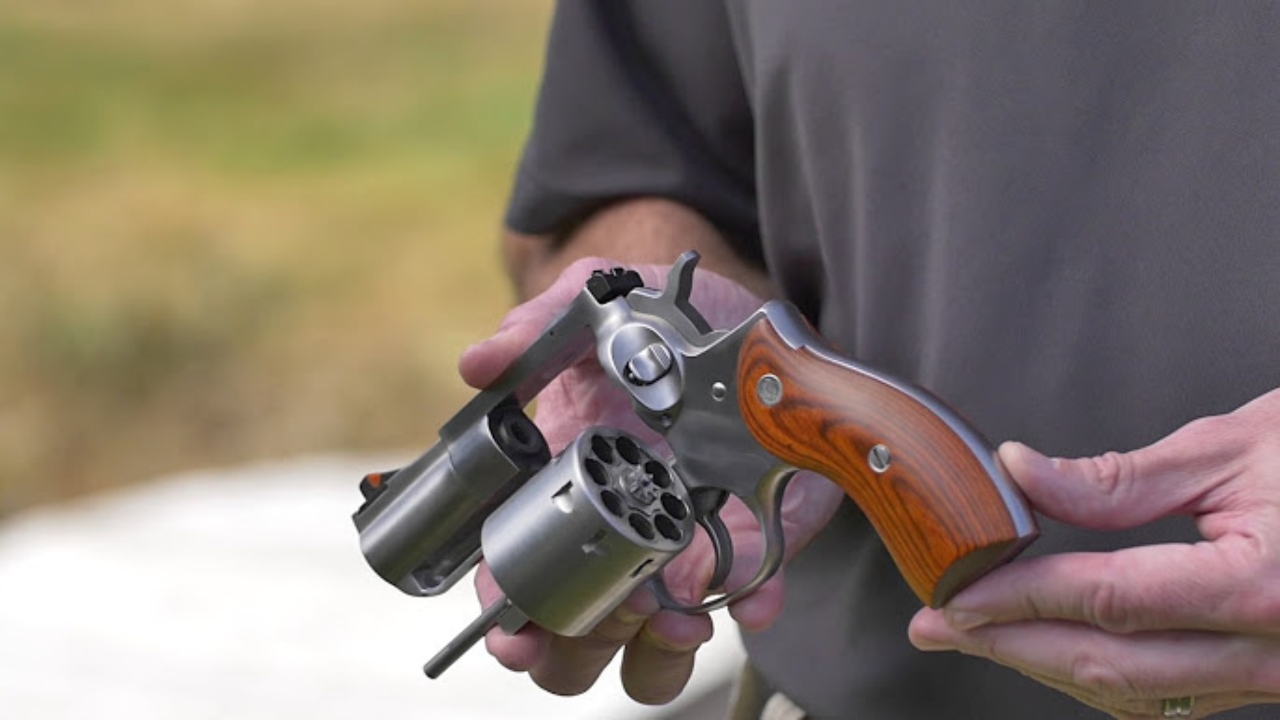
The Redhawk gets more tempting when a shooter wants one handgun that feels like it can actually take hard use without being pampered. Plenty of modern big-bore pistols talk tough, but the Redhawk has long had a reputation for simply being tough. It is large, yes, but it earns that size with strength and purpose. That matters when current options start feeling too dependent on cleverness instead of brute dependability.
It is also the kind of revolver people grow into. Maybe it feels like too much at first, but after enough time with modern handguns that disappoint in durability, power, or plain confidence, the Redhawk starts looking like a serious answer. It is not subtle, but subtle is not always what shooters want once they get tired of compromises dressed up as progress.
Smith & Wesson Model 66

The Model 66 keeps calling people back because it offers so much of what made older revolvers feel right without carrying all the heft of the larger magnum frames. Stainless, balanced, and easy to live with, it feels like the kind of handgun that makes sense the more experience you get. When modern options start feeling too specialized, too awkward, or too optimized for the wrong kind of buyer, the 66 starts looking refreshingly complete.
That balance is a big part of why it stays tempting. It is not trying to win every argument. It just gives you a revolver that carries well, shoots well, and still has enough class to make plenty of new guns feel like they were rushed into the world. The longer a shooter spends sorting through forgettable new designs, the stronger the pull of a good Model 66 tends to get.
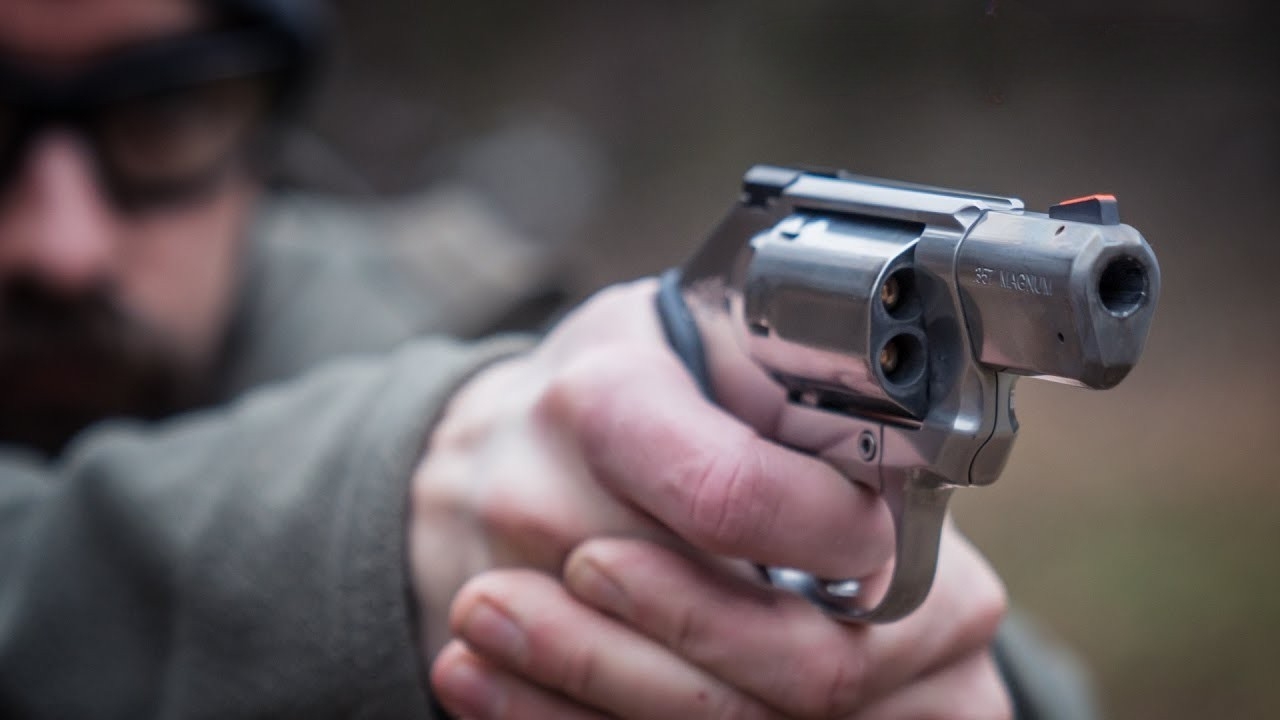
Kimber K6s

The K6s gets more tempting because it feels like one of the few newer revolvers that actually understood why people still wanted revolvers in the first place. It does not try to out-semi-auto a semiauto. It simply offers a compact wheelgun with solid fit, decent sights, and a level of refinement that makes a lot of small modern carry pistols seem crude in comparison. That is a smart lane to stay in.
For shooters disappointed by tiny polymer pistols that punish hands and patience, the K6s starts looking like a more honest compact option. It is still a small revolver, and it still asks for practice, but it feels deliberate rather than compromised. When a lot of modern handguns start feeling like bad trades dressed up as innovation, the K6s stands out by feeling like somebody actually cared how it would shoot and carry in real life.
Like The Avid Outdoorsman’s content? Subscribe to our newsletter so you never miss an article.
Here’s more from us: