
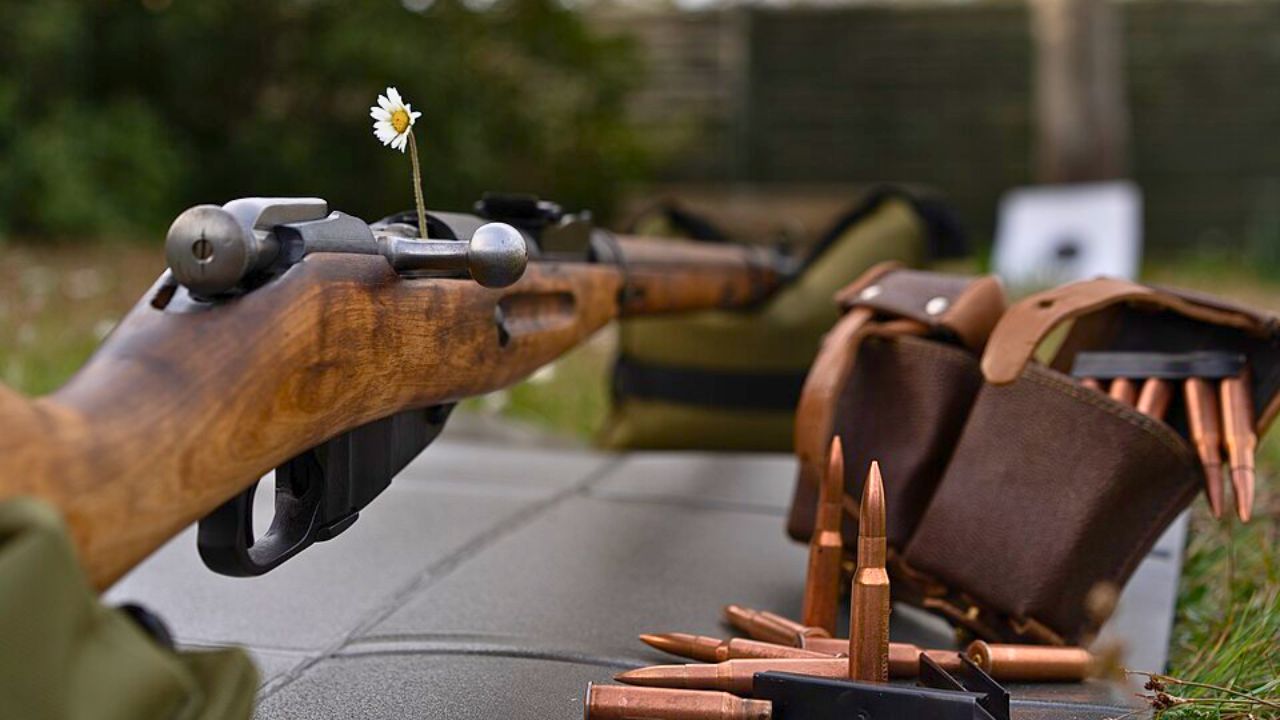
Photo credit: By Falcon® CC BY-SA 2.0, /Wikimedia Commons
Handloading is usually the path to better accuracy. Hunters and shooters swear by the ability to fine-tune a load that matches a specific rifle, often cutting group sizes in half compared to factory ammo. But not every rifle plays nice once you start working with handloads. Some barrels, chambers, and twist rates are finicky to the point where factory ammunition actually groups tighter. It doesn’t always make sense, but plenty of experienced shooters have seen rifles lose consistency when handloads are introduced.
This isn’t about blaming the process of handloading itself—it’s about how certain rifles were built and how they react when you stray from the exact pressures, bullet designs, or velocities they were built around. Whether it’s military surplus rifles designed for one round only, budget rifles with questionable tolerances, or platforms known for wide chamber variations, some guns just refuse to reward the handloader. Here are the rifles that often frustrate reloaders by shooting worse once you move away from factory loads.
Mosin-Nagant 91/30

The Mosin-Nagant is a rifle you’d expect to respond well to handloading, given how many are still in circulation. The problem is that chamber dimensions and bore diameters vary wildly between rifles. Some bores slug at .308, while others push well over .312. That inconsistency makes it hard for handloaders to dial in a load that works across rifles or even consistently in one.
Factory 7.62x54R is built to a standard that works in nearly all of them, even if accuracy isn’t stellar. When you try to handload, small differences in bullet size and seating depth can send groups all over the place. Many shooters find that carefully tuned loads perform no better—or sometimes worse—than inexpensive factory ammunition. If you’ve ever tried squeezing accuracy from a Mosin with handloads, you’ve likely realized why so many owners simply accept what surplus ammo delivers.
SKS

The SKS is a rugged carbine, but it was never designed with match-grade accuracy in mind. Chambered in 7.62×39, it thrives on steel-case factory loads that are built to military specs. Handloaders often discover that carefully built rounds don’t group any better than cheap import ammo. In some cases, accuracy actually gets worse because the rifle’s loose tolerances were designed for reliability, not precision.
The SKS doesn’t respond well to variations in bullet weight or powder charges. Many owners who experiment with handloads eventually give up, realizing the rifle shoots about the same—or worse—than with bulk factory ammunition. For a rifle meant to put rounds downrange quickly and reliably, that’s not a deal breaker. But if you’re trying to wring out tighter groups with handloads, the SKS will quickly teach you to temper your expectations.
AK Variants

Much like the SKS, AK-pattern rifles aren’t known for thriving on handloads. The wide chamber dimensions, generous gas system, and general design philosophy of the rifle prioritize function over precision. Even when you take the time to carefully build loads, the results often don’t beat what you can buy off the shelf in steel-case form.
Many handloaders find that accuracy with AKs can actually degrade because of inconsistencies in bullet seating depth and the rifle’s loose tolerances. The 7.62×39 cartridge itself has limits in terms of ballistic performance, but the bigger issue is how the rifles are built. While there are exceptions with high-end AKs, the average rifle doesn’t reward reloading. For most shooters, bulk factory ammo produces groups that are just as good—or sometimes better—than the time-consuming handloads they tried to create.
Carcano M91

The Carcano is notorious for being picky about ammunition. Chambered in 6.5x52mm, it was designed around a specific military load that doesn’t line up neatly with modern reloading components. The odd bullet diameter and limited factory brass options make it tough for handloaders to build rounds that replicate the original performance.
Even when shooters source the correct components, accuracy often drops compared to the old surplus or limited commercial loads still floating around. Handloaders regularly report frustration when their carefully measured rounds scatter on paper. The Carcano’s reputation for poor accuracy is often tied directly to how unforgiving it is with reloads. For many hunters and collectors, it’s simply easier to stick with the rare factory ammunition that does group decently rather than invest hours trying to coax performance out of handloads that almost always disappoint.
Arisaka Type 99

The Arisaka Type 99 has a strong action, but it’s another rifle that doesn’t always cooperate with handloads. The 7.7x58mm cartridge isn’t widely supported, which limits component selection. More importantly, bore diameters and chamber specs vary, making it tough for reloaders to find a consistent recipe.
Factory ammo, though limited, is often loaded to broad tolerances that work across these variations. Handloaders who try to fine-tune often find their rifles grouping worse because small inconsistencies are amplified. The Arisaka action can handle pressure, but that doesn’t translate into predictable accuracy with handloads. Many shooters who experiment with reloading for the Type 99 end up realizing it shoots best with whatever commercial rounds they can get their hands on. In a rifle with such a mixed history, sometimes the factory load is simply the safer and more accurate choice.
Lee-Enfield No. 4 Mk I

The Lee-Enfield is famous for its rapid action and service history, but it’s not known for being an easy rifle to handload for. The .303 British chamber dimensions are often generous, designed for reliable feeding and extraction in wartime conditions. That means brass stretches quickly, and carefully tuned handloads don’t always line up with the rifle’s looser tolerances.
Many shooters find that factory .303 British loads, designed to work across these variations, actually shoot tighter groups than reloads. Trying to optimize for one Enfield can be frustrating, especially since resizing brass correctly and choosing the right bullets is a constant battle. Handloaders often end up chasing accuracy that never comes. For deer hunters who still carry Enfields, the rifle performs better with standard ammunition than anything built at the reloading bench.
Swiss K31

The Swiss K31 is one of the most accurate surplus rifles ever made, but it has quirks that make handloading difficult. The 7.5×55 Swiss cartridge uses unique brass dimensions, and the rifle’s short throat means handloaders have limited flexibility with seating depth. Stray too far from the rifle’s preferences, and accuracy often falls off quickly.
Factory ammunition for the K31 is engineered to match these exact specs, which is why many shooters report better accuracy with commercial Swiss loads than with handloads. While it’s possible to develop a recipe that works, it takes more trial and error than most handloaders expect. The K31’s reputation for precision holds up, but only if you feed it rounds that match the original specifications. Handloading, unless done with painstaking care, often produces less-than-impressive results.
M1 Garand

The M1 Garand isn’t usually thought of as a rifle that loses accuracy with handloads, but it can be surprisingly unforgiving. The rifle was designed around specific .30-06 military loads, and deviations in powder burn rate or bullet weight can affect both function and precision. Handloaders who don’t match the Garand’s gas system requirements often see accuracy drop compared to standard M2 ball spec factory ammo.
Some shooters report tight groups with carefully tuned reloads, but the margin for error is much slimmer than with modern rifles. Factory ammunition built for the Garand tends to produce more consistent results across the board. Handloaders who don’t pay close attention to pressure curves often find their reloads scatter more than expected. For a rifle with such a storied history of accuracy in the field, it’s ironic that handloads sometimes cause it to stumble.
FN-49

The FN-49 is another semi-auto that doesn’t always benefit from handloading. Depending on the chambering—whether .30-06, 7×57, or 8mm Mauser—the rifle tends to prefer standard military-spec factory loads. Handloaders often discover that variations in powder charge or bullet type upset the balance of the gas system, leading to erratic accuracy.
Factory ammunition generally cycles the rifle more consistently and produces groups that meet expectations. Handloads, unless carefully matched to the rifle’s needs, can lead to wider spreads on target. Hunters and shooters who try to squeeze better performance out of the FN-49 with handloads often find it frustrating. The rifle seems happiest when it’s fed the kind of ammo it was designed around. While it’s capable of accuracy, it doesn’t reward experimentation at the reloading bench the way other rifles might.
CETME Model C

The CETME Model C, chambered in 7.62×51 NATO, is another rifle that resists the benefits of handloading. Its fluted chamber and delayed blowback system are designed around surplus military ammunition, which means carefully tuned reloads often don’t perform as expected. Cases come out scarred, brass life is short, and accuracy with handloads is usually unimpressive.
Factory NATO-spec ammunition tends to produce more consistent results, partly because it was built to work with rifles like the CETME in the first place. Handloaders who attempt to improve accuracy often discover their groups widening instead. The CETME is reliable and fun to shoot, but it’s not a rifle that rewards time spent at the reloading bench. For deer hunters or target shooters, surplus or commercial NATO loads remain the more practical choice for dependable accuracy.
Steyr M95

The Steyr M95, chambered in 8x56R, is one of the most challenging rifles to handload for. The straight-pull action is strong, but the odd cartridge dimensions and limited component availability make handloading tricky. Even when shooters manage to source the correct brass and bullets, accuracy often drops compared to the rare factory loads designed specifically for the rifle.
The M95 was built for a specific round, and straying from that design usually leads to frustration. Handloaders regularly report that their custom rounds produce inconsistent groups, while factory loads—even corrosive surplus—perform more predictably. For such an unusual rifle, sticking with standard ammunition is often the best path. Handloading may be appealing in theory, but in practice, it tends to rob the Steyr of the accuracy it’s capable of delivering.
*This article was developed with AI-powered tools and has been carefully reviewed by our editors.


