Photo credit: GunsOfTheWorld/YouTube
When a rifle’s ergonomics are wrong, you feel it the moment things speed up or the shot really matters. Good design supports your posture, your trigger press, and your ability to stay behind the gun under stress. Bad ergonomics do the exact opposite—they make you hunt for a cheek weld, struggle for a clean trigger break, or fight the stock angle every time recoil hits. You don’t always notice these flaws on a bench, but they jump out during quick follow-ups, awkward positions, or real field pressure.
Winchester Model 670
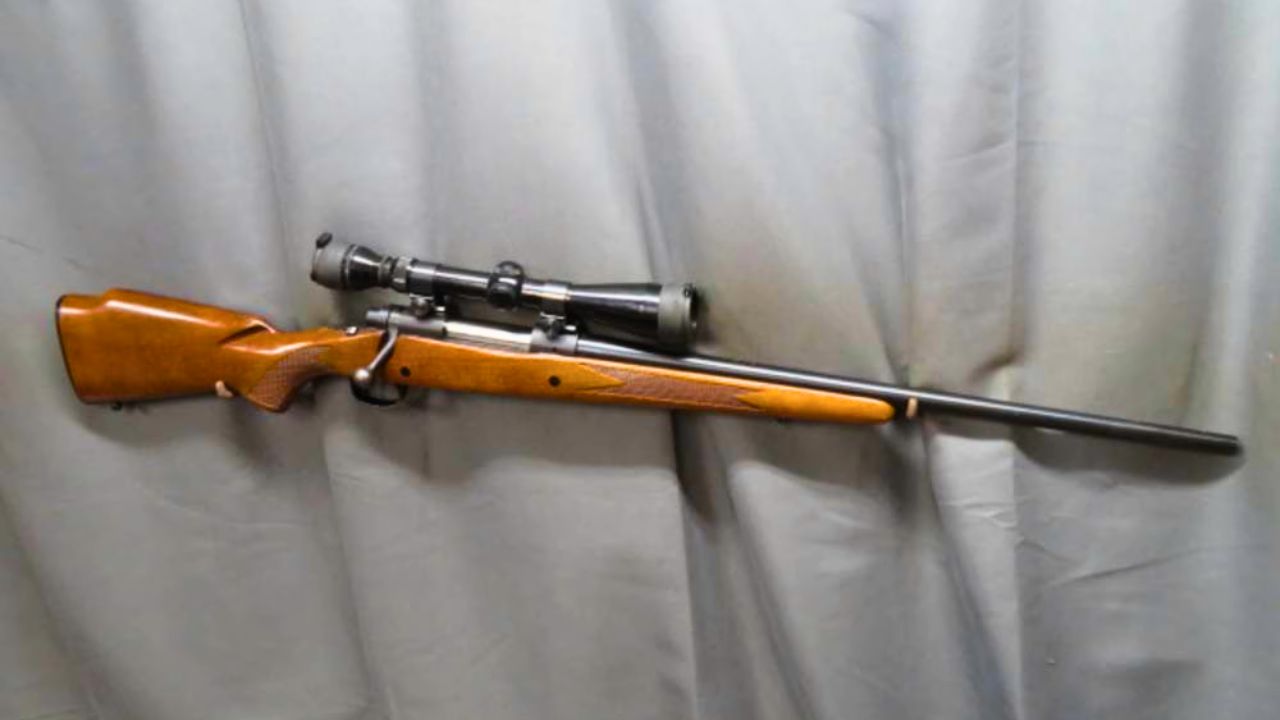
The Winchester 670 has history behind it, but the stock geometry exposes problems as soon as you leave the bench. The comb height doesn’t line up naturally with modern optics, so you end up stretching your neck or floating your cheek. That inconsistency shows up immediately when a fast second shot is required.
The forend is also slim enough that many shooters end up torquing the rifle unintentionally. Under pressure, you feel the stock work against you rather than supporting the shot. The rifle can shoot well, but its ergonomics demand more adjustment than most hunters want to think about.
Ruger M77 Ultralight
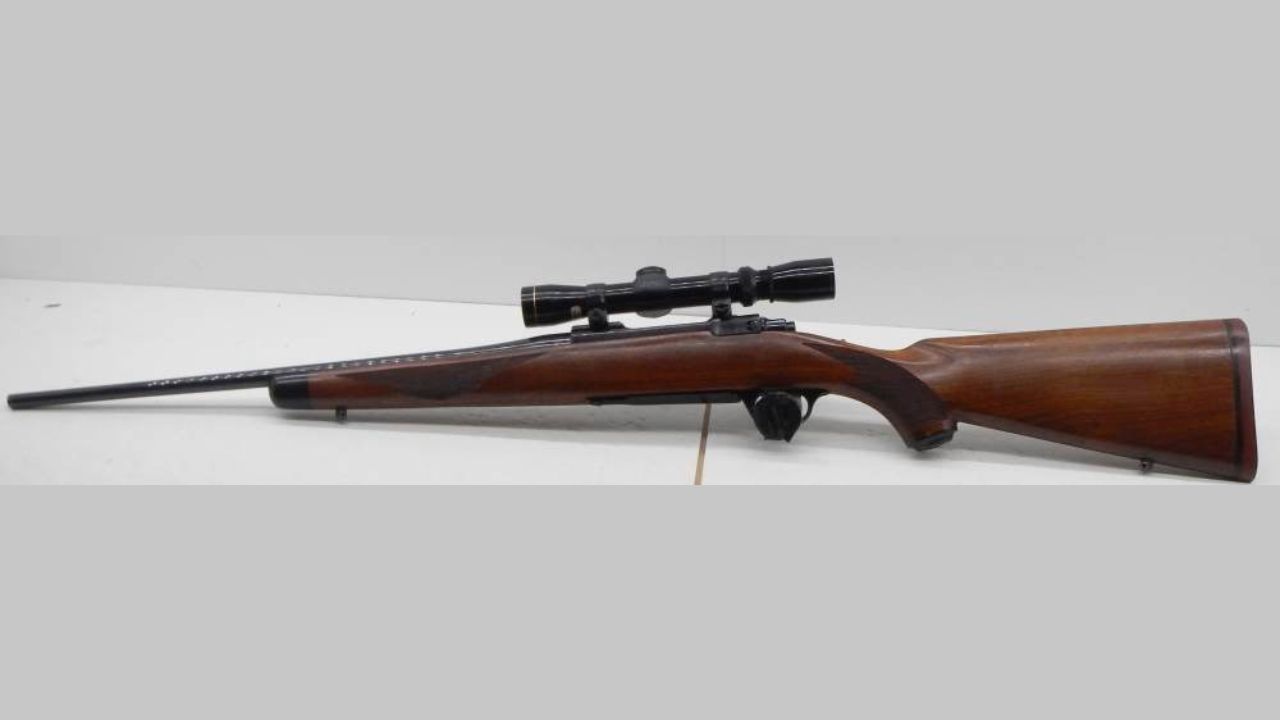
The M77 Ultralight is easy to carry, but the moment you pull it into your shoulder during a hurried shot, the flaws appear. The light weight combined with a narrow buttpad produces snappier recoil that pushes your face off the stock. That makes it tough to reacquire the sight picture quickly.
The short forend doesn’t offer much real estate for steady hand placement, which becomes obvious in kneeling or seated positions. You spend more time correcting your grip than focusing on your target. It’s a classic example of a rifle that handles well in the store but exposes its shortcomings in the field.
Remington Model 740

The Remington 740 earned a following early on, but its ergonomics haven’t aged well. The stock design places your cheek slightly above the natural line of the receiver, leading to inconsistent alignment with modern scopes. Under time pressure, you end up bobbing your head or lifting your cheek to find your sight picture.
The rifle’s balance also sits farther forward than many shooters expect, making it difficult to settle behind quickly. When shots matter and your stance isn’t perfect, the rifle fights you instead of helping you stay anchored.
Savage 110 Lightweight Storm

The 110 Lightweight Storm cuts ounces, but the tradeoff is stability. The stock is thin, flexible, and has a grip angle that doesn’t support a natural trigger press when you’re working from imperfect positions. You feel that immediately when a quick shot presents itself.
The reduced weight also amplifies muzzle movement, especially with heavier calibers. You work harder to stay locked in, and that tension shows up in the shot. It’s accurate on paper, but when you add stress or speed, the ergonomics reveal themselves fast.
Weatherby Vanguard Synthetic (early models)

Early synthetic Vanguard stocks feel blocky in the hand and sit low in the comb, causing your eye to hover below the optic. That forces you to lift your head, destroying consistency when shots start stacking up quickly. You notice this immediately in low-light or moving-target situations.
The wrist angle also pushes your trigger hand higher than ideal, leading to a harder-than-necessary press. The rifle can hold tight groups, but the stock demands constant correction under pressure. Many shooters end up replacing it for that reason alone.
Mossberg 800A
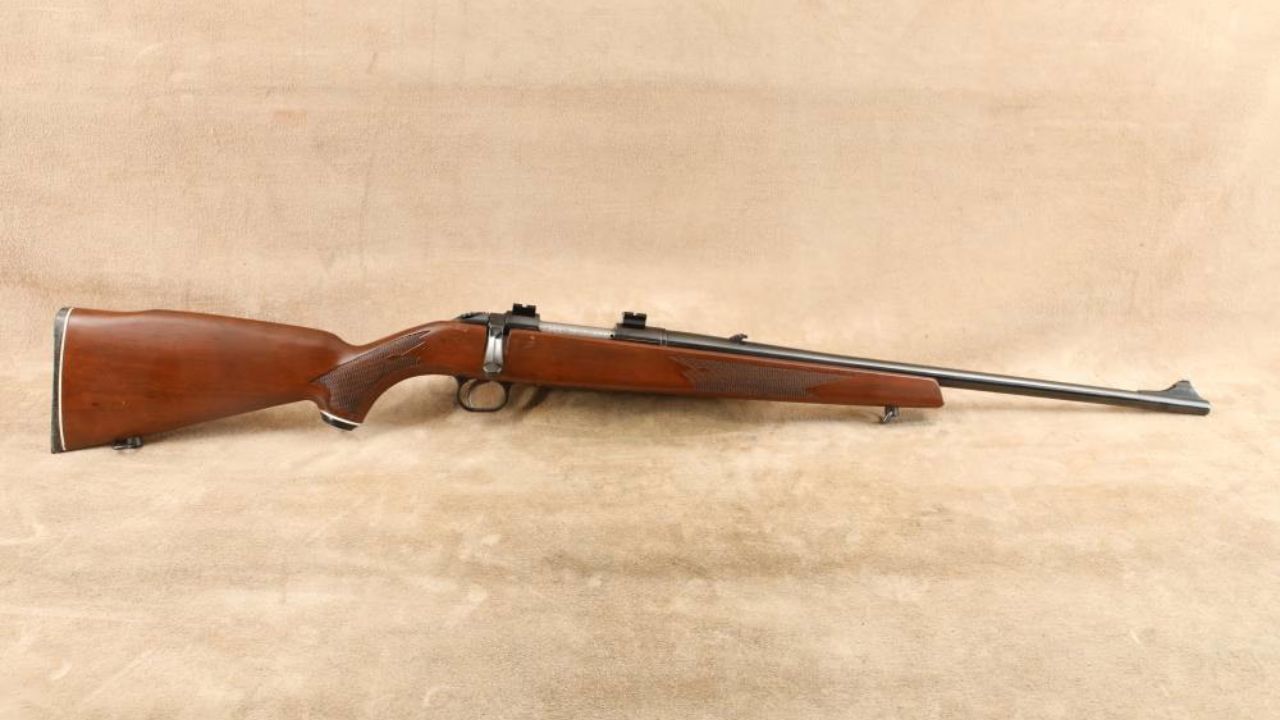
The Mossberg 800A shoots well, but its ergonomics take effort to manage. The comb and grip angle work against each other, forcing you to adjust your anchor point constantly. When your shot window is short, those corrections cost time and confidence.
The forend feels wide in odd places and narrow in others, making consistent hand placement tough. When you’re moving or shifting positions, the rifle never settles the same way twice. It’s a rifle that can perform, but only after you work around its layout.
Ruger Model 77 Mark II Zytel (“Boat Paddle”)
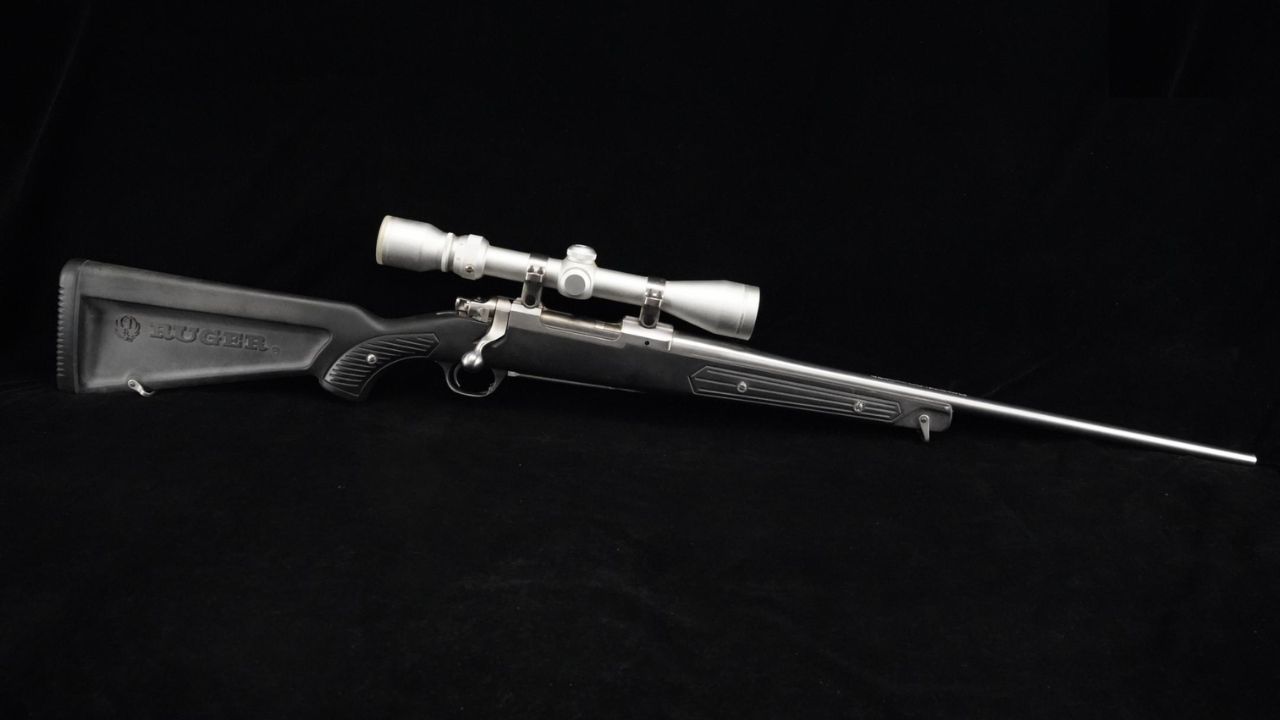
The Zytel-stocked Mark II is rugged, but its ergonomics reveal limitations quickly. The comb sits lower than modern optics demand, so your cheek weld becomes more of a cheek “hover.” You feel disconnected from the rifle the moment you speed up.
The hard-edged stock also transfers recoil sharply into the shoulder, pulling you out of position after every shot. During follow-ups, you spend more time resetting than shooting. Durability isn’t the problem—the stock design is.
Browning A-Bolt Micro Hunter

The A-Bolt Micro Hunter is compact, but the shortened length of pull causes problems for many adults. Your trigger hand ends up cramped, and your head position shifts forward more than ideal. In controlled shooting, it’s manageable, but once adrenaline kicks in, you start fighting your posture.
The light barrel and short stock exaggerate muzzle rise. When you rush a follow-up, the rifle doesn’t settle back into place naturally. It’s built for portability, not perfect ergonomics.
CZ 527 Carbine
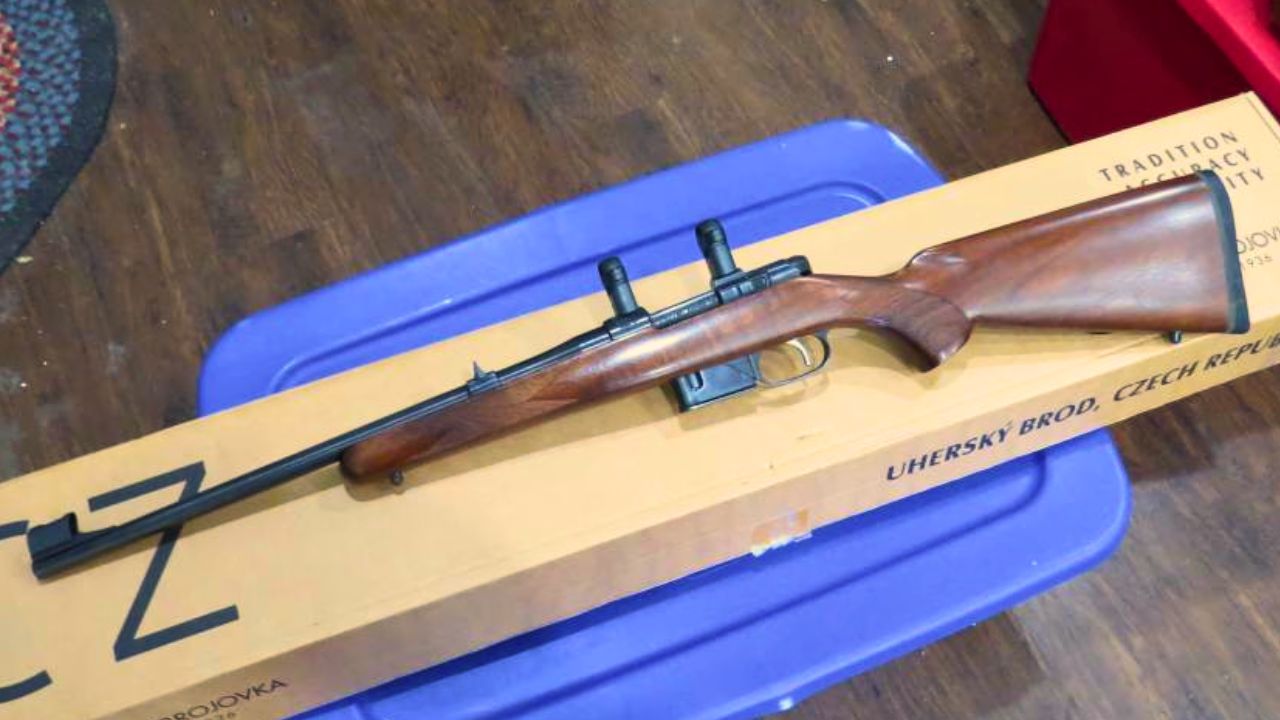
The CZ 527 Carbine handles beautifully on paper, but its stock dimensions can be unforgiving under pressure. The European-style hogback comb makes it hard to line up with a scope quickly, especially when shooting uphill or downhill. You end up breaking your cheek weld trying to find clarity.
The short length of pull also creates a cramped shooting posture for many adults. When you’re rushed, that cramped feeling multiplies. It’s accurate, but the ergonomics require concentration when you least want to think about them.
Thompson/Center Venture

The Venture’s stock looks modern, but the grip angle is steep enough that it disrupts a straight-back trigger press. When you’re hurried, you tend to push shots left or right because the wrist position isn’t natural. You notice this immediately in awkward shooting positions.
The comb height also sits lower than many shooters expect. Under stress, your head floats while you chase proper eye alignment. The rifle can shoot well, but comfort isn’t its strong suit.
Remington Model 760

The Model 760 is fast in theory, but its ergonomics betray it when the shot counts. The pump stroke requires more forward extension than many shooters can maintain while staying shouldered. That means your stance breaks every time you run the action.
The stock also sits low relative to modern optics, forcing you into a chin weld instead of a cheek weld. When you try to speed up, everything feels rushed and misaligned. It’s a classic rifle that struggles with modern shooting expectations.
Howa 1500 Lightning

The Lightning model trims weight but sacrifices stability and comfort. The grip angle pushes your wrist into an awkward downward bend that makes a clean trigger press difficult. On the first fast shot, you feel your hand working harder than it should.
The thin forend flexes noticeably when braced on shooting sticks or a pack. That movement throws off confidence instantly, especially when you’re pressing the shot under pressure. It’s accurate enough, but the stock doesn’t support real-time decision making.
H&R Model 300
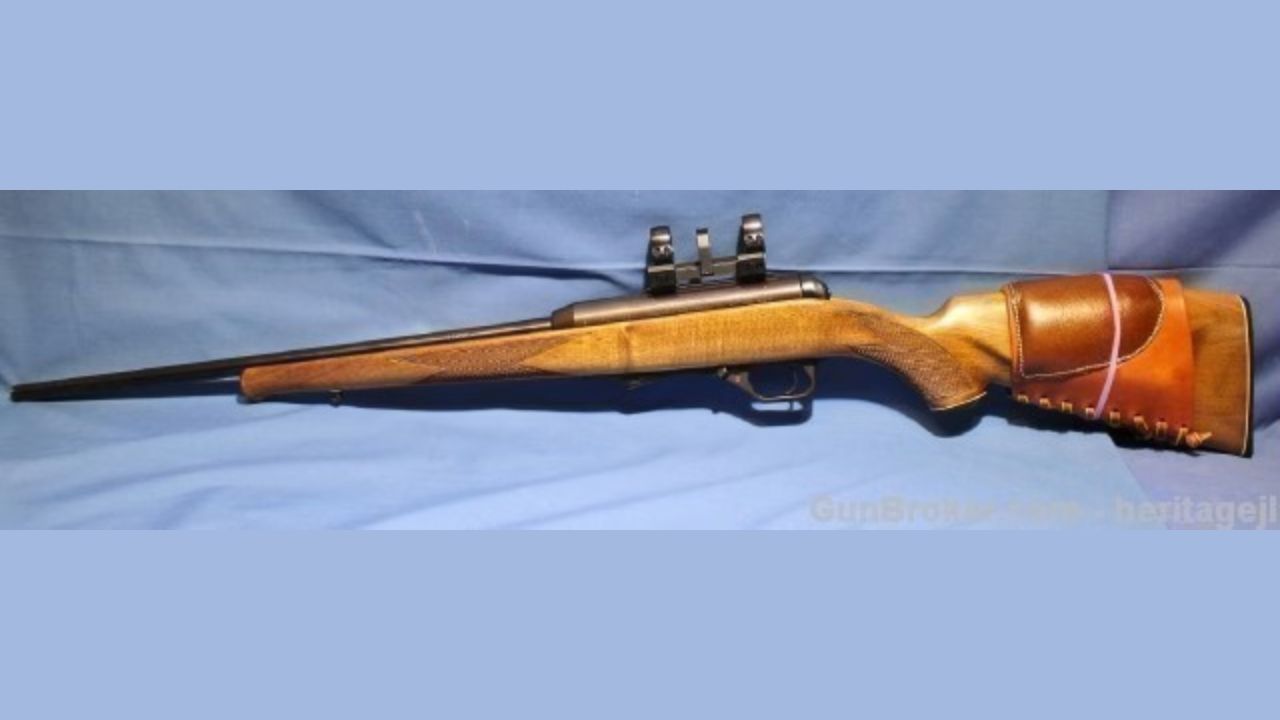
The H&R 300 has a straightforward action, but the stock dimensions are relics of a different era. The drop at comb is substantial enough to disrupt alignment with any optic, and you feel it immediately when you shoulder the rifle quickly.
The forend is also short and rounded, limiting stable hand placement. When you’re shooting from improvised positions, the rifle never settles the same way twice. It’s functional, but ergonomics were never its strong suit.
Remington 710

The Remington 710 has long been criticized for ergonomics that become clear as soon as stress enters the equation. The molded stock feels bulky, awkward, and disconnected. Your cheek weld never quite settles, especially with taller rings.
The stiff bolt lift adds another challenge during fast cycling—you end up breaking position every time. When the shot window is small, those breaks matter. Ergonomics hold this rifle back far more than accuracy ever did.
Marlin XL7

The XL7 offers solid value, but its stock isn’t built for speed. The comb is set low, causing inconsistent eye alignment with anything but the lowest-mounted scopes. During a hurried shot, you spend precious time searching for a clear sight picture.
The grip angle also feels slightly off for many shooters, forcing the wrist into a shallow bend that disrupts a straight pull. When you’re trying to stay smooth under pressure, those small ergonomic flaws stack up quickly.
Like The Avid Outdoorsman’s content? Subscribe to our newsletter so you never miss an article.
Here’s more from us: