Photo credit: Target Focused Life/Youtube
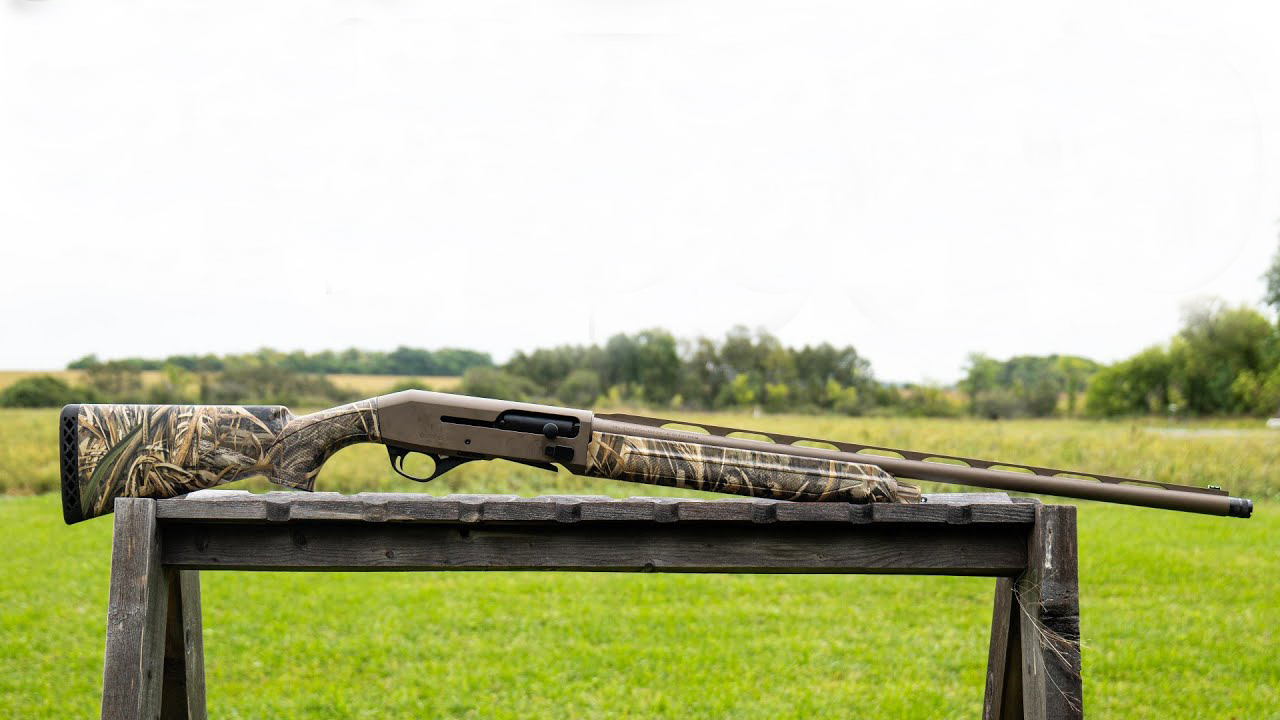
The Stoeger M3000 came into the shotgun world with a label that can be hard to shake: affordable inertia gun. Some shooters hear “affordable” and automatically assume “cheap.” Others see the Benelli family connection and expect it to perform like a much more expensive Italian shotgun. Neither reaction is quite fair.
The M3000 earned respect because it found a practical lane. It is a 3-inch, 12-gauge, Inertia Driven semi-auto that handles 2¾-inch and 3-inch shells without adjustment, and Stoeger offers the line in field, tactical, turkey, compact, sporting, and other versions. It was never trying to be the fanciest semi-auto in the blind or on the range. It built its name by giving hunters and shooters a working semi-auto at a price that made sense.
1. It Made Inertia Operation More Affordable
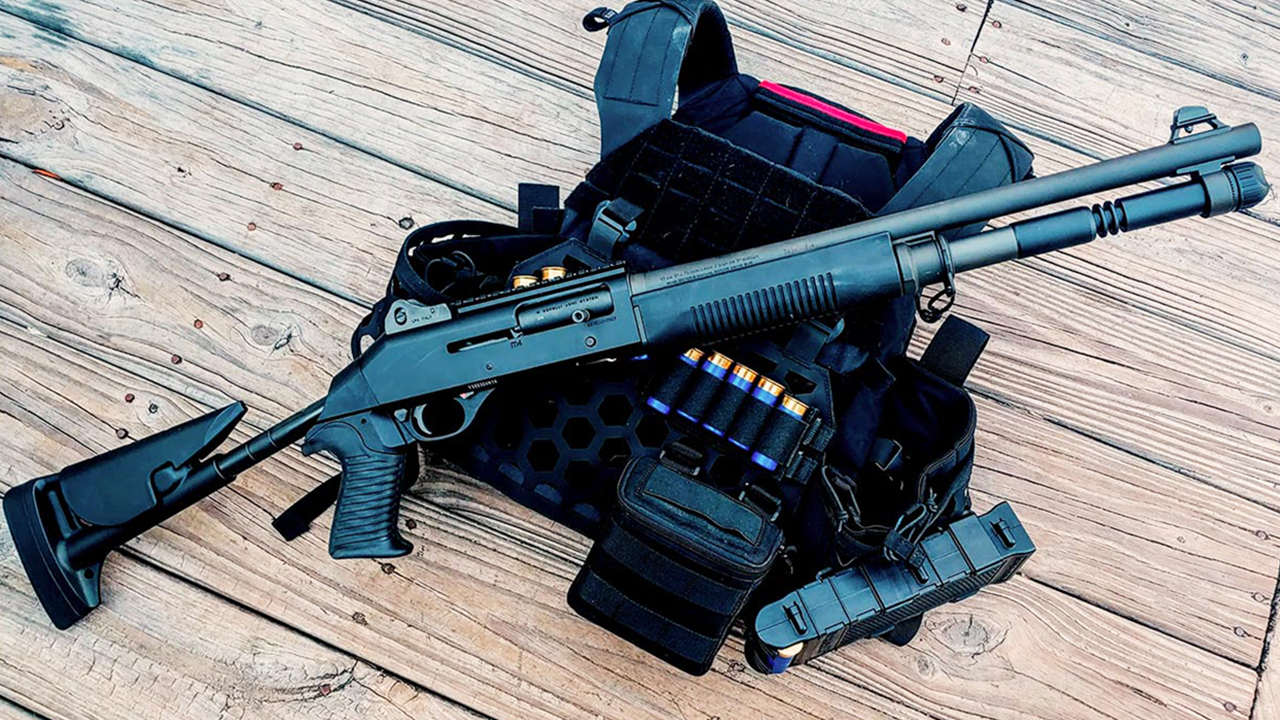
For years, inertia-driven semi-auto shotguns carried a certain reputation. They were simple, clean-running, and often tied to more expensive guns. The Stoeger M3000 gave regular shooters a way into that system without paying premium money. That alone got people’s attention.
The M3000 uses an inertia-driven system with a rotating locking head and inertia spring. Stoeger describes the system as using the bolt assembly as an integral part of the action, with steel-to-steel lockup between the bolt head and barrel extension. That keeps the design mechanically simple compared to gas guns with pistons and ports to clean.
2. It Ran Cleaner Than Many Gas Guns
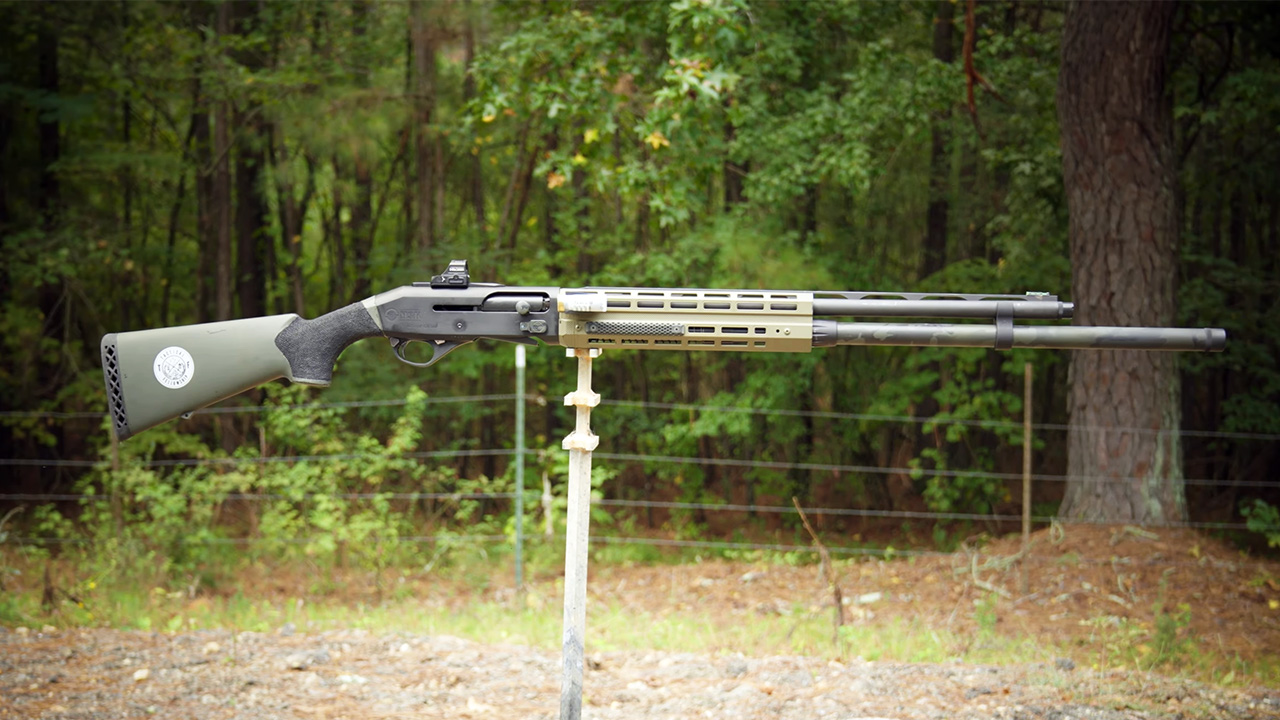
One reason inertia guns have loyal fans is that they usually run cleaner than gas-operated shotguns. They do not bleed gas into a piston system the same way a gas gun does, which means less carbon and fouling in certain parts of the action. That is not marketing fluff. It is one of the main practical benefits of the design.
Stoeger specifically says the M3000 Sporting cycles 2¾- and 3-inch shells cleanly through the Inertia Driven system and notes that the system runs cleaner than conventional gas-operated systems. That matters for hunters and clay shooters who may run the gun hard but do not want every range trip to turn into a long cleaning session.
3. It Did Not Need Load Adjustment

The M3000’s ability to handle 2¾-inch and 3-inch shells without adjustment helped it feel more practical. Stoeger says the M3000 is chambered for 3-inch 12-gauge shells and handles loads up to 3-inch magnums without adjustment. That is exactly what a working hunting shotgun needs to do.
That flexibility matters because hunters and shooters do not always stick with one load. Dove loads, target loads, steel waterfowl loads, turkey loads, buckshot, and heavier field loads may all come into the conversation depending on the model and use. A semi-auto that does not ask the owner to fiddle with settings every time the ammo changes is easier to trust.
4. It Was Honest About Its Price Point
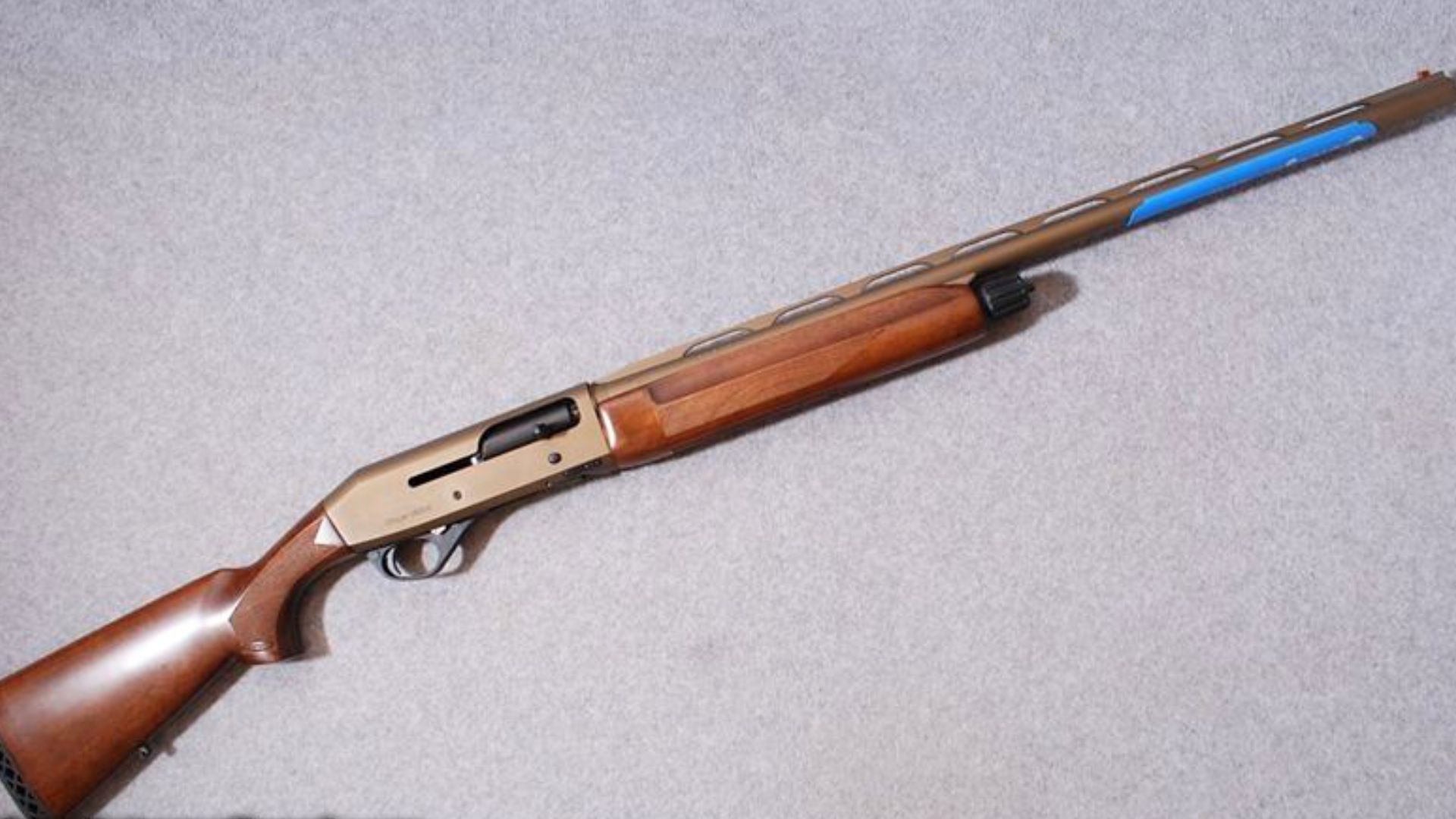
The M3000 did not earn respect by pretending to be a $2,000 shotgun. It earned respect by being good enough at a much lower price. Stoeger’s current shotgun lineup lists standard M3000 shotguns starting at $559, with other versions priced higher depending on configuration. That keeps the platform within reach for a lot of hunters who cannot justify premium semi-auto money.
That value matters. A lot of people need a shotgun that can hunt, ride in the truck, shoot clays, and survive normal abuse without making them nervous every time it gets scratched. The M3000 fits that kind of buyer. It gives up some refinement, but it does not give up the whole point of owning a semi-auto shotgun.
5. It Gave Hunters a Real Working Gun
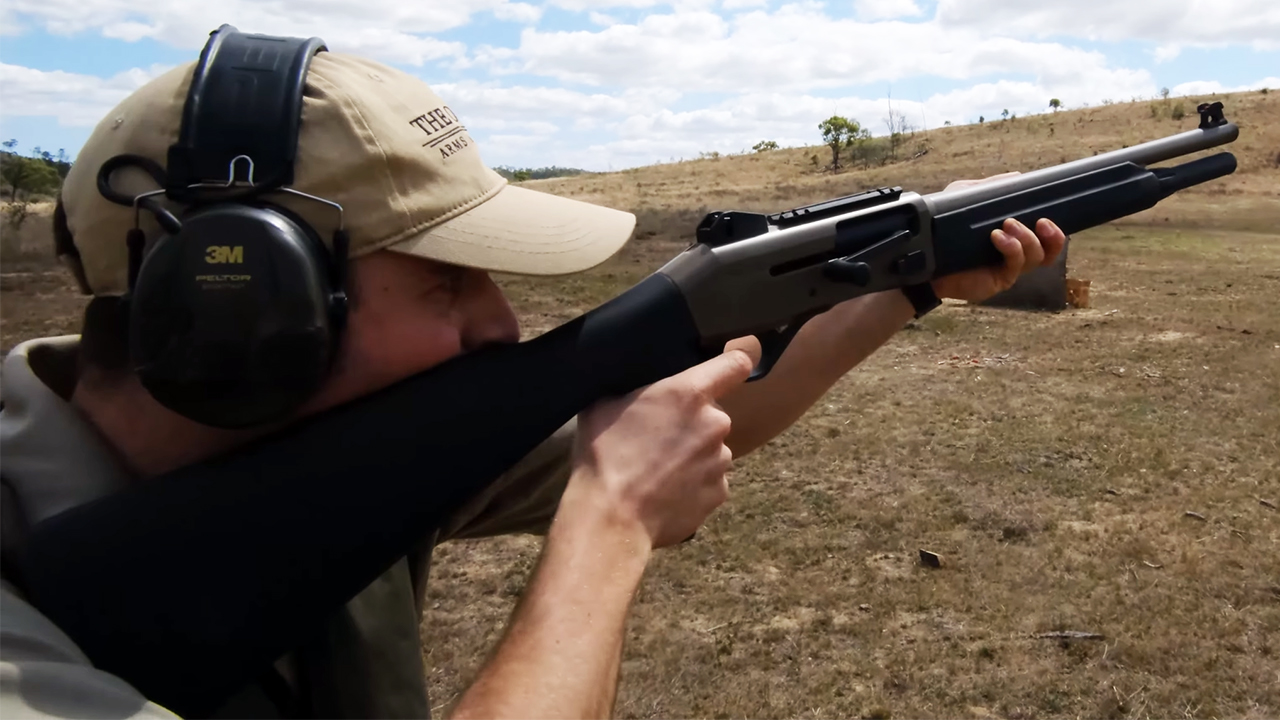
The M3000 made sense for hunters because it was not too precious. A field shotgun is going to get wet, muddy, bumped, leaned against fences, carried through brush, and stuffed into blinds. The Stoeger never felt like something you needed to baby.
That helped its reputation. Hunters respect guns that work without acting delicate. A basic M3000 in synthetic furniture is exactly the kind of shotgun a lot of people can drag through a season without worrying about every mark on the stock. It may not have the polish of higher-end semi-autos, but that is part of the appeal.
6. It Came in Enough Versions to Matter

The M3000 did not stay trapped as one basic field gun. Stoeger built the line into several useful versions, including tactical, Freedom Series tactical, turkey, sporting, compact, signature, and standard field models. The M3000 Series page lists models with barrel lengths ranging from 18.5-inch tactical guns to 22-inch turkey guns and 28-inch field or signature versions.
That variety helped the platform earn more respect because shooters could buy a version that fit the job. A turkey hunter does not need the same shotgun as someone setting up a home-defense semi-auto. A sporting clays shooter does not need the same barrel as a tactical buyer. The M3000 lineup gave people options instead of forcing one setup into every role.
7. The M3K Helped Its Reputation in 3-Gun
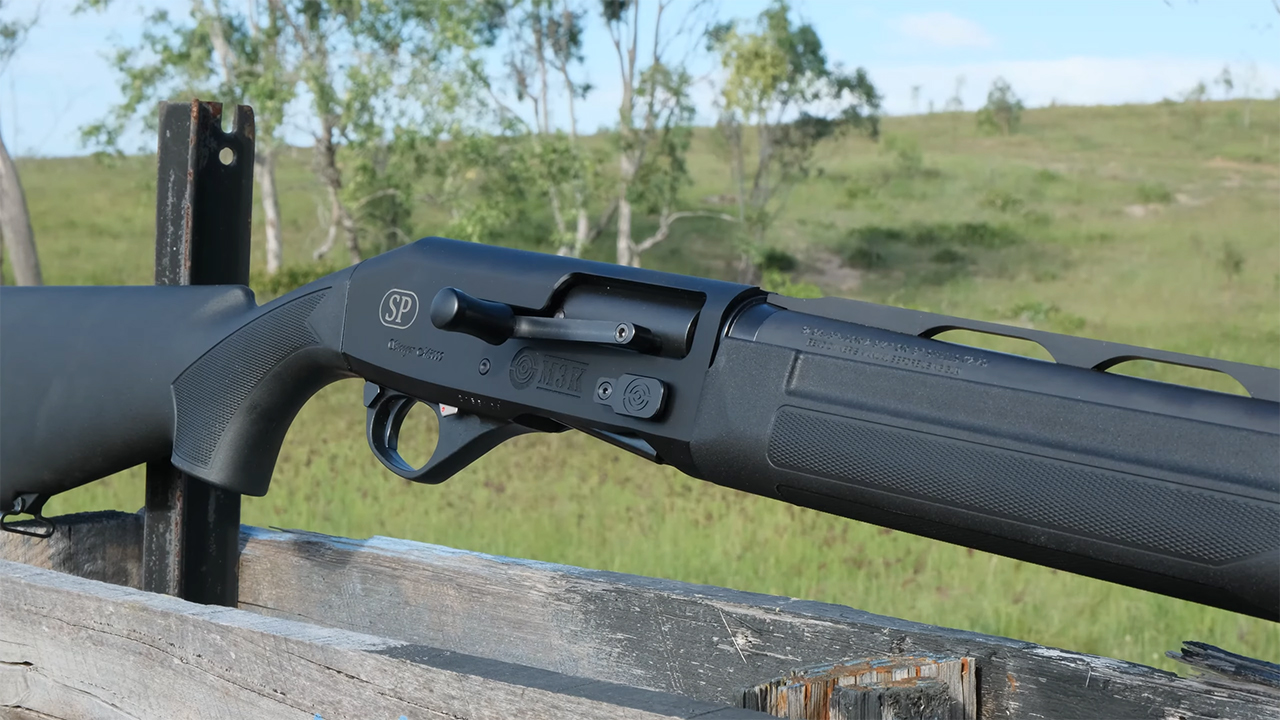
The M3K version gave the Stoeger platform more credibility with competitive shooters. The 3-gun crowd is not gentle on shotguns. They load fast, shoot fast, miss fast, fix problems fast, and complain loudly when gear slows them down. A shotgun that survives that kind of use starts earning a different level of respect.
The M3K did not make the M3000 into a premium competition gun, but it showed the platform had room to run. Shooters could tune, modify, and push it harder than some people expected. That helped change the conversation from “cheap semi-auto” to “budget platform with real potential.”
8. The 2023 Updates Fixed Real Complaints
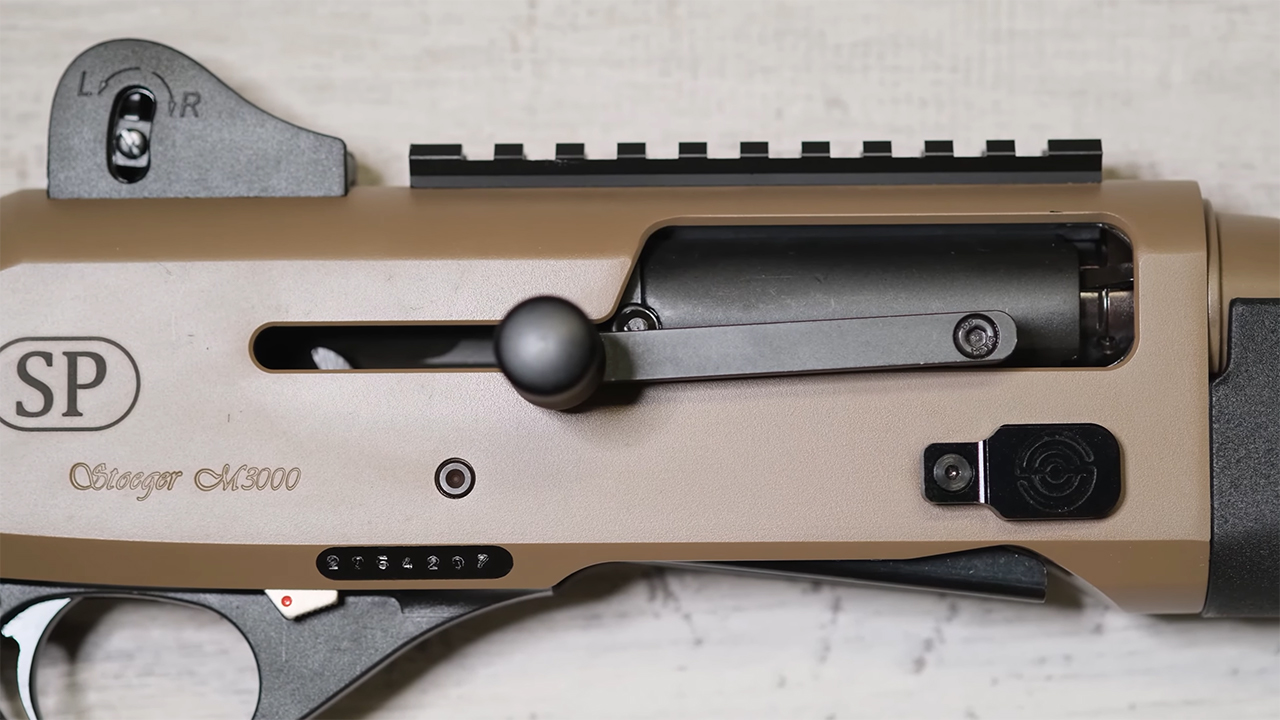
Stoeger improved the M3000 line for 2023 with changes that actually matter. The company said the updated line added new recoil pads and removable cheek pieces on most models, a thinner grip, less boxy ergonomics, more prominent controls, a slimmer magazine cap, an enlarged bolt handle, and a beveled loading port. Those are practical changes, not empty catalog words.
That helped the M3000 earn more respect because Stoeger addressed the parts shooters actually touch. Better controls help with gloves. A beveled loading port makes reloads smoother. Improved recoil pads and cheek pieces help fit and comfort. Those updates made the gun feel less like a budget semi-auto stuck in the past.
9. It Included Fit Adjustments Buyers Appreciated
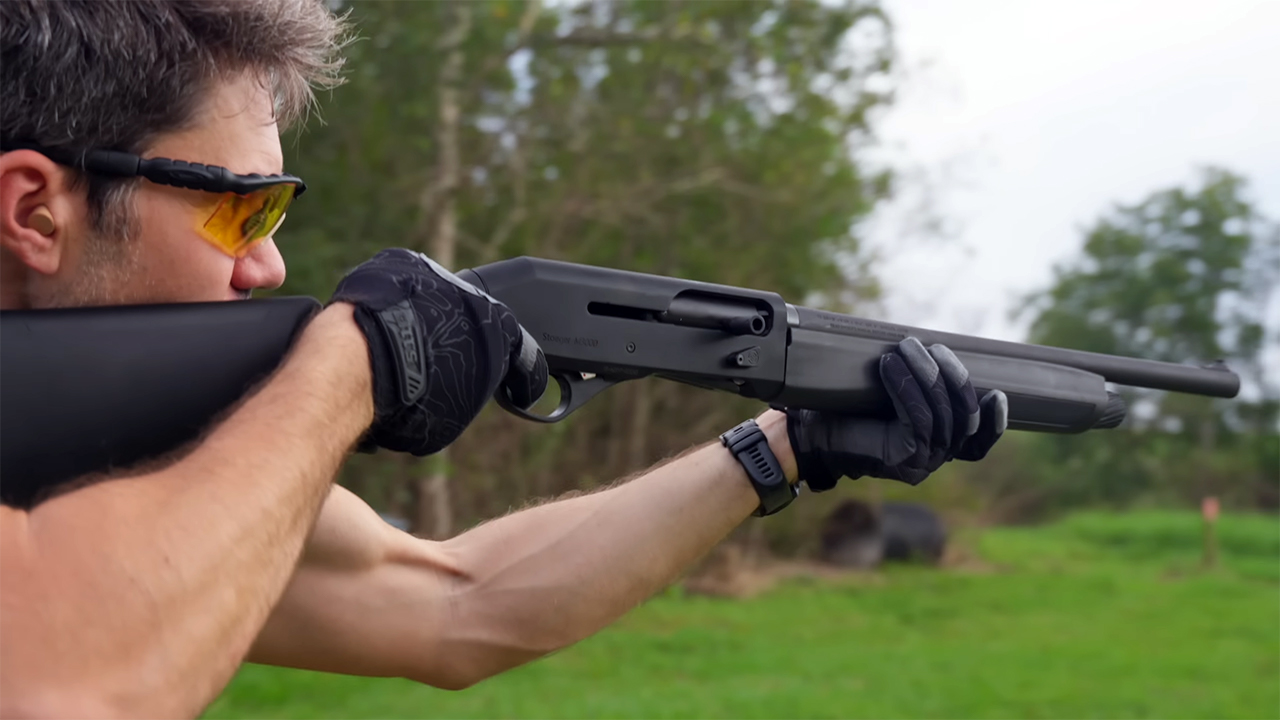
Shotgun fit matters a lot more than many rifle and pistol shooters realize. If a shotgun does not fit, it kicks harder, points worse, and makes hits feel inconsistent. Stoeger includes a shim kit with the M3000 so shooters can adjust drop and cast.
That is a meaningful feature at this price point. A shotgun that can be adjusted to fit the shooter is easier to shoot well, especially for hunters who need fast mounts and natural pointing. The M3000 is not a custom-fit shotgun, but the included shim kit gives buyers more room to make it work.
10. It Came With Useful Chokes
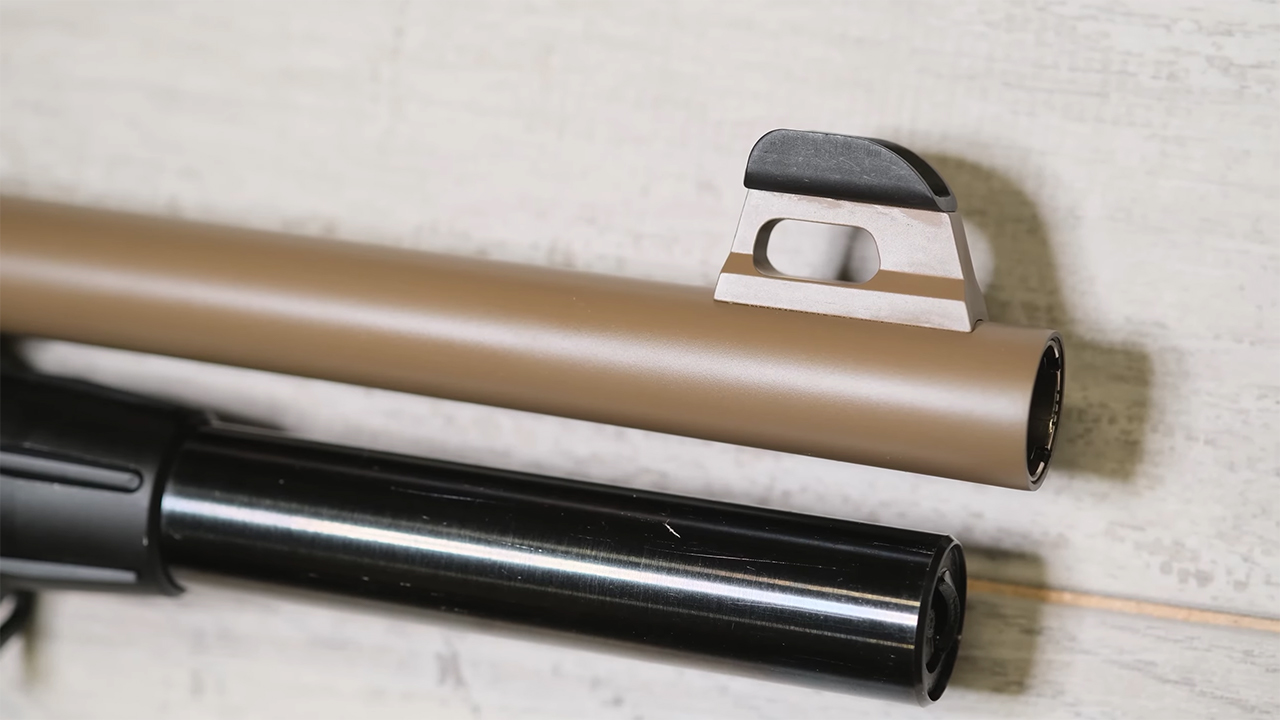
The M3000 comes with three choke tubes, listed by Stoeger as IC, M, and XFT, covering improved cylinder, modified, and extra-full turkey. That gives buyers practical options right away instead of forcing them to buy chokes before the gun can handle different jobs.
That matters for a shotgun that may be used across seasons. Improved cylinder makes sense for closer work and some field use. Modified is a strong general-purpose option. Extra-full turkey gives hunters a tighter patterning choice for gobblers when paired with appropriate loads. A budget shotgun feels more complete when it comes with gear people can actually use.
11. It Was Drilled and Tapped for Optics
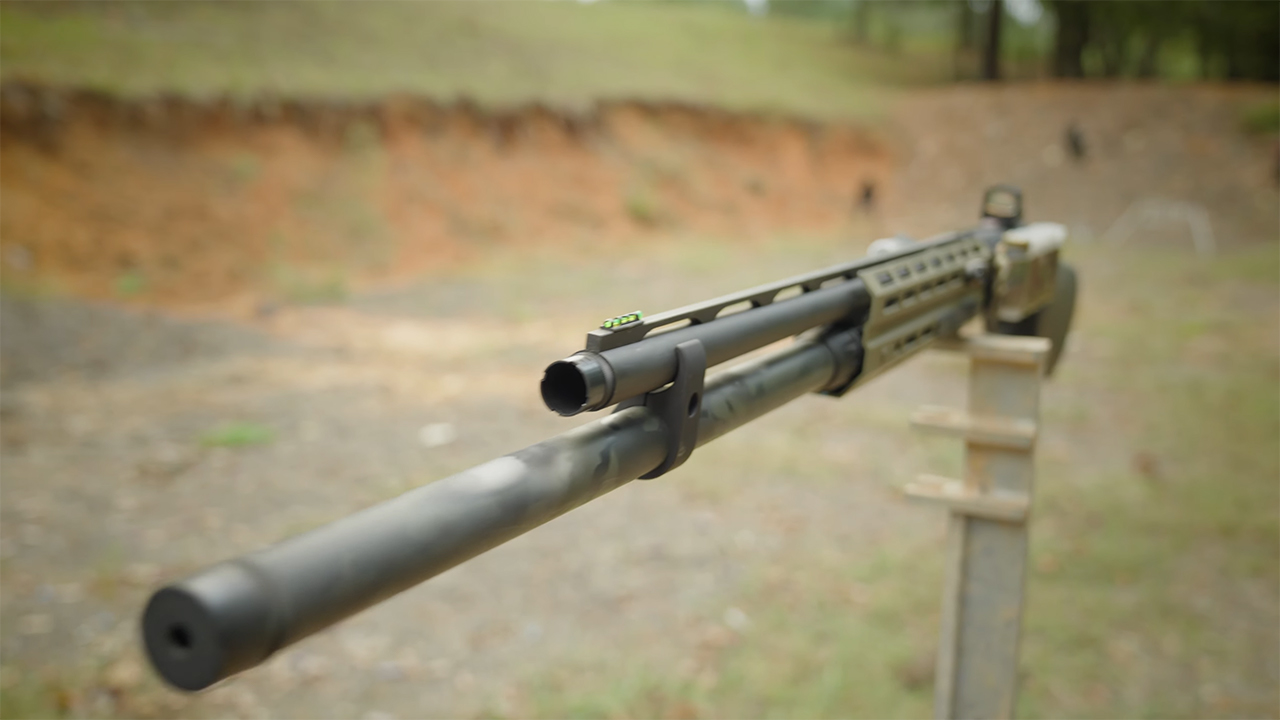
The M3000 line is drilled and tapped to accommodate Weaver-style scope bases. That feature matters more now than it did years ago because more turkey hunters, defensive shotgun owners, and slug shooters want optics on their shotguns.
A red dot on a turkey gun can make precise aiming easier. An optic on a tactical shotgun can help with slugs and buckshot accountability. Even if a buyer never mounts glass, having the option keeps the gun from feeling dated. The M3000 offered that flexibility without turning the shotgun into a complicated platform.
12. It Was Simple Enough for Regular Owners
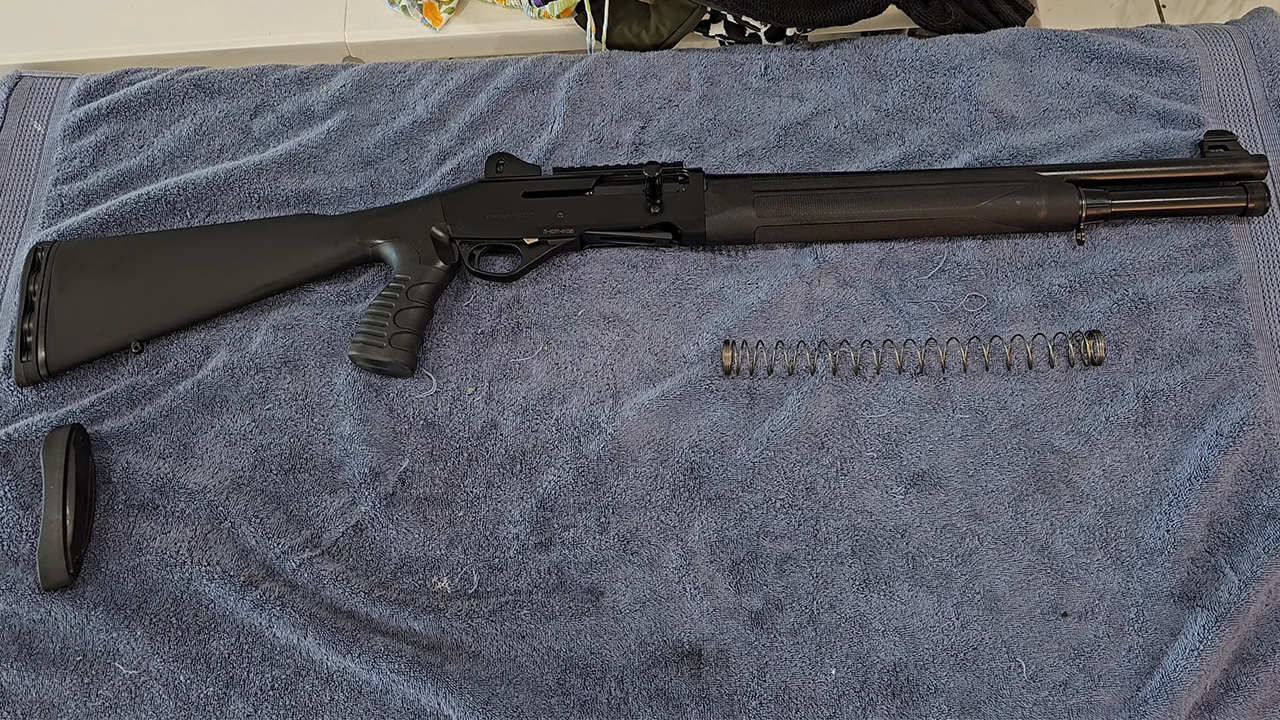
The M3000’s inertia system helped keep the gun mechanically simple. There are no gas pistons and ports in the same sense as a gas-operated semi-auto, and that makes the gun easier for a lot of owners to understand and maintain. Simple matters when a shotgun is used by hunters who would rather be in the field than studying exploded diagrams.
That does not mean the M3000 is maintenance-free. It still needs cleaning, lubrication, and attention to springs, magazines, and wear parts. But the action design gives it an honest advantage for owners who want a semi-auto without a gas system that feels messy or complicated.
13. It Worked Well as a First Semi-Auto Shotgun
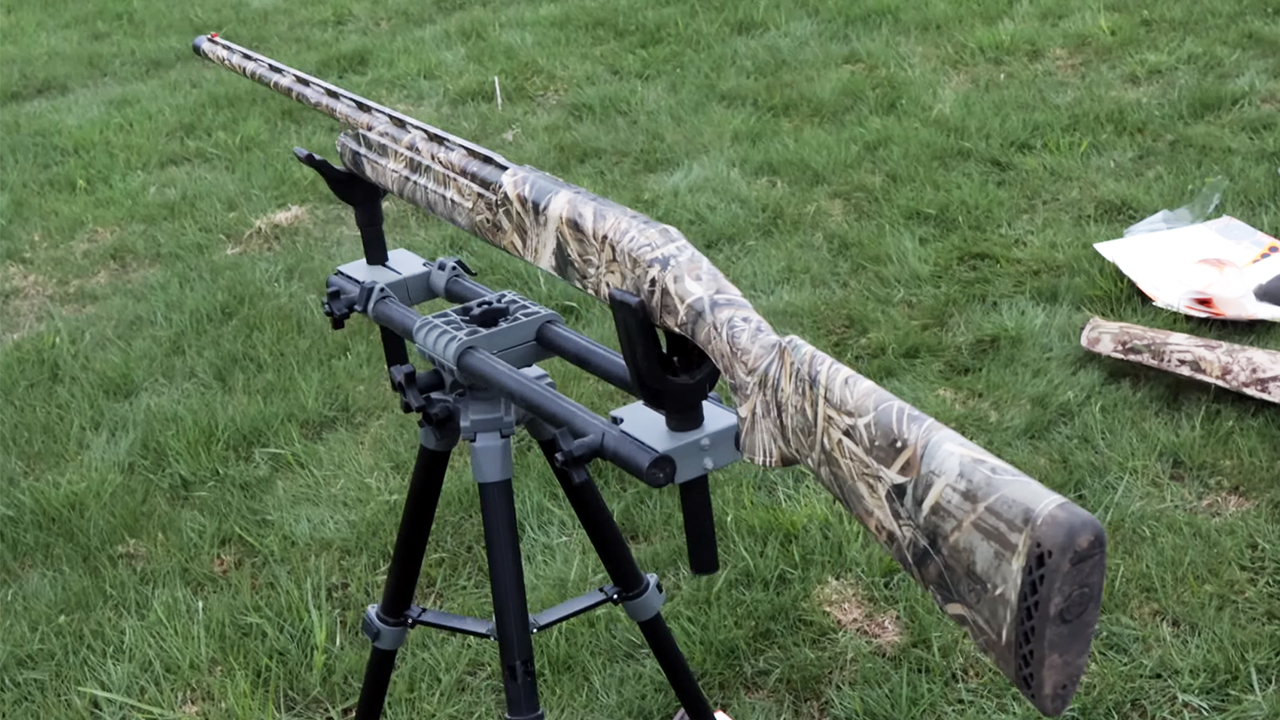
The M3000 became a common first semi-auto for good reason. It was cheaper than many premium options, simpler than some gas guns, and more capable than a lot of people expected. For someone moving up from a pump, it offered faster follow-up shots without a huge financial jump.
That is an important lane. Not everyone buying a semi-auto shotgun is a hardcore waterfowler or competition shooter. Some people just want a practical upgrade from a pump for hunting, clays, or general use. The M3000 gave those buyers a way to test semi-auto shotguns without immediately stepping into top-tier pricing.
14. It Had Weaknesses People Could Understand

Part of why the M3000 earned respect is that its flaws were usually understandable. It could feel less refined than more expensive guns. Being inertia-operated, it could be more sensitive to poor shoulder support or very light loads than some gas guns. Some shooters found earlier controls or loading areas less polished before later updates improved them.
But those weaknesses did not ruin the gun’s value. They gave buyers realistic tradeoffs. If someone wanted the softest-shooting, slickest, most refined semi-auto on the market, the M3000 was probably not the answer. If they wanted a straightforward, affordable inertia gun that could hunt and work hard, it made a lot more sense.
15. It Proved Budget Does Not Have to Mean Disposable

The biggest reason the Stoeger M3000 earned more respect than expected is simple: it kept showing up and doing the work. It hunted. It broke clays. It got modified for 3-gun. It sat in tactical configurations. It gave shooters an affordable inertia-operated semi-auto that did not feel like a throwaway.
That is how a gun earns respect the honest way. Not by being perfect. Not by pretending it belongs in the same conversation as every high-end Italian semi-auto. The M3000 earned its lane because it gave regular shooters a practical, adaptable, clean-running shotgun at a price they could actually justify.
Like The Avid Outdoorsman’s content? Be sure to follow us.
Here’s more from us: