Photo credit: Chewool Kim/Unsplash.com
The hiker thought he was doing someone a favor.
He was out in a state park with his 12-year-old son, enjoying a snowy day in the woods, when they passed a tree stand along the edge of a bean field. The sun was dropping, his son was getting cold, and they were working their way back toward the road and their vehicle. They were still on public state ground, not private property, and from the way the hiker described it, they were not trying to bother anyone.
Then his son noticed something on the ground.
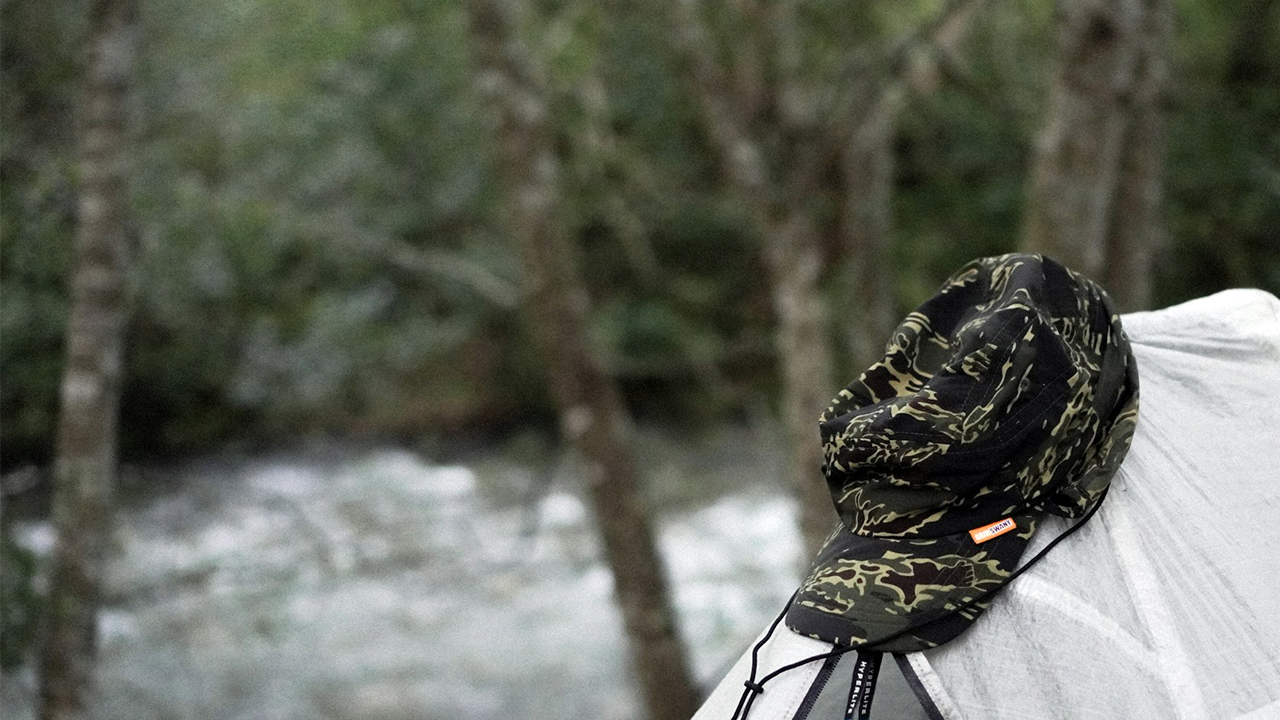
In a Reddit post, the hiker said there was a camo hoodie-style cap or headwear piece lying about 10 feet from the base of the stand. They assumed it belonged to whoever hunted from that setup and had probably been dropped by accident. So the hiker picked it up and started clipping or latching it onto the ladder so the owner would see it when he came back.
That was when someone came out of the woods carrying a crossbow and hunting gear.
The man apparently owned the stand, and he was not thankful. According to the poster, the hunter immediately started yelling at them to get away from his stand. The hiker tried to explain that they had found the cap on the ground and were only placing it somewhere the owner would notice it. But the hunter did not calm down.
Instead, he got angrier.
The poster said the hunter started yelling about it being deer season and demanded to know what they were doing out there. The hiker reminded him that they were on public land and were simply hiking through. He also told the hunter he did not appreciate the cursing in front of his kid.
That made the confrontation worse.
The hunter, according to the post, began demanding that they leave and referred to the area as his spot. That is the part that seemed to bother the hiker most. This was not a private lease. It was not someone’s back forty. It was public ground. The stand may have been his equipment, but the woods around it did not belong to him.
Still, the hiker had his son with him, and the other man had a crossbow.
That changes how a person handles a confrontation. It is one thing to stand there and argue about public access when everyone is calm. It is another thing to argue with an angry man holding hunting gear while your child is standing beside you. The poster said he had a hunting knife and a walking stick, but he clearly did not want the moment to become anything more than a tense exchange.
So they left.
As they walked away, the hiker told the man, “You’re welcome for the cap,” while the hunter threw his gear around and mumbled. That little line probably said everything the hiker felt in that moment. He had tried to help the guy by putting his dropped cap where he could find it, and somehow he and his son ended up being screamed at like they had trespassed into someone’s living room.
The part that stuck with him was his son’s reaction.
He said the encounter really spooked the boy, and he hoped it would not affect how his son saw the woods. That is the kind of detail that makes the whole thing more than a bad interaction between two adults. A kid went out for a hike with his dad after a snowfall and ended up watching an armed stranger yell at them over a public-land tree stand.
The poster was careful to say he had nothing against hunting. He said he understood hunters provide a useful role in population control and herd health, and he had friends who hunted without acting that way. His frustration was with the attitude he kept running into from certain hunters who seemed angry that anyone else would be in the woods during deer season.
He also said he tries to teach his kids to travel quietly in the woods so they can see more wildlife. That makes sense for a hiker, but it also means they can come up on hunters without much warning. In this case, though, they were not sneaking around someone’s setup. They were walking back along a field edge on public land and trying to return a dropped item.
The hunter treated it like an invasion.
From the hiker’s side, the worst part was not even being told to move along. It was the aggression, the language in front of his son, and the claim over public woods. He could have apologized, said thanks for the cap, and explained that he was about to hunt that stand. Instead, he escalated a harmless moment into something the hiker’s kid may remember for a long time.
Commenters had a lot to say, and many of them made it clear they did not think the hiker had done anything wrong by being on public land.
Several hunters said the man’s reaction was out of line. They pointed out that hunting public ground means sharing public ground. Hikers, foragers, bird watchers, riders, and other hunters all have a right to be there where the rules allow it. If a hunter wants total control over who walks past his stand, commenters said he needs private land, not a public state park.
Some hunters admitted they get frustrated when people walk through an area they are hunting, especially after they have sat quietly for hours. But even those commenters said frustration does not excuse screaming at a father and child. Public land comes with interruptions. That is part of the deal.
Others focused on the safety side. A few hikers said they avoid woods during certain hunting seasons or wear blaze orange even when they are not hunting. Several said quiet hiking can be risky in hunting areas because hunters may not hear someone coming until they are close. That did not make the hiker responsible for the hunter’s behavior, but it did lead to a broader conversation about how hikers and hunters can avoid surprising each other.
A few commenters said they had always had positive encounters with hunters and felt this was more about one angry person than hunters as a whole. Some shared stories of hunters who waved, chatted, or even offered useful trail and wildlife information. Those replies mattered because they pushed back against making the whole outdoor community look bad over one guy losing his temper.
Other commenters were more critical of setting up near a place where hikers might pass. One said a hunter near a trail or common travel corridor should expect people to move through. Another said the best hunters usually go deeper anyway, partly for better odds and partly to avoid exactly this kind of conflict.
There was also some debate over the cap. A few people said they would have left it on the ground or hung it on a branch instead of touching the stand. The hiker responded that the hunter’s reaction would not have been justified either way. From his view, the man was angry because they were in “his woods,” not because of where the cap had been placed.
That seemed to be where many commenters landed too. The cap was only the spark. The real issue was a hunter treating public land like private property and taking it out on a dad and his kid.
For the hiker, the day ended with a shaken child and a bad taste in his mouth about fall in the woods. He had gone out to enjoy snow, quiet, and time with his son. Instead, a dropped cap beside a tree stand turned into a reminder that public land only works when everyone sharing it remembers it does not belong to them alone.