Photo credit: Komsan Somthi/Shutterstock.com
Across the United States and beyond, you are walking into a very different shooting range in 2026 than you did even a few years ago. Operators are tightening ammunition rules, layering local regulations on top of house policies, and turning away shooters who show up with the wrong gear or the wrong ammo. If you want to avoid being stopped at the counter, you need to understand not just what is banned, but why ranges are drawing harder lines.
What looks like a patchwork of quirky rules is actually a response to converging pressures: safety incidents, environmental scrutiny, and more aggressive oversight of everything from backstops to background checks. The result is a new normal where your ammo choice, your behavior, and even how your guns arrive at the check‑in desk can determine whether you get a lane or get sent home.
1. The safety calculus behind stricter ammo policies
Range owners will tell you that every new restriction starts with a simple calculation: whether each bullet you fire can be controlled from muzzle to backstop. Indoor facilities in particular are rethinking what they allow after learning how certain rounds behave when they hit steel traps and concrete walls. You may see a friendly clerk at the counter, but behind that smile is a checklist of risks that includes ricochets, sparks, and over‑penetration that can defeat the engineering of the range itself.
That is why you increasingly find policies that single out steel‑core and so‑called “green tip” rifle rounds. Operators point out that, However carefully a shooter behaves, these projectiles can spark, ricochet, or punch through backstops and steel targets in ways that standard lead‑core bullets do not. When you combine that with crowded lanes and staff who are responsible for everyone in the building, the conservative choice is to ban entire categories of ammunition rather than gamble on how they might perform in marginal conditions.
2. What “house rules” really mean for you at the counter
Once you step onto a public range, your personal preferences give way to the facility’s “house rules,” and those rules are getting more detailed every year. Publicly managed sites spell this out in black and white, with state agencies publishing General Range Rules that cover everything from target placement to age limits and explicitly bar alcoholic beverages on Department of Natural Resources, or DNR, managed firing lines. Private ranges are following suit, posting multi‑page codes that leave little to interpretation and give staff broad authority to eject anyone who will not comply.
One rule that surprises many experienced carriers is the prohibition on arriving with a loaded pistol on your belt. Some indoor facilities state in capital letters that no HOLSTERED FIREARMS ARE ALLOWED THE RANGE, insisting that every gun be cleared and benched before you ever step into a lane. Others go further, requiring you to uncase and show clear at a designated inspection table. If you push back or insist on keeping your sidearm holstered, you are likely to be turned away before you even sign the waiver.
3. Caliber caps, muzzle energy limits, and why your favorite load is on the list
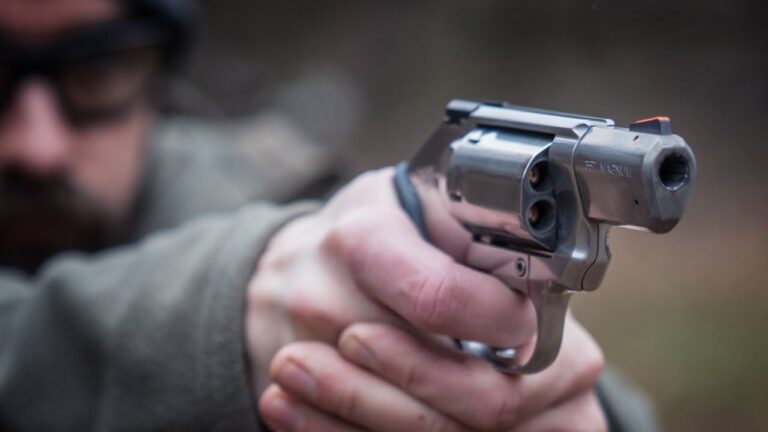
Even if your firearm passes the front‑desk inspection, the ammunition you bring can still get you sidelined. Many indoor ranges now cap handgun power levels, not because they dislike big‑bore revolvers, but because their bullet traps and ventilation systems were never designed for the heaviest loads. You will see this in rules that specify that Handgun calibers up to and including .44 M Magnum may be fired, while anything hotter is politely but firmly refused. On the rifle side, you may find that only intermediate calibers like 5.56 are allowed on standard lanes, with magnum rifles pushed to reinforced bays or barred entirely.
Some operators go beyond caliber and focus on muzzle energy, publishing tables that classify what is and is not Permitted based on foot‑pounds and velocity at a set distance. That is why certain pistol cartridges must be shot on the rifle side, and why black powder and muzzle loaders are often banned outright. If your favorite hunting load exceeds those thresholds, staff are not making a judgment about your skill, they are enforcing the engineering limits of their backstops and insurance policies.
4. Steel, sparks, and the quiet war on “problem” cartridges
Beyond raw power, ranges are increasingly focused on the materials inside your cartridges. Steel‑cased and steel‑core ammunition has become a flashpoint, especially indoors, where a single spark can ignite unburned powder or dust in the bullet trap. Some facilities now publish explicit lists of Prohibited Ammunition, starting with Steel cased rounds and extending to Any caliber for rifled barrels greater than .45 and to Shotguns loaded with anything other than tightly controlled slugs. The message is simple: if it risks damaging the trap or starting a fire, it stays outside.
Shooters sometimes dismiss these bans as superstition, but even informal communities acknowledge the underlying physics. In one widely shared discussion, a user noted that Much more common than obscure prohibitions are steel core ammo restrictions, precisely because those cores cause sparks when they hit the backstop and can chew up steel traps. Another conversation about indoor rules pointed out that operators often post signs that say, “Do not fire any steel shot, BB’s, steel core, steel case or military surplus ammunition,” warning that Steel can cause fires when it hits the steel trap. If you show up with a case of bargain surplus, you should expect a conversation at the counter and possibly a hard no.
5. Lead, the environment, and why “range safe” now means more than ear pro
Lead has been part of shooting culture for centuries, but regulators and health advocates are steadily pushing it out of the picture. In the United Kingdom, for example, Jul policy announcements on Lead ammunition set out a transition period running until 2029, reflecting concern about contamination of wildlife and wetlands. A separate statement from The UK Government framed the measures as necessary to reduce risks to wildlife and human health, and while those rules target hunting, they are already influencing how ranges think about their own environmental footprint.
In the United States, the debate is more fragmented, but the pressure is similar. One investigative report in Maine noted that Steve wanted to know why the state encourages hunters to use non‑lead ammunition while still allowing lead ammo at gun ranges, highlighting a policy gap that regulators are being pushed to close. Industry analysts are already tracking how Another growing area in the small‑caliber market is environmentally friendly ammunition, a shift driven by stricter regulations on traditional rounds. As non‑lead options become more common, you can expect more ranges to nudge, or even require, you to leave old‑school lead at home.
6. Regulatory pressure, from background checks to shipping codes
Behind the front‑desk rules you see, a quieter layer of regulation is reshaping how ranges operate and what they are willing to tolerate. Compliance is no longer just about posting a safety poster; Regulatory bodies are tasked with monitoring standards, enforcing them, and in some cases limiting the number of accessible shooting facilities. That oversight encourages operators to err on the side of caution, especially when it comes to ammunition types that could trigger environmental or fire‑safety violations.
On the retail side, even getting ammunition to the range is more complex than it used to be. Logistics specialists describe Challenges in Classifying and Shipping Ammunition Evolving as Many countries implement new restrictions, forcing updated handling and packaging procedures. In California, legal battles over ammo sales have already given For California gun owners a preview of how background check requirements can shape access to ammunition itself. When regulators tighten the screws upstream, ranges respond downstream with stricter intake rules and more documentation at the door.
7. Zero tolerance on alcohol, behavior, and basic gun handling
Even the best ammunition will not save your range trip if your behavior raises red flags. Public and private facilities alike are adopting zero‑tolerance language around intoxicants, with one board‑approved update spelling out that Apr rule changes require Eye and hearing protection any time live fire is conducted and that Alcohol is never allowed on the property. Urban indoor ranges echo that stance, stating flatly that no one is allowed on the range under the influence of alcohol, marijuana, or any other controlled substance and that All shooters are subject to staff judgment on that point.
Once you are on the line, the expectations are just as strict. One facility’s safety page opens with Always keep the muzzle pointed downrange and All firearms must be unloaded and benched during a cease fire, while another range’s 2026 annex opens with SAFETY FIRST and reminds you that Every shooter has the personal responsibility to make sure each bullet impacts safely in a backstop. If you sweep another shooter with your muzzle, ignore a cease‑fire call, or argue with a range officer, you should expect to be escorted out, regardless of how carefully you chose your ammunition.
8. Exotic rounds, “fun” loads, and the fire hazard you may not see
Some of the most dramatic ammo restrictions target cartridges that were designed more for spectacle than for training. Specialty shells like “dragon’s breath” have become notorious not just online but in statute books, with legal summaries noting that their Legality is limited because the sale of dragon’s breath rounds is illegal in several US states, including Alaska, California, Washington D.C., Florida, and Hawaii due to their inherent fire hazard. No commercial range wants to be the test case for what happens when one of those shells meets a rubber backstop or a dry berm.
Even less exotic loads are coming under scrutiny. One indoor facility warns that no Slugs and birdshot, personal protection ammo, explosive, or armor‑piercing ammunition is allowed, and attaches a $50 fine if you ignore that rule. Others ban shotgun slugs and buckshot entirely, or require that any defensive hollow points be approved by staff before use. If you are tempted to bring novelty rounds or ultra‑aggressive self‑defense loads “just to see what they do,” understand that the range’s fire marshal and insurance carrier are effectively standing between you and that experiment.
9. How to show up prepared so you are not turned away
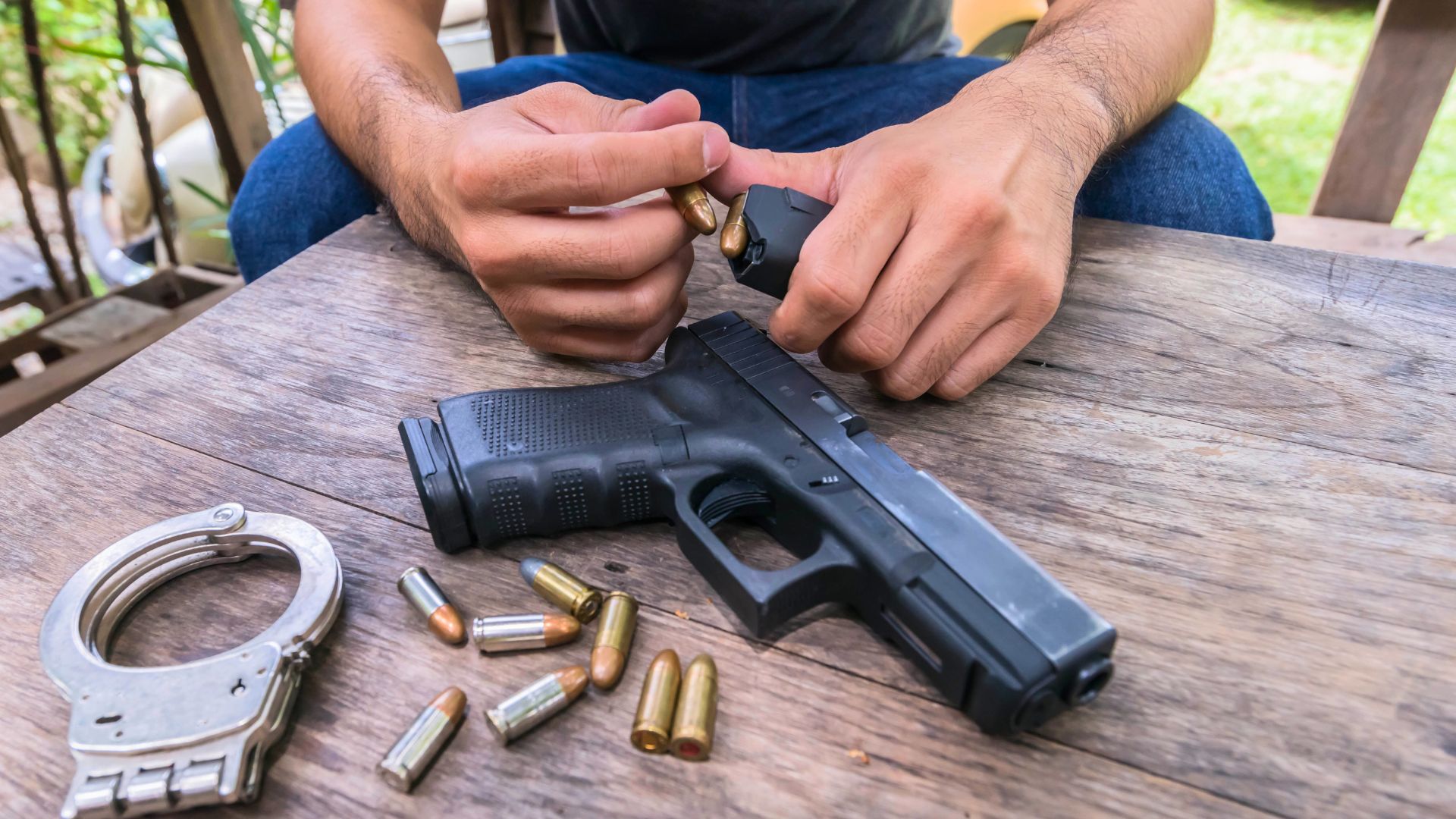
For all the complexity, you can dramatically reduce your odds of being turned away by doing a few things before you leave home. Start by reading the range’s website carefully, especially sections labeled Firearms and Ammunition Handling or similar, which often explain that Guns Brought into the Range Must Be Inspected and that All firearms and magazines not in holsters must be checked for loaded, unloaded, or malfunctioning status. Many facilities also specify that Ammunition All pistol calibers and up to 5.56 are allowed on all lanes, but that only Brass cased ammo is accepted, with no steel core or green tip. If your usual practice ammo does not fit those criteria, buy a box that does before you arrive.
Once you are on site, treat the rules as part of the cost of admission rather than a personal affront. Ask staff to clarify anything that is unclear, from whether shotgun slugs are allowed to how cease‑fire calls work, and be ready to adjust your plan if a favorite load is off limits that day. If you respect the posted policies, keep your muzzle where it belongs, and remember that the range officer’s word is final, you will not just avoid being turned away. You will help keep the doors open at a time when safety concerns, environmental rules, and regulatory scrutiny are all pushing ranges to tighten their standards even further.
Like The Avid Outdoorsman’s content? Be sure to follow us.
Here’s more from us: