Photo credit: Marisa Subannarat/Shutterstock.com
There’s a fine line between power and punishment, and big-game calibers love to cross it. On paper, they promise reach, energy, and authority—everything a hunter wants when chasing elk, moose, or bear. But after a few rounds from the bench or a long day in the field, you start realizing the truth: recoil fatigue ruins good shooting faster than bad weather ever could. These aren’t the mild push of a .30-06 or the manageable snap of a 7mm.
These are rounds that blur your vision, bruise your shoulder, and make you dread sighting-in day. They hit hard, but they hit you harder. Some of these cartridges absolutely work when you can handle them, but most hunters don’t practice enough to make that power count. These are the big-game calibers that wear you down before the hunt’s even halfway over.
.338 Winchester Magnum

The .338 Winchester Magnum is one of those cartridges that sounds like the perfect middle ground between the .300 Win Mag and the .375 H&H—but it’s closer to the latter when it comes to recoil. It delivers tremendous punch on elk and moose, but it does so at the cost of punishing the shooter. The recoil impulse is sharp and heavy, especially in lightweight rifles.
Many hunters find that after a few shots, their accuracy fades and flinching sets in. It’s not a cartridge you enjoy sighting in on a bench. Field performance is impressive, but unless you practice regularly with it, that power can work against you. The .338 Win Mag is brutally effective on game but notoriously rough on the shoulder. It’s a caliber that gets the job done—but you’ll feel every ounce of it long before the hunt is over.
.340 Weatherby Magnum

If the .338 Win Mag feels stiff, the .340 Weatherby is its overachieving cousin that forgot when to quit. It’s blisteringly fast and devastatingly powerful, but it also punishes you for every trigger pull. The combination of speed, energy, and muzzle blast makes it one of the hardest recoiling non-dangerous-game rounds out there.
Weatherby fans love its long-range performance, but most admit that few shooters can run it well from prone or unsupported positions. Even with a heavy rifle and a good brake, the .340 beats up scopes, stocks, and shoulders alike. It’s capable of killing anything in North America, but most hunters never master it because it’s physically exhausting to shoot. You won’t find many people who run a full box at the range willingly. The .340 Weatherby Magnum is a powerhouse, no doubt—but it wears you out before the hunt even starts.
.375 H&H Magnum

The .375 H&H Magnum is legendary, and for good reason—it’s versatile, accurate, and proven on dangerous game. But let’s be honest: it’s not for casual shooters. Its recoil is deep and heavy, more of a shove than a snap, but it accumulates fast. After a handful of shots, even experienced hunters start anticipating the hit.
The cartridge was designed for safari rifles weighing nine pounds or more, but modern lightweight builds have made it even more punishing. It’s one of those rounds that demands respect—you don’t just practice with it, you prepare for it. It will absolutely anchor any animal you point it at, but it’ll also remind you who’s in charge every time you touch it off. The .375 H&H isn’t a bad choice—it’s just one most hunters can’t comfortably shoot enough to truly master. It’s as practical as it is punishing.
.458 Winchester Magnum

The .458 Winchester Magnum has a reputation that’s equal parts fear and respect. It was built for dangerous game, not comfort, and that shows with every shot. The recoil is brutal, even by big-bore standards, and it’s been known to dislodge fillings if you’re not ready for it. This is not a cartridge you “get used to”—you simply endure it.
For guides and professionals, it’s a necessary evil when hunting big bears or buffalo. For most hunters, it’s an overpowered novelty that leaves you sore and exhausted after a few rounds. It can stop a charging bull elephant, but it’ll stop your shooting session even faster. The .458 Win Mag does exactly what it was made for—end fights quickly—but it takes a toll on the shooter every single time. It’s effective, sure, but it’s also one of the most fatiguing rounds you’ll ever shoulder.
.416 Rigby

The .416 Rigby is old-school power at its finest—and fiercest. It’s one of the smoothest heavy hitters ever designed, yet its recoil remains punishing by any standard. In a properly weighted rifle, it’s manageable for a few shots. In anything lighter, it’s a physical challenge. The broad push of the Rigby recoil doesn’t jab—it shoves, hard, straight into your bones.
Hunters who train with it often say the same thing: “It’s fine for two or three rounds.” That’s not exactly a ringing endorsement for comfort. It’s made to drop big, dangerous game, not to be pleasant. You’ll respect its authority the first time you pull the trigger—and by the third, you’ll be wondering why you thought you needed it. The .416 Rigby is pure power, but it’s also a caliber that punishes enthusiasm faster than any rifle should.
.458 Lott
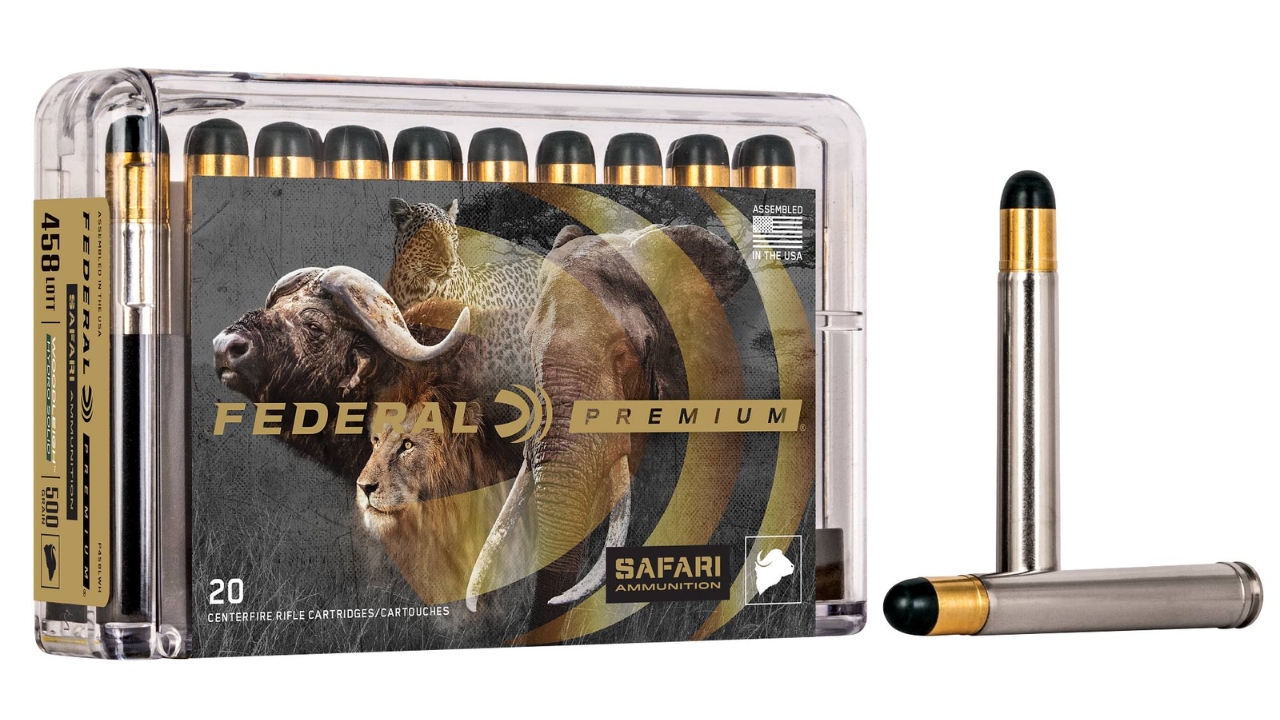
The .458 Lott is what happens when someone looks at the .458 Winchester Magnum and says, “Let’s make it meaner.” It’s faster, harder-hitting, and significantly worse on your shoulder. The recoil is in a different league entirely—sharp, violent, and unrelenting. It’s the kind of round that separates those who hunt dangerous game from those who talk about it.
Even with proper form and a heavy rifle, most shooters can’t tolerate more than a few shots in one sitting. The .458 Lott has the muscle to stop anything that walks, but it also punishes the shooter every single time it fires. Many professional hunters use it because they have to, not because they like it. It’s the kind of caliber that keeps you honest—and bruised. The .458 Lott is effective, powerful, and utterly exhausting to shoot for any length of time.
.300 Weatherby Magnum

The .300 Weatherby Magnum promises flat trajectories and massive energy, but its recoil impulse is snappy, fast, and downright unpleasant in lighter rifles. It’s a cartridge that demands respect and weight behind it. When chambered in a typical seven-pound hunting rifle, it’s too much of a good thing.
On paper, it seems like a dream—everything a .30-06 can do, plus more reach and power. In practice, it’s a shoulder-pounding experience that leaves many shooters flinching by round three. The recoil isn’t just heavy—it’s abrupt. Add in the deafening muzzle blast, and you get a round that wears you down mentally as much as physically. With a heavy rifle and good technique, it’s phenomenal. Without them, it’s miserable. The .300 Weatherby Magnum turns enthusiasm into fatigue faster than most hunters care to admit.
.338 Lapua Magnum

The .338 Lapua Magnum is a precision shooter’s dream and a hunter’s migraine. It’s incredible for long-range accuracy, but it’s brutally hard on the shooter in a field rifle. The recoil impulse is sharp and heavy, and the muzzle blast feels like standing next to a flashbang. It’s designed for prone shooting with brakes or suppressors—not hiking hills or shooting offhand.
Hunters who try to use it like a standard magnum quickly find out how unforgiving it is. Even with good form, it’ll rattle your fillings after a few shots. The cartridge performs beautifully at extreme range, but few hunters can shoot it well enough to take advantage of that without flinching. It’s an overachiever that demands perfect fundamentals every time. The .338 Lapua will absolutely put down big game, but it’ll beat you up doing it.
.35 Whelen

The .35 Whelen has earned a loyal following, but it’s not nearly as “mild” as some make it out to be. In a lightweight rifle, the recoil is abrupt and jarring. It’s not a big push like a magnum—it’s a punch. Shooters often underestimate it because it looks manageable on paper, but real-world shooting tells a different story.
The .35 Whelen is wonderfully effective on elk and moose, but you pay for it in shoulder fatigue. It’s the kind of cartridge that doesn’t seem bad for the first few shots, then wears you down quickly. Accuracy fades fast once recoil anticipation kicks in. For dedicated hunters who practice regularly, it’s fine. For everyone else, it’s a punishing reminder that “medium bore” doesn’t always mean comfortable. It’s a great round—but not one most shooters truly enjoy shooting for long.
.45-70 Government (hot loads)

The .45-70 Government has been around since the 1800s, but modern “hot” loads have turned it into a different beast entirely. In a heavy lever gun, those loads are manageable. In lightweight modern rifles, they’re brutal. Buffalo Bore and Garrett-level ammunition can make a .45-70 kick like a .458.
Shooters expecting a mild push from an old-fashioned round get a rude awakening. The recoil isn’t violent in speed—it’s in volume. It’s a long, heavy shove that leaves you rocking back in your stance. Even seasoned hunters admit that a few shots of full-power .45-70 are all they want. The round is deadly effective, but it can easily wear out your shoulder and your enthusiasm in the same sitting. If you load it hot, you’re not shooting a nostalgic cartridge—you’re managing controlled chaos.
.450 Marlin

The .450 Marlin is a powerhouse built to mimic hot .45-70 loads, but in a more modern, pressure-safe case. It’s effective, sure—but it’s also a punishing experience. The recoil is bone-jarring, especially in lightweight lever guns designed for portability. It doesn’t snap, it hammers.
Hunters who carry one for bear country respect it for its stopping power but rarely enjoy shooting it for practice. After a few rounds, your shoulder’s done for the day. It’s reliable, accurate enough for close-range work, and devastating at its intended purpose—but only if you can handle it. Most shooters end up downloading their ammo or avoiding long range sessions altogether. The .450 Marlin isn’t for the faint of heart; it’s for people who accept that pain is part of performance. It’s a cartridge that reminds you who’s really in control—the rifle, not you.
.416 Remington Magnum
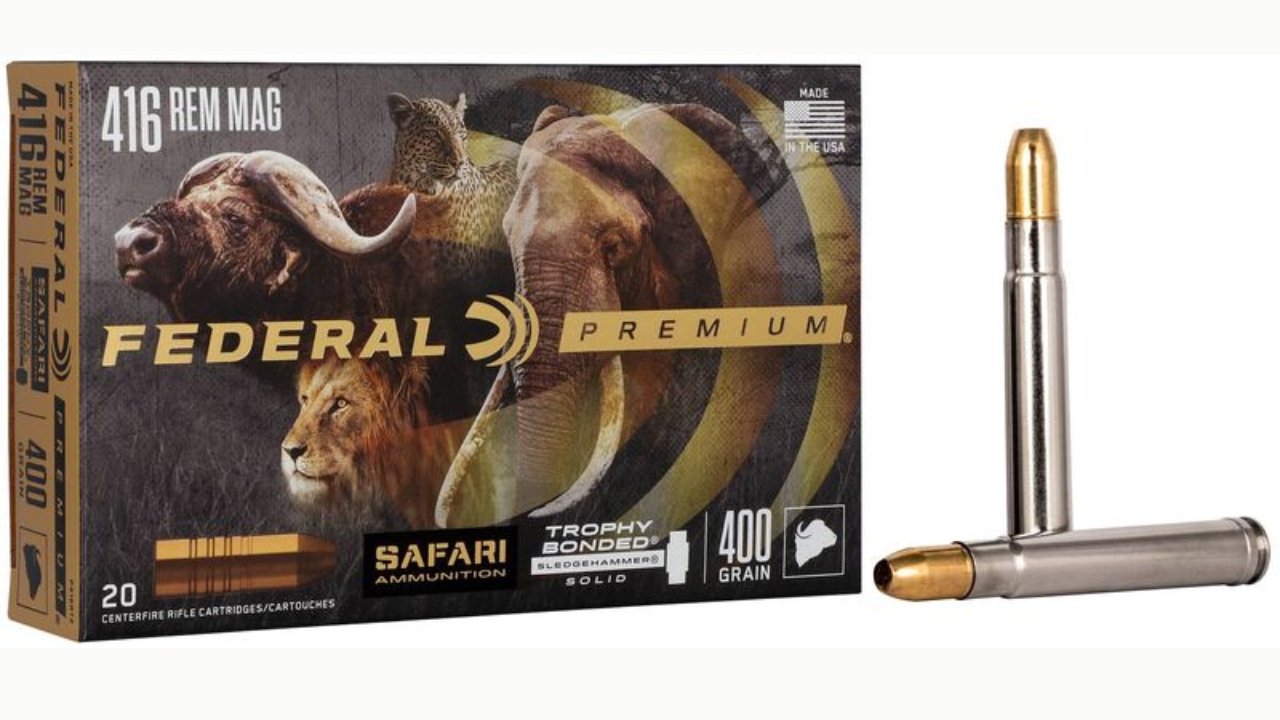
The .416 Remington Magnum is one of those calibers that blurs the line between confidence and punishment. It’s deadly accurate, hits like a freight train, and will put down any animal alive—but it’s exhausting to shoot. Its recoil is fast, sharp, and relentless.
Hunters often describe it as a rifle that makes you respect it after every pull. After a few shots, even seasoned marksmen start to feel their technique slipping. The recoil impulse drives straight back, rocking you off balance. For dangerous game guides who train constantly, it’s manageable. For everyone else, it’s overkill in more ways than one. You don’t practice much with a .416 Rem Mag—you test it, clean it, and hope you never have to use it twice. It’s capable, yes, but it wears you out mentally and physically faster than almost any other rifle on the rack.
.458 SOCOM

The .458 SOCOM was designed to deliver massive stopping power from the AR platform, and while it succeeds in that, it also pushes the limits of what that platform can handle. The recoil impulse is abrupt and heavy, magnified by the light rifle it’s usually fired from. It kicks harder than it looks, and the muzzle rise is significant.
Shooting a few rounds is fun; shooting a full magazine feels like punishment. It’s a cartridge that’s more comfortable in theory than in practice. The big bullets do their job on impact, but the shooter pays for every ounce of energy behind them. The .458 SOCOM’s recoil is a reminder that not every cartridge belongs in every rifle. It’s capable, but it beats up the gun and the shooter alike, making it one of those rounds you appreciate but don’t reach for twice.
.50 Beowulf

The .50 Beowulf was born from the idea that “more is better,” and while it delivers incredible stopping power, it also delivers punishment like few others. In a standard AR-15 platform, it’s a handful—heavy recoil, violent cycling, and serious muzzle rise. The gun shakes itself, your grip, and your confidence after each shot.
It’s devastating at short range, but long sessions leave you sore and fatigued. Shooters often find it more novelty than necessity once they’ve experienced its brute force firsthand. It’s loud, hard-kicking, and physically draining. The .50 Beowulf isn’t unmanageable—it’s just unkind. It’s the perfect example of a cartridge that does its job a little too well. You’ll respect its power, but you won’t look forward to shooting it again anytime soon.
Like The Avid Outdoorsman’s content? Be sure to follow us.
Here’s more from us:
The worst deer rifles money can buy
Sidearms That Belong in the Safe — Not Your Belt
*This article was developed with AI-powered tools and has been carefully reviewed by our editors.