Photo credit: FirearmTutorials .com/YouTube
Some guns just aren’t built to run the cheap stuff. They’ll cycle fine with premium loads but start choking the second you feed them steel-cased, remanufactured, or low-pressure rounds. Accuracy suffers, reliability goes out the window, and you end up wondering if it’s the gun or the ammo. Truth is, it’s both.
These firearms perform best with quality loads—but that can get expensive fast. If you’ve got one of these in your safe, you’ve probably already felt the sting at the register.
Kimber 1911s

Kimber makes a good-looking 1911, but it can be finicky about ammo. Feed it steel case or budget ball rounds, and don’t be surprised if it fails to go into battery or short strokes. They’re tighter than most out of the box, which makes them more sensitive to underpowered loads and dirty ammo.
Most folks who run Kimbers regularly stick to high-quality brass-cased rounds with consistent pressure. That’s fine if you’ve got the budget, but it adds up quick—especially if you’re trying to train hard or shoot competitions.
FN Five-seveN

The Five-seveN shoots flat and fast, but it’s chambered in 5.7x28mm—a round that isn’t exactly cheap or easy to find. And while there are more options now than there used to be, the gun still performs best with factory-loaded, name-brand ammo. Cheaper 5.7 tends to be underpowered or inconsistent.
This isn’t a range blaster unless you’ve got deep pockets. Most folks end up rationing rounds or saving it for defense purposes. It’s a cool platform, but definitely not friendly to a tight ammo budget.
HK USP Tactical

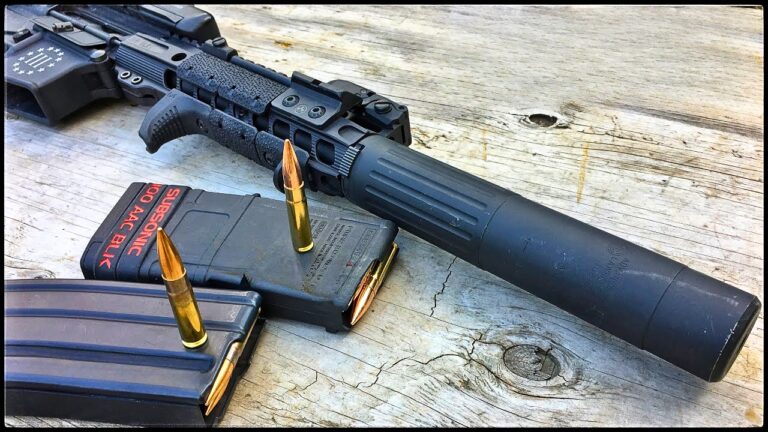
The USP Tactical is accurate, durable, and runs great suppressed—but it really likes premium ammo. It’s tuned for higher-pressure loads, and when you feed it cheap or weak rounds, you start seeing cycling issues, especially when a can is attached. Subsonics from lesser brands can also throw off reliability.
You’ll get the best performance using name-brand, match-grade, or defense loads. That means every range trip gets pricey. It’s a fantastic pistol, but if you’re trying to save money, it’ll let you know quick that it doesn’t run on leftovers.
Desert Eagle .50 AE

There’s nothing subtle about the Desert Eagle, and that includes the ammo bill. It runs on .50 AE, which is already expensive and hard to find. On top of that, it needs full-power loads to cycle reliably—underpowered ammo can cause failures and even damage the gun over time.
Reloading can help cut costs, but that comes with its own risks and learning curve. Most folks end up saving this gun for special range days, because it’s just not practical for regular shooting unless your wallet can handle it.
Beretta 92FS

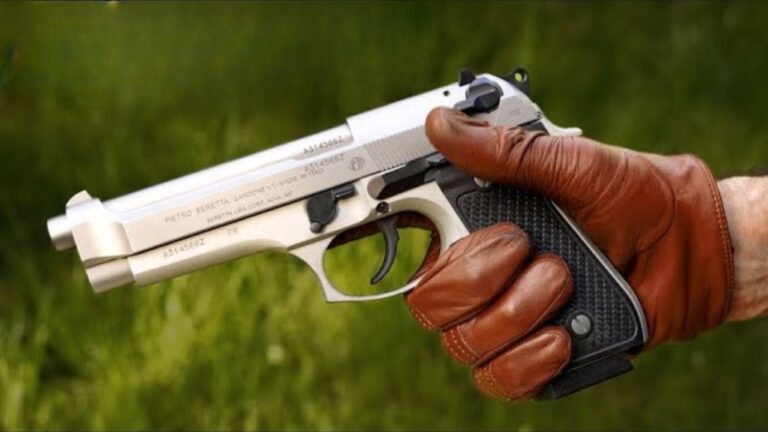
The 92FS is reliable with good ammo, but it doesn’t always play well with low-quality steel-cased stuff. Extractor tension and the open-slide design can lead to failures with inconsistent pressure or poor casing coatings. It’s not as picky as some, but you’ll notice a drop in reliability when you go too cheap.
Brass-cased 115gr or 124gr FMJ from a reputable brand keeps it running smooth. If you want that same reliability with bulk packs, it’s hit or miss. You can cheap out, but you’ll probably pay for it in malfunctions.
Springfield XD-M Elite in 10mm

The XD-M Elite in 10mm is built to handle power, and it doesn’t really like being underfed. Light loads or budget-range ammo can cause feeding or ejection problems. Some cheaper rounds are also dirty, which gums up the works faster than you’d expect.
If you stick with quality factory loads, it’s a great shooter—accurate and manageable. But the price of good 10mm adds up fast. Training consistently with this one means committing to more expensive ammo than you’d spend on a 9mm.
CZ Shadow 2

The Shadow 2 is a competition pistol through and through. It’s tuned for accuracy and speed, and that means it’s also tuned for higher-end ammo. Some folks try to save money with lower-power loads or steel-case rounds and end up with short cycling or stovepipes.
To keep it running smooth, you need consistent pressure and clean-burning powder. That usually means buying name-brand ammo or loading your own carefully. It’s a high-performance gun, but it doesn’t love the bargain bin.
SIG P210 Target

The P210 is ridiculously accurate, but it’s also built with tight tolerances that don’t leave much room for error. Cheap ammo tends to produce inconsistent groups, and some rounds can even struggle to chamber smoothly. You won’t get malfunctions every time, but you will notice the difference.
This gun shines with match-grade loads—and that’s where the cost comes in. It’s not a volume shooter unless you’re ready to spend real money. Most folks use it for slow-fire precision, not mag dumps.
ARs with Match Chambers (.223 Wylde or .223 Match)

Precision ARs with match chambers run great—until you start feeding them bargain .223 with questionable pressure. These rifles are built for consistency, and they don’t always tolerate dirty or poorly crimped rounds. You might see light primer strikes, short strokes, or flyers on target.
If you’re going to build or buy one of these setups, you need to feed it accordingly. That means sticking with quality brass-cased ammo and keeping your powder charges consistent. It’s not the end of the world—but it sure isn’t cheap either.
FN SCAR 17S

The SCAR 17 is one of the most capable .308 semi-autos out there, but it has a known appetite for quality ammo. Steel-cased .308 often causes issues, and weaker surplus loads can lead to ejection failures or short cycling. Plus, that reciprocating charging handle doesn’t like oddball case sizes.
If you want this rifle to run smooth, you’re looking at top-shelf factory ammo or well-built handloads. It’s a sweet rifle, no doubt—but every mag feels like it costs as much as a lunch tab.
*This article was developed with AI-powered tools and has been carefully reviewed by our editors.