Photo credit: Savage Arms
You know the type — rifles that make you spend more time diagnosing issues than actually shooting. You go to the range ready to fine-tune your zero or test a new load, and within a few rounds, something goes wrong. Misfeeds, wandering groups, loose hardware, optics shaking loose — it’s a circus.
Some rifles are temperamental by design, others suffer from poor quality control or mismatched parts. Whatever the reason, they leave you fiddling with Allen wrenches and cleaning rods instead of burning powder. These are the rifles that promise fun at the range but deliver a headache instead, forcing you to play gunsmith every single trip.
Ruger American Ranch (early generation)

The Ruger American Ranch has earned a solid reputation now, but those early runs had quirks that made range days an adventure. Magazines wouldn’t feed right, bolts felt gritty, and accuracy was inconsistent from gun to gun. You’d spend an hour tightening screws, checking bedding, or trying different ammo just to find a combination that grouped halfway decent.
Some rifles shot tight groups, while others sprayed like a shotgun until you figured out which torque setting the stock preferred. Add in the early plastic magazine latch that sometimes dropped mags under recoil, and you had a rifle that needed tinkering before it settled down. Ruger eventually ironed out the problems, but those early Ranch models were a reminder that even simple rifles can turn into range projects.
Savage Axis
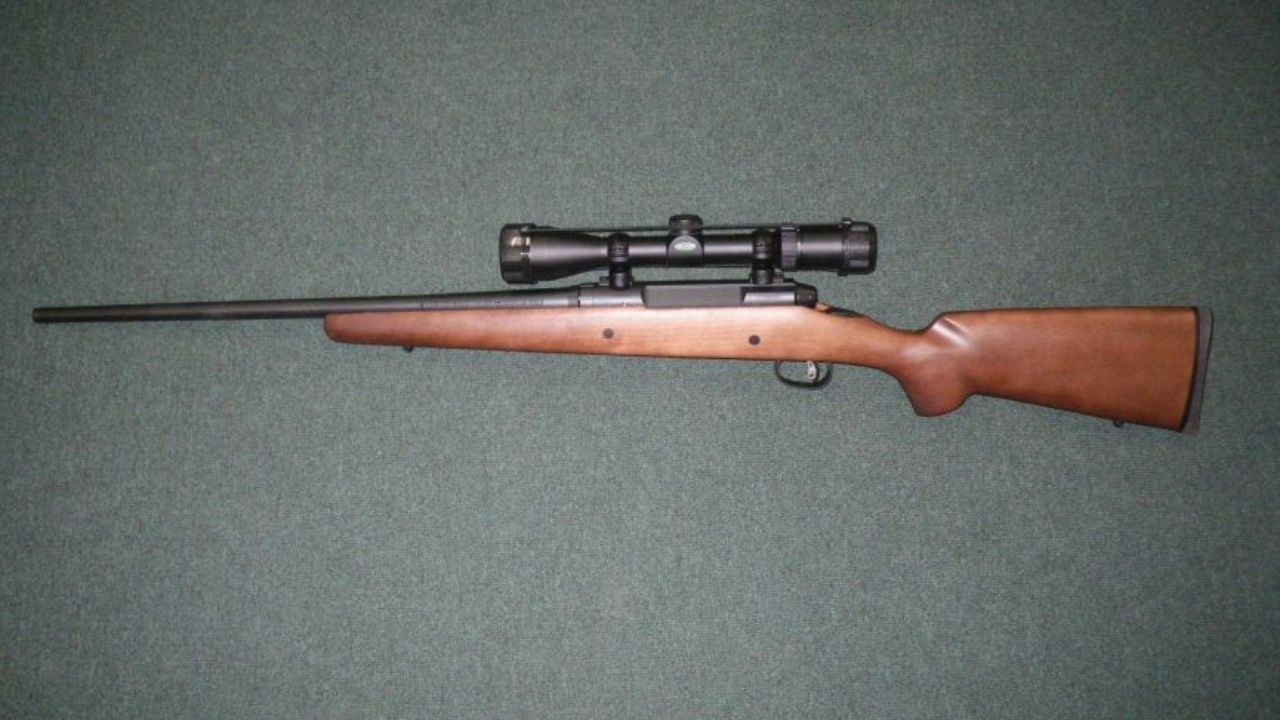
The Savage Axis is another rifle that teaches patience. While it’s accurate once dialed in, getting there can feel like a science experiment. The flimsy stock flexes under recoil, changing your point of impact depending on how you rest it. The trigger is heavy and inconsistent, and the bolt sometimes sticks like it’s packed with gravel.
You’ll find yourself chasing flyers, adjusting your grip, or swapping ammo trying to figure out what’s wrong — when it’s really just the gun’s construction. Some shooters fix it with aftermarket triggers and bedding, but that’s more money and time spent solving problems that shouldn’t exist. The Axis is affordable, but you pay for it with frustration at the range.
Remington R-15 VTR
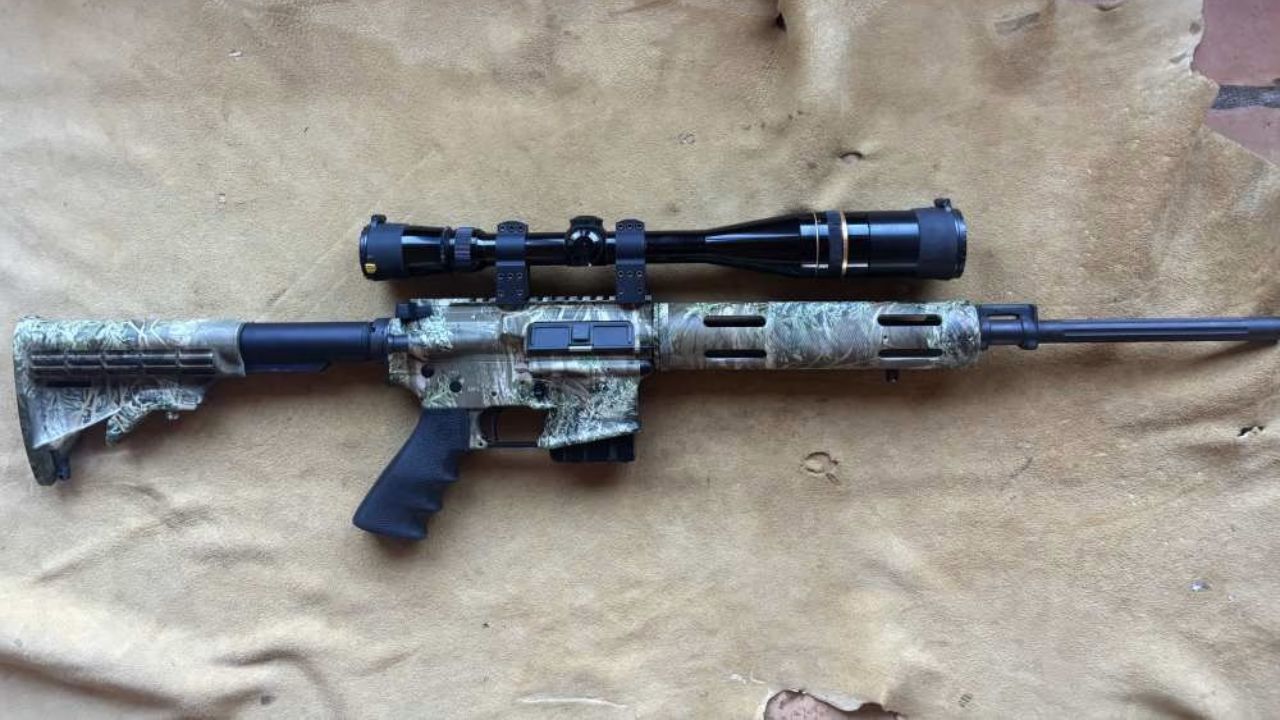
Remington’s attempt at an AR-platform hunting rifle looked great on paper, but the R-15 VTR was a reliability nightmare. Between weak extractors, inconsistent gas systems, and poor QC, it earned a reputation for turning every range trip into troubleshooting practice. Some rifles wouldn’t cycle certain ammo, while others jammed every third round.
You’d clean it, re-lube it, swap magazines, and still end up clearing malfunctions instead of shooting. Even when it ran, accuracy varied wildly between rifles. A few shot fine, but most struggled to hold consistent groups past 100 yards. For a rifle meant to blend AR versatility with hunting precision, it mostly became a test of patience.
Mossberg Blaze
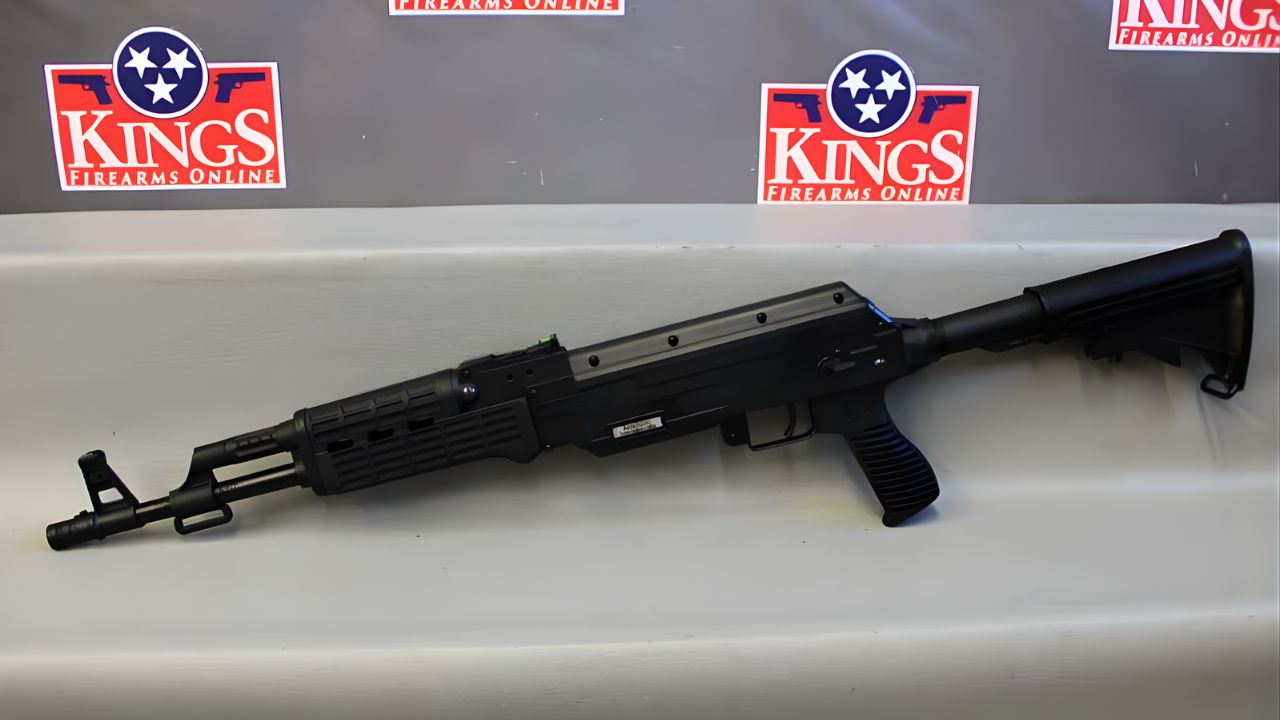
The Mossberg Blaze was built to be a lightweight plinker, but “lightweight” turned out to mean fragile. Feed issues, magazine seating problems, and poor accuracy plagued this rimfire rifle from the start. The polymer receiver flexed just enough to throw shots, and the trigger felt more like a toy than a firearm component.
At the range, you’ll spend your day clearing stovepipes and double feeds or trying to figure out why the rifle suddenly stopped cycling. The Blaze sounds great for beginners, but it teaches frustration faster than fundamentals. Mossberg fixed some issues with later designs, but this one made you wish you’d spent a little more for something that actually worked out of the box.
Winchester XPR (early production)

The Winchester XPR eventually became a decent budget rifle, but early production runs were plagued with feeding issues and loose tolerances. Some rifles wouldn’t chamber smoothly, others had bolts that bound up mid-cycle, and a few even had extraction problems right from the box.
You’d go to the range expecting a solid shooter, only to find yourself polishing feed ramps or re-torquing action screws after every session. Accuracy wasn’t bad, but getting consistent performance required constant tweaking. It’s the kind of rifle that feels like it’s always one screw or spring away from working perfectly. The later runs corrected most of the issues, but early owners were forced to play gunsmith far more than they planned.
DPMS Oracle AR-15
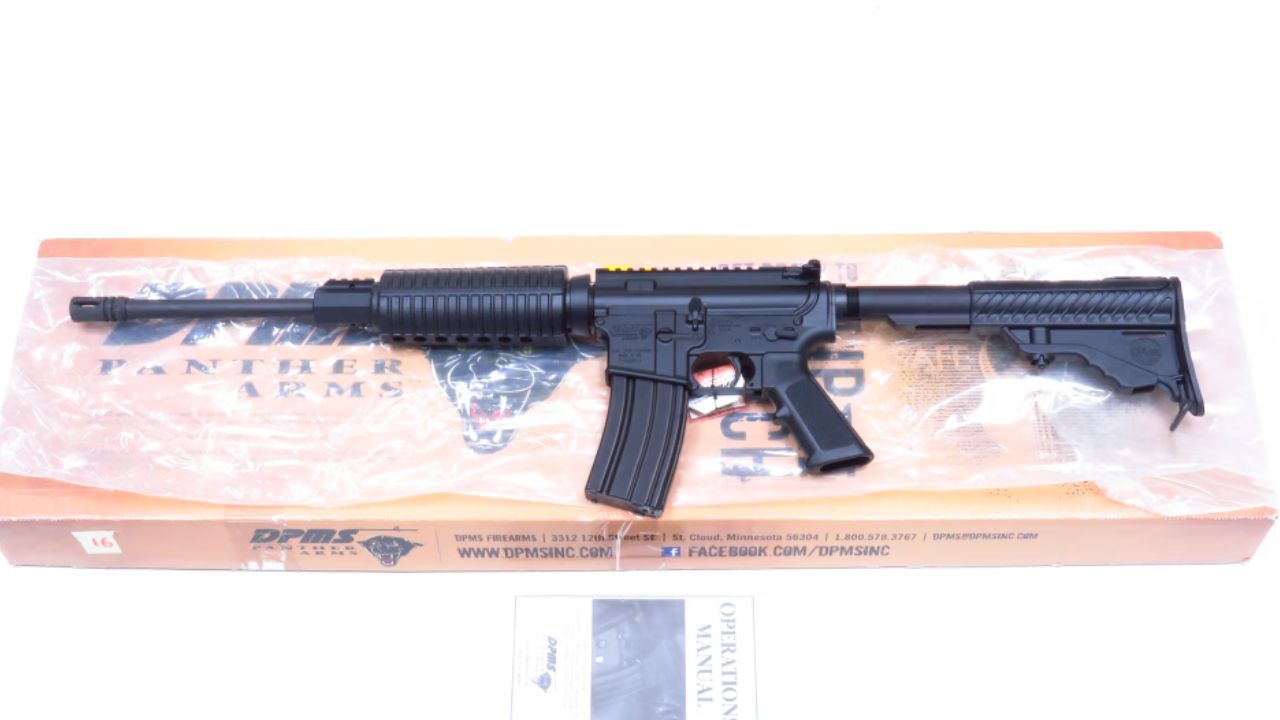
The DPMS Oracle is one of the most common entry-level AR-15s, and it’s also one of the most finicky. Many shooters report inconsistent cycling, weak ejection, and gas block alignment issues that turn shooting into a guessing game. You think it’s your ammo or magazine — but it’s often the rifle’s uneven assembly.
At the range, it’s constant troubleshooting: swapping buffers, cleaning gas tubes, adjusting optics, or tightening a loose handguard. When you finally get it running, it can be decent, but that takes more work than most want to put in. The Oracle proved that even a platform known for reliability can fall apart when corners are cut during assembly.
Marlin 795 (post-Remington years)
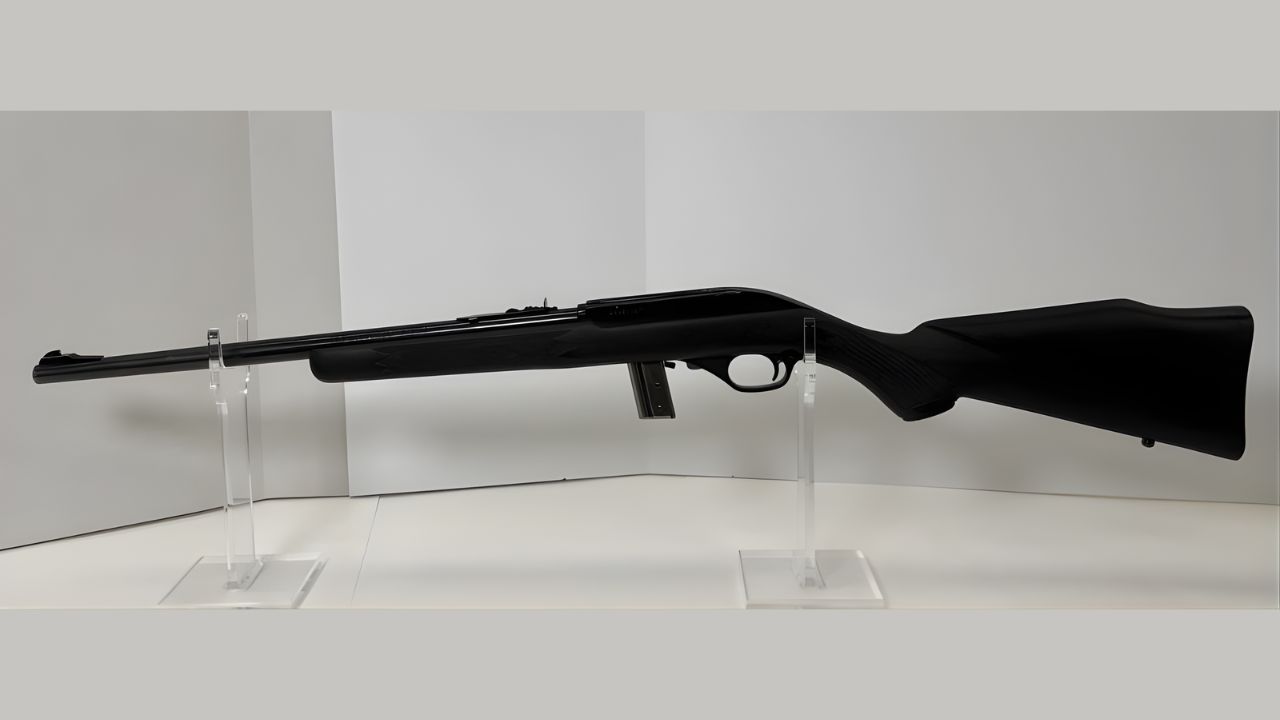
After Marlin was absorbed under Remington, the once-great 795 rimfire rifle took a quality nosedive. Rough chambers, misaligned sights, and magazines that refused to feed properly became common complaints. You’d show up at the range ready for a casual plinking session, and spend half the time clearing misfeeds or trying to get the bolt to close properly.
Even when it did run, the accuracy wasn’t what the old Marlins were known for. Some rifles shot groups that looked more like patterns. A little polishing and tuning could help, but you shouldn’t need to rework a brand-new .22 to make it function. The 795 after Remington’s takeover became a symbol of how corporate cost-cutting kills good rifles.
Anderson AM-15
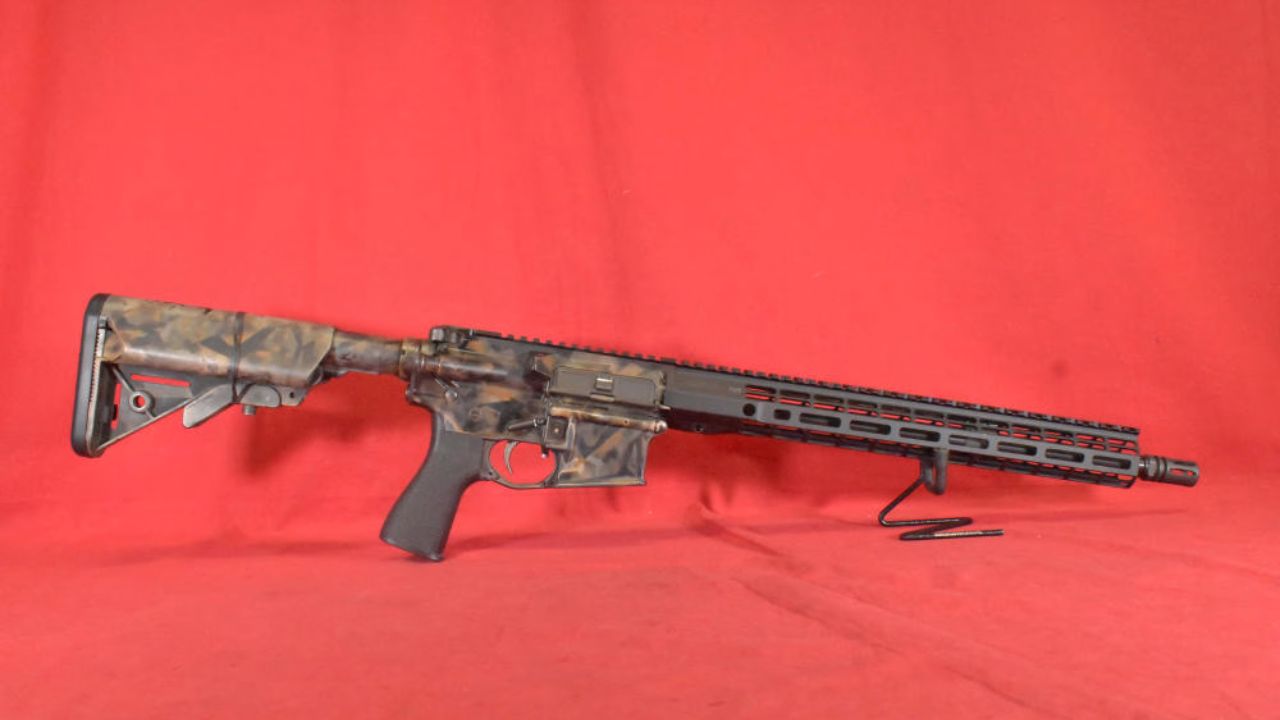
The Anderson AM-15 sells like crazy because of its price, but reliability is hit or miss. Many rifles run fine, but others seem built from leftover parts bins — loose gas keys, uneven barrel nuts, and improperly staked bolts all cause headaches. You’ll spend a full range day diagnosing cycling issues instead of shooting.
Some shooters manage to tune them into decent performers with upgraded parts, but others give up and move on. The AM-15 is proof that not all ARs are equal, even when they look identical. It can be a decent rifle, but only after you fix the things that should’ve been right from the start.
Savage A17
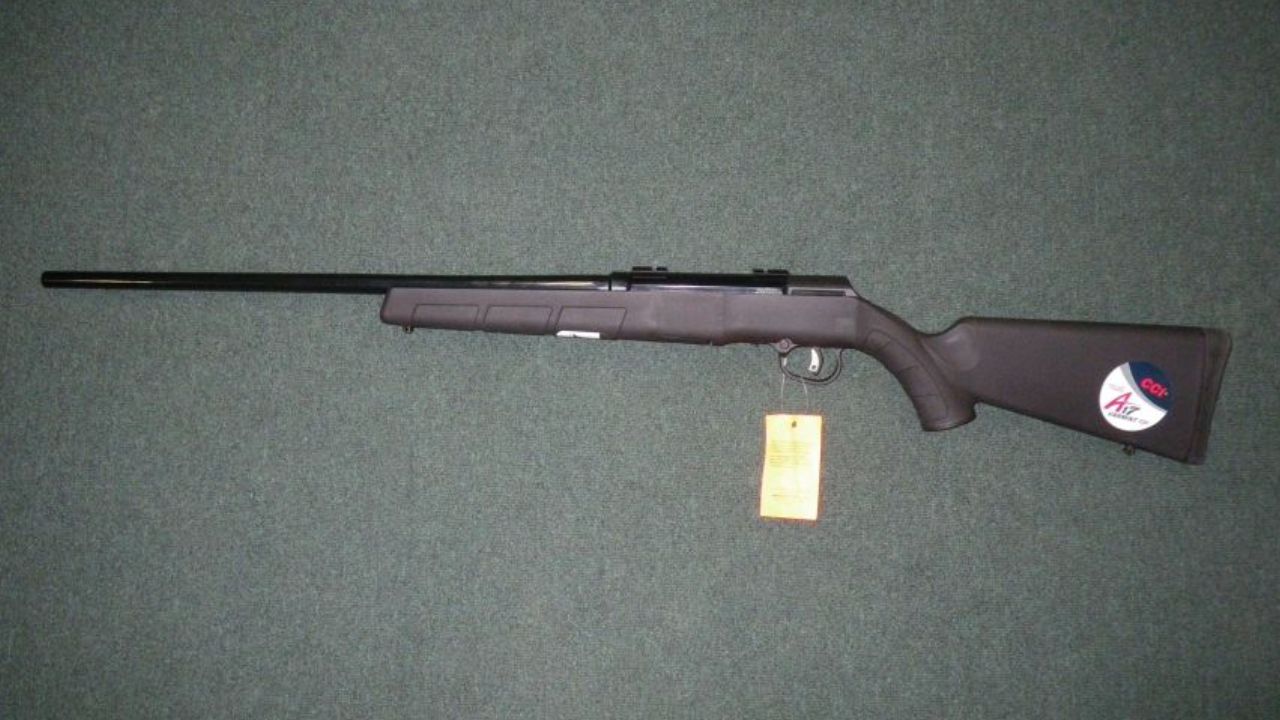
The Savage A17 was groundbreaking as the first successful semi-auto .17 HMR, but it came with growing pains. Many shooters experienced cycling issues, light strikes, and inconsistent accuracy. It’s sensitive to lubrication, temperature, and ammo brand — any change, and the rifle starts acting up.
At the range, it’s a constant cycle of cleaning, adjusting, and reloading. When it works, it’s a tack driver, but when it doesn’t, it’s a full-blown project. The A17 showed that innovation isn’t always seamless in practice. It’s a rifle that keeps you on your toes — and makes you wish it would just run one box of ammo without drama.
Like The Avid Outdoorsman’s content? Be sure to follow us.
Here’s more from us:
The worst deer rifles money can buy
Sidearms That Belong in the Safe — Not Your Belt
*This article was developed with AI-powered tools and has been carefully reviewed by our editors.