Photo credit: Flappy Pigeon, CC BY-SA 4.0/Wiki Commons
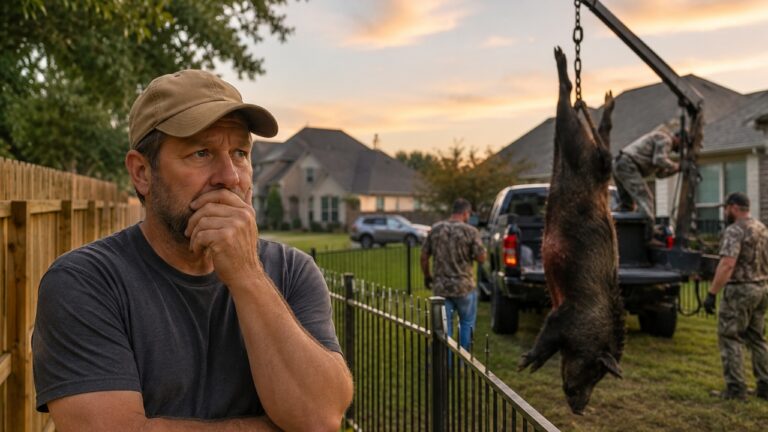
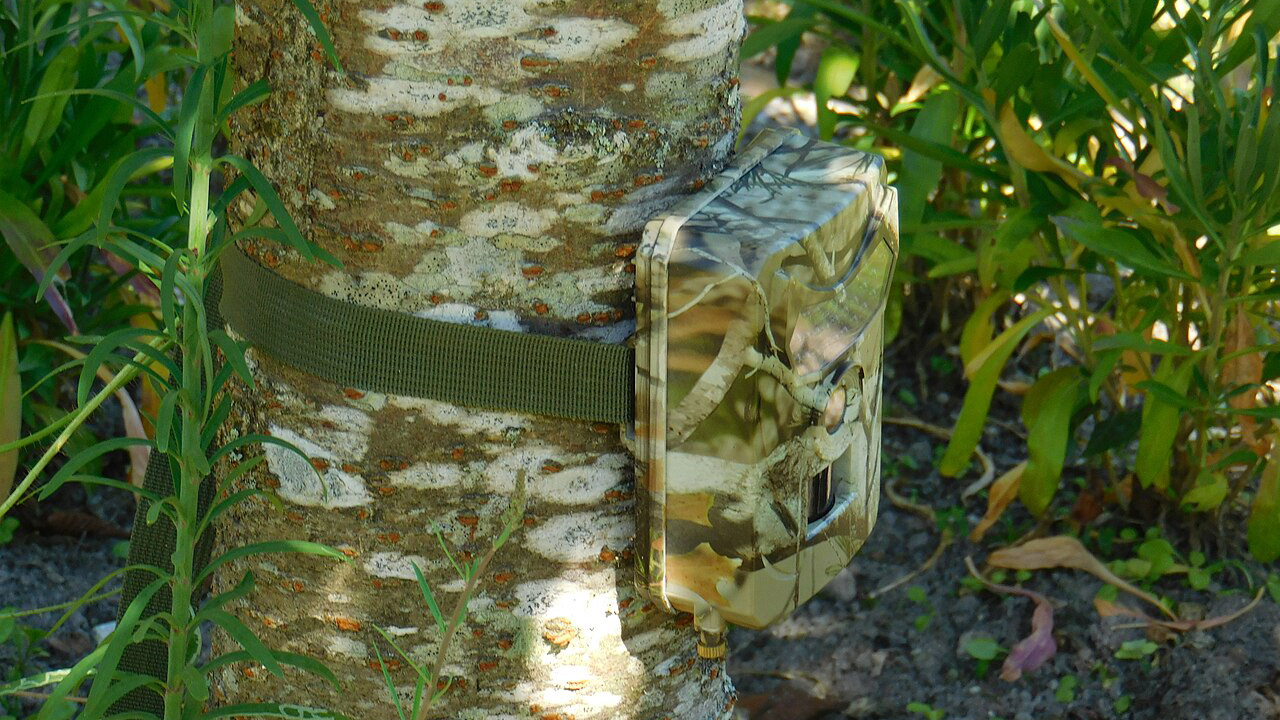
A hunter checking a private property he had permission to use found something that immediately changed the tone of the season: a trail camera he did not hang, sitting near one of his most productive hunting areas.
The hunter shared the situation in a post on r/Hunting titled “Should I keep the trail cam?”. He said he had exclusive hunting rights on roughly 40 acres owned by his brother and sister-in-law. The land had previously belonged to his grandparents’ estate, and his relatives did not live there. In exchange for upkeep work during the year, they allowed him to use the property for shooting and hunting.
That arrangement made the discovery feel personal. This was not a random patch of ground he barely knew. It was family land, posted against trespassing, and he had already put in the work to maintain and hunt it.
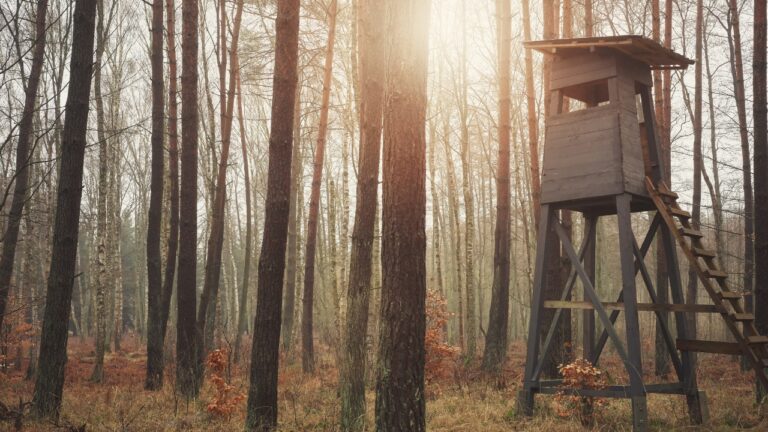
He said he went to check his stand and mineral sites when he noticed a trail camera near a ladder stand in one of his best areas. He looked around for signs of how someone had entered but did not find an obvious route. His best guess was that whoever hung the camera slipped in from a neighboring property through the woods.
The distance mattered. According to the poster, the camera was at least 300 yards inside the property line. That made it harder to brush off as a simple mistake. A person can misread a boundary by a few yards, especially in thick woods. Three hundred yards is a long walk into somebody else’s posted land.
After finding it, he took the camera and asked his brother and sister-in-law what they wanted him to do. They told him to keep it. He had another property where he could use it, but he still wondered if keeping it was the right move.
That question lit up the comments because trail cameras hit a nerve with hunters and landowners. They are scouting tools, but they are also proof that someone has been walking around where they may not belong.
The detail that shaped most of the discussion was how far onto the property the camera was found.
A few commenters tried to leave room for an honest mistake. Maybe someone was hunting nearby and got turned around. Maybe a boundary app was off. Maybe the person thought they had permission from someone else. Those things happen, especially on rural properties where old family parcels, timber edges, and neighbor boundaries can get confusing.
But a lot of people were not buying that here. The land was posted, and the camera was roughly 300 yards inside the line. To them, that sounded less like a misunderstanding and more like somebody was treating another person’s land as their own hunting ground.
The camera’s location near a ladder stand also bothered people. It was not placed randomly along a fence or near an access trail. It was near one of the poster’s most productive spots, close to an existing stand. That made it look like the person may have known exactly what they were scouting.
Several commenters said that if someone is bold enough to hang a camera there, they may also be hunting there. A trail cam does not get checked from the couch unless it is cellular. Someone probably planned to come back, pull the card, swap batteries, or see what had been moving through.
That possibility is what turned this from an annoying find into a bigger concern. The camera was not only a piece of gear left behind. It was evidence that somebody may have already been making regular trips onto posted private land.
One of the most common suggestions was to look through the camera or SD card and see who had been showing up.
Commenters thought the camera might identify the trespasser without the poster having to guess. If the person had walked in front of the lens while hanging it, checking it, or leaving the area, the card might show a face, clothing, an ATV, or at least a time pattern. That could make the next step much cleaner.
Some users said that if it turned out to be a neighbor, the poster could have a polite conversation and return the camera with a warning. Others thought he should keep the camera but still use the images as proof if he needed to contact a game warden.
That split showed the two instincts running through the thread. One side wanted to solve it without creating a feud. The other side wanted to stop the behavior hard before it got worse.
One commenter shared a warning from personal experience. They said they once let a neighbor’s ATV use slide after it crossed onto their land by about 30 yards. By the next year, according to that commenter, the neighbor was running their trails, using their stands, and killing deer on their property. Their point was simple: if you let small boundary violations go, some people take that as permission.
That kind of story is why landowners get touchy about trail cameras. It is rarely only about the camera. It is about what may come next.
Not everyone wanted the poster to keep the camera and escalate immediately.
A few commenters told him to leave a note where the camera had been and ask the owner to call him. One suggested that if the person made an honest mistake, they could discuss it like adults and he could give the camera back. If the person kept trespassing after that, then it would be time to involve the game warden.
That advice came with a practical concern: the property was unattended much of the time. If the trespasser came back angry and wanted to get even, they could damage stands, cut straps, mess with gear, or make the situation worse. One commenter specifically warned that things can get out of control quickly when someone decides to retaliate.
That was one of the more realistic points in the thread. Keeping the camera may feel justified, especially if the land is posted. But if the person who hung it is reckless enough to trespass 300 yards into private land, nobody really knows how they will react when they find it gone.
Some commenters suggested a middle path. Put up another hidden camera facing the original camera location. If the trespasser returns, the poster can capture proof without confronting him face-to-face. A few recommended placing the camera higher than eye level, angled downward, where it would be harder to spot.
That approach gave the hunter a way to protect himself without immediately turning the woods into a shouting match.
Because the poster believed the person may have slipped in from neighboring land, commenters urged him to think carefully before accusing anyone.
One user suggested talking to the neighbors, not by saying “you did this,” but by warning them that someone had been trespassing on the property. If the neighbor was responsible, that warning might make them realize they had been caught. If the neighbor was not responsible, they might keep an eye out too.
That was probably the safest social move. In rural areas, neighbor disputes can hang around forever. A direct accusation without proof can sour a relationship fast. But a heads-up about trespassing lets the landowner draw a line without naming names too soon.
A few commenters also said the boundaries needed to be made unmistakable. The property was already posted, according to the poster, but it may still be worth checking signage, access points, and fence lines. The clearer the boundary, the less room someone has to claim they did not know.
Still, several people said 300 yards inside posted property is hard to explain away. Even with a bad map app, even with rough woods, even with an old assumption about permission, that is not a small drift across a line.
That is why the thread kept bouncing between grace and firmness. Maybe it was a mistake. Maybe it was not. Either way, the person who hung the camera needed to know the land was not open.
Commenters gave the hunter a wide range of answers, but most agreed the camera should not simply be ignored.
Some told him to keep it. Their view was that the camera was placed on posted private land, deep inside the boundary, near his stand. If the trespasser wanted to avoid losing gear, he should not have hung it where he had no permission to be.
Others said to check the SD card first, identify who was trespassing if possible, and then decide how to handle it. If it was a neighbor who made a mistake, a direct conversation might fix it. If it was someone knowingly sneaking in, the images could help build a case.
A more cautious group said to leave a note and avoid provoking someone who already knows where the stands and access points are. They worried that a trespasser with a bad temper could come back and damage gear, cut straps, or make the property harder to hunt safely.
Several commenters recommended setting up the poster’s own camera to watch the original camera location, preferably hidden high in a tree or using cellular service so he would not have to check it often. That way, if the person returned, there would be proof without a confrontation.
The question in the title was simple: should he keep the trail cam? Reddit’s answer was not as simple. Keep it, some said. Return it with a warning, others argued. But almost everyone treated the discovery as a sign that the hunter needed to lock down the property, document what was happening, and make sure whoever crossed that line understood it could not keep happening.