Photo credit: PJkydex/YouTube
A lot of budget hunting knives look ready for work until you put one animal on the ground. The first deer is where the “good enough” stuff gets loud: edges that roll once they hit hair and hide, handles that turn slick, sheaths that get annoying fast, and blade shapes that make you fight every cut. None of that shows up when you’re slicing cardboard in the garage.
What stings is you don’t need a $300 blade to do clean work. You need the right geometry, a handle that stays planted when everything’s wet, and steel that holds an edge long enough to finish the job without constant touch-ups. When a knife falls short, it can make you feel like you’re the one fumbling—when you’re actually fighting the tool. Here are specific, common “budget favorites” that can disappoint after the first animal, mostly because of the tradeoffs that come with their price.
Old Timer 152OT Sharpfinger
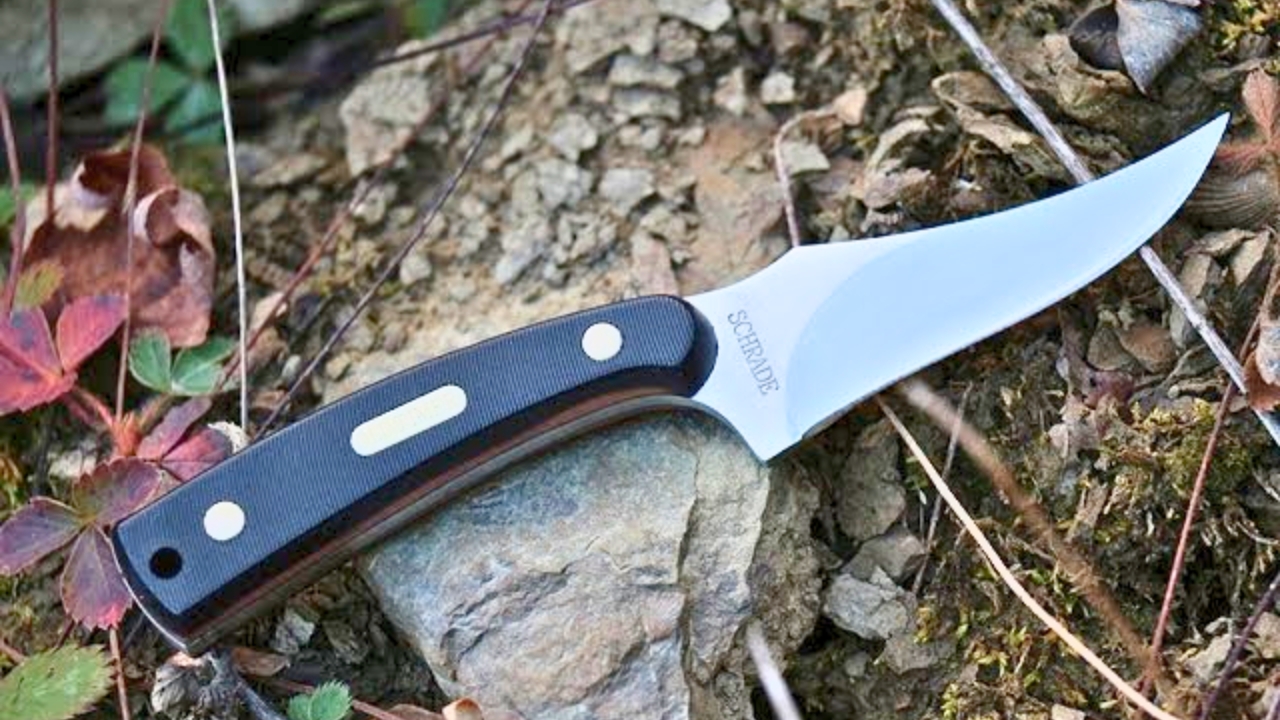
The Sharpfinger has been riding on belts for decades because it’s cheap, light, and handy around camp. It also feels like the kind of old-school hunting knife you’re supposed to own—until you ask it to do a full deer without frequent edge work.
That thin, short blade can feel busy once you’re skinning for real. Many examples also lose bite quicker than you’d expect when you’re working through hide and hair, so you end up touching up the edge more than you planned. The handle is compact, which can be fine at first, then starts to feel cramped when your hands are cold and slippery. If you carry it, it’s best as a backup or a “one task” knife—not the only blade you brought.
Old Timer 8OT Senior
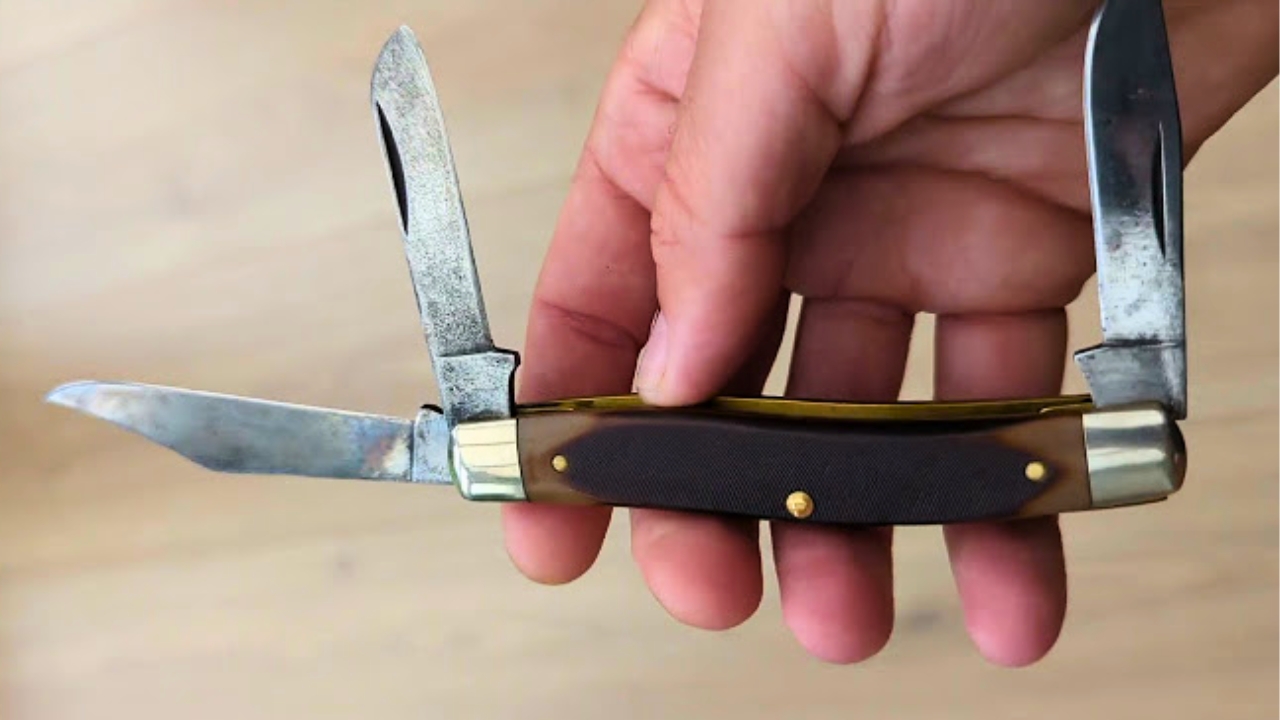
A folder in the deer woods can make sense, and the 8OT is everywhere for a reason: it’s affordable, familiar, and it disappears in a pocket. The problem is that first animal is often where budget folders show their limits in the pivot, lockback, and general cleanup.
Once hair, grit, and a little dried fluid get into the joint, the action can stiffen up and start feeling rough. You also run into the reality that cleaning a folder after game work is a lot more involved than rinsing a fixed blade. If your blade starts to develop play, every cut feels less controlled. It can process an animal, but it’s not the kind of knife you want to rely on when you’re trying to work clean and fast in bad light.
Gerber Moment Fixed Blade
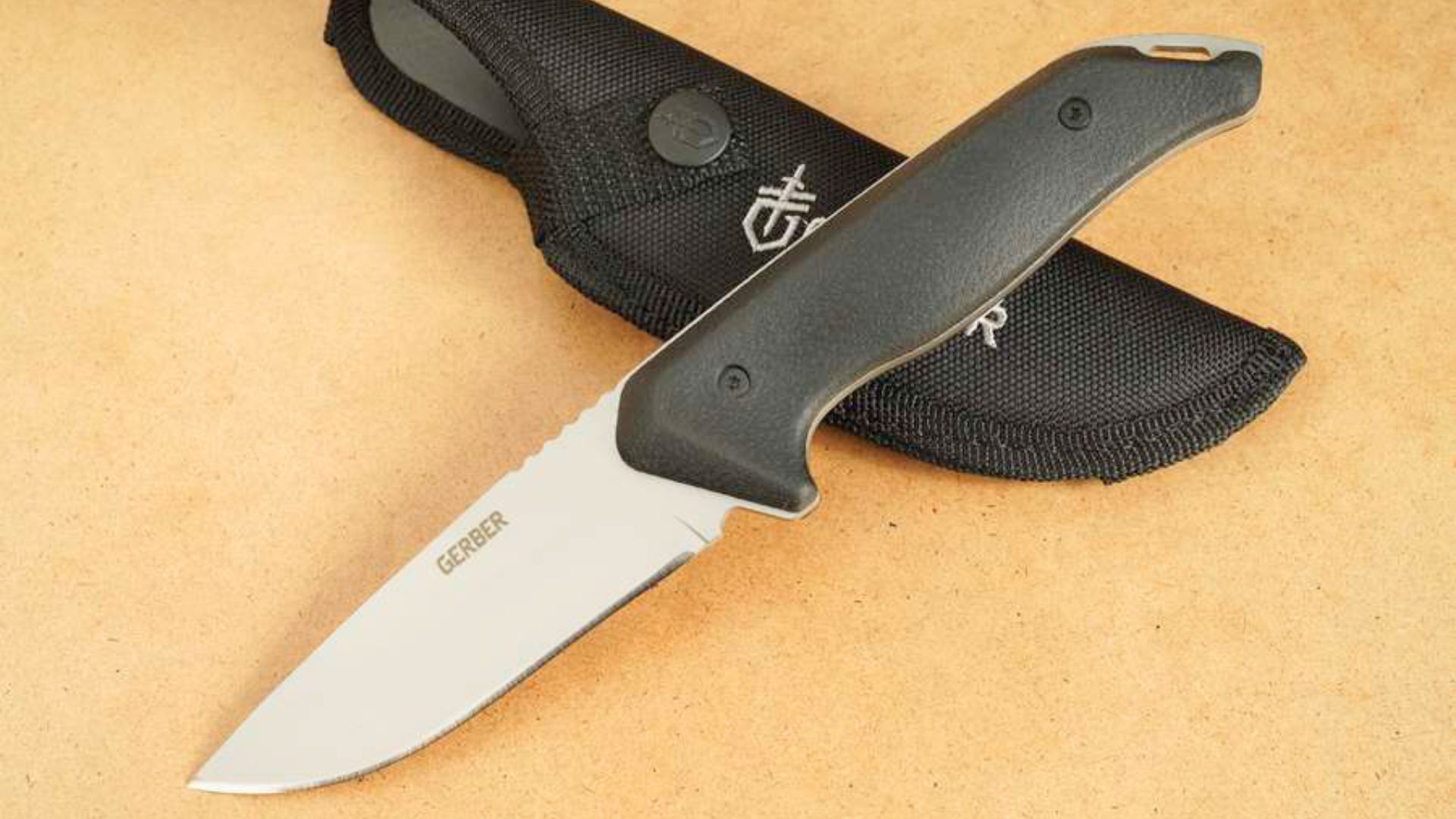
The Moment looks like a straightforward hunting fixed blade at a price that makes it an easy grab. It’s a comfortable size and it carries well, which is why a lot of guys toss it in a pack and call it done.
Where it can disappoint is edge life under real hide-and-fat work. If you’re expecting to break down a deer and still shave hair afterward, you may be reaching for a sharpener earlier than you like. The handle can also get slick once it’s coated, and when you start gripping harder, hand fatigue shows up fast. It’s not unusable—it’s that the knife often asks for more maintenance and more attention than most buyers expect on their first animal.
Gerber Freeman Guide

On paper, the Freeman Guide checks a lot of boxes: hunting profile, decent grip shape, and it usually feels good in the hand dry. It’s a common “starter fixed blade” because it looks like it belongs next to a gutting glove and a tag.
The letdown can be how quickly the edge feels tired once you’re cutting hair, hide, and connective tissue for more than a few minutes. Some users also find the handle texture isn’t aggressive enough when everything’s wet, so the knife starts to rotate in your hand unless you clamp down. That’s when your work gets messier and slower. If you like the shape, plan on carrying a small touch-up sharpener and accept that you’re managing the edge throughout the job, not after it.
Gerber Gator Fixed Blade

The Gator fixed blade is popular because it feels grippy and tough in the store. The all-rubber “Gator” texture sells the idea that it’ll stay locked in your hand when things get ugly, and the price makes it a low-risk buy.
The catch is that rubberized grips can turn slick in a different way once they’re coated, especially when the texture fills with fat and hair. You can also end up with hot spots because that grippy surface encourages you to squeeze harder. Edge performance can be another sore point—many buyers wind up surprised by how often they’re touching it up to keep it cutting clean. It’ll get you through, but the first animal is often when you realize the handle and edge both demand more attention than a better-built hunting knife.
Outdoor Edge RazorLite

Replaceable-blade knives get bought for one reason: you want scalpel sharp without fuss. The RazorLite absolutely delivers that first cut, and it can make skinning feel effortless at the start. That’s why so many hunters keep one around.
The disappointment comes when you hit the real-world stuff—dragging a blade through hair, bumping bone, or working around joints. Those thin blades can snap or chatter if you torque them, and now you’re stopping mid-job to swap parts with slippery hands. If you’re not careful, you’ll also burn through blades faster than expected, which turns “budget” into “constant refills.” It’s a great tool when you use it like a scalpel. It’s a frustrating tool when you try to make it behave like a stout fixed blade.
Outdoor Edge RazorPro
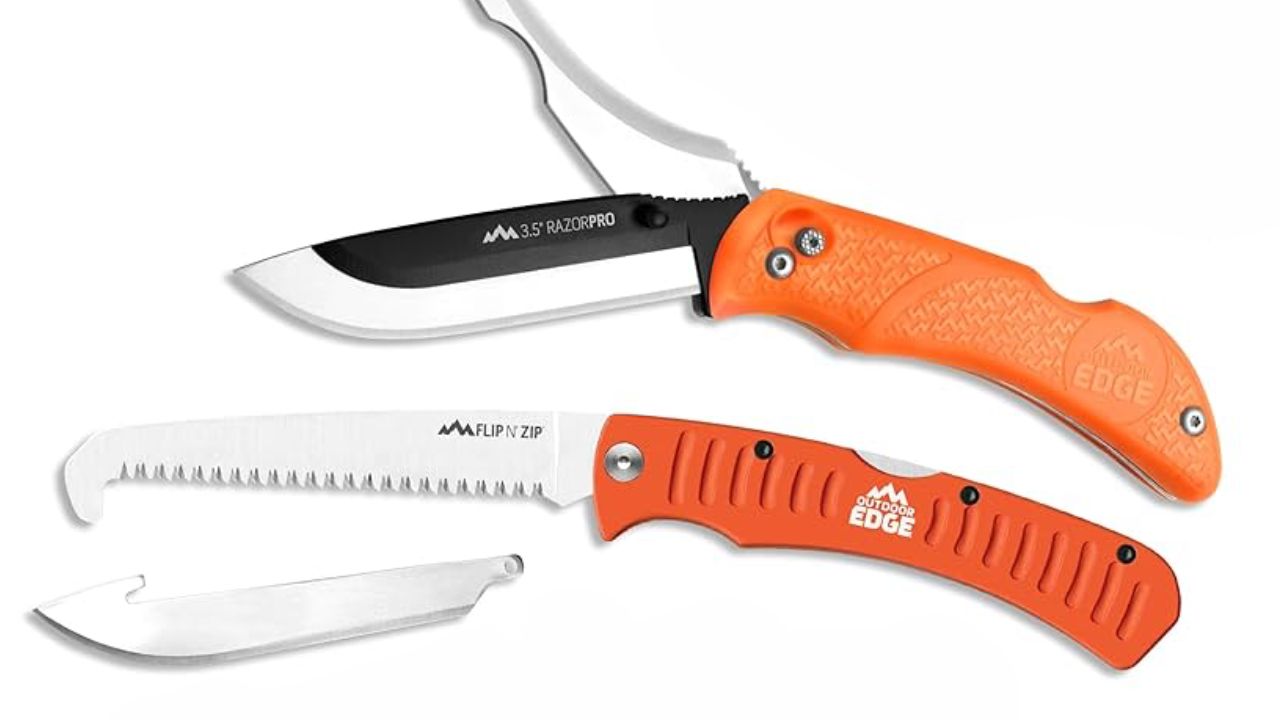
The RazorPro adds features and a more “hunting kit” vibe compared to the RazorLite, so it often feels like a smarter buy. You get that same scary sharp blade concept, plus extras that sound useful when you’re planning your season.
In the field, the same tradeoffs show up. The blades are thin, so they punish any twisting or prying, and the more you rush, the more likely you are to pop a tip or bend an edge. Swapping blades can also get fiddly when your hands are cold and everything’s slick. A lot of first-time users walk away thinking the system is fragile, when the truth is it demands a lighter touch than most hunters use on their first deer. It’s effective, but it can disappoint if you expected “replaceable” to mean “indestructible.”
Havalon Piranta-Edge

The Piranta-Edge has a loyal following because it can feel like cheating on capes and fine skinning work. When everything goes right, it’s fast, clean, and almost effortless, especially on detail cuts.
Where it can let you down is the moment you treat it like a conventional hunting knife. Those blades are surgical thin, which means they don’t tolerate side load well, and snapping a blade mid-task is a real possibility if you get impatient. Blade swaps can also turn into a small production when you’re tired, cold, and working in low light. On your first animal, it can feel like you’re managing the knife more than the deer. It shines for precision work, but it can disappoint as a “one-knife” solution.
Gerber Vital Pocket Folder
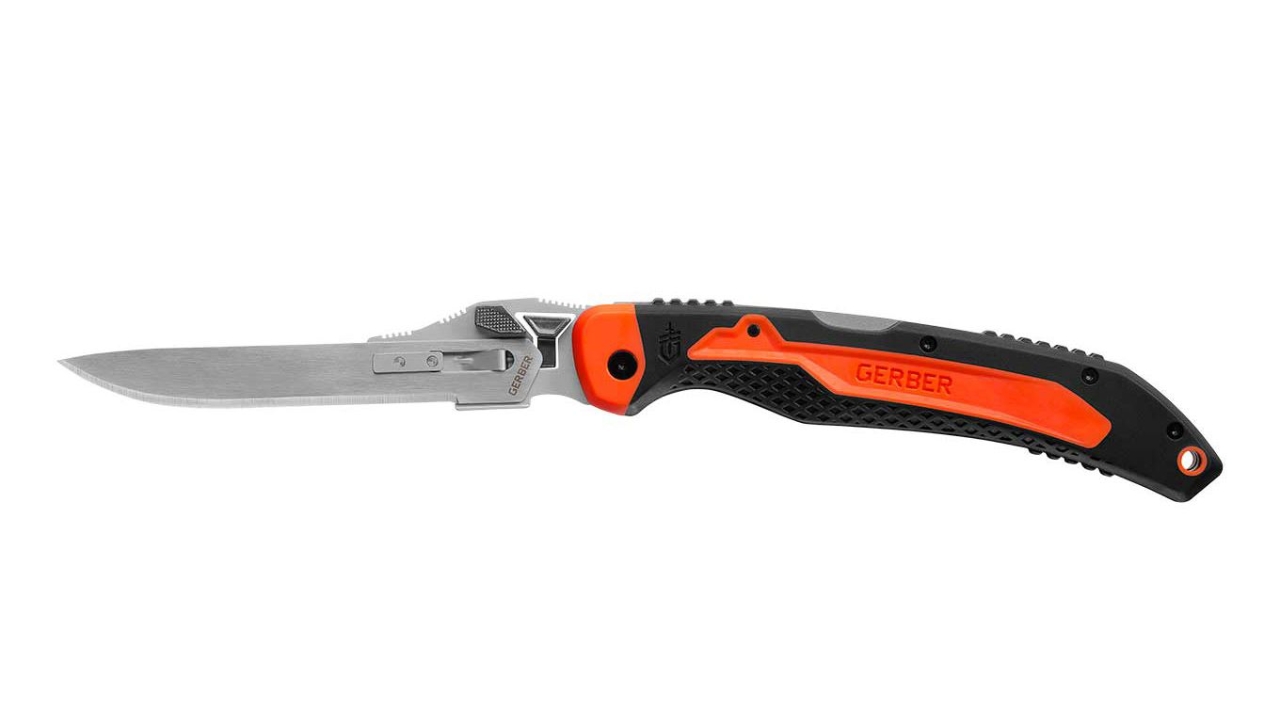
The Vital folder is another “scalpel sharp” idea that attracts hunters who want easy, clean cutting without learning to sharpen well. In the beginning, it feels great—sharp blade, compact carry, and it looks purpose-built for game.
The issue is you’re still dealing with a folder, plus a blade system. Hair and grit find their way into the pivot, and cleaning becomes more involved than most people expect after their first animal. Some users also dislike how the handle fills the hand when it’s slick; it can feel cramped compared to a fixed blade when you’re making longer cuts. And, like other thin replaceable blades, it can punish sloppy technique around bone. It can do excellent work, but it’s not the carefree answer many buyers expect.
Morakniv Companion

The Mora Companion is famous for a reason: it’s affordable, crazy sharp, and it cuts far above what its price suggests. Many hunters grab one thinking they found the ultimate budget secret—and for some jobs, they have.
The disappointment usually isn’t cutting performance at the start. It’s everything around it. The handle shape and guard can feel awkward when you’re working fast with wet hands, and the lightweight feel can make it seem less secure during heavier cuts. The blade profile also isn’t a dedicated skinning shape, so you may fight the tip and belly placement more than you want. If you’re used to classic hunting knives, the Companion can feel “off” once you’re deep into an animal. It’s a great cutter, but it can disappoint as a purpose-built deer knife.
Morakniv Kansbol

The Kansbol is often pitched as a “do more” Mora—still affordable, still sharp, and a bit more refined. It can be an excellent tool, especially if you like Scandinavian grinds and you keep your cuts clean and controlled.
On a deer, some hunters run into the same surprise: it’s not designed around classic hunting ergonomics. The grip can feel fine at first, then start to feel small or slick once it’s coated. The blade geometry can also push you toward careful slicing rather than the more forceful work some people do out of habit. If you hit bone and start levering, you’re outside what the knife likes. It can absolutely work, but the first animal is often when you learn the Kansbol rewards finesse—and punishes rushed, heavy-handed field dressing.
Buck 110 Slim Select

The 110 name carries a lot of confidence, and the Slim Select version pulls new buyers in because it’s lighter, cheaper, and easier to carry than the classic brass-and-wood brick. As a general-use folder, it can make plenty of sense.
For game work, the first animal can expose why many hunters still prefer a fixed blade. Cleaning a folder after field dressing is never fun, and the 110’s format adds time when you’re tired and ready to be done. The thinner, lighter handle can also feel less secure when it’s wet, especially if you’re wearing gloves. If you end up doing any twisting cuts, you’ll wish you had a blade that’s locked into a solid slab of steel. It’s a good knife, but it can disappoint as your main deer knife.
Buck PakLite Skinner

The PakLite Skinner is appealing because it’s light, packable, and usually priced within reach. It’s also a real Buck, which makes people expect it to behave like a forever tool. And cutting-wise, it often does.
Where it can disappoint is comfort and control over a full animal. That skeletonized handle can feel great for five minutes, then start biting into your hand when you’re bearing down or making repetitive cuts. In cold weather, it can also feel harsh and slippery compared to a contoured handle with texture. If you’re processing a deer start to finish, you may find yourself wishing for more grip and more “meat” in the handle. It can be a smart pack knife, but it’s not always the knife you want to hold for an entire breakdown.
Cold Steel Finn Wolf
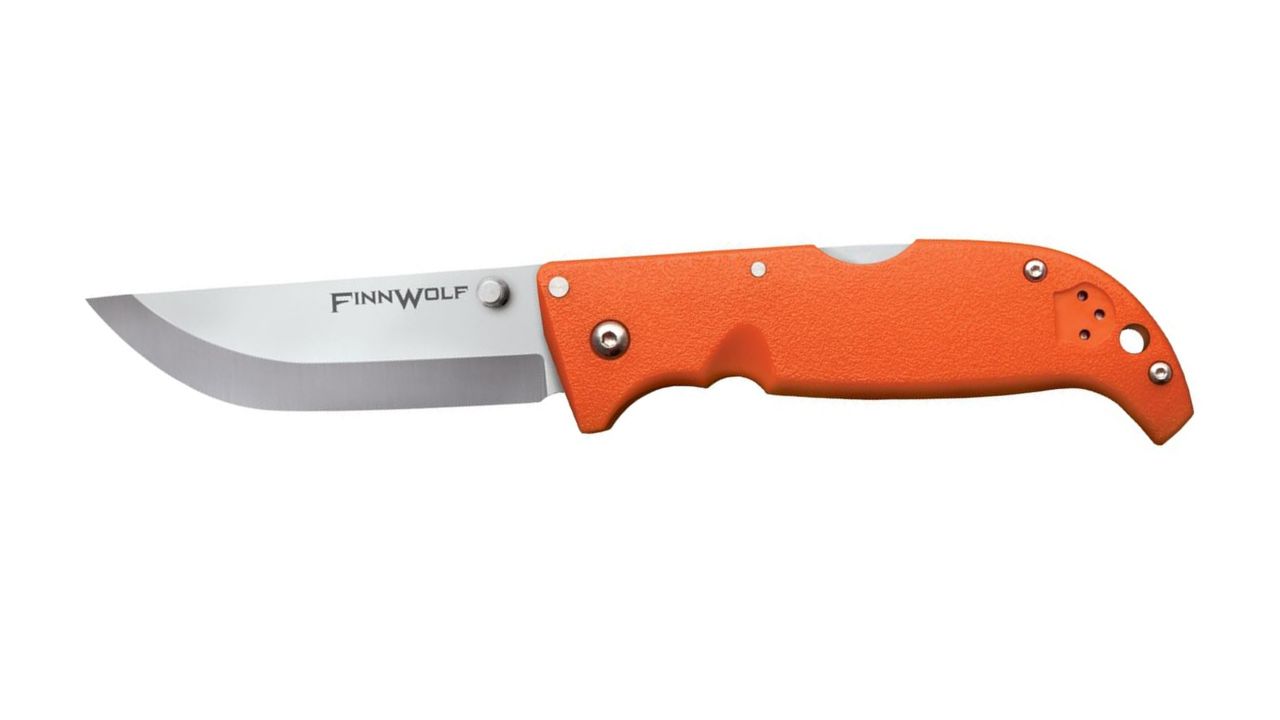
The Finn Wolf gets bought by hunters who want a tough folder with a comfortable grip and a working-man price. It feels solid, it’s easy to find, and it looks like it should handle rough use without complaint.
On a deer, the grind and blade shape can be the stumbling block. That style of edge can wedge and drag when you’re trying to skin cleanly, especially if you’re used to a thinner hunting grind. You may find yourself forcing the knife instead of letting it slice. As with any folder, cleanup after game work is another annoyance that hits you after the first animal—hair and grit in the pivot changes how it feels fast. It’s durable, but it can disappoint hunters who expected “tough” to automatically mean “great at processing.”
Kershaw Deschutes Skinner
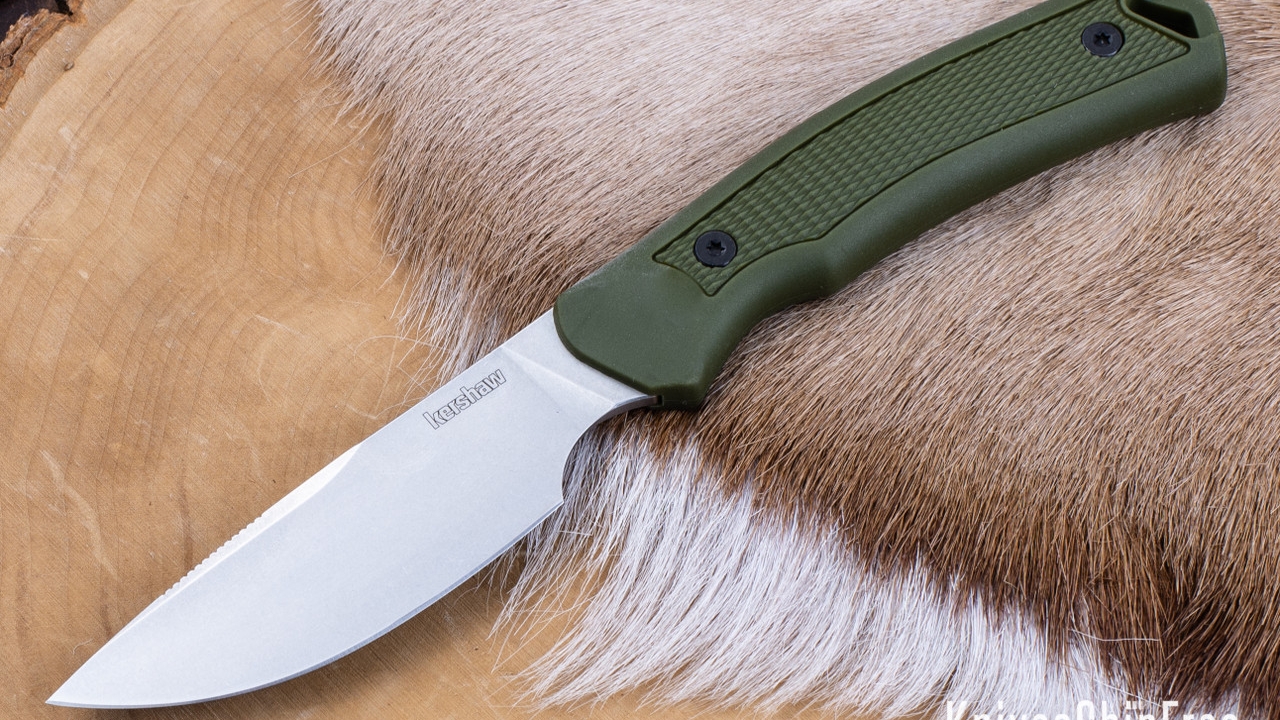
The Deschutes Skinner is a common budget fixed blade that looks like a dedicated hunting knife and often feels good in the hand. It’s a frequent pick for guys who want something affordable that still looks and feels more modern than old-school bargain blades.
The first-animal disappointment tends to be edge life and how the knife feels once it’s slick. If you’re expecting to skin and quarter a deer with minimal touch-up, you may be surprised by how quickly it starts losing bite in hide and connective tissue. The handle can also feel a little too smooth once it’s coated, which makes you squeeze harder and work slower. It’s capable, but it can leave you wishing you’d spent a little more for steel and grip texture that stay consistent through a full, messy job.
SOG Field Pup II

The Field Pup II is a classic “starter fixed blade” because it’s compact, affordable, and it carries easily on a belt. It’s also comfortable enough in the hand that a lot of hunters trust it before they’ve really tested it.
Then the first animal happens, and the short blade starts to feel limiting. You can do the work, but you may find yourself making extra cuts and changing angles more than you’d like, especially when skinning or reaching into tight spaces. Edge retention can also be a sore spot for buyers who expected a full deer without frequent touch-ups. The sheath and handle are serviceable, but they’re built to a price, and you notice that when everything’s wet and you’re trying to stow the knife safely and move on. It’s handy, but it can disappoint as a one-knife solution.
Like The Avid Outdoorsman’s content? Be sure to follow us.
Here’s more from us: