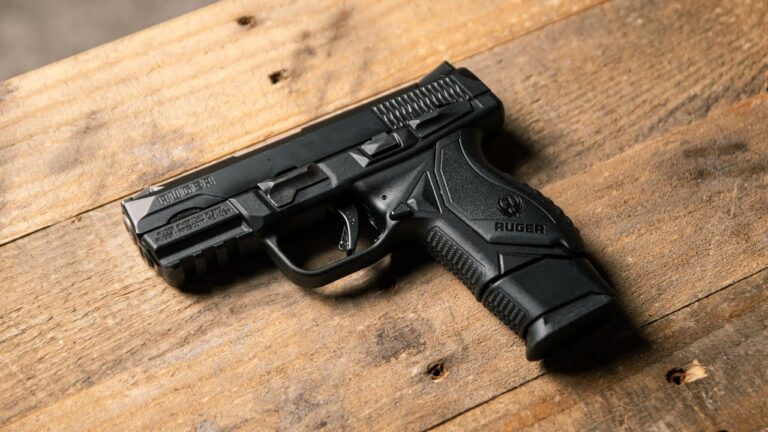
Photo credit: Poe Outdoors/YouTube
Some pistols are built to live in a duty holster, get dragged through dust and sweat, and still go bang every time. Others are tuned like race cars and start acting weird the second you skip a cleaning. The difference isn’t magic—it’s design, tolerances, and how much margin the gun has when it’s full of soot, lint, and cheap ammo.
Here are the pistols that have a real track record of running dirty, and a look at why some “clean” guns choke when you treat them the same way.
Glock 19

The Glock 19 is the textbook “runs dirty” pistol. You’ve got generous slide-to-frame clearances, a simple Browning-style tilting barrel, a big ejection port, and mags that feed reliably even when they’ve seen some abuse. Glock itself advertises torture testing in mud, sand, and extreme temperatures, and independent tests have pushed a single G19 to 30,000 rounds without a cleaning while staying functional.
That’s not because it self-cleans. It’s because the design has room for fouling, grit, and carbon before anything binds. When you add in durable finishes and very few small, fragile parts, you end up with a pistol that tolerates real-world neglect better than most of its competition.
Glock 17 and 45
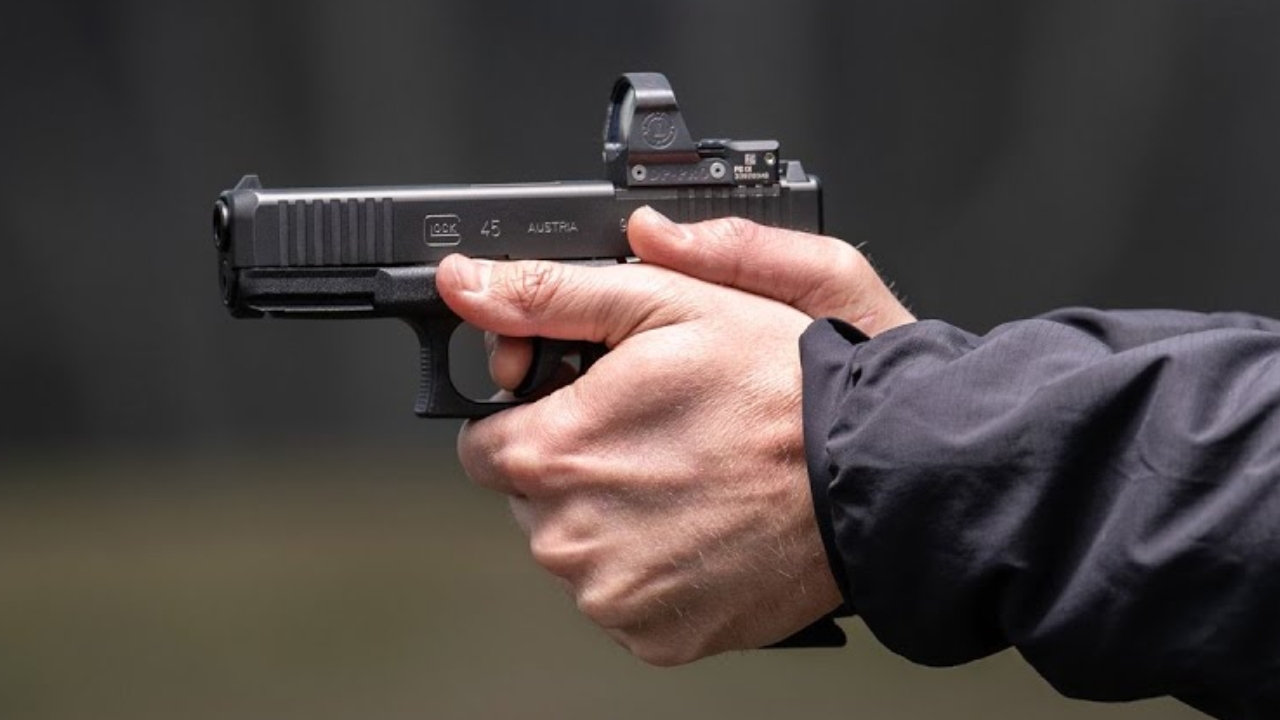
The full-size 9mm Glocks earned their reputation in police holsters and military trials. Same core design as the 19, just more sight radius, grip, and weight. Agencies like them because they stay reliable with mixed training ammo, bad weather, and patchy maintenance routines. People who shoot high round counts for classes and matches report boring reliability with minimal cleaning as long as they keep them lubricated.
They’ll eventually hiccup if you pack the slide full of clay or fine sand, but that’s true for almost anything. The point is, you don’t have to baby them. They keep cycling with carbon in the action, carry lint in the striker channel, and cheap brass in the mags—exactly what you want in a gun that’s going to live on your hip every day.
Beretta 92 / M9

The Beretta 92 has been dragged through more mud, dust, and bad lube decisions than almost any 9mm on earth. In the XM9 and XM10 trials, Beretta’s entry passed U.S. military accuracy, endurance, and environmental testing and beat or tied SIG in multiple reliability rounds.
The big open-top slide, long recoil spring, and well-ramped chamber help it keep feeding even when it’s filthy. The open design doesn’t magically keep dirt out, but it does let debris get out of the way instead of staying trapped between the slide and frame. As long as mags are decent and you use modern springs, the gun will usually keep chugging along long after it “looks” too dirty.
SIG P320 / M17 / M18

Whatever you think about the lawsuits, the military-spec M17/M18 variants had to survive brutal reliability testing to win the Modular Handgun System contract. SIG describes M18 lot-acceptance pistols running 12,000 rounds each in the Army’s material reliability test with zero stoppages, far above the older 5,000-round standard.
That kind of endurance doesn’t happen if the gun only works when it’s spotless. The P320 design uses robust rails on the removable fire-control unit, strong magazine springs, and a fairly loose-enough slide fit so it can keep cycling when carbon, unburned powder, and pocket fuzz have had time to settle in.
SIG P226

The P226 earned its reputation the hard way: decades as a duty gun with agencies and the Navy SEALs. It’s a full-size hammer-fired pistol with enough mass and slide travel to power through crud, and it was originally built around mil-spec 9mm and rough handling. Reviews of the MK25 (SEAL variant) emphasize long-term reliability and durability in nasty conditions, including saltwater exposure.
You get lots of bearing surface, yes, but also robust springs, a generous ejection port, and mags tuned for duty ammo. It’s not as forgiving of zero lube as a Glock, but as long as you don’t run it bone-dry, it’ll keep cycling when the rails look like they’ve been dunked in soot.
HK USP

The USP was overbuilt from day one. HK’s own literature and modern reviews point out that it passed tough German and NATO durability trials, including mud, sand, extreme temperatures, and 20,000+ rounds of high-pressure ammunition.
Mechanically, it helps that the slide has relatively little frame contact, the firing pin channel is well protected, the slide is heavy, and the feed ramp is generous. All that means less chance of grit locking the gun up and more inertia to push through fouling. If you keep even a token amount of lube on it, the USP is one of those pistols that shrugs off “dirty” as long as the mags aren’t trashed.
Smith & Wesson M&P9 2.0
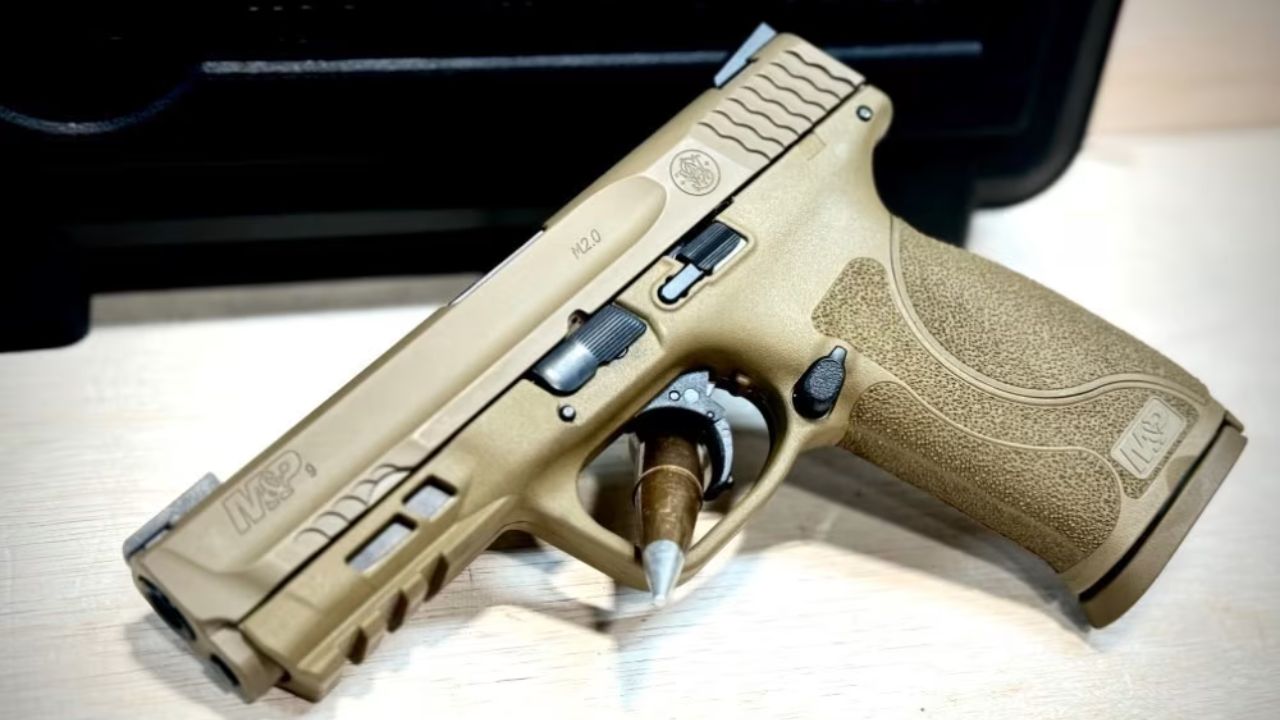
The M&P line doesn’t get the same internet hype as some others, but that’s almost the point. Cops and shooters who live with the M&P9 describe it as “boring” in a good way—guns that run, all the time, across thousands of rounds with little drama. Forum chatter even compares their real-world reliability directly to Glock.
The 2.0 update added better grip texture and small refinements without breaking the recipe: polymer frame, steel chassis, simple striker system, and mags that feed everything from cheap 115-grain practice ammo to heavier duty loads. They’ll still appreciate cleaning, but they don’t suddenly fall apart if you forget to scrub every nook after each range trip.
Walther PDP

Walther’s PDP made its name on ergonomics and optics readiness, but it also earned a reputation for running hard. Long-term reviews talk about several thousand rounds with no meaningful stoppages and describe the pistol as “rock-solid reliable” for duty and carry roles.
What helps is that under the modern styling it’s still a conventional, well-sprung, striker-fired 9mm with good mags and plenty of slide mass. The generous serrations, easy-to-grab slide, and controllable recoil make it easier to manage when your hands are sweaty or muddy, which matters when the gun’s already dirty and you’re trying not to short-stroke anything.
CZ P-10 series
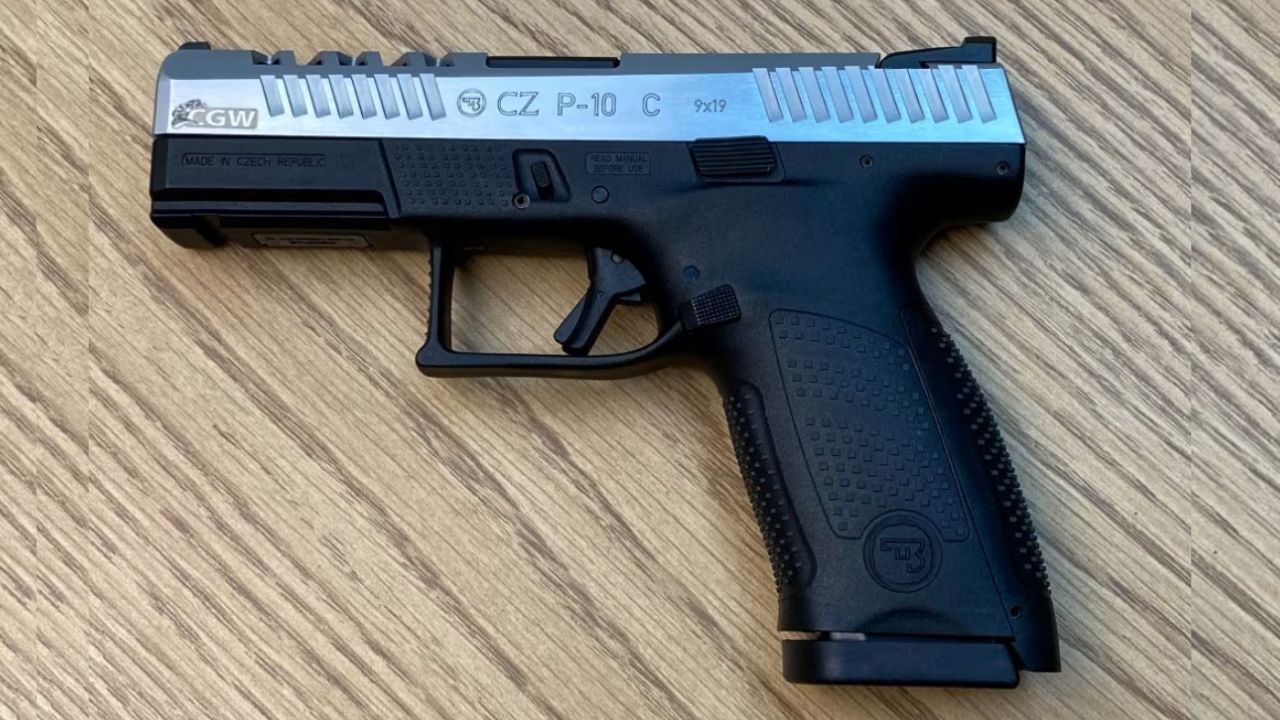
The CZ P-10C and its bigger siblings show up in a lot of “high round count” posts for a reason. Owners routinely report thousands of rounds, mixed ammo, minimal cleaning, and no real reliability issues. Some long-term reviews talk about 1,500–5,000 rounds with no stoppages, and the Czech army now issues the full-size P-10F as a service pistol.
Inside, it’s a pretty straightforward striker gun with a decent amount of clearance where it matters and mags that feed aggressively. It’s not magic—bad mags or no lube can still bite you—but the design has enough slack that carbon, pocket lint, and unburned powder don’t instantly turn into malfunctions.
CZ 75

The CZ 75 was built as a military service pistol first, range toy second. That shows up in how people talk about it: “scary reliable,” “feeds garbage ammo,” and “used by professional forces all over the world” aren’t marketing lines, they’re user comments and historical fact.
All-steel construction, full-length rails, and a tilting barrel system give you a heavy, stable gun that keeps going in less-than-ideal conditions. Yes, it likes lube, but it doesn’t demand constant pampering to run. Plenty of police and military units ran them for years in conditions where guns get sweaty, dusty, and neglected—and the platform earned its reputation by not quitting.
FN 509

FN put the 509 through development testing that, by their own account, exceeded the XM17 military pistol protocols and stacked up over a million rounds during design. Independent reviews and FN’s law-enforcement marketing both lean hard on that reliability story, and the LAPD selected a 509 variant after its own trials.
Design-wise, the 509 uses polished feed ramps, generous chamber geometry, and strong extractor and mag springs to keep feeding even when the gun is dusty or under-lubed. It’s meant to work with a wide range of duty and training ammo, not just one pet load. That’s exactly what you want when a pistol is going to ride in a holster day after day without a full teardown.
Canik TP9 series
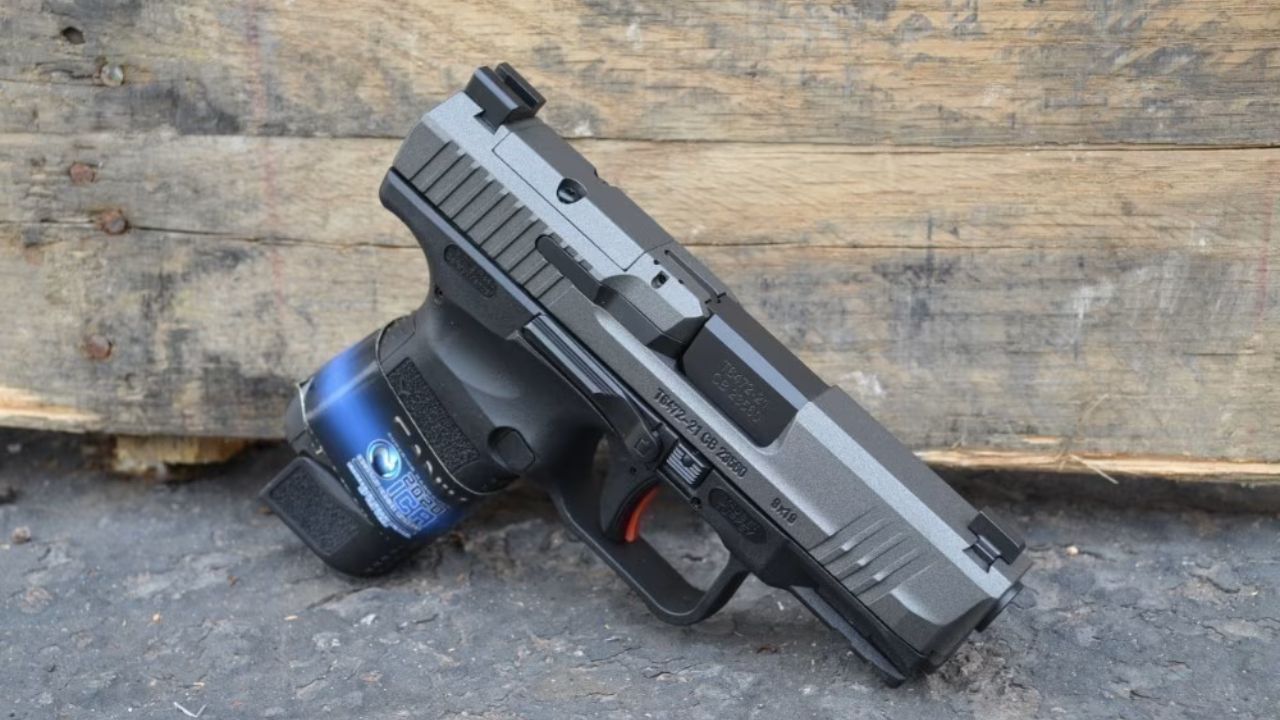
Canik pistols started out as “cheap alternatives,” but their track record has pushed them into serious use. Reviews and manufacturer writeups cite thousand-round endurance tests and competition use without reliability drama, and user threads talk about them being tuned around hotter 124-grain NATO-spec ammo.
They’re still striker-fired 9mms at heart, with decent mags and plenty of slide mass. Sprung around full-power loads, they tend to run best when you feed them real ammo and keep a bit of lube in the right places. They’re not immune to dirt, but they’ve proven they can live through the same “shoot a lot, clean occasionally” lifestyle as duty guns that cost significantly more.
Ruger P89

The old Ruger P89 and its relatives are nobody’s idea of sleek, but they’ve earned a reputation as “canned ham” duty guns that keep working when nicer pistols are back on the bench. Multiple reviews call them durable, full-size workhorses built for reliability first and refinement a distant second.
The tradeoff is weight and bulk, but that extra meat and the chunky slide rails help them keep cycling when they’re dirty, under-lubed, or getting fed questionable range ammo. They’re not immune to lemons, but as a family they’re known more for shrugging off abuse than for needing constant attention.
Browning Hi-Power

The Hi-Power spent decades as a military sidearm all over the world, racking up war-time and service use that demanded reliability in mud, dust, and neglect. Historical overviews describe it as robust, reliable, and easy to field strip—three reasons it stuck around in arsenals for so long.
It’s still a mechanical design from another era, so springs and small parts matter, but the underlying pistol was meant to function for soldiers who weren’t cleaning them like competition guns. Modern clones and reissues keep that DNA: full-size steel, generous slide travel, and a track record that says it’ll keep running long after the finish looks rough.
Why some “clean” 1911s and race guns don’t like being filthy

On the flip side, a lot of high-end 1911s and 2011-style competition guns are built with very tight tolerances for accuracy. That’s great when everything is clean and wet with lube; it’s not great when dust, carbon, and unburned powder start building up. Gunsmiths and industry writeups point out that close slide-to-frame fits, snug barrel bushings, and large friction surfaces can cause dragging or galling once things get dirty or run dry.
Those pistols aren’t “bad,” they’re just tuned differently. They give you incredible precision and a great trigger in exchange for needing more maintenance and smarter lube. Treat them like a duty Glock—never clean, almost no oil, carried in dusty environments—and they’ll start doing the exact opposite of the guns above: they look great in the safe, but they’re not the ones you want when your life depends on a filthy gun still running.
Like The Avid Outdoorsman’s content? Subscribe to our newsletter so you never miss an article.
Here’s more from us: