

Photo credit: Oleg Volk/YouTube
In the Old West, a gun wasn’t a prop. It was a tool that decided whether you walked away, whether the posse backed off, and whether a robbery went clean or turned into a disaster. That’s why certain models keep showing up around the most infamous outlaw names. Not because they were fancy, but because they were available, repairable, and familiar in the hand when everything went sideways.
A lot of “outlaw guns” get dressed up by movies, but the real story is usually more practical. These were the rifles and handguns that fit the time, the terrain, and the work. If you want to understand why legends formed around them, look at what a hard-moving criminal could actually carry, feed, and trust when the dust started flying.
Colt 1860 Army tied to Jesse James

For the years when Jesse James was making his name, cap-and-ball Colts like the 1860 Army were everywhere for a reason. They pointed naturally, carried six, and a man who practiced could run one fast enough to matter. You didn’t need a boutique holster or a gunsmith on retainer. You needed a revolver you understood.
The 1860 also fit the reality of that era. Ammunition logistics were different, and you saw plenty of men carrying spare cylinders, caps, and paper cartridges, plus a second handgun if they could swing it. It’s not glamorous, but it’s honest. When people talk about outlaw firepower in that window of time, the 1860 Army is part of the conversation.
Winchester 1873 tied to Billy the Kid
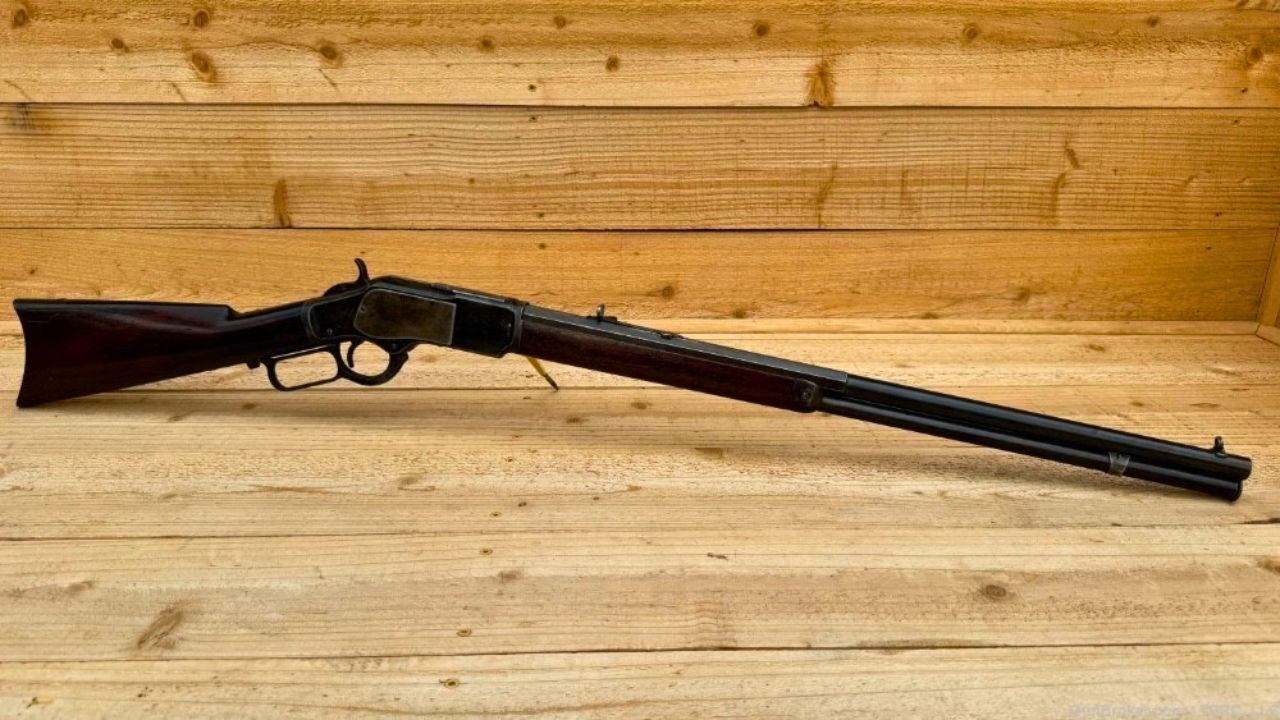
If you picture the classic Old West lever gun, you’re probably picturing a Winchester 1873, and Billy the Kid is one of the names most often linked to that image. The ’73 made sense for a young outlaw on the move because it carried plenty of rounds, cycled fast, and hit hard enough for the distances most fights actually happened.
What makes it legendary is how practical it was. In a dusty town or out in rough country, a lever gun gave you speed and control that a single-shot couldn’t touch. You could keep it at the ready without fumbling, and you didn’t need a wagonload of gear to keep it running. It became the rifle people expected to see when trouble walked in.
Winchester 1894 tied to Butch Cassidy
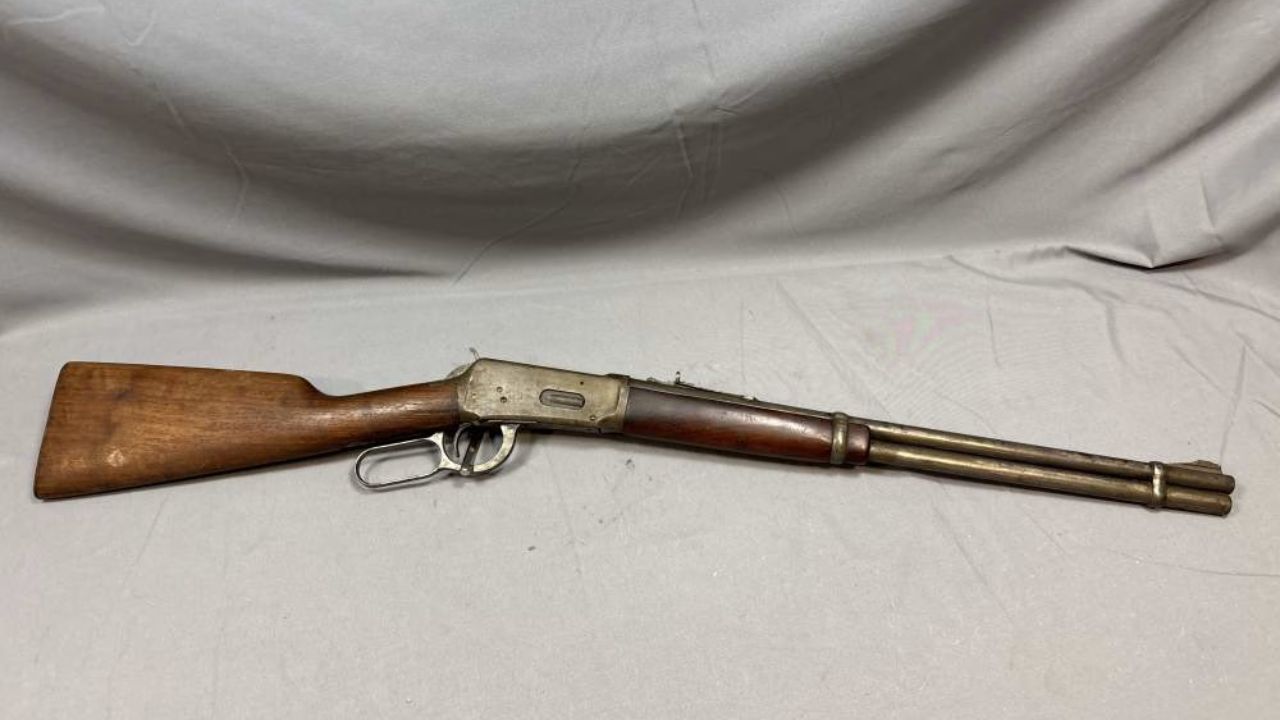
By the time Butch Cassidy was operating, the West was changing. Railroads, better law enforcement, and longer sight lines around open country pushed outlaws toward rifles that carried well and offered more reach. The Winchester 1894 fits that late frontier period, especially as smokeless loads started becoming part of the landscape.
The “legend” part isn’t that it was exotic. It’s that it was the kind of rifle you could live with. It carried easily on horseback, came to the shoulder fast, and gave you repeat shots without the slow rhythm of single-shots. If you’re trying to stay ahead of posses and still look like a regular traveler at a glance, that matters. The 1894’s profile blends in, right up until it doesn’t.
Colt Single Action Army tied to John Wesley Hardin

When you talk about gunfighters and outlaws, the Colt Single Action Army is always nearby, and John Wesley Hardin is one of the names tied to that era of hard men and close violence. The SAA became the revolver people trusted because it was durable, straightforward, and consistent when you did your part.
It also matched the way fights actually unfolded. You weren’t “spraying.” You were trying to land hits fast in bad light, often with one hand, often while moving. A single-action revolver rewards familiarity, and the men who lived with one daily could run it with scary efficiency. The Colt’s shape, balance, and reliability made it the sidearm that defined the period, and it still feels like the West in your hand.
Double-barrel coach gun tied to Black Bart
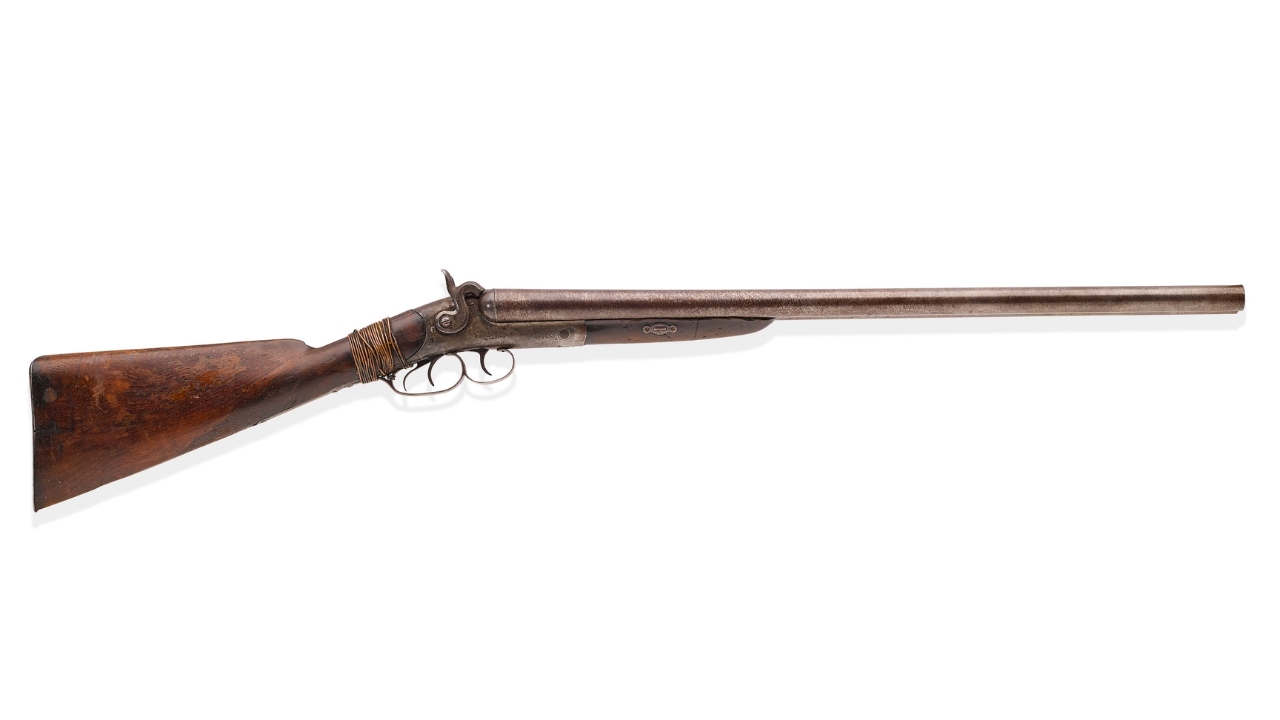
Stagecoach robbery is the kind of crime that sounds romantic until you picture the reality. You’re close, you’re exposed, and you need instant compliance. That’s why the double-barrel shotgun became the tool most associated with robbers like Black Bart. A shotgun didn’t require perfect aim, and it communicated danger in a way a handgun sometimes didn’t.
What made it effective was how direct it was. In tight quarters, two quick blasts were more persuasive than any speech, and the sight of twin muzzles did a lot of work before a trigger was ever pressed. It wasn’t elegant, but it was efficient for that specific job. When people tell stagecoach stories, the “coach gun” shows up because it fit the crime better than almost anything else.
Remington 1875 tied to Sam Bass
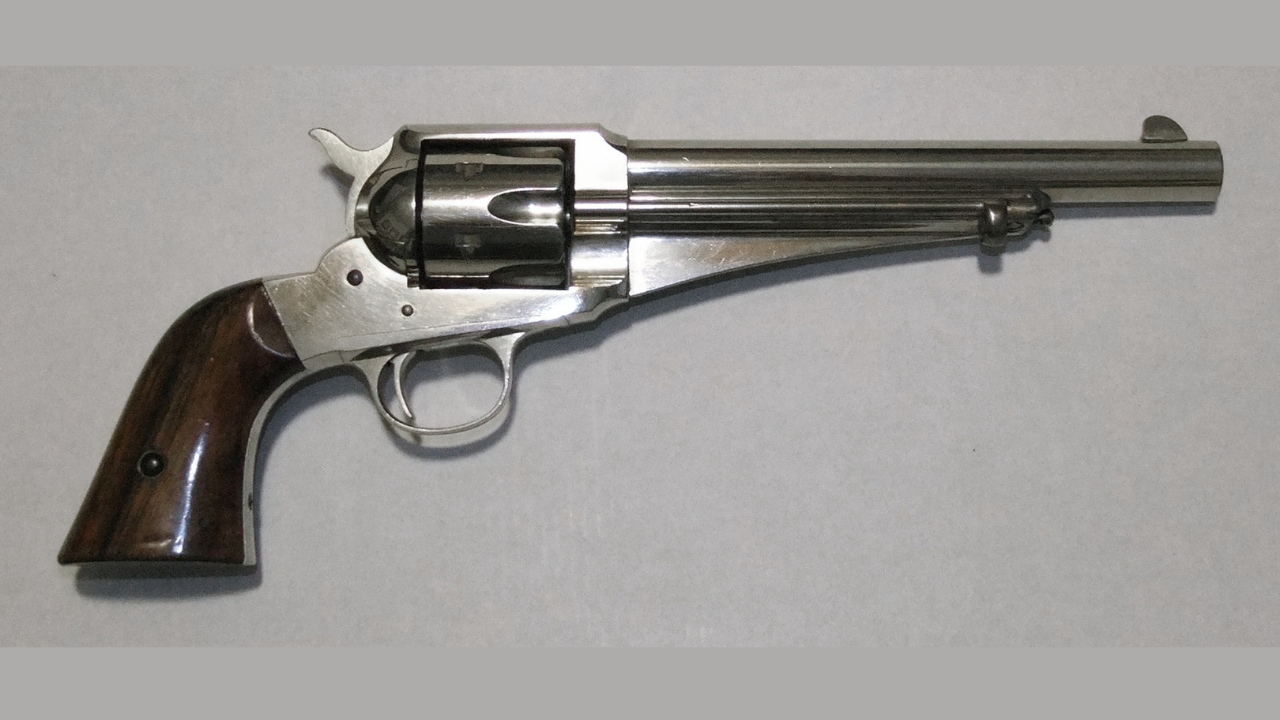
There’s a reason you still see the Remington 1875 in Old West conversations. It carried the rugged feel of Remington’s earlier percussion revolvers into the cartridge era, and it had a reputation for being solid in hard use. That kind of dependability matters when you’re living like Sam Bass, moving fast, and counting on your gun to work when your plan falls apart.
The 1875 also fits the period where older guns and newer guns overlapped. In that window, you saw men carrying whatever they could get, whatever they could afford, and whatever they trusted. Remington’s design had a “keeps going” character that appealed to people who didn’t baby equipment. When you read accounts of robberies and pursuits from that time, you keep running into revolvers that were chosen for function first.
Winchester 1876 tied to Cole Younger
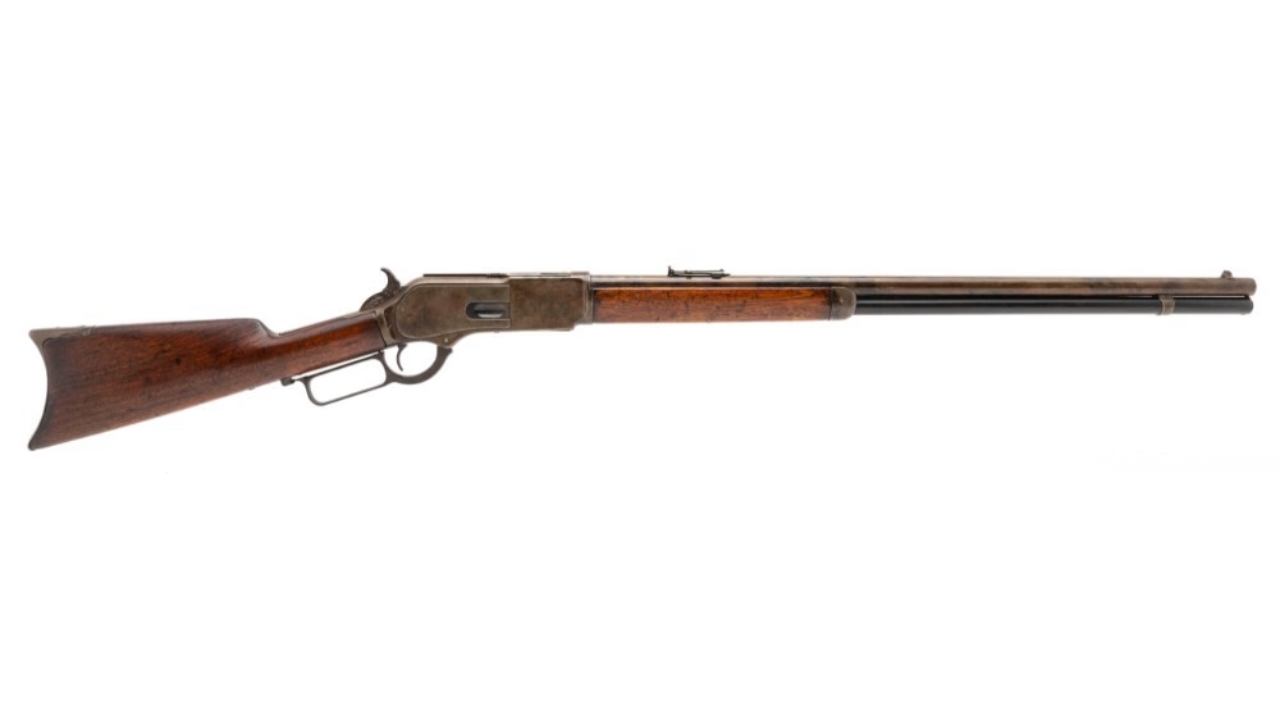
If you want a lever gun with more authority than the pistol-caliber carbines, the Winchester 1876 is one of the classic answers. It was built for bigger cartridges and bigger country, and it fits the era when men like Cole Younger were operating in a West that wasn’t always point-blank.
The ’76 became a symbol because it represented capability. It gave you faster follow-up shots than many single-shots, and it offered enough power for rougher work. It wasn’t the cheapest rifle on the rack, but outlaws weren’t shopping for comfort. They were shopping for advantage. A rifle that hit harder and still cycled quickly was a real asset when you might need to shoot from horseback, across a street, or from cover while making an exit.
Colt 1877 “Lightning” tied to Frank James
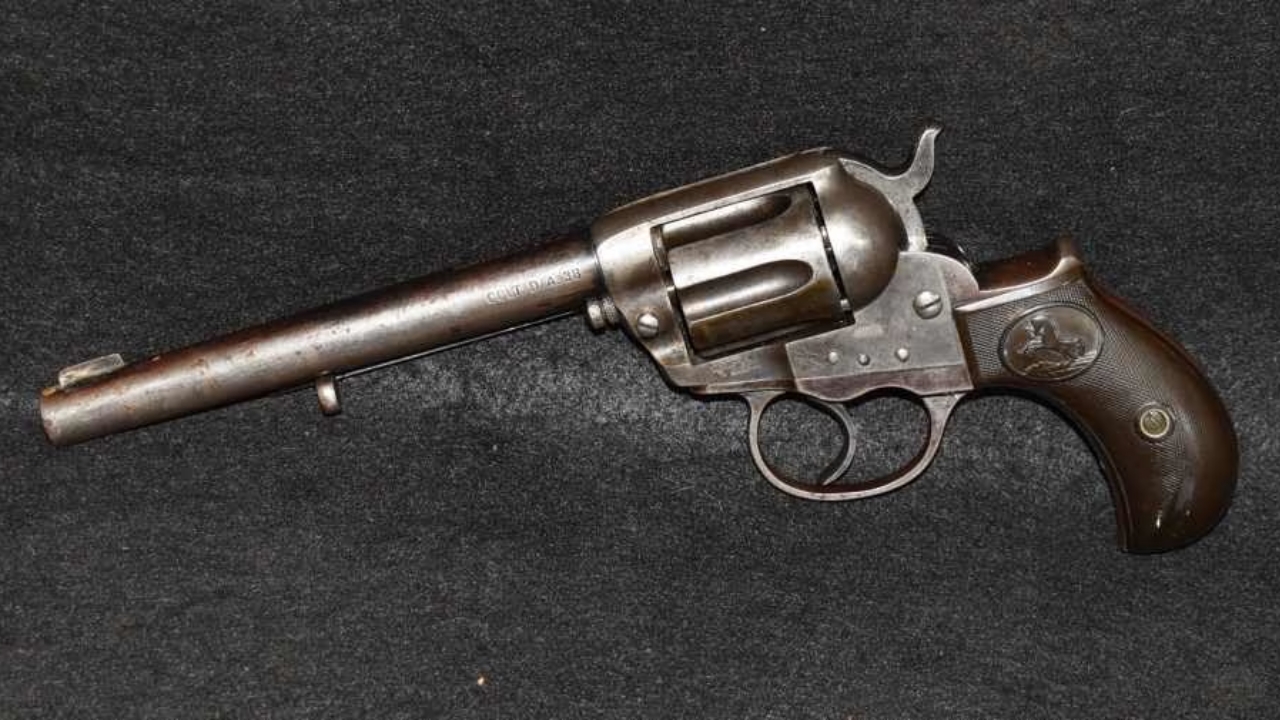
The Colt 1877 sits in that interesting transition where people started embracing double-action revolvers for speed under stress. It wasn’t as tank-like as some later designs, but it offered a faster first shot and quicker repeat shots without thumbing a hammer every time. For a man like Frank James living through the shift from percussion to cartridges to early double-actions, that kind of evolution matters.
What makes the Lightning “legendary” is that it represents a real change in how handguns were used. It was built for people who expected trouble and wanted a revolver that could be run hard at close range. In the outlaw world, speed and surprise were everything. The 1877’s reputation grew because it was aimed at that exact mindset, even if it demanded more care than simpler single-actions.
Smith & Wesson Model 3 tied to Belle Starr
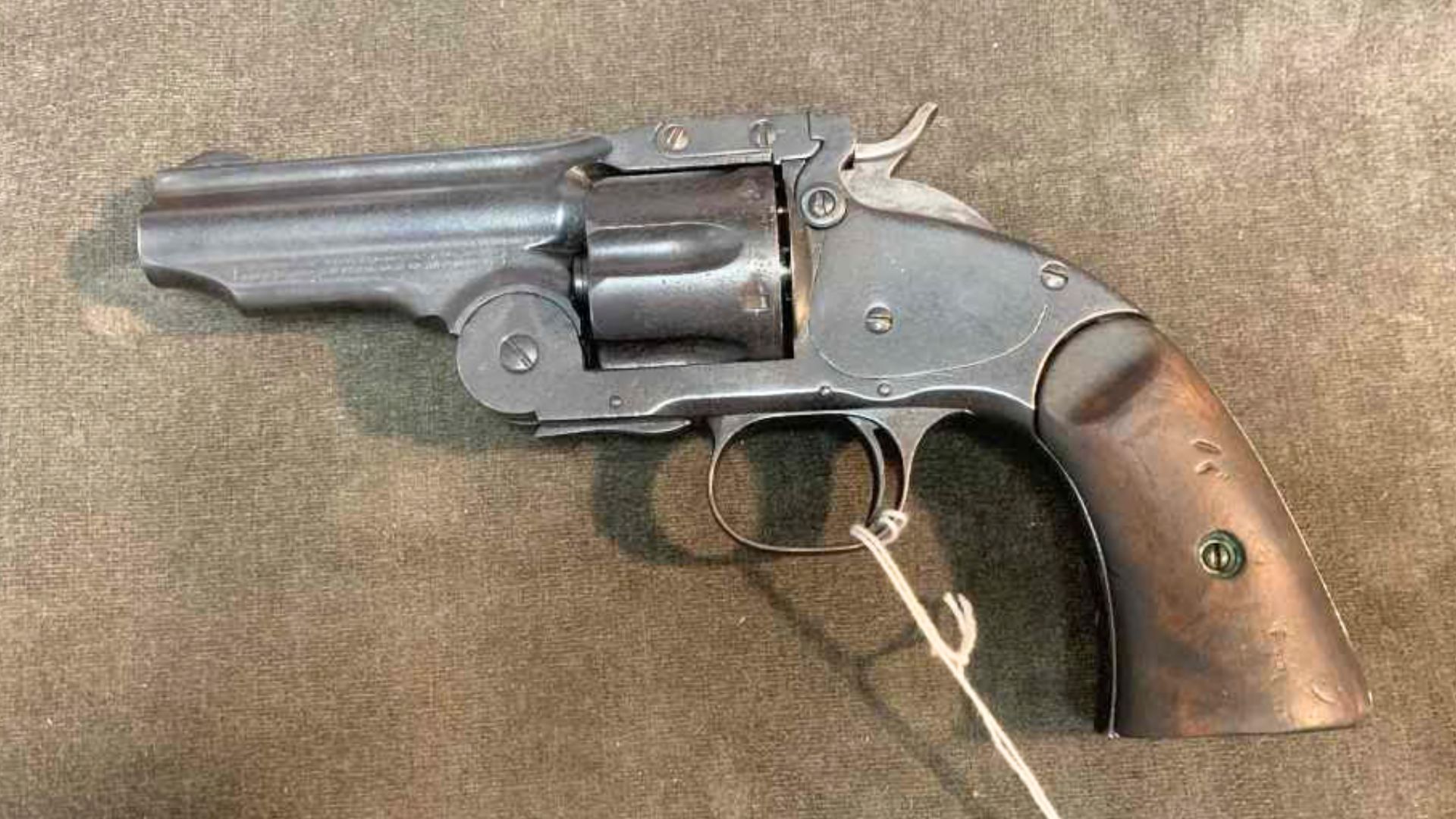
The Smith & Wesson Model 3 family earned its place because it was fast to reload for the time. A top-break revolver with an automatic ejection system changed the pace of a gunfight, and that mattered in a world where many people still carried single-actions and percussion guns. It’s a style of revolver often tied to larger-than-life outlaw names like Belle Starr because it looks modern compared to what came before.
The practical side is even more interesting than the look. When you can crack a revolver open, dump empties, and feed it again without the slow routine of individual extraction, you gain options. You can disengage and move with more confidence. You can stay in the fight if you have to. The Model 3 became a marker of the cartridge era maturing, and outlaws noticed.
Spencer carbine tied to Bob Dalton

The Spencer is one of those guns that feels like a bridge between worlds. It brought repeating firepower into a landscape that still had plenty of muzzleloaders and single-shots floating around, and even later, Spencers stayed in circulation because working guns don’t vanish overnight. That’s why a carbine like this can be credibly linked to the broader outlaw period that men like Bob Dalton lived in.
A short repeating carbine makes sense for riders and raiders. It’s quick to shoulder, handy in tight spaces, and gives you multiple shots before you need to reload. You’re not looking for benchrest accuracy. You’re looking for fast, reliable hits inside the ranges where most chaos happens. The Spencer’s legend comes from that feel of early “high capacity” firepower, which is exactly what terrified people about outlaws in the first place.
Winchester 1892 tied to Emmett Dalton
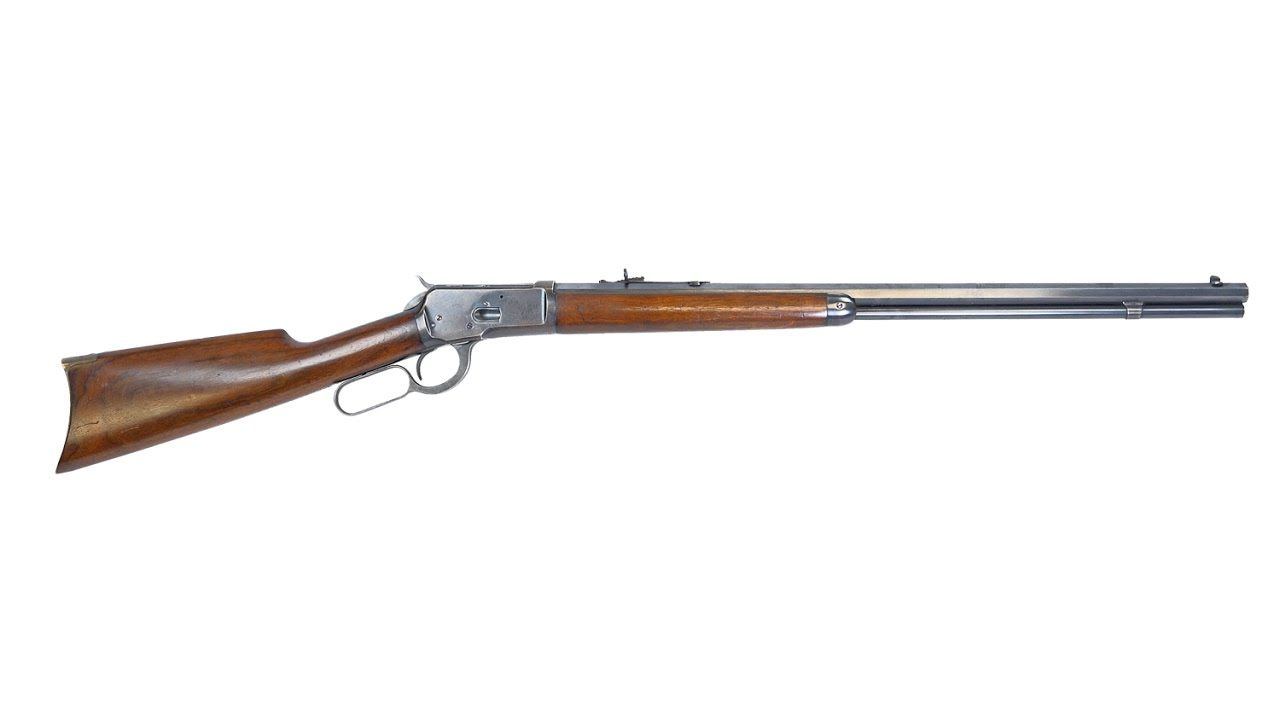
The Winchester 1892 is one of the slickest handling lever guns of the period, and it’s easy to see why it shows up in stories tied to outlaw crews and pursuit gunfights. By the time Emmett Dalton was active, lever guns were common, and a rifle that balanced well and cycled smoothly was a real advantage for anyone moving fast and shooting under pressure.
The ’92 also fit a practical role. In pistol calibers, it offered quick follow-ups and manageable recoil, and it carried comfortably on horseback or on foot. It wasn’t a specialty piece. It was a working rifle that could be fed with widely available ammo in many towns. When a gun is common, dependable, and easy to run, it becomes part of the era’s DNA. That’s how tools turn into legends.
Colt 1892 revolver tied to Sundance Kid
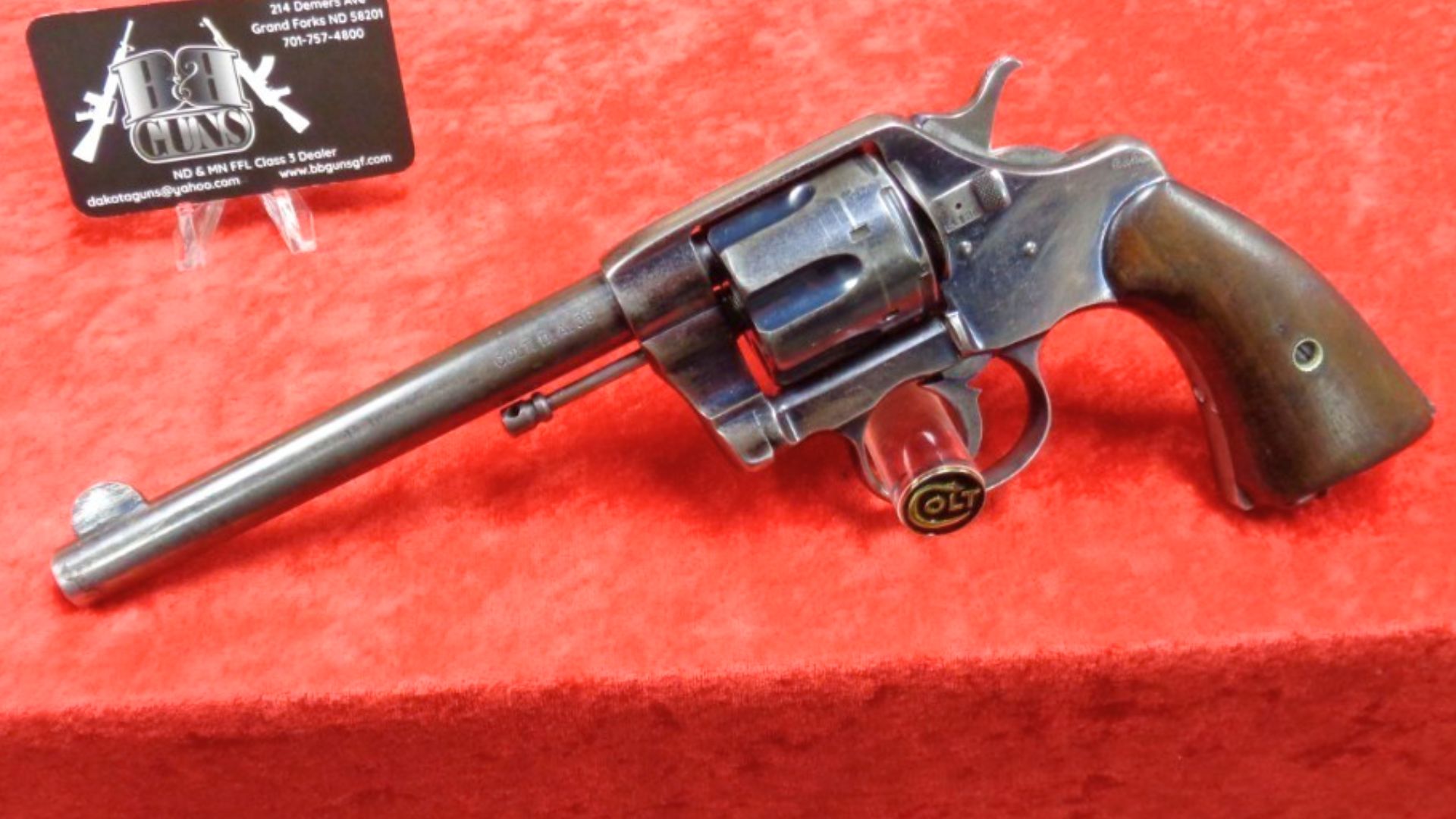
As the West pushed toward the turn of the century, double-action revolvers started becoming a serious part of the picture. The Colt Model 1892 represents that shift, and it’s the type of revolver that fits the time and tactics of men like Sundance Kid, where speed, reload rhythm, and handling mattered in fast-moving trouble.
A double-action revolver wasn’t magic, but it changed how you could fight. You could fire accurately without the deliberate thumb-cock routine, and that mattered when you were shooting while moving, shooting one-handed, or shooting from awkward cover. It also fit the reality that not every gunfight was a theatrical duel. A lot of it was sudden and messy. The Colt 1892 family sits right in that transitional sweet spot where the Old West starts looking more modern.
Remington 1858 tied to Cherokee Bill

The Remington 1858 is one of the most durable percussion revolvers ever carried in America, and it stayed in use long after newer cartridge guns appeared. That overlap matters for outlaw history, because not every criminal had the newest hardware, and not every town had the same supply chain. A revolver like this fits the era around Cherokee Bill where older designs still had plenty of life left.
What made the 1858 stand out was its strength and straightforward maintenance. It handled hard use, and it could be kept running with basic parts and basic knowledge. You also saw people converting them to cartridge later on, which extended their working life even further. The legend here isn’t that it was glamorous. It’s that it was tough, common enough to find, and reliable enough to trust when you couldn’t afford surprises.
Colt 1851 Navy tied to Henry Starr
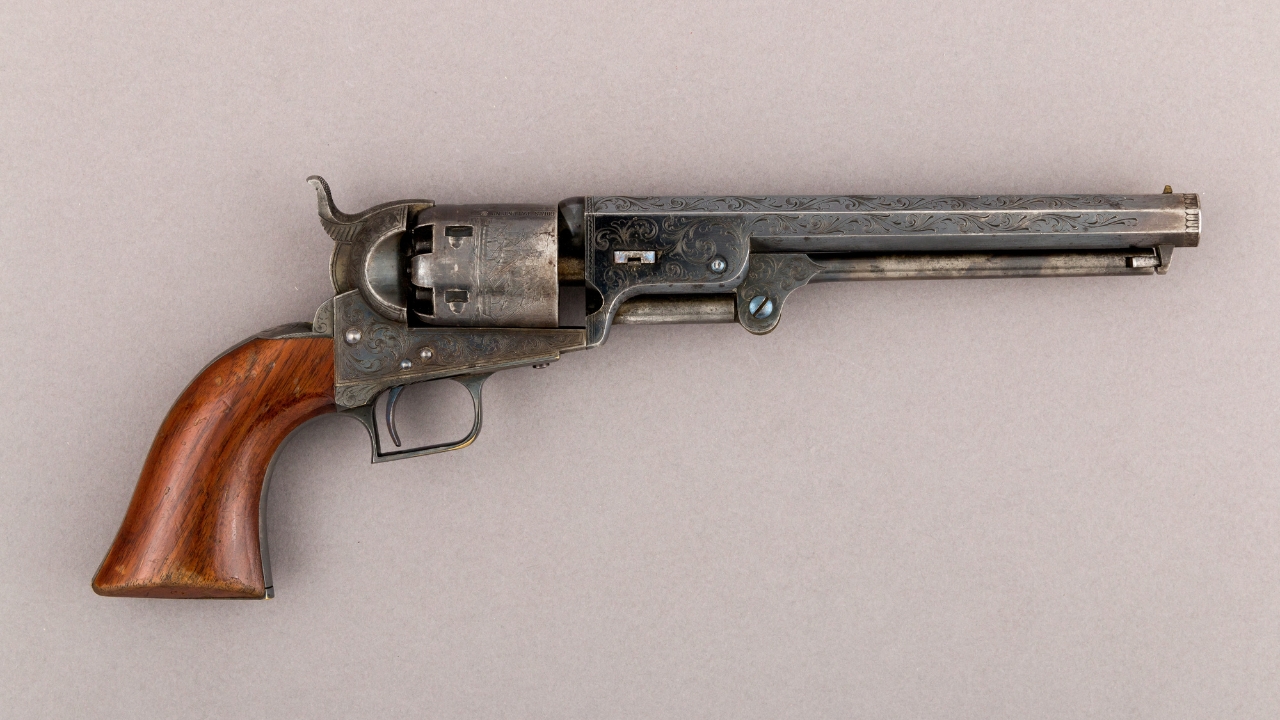
The Colt 1851 Navy is one of the most carried handguns of the 19th century, and its long shadow is part of why the West has the gun culture it does. Even as cartridge revolvers took over, older cap-and-ball guns stayed in circulation for years, especially in rough country where people used what they had. That lingering presence helps explain why a classic like this can be discussed in the broader outlaw arc that touched men like Henry Starr.
The 1851’s appeal was balance and familiarity. It points well, it shoots predictably, and it rewarded steady hands. In a time when training meant what you did on your own, a revolver you could control mattered. The Navy became “legendary” because so many people carried it, practiced with it, and trusted it long enough to pass it down through stories.
Winchester 1886 tied to Kid Curry
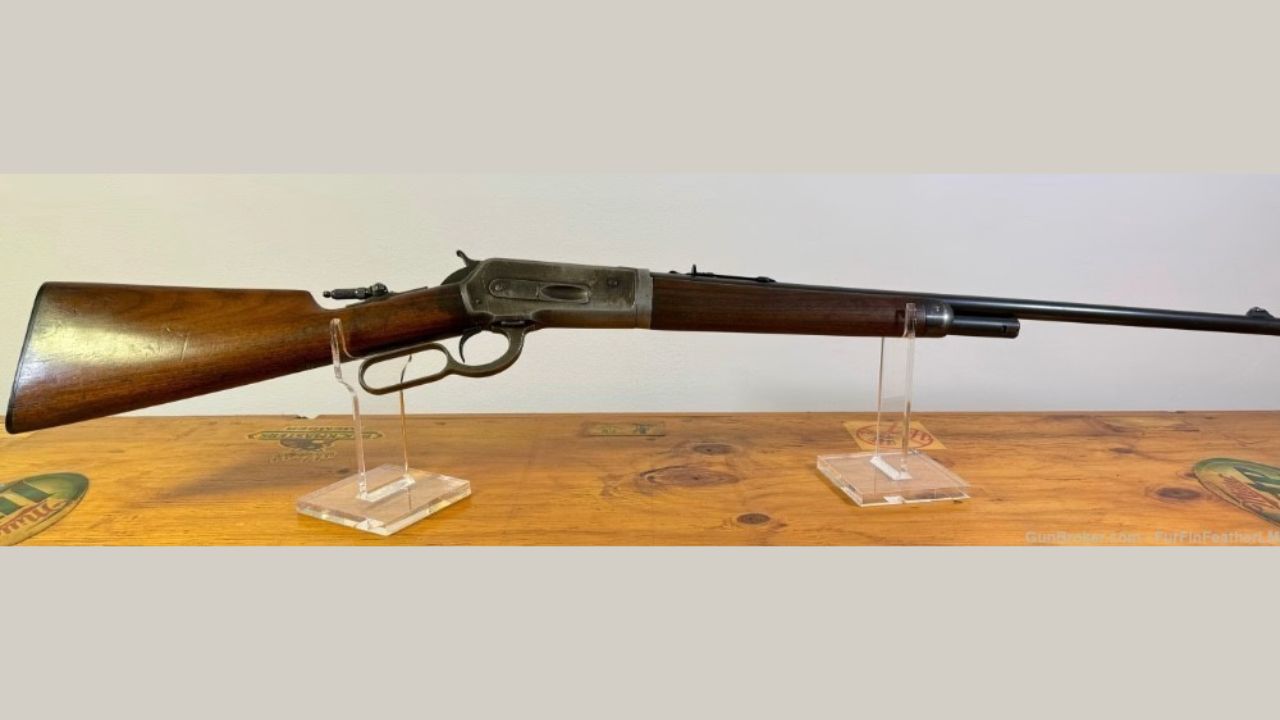
When you think about outlaws riding hard and shooting from cover, it’s easy to imagine a rifle that hits harder than the classic pistol-caliber levers. The Winchester 1886 sits right there. It was designed to handle bigger cartridges, and it gave you repeating-rifle speed with more authority on target. That kind of capability is why heavy-hitting lever guns get tied to late frontier outlaw names like Kid Curry.
The appeal is straightforward. If you’re trying to stop a pursuit, punch through intermediate cover, or make a fight feel one-sided, you want power without losing rate of fire. The 1886 delivered that in a package that still handled like a lever gun. You could run it fast, carry it on horseback, and trust it in rough weather. That’s the recipe for a firearm becoming more than a tool in the stories people tell.
Like The Avid Outdoorsman’s content? Subscribe to our newsletter so you never miss an article.
Here’s more from us:


