Photo credit: Dmitri T/Shutterstock.com
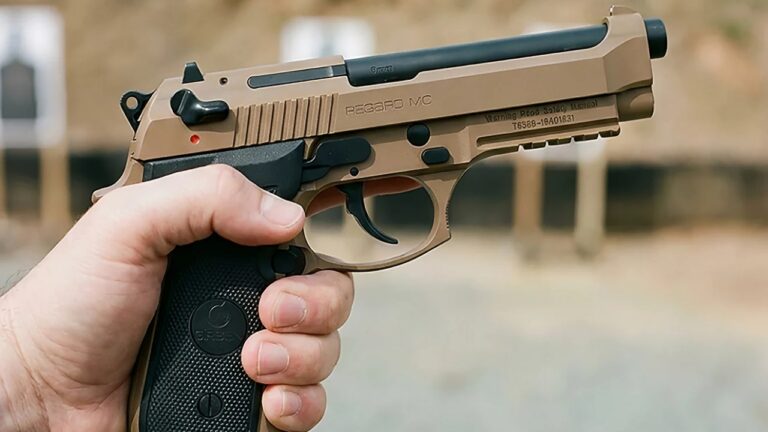
Low-light shooting exposes bad sight setups faster than anything else, and the one that keeps hurting people is rear sights that are too bright or busy combined with a weak or similar-looking front sight. It sounds minor until the light drops, stress kicks in, and suddenly your eye doesn’t know what to focus on. Instead of snapping to the front sight, your vision bounces between glowing rear dots, ambient reflections, and whatever vague shape the front sight becomes in shadow. That hesitation costs time, and in a defensive moment, time is everything. The whole point of a sight system is to guide your eye to the correct focal point immediately. If your setup makes you hunt for the front sight instead of finding it instantly, it’s working against you when visibility matters most.
A lot of shooters don’t realize this until they finally shoot at dusk or indoors with uneven lighting. Everything felt fine on a bright range day, but now the sight picture feels cluttered, slow, and oddly hard to read. That’s not your nerves—it’s your sight system confusing your visual process.
Bright rear dots pull your focus off the front sight
Rear sights with bright tritium or high-contrast dots seem helpful in the store because they’re visible, but in low light they can actually compete with the front sight for your attention. Your brain naturally locks onto the brightest or most noticeable thing in your field of view, and if the rear sight is shouting just as loud as the front, your eye hesitates. That hesitation can mean your first shot breaks before the front sight is truly where it needs to be, or you waste time double-checking alignment instead of pressing confidently.
This is why many experienced shooters prefer a subdued or blacked-out rear with a brighter, clearer front. The rear becomes a reference frame, not a distraction. The front becomes the obvious answer your eye grabs instantly.
Front sights that disappear against real backgrounds
Another common problem is a front sight that looks fine against a white paper target but vanishes against darker clothing, trees, or indoor shadows. Low light doesn’t just mean “night.” It includes shaded rooms, dusk, parking garages, and backlit environments where contrast drops. If your front sight blends into the background, your brain has to work harder to confirm alignment, and that slows your decision to press the trigger.
A front sight that has clear contrast—whether from color, brightness, or a clean outline—reduces that delay. The goal isn’t decoration. The goal is instant recognition. When the light is bad, simple and visible beats fancy every time.
Overcomplicated sight pictures slow decision-making
Some setups try to do too much—multiple glowing elements, outlines, contrasting colors, and shapes all fighting for attention. That can look impressive, but under stress it forces your brain to process extra visual noise before acting. Defensive shooting rewards simplicity. If the sight picture requires interpretation, you’ve already lost time. You want something your brain recognizes immediately without analysis.
This is also where people run into trouble when they swap sights without testing them realistically. They dry-fire at home or shoot in perfect daylight and assume everything is good. Then they encounter uneven lighting and realize the sight system that looked sharp on the bench feels confusing in the real world.
Red dot users can fall into the same trap
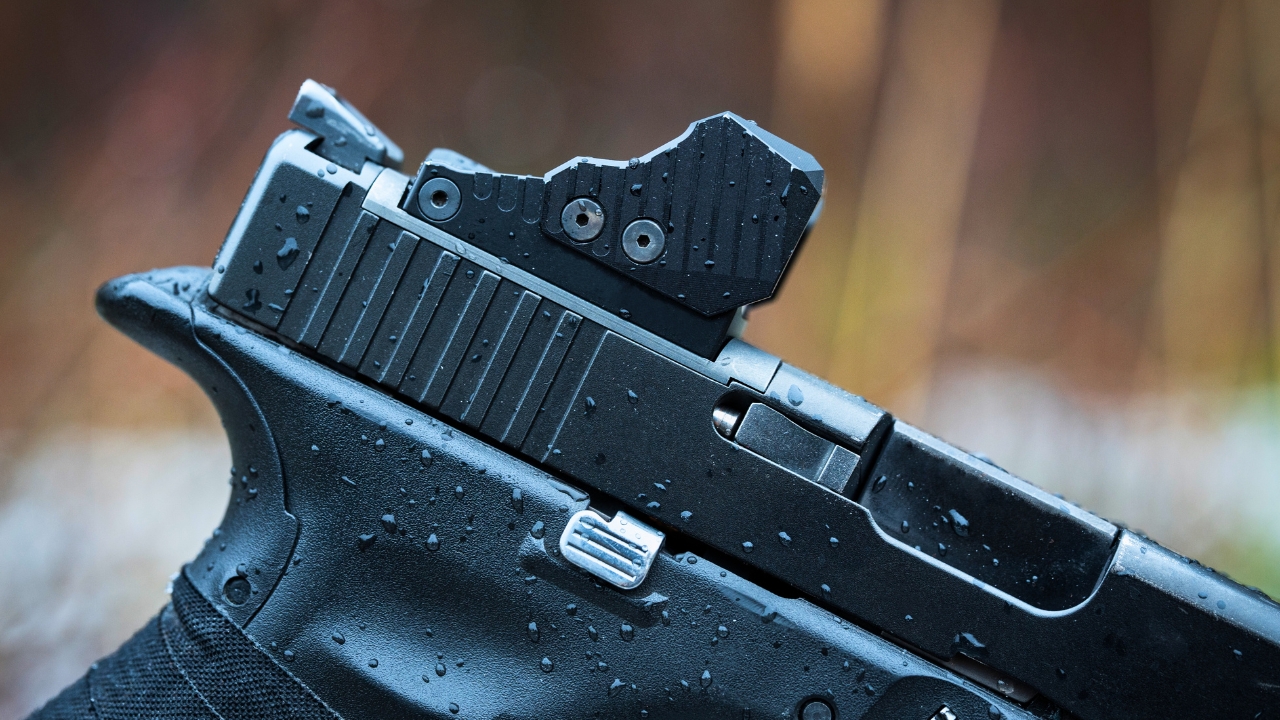
Even with pistol-mounted optics, low-light issues still happen. Brightness set wrong, lens glare, or a dot that blooms too much can make the aiming reference fuzzy or distracting. If the dot is too bright for the environment, it can starburst and obscure the target. If it’s too dim, you waste time hunting for it. The principle is the same as iron sights: the aiming reference must be obvious without overwhelming your vision.
People often discover this the hard way during evening practice or indoor drills. The optic didn’t fail—the setup just wasn’t tuned for real conditions. Adjusting brightness and confirming performance in varied lighting is part of making the system trustworthy.
The practical way to check your setup
You don’t need special gear to test this. Shoot a few controlled reps at dusk or in a dim indoor range. Start from a cold draw. Pay attention to how fast your eye finds the front sight or dot. If you hesitate, squint, or feel unsure, the setup is telling you something. You can experiment with different front sight styles, simpler rears, or brightness adjustments until your eye locks on instantly every time.
If you’re upgrading or experimenting, stores like Bass Pro Shops carry a range of sight options and tools, but the important part isn’t what you buy—it’s confirming the result under realistic lighting. A setup that works only in bright sunshine isn’t truly dialed in.
Like The Avid Outdoorsman’s content? Subscribe to our newsletter so you never miss an article.
Here’s more from us: