Some cartridges earn a reputation for reliability because they’ve been around forever and have proven themselves in every kind of condition. But even the most trusted calibers have limits. A few of them start strong—feeding smoothly, shooting cleanly, and cycling without a hiccup—until the weather, the ammo, or the rifle itself starts showing cracks. Others depend too heavily on gun design or bullet type to perform the way people expect. Hunters and shooters often discover that “reliable” doesn’t mean flawless—it means predictable most of the time. When these calibers fail, it’s not catastrophic; it’s frustrating. These are the cartridges that usually work great, until something small goes wrong and reminds you that reliability has boundaries.
.300 Winchester Magnum
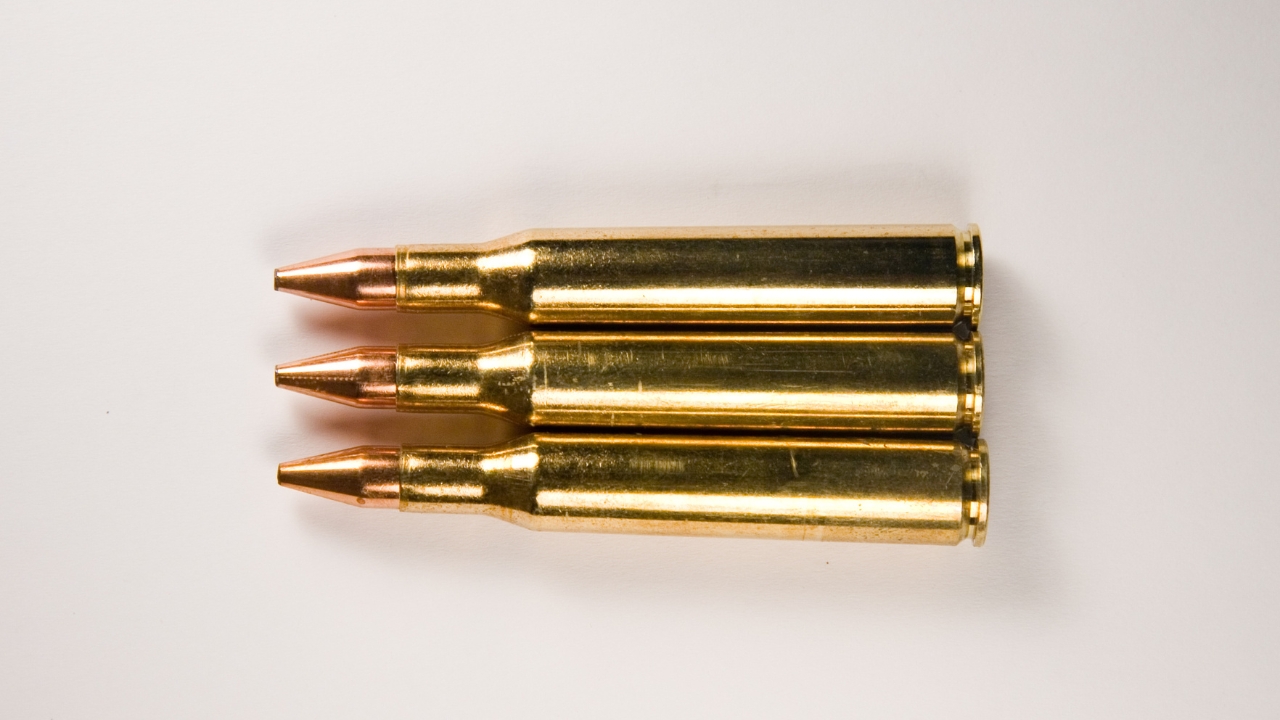
The .300 Win Mag is legendary for power and reach, but it’s finicky about conditions. A little fouling or debris in the chamber can cause extraction issues, especially with hot factory loads. In extreme cold, that extra pressure can also stiffen the bolt faster than you’d expect.
It’s not unreliable in normal use—it’s just a cartridge that demands attention. If you neglect cleaning or shoot through a long string without letting the barrel cool, you’ll start to see shifts in velocity and accuracy. It’s a great round when treated right, but unforgiving when it’s not.
.243 Winchester

The .243 Winchester is accurate, mild, and versatile—but it’s also known for being picky about barrel length and bullet type. Too light a bullet and you risk inconsistent performance, especially in wind. Too heavy, and you’ll see feeding hang-ups in some rifles.
It’s a fantastic deer and varmint cartridge, but its small case capacity leaves little room for error. When conditions change—temperature, humidity, or even altitude—it’s not uncommon to see shifts that mess with your zero. The .243 performs best in calm conditions, but it can lose its consistency fast when things start stacking against it.
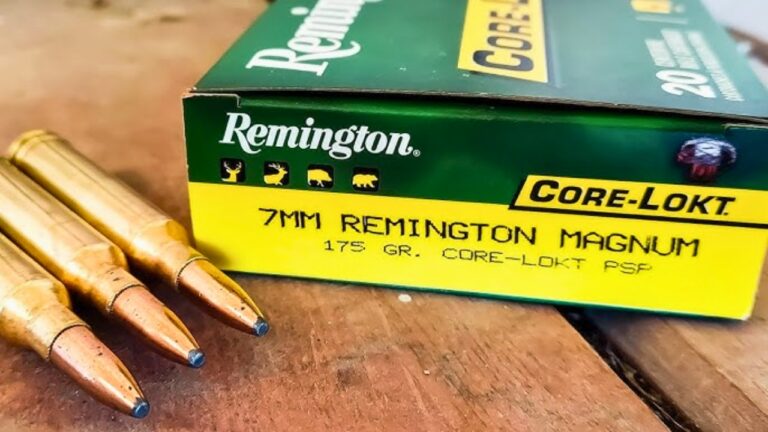
7mm Remington Magnum

The 7mm Rem Mag hits hard and shoots flat, but it’s one of those calibers that seems to have a “good mood.” Some rifles love it; others never group it right. It’s also known for developing inconsistent pressures depending on the load and powder temperature.
When the temperature drops, velocities can fall enough to mess with your point of impact. And that recoil—while manageable—can loosen scope mounts over time if you’re not careful. The 7mm Rem Mag is reliable when tuned, but it’s not the plug-and-play powerhouse many assume it is.
.270 Winchester

The .270 has been dropping deer for nearly a century, and it’s earned that reputation. But its reliability hinges on clean ammo and steady conditions. Cold weather can slow ignition slightly, especially with older primers or factory rounds that weren’t stored well.
It also has a tendency to scatter groups when paired with lightweight barrels that heat quickly. When everything’s perfect, it’s one of the flattest, easiest cartridges to shoot. When it’s not—it turns temperamental fast. Most hunters never notice, but the .270 can lose its edge when the elements pile up.
6.5 Creedmoor

The 6.5 Creedmoor built its name on precision and consistency, but those tight tolerances come at a price. It’s sensitive to barrel fouling and chamber heat, and velocity spreads widen quickly once you push it hard.
It cycles beautifully in clean conditions, but feed it questionable ammo or run it through extreme cold and things change. Primers can stiffen, bolt lift gets heavier, and accuracy starts to wander. The Creedmoor isn’t fragile—but it rewards careful shooters more than casual ones. It’s reliable, yes, but not foolproof.
.22 Long Rifle

Everyone loves the .22 LR—it’s cheap, accurate, and easy to shoot. But reliability? That depends entirely on the ammo. Rimfire cartridges are more sensitive to moisture and manufacturing inconsistencies than centerfire rounds. You can have one perfect mag, then a dud or two out of the next.
In bolt guns, the .22 LR is usually dependable, but in semi-autos, fouling builds up fast. Add in cold or humidity, and you’ll see failures to fire or eject. It’s the most fun caliber in the world, but if you count on it to run flawlessly, it’ll humble you quick.
.350 Legend

The .350 Legend was supposed to be the perfect straight-wall hunting round for states that require them. It cycles fine in some rifles, but semi-autos can struggle with feed angles and extraction. The cartridge case shape doesn’t always cooperate with certain bolt faces or magazines.
In a clean, tuned setup, it’s excellent—low recoil, good energy. But any variation in ammo length or chamber spec can throw it off. Hunters in cold or dirty conditions have seen feeding hang-ups that make you rethink bringing it as your only option.
.308 Winchester

The .308 Winchester is as close to universal as it gets, but it’s not immune to issues. It’s consistent, yes—but that consistency can hide subtle weaknesses. Cold ammo in a warm chamber or vice versa can shift velocities more than most realize.
In autoloaders, fouling and carbon buildup can cause short strokes if you don’t stay ahead of maintenance. It’s a forgiving cartridge in theory, but over time, even small errors in handloads or barrel wear can throw off its reliability. The .308 is steady, but it’s not magic.
.22-250 Remington

The .22-250 is a screamer—fast, flat, and accurate—but that speed comes at the cost of throat erosion and temperature sensitivity. After a few dozen hot shots, groups start to open. In extreme cold, ignition can lag, making the round inconsistent.
It’s a tack-driver when conditions are stable, but the thin barrel of most varmint rifles heats up so fast that you’ll lose precision in minutes. The cartridge isn’t unreliable—it’s just high-maintenance, especially when you’re pushing the limits of speed and temperature.
.300 Blackout

The .300 Blackout is versatile, but it’s picky with ammo and barrel pairing. Supersonic loads feed and cycle fine, but subsonics can fail to cycle in semi-autos without the right gas setup. Humidity and grime amplify the problem, especially with suppressed rifles.
You can trust it most of the time—but not all the time. A change in bullet weight or powder type can completely alter how the gun functions. In the right configuration, it’s dependable. In the wrong one, it’ll have you clearing malfunctions all day.
.450 Bushmaster

The .450 Bushmaster packs a serious punch, but that large straight-wall case doesn’t always play nice with semi-auto platforms. Feed ramp geometry, magazine tension, and temperature all affect reliability.
In cold weather, thick powder loads can make cycling sluggish. Some rifles handle it fine; others choke after a few rounds. It’s dependable in clean hunting rifles but less so in high-volume shooting. Great round, but it reminds you that raw power doesn’t always equal trustworthiness.
.204 Ruger

The .204 Ruger is lightning-fast and impressively flat—but it’s not a fan of bad weather. That tiny, high-pressure case is temperature-sensitive, and accuracy drops sharply when the barrel warms.
In damp or cold conditions, it can misfire or show erratic velocity spreads, especially with older factory loads. It’s a precision varmint round through and through, but it doesn’t belong anywhere reliability matters more than precision. It’s predictable—until the weather isn’t.
.17 HMR

The .17 HMR is famous for accuracy and light recoil, but it’s also fragile. Being a rimfire, it’s inherently less reliable than centerfire rounds. Cold weather and dirty chambers wreak havoc on consistency.
You’ll occasionally get light strikes or split necks, especially with bulk ammo. It’s amazing for small game and varmints, but it doesn’t handle grime or moisture well. In calm weather, it’s magic. In the field, it’s more hit or miss—literally.
.30-06 Springfield
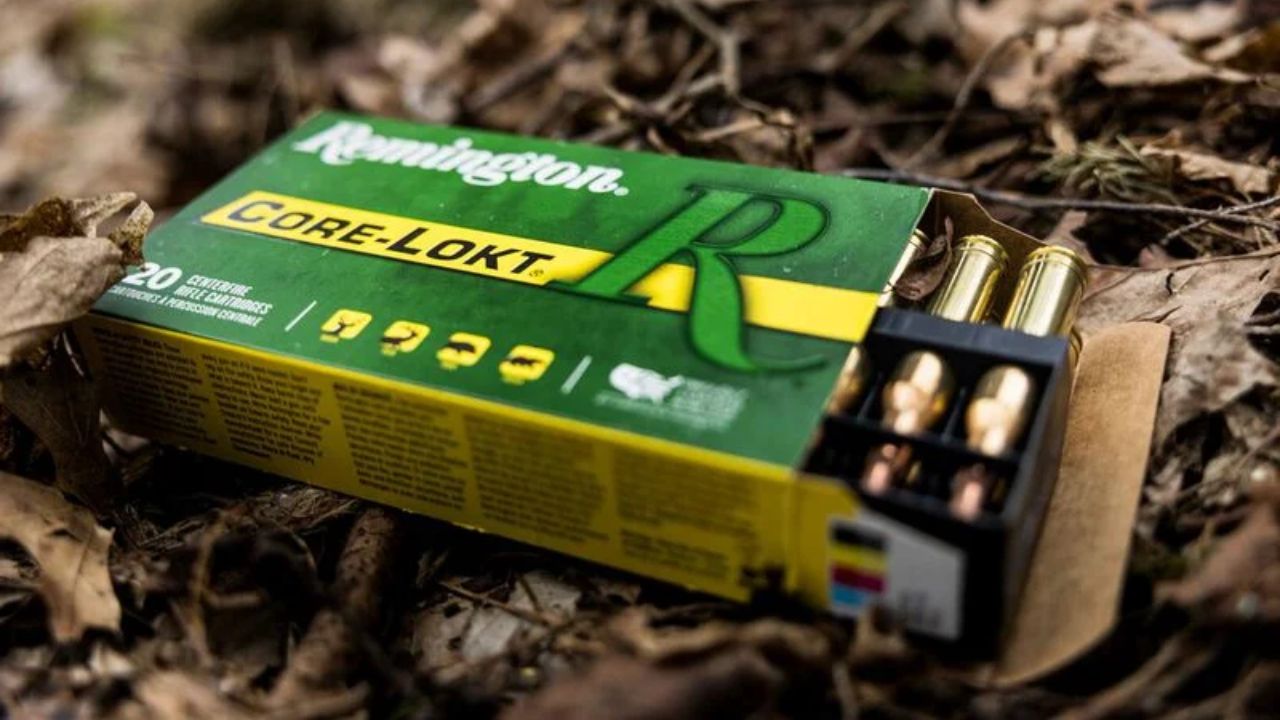
The .30-06 has earned its reputation through wars and decades of hunting success. But even this old veteran has quirks. Long case dimensions mean it’s more prone to binding when dirty, and temperature-sensitive loads can shift pressure noticeably in extreme conditions.
It’s not unreliable by any means—but if you run it hard, skip cleaning, or let moisture sit in the chamber, it’ll remind you it’s a 20th-century design. It’s dependable, yes—but like any classic, it asks for a little respect to keep performing.
6.5 PRC

The 6.5 PRC delivers incredible performance when dialed in, but that precision comes with trade-offs. It’s extremely sensitive to barrel fouling, heat, and powder choice. Hot loads can vary wildly depending on temperature and humidity.
If you don’t clean it regularly, groups can open fast. In sub-freezing temperatures, ignition and velocity spreads can swing enough to affect shots at distance. It’s a stellar performer on calm days—but when the weather or conditions change, it shows you how narrow its comfort zone really is.
Like The Avid Outdoorsman’s content? Be sure to follow us.
Here’s more from us:
The worst deer rifles money can buy
Sidearms That Belong in the Safe — Not Your Belt
*This article was developed with AI-powered tools and has been carefully reviewed by our editors.