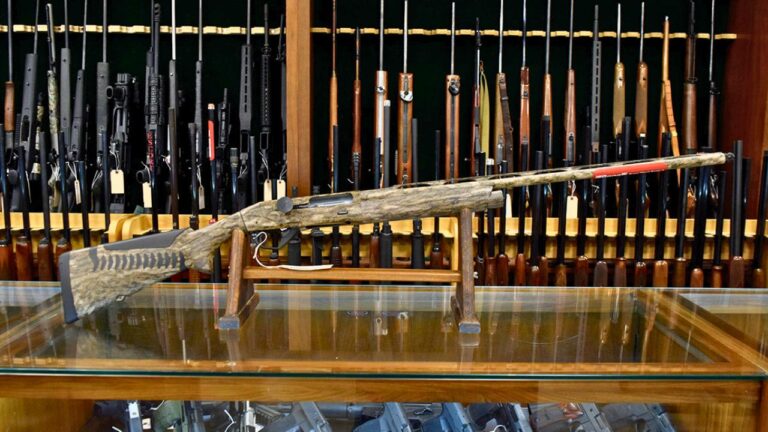
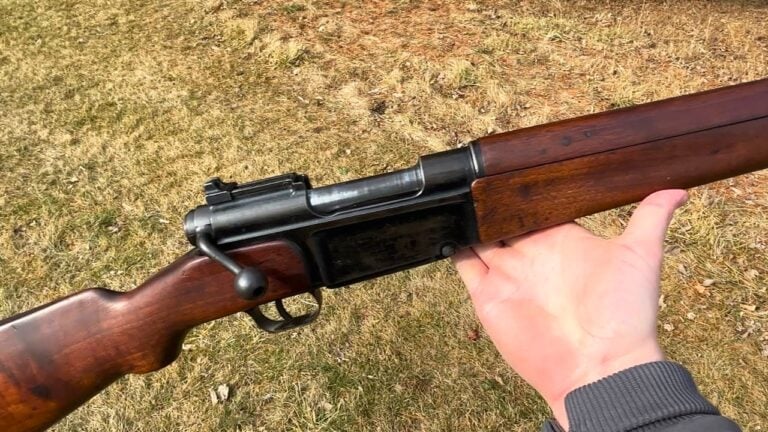
Photo credit: WHO_TEE_WHO/YouTube
Long-range shooting has a way of exposing what’s real. A cartridge can look great on a chart and still turn into a headache when you start stretching distance in changing wind, weird temperatures, and less-than-perfect field support. The rounds that earn trust over time are the ones that stay predictable: steady velocity, forgiving ballistics, and enough real-world load options that you’re not stuck chasing one magic bullet that disappears every fall.
Reliability at distance also isn’t only about the cartridge. You need a decent rifle, a stable scope setup, and ammo that’s consistent lot to lot. But the cartridge still matters, because some rounds give you wider margins with wind drift, vertical spread, and recoil management. The best ones don’t require constant tinkering to stay on track. They’re well-supported, easy to feed, and proven across thousands of rifles—not a handful of internet darlings.
Here are 15 long-range rounds that tend to behave themselves when you do your part.
6.5 Creedmoor

If you want a long-range round that behaves in a wide variety of rifles, 6.5 Creedmoor is hard to ignore. You get good ballistic coefficients without punishing recoil, which helps you stay behind the gun and spot impacts. That matters when you’re building real consistency instead of flinching through a “magnum lesson” every session.
The other reason it earns trust is support. There’s a deep bench of factory ammo, bullet weights, and match-style loads that tend to shoot well in off-the-shelf rifles. It’s also forgiving to tune if you reload, but you don’t have to reload to get solid results. When you’re trying to stretch distance without turning it into a science project, this cartridge keeps things predictable.
.308 Winchester

.308 Winchester isn’t trendy, but it’s steady, and steady counts when you’re trying to hit at distance on demand. You’re not getting the flattest trajectory or the lowest wind drift, but you are getting a cartridge that has been sorted out for decades. It tends to shoot well in a lot of barrel lengths and a lot of rifle designs.
Ammo availability is a huge part of its reliability. You can find loads that run the gamut from training to match, and you can usually replace what you like without hunting for months. Recoil is manageable enough that you can practice without fatigue, which is a big deal if you want repeatable field results. If you want “boring and dependable” in cartridge form, .308 keeps earning that spot.
.300 Winchester Magnum

When you want more authority and better wind behavior without stepping into the heaviest magnum class, .300 Win Mag stays relevant. It’s been around long enough that the kinks are worked out, and it has a deep catalog of proven bullet weights and factory loads. You can push higher-BC .30-caliber bullets at useful speeds and keep your trajectory and drift in a more forgiving window.
You do need to respect recoil and rifle setup. A .300 that fits you poorly or beats you up will erode your consistency fast. But in a well-built hunting or long-range rifle, it tends to deliver predictable external ballistics and solid terminal performance. It’s also widely supported across rifle makers, ammo makers, and component options, which makes it easier to keep a load that shoots where you point it.
.300 PRC

.300 PRC was built with modern long-range bullets in mind, and it shows. You get strong performance with heavy, high-BC .30-caliber projectiles without forcing them into awkward constraints. That usually translates into consistent seating depth options and good downrange behavior when the wind starts playing games.
The “reliable” part comes from how well it tends to shoot when you’re not chasing extremes. It doesn’t demand a custom-only ecosystem to work, and more rifle and ammo support shows up every year. Recoil is still real, so you want a rifle that lets you manage it and stay honest with your fundamentals. But if you want a cartridge that feels purpose-built for stretching distance with .30-cal bullets—and you want it to stay predictable—.300 PRC has earned a serious place on the list.
7mm PRC

7mm PRC is one of the cleanest modern answers for long-range hunting and target crossover. You get 7mm bullets with excellent BCs, good speed, and recoil that’s usually easier to manage than the big .30 magnums. That combination helps you stay on target, call your shots better, and correct faster when conditions shift.
It also tends to be less finicky than older “hot 7s” when you’re trying to run long, sleek bullets. The cartridge was designed around that reality, so it often plays well with modern projectiles and practical barrel lengths. Support is growing fast in both factory rifles and factory ammo, which matters if you don’t want to be dependent on handloading. When you want a round that carries well, drifts less, and stays consistent across real hunting distances, this one keeps making sense.
7mm Remington Magnum

7mm Rem Mag has been knocking down game and winning arguments for a long time, and there’s a reason it won’t go away. You get a strong balance of speed and bullet efficiency, and you can run bullets that hold onto velocity well downrange. That pays off when you’re trying to stretch your effective range without turning wind calls into pure guesswork.
Its reliability is helped by sheer availability. There’s a lot of ammo out there, and many rifles are chambered for it, so you’re not locked into one brand or one load. The downside is that some factory loads lean traditional, but there are plenty of modern options now that take full advantage of what 7mm bullets can do. In a good rifle with a load it likes, this cartridge stays predictable and gives you real long-range capability.
6.5 PRC

6.5 PRC is what a lot of shooters wanted when they outgrew Creedmoor but didn’t want to jump to heavy recoil. You get a noticeable step up in velocity with the same general class of high-BC 6.5 bullets, which helps at distance—especially when wind and vertical start stacking up. It’s also a good fit in many hunting-weight rifles where you still want reach.
The reason it can feel “reliable” is that it often delivers strong downrange numbers without requiring you to wring it out to the edge. You don’t need max-pressure hero loads to see benefits, and that usually makes consistency easier to maintain. Ammo and rifle support are solid and improving, and it’s a cartridge that rewards clean fundamentals. If you want more legs than Creedmoor with a familiar feel, 6.5 PRC is a dependable step.
6 Creedmoor

6 Creedmoor earns its keep by making wind and drop feel more manageable than you’d expect from its recoil level. You can shoot it fast, stay on target, and spot your own hits more easily than you can with many larger cartridges. That matters when you’re trying to build real consistency instead of relying on someone else to call impacts.
You do have to be honest about what it’s for. It’s a long-range performer, and it shines with modern 6mm bullets that carry well. Barrel life can be shorter than milder rounds, so reliability here is about choosing a quality barrel and not cooking it with endless high-volume strings. Factory ammo and components are widely available, which makes it easier to keep a setup running. If you want a cartridge that helps you shoot better at distance without beating you up, 6 Creedmoor is a strong bet.
.260 Remington

.260 Remington has been quietly doing the 6.5 thing for a long time, and it still deserves respect. It’s based on the .308 case family, which tends to feed well and behave predictably in a lot of rifle actions. With the right bullets, it offers the same general strengths people love in 6.5mm cartridges: efficient flight and manageable recoil.
What keeps it “reliable” is how straightforward it is to get shooting well, especially if you already understand .308-based rifles and magazines. Factory ammo isn’t as common as Creedmoor, but it’s out there, and it’s an easy cartridge to support if you reload. It also tends to be easy on the shooter, which means better practice habits and fewer bad shots caused by fatigue. If you want a proven 6.5 option with a practical foundation, .260 still works.
6.5×55 Swedish

6.5×55 doesn’t get talked about like a modern long-range cartridge, but it’s been doing long-range work since before most trends existed. It’s inherently efficient, and it can be very accurate with the right rifle and load. You get good downrange behavior with 6.5 bullets and recoil that stays friendly, which encourages the kind of practice that actually makes you better.
The reliability angle here is consistency and versatility. It tends to shoot well with a range of bullet weights, and it doesn’t need extreme velocity to perform. Modern rifles chambered in 6.5×55 can take full advantage of today’s bullets, and that’s where it surprises people. Ammo availability varies by region, but it’s still supported by major makers. If you want a classic that stays calm, accurate, and predictable at distance, the Swede remains a solid choice.
.270 Winchester
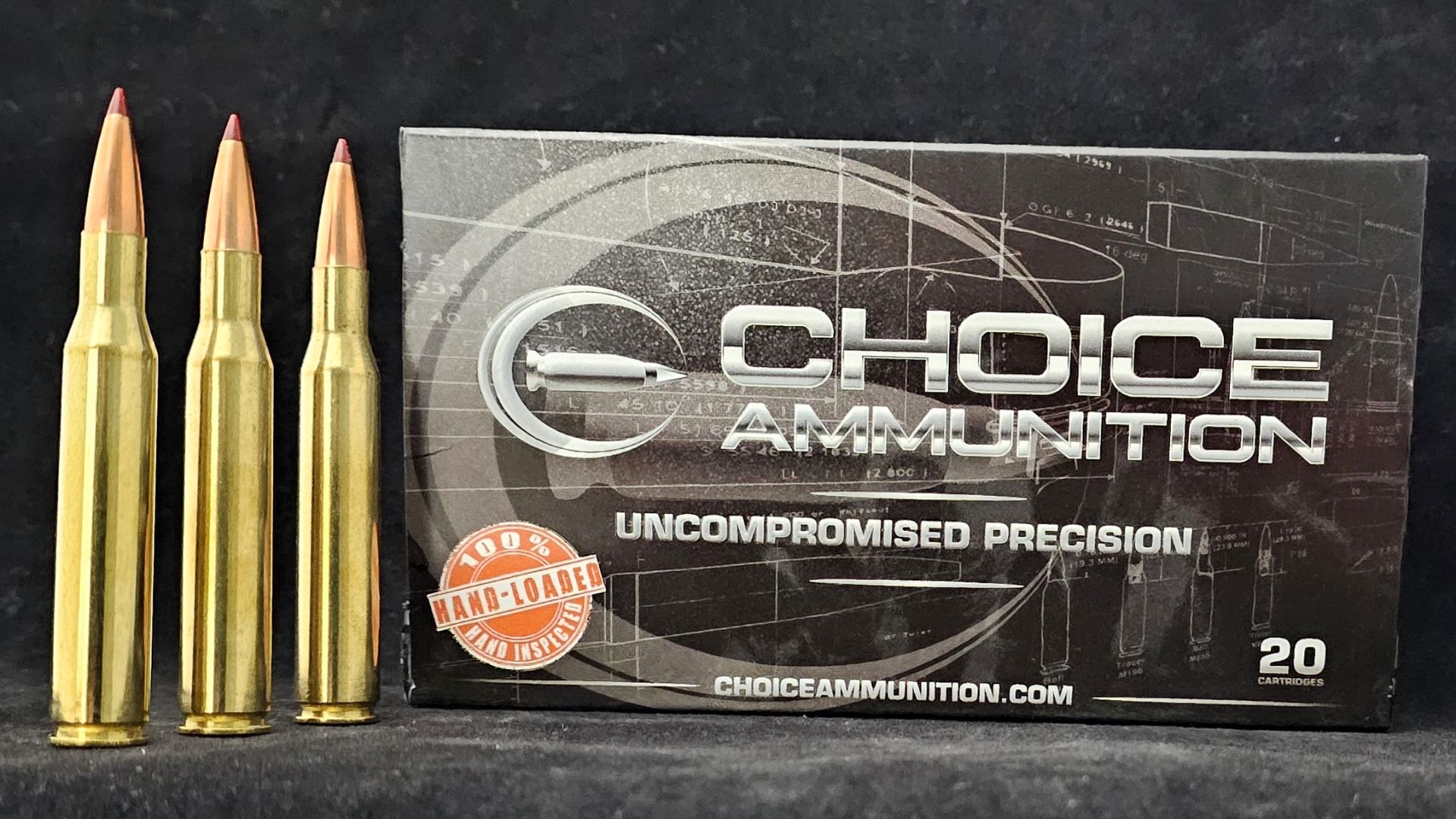
A lot of hunters treat .270 like a “standard deer round,” but it can do more than that when you feed it the right bullets and do your homework. It shoots flat, it carries well enough for practical long-range hunting distances, and it’s a cartridge that has been refined across countless rifles. That kind of history matters when you want a round that behaves the same season after season.
Reliability here comes from availability and consistency. You can find .270 ammo in almost any small-town shop, and you can usually find a load that groups well in your rifle without turning it into a long search. Modern bullet options have improved what .270 can do downrange, especially in wind. It’s not a dedicated match cartridge, but as a dependable, widely supported long-range hunting round, it still earns a second look.
.280 Ackley Improved

.280 Ackley Improved sits in a sweet spot when you want strong long-range hunting performance without the baggage of the biggest magnums. You can run efficient 7mm bullets with good BCs, get useful velocity, and keep recoil in a range that most shooters can manage well. That helps you stay steady in real shooting positions, not only off a bench.
Its reliability comes from balanced performance. You’re not trying to force a cartridge into something it isn’t, and you’re not dependent on one weird load to make it work. Factory rifles and factory ammo are more common than they used to be, which makes it easier to run without handloading. With a good bullet and sane velocities, it tends to shoot consistently and hit with authority. If you want a cartridge that feels like it was built for practical distance, .280 AI belongs on the shortlist.
.338 Lapua Magnum

If you’re stepping into true long-range territory where wind is the constant enemy and targets may be far, .338 Lapua has a track record that’s hard to dismiss. It carries heavy bullets with excellent BCs and retains energy downrange in a way smaller cartridges can’t match. That gives you a wider margin when conditions aren’t cooperating.
Reliability with .338 Lapua depends on respecting the system. You need a rifle built for it, good glass, and ammo that’s consistent. Recoil and cost are real, and both can limit practice if you’re not careful. But in a proper platform, .338 Lapua tends to deliver repeatable performance and stable flight at distances that make smaller rounds feel out of breath. If your version of “long-range” starts where others stop, this cartridge remains a proven workhorse.
.338 Norma Magnum
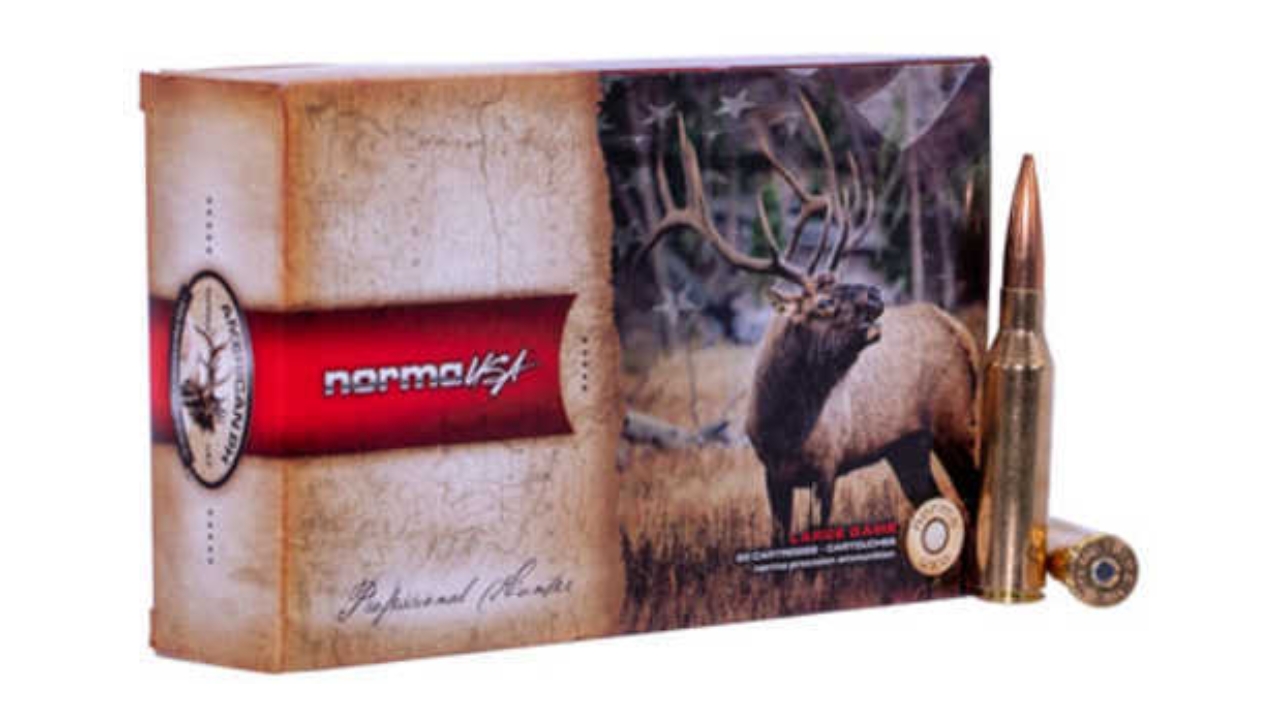
.338 Norma Magnum exists because some shooters wanted .338 Lapua-style performance in a cartridge that plays well in certain magazine and rifle setups. It’s a serious long-range round, built to push heavy, high-BC bullets with strong downrange stability. In practical terms, you get excellent wind behavior and retained energy that can make distant impacts more consistent.
The reliable part is that it’s a purpose-driven cartridge with a clear mission, not a random wildcat you’re trying to keep alive. It still requires a dedicated rifle and a shooter who can manage recoil and cost. Ammo support isn’t as universal as .338 Lapua, but it’s established enough that you can keep it running without constant scrambling. If you want .338-class performance with modern design choices, .338 Norma is one of the better “serious distance” options you can pick.
.223 Remington

.223 Remington isn’t a long-range hammer in the way magnums are, but it’s one of the most reliable ways to build real long-range skill. It’s mild, consistent, easy to feed, and available everywhere. That means you can practice more, and practice is what makes you dependable when the distance stretches. With quality match bullets, .223 can hold its own farther than many hunters expect.
The key is being honest about conditions. Wind pushes .223 harder than the heavier options on this list, so your calls have to be clean. But the cartridge itself tends to run consistently, and it’s easy to find accurate loads that perform well lot to lot. In the right rifle, it’s an excellent trainer that still delivers real results on steel and paper at distance. If reliability means repeatable shooting and affordable reps, .223 deserves its spot.
6.5×47 Lapua

6.5×47 Lapua has a reputation for precision and consistency that’s tough to ignore among shooters who value repeatability. It was designed with accuracy and efficient performance in mind, and it tends to produce stable results with quality components. You get the familiar strengths of 6.5mm bullets—good BCs and manageable recoil—paired with a cartridge that often shoots tight without drama.
It’s not as common on store shelves as Creedmoor, so reliability here is more about the people who choose it: they tend to run good rifles, good barrels, and good ammo. If you reload, it’s a very friendly cartridge to tune, and it’s known for consistent brass quality in the Lapua ecosystem. If you want a cartridge that’s built around precision culture and stays predictable when you’re chasing small vertical at distance, 6.5×47 Lapua is still a serious contender.
Like The Avid Outdoorsman’s content? Be sure to follow us.
Here’s more from us: