Photo credit: Academy Sports
Some calibers hang around because they are still useful. Others hang around because gun owners are stubborn, companies already have the tooling, and somebody somewhere keeps buying a box every deer season. A cartridge does not have to be worthless to feel outdated. It may still work, but that does not mean it makes much sense compared with newer, easier, cheaper, or better-supported choices.
That is the strange thing about the ammo shelf. You can still find rounds that were designed for a different era, different guns, and different expectations. Some survive on nostalgia. Some survive because old rifles need feeding. Some survive because people just like being different. These calibers are still sold, but it is fair to ask why so many hunters and shooters keep pretending they are the smart choice.
.25 ACP
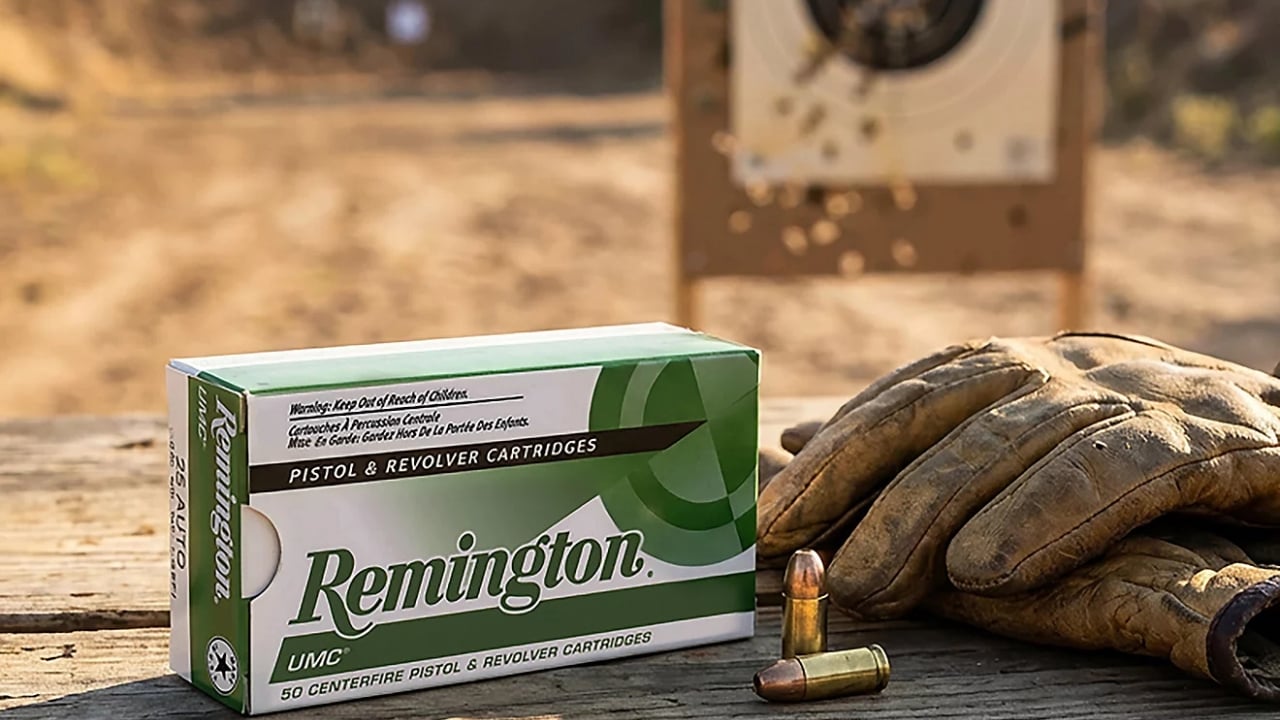
The .25 ACP is still around mostly because tiny old pocket pistols are still around. It was designed for small automatic pistols at a time when reliable centerfire ignition in a pocket gun was a selling point. That made sense long ago, especially when the alternative was often a questionable rimfire pocket pistol.
Today, it feels painfully outdated. Modern .380 ACP and even micro 9mm pistols have made the .25 ACP look weak, expensive for what it is, and hard to justify for defense. It can still be bought because old pistols need ammo, but almost nobody looking for a serious modern carry caliber should start here.
.32 ACP

The .32 ACP has more charm than .25 ACP, and it is not useless. It is soft-shooting, pleasant in small pistols, and tied to a long history of European police and pocket guns. In the right pistol, it can still be fun and manageable.
But as a modern defensive caliber, it feels outdated. The cartridge lacks the punch, ammo support, and defensive load options that make 9mm and even .380 ACP more appealing. It survives because collectors, recoil-sensitive shooters, and old pistol fans still buy it. That does not make it a strong first choice anymore.
.32 S&W Long
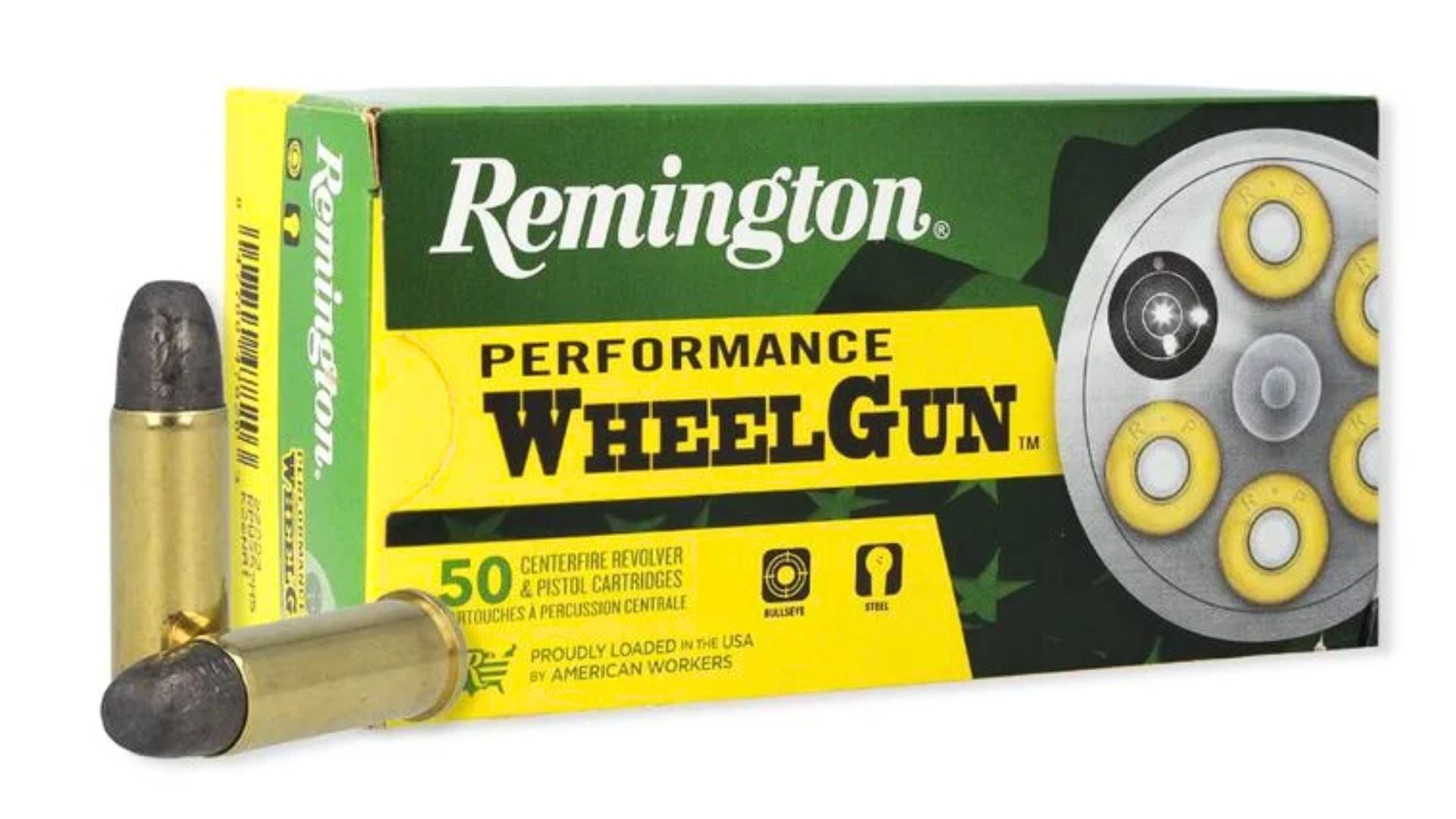
The .32 S&W Long is an accurate and mild revolver cartridge, but it belongs to a slower era. It can be enjoyable in target revolvers and older handguns. It is easy to shoot well, and there is something pleasant about a soft-shooting .32 wheel gun.
The problem is that it no longer fills much of a practical role. For defense, it is weak by modern standards. For small game, there are better rimfire and centerfire options. For target use, it is still interesting, but that is a narrow lane. It remains on shelves because old revolvers still exist, not because it is a modern answer.
.32 H&R Magnum

The .32 H&R Magnum is not a bad cartridge, but it got trapped between eras. It offered more performance than .32 S&W Long with less recoil than .38 Special, which gave it a real purpose. In small revolvers, that idea still has merit.
But the .327 Federal Magnum mostly stole its reason to exist. The .327 can fire .32 H&R Magnum, .32 S&W Long, and other .32-family rounds in compatible revolvers, while offering more power when wanted. That makes .32 H&R feel like the middle step people do not need to stop on anymore.
.38 S&W
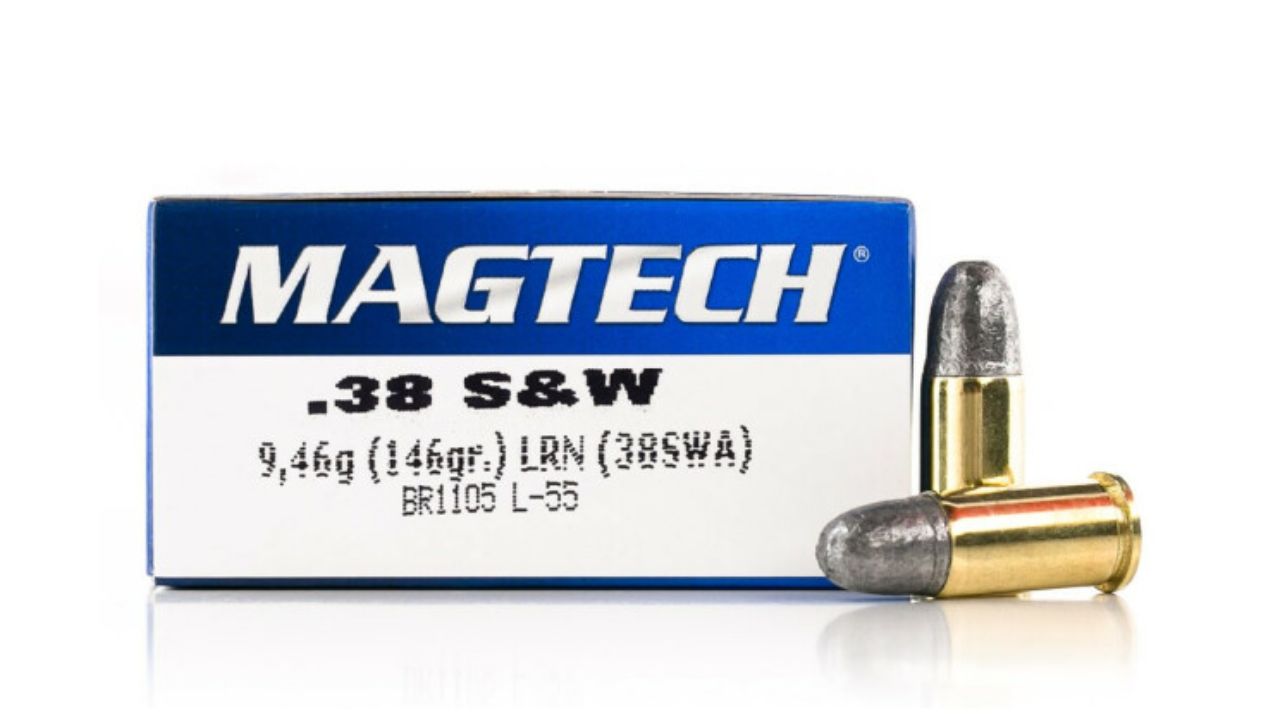
The .38 S&W is one of those cartridges that survives because there are still old revolvers chambered for it. It has history, especially in older British and American handguns, but its performance is modest and its practical role has mostly vanished.
It is not the same as .38 Special, and that alone causes confusion for newer shooters. The cartridge is low-powered, not especially common, and tied mostly to older firearms. It is still sold because people want to shoot inherited revolvers, not because anyone should be choosing it for modern defensive use.
.38 Special standard pressure
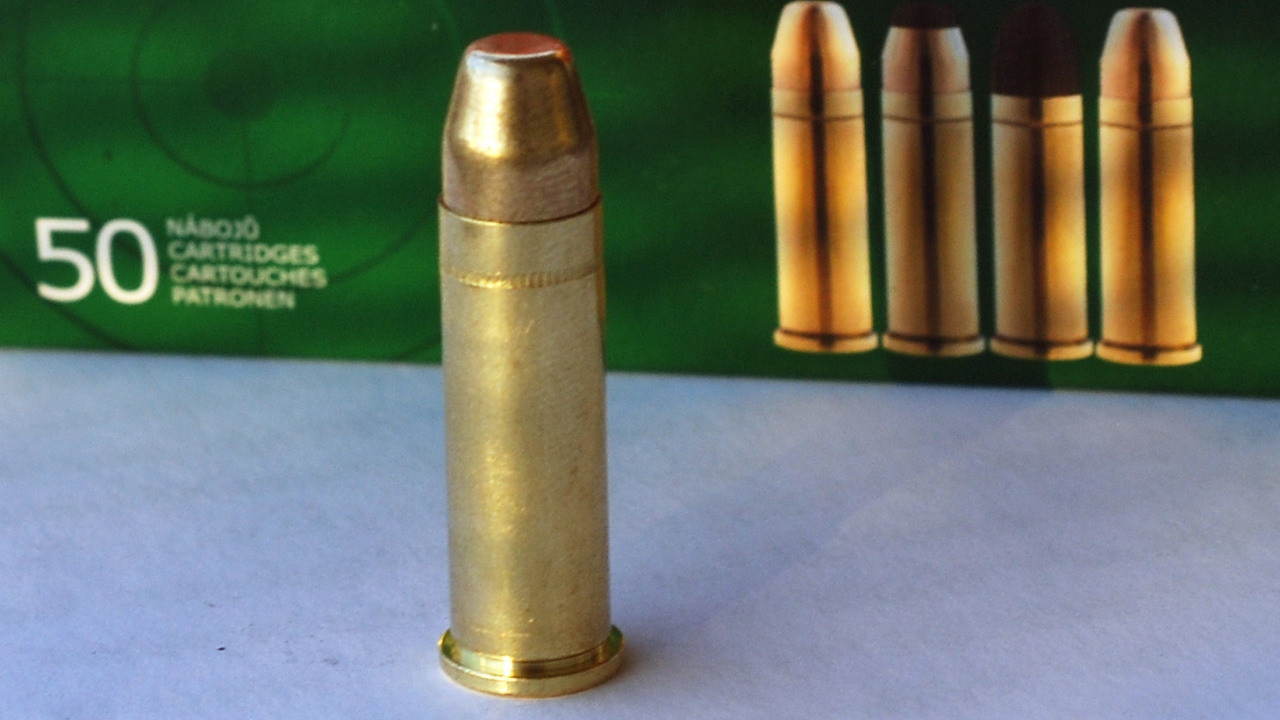
The .38 Special is not outdated as a whole, but standard-pressure .38 Special in small carry revolvers often feels like it belongs to another time. It was once the default defensive revolver round, and it still has a huge history behind it. In good hands, it can still work.
The problem is that modern compact 9mm pistols offer more capacity, easier reloads, better sights, and often better shootability for average people. Standard-pressure .38 loads can feel soft, especially from snubnose barrels. The caliber survives because revolvers survive, but it is no longer the obvious defensive answer it used to be.
.38 Short Colt
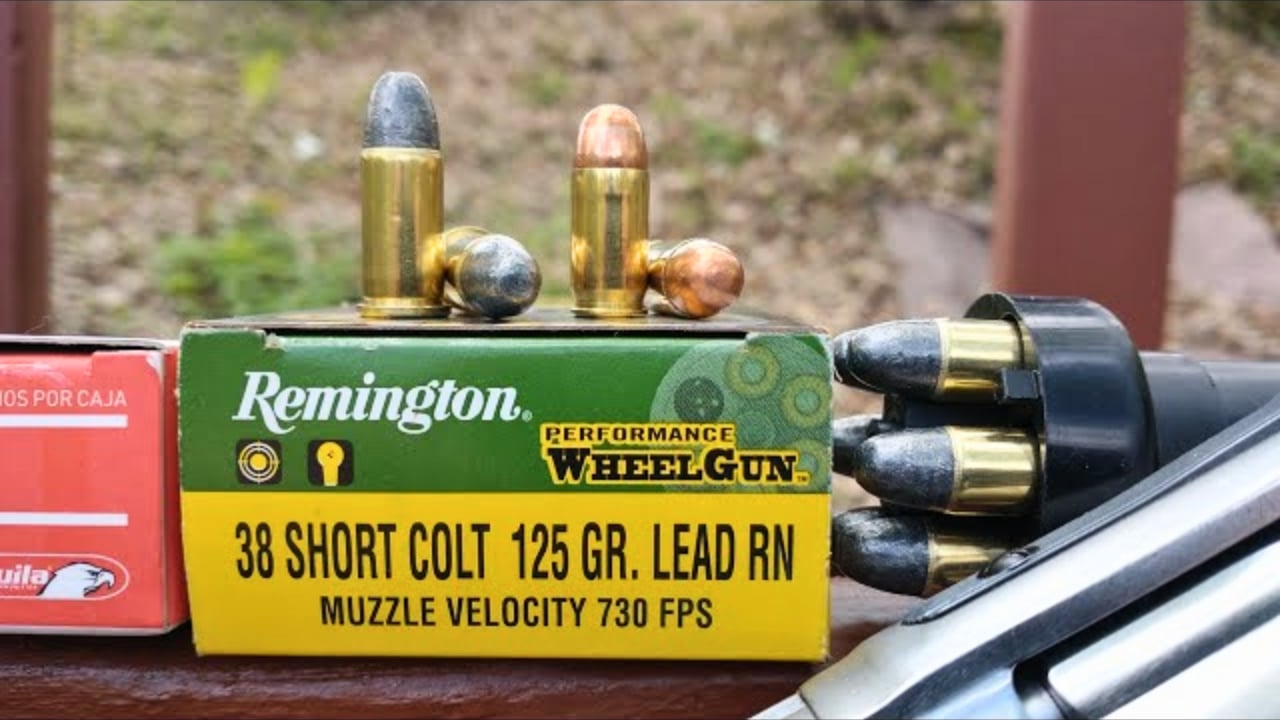
The .38 Short Colt is still sold mostly for niche revolver use and competition games. It can be mild, accurate, and useful for shooters who know exactly why they want it. But outside those circles, it is hard to explain to anyone shopping for practical ammo.
It is outdated because it has almost no mainstream defensive, hunting, or general-purpose role. It exists for old guns, specialty loads, and people who enjoy odd revolver cartridges. That is fine, but it does not make it a modern choice.
.44 Russian
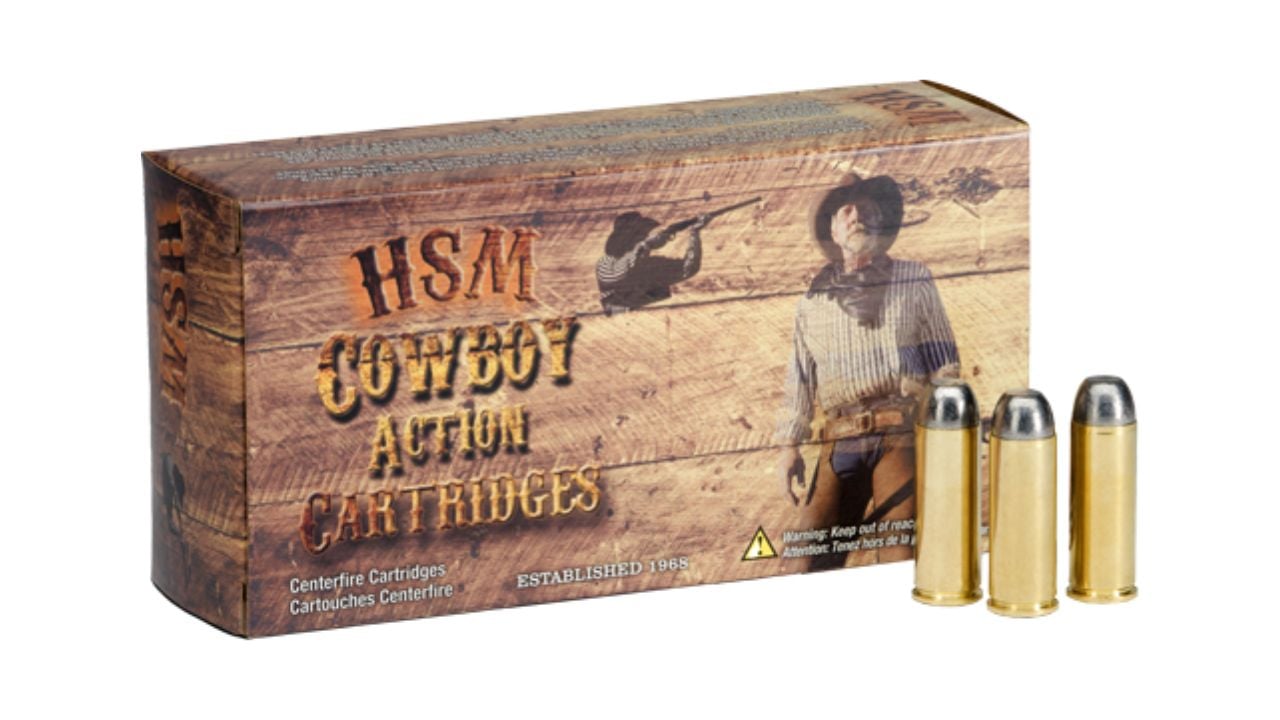
The .44 Russian is a historically important cartridge, and it can still be enjoyable in the right revolver. It helped shape later .44-caliber revolver development, and handloaders still appreciate its accuracy and soft manners.
But it is outdated in almost every practical way. The .44 Special and .44 Magnum made it unnecessary for most shooters. Factory ammo is limited, guns are uncommon, and its main appeal is nostalgia. It is still sold because history has customers, not because it offers a better answer than modern revolver rounds.
.44 Special

The .44 Special is one of those cartridges people love for good reasons, but it still feels dated. It is accurate, pleasant in larger revolvers, and capable with the right loads. It has a loyal following among wheel-gun shooters who like big bullets without magnum punishment.
The issue is that modern defensive and field needs have mostly moved around it. For carry, it usually means a larger low-capacity revolver. For hunting, .44 Magnum gives more authority while still allowing .44 Special practice in many guns. It is still sold because people like it, not because it is the most efficient choice.
.45 Colt
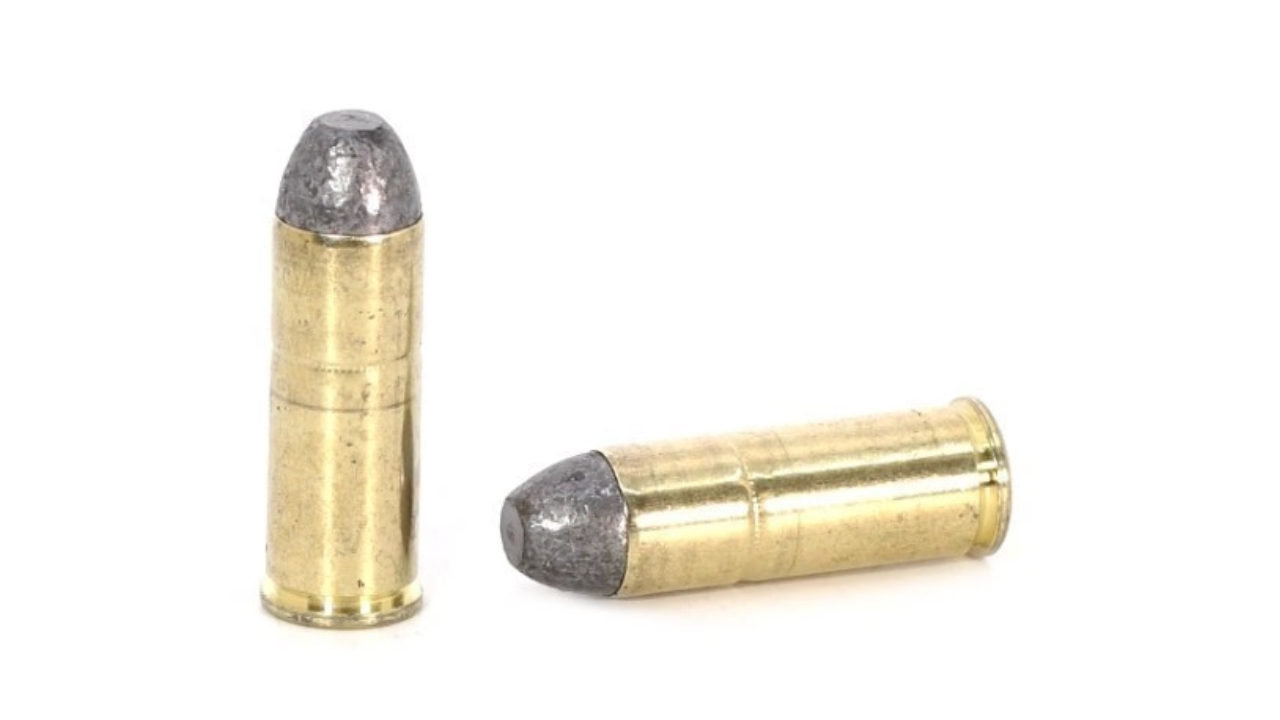
The .45 Colt is a classic, and in strong modern revolvers or lever guns it can be loaded into serious territory. That is part of the complication. There are mild cowboy loads, stronger hunting loads, and everything in between. The cartridge has history and flexibility, but it also asks the buyer to understand what gun they are feeding.
Compared with modern handgun and rifle cartridges, .45 Colt can feel outdated because it is big, slow, and often expensive. It is still great for cowboy action, classic revolvers, and big-bore lever-gun fans. But for a new shooter wanting a practical handgun or hunting caliber, there are easier choices.
.45 GAP

The .45 GAP was supposed to solve a problem that mostly disappeared. It gave shooters .45-caliber performance in a shorter cartridge that could fit smaller grip frames. That sounded useful when .45 ACP still had more defensive prestige and when agencies were still flirting with bigger pistol calibers.
Now, it feels outdated for a different reason. Modern 9mm loads improved, .45 ACP never went away, and .45 GAP never built the same ecosystem. Ammo is less common, guns are limited, and most shooters have no reason to choose it. It is still sold because some pistols need feeding, not because the market is begging for it.
.40 S&W

The .40 S&W is not weak, but it has aged fast. It was once the law enforcement standard for people who wanted more bullet than 9mm and more capacity than .45 ACP. For years, that sounded like the perfect compromise.
Then 9mm ammunition improved, agencies moved back to 9mm, and many shooters admitted they performed better with less recoil. The .40 still works, and used pistols chambered for it can be bargains. But as a new defensive caliber choice, it feels dated compared with modern 9mm.
.357 SIG

The .357 SIG is fast, loud, and still respected by some serious shooters. It had law enforcement support and a reputation for strong barrier performance. On paper, it can still look impressive.
The problem is that it no longer offers enough advantage for most people to justify the extra cost, recoil, muzzle blast, and limited availability. Modern 9mm loads closed much of the practical gap. The .357 SIG still has fans, but it feels like a cartridge from the era when people were still trying to fix 9mm instead of just buying better 9mm ammo.
9x18mm Makarov
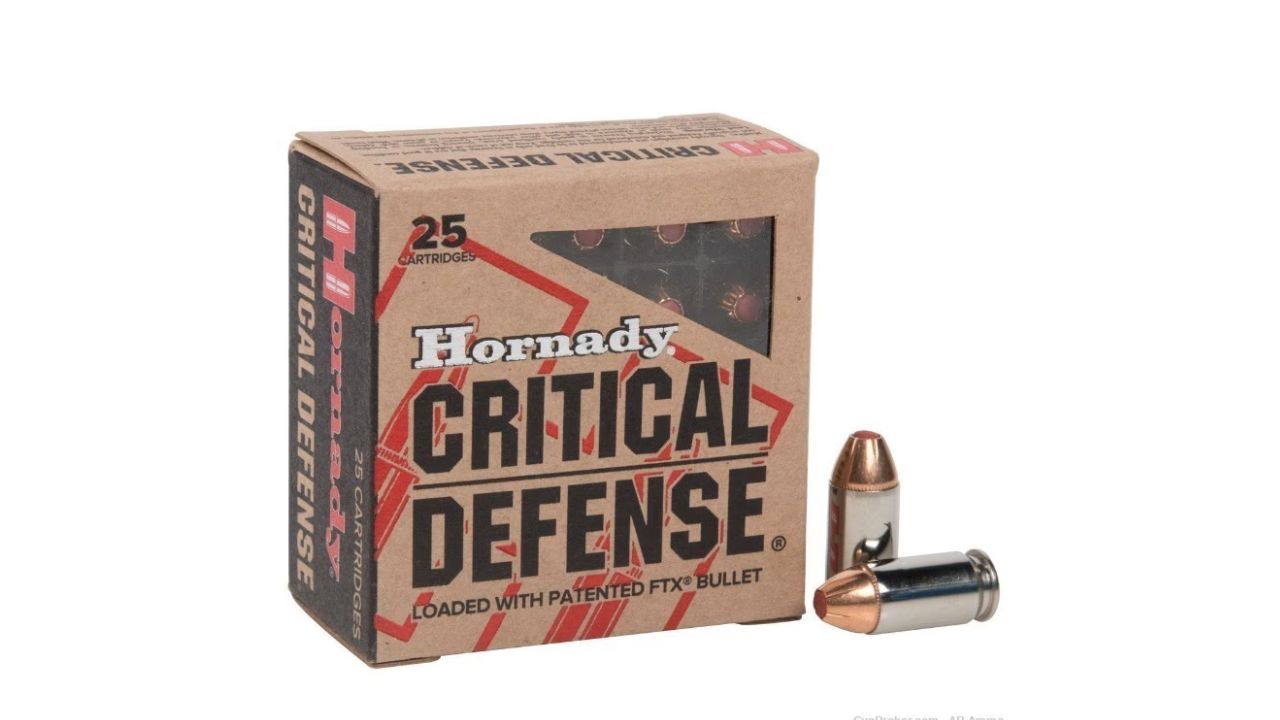
The 9x18mm Makarov survives because Makarov pistols and other Eastern Bloc surplus guns survive. It is stronger than .380 ACP in some loadings and weaker than 9mm Luger, which leaves it in an awkward middle ground. It has history, but not much modern momentum.
For collectors and surplus shooters, it makes sense. For defensive carry, it feels outdated. Gun options are mostly older, ammo selection is limited compared with mainstream calibers, and there is little reason for a new buyer to choose it over 9mm. It is still sold because old military pistols are fun, not because the caliber is the future.
.30 Carbine

The .30 Carbine is still around because the M1 Carbine is still loved. The cartridge is light, handy, and fun to shoot from the rifle it was made for. It has a long service history and a lot of nostalgic appeal.
But as a modern defensive or hunting cartridge, it is outdated. It is not as versatile as common rifle rounds and not as compact as modern pistol-caliber options. It can work for some small-game, varmint, or defensive roles with proper loads, but most shooters buy it because they own an M1 Carbine, not because it beats modern choices.
.32 Winchester Special

The .32 Winchester Special is still sold because old lever-action rifles need ammo. It was once a legitimate deer cartridge, and inside its range it can still take whitetails cleanly. Nobody should pretend it suddenly stopped working.
But it feels outdated because .30-30 Winchester does essentially the same job with far better support. Ammo is easier to find for .30-30, rifles are more common, and most hunters have no practical reason to choose .32 Special unless they already own one. It is a cartridge kept alive by nostalgia and old rifles.
.35 Remington

The .35 Remington is beloved by woods hunters, and it can still be excellent on deer, hogs, and black bear at close range. In rifles like the Marlin 336, it had a purpose that made sense for thick timber and short shots.
Still, the cartridge feels increasingly outdated because ammo availability can be frustrating and rifle support has faded. The .350 Legend, .450 Bushmaster, .30-30, and modern bolt-action cartridges all compete for pieces of its old territory. The .35 Remington is still effective, but being effective is not the same as being current.
.348 Winchester
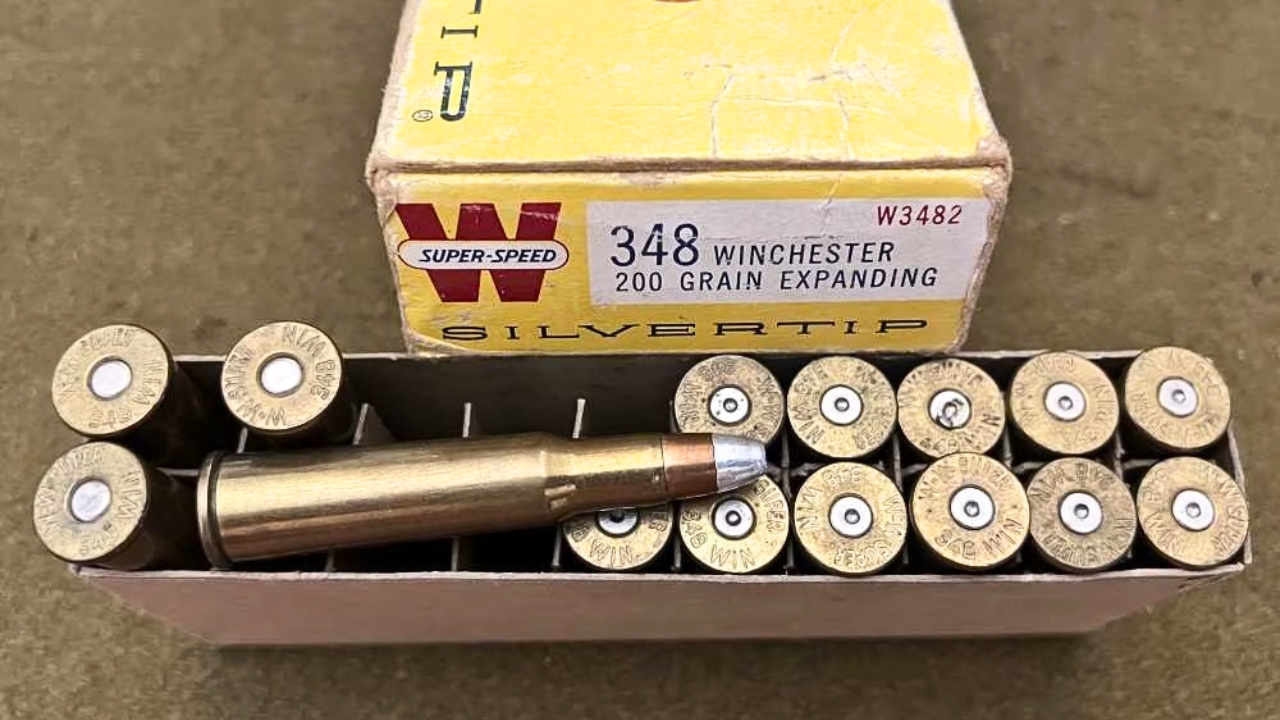
The .348 Winchester is a great old lever-action big-game cartridge tied closely to the Winchester Model 71. It had real power and was useful for elk, moose, bear, and heavy woods hunting. It deserved respect then, and it still deserves respect now.
But it is outdated because the rifle platform and ammo support faded badly. Most hunters today can get similar or better performance from more available cartridges in easier-to-find rifles. The .348 survives because collectors and Model 71 owners want it, not because modern hunters are lining up to start fresh with one.
.222 Remington
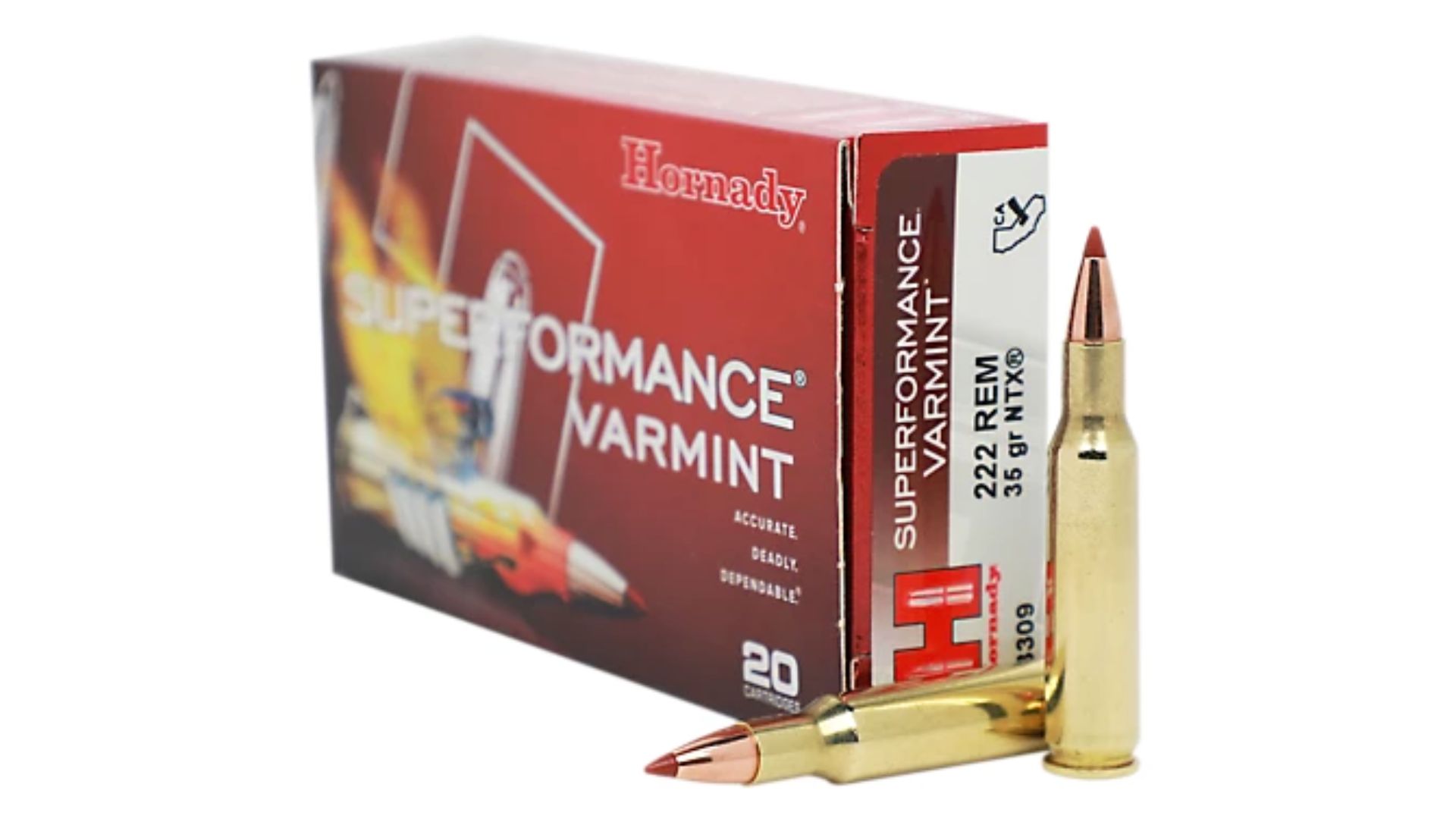
The .222 Remington was once a famous accuracy cartridge and a favorite for varmints. It is mild, pleasant, and still very capable on foxes, prairie dogs, woodchucks, and careful coyote work. It did not become outdated because it was inaccurate.
It became outdated because .223 Remington took over the world. The .223 is faster, cheaper, more available, and chambered in far more rifles. The .222 is still charming and useful, but for most new varmint hunters, it is hard to recommend over the cartridge that replaced it.
.22 Hornet
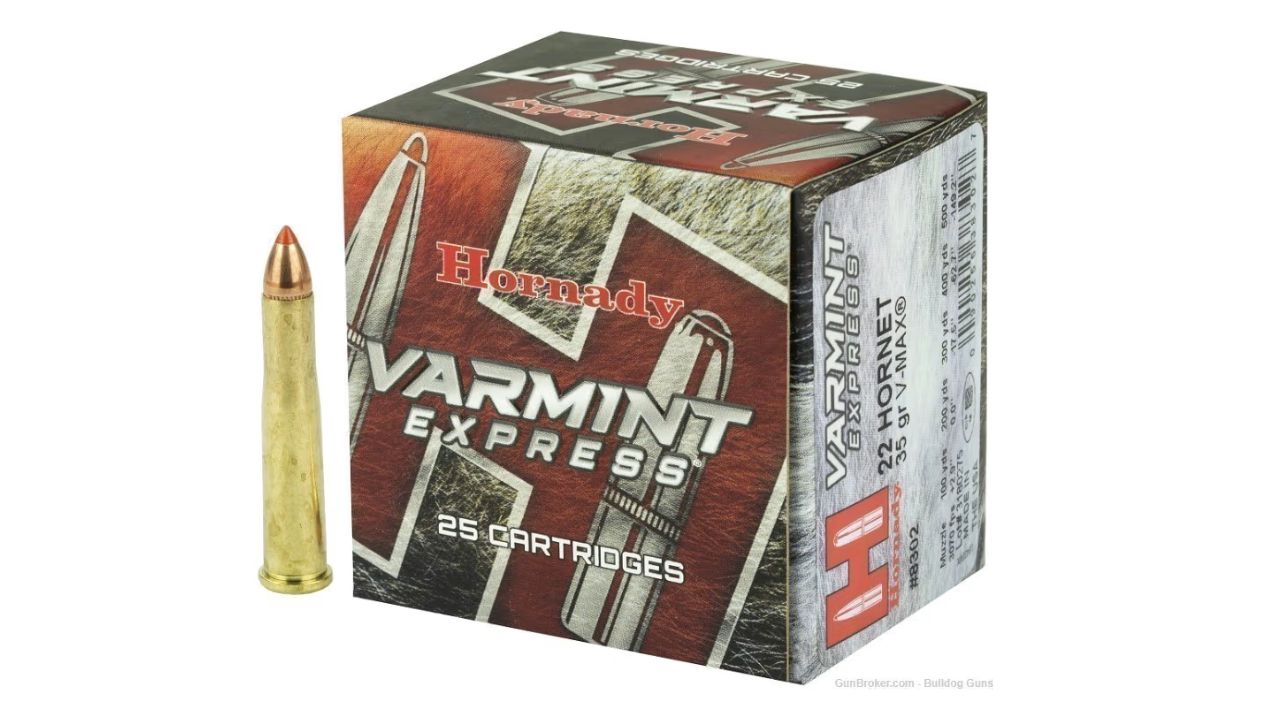
The .22 Hornet still has a role, but it feels old-fashioned next to modern varmint rounds. It is quieter and milder than .223 or .22-250, which some hunters still appreciate. Around farms, for foxes, and for light varmint work, it can be a pleasant cartridge.
The problem is cost and limited support. It does not offer the cheap ammo or rifle variety of .223, and it does not offer the reach of bigger varmint rounds. It survives because it is charming and useful in a narrow way. That is not the same as being a smart default choice anymore.
Like The Avid Outdoorsman’s content? Subscribe to our newsletter so you never miss an article.
Here’s more from us: