Photo credit: Academy Sports
Popularity can hide a lot of weaknesses. A firearm may sell well because it has a famous name, strong marketing, attractive styling, or a reputation repeated by people who have barely used it. Newer shooters often judge a gun by how it feels at the counter. Experienced shooters tend to notice what happens after several hundred rounds, difficult drills, long hunting days, or the first time the gun needs parts and support.
That does not mean every firearm on this list is unreliable or useless. Most became popular for legitimate reasons, and many owners are completely satisfied with them. The disappointment comes from the gap between the reputation and the actual shooting experience. Once someone has used cleaner triggers, better ergonomics, smoother actions, and more refined alternatives, these popular guns can start feeling far less impressive.
Glock 43X

The Glock 43X became enormously popular because it offered the familiar Glock operating system in a slim carry pistol with a full-length grip. It conceals more easily than a Glock 19, feels more controllable than the tiny Glock 43, and benefits from one of the strongest brand reputations in the handgun market.
Experienced shooters often notice that the pistol gives up more than the marketing suggests. The standard magazine holds only ten rounds despite the grip being long enough to print under clothing. The factory trigger is serviceable but rarely memorable, and the narrow frame can feel sharper under recoil than a thicker compact pistol. Aftermarket magazines promise additional capacity, but they may also complicate reliability. The 43X remains easy to carry and simple to maintain, yet some experienced owners eventually decide they would rather carry a smaller micro-compact or move up to a better-shooting compact 9mm.
SIG Sauer P365 SAS
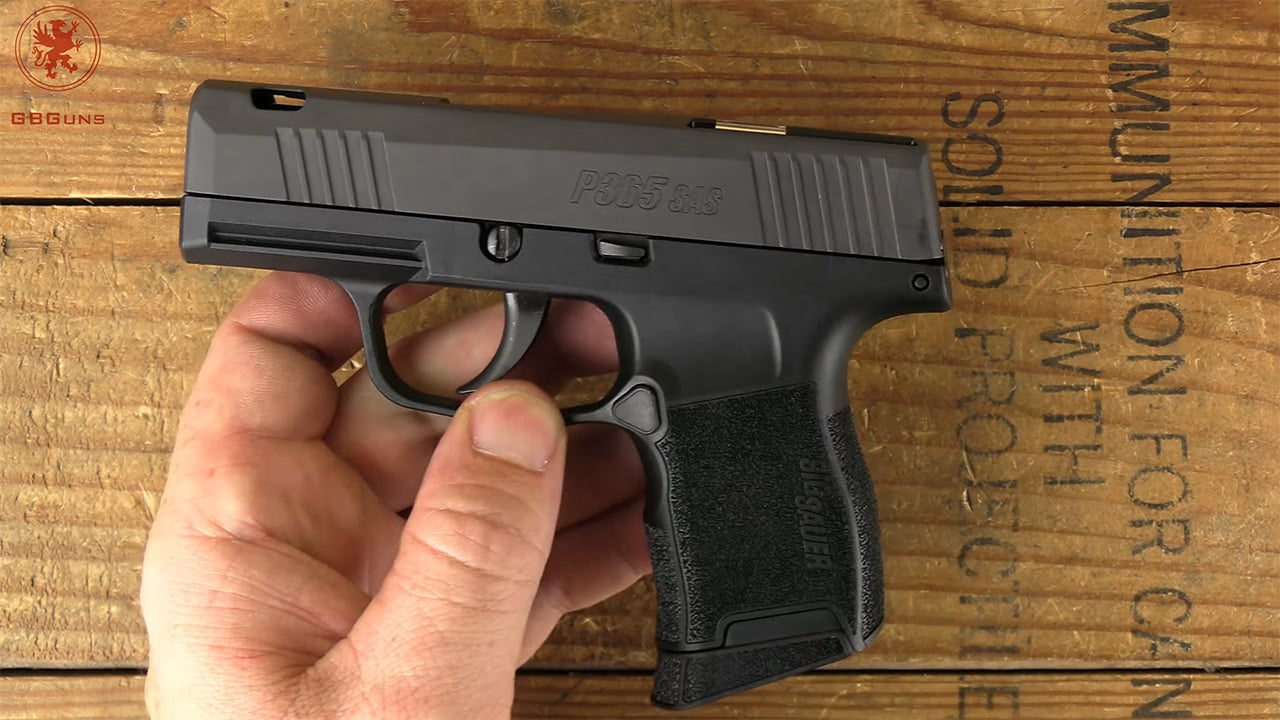
The P365 SAS was designed around extreme snag resistance. SIG removed traditional sights, smoothed the controls, and installed a sighting system recessed into the slide. On paper, it sounded like the ideal deep-concealment pistol for pocket or appendix carry.
The problem is that the design sacrificed too much shootability for a benefit many owners never needed. The recessed sight can be difficult to acquire quickly, especially in poor lighting or from unconventional positions. The flush slide release and takedown controls are also harder to manipulate than standard parts. Experienced shooters generally prefer a carry gun that can be drawn cleanly without giving up familiar sights and usable controls. The regular P365 already conceals exceptionally well, making the SAS changes feel like answers to problems that were not serious enough to justify the drawbacks.
Springfield Armory Hellcat
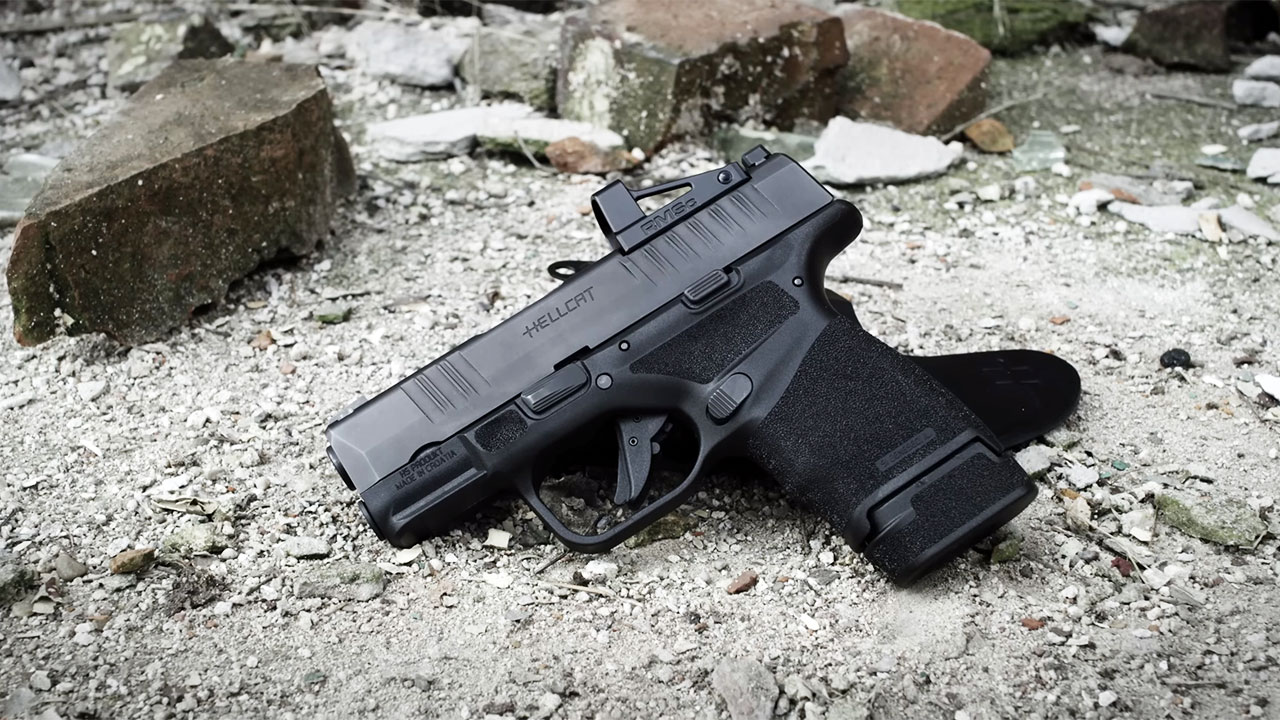
The Springfield Hellcat helped push the high-capacity micro-compact market forward. It offered excellent capacity for its size, aggressive grip texture, useful factory sights, and enough configurations to attract buyers looking for a modern concealed-carry pistol.
Experienced shooters often find that the Hellcat feels snappier than several competitors. The short grip and high-pressure 9mm cartridge create a sharp recoil impulse, while the trigger can feel heavier and less refined than buyers expect. It is completely capable of accurate shooting, but fast drills require more effort than they do with slightly larger pistols. The Hellcat Pro improves control by adding grip length and weight, though that also reduces the concealment advantage. The original Hellcat remains popular because it carries easily, but experienced shooters sometimes decide that a few extra ounces would make the gun far easier to run well.
Kimber Micro 9
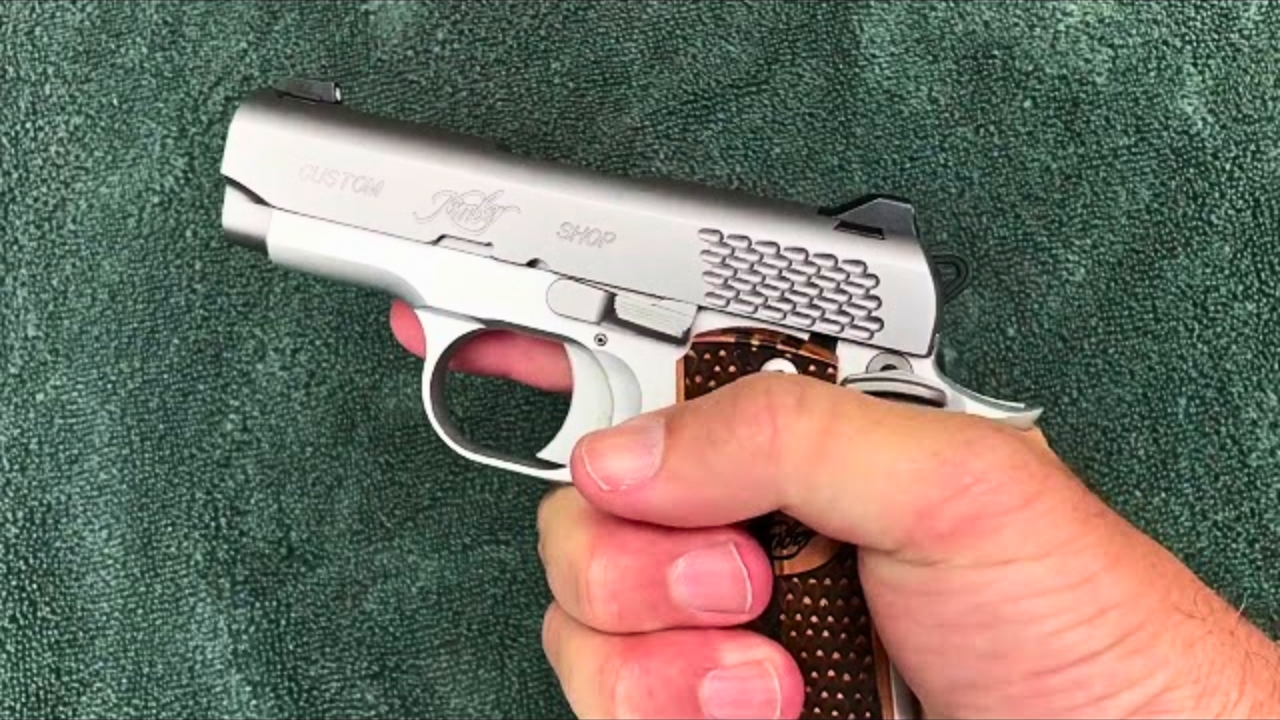
The Kimber Micro 9 attracts buyers with its metal frame, attractive finishes, exposed hammer, and miniature 1911-style appearance. It feels more expensive and traditional than most polymer carry pistols, which makes it especially appealing to shooters who dislike utilitarian designs.
Experienced handgun owners tend to focus less on appearance and more on consistency. The Micro 9 can produce a sharp recoil impulse, and the small grip gives the shooter limited leverage. Its single-action trigger and manual safety require disciplined handling, but the gun is often purchased by people who do not train regularly with that system. Reliability experiences also vary enough to create hesitation in a defensive role. For the same money, experienced shooters can usually find a larger pistol that runs softer or a modern micro-compact with more capacity and better support.
FN Five-seveN
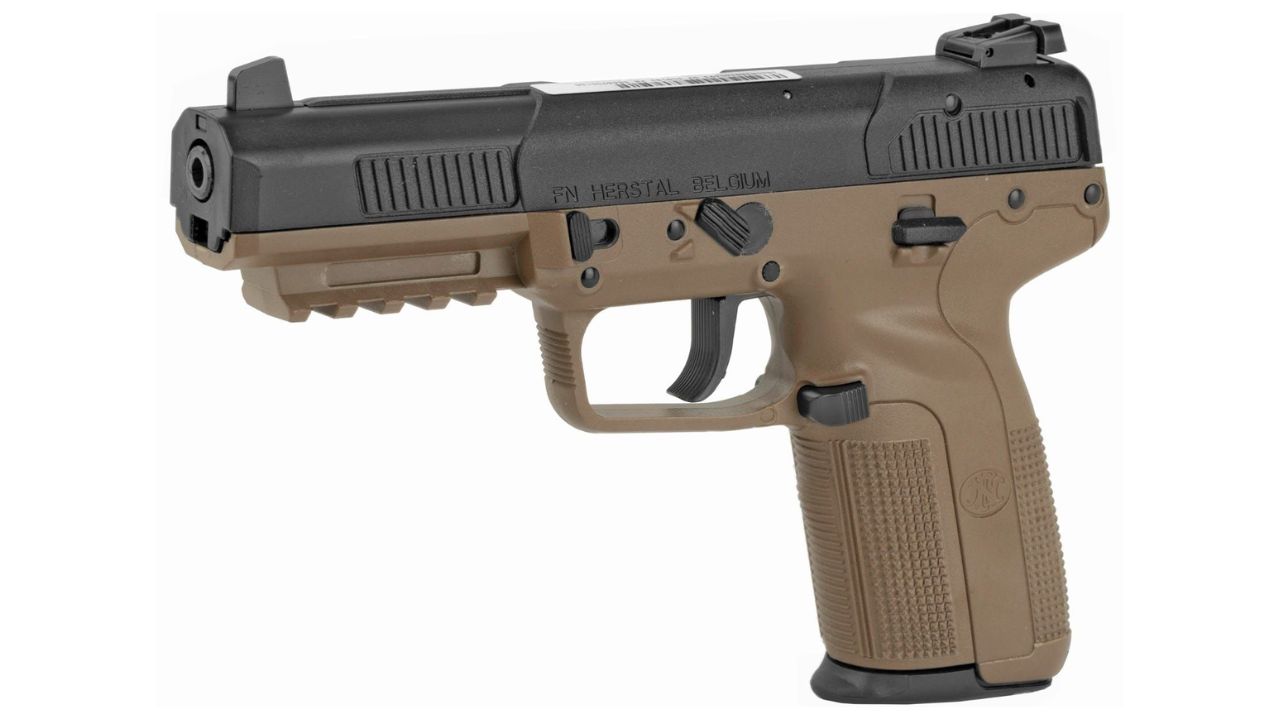
The FN Five-seveN developed a near-mythical reputation because of its military connection, unusual cartridge, high capacity, and futuristic appearance. It is light, accurate, and soft-shooting, and its 5.7x28mm chambering gives it a personality unlike ordinary service pistols.
The disappointment often comes from expectations rather than the gun itself. Experienced shooters know that the civilian shooting experience does not match the dramatic reputation surrounding specialized military ammunition. The grip is large, the controls are unusual, and the pistol costs considerably more than many excellent 9mm handguns. Ammunition is also expensive enough to discourage the high round counts needed to become truly skilled with it. The Five-seveN is interesting and capable, but experienced owners may struggle to identify what it does better for them than a less expensive pistol they can afford to practice with constantly.
Colt Python
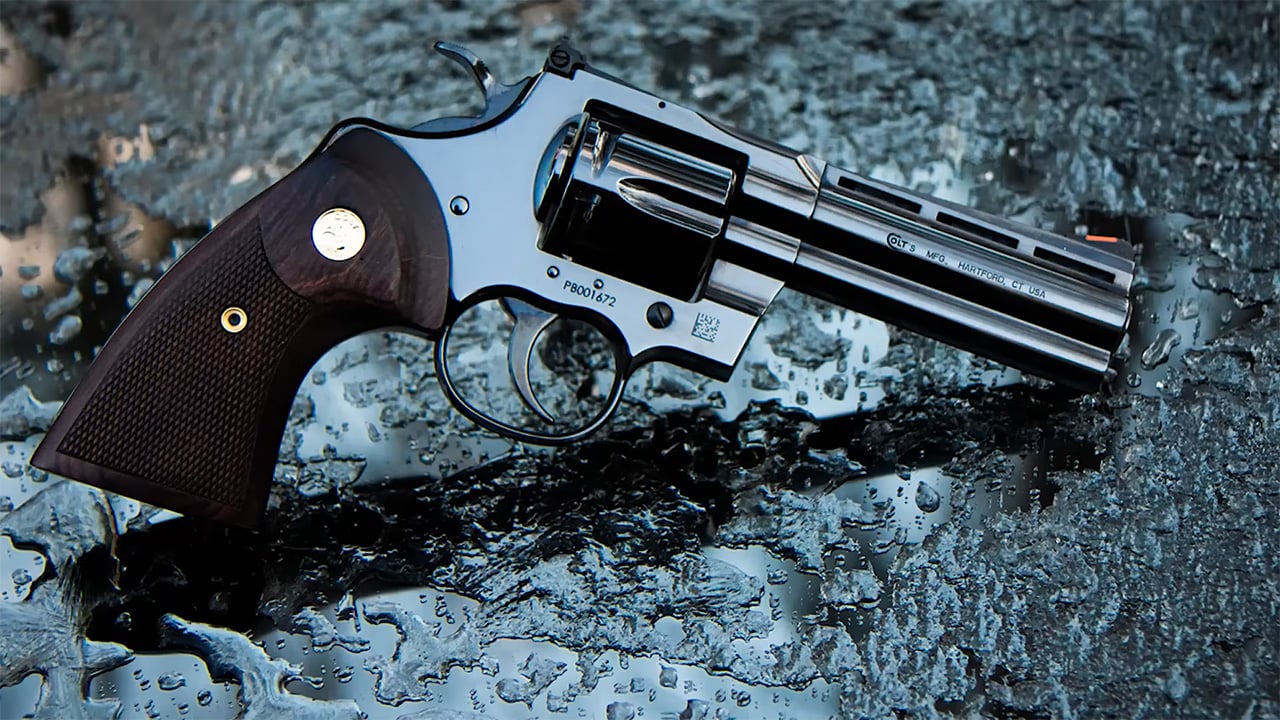
The modern Colt Python is one of the most visually impressive production revolvers available. Its polished stainless finish, ventilated rib, full underlug, and legendary name give it immediate presence. Many buyers approach it expecting the finest .357 Magnum experience money can purchase.
Experienced revolver shooters are more likely to separate the modern gun from the reputation of carefully fitted older Pythons. The current model is strong, accurate, and generally well made, but its trigger does not automatically outperform every Smith & Wesson, Manurhin, or tuned Ruger. The price also reflects the Colt name and appearance as much as practical performance. It remains a desirable revolver, yet someone who cares primarily about hard use may find a Model 686 or GP100 delivers nearly everything needed for considerably less money.
Taurus Judge
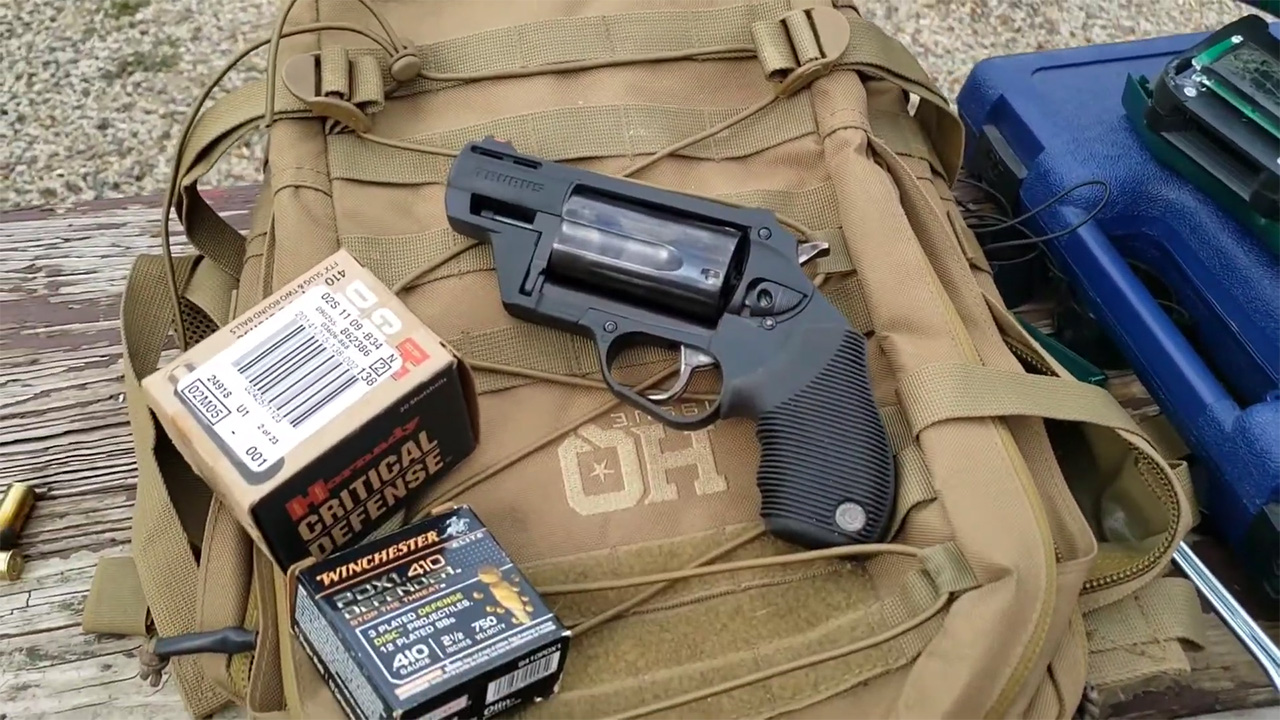
The Taurus Judge remains popular because its concept is so easy to understand. One revolver can fire .45 Colt cartridges and .410 shotshells, which makes it sound suitable for home defense, trail use, snakes, pests, and almost any close-range emergency.
Experienced shooters tend to see a platform designed around compromise. The long cylinder affects balance, the shallow rifling does not optimize .45 Colt accuracy, and shotshell performance from a short rifled barrel varies widely. Many defensive .410 loads also produce large recoil and muzzle blast without delivering the precision of a conventional handgun cartridge. The Judge can be useful for narrow field roles, but it is too large to carry easily and less effective than dedicated guns at most jobs. Its versatility is appealing in theory and far less convincing once performance is measured instead of imagined.
Smith & Wesson Governor
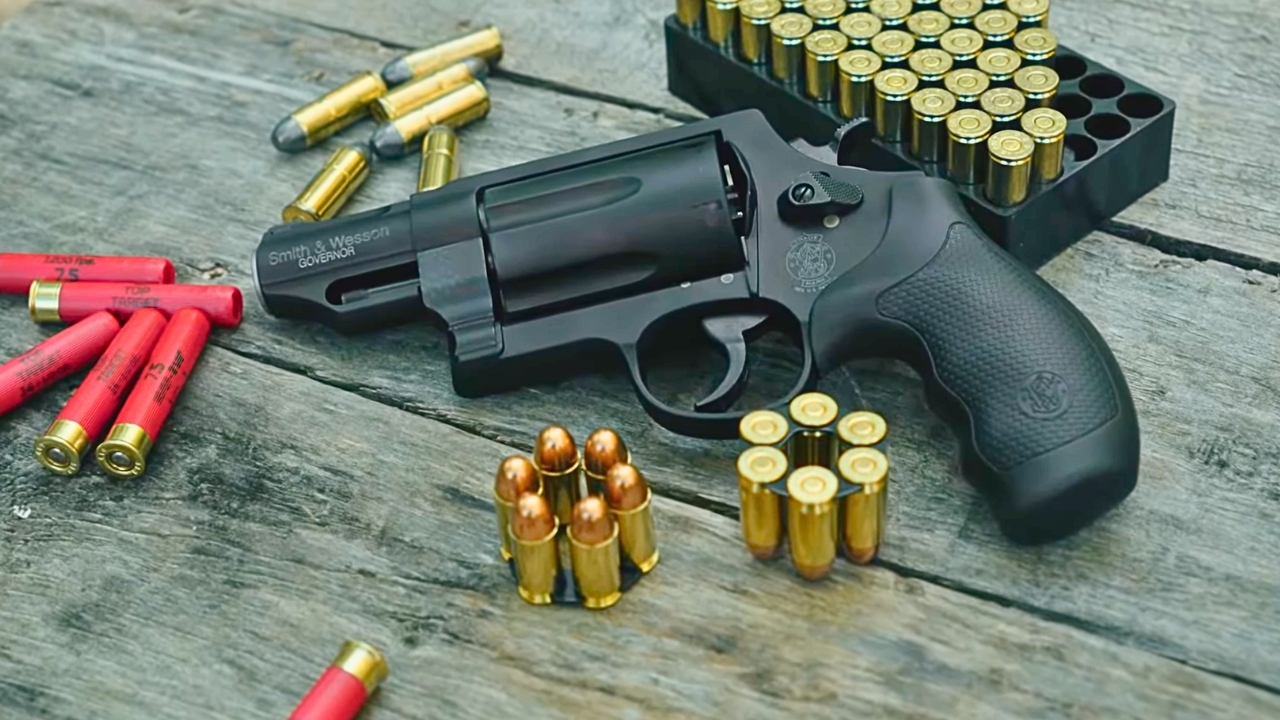
The Governor takes the mixed-ammunition revolver idea further by adding the ability to fire .45 ACP with moon clips. That gives owners three ammunition types in one large revolver and creates the impression of unmatched flexibility.
Experienced shooters quickly notice that flexibility does not equal excellence. The Governor is wide, bulky, and difficult to conceal, while its performance with .410 ammunition remains highly load-dependent. Moon clips make .45 ACP workable, but a dedicated semi-automatic pistol carries more ammunition in a smaller package. A conventional .45 Colt revolver usually shoots that cartridge more naturally, and a shotgun handles shotshells better. The Governor is entertaining and mechanically interesting, but experienced owners may eventually wonder why they bought one gun that does three jobs adequately instead of one that performs its intended role exceptionally well.
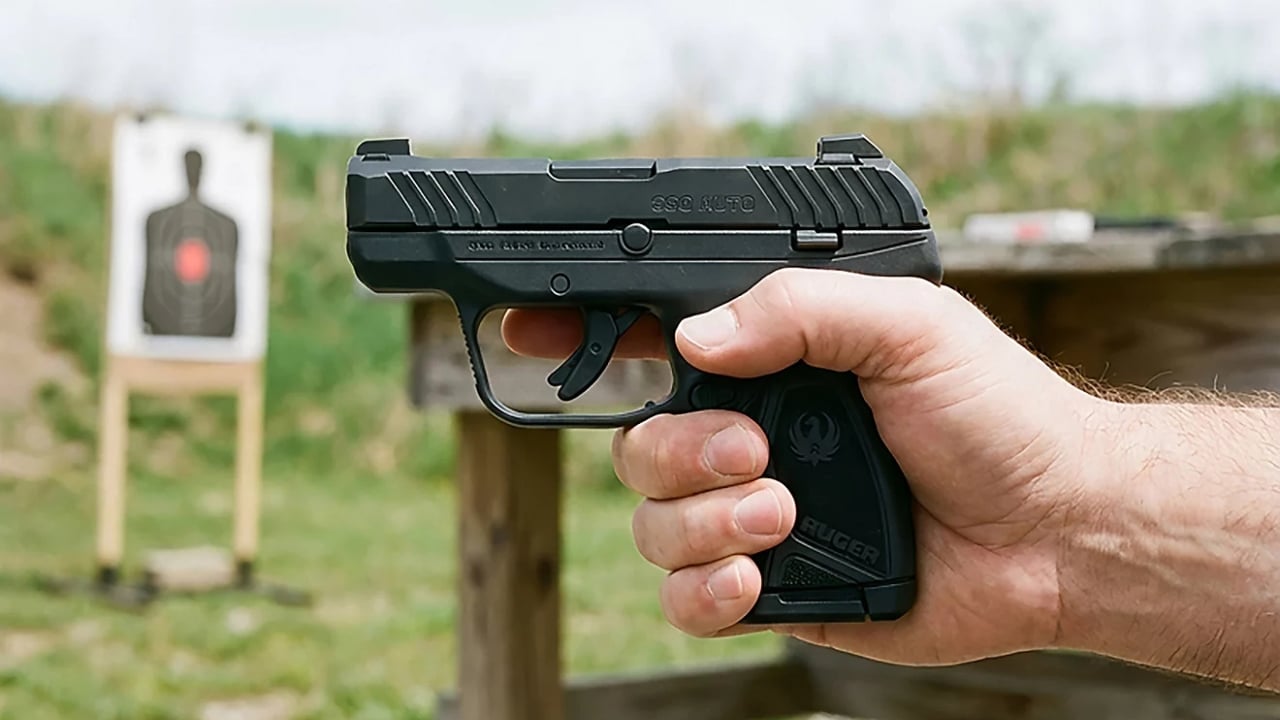
Ruger LCP Max
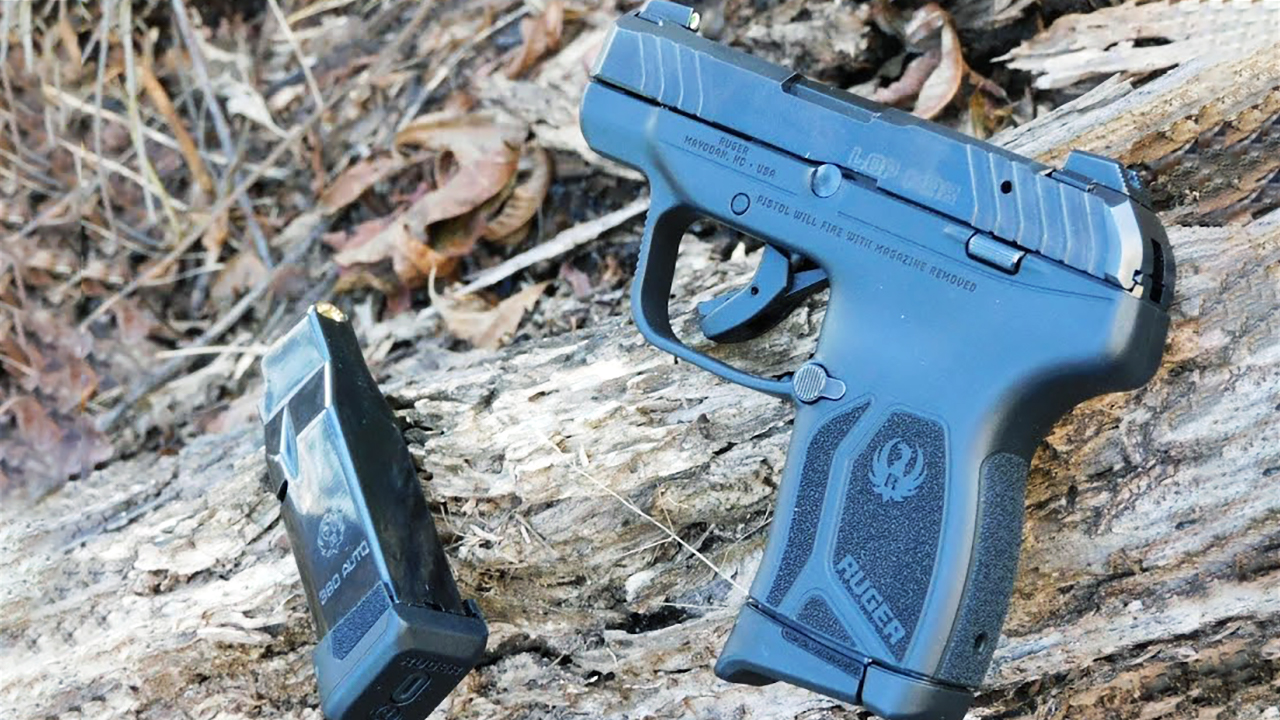
The Ruger LCP Max became one of the most successful pocket pistols available because it increased capacity without losing the tiny dimensions that made the original LCP easy to carry. It is light, thin, and capable of disappearing into clothing that would not conceal most handguns.
Experienced shooters understand that extreme portability creates extreme shooting compromises. The grip is small, the trigger reach is short, and recoil feels sharp despite the .380 ACP chambering. The sights are far better than those on older LCP models, but the short sight radius and light weight still make precise or rapid shooting difficult. The LCP Max fills a legitimate deep-concealment role, yet people who train frequently often choose a slightly larger pistol because they can shoot it dramatically better. It is a gun people love carrying more than they love practicing with.
Glock 26
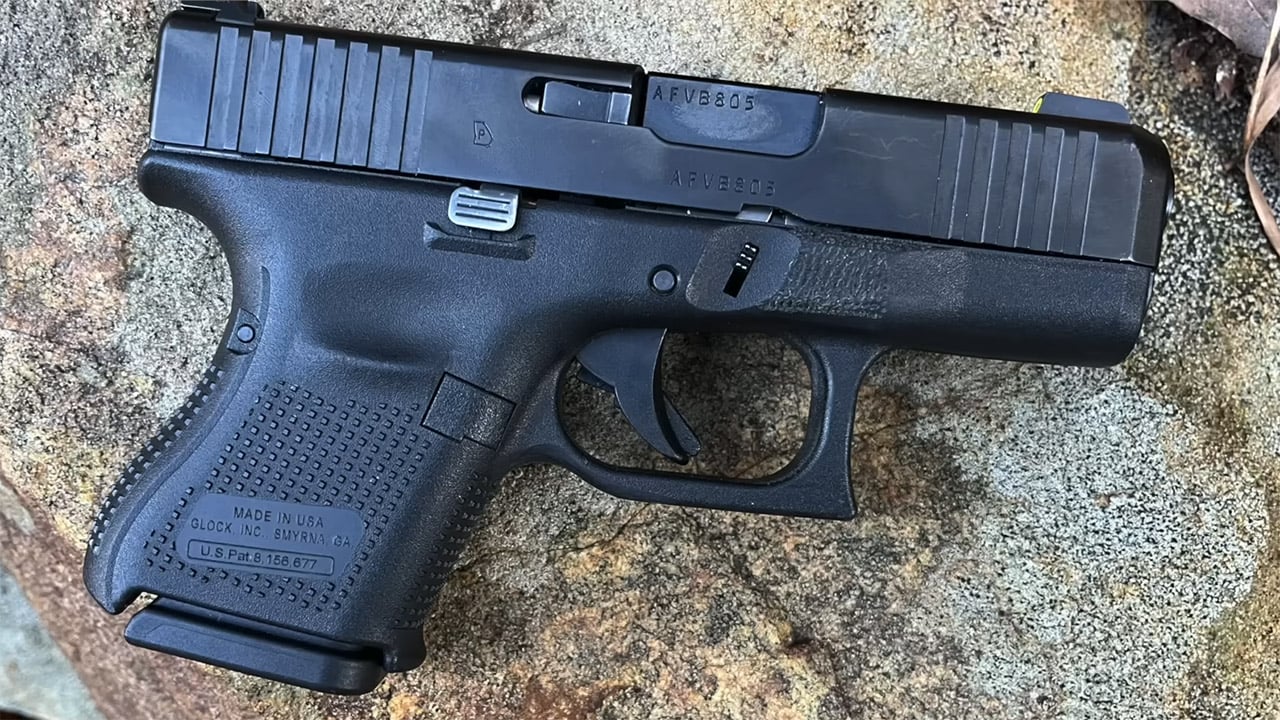
The Glock 26 earned the nickname “Baby Glock” and built a reputation as a reliable subcompact that could accept magazines from larger Glock pistols. It offered real duty-pistol durability in a package small enough for concealed carry.
Experienced shooters often discover that the short grip creates more difficulty than the shortened slide. The pistol is thick for its height, and adding a magazine extension makes it approach the grip length of a Glock 19 without gaining the longer barrel or sight radius. The shape can also feel awkward against the body because the gun remains blocky despite its compact dimensions. The Glock 26 still works well for owners who value magazine compatibility and proven reliability, but many experienced carriers find modern slim pistols easier to conceal or larger compact guns easier to shoot.
Desert Eagle Mark XIX
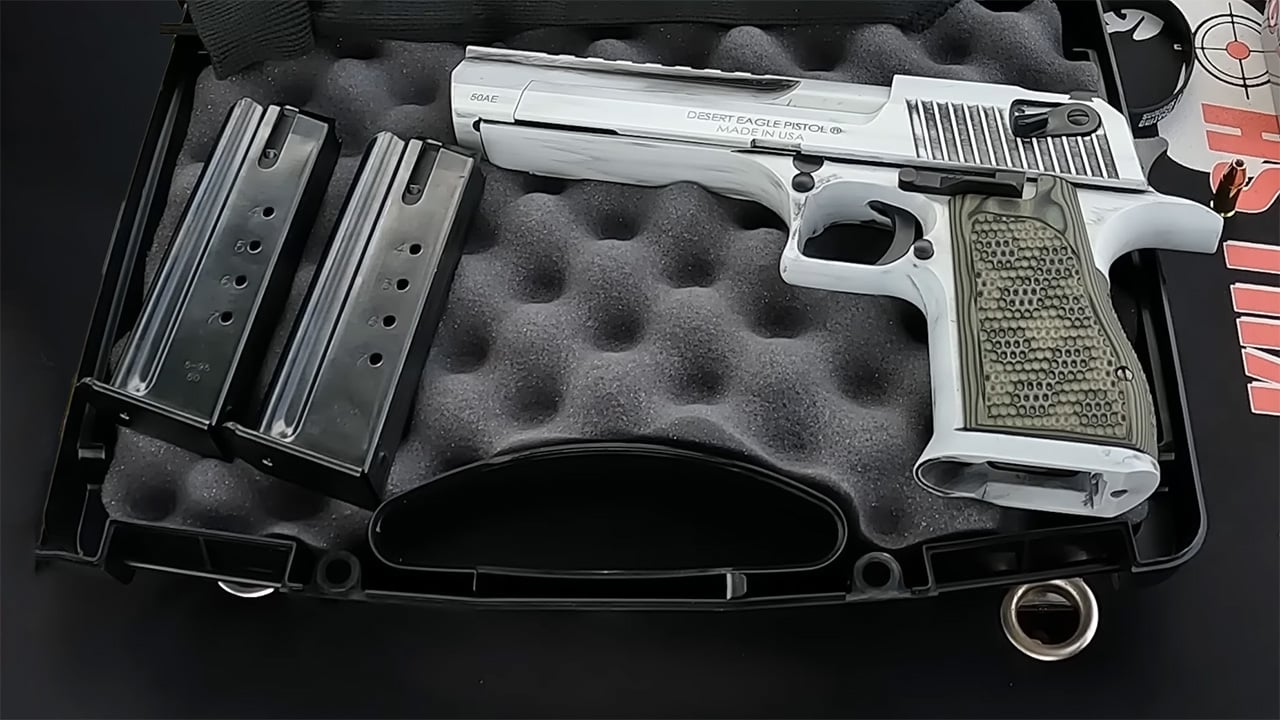
The Desert Eagle has enormous cultural appeal. Its gas-operated action, massive cartridges, and unmistakable appearance make it one of the most requested rental guns at many ranges. It delivers exactly the visual drama people expect.
Experienced shooters quickly recognize that spectacle and practicality are very different things. The grip is enormous, the pistol is heavy enough to become tiring, and reliable operation depends on proper ammunition and a firm shooting technique. The gun is difficult to carry and expensive to feed, while its size reduces the usefulness of the semi-automatic format. A large revolver or carbine usually makes more sense for hunting or field use. The Desert Eagle remains entertaining, but experienced owners often treat it as a novelty that spends more time being shown to people than seriously used.
Springfield Armory Prodigy
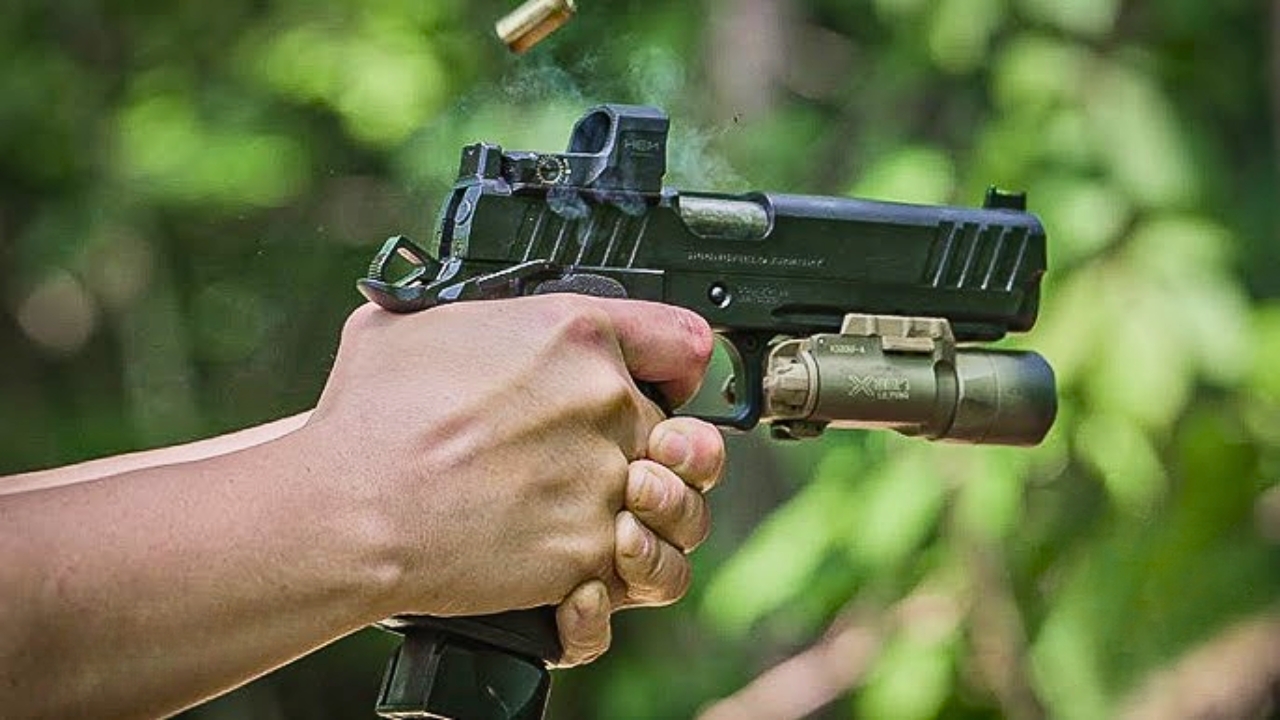
The Prodigy attracted immediate attention by offering double-stack 1911 capacity and features at a price below many established 2011-style pistols. It gave ordinary buyers access to a platform normally associated with expensive competition and tactical handguns.
Experienced shooters were less willing to overlook early reliability complaints, rough fitting, and the cost of making some examples run the way buyers expected. A double-stack 1911 is mechanically less forgiving than a basic polymer pistol, and magazines, springs, extractor tension, and lubrication all matter. Later production guns may perform better, but the initial reputation remains difficult to escape. Experienced shooters often understand that an inexpensive entry into a premium platform can become expensive after parts, tuning, and magazines are added. The Prodigy can be excellent, but it may require more ownership effort than the price tag suggests.
SIG Sauer P320
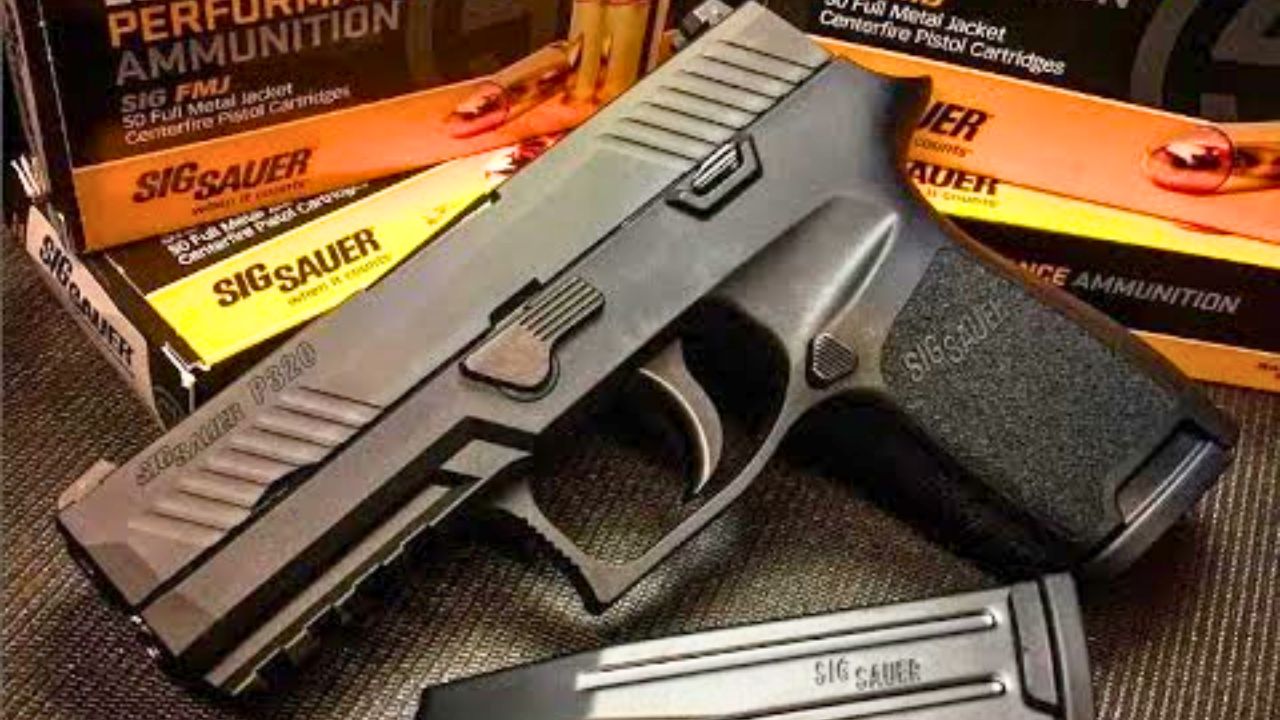
The P320 became one of the most important service pistols of its generation. Its removable fire-control unit allows owners to change frames, slides, and calibers, while military adoption gave the platform enormous credibility and aftermarket support.
Experienced shooters sometimes find the basic shooting experience underwhelming. The pistol can feel top-heavy, the bore axis is relatively high, and the trigger varies noticeably across models. The modularity sounds more useful than it is for owners who simply configure the gun once and leave it alone. Safety controversies and repeated product updates have also created uncertainty around certain generations and configurations. The P320 is capable and adaptable, but experienced shooters may prefer a pistol that feels better out of the box instead of one whose strongest selling point is how much of it can be replaced.
FN 509 Tactical

The FN 509 Tactical arrives with nearly every feature modern buyers request. It includes an optic-ready slide, threaded barrel, suppressor-height sights, extended magazines, and the FN reputation for military-grade durability.
Experienced shooters often notice that the trigger and overall refinement do not match the premium price. The grip texture is aggressive, the controls are functional, and the pistol is reliable, but the shooting experience can feel ordinary beside less expensive Walthers, Smith & Wessons, or CZs. Owners may also replace the trigger, adding even more cost to an already expensive pistol. The 509 Tactical is an excellent host for accessories, but experienced shooters sometimes realize they paid heavily for a feature package without receiving a handgun that actually shoots better than its competition.
HK USP
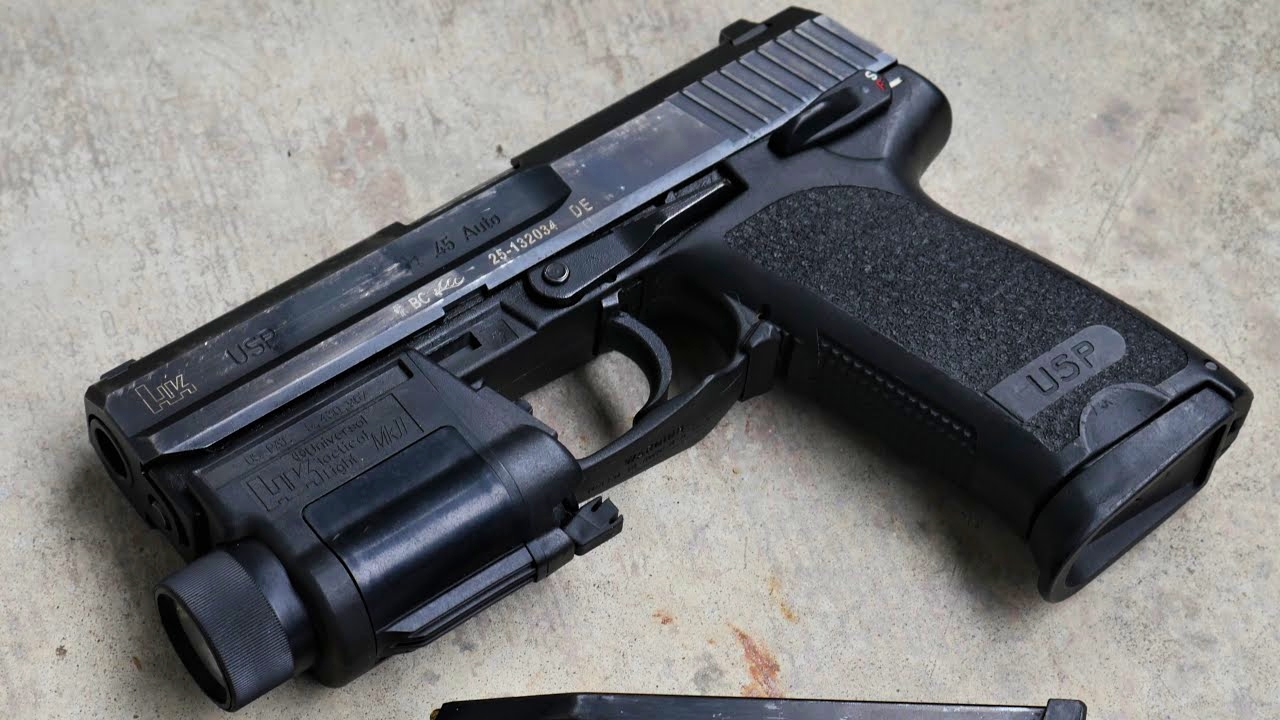
The HK USP has a legendary reputation for durability. It was built to survive demanding use, handle powerful cartridges, and serve military or law enforcement roles with a traditional hammer-fired action. Its reliability record deserves respect.
Experienced shooters often find the design less pleasant than the reputation suggests. The grip is large and blocky, the bore axis is high, and the double-action trigger can feel heavy. The proprietary accessory rail complicates light mounting on older models, and magazines are expensive. The USP remains one of the toughest pistols available, but durability is not the same as shootability. Modern HK pistols and competing designs often provide better ergonomics and controls without giving up practical reliability. The USP can feel like a brilliant product of its time rather than the best choice now.
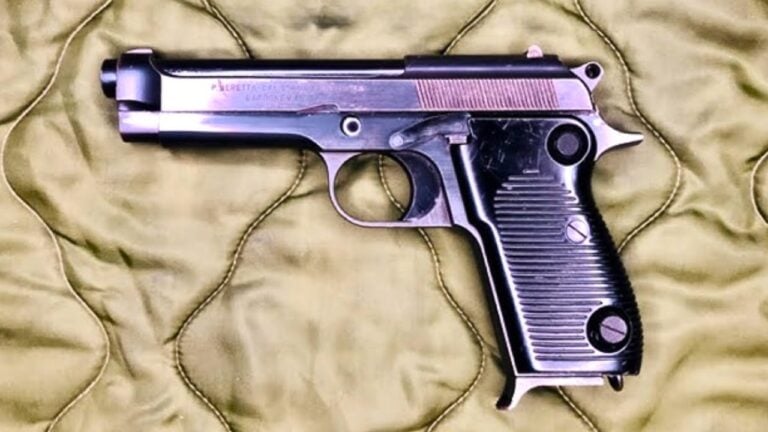
Beretta 92FS
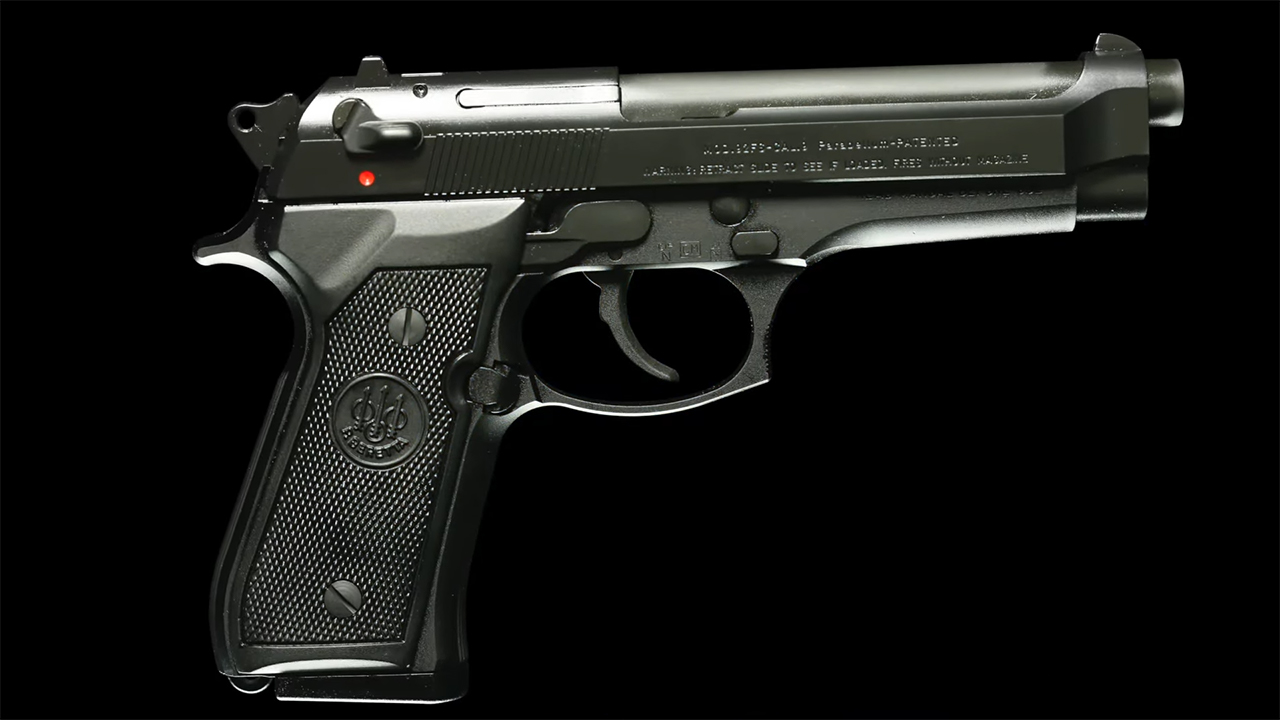
The Beretta 92FS earned fame through military service, film appearances, and decades of civilian use. Its open-slide design, smooth recoil impulse, and attractive metal frame make it one of the most recognizable pistols ever produced.
Experienced shooters may become frustrated with the large grip, slide-mounted safety, and long reach to the double-action trigger. The locking block requires periodic attention, and the pistol is physically large for its capacity compared with newer designs. Tuned versions from Langdon Tactical demonstrate how good the platform can become, but the standard 92FS often feels less refined than its reputation suggests. It remains accurate and pleasant to shoot, yet experienced owners may wish Beretta had included the best modern improvements in the basic gun instead of reserving them for more expensive variants.
Ruger American Pistol

The Ruger American Pistol was built as a durable service handgun with replaceable grip modules, ambidextrous controls, and a strong chassis system. It entered the market with military and law enforcement ambitions and the trusted Ruger name.
Experienced shooters often find it bulky, heavy, and visually awkward without receiving a major performance advantage in return. The trigger is usable, but the pistol lacks the refined feel of competitors from Walther, CZ, or Smith & Wesson. It is also supported by a much smaller aftermarket than Glock or SIG platforms. The Ruger American may run reliably for years, but it rarely inspires owners to train with it, customize it, or recommend it enthusiastically. It is a competent pistol trapped in a category where competence alone is not enough.
CZ Scorpion EVO 3 S1
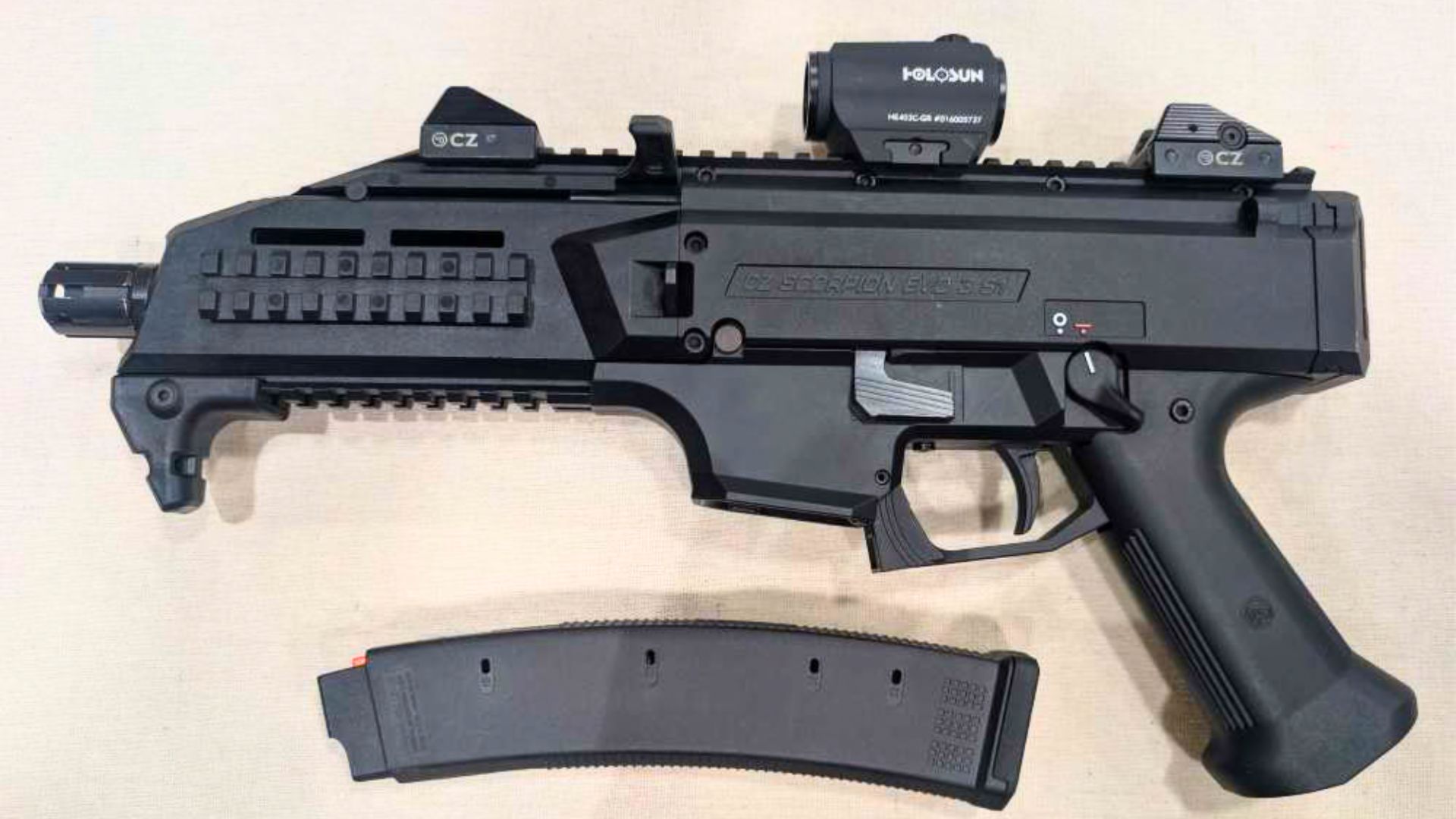
The CZ Scorpion became popular because it looked modern, used affordable 9mm ammunition, accepted large magazines, and had enormous aftermarket support. It gave buyers a compact carbine that felt more exotic than an AR-pattern pistol-caliber gun.
Experienced shooters often criticize the factory trigger, safety placement, and recoil impulse. The straight-blowback action produces more movement than many buyers expect from a heavy 9mm firearm. The safety can dig into the firing hand, and most owners quickly begin replacing grips, controls, springs, and other parts. The aftermarket can turn the Scorpion into an excellent gun, but that process reveals how many factory details should have been better from the beginning. Experienced shooters may prefer delayed-blowback systems that feel smoother and require fewer immediate upgrades.
FN SCAR 17S

The SCAR 17S became one of the most desirable .308 semi-automatic rifles because of its military background, folding stock, light weight, and distinctive appearance. It has proven capable in demanding environments and remains one of the few rifles in its class with true service history.
Experienced civilian shooters often question the price-to-performance ratio. The reciprocating charging handle on older versions can be awkward, the factory trigger is ordinary, and the stock has earned criticism for feeling less substantial than the rest of the rifle. Optics also need to tolerate the rifle’s unusual recoil characteristics. Modern AR-10 platforms can offer excellent accuracy, better triggers, broader parts support, and lower cost. The SCAR 17 remains capable and desirable, but experienced owners may realize they paid a premium for exclusivity and military identity more than a dramatic increase in practical performance.
Christensen Arms Ridgeline
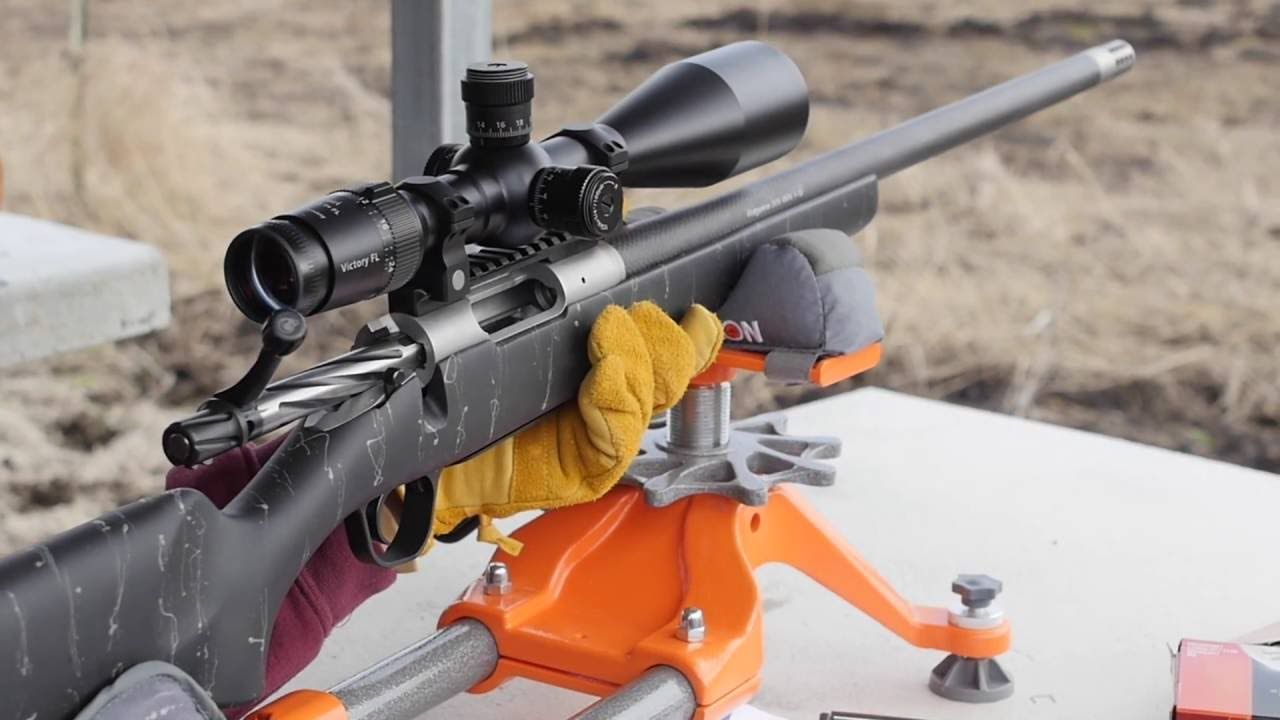
The Christensen Arms Ridgeline attracts hunters with carbon-fiber barrel technology, low weight, modern styling, and promises of premium accuracy. It looks like a factory route into the lightweight custom-rifle category.
Experienced shooters tend to be less impressed by specifications alone. Lightweight rifles are harder to hold steady, heat quickly, and can produce harsh recoil in larger chamberings. Reports of inconsistent accuracy and quality control have also made some buyers cautious. A rifle carrying a premium price needs to deliver consistent fit, feeding, and grouping without requiring repeated factory contact. Good Ridgelines can shoot extremely well, but experienced hunters may prefer a heavier Tikka, Bergara, or Sako that gives up a few ounces in exchange for greater confidence and steadier field performance.
Like The Avid Outdoorsman’s content? Subscribe to our newsletter so you never miss an article.
Here’s more from us: