Photo credit: Military Arms Channel/YouTube
Some rifles look unbeatable on paper and sound unbeatable in comment sections. Then you buy one, live with it, and realize the “internet favorite” comes with tradeoffs nobody mentioned. Weight, balance, weird controls, picky mags, heat shift, or a setup that feels great on a bench and awful anywhere else—those things don’t show up in hype posts.
Here are 15 rifles that get defended hard online, but a lot of owners end up quietly sour on once the honeymoon is over.
Springfield M1A (Loaded / Standard)
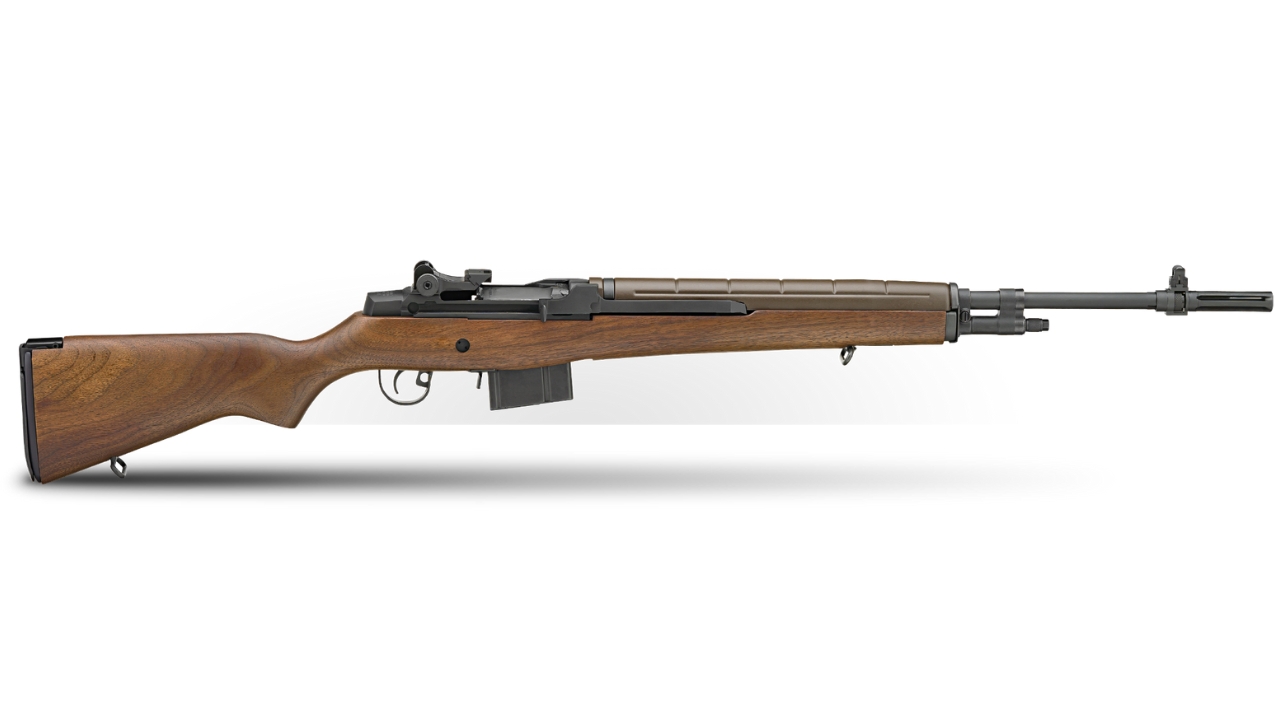
Online, the M1A gets talked about like it’s the ultimate do-it-all .308. In real life, a lot of owners hate the optics situation, hate the weight once they actually carry it, and hate how quickly “simple” turns into “project.” The rifle can shoot fine, but many examples aren’t the consistent tack drivers people expect, especially once the gun heats up and the shooter’s expectations get unrealistic. It’s a cool rifle, but plenty of guys realize an AR-10 or a bolt gun fits their life better.
Ruger Mini-14 (standard models)

The Mini-14 gets called the perfect ranch rifle online. Then owners take it to the range and discover the accuracy and heat behavior don’t always match the hype, depending on the model and ammo. Some Minis shoot great. Some don’t. Either way, the gun tends to be treated like it should shoot like a precision rifle because it’s “not cheap anymore.” Once a shooter starts chasing groups, they get frustrated fast. Many end up selling it and buying a basic AR that’s easier to mount optics on and easier to keep consistent.
FN SCAR 17S

The SCAR 17S is one of those rifles people praise like it’s flawless because it’s expensive and iconic. In real life, the weight of the full setup, the cost of mags and ammo, and the “don’t treat it like a beater” vibe often kill the romance. A lot of owners also learn quickly that optics and mounts matter more than they expected, and the rifle can be less forgiving to casual setups. It’s a great rifle for the right person, but many buyers realize they don’t actually want to live in SCAR-world.
SIG Sauer MCX SPEAR (7.62)
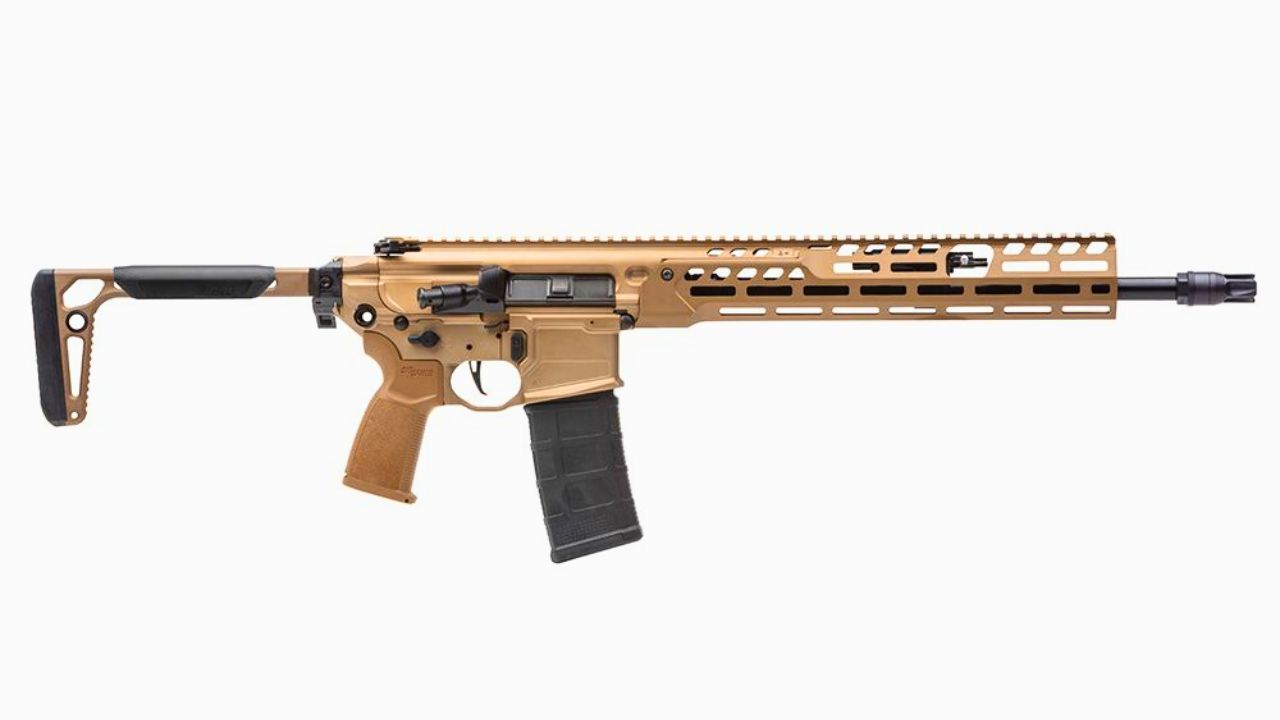
The SPEAR gets hyped as the future, and it definitely has the cool factor. The problem is that “cool” doesn’t automatically translate to “I like carrying this rifle all day” or “I like paying to train with it.” Many owners end up with a heavy rifle, a heavy optic, and expensive ammo—and then they don’t shoot it enough. When a rifle costs so much that you’re scared to beat it up and too broke to practice with it, it turns into safe candy. That’s how people end up resenting it.
IWI Tavor X95
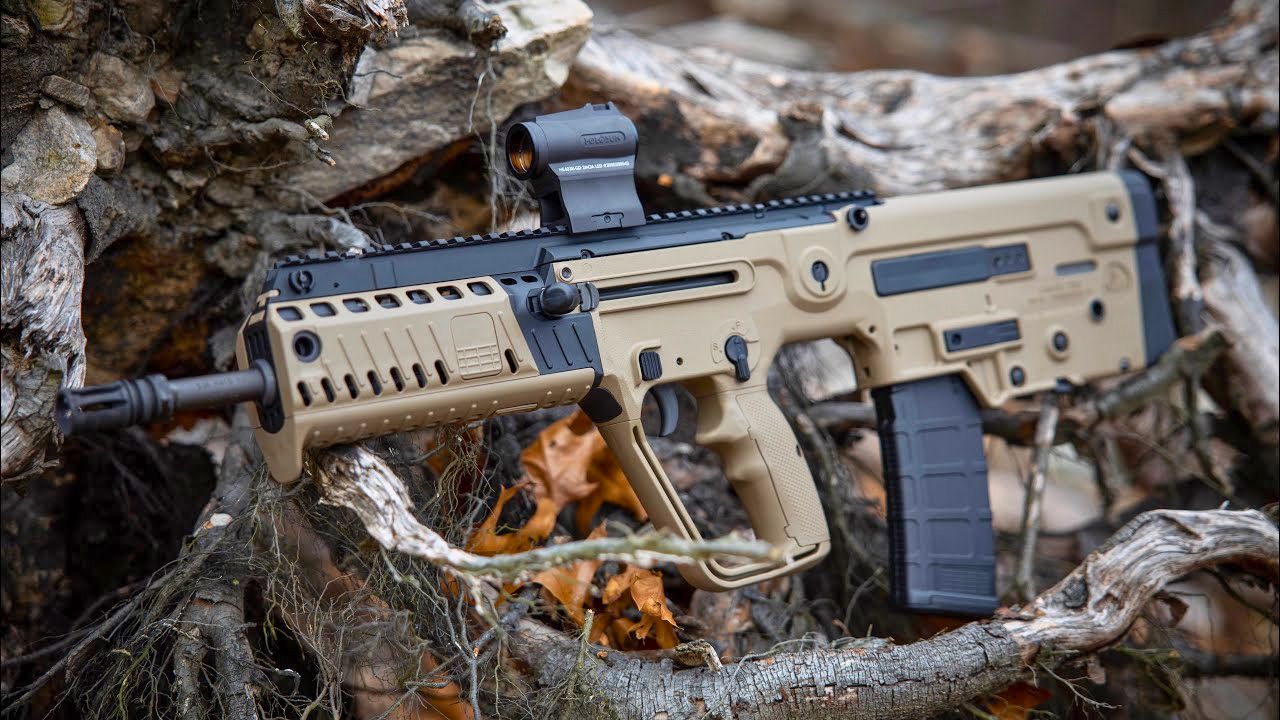
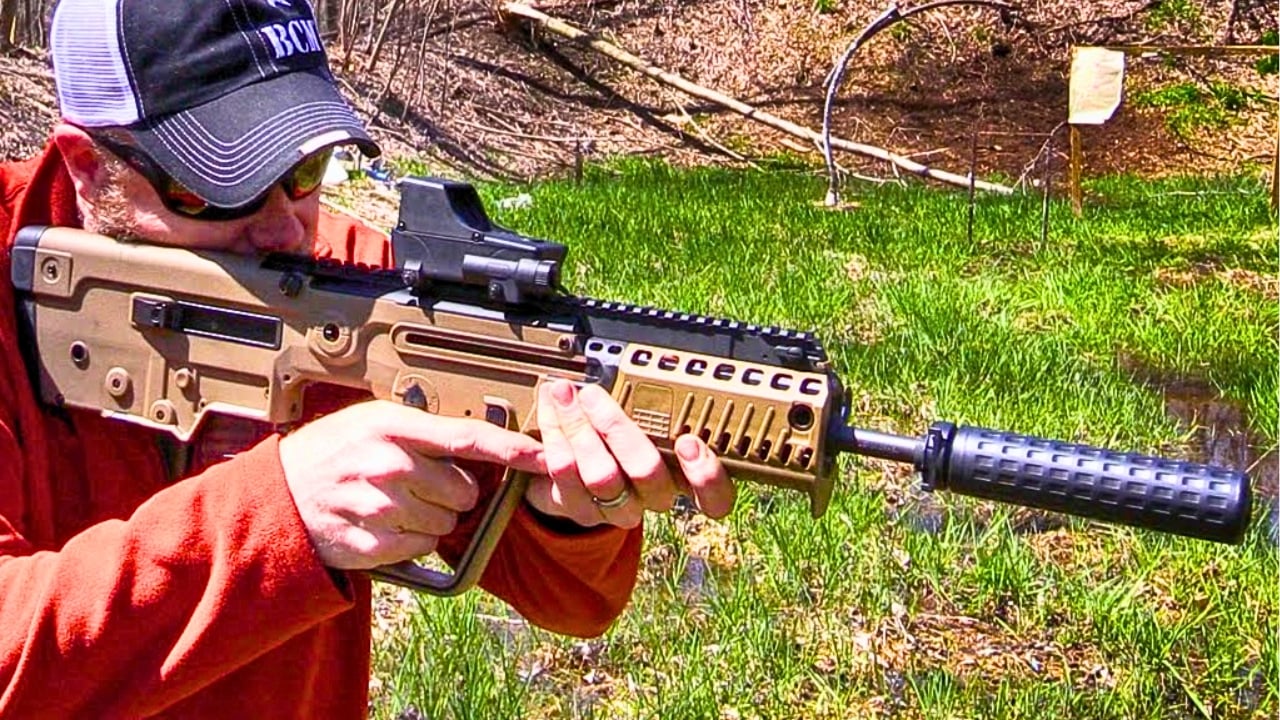
Bullpups get praised online as the perfect compact rifle. In real life, a lot of shooters simply don’t like how they handle, reload, or clear compared to an AR. The balance is different, the trigger feel can be a letdown, and the ejection behavior is its own thing. None of that makes it “bad,” but it can make it feel awkward under speed. Many owners love the concept and hate the execution after they try to run drills or shoot from odd positions. The rifle ends up being “interesting” more than “trusted.”
Kel-Tec RDB
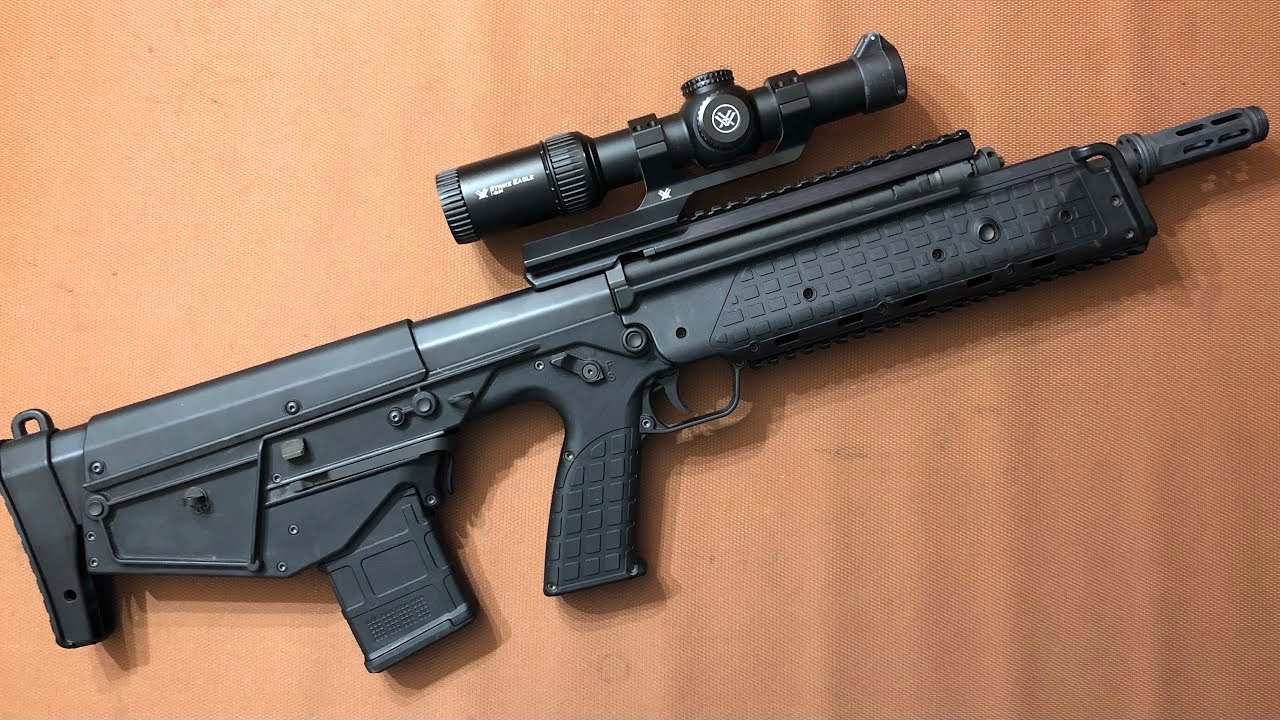
The RDB gets a ton of online love because it’s clever and affordable for what it is. Then owners run into the realities of Kel-Tec: variation between examples, quirks you have to learn, and a platform that can feel less confidence-inspiring than mainstream rifles. When you’re training hard, you want boring predictability. The RDB can be fun, but “fun” rifles often become “why did I buy this?” rifles when something small starts nagging at your trust. A lot of owners eventually simplify back to an AR.
PTR-91 (G3 pattern)
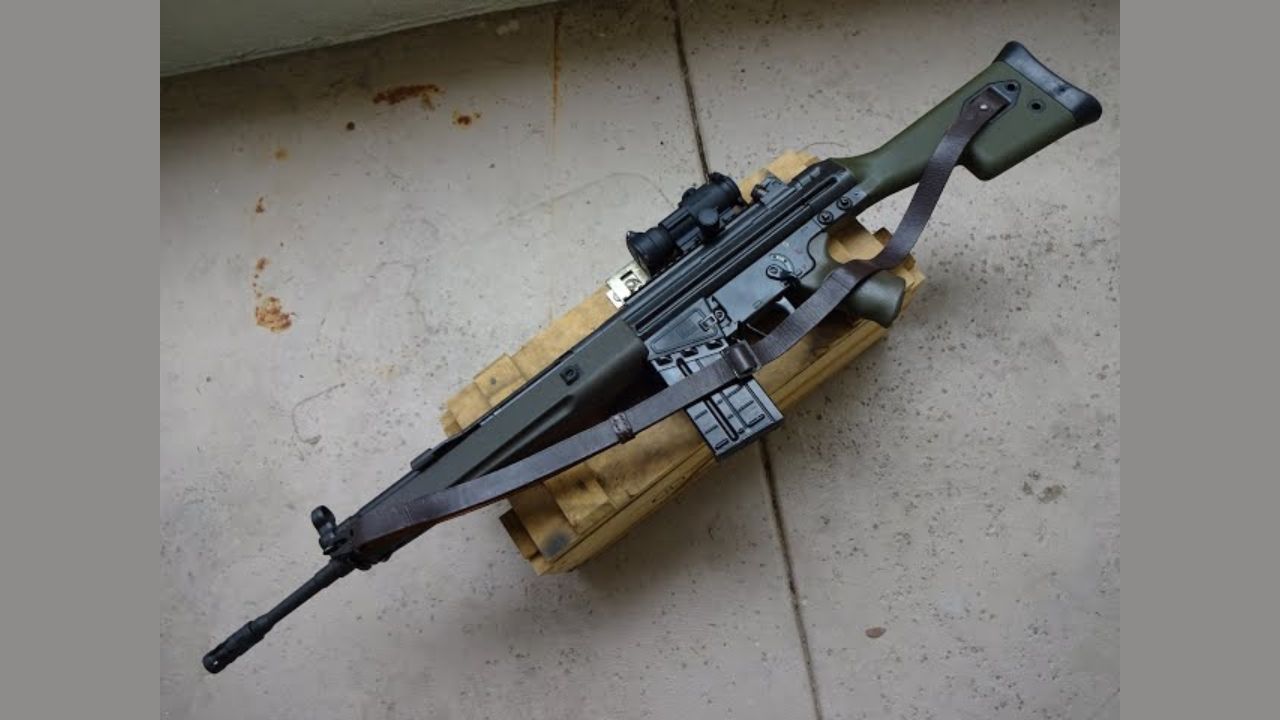
Online, people praise the PTR-91 as a rugged battle rifle that’s built for hard use. In real life, new owners often hate the ergonomics, hate the weight, and hate the recoil impulse for what they’re getting. They also discover quickly that the manual of arms is not modern, and the rifle can feel clunky compared to an AR-10. When you try to shoot it fast and clean, you notice the rough edges. Some shooters love that old-school feel. Plenty decide it’s more nostalgia than practicality and move on.
PSA PA-10 (Gen 3 and similar builds)

Budget AR-10s get praised online as “just as good” when someone wants to justify a cheaper purchase. In real life, a lot of owners end up learning the AR-10 pattern isn’t as standardized as AR-15s, and small differences can show up as annoying reliability or mag fit issues. Plenty of PA-10s run fine for casual use. The hate usually starts when people actually train—longer strings, faster cadence, hot gun, varied ammo. If the rifle becomes picky, the owner ends up troubleshooting instead of shooting.
Ruger Precision Rifle

The RPR gets sold online as the affordable precision answer. Then owners realize it’s heavy, awkward to move with, and not the “do anything” rifle they imagined. It shines when you treat it like a range tool. It’s miserable when you try to treat it like a field rifle. A lot of shooters also expect instant tiny groups without doing the work—ammo testing, fundamentals, and realistic barrel heat behavior. When results aren’t magical, they blame the rifle and start hating it. Many end up buying a lighter bolt gun that fits their actual needs.
Christensen Arms Ridgeline
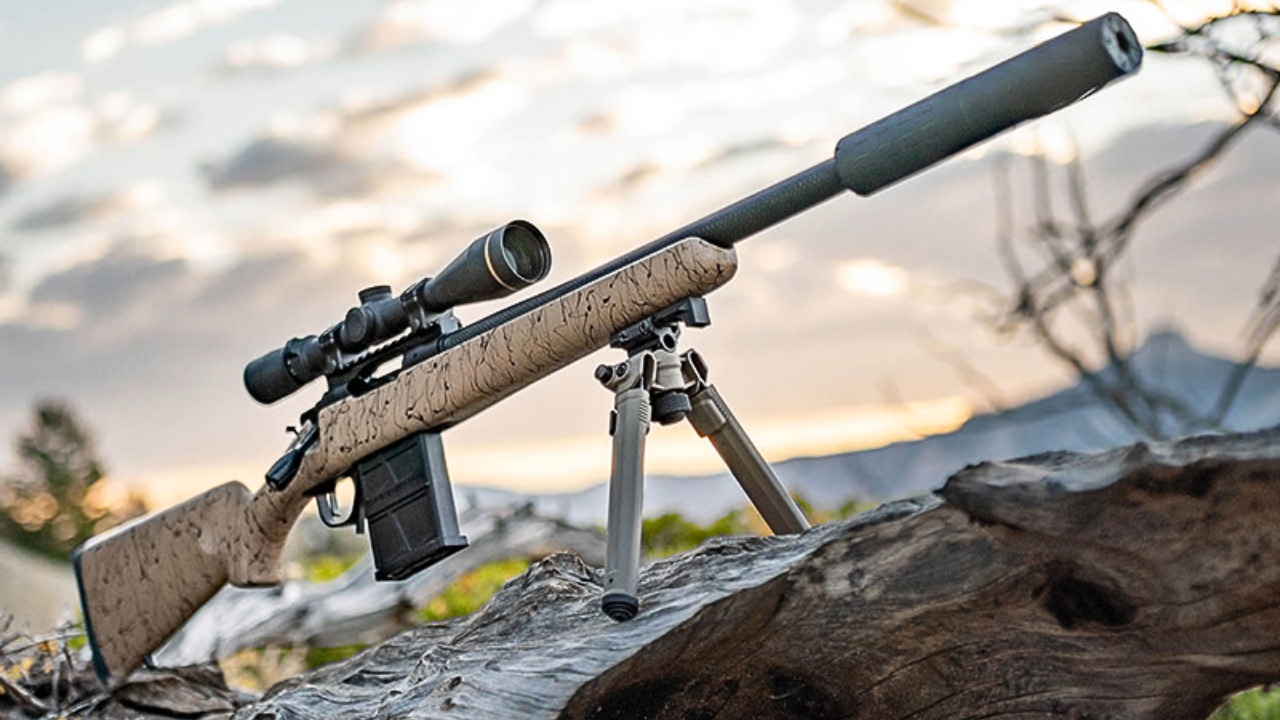
Christensen rifles get hyped hard online because “lightweight carbon rifle” sounds like the holy grail. In real life, some owners have fantastic experiences and others have enough frustration—accuracy complaints, QC complaints, or customer service headaches—that the brand becomes polarizing. The hate comes from expectations. When you pay premium money, you expect premium consistency, and any rough spot becomes unforgivable. A lightweight rifle also isn’t always easy to shoot well offhand, and some buyers confuse that with the rifle being inaccurate. That gap between hype and real experience creates a lot of bitterness.
Savage Axis II

Axis rifles get defended online because they can shoot well for the money. The hate comes when someone buys one expecting it to feel like a “real rifle” and then lives with the flimsy stock feel, the cheaper hardware, and a setup that’s sensitive to pressure and mounting quality. Many owners also buy them as packages and then chase wandering groups. That turns into anger aimed at the rifle because it’s the visible thing in their hands. With a good mount setup and realistic expectations, they can work. Without that, they’re a common “never again” rifle.
Mossberg Patriot

Patriots get praised online as a budget sleeper. The real-life hate often comes from inconsistency across examples and the fact that a lot of buyers don’t want to “tinker” with a hunting rifle. If the trigger feel is off, the stock feels hollow, or the setup doesn’t hold steady, frustration builds fast. Owners also tend to expect far more than a bargain rifle should deliver, especially at longer ranges. When it doesn’t deliver, they don’t blame their process—they blame the rifle. That’s how Patriots end up sold off after one season.
Remington 700 (recent production rifles)

The Remington 700 name gets defended online like it’s sacred. The real-life hate comes from modern production reputations and the fact that not every “new 700” feels like the older guns people romanticize. Many owners buy on nostalgia, then run into a rifle that doesn’t wow them out of the box. They end up bedding, replacing stocks, swapping triggers, and basically rebuilding a rifle they thought would be ready. The 700 platform can be amazing, but the “I shouldn’t have to fix this” feeling is what turns owners against it.
Ruger American Predator

Ruger Americans get praised online as unbeatable value. Then owners actually carry them, shoot them from field positions, and notice how much the stock and overall feel can impact consistency. Some Americans shoot lights out. Some are just okay. The hate usually shows up when people treat them like precision rifles—long strings, hot barrels, heavy bipod pressure—and then complain about shifting impacts. It’s a hunting rifle at a value price. If you expect it to behave like a match rig, you’ll end up angry.
CVA Scout (single-shot)

Single-shots get praised online as “simple and reliable,” and they can be. In real life, many owners hate the pressure a single-shot creates when the moment matters. That pressure makes people rush, flinch, or overthink the shot—then they blame themselves, then they blame the rifle. Add heavy-recoiling chamberings many Scouts get purchased in, and you’ve got a setup that’s not forgiving for most shooters. The simplicity is real, but so is the limitation. A lot of owners learn they’d rather have a repeatable second shot than a romantic concept.
Like The Avid Outdoorsman’s content? Be sure to follow us.
Here’s more from us: