Photo credit: Review Folks/YouTube
Some guns are easy to move on from. You buy them, shoot them for a while, and eventually trade them off without thinking much about it. Then there are the guns that get under your skin a little. They fit your hands right, carry well, shoot the way you want them to, and quietly become the firearm you compare everything else to. Those are the hard ones to replace.
A lot of the time, it is not even about price. It is about familiarity, trust, and the simple fact that some firearms keep proving themselves in ways that newer, flashier options never quite do. Once you spend enough time with one of these, selling it or replacing it starts to feel like more trouble than it is worth. Here are 15 firearms that are tough to replace once you own them.
Smith & Wesson Model 686

A good 686 is tough to replace because it covers so much ground without feeling compromised. It can be a range revolver, a field gun, a defensive revolver, or simply the handgun you keep because it always seems to make sense. With .38 Special it is easy to live with. With .357 Magnum it still has serious authority.
Once you spend enough time with one, it becomes more than a revolver you happen to own. It becomes the revolver you judge other revolvers against. Plenty of wheelguns are good, but the 686 has a way of settling into a collection like it was always supposed to be there. That kind of fit makes replacing it harder than buyers expect.
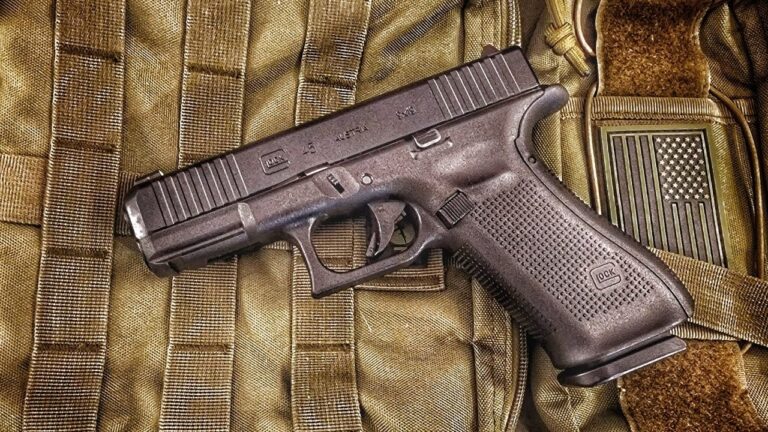
Glock 19
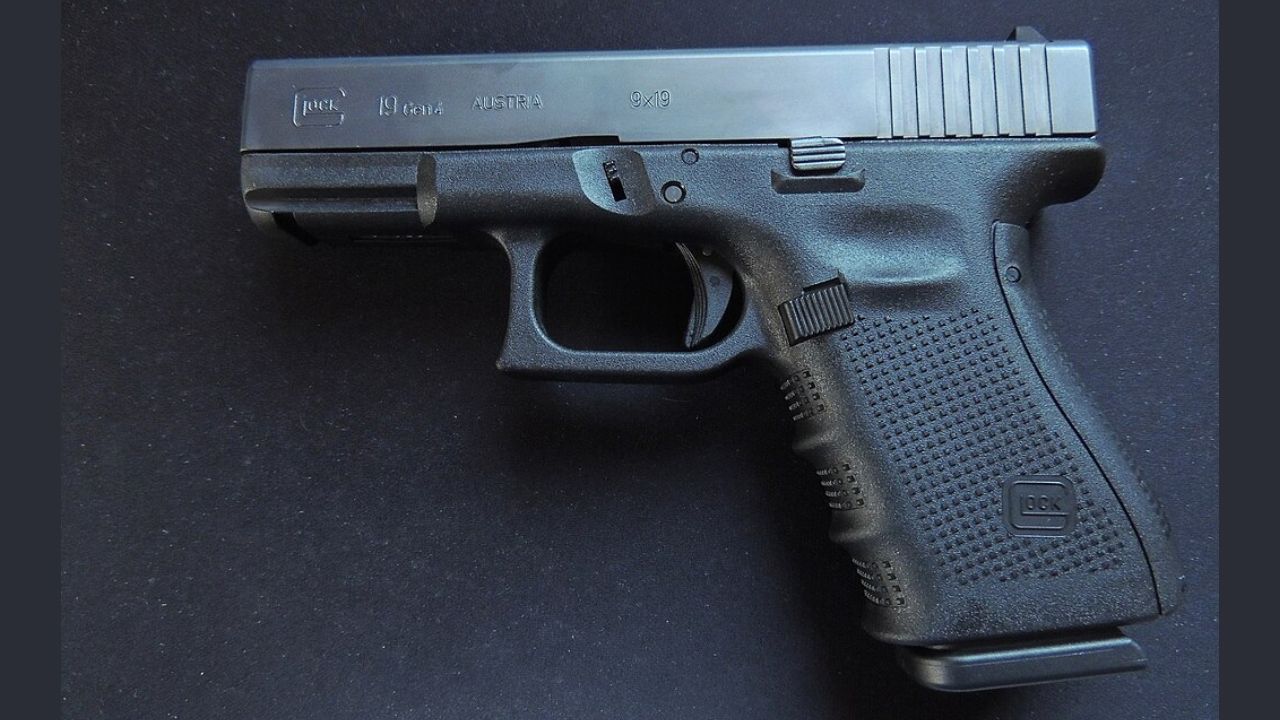
The Glock 19 is hard to replace because it makes so much sense for so many roles. It is large enough to shoot well, small enough to carry for a lot of people, and supported by about the deepest parts and magazine ecosystem in the handgun world. Once you learn one well, it becomes easy to stop shopping and start trusting.
That is what makes it sticky. You may buy other pistols, test other carry guns, and flirt with newer releases, but the Glock 19 tends to keep hanging around because it does not give you many real reasons to let it go. It is not always exciting, but it keeps being useful. That is harder to replace than people think.
Ruger 10/22

The 10/22 is one of the hardest rifles to replace because it ends up doing too many things too well. It can train new shooters, handle small game, burn through cheap range days, and stay relevant whether you leave it stock or slowly build it into something more personal. That flexibility keeps it in the safe long after flashier rifles come and go.
It is also the kind of rifle that becomes familiar in a very comfortable way. You know how it feels, you know how it shoots, and you know it can fill a dozen casual roles without complaint. Once a gun earns that kind of everyday usefulness, replacing it feels less like upgrading and more like giving away a tool you already trust.
Winchester Model 70

The Model 70 is tough to replace because it feels like a real rifle in a way that a lot of newer guns never quite match. The action, the handling, and the field confidence it gives you all add up. A lot of modern rifles can shoot well, but not all of them settle into your hands and your hunting habits the way a good Model 70 can.
That is why owners hold onto them. It is not just about the name. It is about what happens after a few seasons, when the rifle starts feeling like part of the routine instead of part of the collection. Once a rifle reaches that point, replacing it is not really about swapping hardware. It is about walking away from familiarity you already trust.
Remington 870

A solid 870 is hard to replace because it tends to become the shotgun that handles everything from birds to buckshot without making a fuss. Once a shotgun proves it can ride in a closet, a truck, a duck blind, or a deer camp and still keep doing what it is supposed to do, it starts earning a different kind of respect.
That long-term usefulness matters. You may look at nicer shotguns or more specialized setups, but the 870 keeps surviving those comparisons because it remains so easy to live with. It is familiar, dependable, and adaptable enough that replacing it often feels like fixing a problem you did not really have in the first place.
Mossberg 500

The Mossberg 500 sticks around for the same reason the 870 does: it keeps making sense. Once you own one and learn it, the shotgun tends to become one of those tools you do not think much about until you need it. Then it keeps doing the job, whether that job is hunting, home defense, or plain range use.
That kind of practical value makes replacement hard. Even when people buy more expensive scatterguns later, the 500 usually stays because it has already proven itself too many times to ignore. It does not demand attention. It earns trust. That is a tough combination to replace with something shinier.
Tikka T3x

The T3x is hard to replace because it often gives owners exactly what they hoped for right out of the box. It tends to shoot well, the action feels smooth, and the whole package comes across like a rifle built for actual use instead of sales-floor theatrics. Once somebody has a rifle like that, the urge to keep shopping usually cools off.
That is a big reason Tikkas hang around. A lot of rifles look good on paper, but the T3x often turns into a rifle people actually rely on year after year. When a gun becomes the one you grab without second-guessing, replacing it starts to feel like a downgrade risk more than an upgrade opportunity.
Ruger GP100

The GP100 is tough to replace because it gives owners a very specific kind of confidence. It feels strong, stable, and built for years of real use. If you are the kind of shooter who appreciates a magnum revolver that can take hard range time without feeling delicate, the GP100 has a way of settling into permanent status.
A lot of revolvers can impress you for a little while. The GP100 tends to win people over for the long haul. It is not trying to be precious or flashy. It is trying to last and keep shooting well. Once a handgun earns that kind of reputation with its owner personally, it becomes very hard to argue yourself into letting it go.
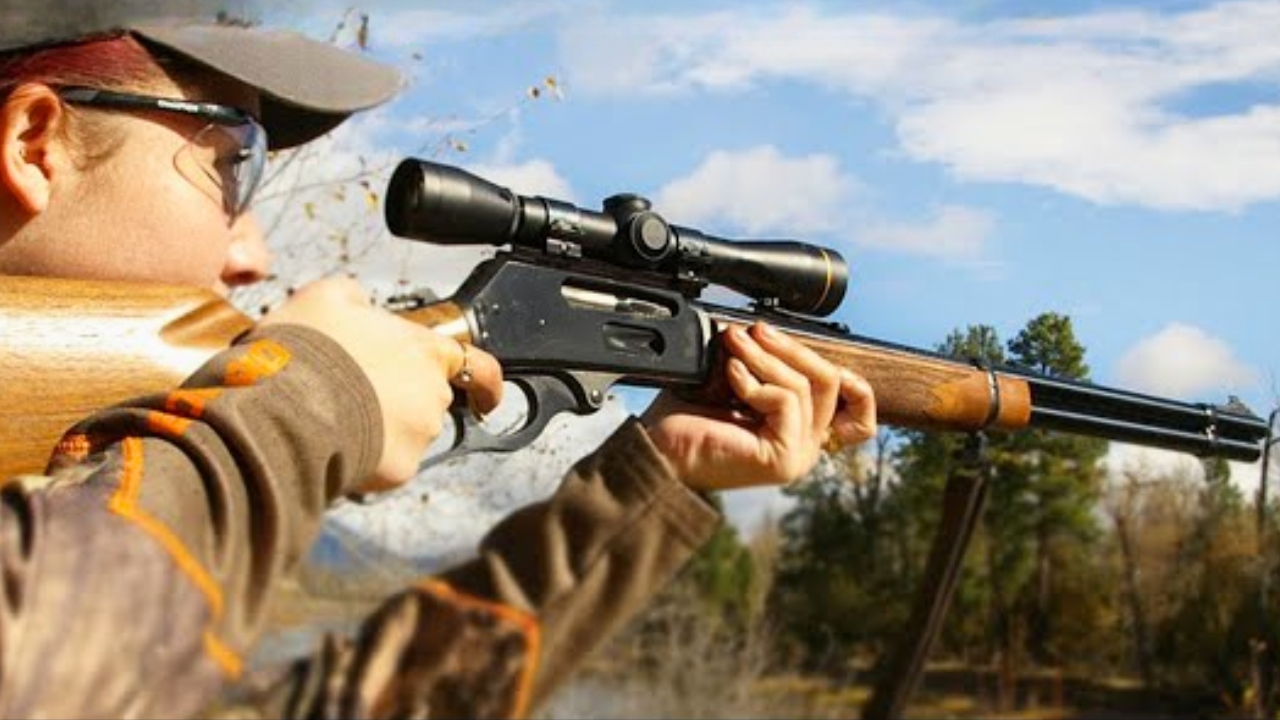
Marlin 336

The Marlin 336 is one of those rifles that becomes difficult to replace because it feels alive in the woods. It carries well, shoulders quickly, and fits the kind of hunting where a rifle needs to be more than accurate on paper. Once you spend enough time with a good 336, you stop seeing it as “just a lever gun.”
That is when it becomes hard to move on from. Plenty of rifles can do the job, but not all of them do it with the same quick-handling, familiar feel. The 336 has a way of turning into the rifle you know by instinct. Once that happens, replacing it is not just about finding another deer rifle. It is about finding one that feels as natural.
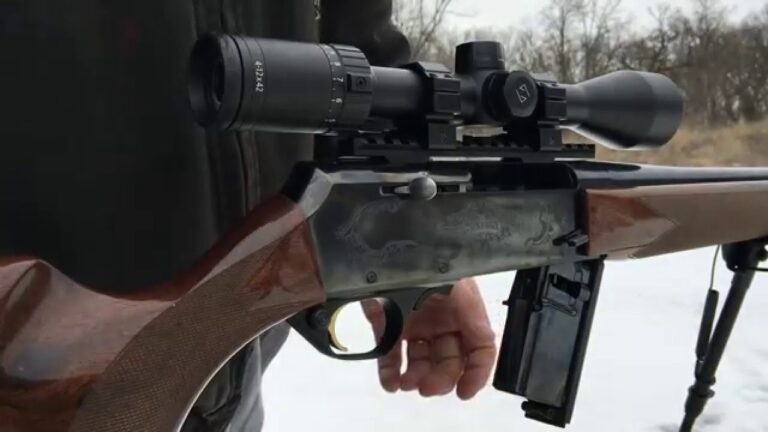
Browning BAR

A good BAR is tough to replace because it gives owners semiauto speed without making the rifle feel like a range toy or tactical project. It still feels like a hunting rifle, and that matters to people who carry one in the field season after season. Once you get used to that smooth recoil impulse and dependable follow-up capability, it is hard to shrug off.
The BAR also tends to stick because there are not a lot of direct replacements that feel equally mature. Some autoloaders are fun. Some are practical. The BAR has long held a place where it feels proven and serious, which makes it much harder to swap out casually once it has earned a spot in your hunting routine.
SIG Sauer P226

The P226 is hard to replace because it tends to make owners feel settled. It is large enough to shoot very well, durable enough to build real trust, and proven enough that the buyer usually feels like they are done experimenting once they get comfortable with it. That is a strong kind of ownership.
Once you learn the pistol and start shooting it well, it becomes harder to get excited about trading it away for the next trendy option. Plenty of newer pistols exist, but not all of them feel as established or as easy to trust. The P226 has a way of becoming the pistol you come back to, and that makes replacing it much harder than buying it in the first place.
CZ 457
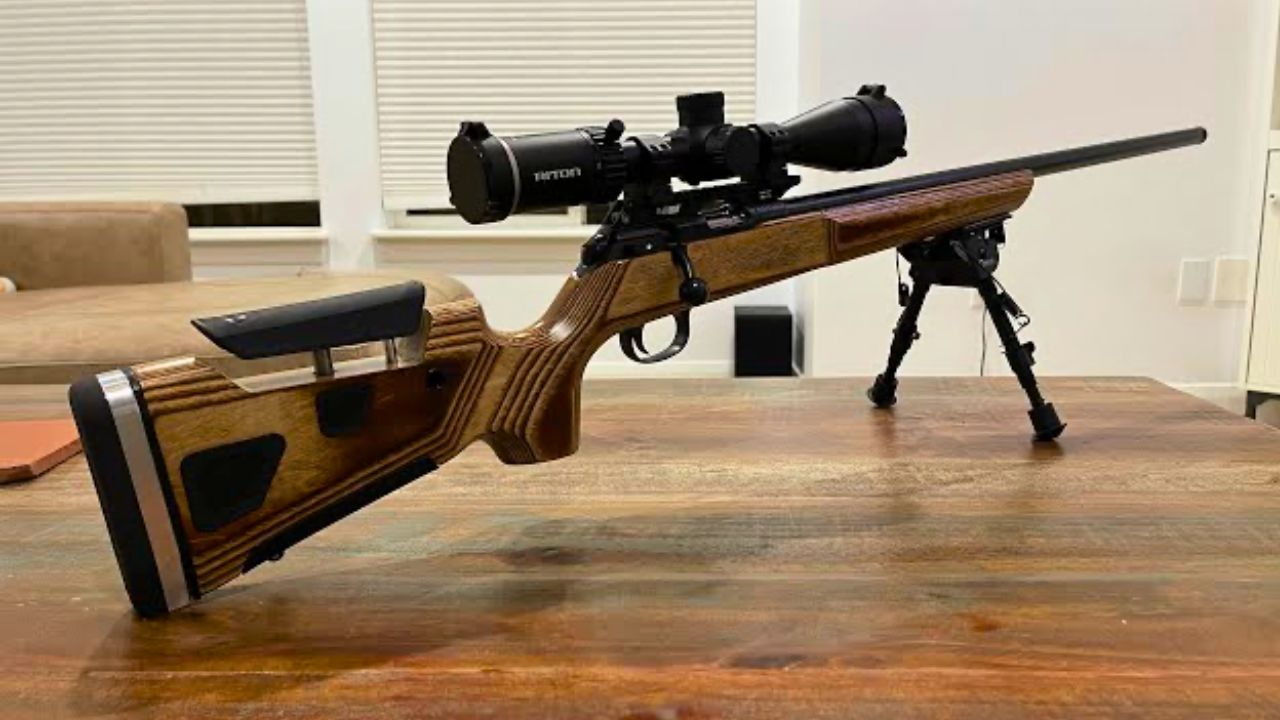
The CZ 457 is tough to replace because it feels like more than “just a rimfire” almost immediately. It is accurate, satisfying to shoot, and built with enough care that it quickly stops feeling like a temporary fun gun. A lot of rimfires are easy to enjoy. Fewer are easy to get attached to.
The 457 tends to earn attachment because it delivers both performance and personality. It is useful enough to take seriously and enjoyable enough to keep reaching for. Once a rimfire reaches that point, it often becomes the rifle you keep even when other .22s come and go. That is a hard thing to replace with something cheaper or newer.
Colt Government Model 1911
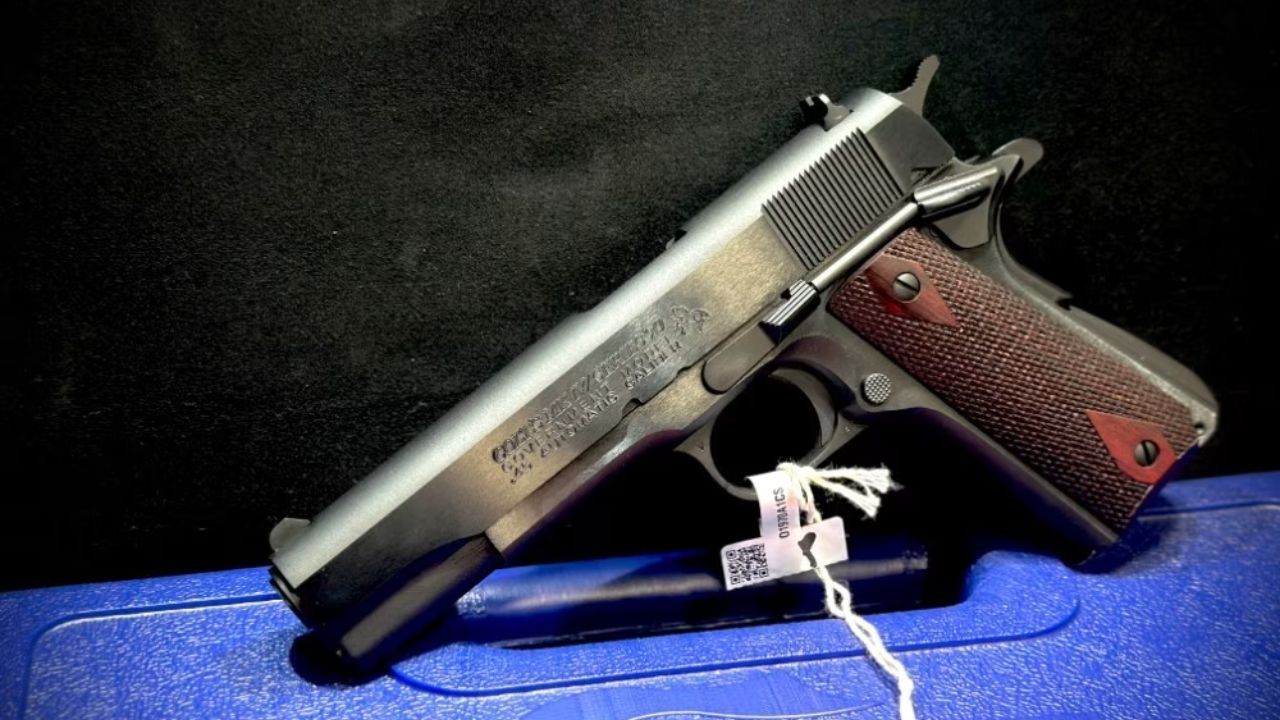
A good Government Model 1911 is tough to replace because once a shooter clicks with one, very few other pistols feel quite the same. The trigger, the balance, the way the gun points, and the way it behaves in the hand all combine into something that leaves a strong impression when the pistol is built right.
That does not mean every 1911 earns permanent status. Plenty do not. But a good one absolutely can. Once you have a 1911 that runs right and fits you right, letting it go usually feels like a mistake waiting to happen. You can buy other handguns. Replacing that exact familiarity is another matter.
Henry .22 Lever Action

The Henry .22 lever action is hard to replace because it stays enjoyable without becoming less useful. Some guns are practical first and fun second. This rifle manages both in a very natural way. It is easy to shoot, easy to like, and the kind of firearm people end up keeping around for years because it always seems to have a reason to come out.
That reason does not even have to be serious. Sometimes it is enough that a gun keeps making you want to shoot it. The Henry .22 does that while still being dependable and useful enough to justify a permanent place in the safe. Once a rifle earns that kind of steady affection, replacement starts feeling unnecessary.
Glock 17
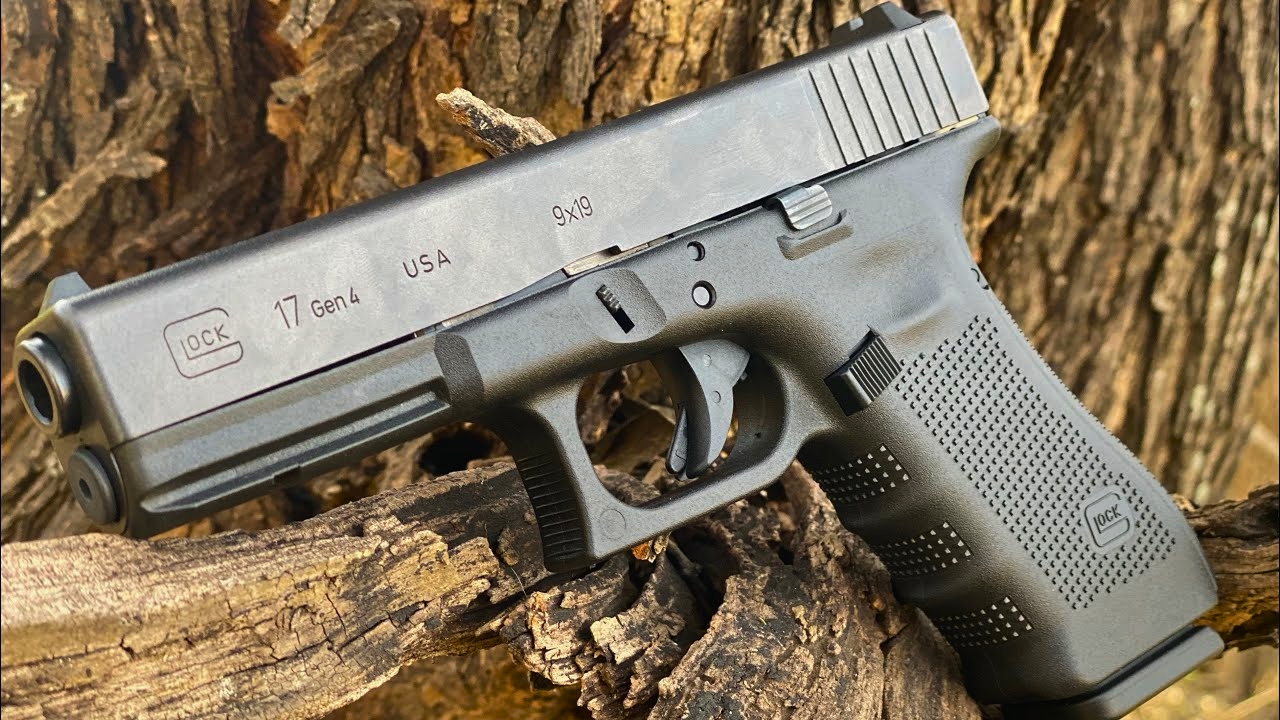
The Glock 17 can be tough to replace for the same reason the 19 is, but in a more full-size way. It is simple, dependable, easy to maintain, and deeply familiar once you put real time into it. For a lot of shooters, it becomes the pistol that always works, always makes sense, and never asks for much in return.
That matters over time. Owners may buy pistols with better triggers, nicer ergonomics, or more personality, but the Glock 17 often remains because it earned a level of trust that is difficult to duplicate. It is not usually the gun people gush over. It is the gun they quietly keep because replacing it feels like trading certainty for curiosity.
Like The Avid Outdoorsman’s content? Subscribe to our newsletter so you never miss an article.
Here’s more from us: