
Photo credit: The Arkansas Gun Guy/YouTube
Some guns look like they ought to be straightforward. A fixed barrel and a slide. A pump shotgun with a tube. A bolt gun with two screws and a scope. Then you actually live with them and realize they come with extra steps, odd little rules, or maintenance routines that feel bigger than the job.
A lot of this isn’t “bad design” as much as design tradeoffs. A rotating barrel can soften recoil but adds parts and fouling points. A dual-tube shotgun gives you capacity but adds a selector and a loading routine you can’t half-do. Some platforms are built around military requirements, legal requirements, or decades of band-aid updates. If you’ve ever thought, this should be easier than it is, these are the kinds of guns that earn that feeling.
Ruger Mark III

A .22 pistol should be grab-and-go, but the Mark III can turn routine maintenance into an event. The takedown process is famous for making you follow the steps in the right order, at the right angles, with the right amount of patience. Miss a step and the mainspring housing fights you like it has a grudge.
The extra “features” don’t help. The magazine disconnect and loaded chamber indicator add layers that can affect how the gun behaves and how it feels. None of this makes the pistol unusable, but it adds friction to what should be a quick clean-and-lube job after a brick of ammo. When you own one long enough, you either memorize the routine or you avoid taking it apart until you have to.
Browning Buck Mark

The Buck Mark is accurate and fun, but it hides a little trap door in the maintenance department. Field stripping often involves loosening screws that also hold your sight base or top strap, which means you’re messing with the same area you rely on for zero. If you aren’t careful, you can turn a quick cleaning into a re-tighten and re-check session.
It’s also a pistol that rewards consistency. Over-torque the screws and you can stress parts. Under-torque them and things can shift. Add tiny hardware and the temptation to use whatever tool is within reach, and you’ll understand why some owners put off a deeper clean. The Buck Mark runs well, but it asks for a little shop-desk discipline that most rimfire pistols never demand.
Government-size 1911 with a full-length guide rod

A 1911 is a classic, but many modern versions come with parts that add steps instead of making life easier. A full-length guide rod can mean tools, extra manipulation, or a different takedown routine than the old-school plug-and-bushing setup. If you learned on a traditional 1911, that surprise shows up fast.
Then there’s the rest of the platform. Extractor tension matters more than many striker-fired owners are used to. Magazines matter, too, and the 1911 will tell you when it dislikes a follower design or spring rate. When everything is dialed, it can run great. When it isn’t, you can spend range time swapping mags, testing recoil springs, and wondering why a proven design suddenly feels high-maintenance. The gun can be straightforward, but modern “upgrades” often pull it the other direction.
Magnum Research Desert Eagle

On paper, a big semi-auto handgun sounds like a fun, direct idea. In real life, the Desert Eagle has rules. It’s gas-operated, and that means it wants ammo that produces enough pressure for the system to work as intended. Light loads and some bullet styles can turn the experience into a troubleshooting session.
It also isn’t a pistol you treat like a typical duty gun. The gas system and ports can foul, and it wants a certain approach to lubrication and cleaning. Limp-wristing that might slide by on other pistols can cause issues here because the whole platform is heavy and timing-sensitive. When it’s running, it’s an experience. When it isn’t, you learn quickly that “big pistol” does not automatically mean “easy pistol.”
Beretta PX4 Storm

The PX4 looks like another polymer service pistol, but the rotating barrel system makes it a different animal to live with. The rotation can soften recoil and keep the gun flatter, but it also means you’re dealing with a locking surface that collects grime and needs attention if you shoot a lot. Neglect it and you can feel the gun start to drag.
The controls can also feel like a lot if you’re used to a stripped-down striker gun. Depending on the variant, you’re managing decocker or safety levers that change how you run the gun under stress. None of this is impossible, but it adds layers. You can’t treat it like a pistol that thrives on minimal maintenance and muscle memory alone. When you commit to its routine, it’s solid. When you don’t, it can feel like it’s asking for more effort than it appears to.
SIG Sauer P320

The P320 is easy to field strip, and that’s what makes the deeper side of it feel sneaky. The modular fire control unit is a strength, but it also means the gun has more going on than a typical polymer pistol when you start swapping grip modules, triggers, and internal parts. The platform invites tinkering, and tinkering invites complications.
Small changes can stack. Different grip modules change how the gun points and how you manage recoil. Trigger variations change your timing. Even sights and optic plates add another layer of fitment and fastener discipline. If you keep it stock and consistent, it’s straightforward to run. If you start chasing the “best” configuration, you can spend more time chasing little problems than shooting. It’s a pistol that can be clean and efficient, but it’s also a pistol that can turn into a project without warning.
Browning Auto-5

A long-recoil shotgun feels like it should be as direct as a pump with an extra step. The Auto-5 proves otherwise. The friction ring setup is the big one. Set it wrong for the load you’re shooting and the gun can beat itself up or cycle poorly. You don’t notice that risk until you swap from light bird loads to heavier field loads and the gun suddenly feels different.
It’s also a shotgun that asks you to understand how it’s working. Cleaning and inspection matter because the system relies on parts moving the right way at the right speed. When everything is set correctly, it’s smooth and reliable. When it isn’t, you can spend a lot of time diagnosing what feels like a mystery, only to realize it came down to rings and orientation. It’s a legendary shotgun, but it comes with a learning curve that surprises new owners.
Remington 11-87

RedRockTrading/GunBroker
The 11-87 is a workhorse gas gun, but gas guns always come with fine print. The system has seals, rings, and fouling points that can turn a “quick wipe-down” into a real cleaning session, especially if you shoot dirty ammo or go long stretches between maintenance. When it’s clean, it runs. When it isn’t, it starts sending you signals.
The frustration comes from how ordinary it looks. You expect it to behave like a pump where neglect mostly shows up as rust. With a gas shotgun, neglect shows up as sluggish cycling, short-stroking, and odd behavior that looks like ammo trouble. You can solve most of it with consistent cleaning and replacing wear parts on schedule. The catch is that you have to treat it like a system, not a single machine. That’s where the “why is this so involved” feeling creeps in.
Benelli Super Black Eagle

An inertia shotgun sounds like an easy answer. Fewer gas parts, less grime in the action, and a reputation for running hard. Then you learn that inertia guns care about how they’re held and how they’re set up. If the gun can’t recoil the way it needs to, cycling can suffer. A soft shoulder, a heavy coat, or a funky shooting angle can matter more than you’d expect.
Lubrication can also be a double-edged thing. Too much oil in cold weather can slow things down, and too little can make the action feel rough. Add that many SBE owners run them in wet, salty, muddy conditions, and you start to see why some people have love-hate relationships with them. The gun can be extremely dependable, but it asks you to run it the way it was designed. If you don’t, it can feel more demanding than it looks.
AR-15 with an adjustable gas block

A standard AR-15 is fairly straightforward. Start adding an adjustable gas block, a suppressor, and different buffer weights, and it becomes a tuning hobby. Every ammo type can feel like a new variable because it changes gas volume and timing. You end up chasing ejection patterns, bolt speed, and whether the gun feels overgassed or sluggish.
The platform encourages swapping parts, so it’s easy to end up with a rifle that only runs perfectly in one configuration. Change ammo, change temperature, change how dirty the gun is, and the “perfect” setting can shift. None of this is mysterious once you understand it, but it’s a lot for something that many people buy for its practicality. An AR can be extremely reliable, but a heavily tuned AR asks you to be your own armorer more than you planned.
Ruger Mini-14

The Mini-14 looks like it should be as plug-and-play as a ranch rifle gets. Then you realize it has its own personality. The gas block setup and harmonics can make it respond differently to bullet weights and velocities, and that can send you down the ammo-testing rabbit hole faster than you expected.
Maintenance and disassembly aren’t hard, but they aren’t as intuitive as many modern rifles either. You’re dealing with an action that has its own rhythm, and it rewards a consistent routine. Scope mounting can also be a point of friction depending on the model and setup. None of this makes the Mini a problem rifle. It’s a rifle that often works great as a practical tool, but it can take more experimenting and setup discipline than it appears to at first glance.
M1 Garand

The Garand is a historic rifle that still runs, but it isn’t a casual “grab whatever ammo” gun. The operating rod system and gas design mean you need appropriate loads, especially if you’re shooting modern commercial ammo. That can surprise owners who assume .30-06 is .30-06 and that’s the end of it.
Then there’s the handling side. Loading en-bloc clips, managing the bolt, and dealing with the rifle’s weight and recoil cycle takes some practice. It isn’t complicated once you learn it, but it isn’t intuitive if your background is modern semi-autos. Add the fact that parts and springs matter a lot for timing, and you get a rifle that runs best when you treat it with respect and correct setup. The Garand is dependable, but it demands more knowledge than its reputation suggests.
SKS

The SKS looks like a basic semi-auto carbine, and in many ways it is. The complication shows up in the details people ignore. A free-floating firing pin can get gummed up, especially on rifles that were stored with cosmoline or have gone too long without a proper cleaning. That can lead to slamfire risks if you don’t keep the pin channel clean and dry.
The gas system is also straightforward, but it still needs attention. If the piston and tube are fouled or corroded, function can become inconsistent. The gun’s controls can feel awkward if you’re used to modern safeties and mag changes, and many rifles have been modified in ways that add variables. A stock SKS can be very reliable. A neglected or heavily messed-with SKS can turn into a gun that needs more care and knowledge than it seems like it should.
FN PS90

The PS90 is compact and handy, but the top-feeding magazine changes the whole experience. Loading those translucent mags takes time and a technique that you have to learn. If you don’t, you’ll fight rounds, get uneven stacks, or end up with feeding issues that feel like the gun’s fault.
Disassembly is also different enough to trip people up. It’s not hard, but it’s not the same muscle memory you have with an AR or a typical carbine. The controls are unique, the ergonomics are unique, and the cartridge choice adds another layer because you’re not grabbing common ammo off any shelf. When everything is sorted, the PS90 can run very well. The catch is that “sorted” includes learning the magazines and the platform’s rhythm. That learning curve is why it can feel more involved than its size suggests.
Kel-Tec SUB-2000

A folding pistol-caliber carbine sounds like the most practical idea in the world. The SUB-2000 makes you pay for that fold. Optics mounting becomes a whole topic because the gun folds where many people want a sight. You end up shopping around for mounts, offsets, or setups that keep the fold feature usable.
The ergonomics also aren’t as natural as many fixed-stock carbines. Cheek weld, sight height, and how the gun recoils can feel odd until you get used to it. Maintenance isn’t terrible, but the design is compact and it can feel cramped compared to a more conventional PCC. The SUB-2000 can be a great tool, but it’s a tool with rules. If you buy it expecting a standard carbine experience, you’ll spend more time adapting and adjusting than you expected.
IWI Tavor X95
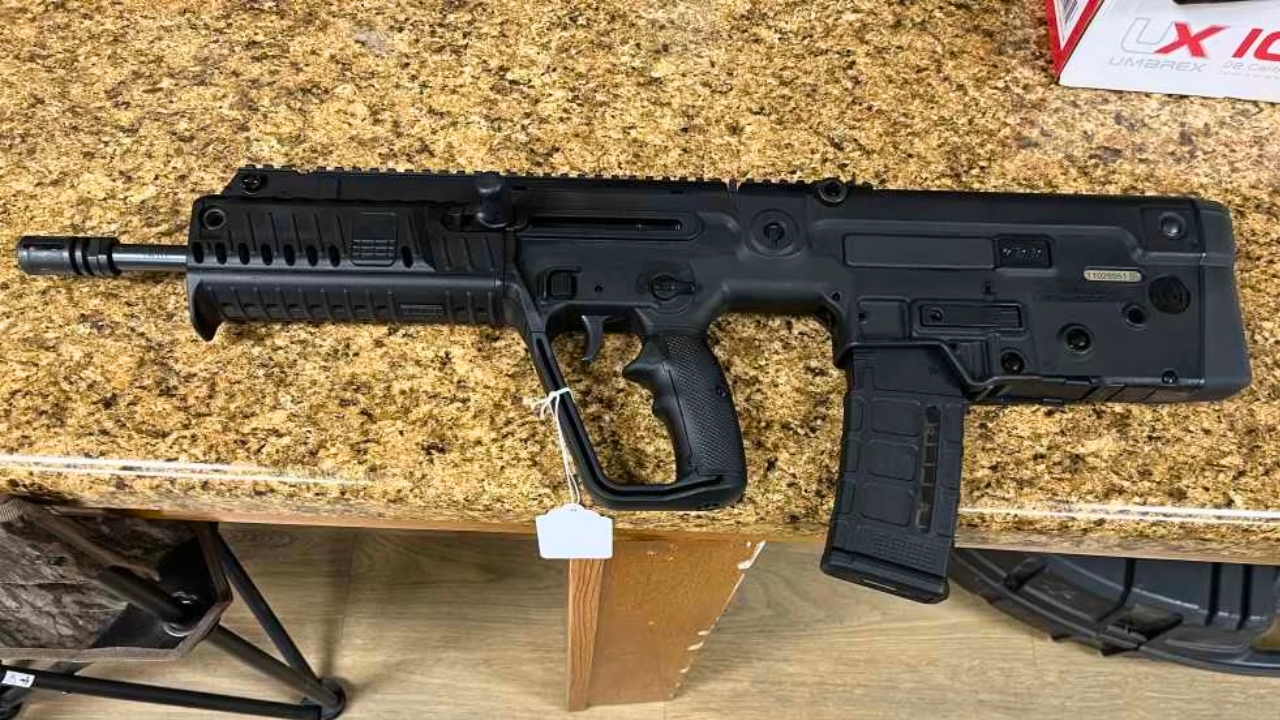
The X95 is built for durability, but bullpups bring their own complications. The action is back by your face, so cleaning and maintenance feel different than what you’re used to. It’s not difficult, but it’s a different workflow, and small mistakes can cost you time.
Then there’s the trigger feel and control layout. Bullpups often need you to retrain your hands, especially around reloads and malfunction clearing. The X95 is better than many in this regard, but it still isn’t as natural as a conventional rifle for most shooters. Add the way accessories, lights, and slings interact with the shorter front end, and you can end up spending a lot of time configuring the rifle so it runs the way you want. It’s a very capable rifle, but it’s not a low-effort rifle.
Kel-Tec KSG

A pump shotgun should be as direct as it gets. The KSG adds dual magazine tubes, and that changes everything. Now you’re managing a selector, tracking which tube is feeding, and learning a loading routine that has more opportunities for user error. If you lose count or switch tubes at the wrong time, the gun can feel like it’s malfunctioning when it’s doing exactly what you told it to do.
It also handles differently because of its layout. Short overall length is great, but it changes balance and how the gun recoils into your body. The manual of arms is not the same as a traditional pump, and you can’t rely on muscle memory built on a standard 870-style setup. The KSG can work well, but it demands attention and practice. For a pump gun, it can feel surprisingly involved.
Like The Avid Outdoorsman’s content? Be sure to follow us.
Here’s more from us: