Photo credit: Betty Shelton/Shutterstock.com
Some rifles sound perfect on paper but perform like fire alarms in the woods. They bark too loud, kick too hard, or miss too often for the hunter behind them to ever gain confidence. You can blame poor design, heavy recoil, awkward triggers, or overpowered cartridges that make new shooters flinch before the shot breaks. Whatever the reason, these rifles send more deer running than dropping. Every hunter has seen one of these rigs in action—the kind that looks good at camp, then clears every whitetail within a mile once it fires. Here are the rifles that tend to scare deer faster than they bring them down.
Remington 770
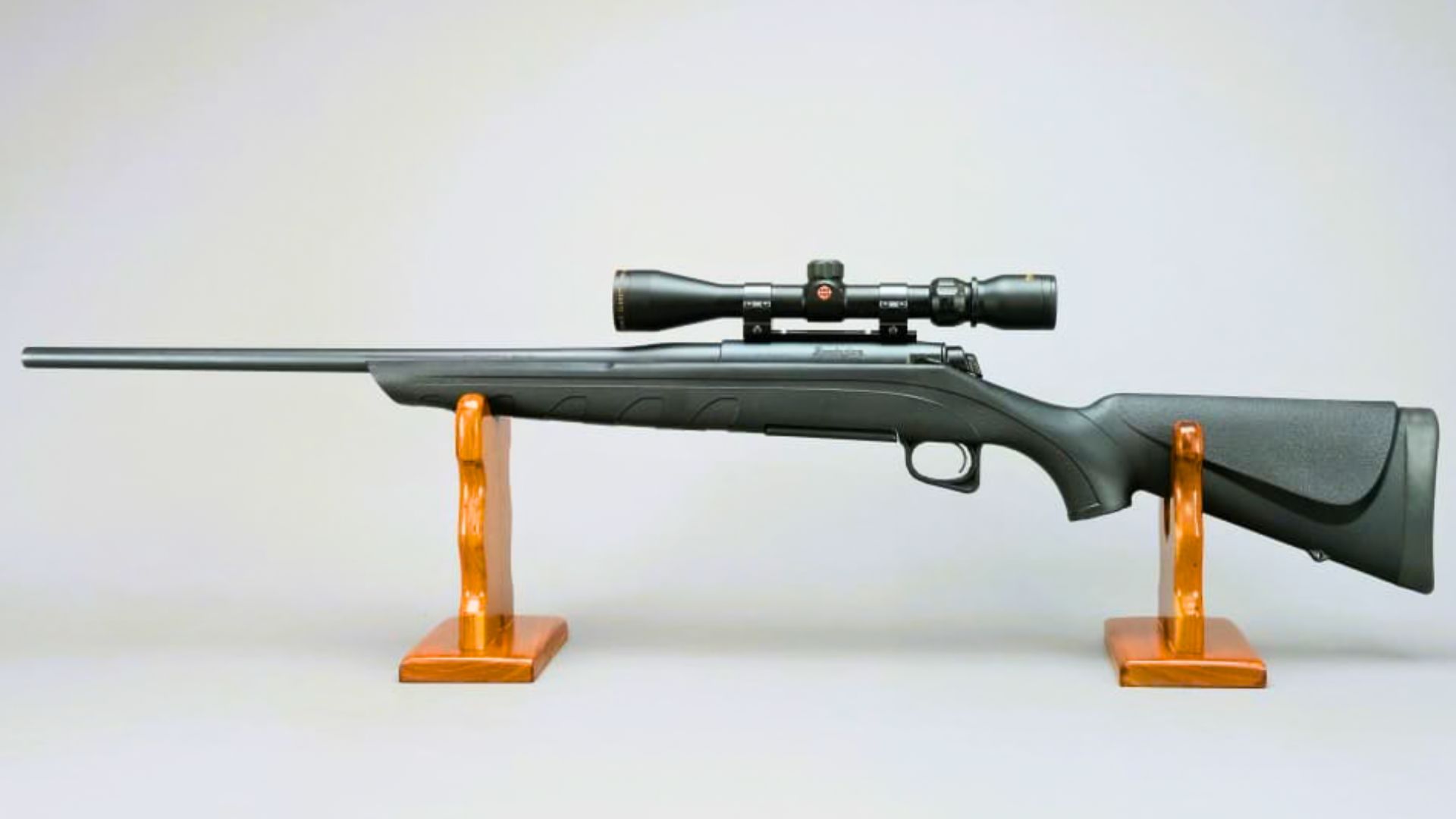
The Remington 770 was built as an affordable, ready-to-hunt rifle, but it earned a reputation for everything but reliability. The rough bolt, heavy trigger, and inconsistent accuracy make it tough to shoot well. When a rifle feels like it’s grinding gravel every time you cycle the bolt, your confidence fades quick.
Many hunters buy the 770 as their first deer rifle and trade it off after one season. Between the clunky feel and the unpredictable accuracy, most shots end with dirt flying behind a spooked deer. It’s proof that cheap doesn’t always mean good value.
Mossberg 100 ATR
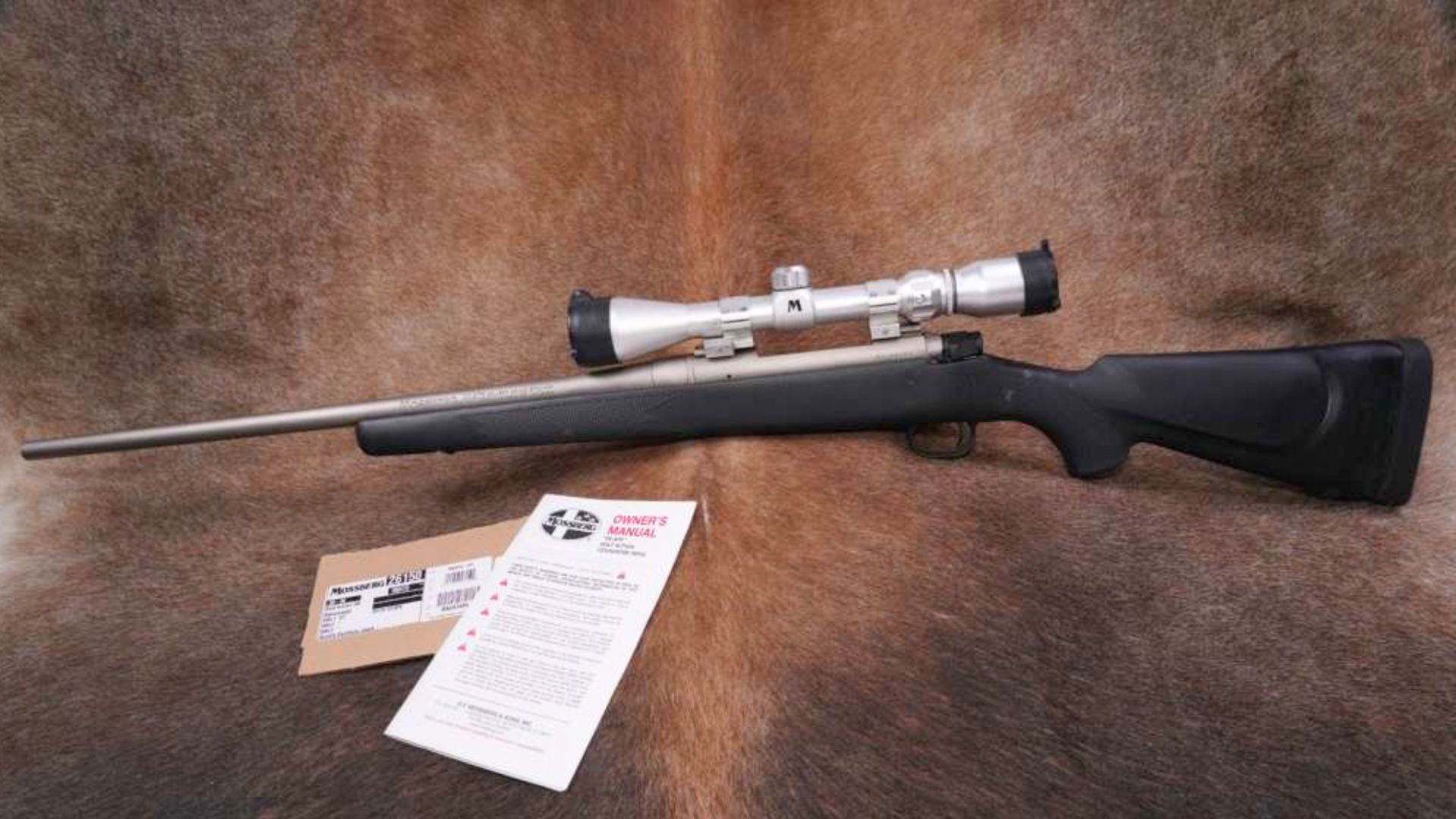
The Mossberg 100 ATR has solid bones but a habit of scaring more game than it takes. The trigger’s inconsistent, the stock feels hollow, and recoil management isn’t its strong suit. It looks like a dependable hunting rifle but rarely delivers the kind of accuracy you’d expect.
Hunters often find it tough to group consistently, especially with factory loads. That uncertainty turns confidence into hesitation, and hesitation turns into missed shots. When a rifle’s trigger surprises you more than the deer, it’s hard to keep trusting it in the field.
Savage Axis (first generation)
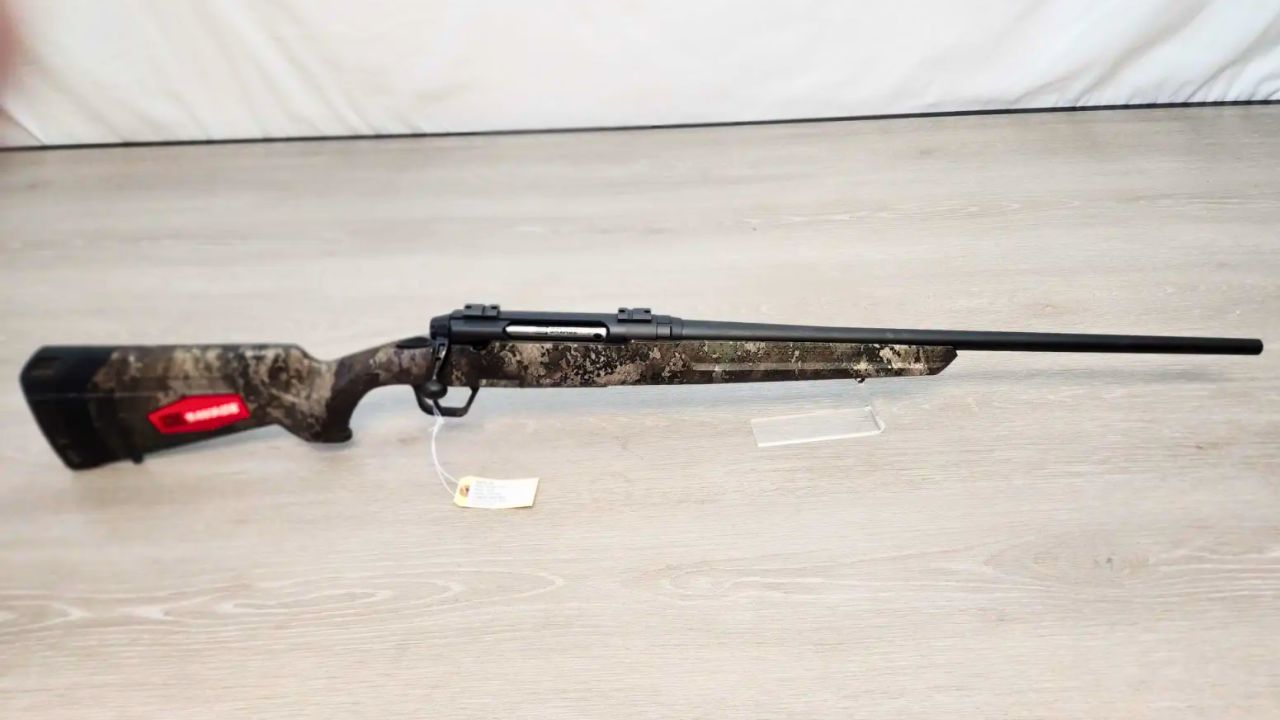
The first-generation Savage Axis came with a heavy, creepy trigger and a stock that flexed like a fishing rod. Accuracy was hit or miss, and the thin barrel heated up fast, throwing shots all over the place. It’s fine for range fun, but when it counts, inconsistency kills.
Many hunters liked the idea of a budget rifle that grouped tight, but reality set in when follow-up shots scattered. The improved Axis II fixed most of those issues, but that first version left more deer walking than lying in the freezer.
Ruger American Compact

The Ruger American series has a lot of fans, but the Compact version has one big flaw—it’s too light. In powerful chamberings like .308 or .30-06, it bucks hard, turning new shooters into flinchers after a few rounds.
That short, lightweight design makes it great for carrying through the woods but rough for accurate follow-ups. Many hunters realize that a rifle that jumps off the rest every shot isn’t helping them connect. It’s accurate enough, but the recoil impulse ruins precision for anyone not used to it.
Remington 710

Before the 770 came the 710, and it had all the same issues with even less refinement. Its plastic receiver inserts, stiff bolt, and cheap scope packages made for a rifle that rarely held zero or grouped consistently.
Hunters learned fast that when a scope won’t stay tight and the bolt feels like it’s scraping concrete, accuracy disappears. The 710 earned its reputation the hard way—by missing opportunities and scaring game across half the county.
Browning BAR Lightweight Stalker
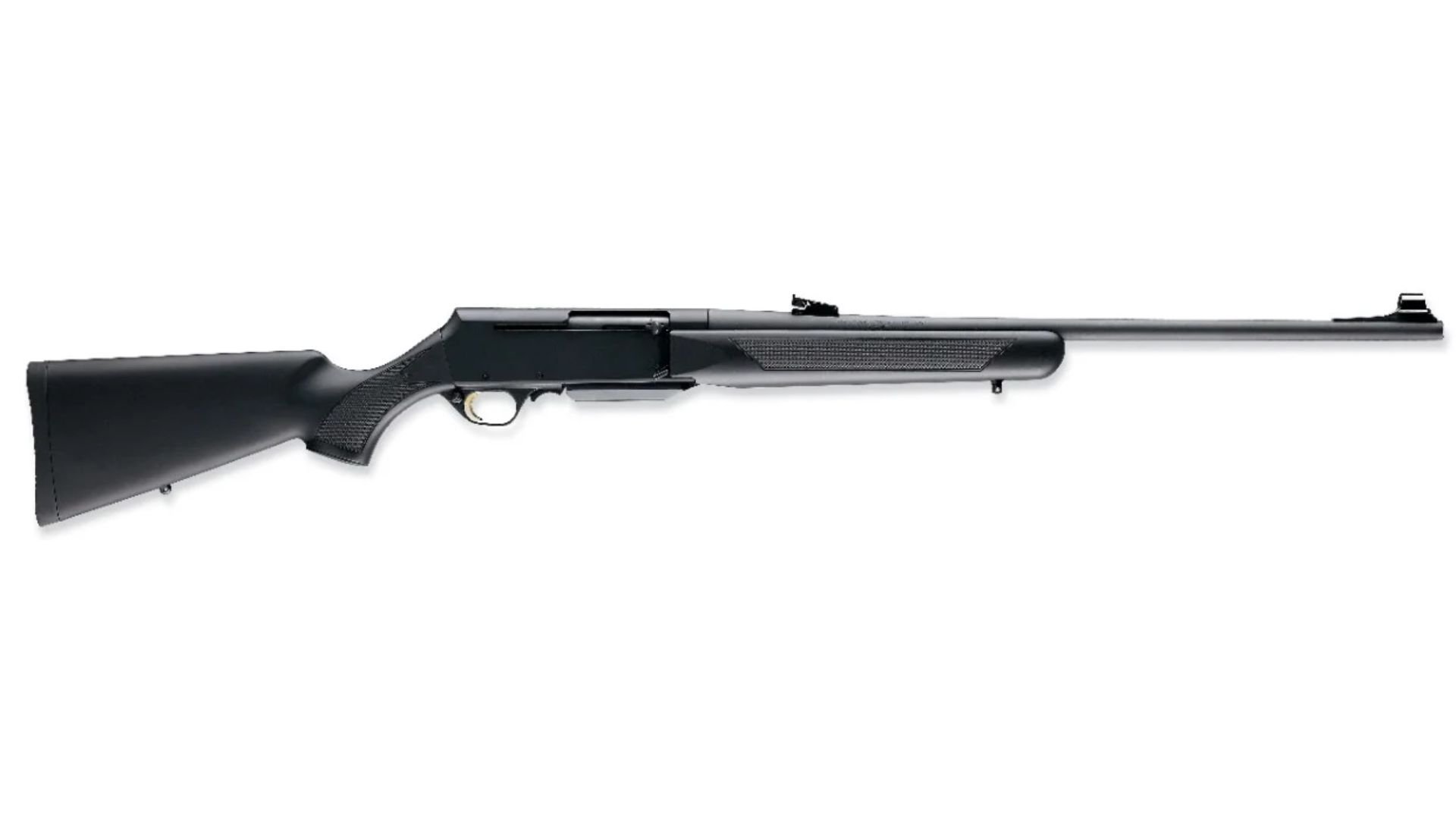
The Browning BAR is a reliable semi-auto, but the Lightweight Stalker variant kicks far harder than most expect. Shaving weight on a semi-auto with magnum loads creates brutal recoil that makes many shooters yank the trigger.
When you’re flinching before the shot breaks, accuracy goes out the window. The BAR’s reputation for power is well-deserved, but the lighter version tends to make hunters anticipate recoil instead of focusing on their shot. It’s better suited for range work than quiet mornings in the stand.
Weatherby Vanguard Synthetic (early models)

Weatherby builds quality rifles, but the early synthetic-stock Vanguards were notoriously loud and jumpy. The hollow stocks amplified muzzle blast and recoil, giving every shot a cannon-like report.
That booming crack echoes through the woods and puts deer on alert before the bullet even gets there. Hunters often found the rifle accurate but unpleasant to shoot, and that discomfort shows when it’s time to squeeze the trigger. It’s a great rifle design trapped in a stock that scares more deer than necessary.
Marlin X7
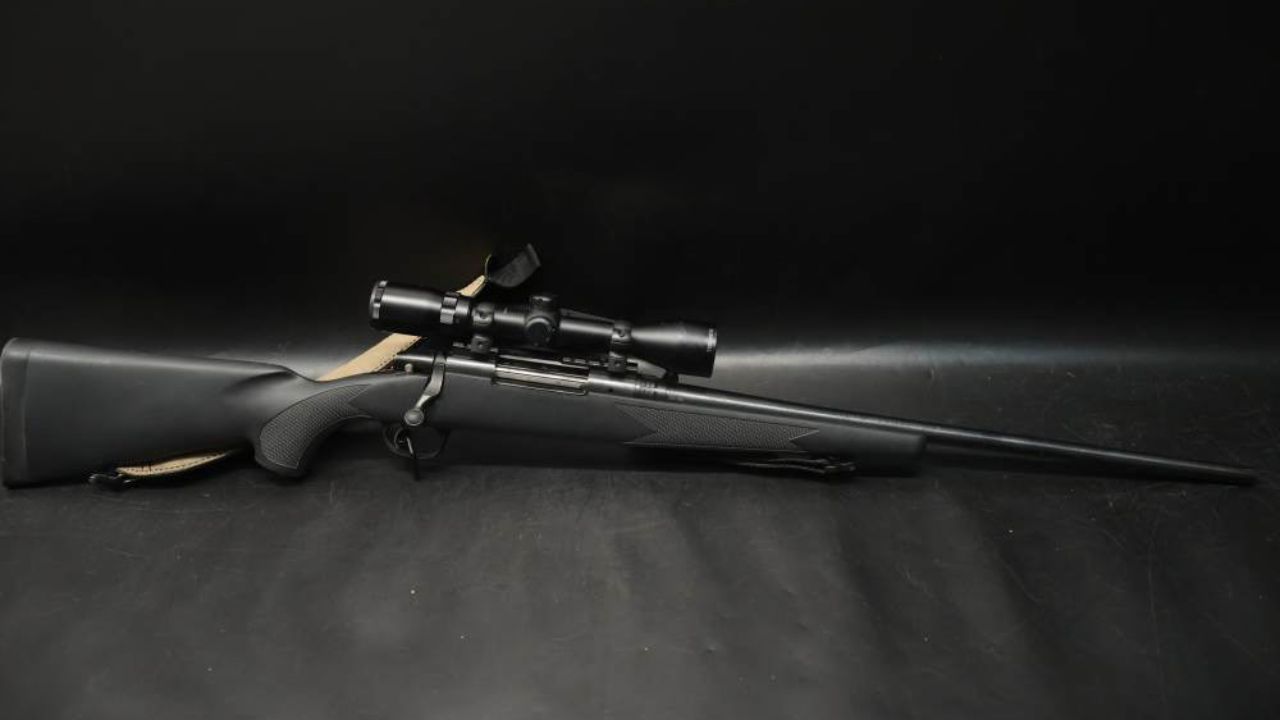
The Marlin X7 had promise—it was light, affordable, and accurate on the bench. But its ultralight design and cheap stock made it unforgiving in real conditions. It kicked harder than expected, and the recoil pad might as well have been wood.
Hunters loved its portability until they realized every shot meant resetting their sight picture. It wasn’t that the X7 couldn’t kill deer—it just made the shooter dread pulling the trigger. Confidence disappears when comfort does, and that’s how deer walk away unharmed.
Winchester XPR (early production)

The Winchester XPR was supposed to bring Winchester back into the budget rifle game. Early models, though, had rough bolts, poor bedding, and triggers that varied from gun to gun. When you can’t predict your trigger pull, accuracy suffers fast.
At the range, it’s manageable. In the field, those inconsistencies make you rush or hesitate—both of which lead to misses. The XPR has improved since, but that first wave scared off more deer than it dropped, literally and figuratively.
CVA Cascade

The CVA Cascade is a budget bolt gun that looks impressive for the money. But in real use, many hunters report heavy triggers, stock flex, and mediocre accuracy past 150 yards. It’s not unreliable—it’s just unforgiving.
A light rifle with a stiff trigger and basic ergonomics can make good shooters pull shots. And when you pair that with factory ammo and cold-weather gloves, it’s easy to understand why deer walk away unscathed.
Remington 742 Woodsmaster
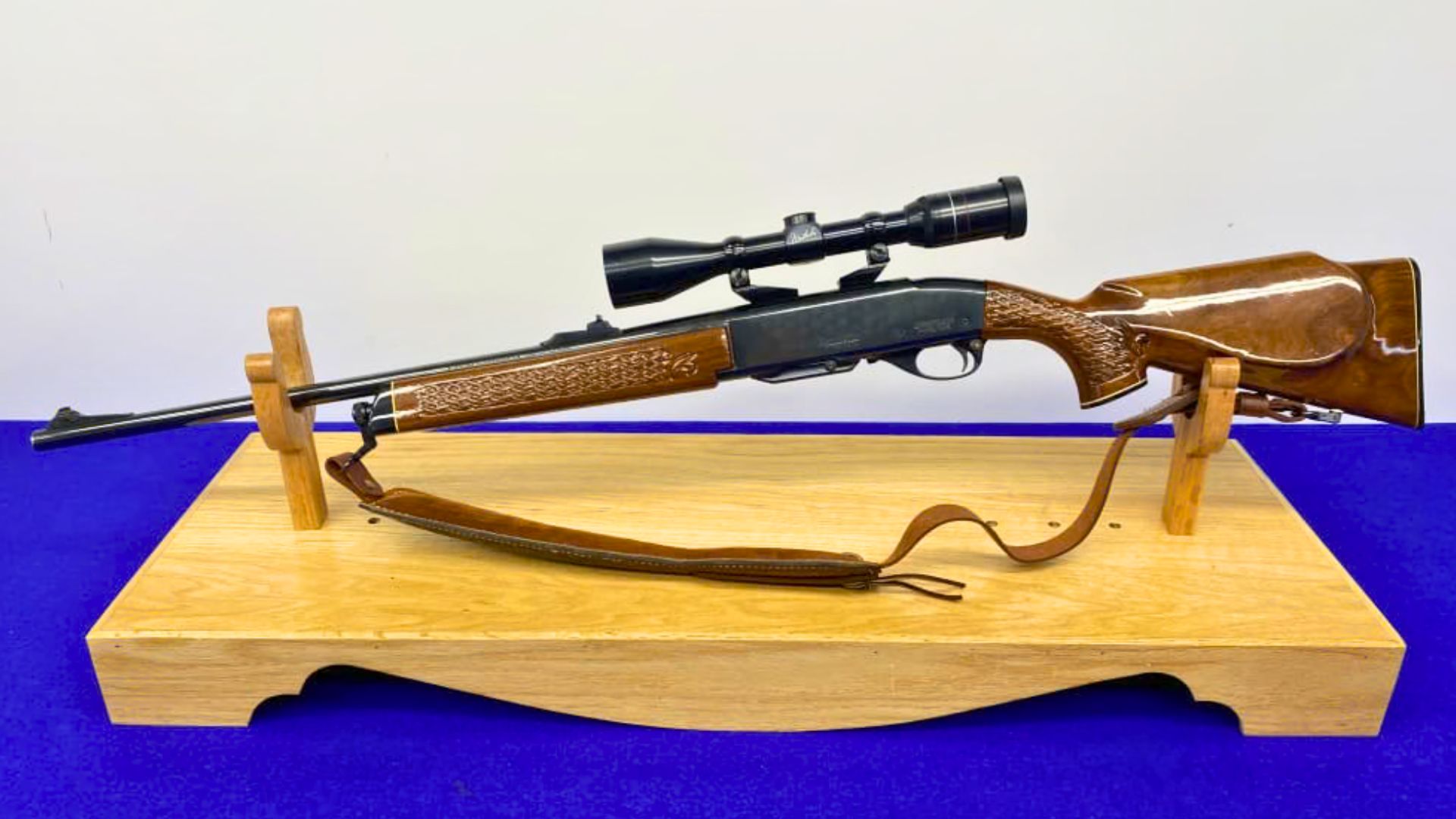
The 742 Woodsmaster earned a reputation for jamming at the worst possible time. When it runs, it’s smooth. When it doesn’t, it’s a click or jam loud enough to send every deer sprinting.
Years of wear on the bolt rails made many of them unreliable in the field. Hunters who grew up with them remember the sound of the action locking halfway open—and the white tails disappearing through the timber. It’s a classic that looks good in the rack but has cost plenty of hunters their shot.
Ruger Mini-30
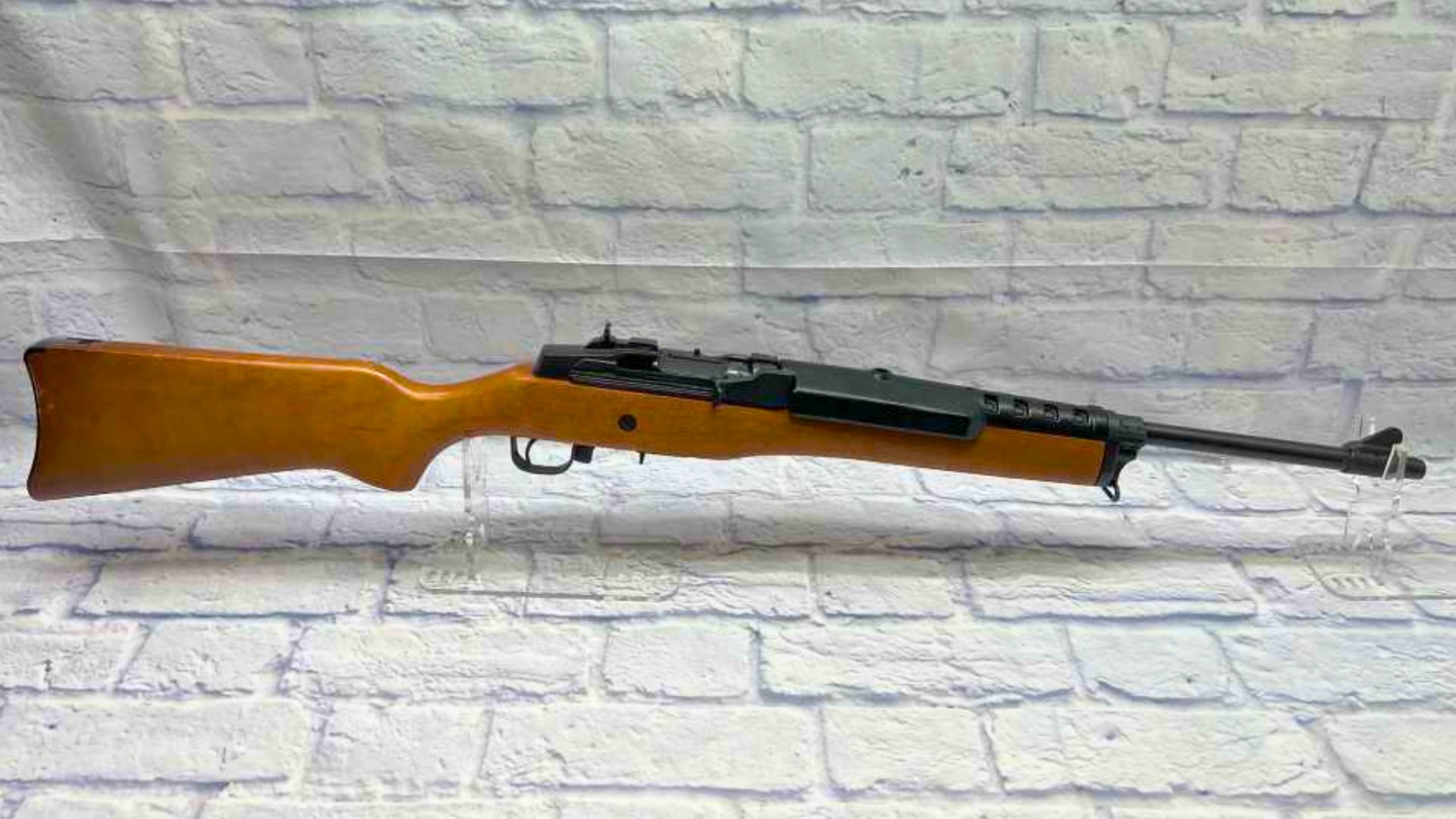
The Mini-30 looks like a brush gun’s dream—short, handy, and chambered for the versatile 7.62×39. But accuracy is where things fall apart. It’s reliable, sure, but rarely precise. Group sizes of four inches at 100 yards don’t inspire confidence when you’re trying to anchor a buck.
It’s a fun rifle for plinking or hog hunting, but most hunters who’ve tried it for deer move on after a season. The Mini-30’s charm fades fast when every missed shot sounds like an alarm bell through the woods.
Thompson/Center Venture

The T/C Venture came out swinging with a good trigger and crisp feel, but its accuracy was inconsistent between rifles. Some shot tight groups, others scattered rounds like a shotgun pattern.
It’s hard to build confidence in a rifle that may or may not shoot straight out of the box. Many hunters sold theirs after a year of chasing zero or swapping scopes to fix what wasn’t optics-related. The Venture could’ve been great, but inconsistency scared off both deer and owners.
Winchester Model 70 Featherweight (in magnum calibers)

The Model 70 Featherweight is a timeless rifle, but chambering it in magnum calibers turns it into a kicker. The lighter the rifle, the harsher the recoil, and even experienced shooters struggle to stay steady shot after shot.
The recoil jump makes you anticipate every pull, and the muzzle blast is brutal in a blind. It’s a fine rifle with too much punch for its frame, and that combination sends more deer bolting than falling.
Remington Model Seven (short barrel magnums)

The Model Seven is compact and handy in the woods, but when chambered in short magnums, it’s a handful. The short barrel amplifies noise and blast, and the light weight means recoil hits hard.
It’s quick to shoulder but punishing to shoot, and most hunters flinch after a few rounds. You can make accurate rifles too light for their own good, and this is one of them. Many hunters who tried the Model Seven in .300 WSM or .350 Rem Mag learned to love earplugs—and hate follow-up shots.
Like The Avid Outdoorsman’s content? Be sure to follow us.
Here’s more from us:
The worst deer rifles money can buy
Sidearms That Belong in the Safe — Not Your Belt
*This article was developed with AI-powered tools and has been carefully reviewed by our editors.