Photo credit: SGT Johnny USMC/YouTube
“Hit hard” and “penetrate well” aren’t the same thing. A cartridge can make a big splash—big energy numbers, loud impact, dramatic meat damage—and still fail to drive deep when it matters. The usual reasons are simple: light-for-caliber bullets at high speed, bullets built to expand too fast, bullets that shed weight, or impacts that happen at angles and through bone instead of perfect broadside soft tissue. If you’ve ever tracked an animal longer than you expected after a “hard hit,” you’ve already seen the lesson. These calibers can absolutely work, but they’re the ones that trick people into thinking energy guarantees penetration.
.357 Magnum

.357 Mag has a reputation for being a hammer, and it can be—especially with the right loads. Where guys get surprised is when they run light, fast jacketed hollow points designed for defense and expect deep, straight penetration on tougher targets. Those loads can expand violently, shed weight, and dump energy quickly, which looks impressive but doesn’t always drive as deep as you’d assume. On game, especially through shoulder, you can end up with a big surface wound and less depth than you wanted. That’s not the cartridge failing—it’s bullet selection. Switch to heavier hard-cast, controlled-expansion, or bonded bullets, and penetration improves dramatically. The caliber “hits hard” either way, but how it penetrates depends on what you’re pushing and what it’s designed to do.
.44 Magnum

People see .44 Mag and assume penetration is automatic. Then they buy lightweight high-velocity loads and wonder why performance can be more explosive than deep. A light .44 at high speed can expand too fast and lose momentum quickly, especially if the bullet construction is more about dramatic expansion than straight-line drive. On broadside deer it can look amazing. On quartering shots or heavy bone, it can surprise you. That’s why serious .44 hunters often favor heavier bullets with tougher construction, because they penetrate consistently and break bone without coming apart. The cartridge has plenty of power, but penetration isn’t a magical feature that comes with the headstamp. It’s the bullet’s job, and some .44 loads are built more for shock than for deep, boring reliability.
.450 Bushmaster

The .450 Bushmaster can absolutely smack, especially inside 150 yards. The penetration surprise usually happens with soft bullets at close range where impact velocity is high. Big, soft .45-caliber bullets can open up fast and dump energy early, and if they’re not built for deeper drive, you can get dramatic damage with less straight-line penetration than expected—especially on angled shots or larger-bodied animals. People see the big bore and assume it’ll punch through anything. It often will with the right projectile. But with soft expanding bullets that act more like giant hollow points, you can get “hit hard, didn’t exit” results that surprise new .450 shooters. If you want reliable penetration, look for bonded bullets, tougher construction, or heavier weights that hold together.
.50 Beowulf

Beowulf hits like a truck at close range, no question. The penetration surprise is similar to other big-bore straight-wall setups: certain expanding bullets can open extremely fast, especially at close distances, and you get massive tissue damage but not always the deep drive people assume from a half-inch bullet. It’s also a cartridge where ammo selection varies a lot, and not all loads are optimized for hunting penetration. Some are built for dramatic impact. Some are built for deeper performance. If your expectation is “this is .50 caliber, it will always pass through,” you can be surprised when it doesn’t—especially on shoulder hits. The fix is choosing bullets designed to hold together and drive, not just “expand as big as possible.” Big diameter is great, but diameter alone doesn’t guarantee depth.
10mm Auto
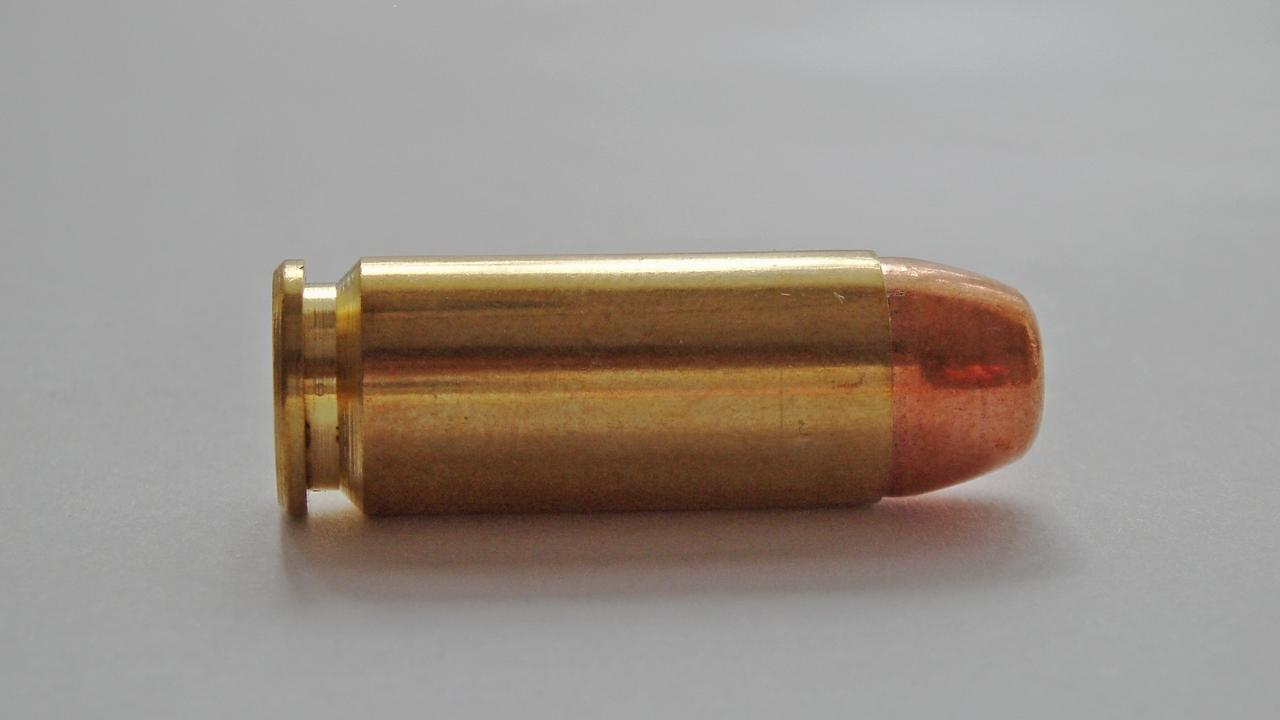
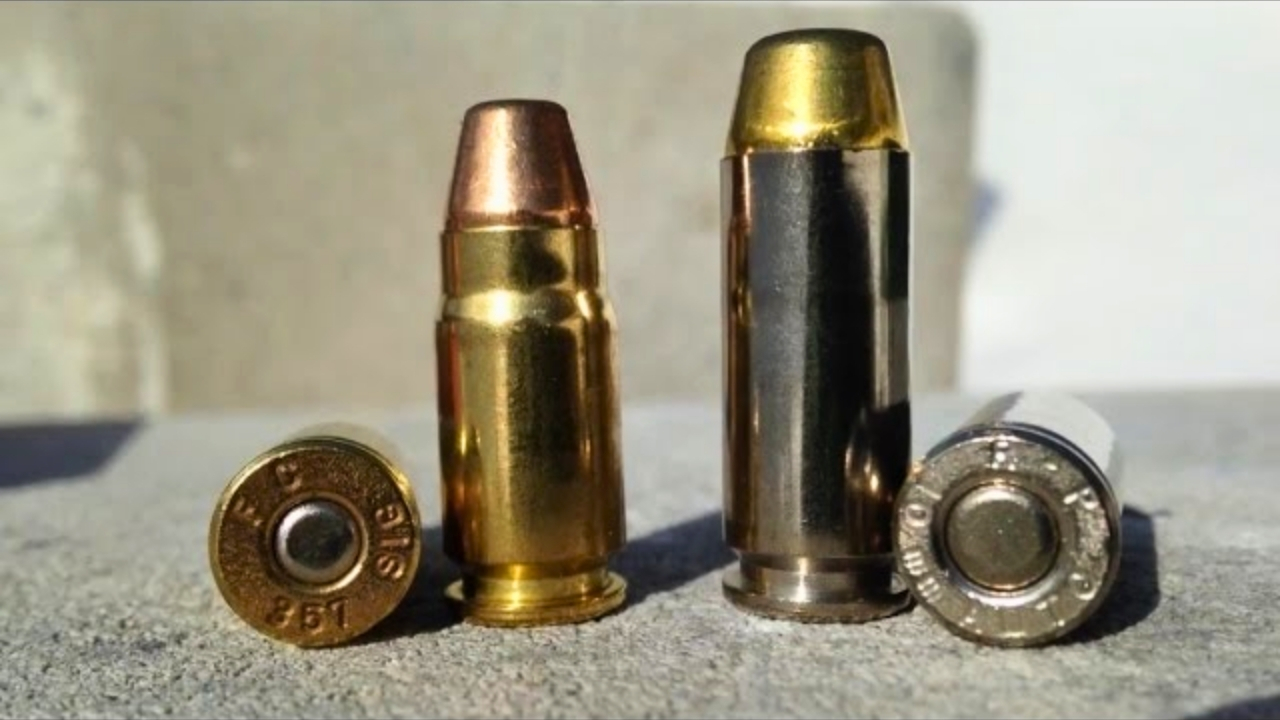
10mm has a reputation as the hard-hitting semi-auto option, and it can be. Where penetration surprises happen is when people run light, fast hollow points designed for defense and expect them to behave like deep-driving woods loads. Those bullets can expand aggressively and lose momentum quicker than expected, particularly if they hit heavy bone or go in at a steep angle. That’s why most “bear/woods” 10mm recommendations lean hard-cast, flat-nose, or controlled-expansion loads—not light personal defense hollow points. The caliber can hit hard either way, but penetration is about bullet integrity and shape. A 10mm that expands too fast can look impressive and still not do what you wanted on thick targets. If you’re carrying it for penetration, load it like you mean it.
.40 S&W

.40 hits harder than 9mm on paper in a lot of loads, and it often feels like it on target too. The penetration surprise is that many .40 JHP loads are tuned to expand reliably, and some will expand quickly and stop shorter than people expect if you’re comparing it to a heavier, deeper-driving bullet design. On tough intermediate barriers or bad angles, “hit hard” doesn’t always translate to “got deep.” This is less of a hunting cartridge issue and more of a defensive expectation issue—guys assume bigger bullet equals deeper penetration, when in reality modern bullet design is trying to balance expansion and depth. If you choose loads that expand aggressively, you can shorten penetration. If you choose bonded or barrier-focused loads, you often get better depth. The caliber isn’t the deciding factor as much as the projectile design.
.357 SIG
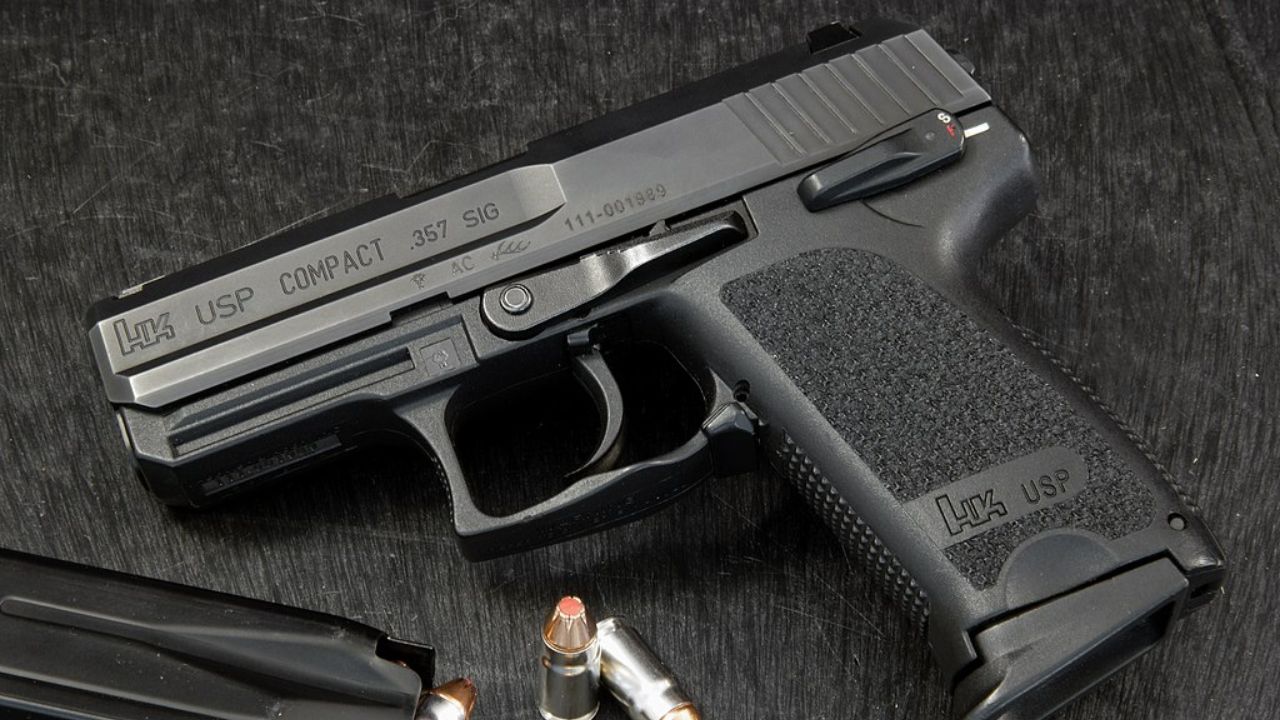
.357 SIG is a speed cartridge. That speed gives it impressive energy and can make it feel like it hits hard, especially on steel and in gel videos. The penetration surprise shows up when the bullet expands early and sheds speed quickly, which can limit depth depending on the load. Some .357 SIG loads penetrate well. Some are tuned for rapid expansion and impressive-looking wound cavities at the expense of deeper drive. If you assume “it’s basically a .357 Magnum,” you can get disappointed because the bullet construction and velocity window are different. The cartridge excels at feeding reliability and consistent velocity. Penetration depends heavily on bullet choice. Pick a bonded projectile and you’ll usually get a more trustworthy balance. Pick a soft, aggressive expander and you might get that hard hit without the depth you assumed.
.243 Winchester

.243 is a killer deer cartridge in the right hands, but it can surprise people on bigger-bodied animals or quartering shots when they use light, fast bullets designed to expand quickly. Those bullets can grenade on shoulder and fail to penetrate deep enough to reach what you need. The caliber “hits hard” in the sense that velocity creates shock and dramatic tissue damage. But penetration isn’t guaranteed when you’re pushing light bullets fast. If you choose heavier-for-caliber controlled expansion bullets, .243 penetration improves a lot. If you choose a fragile varmint-style bullet, you can get a loud impact and shallow results. That mismatch is why .243 has both die-hard fans and guys who swear it “doesn’t penetrate.” Both camps are usually talking about different bullets.
6mm Creedmoor

6mm Creedmoor is a fantastic performer on paper and on targets, and it can be very effective on game with the right bullet. The penetration surprise is similar to .243: high velocity plus light-for-caliber bullets can lead to rapid expansion and limited depth on tougher angles or bigger animals. If you pick a match-style bullet or a thin-jacketed design not intended for deep penetration, you might get dramatic damage without consistent exits. That’s especially true up close where impact velocity is high. With controlled expansion hunting bullets, penetration is usually fine. But the cartridge’s popularity means people load or buy all sorts of bullets, and not all are meant for deep drive. If you’re hunting with a 6mm, pick a bullet built to hold together, not one built to look good on a ballistic chart.
.22-250 Remington

.22-250 hits hard in the “violent impact” sense. It’s fast, flat, and dramatic. Penetration is where it can disappoint when people try to stretch it into roles it wasn’t designed for. With thin-jacketed varmint bullets, you often get explosive expansion and shallow penetration—perfect for coyotes in many scenarios, not ideal if you’re expecting deep drive or if you hit shoulder. That’s why .22-250 is loved for varmints and debated for larger game. You can load tougher bullets and improve penetration, but the cartridge’s identity is speed and rapid expansion. If your mental model is “fast equals deep,” .22-250 will correct you quickly. Fast often equals early expansion, and early expansion often equals less depth.
.17 HMR

People don’t usually talk about .17 HMR like it’s a powerhouse, but you’d be surprised how many folks get convinced by the “it’s so fast” effect. On small targets it can look impressive. Penetration is not its strong suit, especially with bullets built to fragment. It hits hard for what it is, but it’s not a deep driver. If you expect it to punch through things because it’s screaming fast, you’ll be disappointed. It’s a rimfire built for small game and precision at distance, not for barrier punch. It’s a good example of why speed alone doesn’t guarantee depth. The bullet is tiny, and tiny bullets that expand or fragment quickly don’t carry momentum the way people imagine.
7mm Rem Mag
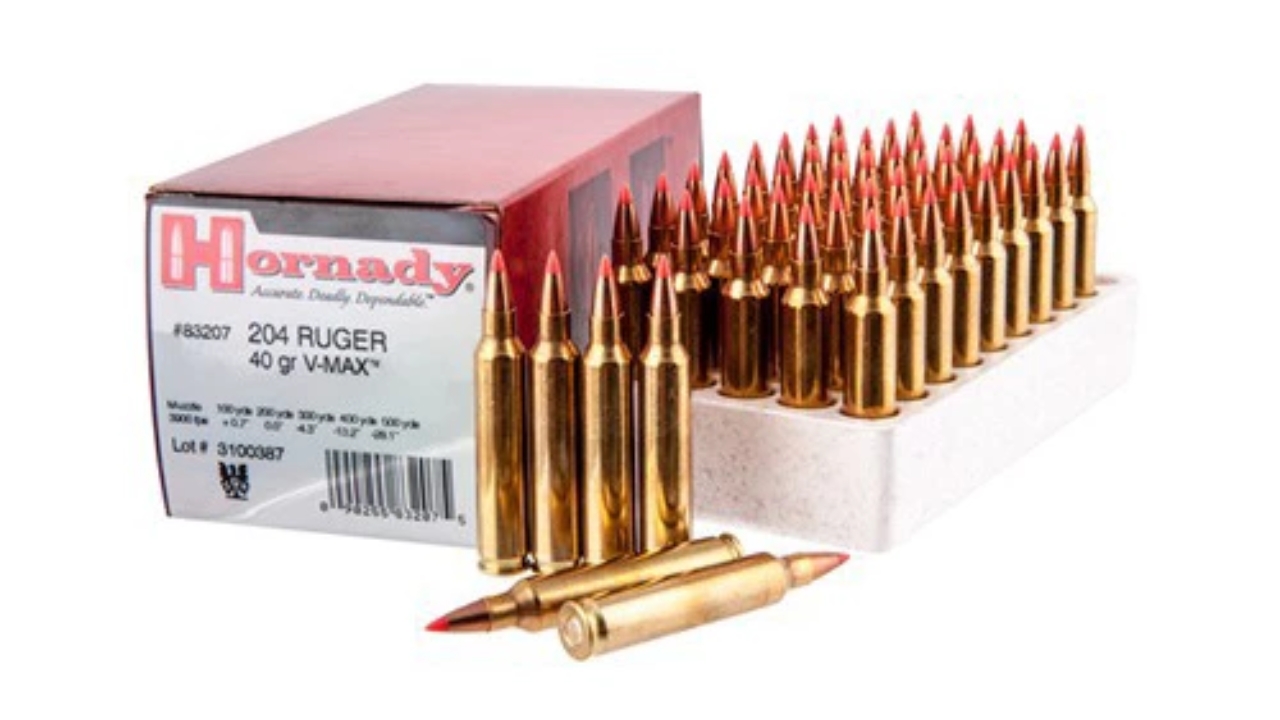
7mm Rem Mag is a classic “hits hard” cartridge with plenty of energy. The penetration surprise happens when people choose light, fast bullets with thin jackets and then shoot at close range. Impact velocity is high, expansion is aggressive, and you can get big damage but less penetration than you’d expect from a magnum. On broadside deer, it’s usually spectacular. On shoulder hits, quartering shots, or bigger animals, a fragile bullet can underperform in depth. That’s why a lot of experienced 7mm guys choose tougher bullets—bonded or controlled expansion—especially if they might shoot at closer distances. The magnum doesn’t guarantee penetration. In fact, too much velocity with the wrong bullet can work against you.
.300 Win Mag

.300 Win Mag can absolutely penetrate deeply with the right bullet. The surprise happens when the bullet is too soft for the velocity and impact conditions. A light, fast .30-cal bullet at magnum speed can expand violently and shed weight. That can reduce penetration in tougher circumstances, even though the cartridge is “powerful.” Guys see “magnum” and assume pass-throughs are automatic. Then they hit heavy bone at close range with a soft bullet and get a dramatic wound with less depth than expected. The fix is boring: pick a bullet built for magnum velocities and for the kind of shots you might take. If you want penetration, go heavier and tougher. If you want fast expansion for thin-skinned game, accept that penetration might be less on angles.
.350 Legend

The .350 Legend is a great straight-wall option, but it’s also a cartridge where bullet selection can lead to inconsistent penetration expectations. Some loads expand quickly and don’t drive as deep as people think they will, especially on shoulder hits. The round can feel like it “hits hard” because it’s a bigger bullet than the small bottleneck varmint rounds and it’s popular in deer states. But not all .350 bullets are built the same, and some are designed for rapid expansion at the velocities the Legend runs. That can mean great broadside results and less impressive penetration on steep angles. If you want deeper drive, choose bullets designed for controlled expansion and weight retention rather than soft expanders that look great in marketing photos.
Like The Avid Outdoorsman’s content? Subscribe to our newsletter so you never miss an article.
Here’s more from us: