Photo credit: SvetlanaSF/Shutterstock.com
Some cartridges never fully catch on. Others had a moment, then got crowded out by better-supported options. And some are still “alive,” but only in the sense that you can occasionally find a box online if you’re willing to pay for it. When a caliber doesn’t have a big user base, ammo dries up, brass gets scarce, and rifle options get thinner every year.
If you like oddball calibers, there’s nothing wrong with that. Just go into it with eyes open: the less common the cartridge, the more ownership turns into stocking up and planning ahead.
.30 Remington AR
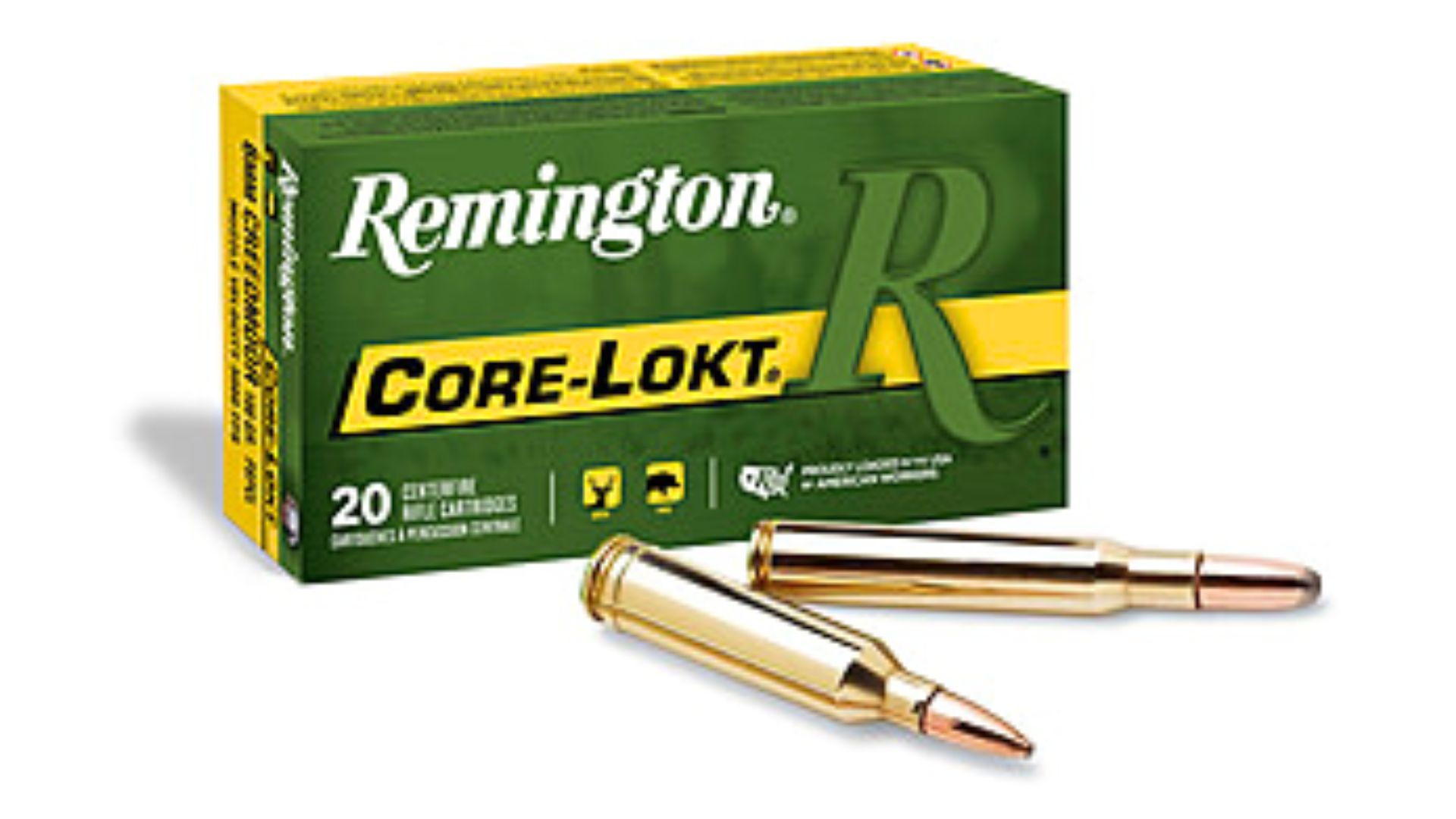
The .30 Rem AR was meant to bring .308-ish performance to the AR-15 footprint, but it never built the ecosystem to survive long-term. Once mainstream adoption didn’t happen, ammo and parts interest cooled fast.
When fewer rifles are sold, fewer companies keep loading it. Then owners stop buying it because they can’t find it. That feedback loop is exactly how a cartridge fades away.
.327 Federal Magnum (in rifles and lever guns)
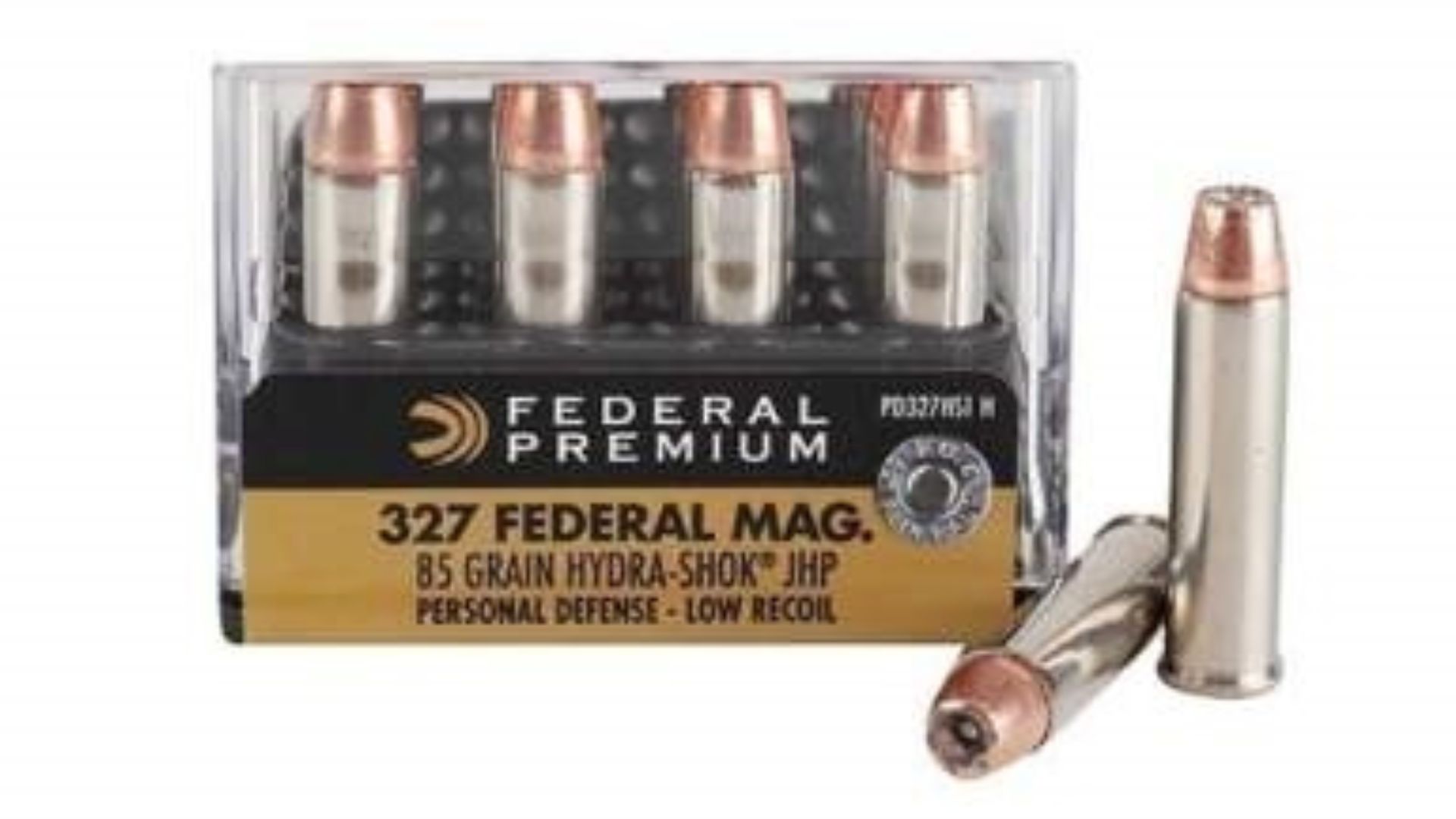
The .327 Federal has a fan base, and it’s a clever round. The issue is simple: not enough people buy it. In rifles, it’s even more niche, which means fewer factory options and less shelf presence.
It’s one of those calibers that can be great for a specific role, but you often have to hunt for ammo instead of grabbing it locally. That reality keeps it from growing.
.356 Winchester
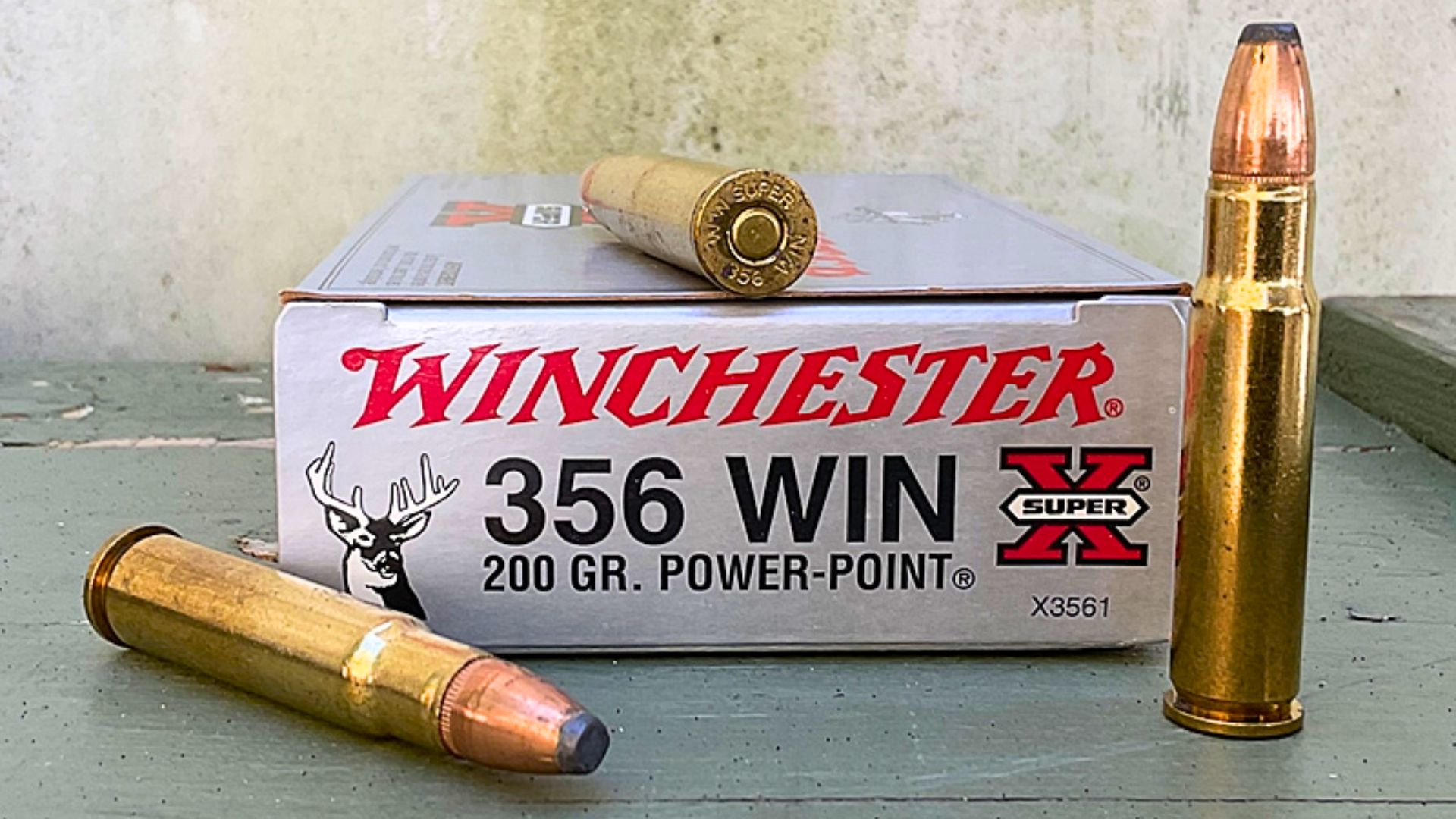
The .356 Win is a cool lever-gun cartridge, but it’s been living on borrowed time for a long while. It never became common enough to stay “normal,” and most shooters simply stick with more available lever options.
Once a cartridge turns into “special order only,” it’s basically halfway gone. Fewer rifles get chambered in it, fewer folks talk about it, and it fades further.
.307 Winchester
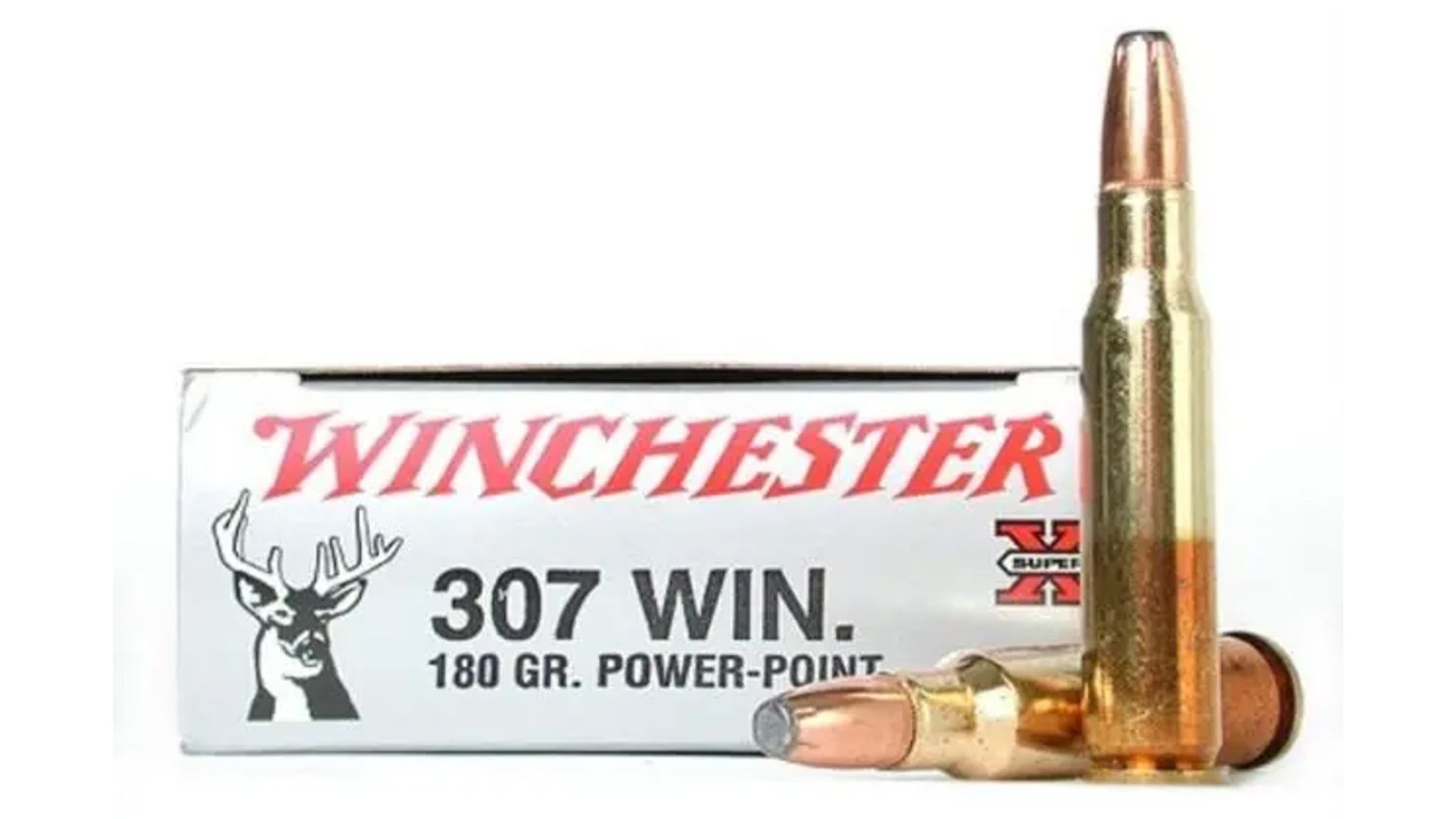
The .307 Win is another lever-gun oddball that suffers from the same problem: it doesn’t do enough that common cartridges can’t already handle, and it doesn’t have enough users to justify widespread production.
People who own them tend to stock up and keep them, but new shooters rarely buy into it. That’s how cartridges slowly disappear without any big dramatic event.
.225 Winchester
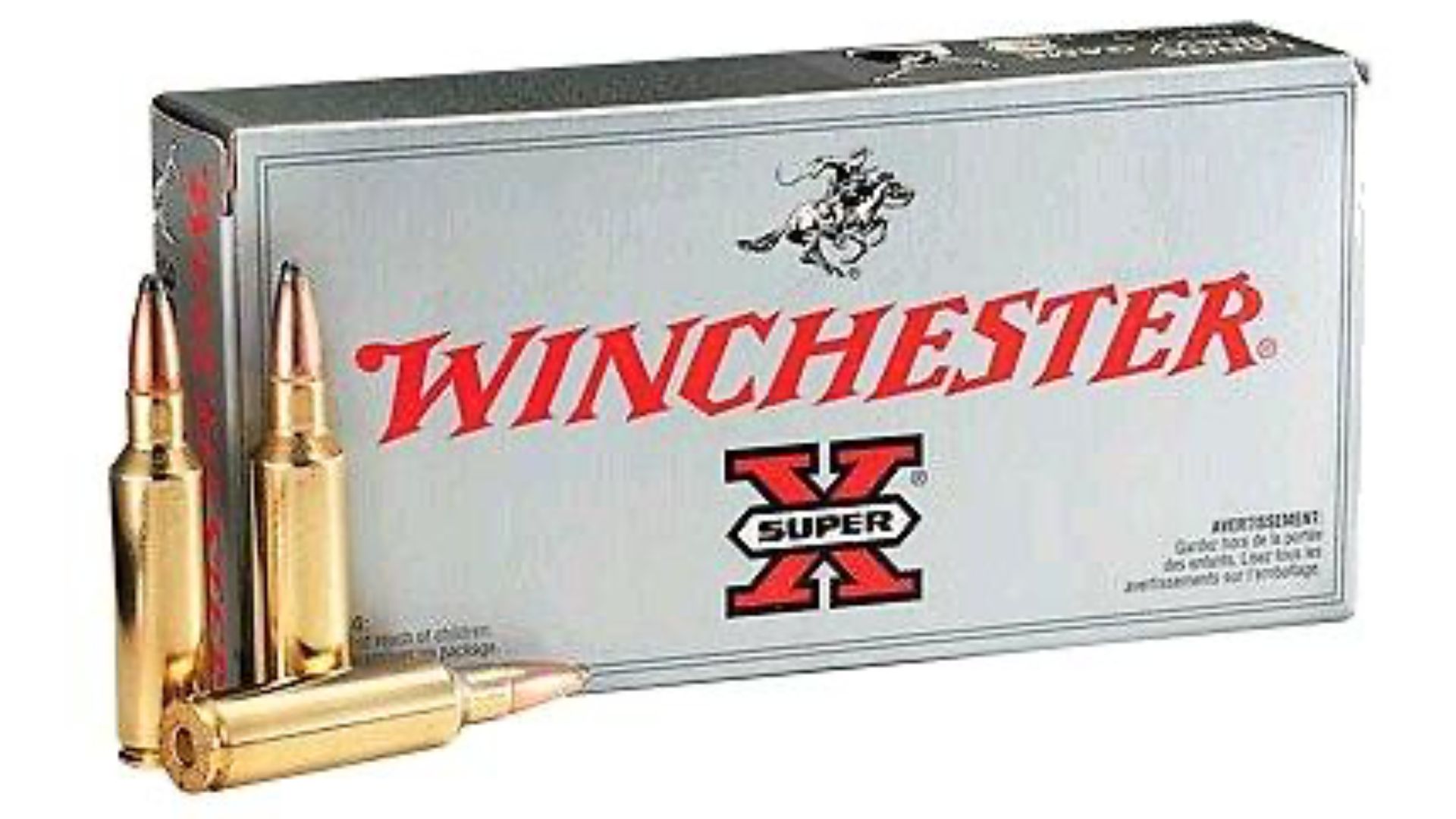
The .225 Win is a classic example of a cartridge that got outcompeted. It never became the standard for varmint work, and once .223 and .22-250 took over, the .225 didn’t have a strong enough reason to stay popular.
If your caliber isn’t widely used, manufacturers stop chambering rifles for it. Then ammo makers stop caring. Then it turns into a collector’s topic instead of a living cartridge.
.219 Zipper
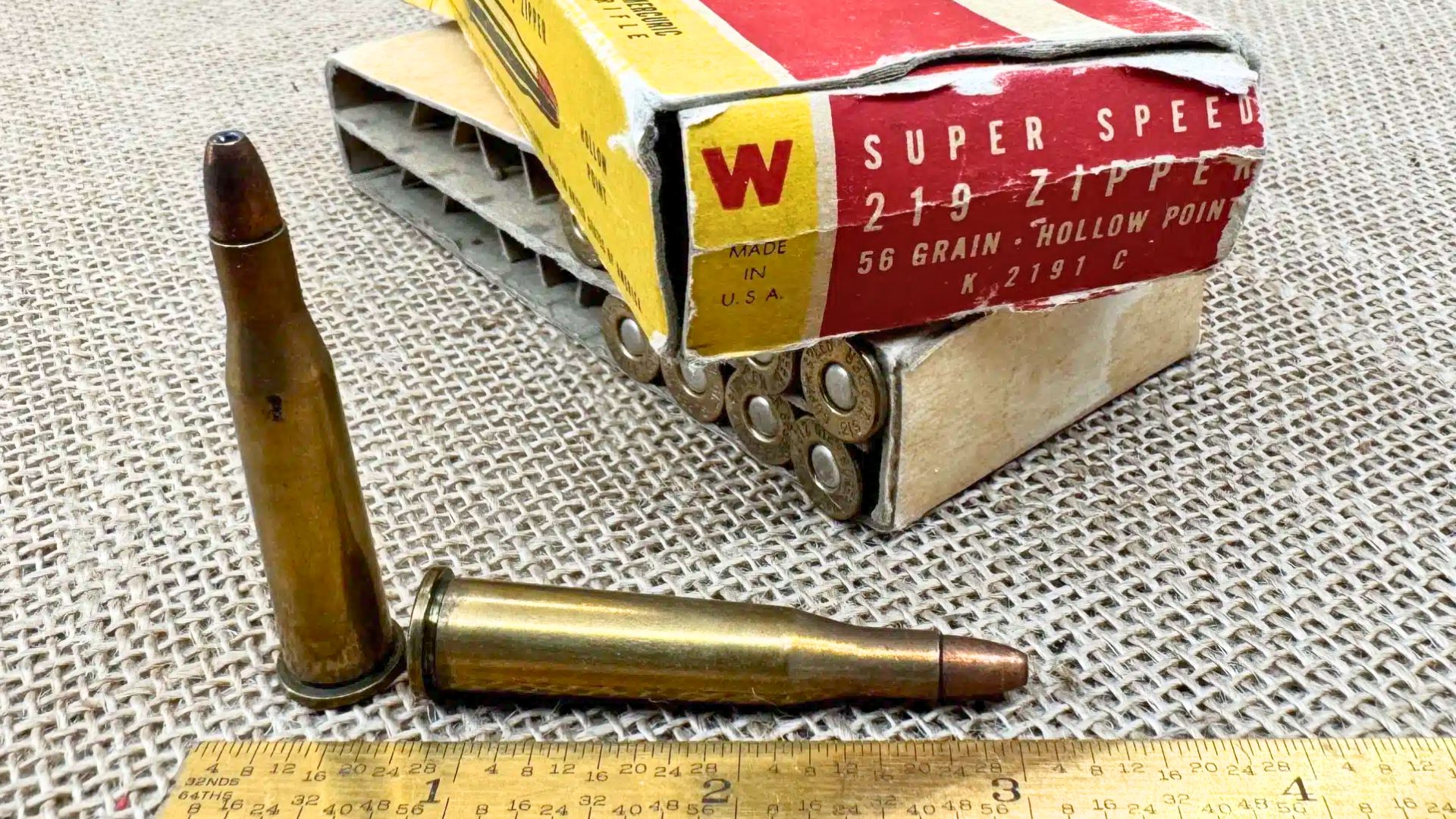
The .219 Zipper has history, but it’s not a modern favorite. Most shooters who want something in that space choose cartridges with better support, more consistent availability, and more rifle choices.
The Zipper survives mostly in nostalgia and the occasional specialty run. That’s not the same thing as a cartridge being “alive” in the real market.
.218 Bee
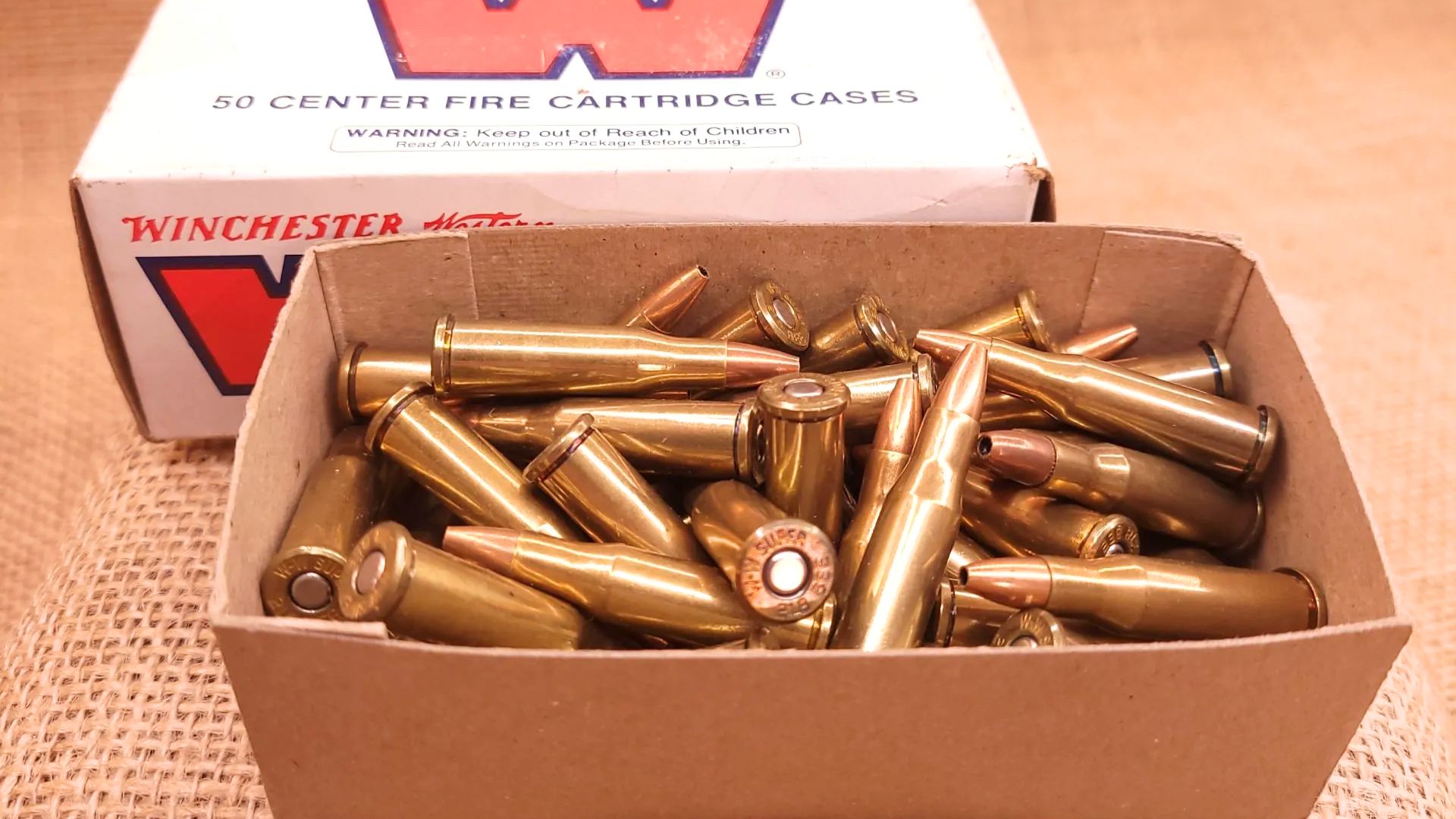
The .218 Bee can be a sweet little cartridge, but it’s never been mainstream enough to stay easy. That’s the issue with a lot of small, older rounds—they don’t die because they’re terrible; they die because nobody buys them in big numbers.
If a local store never stocks it, new shooters don’t get exposed to it. No exposure means no demand, and low demand means it becomes harder to find every year.
5mm Remington Rimfire Magnum
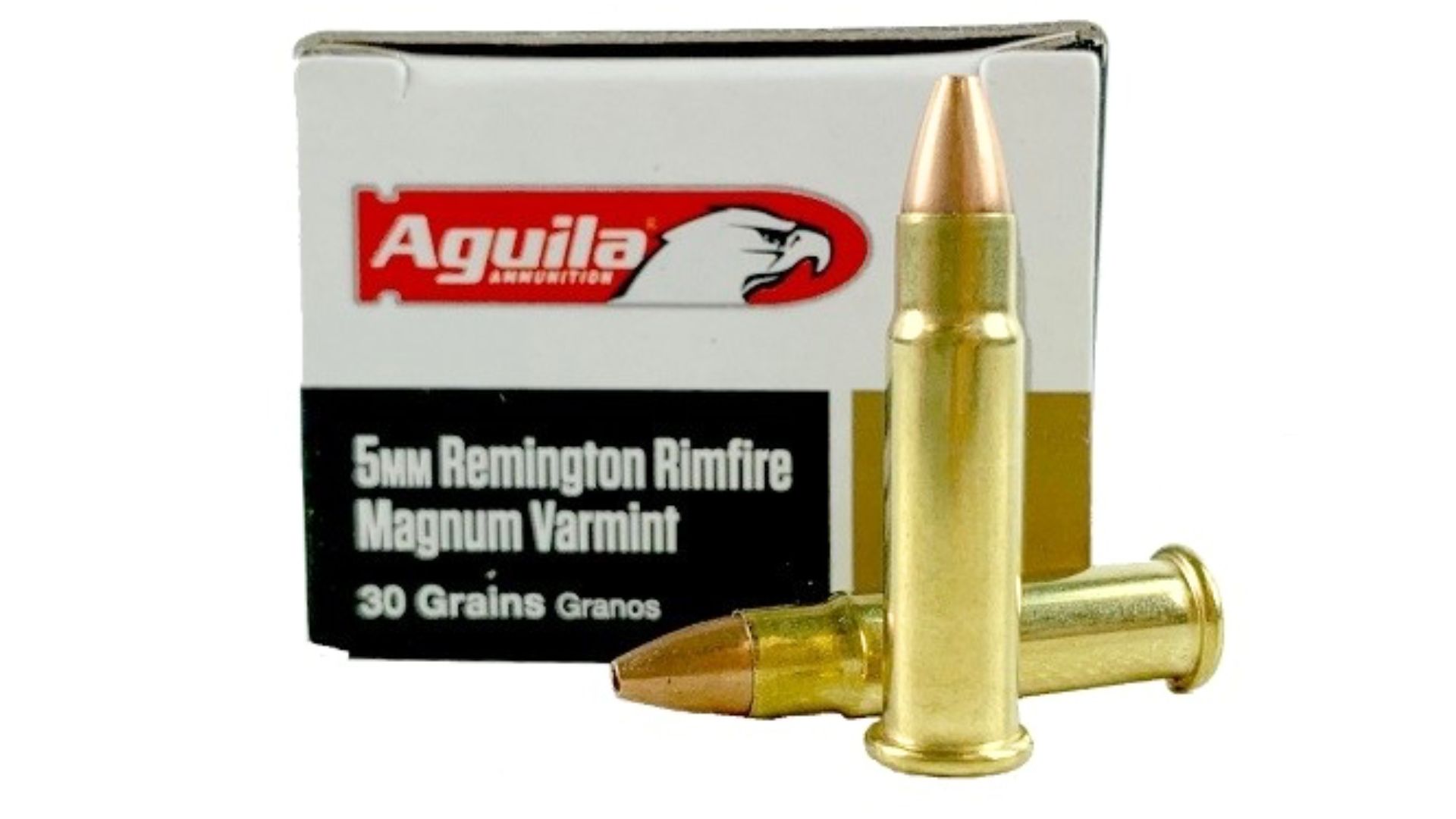
This one has always lived on the edge. It had a narrow window of popularity, then became hard to feed. Even if there are occasional modern runs, it’s still not something most people can walk into a store and buy.
Rimfire cartridges are especially brutal this way: if the market doesn’t commit, the round becomes a collector problem fast. The gun might be great, but it’s only as useful as the ammo supply.
.17 Mach 2

The .17 Mach 2 has a loyal niche, but it never hit the big mainstream stride that keeps rimfire rounds healthy. When most shooters can choose .22 LR, .22 WMR, or .17 HMR, the Mach 2 becomes the one people forget to restock.
That lack of constant demand is what makes it vanish on shelves. Even when it exists, it feels invisible in normal stores, and that’s the first step toward fading out.
.32 Remington
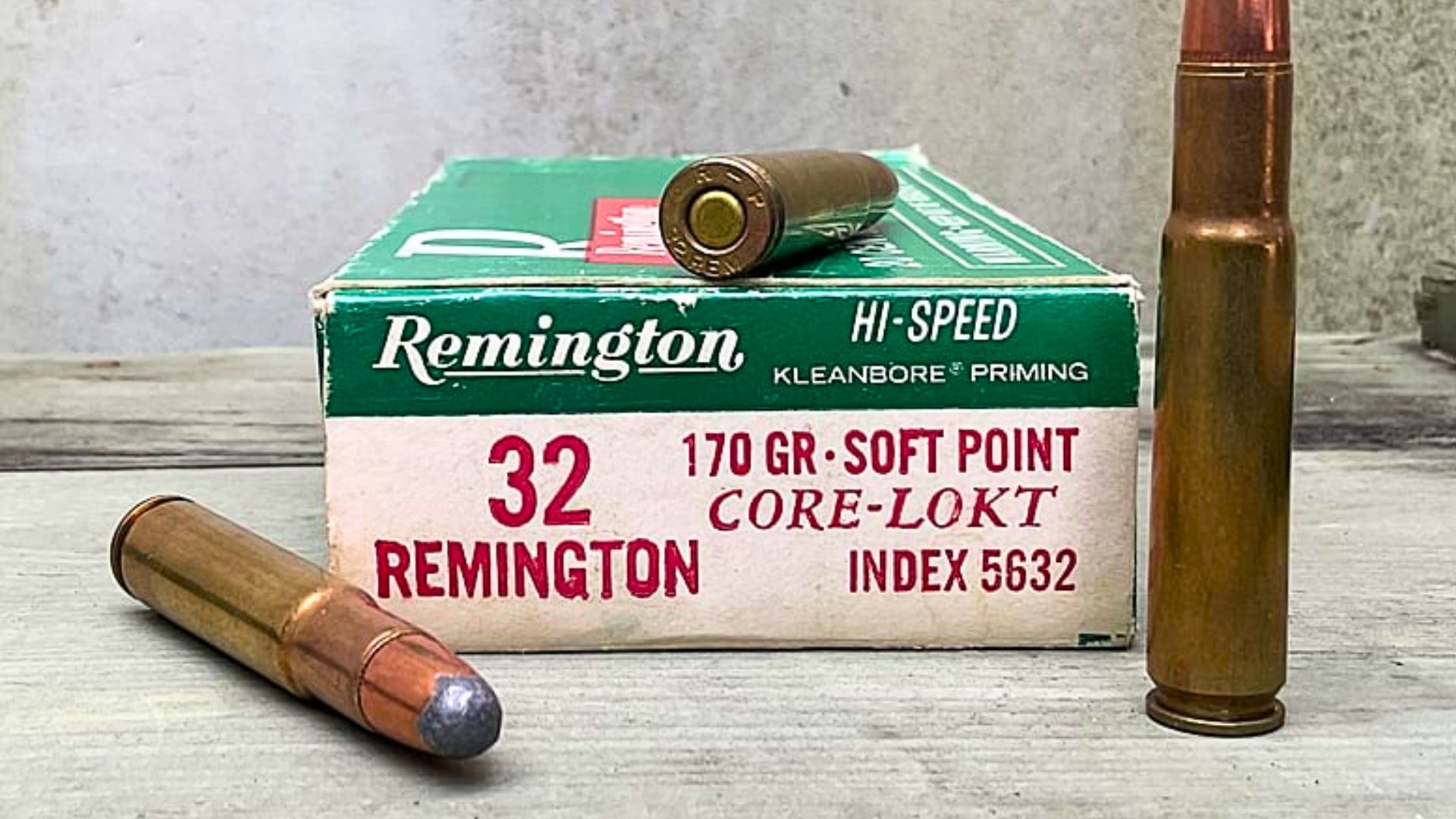
The old Remington rimless cartridges have history, but modern support is thin. You’ll see occasional ammo runs, but it’s not the kind of caliber you can count on for routine use.
Once owners have to handload or hoard to keep a rifle running, you’ve already left the “normal caliber” world. That’s how cartridges become museum pieces without anyone officially declaring them dead.
.35 Remington (modern availability rollercoaster)

The .35 Rem has a real hunting legacy, but it’s been sliding into “hard to find at the wrong time” territory more and more. Fewer new rifles are chambered for it, and many shooters moved to cartridges with broader support.
It’s not extinct, but it often feels like it’s hanging on through nostalgia and periodic production runs. For a working hunting rifle, that uncertainty drives people away.
.260 Remington

The .260 Rem is a great cartridge… and that’s what makes its fade kind of ironic. It got crowded out by newer 6.5 options with stronger marketing and broader factory support, even if the performance overlap is huge.
When a cartridge doesn’t get pushed by rifle makers and ammo companies, it slowly disappears from shelves. Shooters who already own it love it, but new buyers rarely start there anymore.
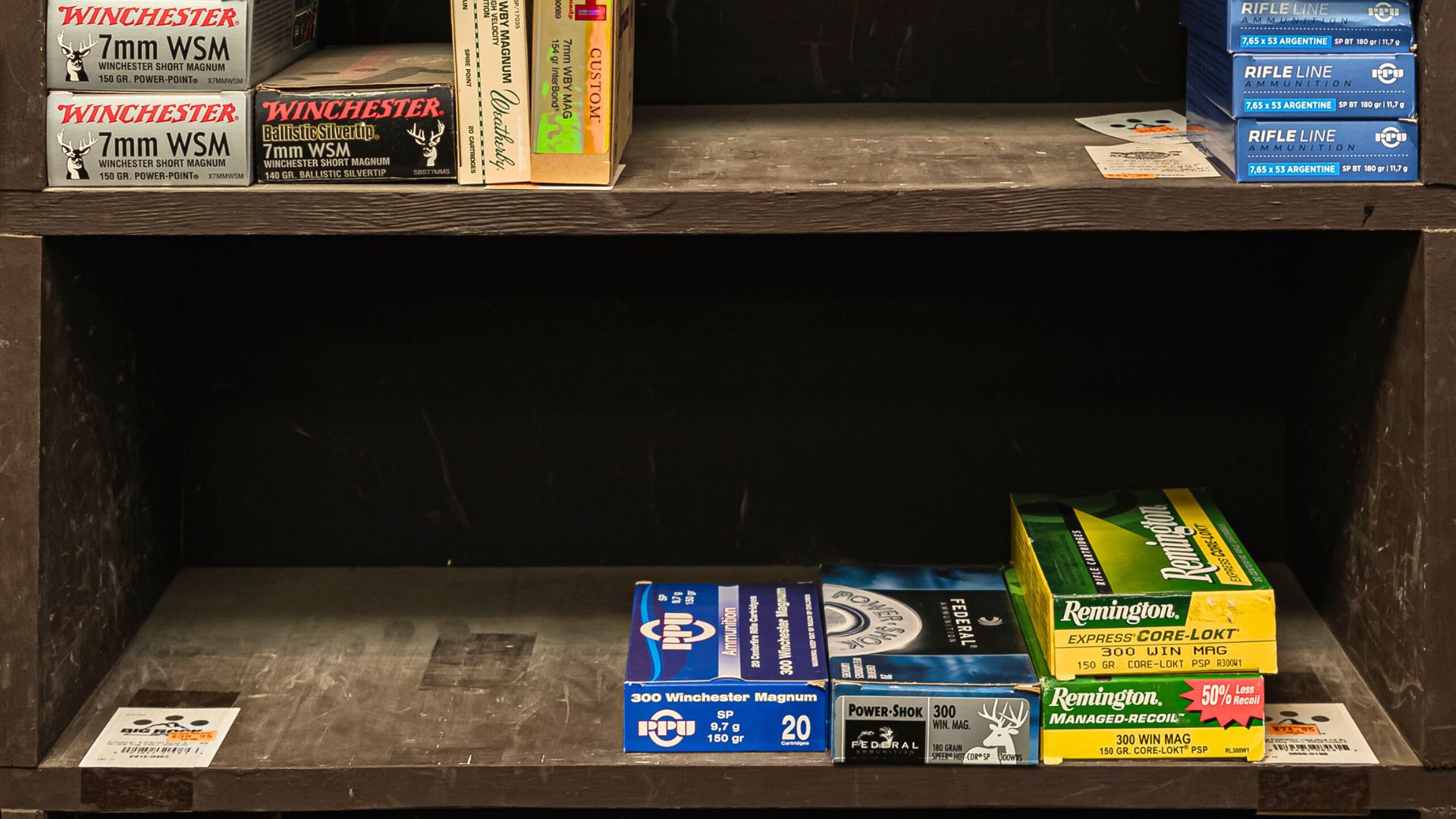
7mm WSM
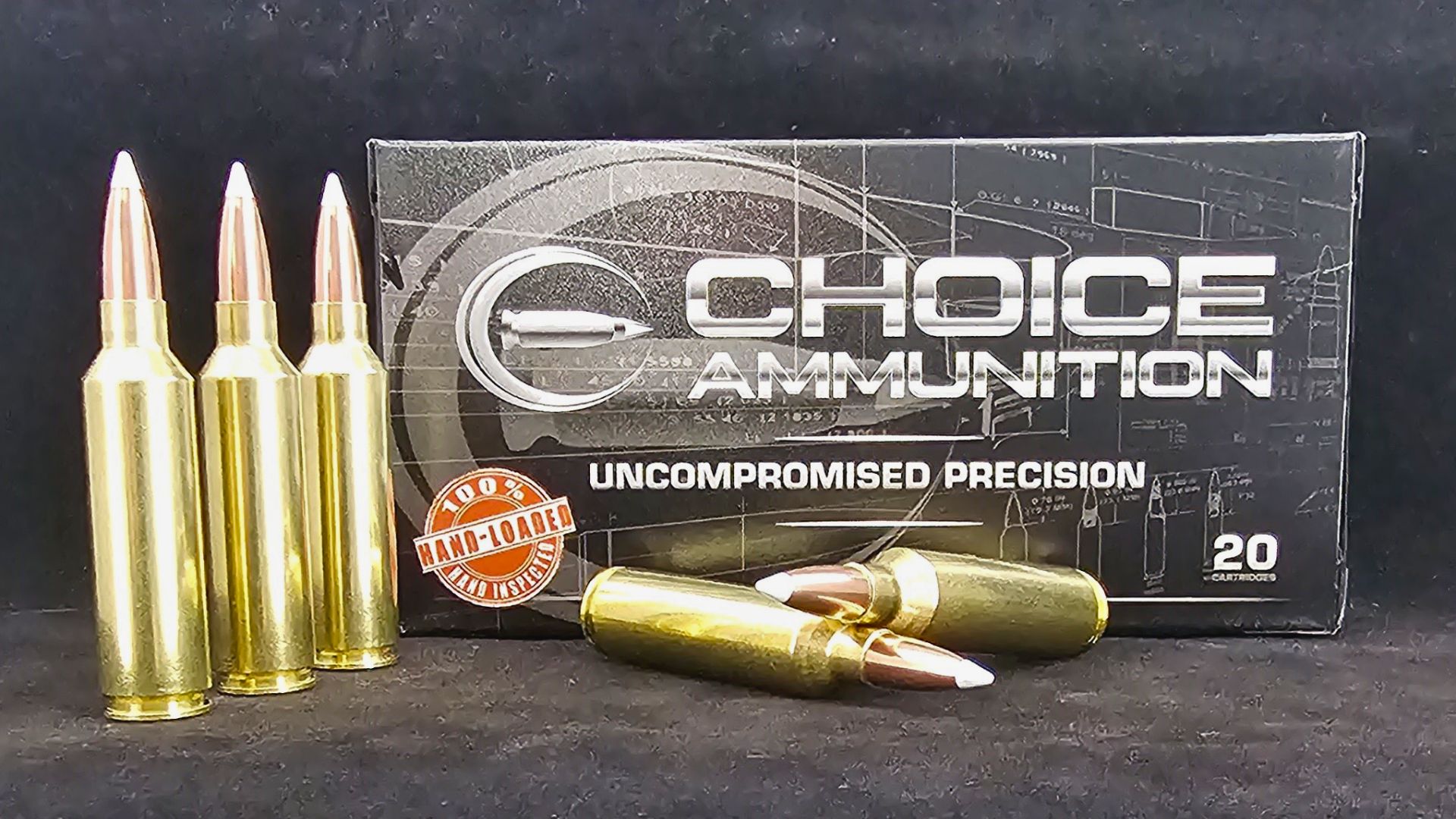
The WSM family has survivors, but 7mm WSM never became the “default” choice, and without a big base of users it stays niche. Many hunters either stick with 7mm Rem Mag or jump to newer options that are easier to source.
When fewer rifles get chambered and fewer boxes get sold, the cartridge becomes seasonal and spotty. That’s how it slips out of everyday use.
.325 WSM
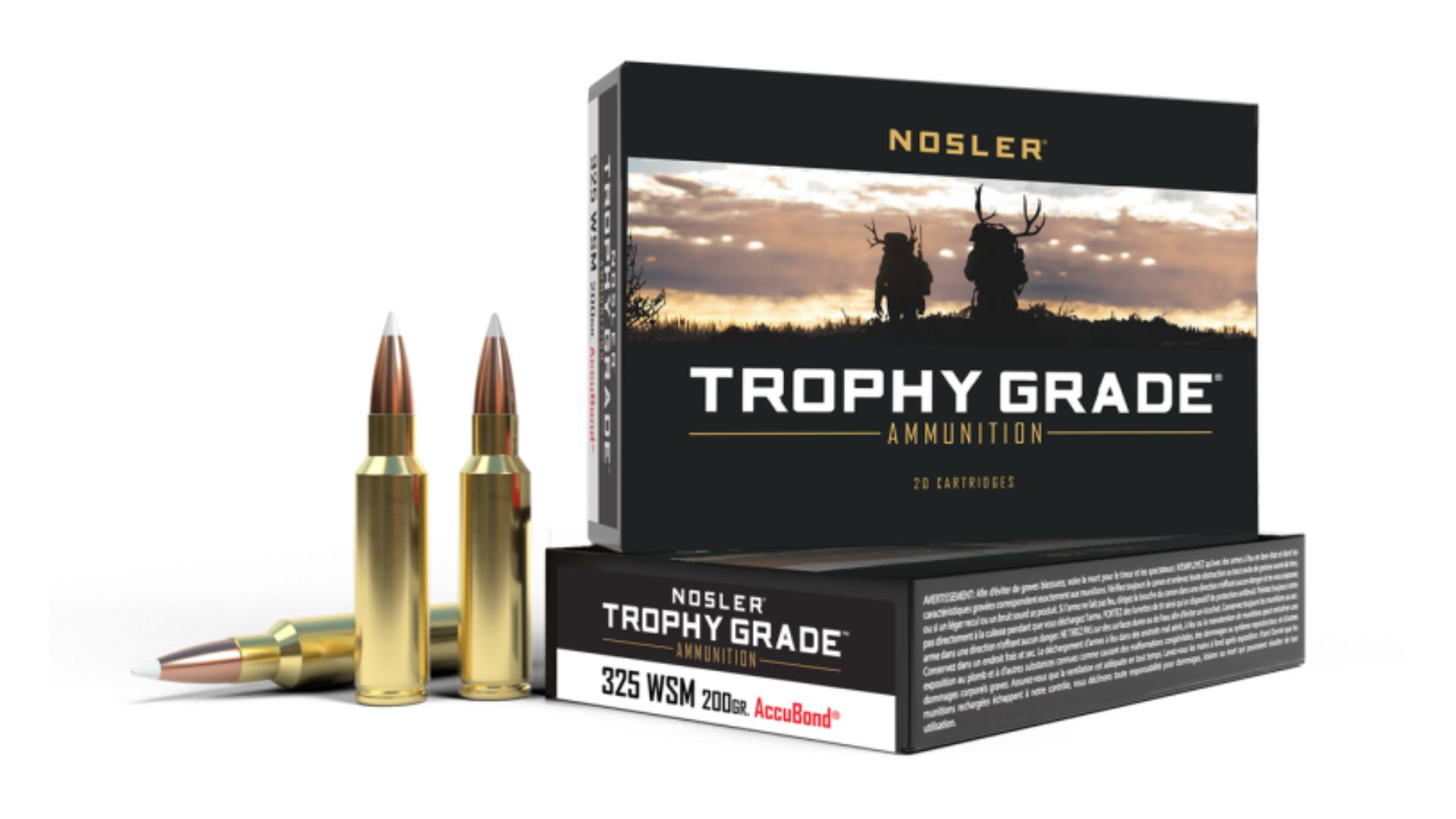
The .325 WSM is effective, but it’s a prime example of a cartridge that doesn’t have enough everyday demand to stay common. Most shooters who want that kind of power choose something with more factory support.
A cartridge can be excellent and still vanish if it doesn’t win a big slice of the market. The .325 WSM has lived that reality for years.
.450 Marlin
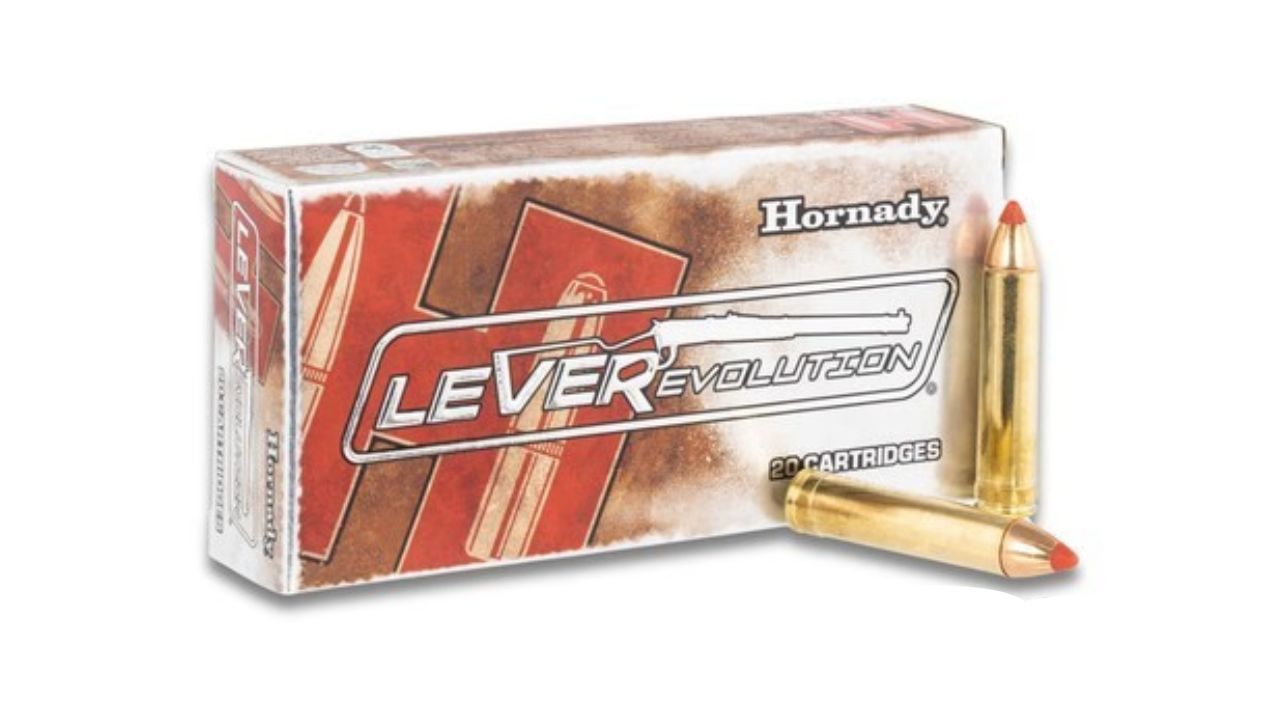
The .450 Marlin exists, but it’s always been a niche inside a niche. Many shooters simply go .45-70 because it’s everywhere and has endless load options and rifle choices. That’s a hard competitor to beat.
When a cartridge’s closest alternative is cheaper and more available, it’s tough to keep momentum. The .450 Marlin ends up feeling like the “interesting option” that most people don’t actually commit to long-term.
Like The Avid Outdoorsman’s content? Subscribe to our newsletter so you never miss an article.
Here’s more from us: