Photo credit: NRApubs/Youtube
Most compact pistols will run just fine if you feed them decent ammo, keep them reasonably clean, and don’t try to turn them into a science project with bargain parts. Still, there are a handful of small carry guns that have earned a reputation for being finicky, break-prone, or just inconsistent enough that I wouldn’t bet my daily routine on them. A range malfunction is annoying. A malfunction when you’re alone at a gas pump after dark is a different kind of problem.
This isn’t a bash list for the sake of it. Plenty of these pistols have fans, and a good individual sample can behave. But if you’re picking a daily carry gun, you want boring reliability, easy-to-find magazines, and a track record that doesn’t require excuses. Here are 20 compact handguns that, for one reason or another, tend to show up in “why did I buy this?” conversations.
1. Taurus PT111 Millennium G2
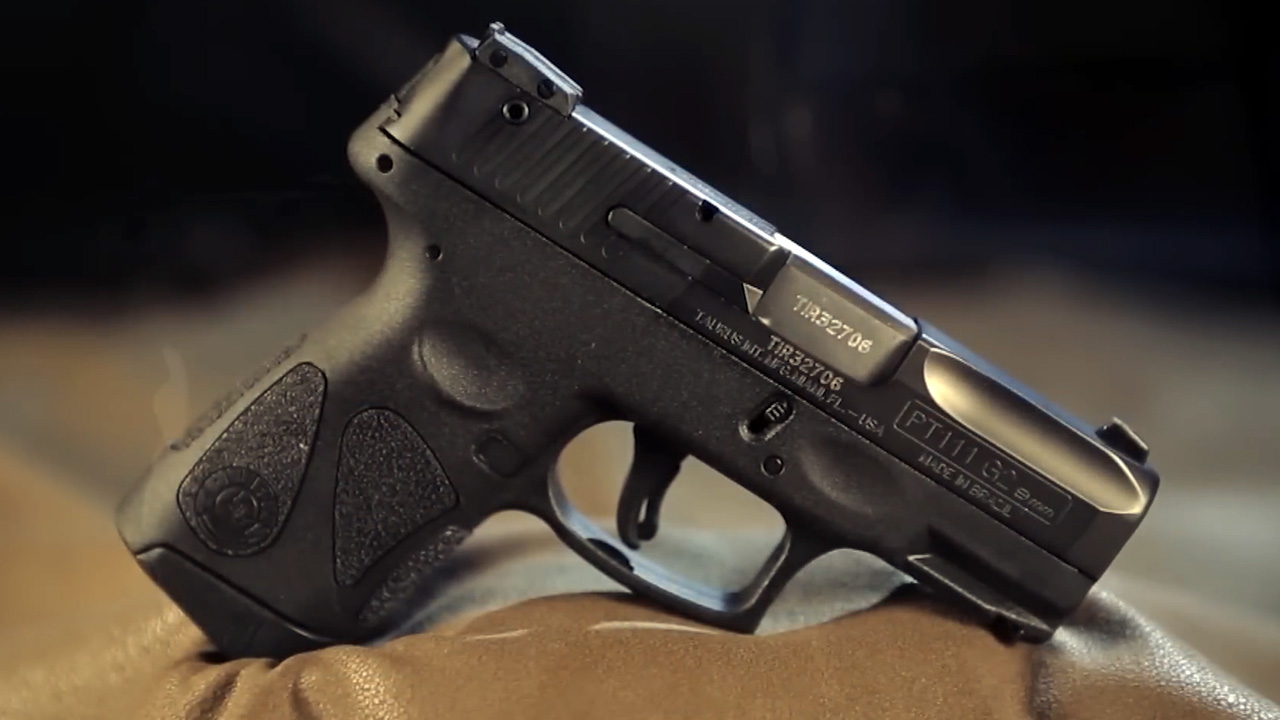
I’ve seen these run, and I’ve seen these choke. The trouble is the spread between a “good one” and a “problem one” feels wider than it should. When you’re buying a defensive pistol, you shouldn’t feel like you’re rolling dice on quality control.
The trigger feel varies, magazine fit can be hit-or-miss, and when they start having failures to feed, it can turn into a guessing game: ammo, mag springs, extractor tension, or just a rough gun. If you already own one that’s proven itself over a lot of rounds, fine. If you’re shopping? There are safer bets.
2. Taurus Curve

On paper, a curved carry pistol sounds clever. In real life, weird ergonomics and odd holster options are not your friend. The Curve also had a reputation for being picky, especially when dirty or run hard.
Anything that makes it harder to get a consistent grip and clean trigger press is already starting behind the line. Add in spotty reliability reports and you’ve got a pistol that feels more like an experiment than a dependable tool.
3. SCCY CPX-1

The CPX-1 is one of those “budget carry” pistols that tempts folks who just want something small and affordable. I get it. But a long, heavy trigger paired with inconsistent reliability isn’t a great combo for daily carry.
Some of the issues come down to magazines and ammo sensitivity. Some are just guns that never settle in. When you’re trying to practice enough to actually be good with a carry gun, you don’t need a pistol that turns every range trip into troubleshooting.
4. SCCY CPX-2
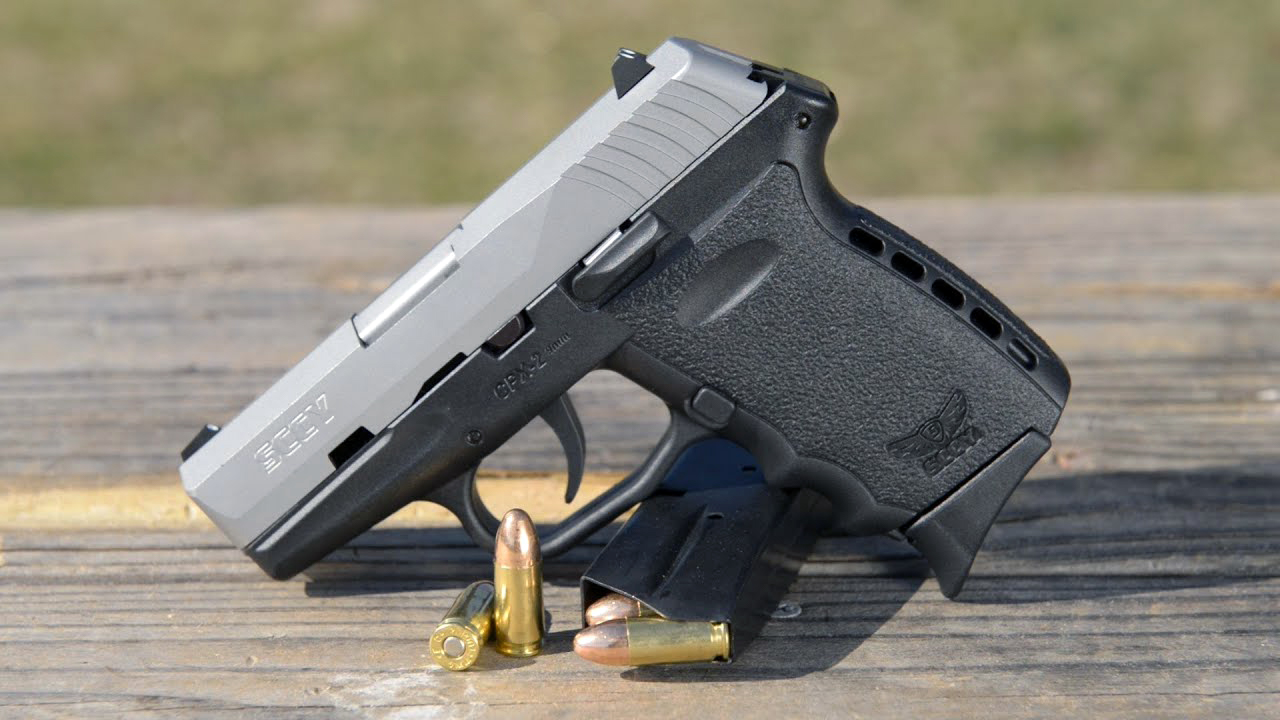
The CPX-2 fixed the external safety debate for some folks, but it didn’t erase the bigger concern: these can be temperamental. When they run, they’re not terrible for the money. When they don’t, owners tend to chase their tails.
And the reality is, small pistols are already less forgiving than duty-sized guns. A compact that demands perfect ammo, perfect grip, and perfect maintenance to function is not what I’d call a comforting daily carry.
5. Jimenez JA-9
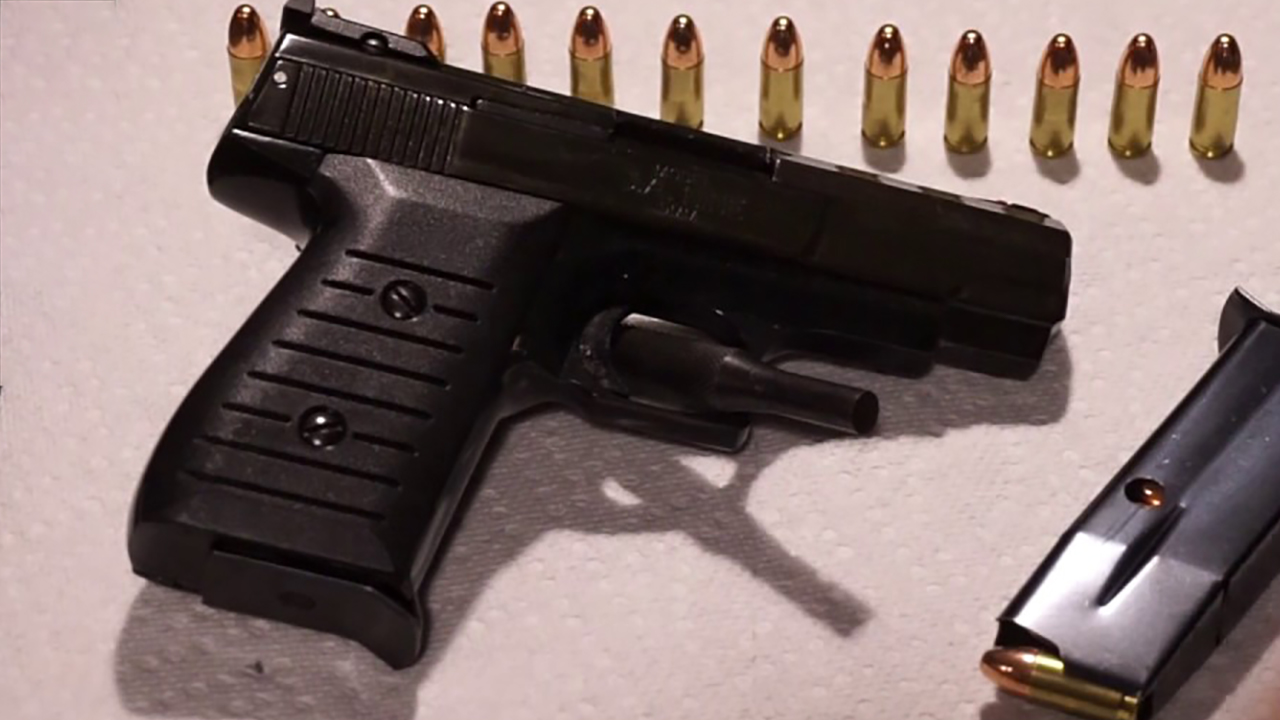
These show up at pawn counters and gun show tables like a bad cold that won’t go away. The price tag is the hook. The reliability is the catch. Materials, machining, and long-term durability are where the corners get cut.
Even if you manage to find one that runs a few boxes of ball, the parts and magazine situation can be a headache. A defensive pistol isn’t the place to save money by accepting a higher chance of stoppages.
6. Bryco / Jennings 9mm compacts
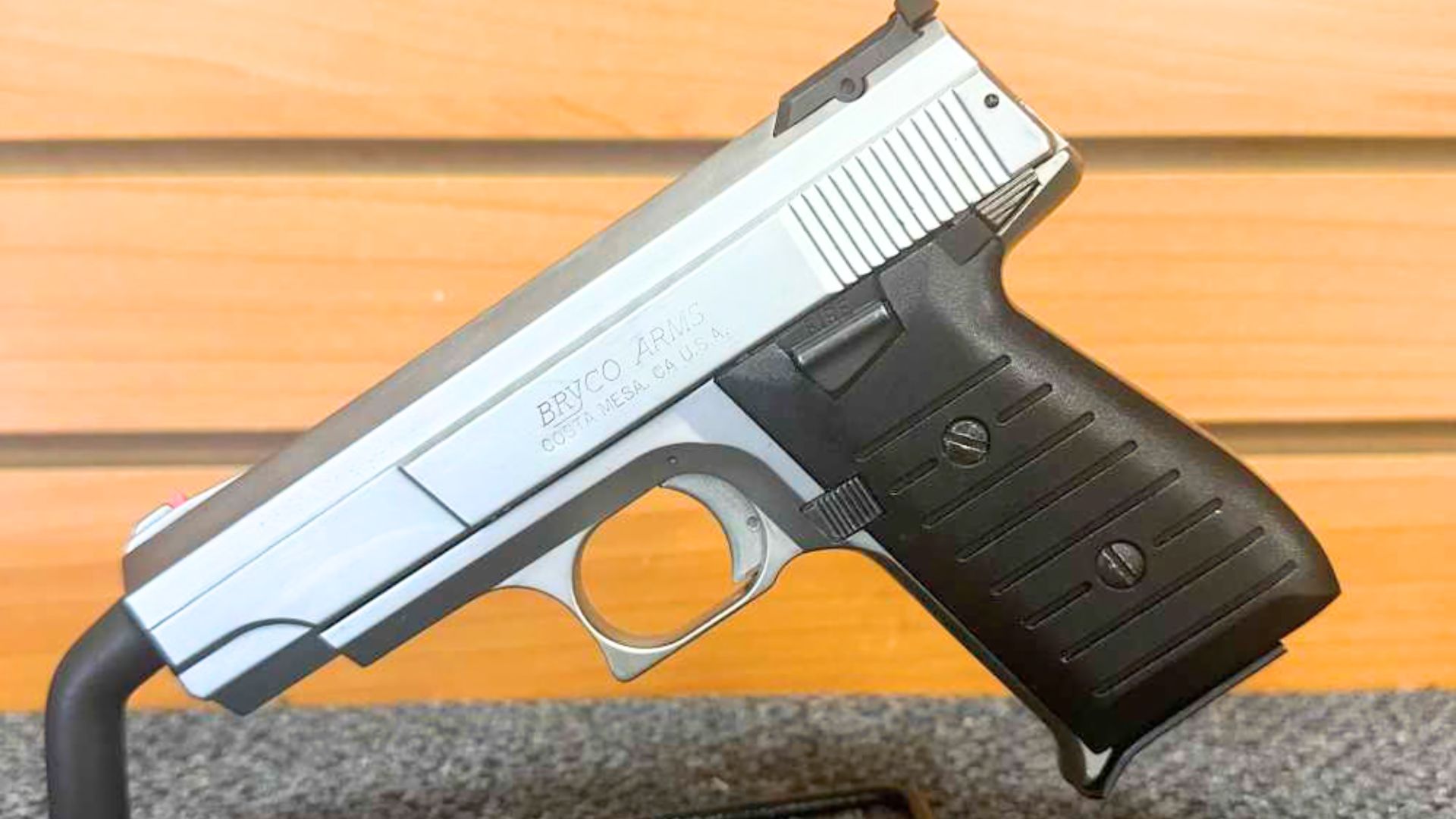
Same family of problems as the Jimenez guns. A lot of these were built to be cheap first and functional second, and it shows once you shoot them enough to matter. Sloppy tolerances and questionable mags make for a bad day.
I’ve also seen owners avoid practicing because the gun is unpleasant to shoot and they don’t trust it. That defeats the whole point. If you won’t train with it, you shouldn’t carry it.
7. Kel-Tec P-11
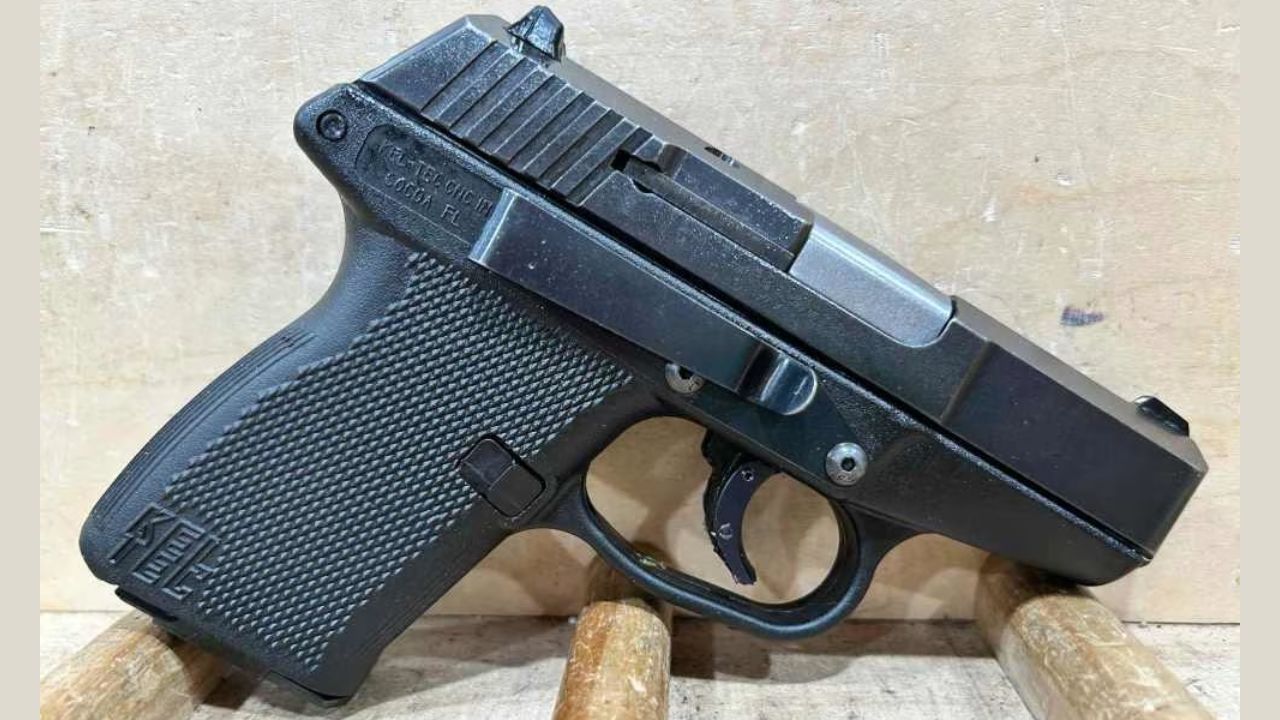
Kel-Tec has made some clever, lightweight pistols, and the P-11 has plenty of history. It also has a reputation for being a little rough and more sensitive than newer designs. The long trigger can mask problems too, because you’re fighting the pull instead of noticing what the gun is doing.
Some P-11s run like sewing machines. Others start turning in failures to extract or feed unless you’re very selective with ammo and diligent with maintenance. For a “throw it on every day” gun, I prefer something less fussy.
8. Kel-Tec PF-9
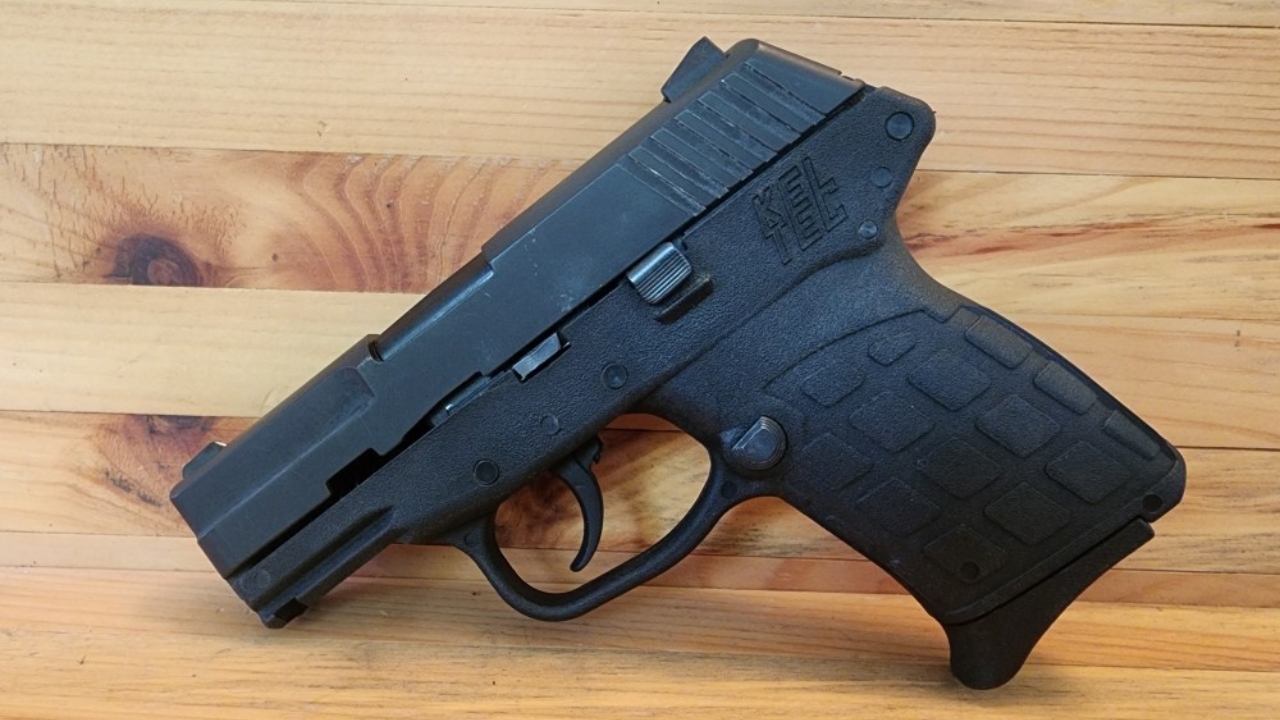
The PF-9 is light, thin, and easy to carry. It can also be snappy enough that shooters limp-wrist it without realizing, and that’s where the stoppages show up. A carry gun shouldn’t punish you for being human on a cold day with numb hands.
Beyond recoil sensitivity, the PF-9 has a track record of needing a little more attention than the average compact 9mm. If you’re the type to clean and test regularly, you can make it work. If you want “set it and forget it,” this one isn’t it.
9. Kel-Tec P-32
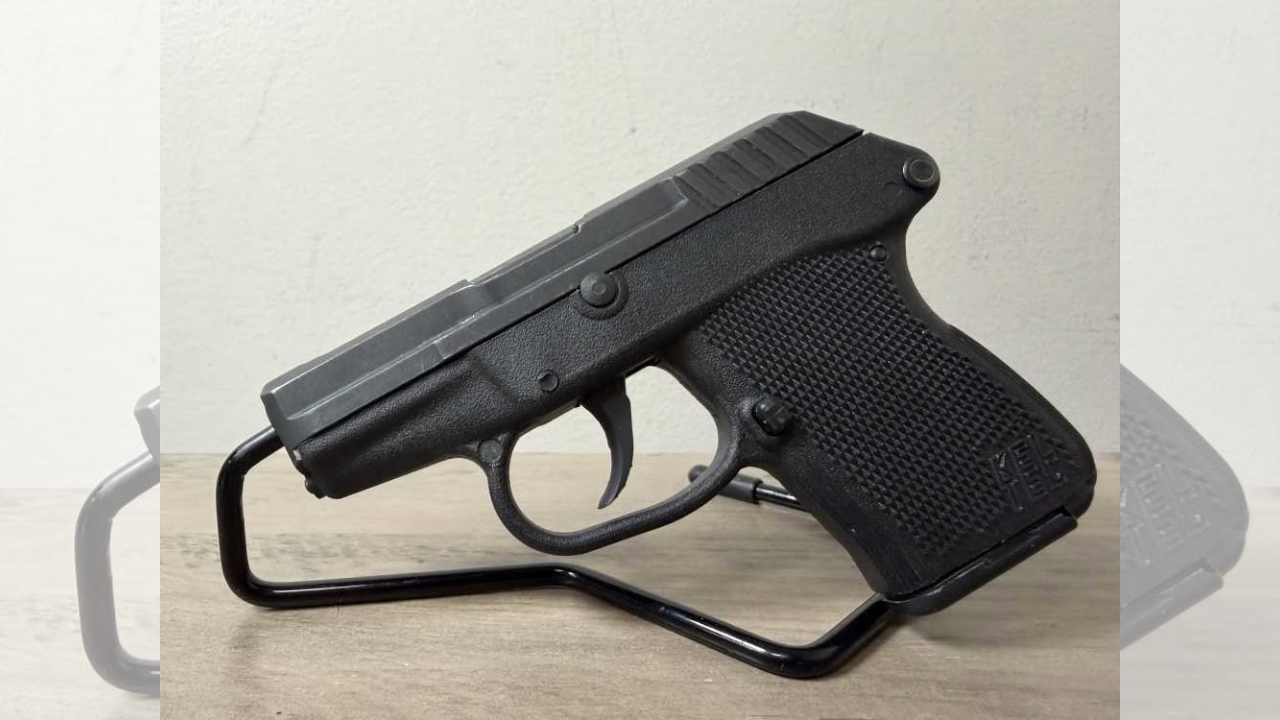
I actually like the idea of a tiny .32 when deep concealment is the goal, but the P-32 has a history of rimlock issues depending on ammo and magazine setup. That’s not something you want to discover after you’ve already committed to carrying it.
When these run, they’re easy to carry and easy to keep on you. But the little .32s live in a world where ammo shape and magazine geometry matter more than most folks think. If you carry one, you’d better test your chosen load thoroughly.
10. Kel-Tec P-3AT

Ultra-light .380 pistols are always a compromise. The P-3AT can be a good pocket gun, but it also has a long history of break-in requirements and occasional failures that owners excuse as “just needs a little tweaking.”
Here’s my issue: a defensive pistol shouldn’t need “tweaking.” If you want a pocket .380, there are options with better out-of-the-box consistency. If you already have a proven P-3AT, keep it maintained and keep fresh mags. If it’s a problem child, don’t rationalize it.
11. Remington RM380

The RM380 had a moment, especially when prices dipped and folks wanted a metal-framed pocket .380. Some samples run great. Others have been plagued with feeding problems, weird ejection, and finicky magazine behavior.
It’s also one of those pistols where support and parts availability can become a factor over time. With a daily carry gun, I like knowing I can find magazines easily and get it serviced without drama.
12. Remington R51 (Gen 1)

That first run of R51 pistols is a classic lesson in why you don’t beta test with your carry permit. The concept was interesting, the execution was rough, and early guns had enough problems that the reputation stuck hard.
Even if you’ve got one that was updated and runs better now, it’s tough to shake the memory of widespread reliability complaints. Carry guns are about trust. Once that trust is cracked, it’s hard to glue back together.
13. Kimber Solo

The Solo is a sharp-looking little 9mm, and it points nicely for some hands. The issue is that “likes premium ammo” can turn into “won’t run anything else.” That’s not a minor quirk when you’re trying to practice affordably and carry consistently.
Owners have reported that some Solo pistols are surprisingly ammo-sensitive, especially with lighter loads. If a gun demands a narrow band of loads to function, you’re carrying a picky machine instead of a dependable tool.
14. Kimber Micro 9

Small 1911-style pistols can be great when they’re built and tuned right. They can also be a reliability roulette wheel when tolerances stack up the wrong way. I’ve seen Micro 9s that ran fine, and I’ve seen them struggle with feeding and extraction until the owner gave up.
The other concern is that tiny controls and springs in micro-1911 platforms can be less forgiving over time. If you want a small 9mm for daily carry, a modern striker-fired compact is usually a safer, more consistent choice.
15. SIG Sauer P365 (early production)

The P365 changed the carry world, no question. But the early guns had enough striker and firing pin-related chatter that it made cautious folks wait. That was the right move.
The newer track record is much stronger, and plenty of folks carry them daily with confidence. Still, if you’re looking at an older used one, the early-production reputation matters. A bargain isn’t a bargain if you’re inheriting somebody else’s headache.
16. Ruger LCP (first generation)

The original LCP put .380s in pockets everywhere, and I respect that. I’ve also watched enough of them bobble feeding and lock back issues to call it what it is: a small, lightweight pistol that can be sensitive to limp-wristing and magazine wear.
The LCP line improved over time, but the early guns especially could be inconsistent. If you carry one, you need to verify it runs with your actual carry ammo and rotate magazines before they get tired.
17. Ruger LC9 (original, hammer-fired)

The original LC9 was slim and easy to conceal, but it’s another pistol that can be picky depending on ammo and how it’s held. The long trigger and small grip don’t help consistency, especially for newer shooters.
I’ve also seen LC9 owners struggle to shoot it well enough to feel confident, which leads to less practice. The later striker-fired versions improved the shootability for many folks, but the older LC9 isn’t the one I’d choose for a “carry every day” role.
18. Walther PK380

The PK380 is soft-shooting and easy to rack, which is why it gets recommended for recoil-sensitive shooters. The downside is that its design and magazine setup can be more finicky than you’d expect from Walther branding.
When these start acting up, it’s often feed-related and sometimes tied to magazine condition. It’s not the worst pistol on this list, but it’s also not one I’d want to depend on without a lot of testing and a couple extra proven mags.
19. Springfield Armory XD-S (first generation .45)

Stuffing .45 ACP into a skinny little pistol is asking a lot. The XD-S .45 can be a handful, and when shooters fight recoil, grip problems show up fast. I’ve seen them run great, and I’ve also seen intermittent issues that were hard to pin down.
It doesn’t help that tiny .45s tend to beat themselves up more over time. Springs matter, magazine condition matters, and your grip matters. If you’re dead set on .45, I’d rather carry something a little larger and calmer.
20. Colt Mustang (and many Mustang-style clones)

I like the Mustang concept: small, metal, pleasant to carry, and it has that classic feel. The problem is that many of these little .380s—originals and clones—can be ammunition-sensitive and less tolerant of neglect than modern polymer pocket guns.
When they’re clean and set up right, they can be solid. When they’re not, you’ll see failures to feed that make you lose confidence fast. For a nostalgic range piece, they’re fun. For daily carry, they need more proving than most folks are willing to do.
If you noticed a theme, it’s this: tiny pistols live on the edge. Short slides, stiff springs, small grip surfaces, and compact magazines don’t leave much room for error. If you’re going to carry a compact every day, pick one with a deep reliability track record, buy quality magazines, test your carry ammo, and actually shoot the thing enough to trust it. A pistol that’s easy to carry but hard to count on is just extra weight on your belt.
Like The Avid Outdoorsman’s content? Subscribe to our newsletter so you never miss an article.
Here’s more from us: