Photo credit: Savage Arms
A caliber can look great in perfect conditions: warm range day, calm wind, broadside target, and plenty of time. Hunting season isn’t that. Real season is cold fingers, wet gear, odd angles, wind you didn’t plan for, and animals that don’t read ballistic charts. These are the calibers that tend to feel “fine” early on, then start losing trust once conditions get ugly and shots get less forgiving.
.17 HMR
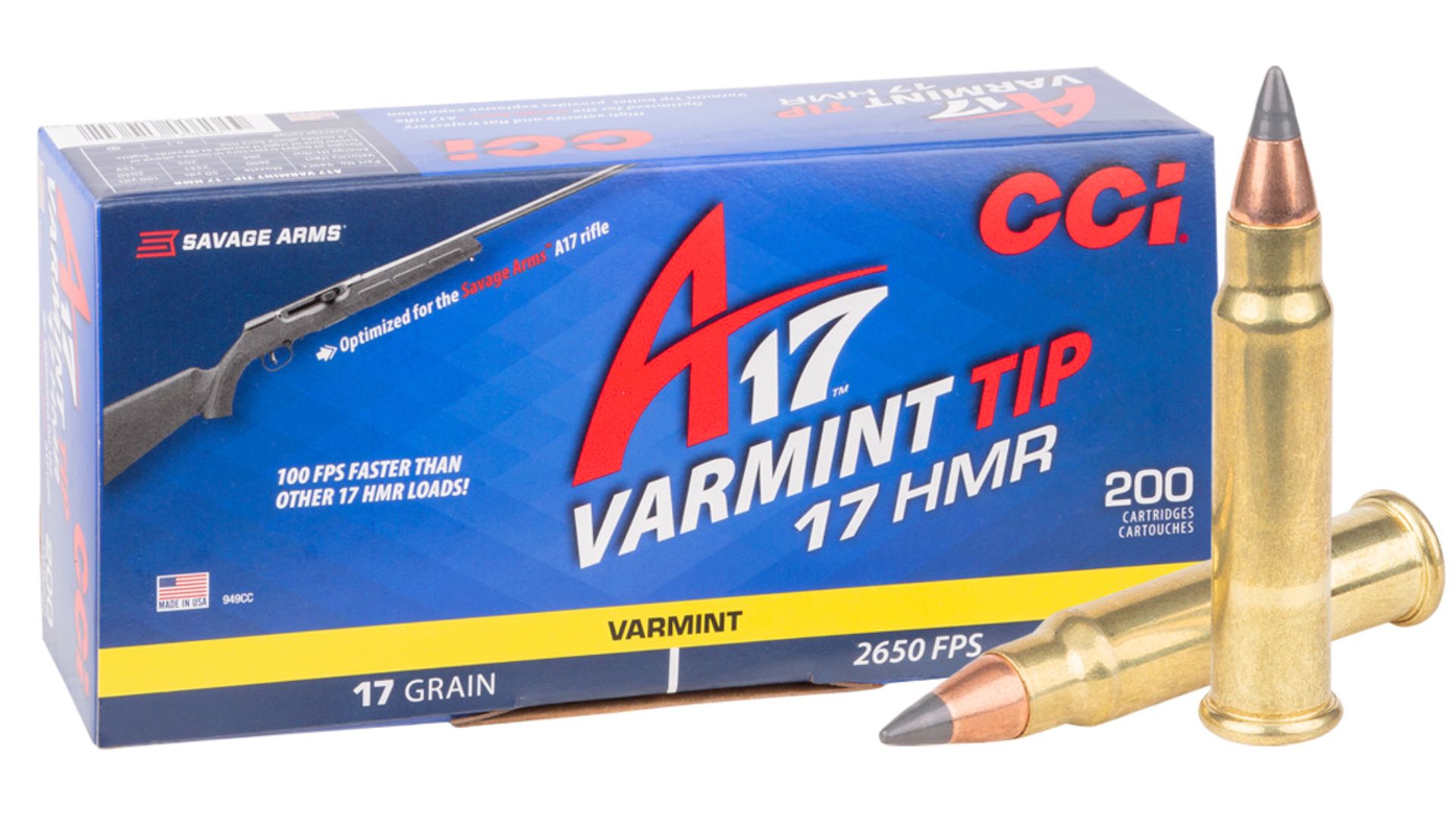
The .17 HMR is fun and accurate on small critters, but it’s a fair-weather round. Wind pushes it hard, and once you’re dealing with gusts, brush, or longer shots, it starts feeling like a guessing game. You’ll see clean hits one day, then watch impacts drift the next and wonder what changed.
It also doesn’t have much margin on tougher small game when angles aren’t ideal. A little deflection, a little wind, a little range error—suddenly it’s not the tidy, surgical round it looked like at the bench. Great tool in its lane, but that lane is narrow when the season gets rough.
.22 WMR

The .22 Magnum has put down plenty of varmints, but it starts fading when conditions get unpredictable. Wind and range estimation matter more than most people admit, and the cartridge doesn’t hit with enough authority to cover for sloppy placement the way a centerfire will.
In cold weather, with gloves, shooting off awkward rests, it’s common to see guys struggle to make clean hits past their comfort range. It’s still useful, but when pests show up at the edge of the pasture and the wind is doing its thing, the .22 WMR starts feeling like a compromise.
.204 Ruger

The .204 is flat and fast on paper, and it can be a laser in calm air. When the wind picks up, it starts losing its swagger. Light bullets move, and when you’re calling coyotes in the kind of wind that seems to happen every weekend of predator season, you feel it.
It’s also easy to get seduced into longer shots because the drop looks friendly. Then the wind drift reminds you that drop is the easy part. If you’re disciplined and know your dope, it can work. A lot of guys don’t want to work that hard for results they can get easier with a heavier bullet.
.22-250 Remington

The .22-250 is a classic predator round, but it can fade in the worst parts of the season because it’s less forgiving in wind than people expect for how fast it is. You can absolutely run it well, but when the wind is switching and you’re shooting from a cold kneel or a shaky rest, you start wishing for a little more bullet weight.
The other “fade” issue is barrel heat and shot cadence during practice and confirmation. Many guys don’t notice it until they’re trying to stay sharp. If you’re hammering groups and the barrel warms fast, your confidence can wobble. It’s still a killer round—just not always as effortless as the reputation suggests when conditions are ugly.
.223 Remington (for deer)

A .223 can take deer with the right bullet and placement, but it fades fast once the season turns into bad angles and imperfect shot windows. Early season broadside shots can look clean. Late season, you’re shooting through brush gaps, quartering angles, or heavier-bodied deer, and the margin for error gets thin.
A lot of hunters don’t want to depend on perfect. They want a cartridge that still breaks bone and drives through when things aren’t ideal. The .223 can work, but it asks for discipline in bullet choice and shot selection. Late season doesn’t always give you the “disciplined” shot.
.300 AAC Blackout
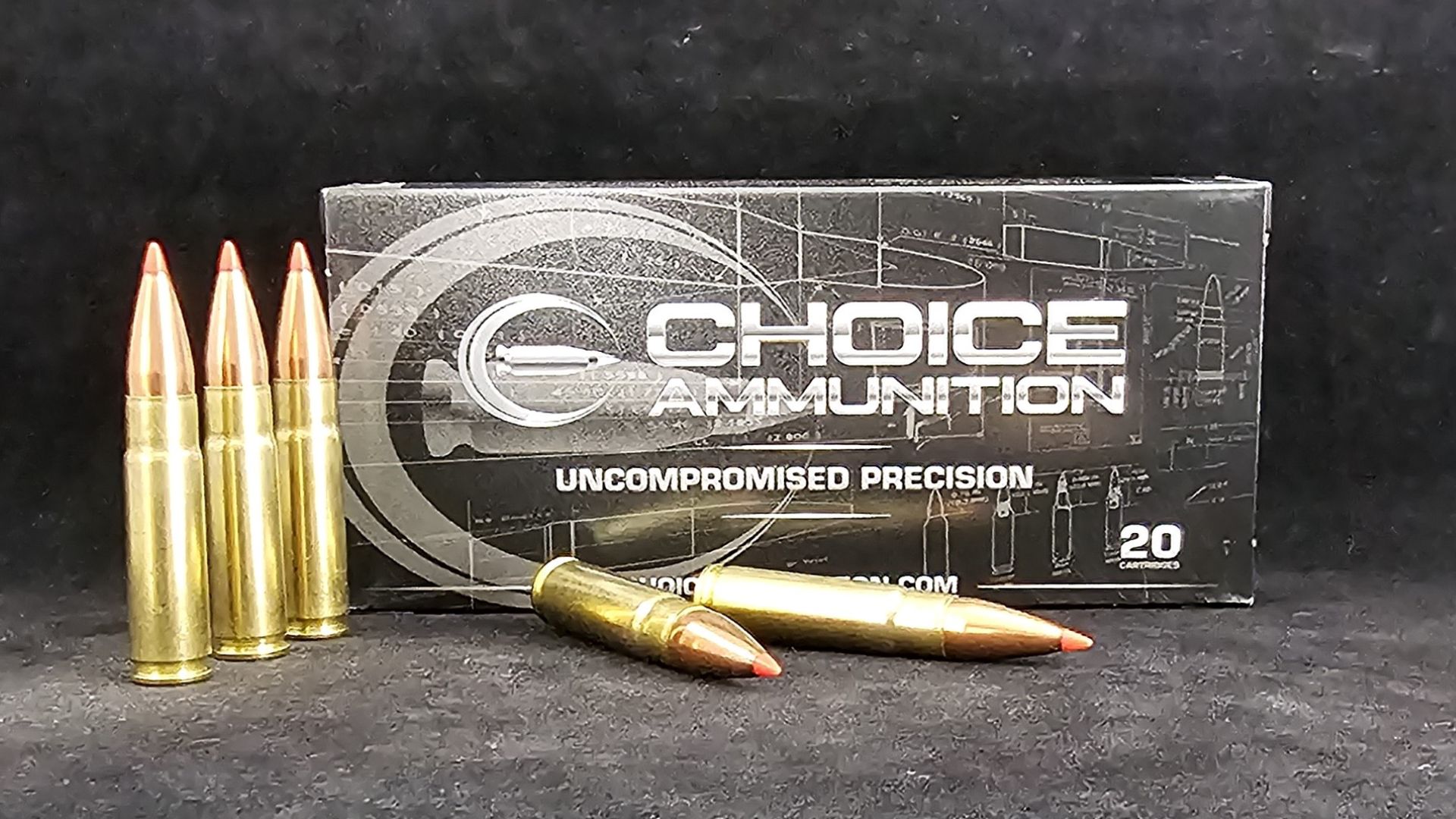
Blackout is great inside its lane, and then it gets rough when people push it past that lane. In cold weather, thick cover, and rushed shots, you don’t want to be second-guessing velocity, expansion thresholds, and whether the load you grabbed is the same one you sighted in.
It also tempts people to hunt with it like it’s a short .308. It isn’t. When the season gets tough and shots get angled or longer than expected, a lot of Blackout hunters suddenly start wishing they brought a cartridge with more speed and a bigger safety margin in terminal performance.
7.62×39

The 7.62×39 can be a solid woods cartridge, but it fades when you need more reach, more wind forgiveness, or more consistency across ammo lots. Many people run it with mixed steel-case ammo and then wonder why their rifle prints differently from one box to the next.
In good conditions at moderate distance, it can do fine. In late-season wind and cold, with real hunting pressure, its limitations show. It’s not that it can’t kill—it’s that it doesn’t give you much forgiveness when you’re trying to thread a shot in bad weather and you’re not 100% steady.
.30-30 Winchester

The .30-30 is still a legit deer round, but the “fade” happens when hunting conditions shift away from tight woods. More hunters now sit over longer edges, lanes, and cutovers than they admit. That’s where .30-30 drop and wind drift start forcing you into guesswork unless you’ve practiced a lot.
Late season also tends to bring heavier clothing, awkward shooting positions, and animals that hang up farther out. A round that shines at 50–125 yards starts feeling limited at 200+. Plenty of deer still fall to it, but the confidence drops fast when you’re pushing it outside the role it owns.
.243 Winchester
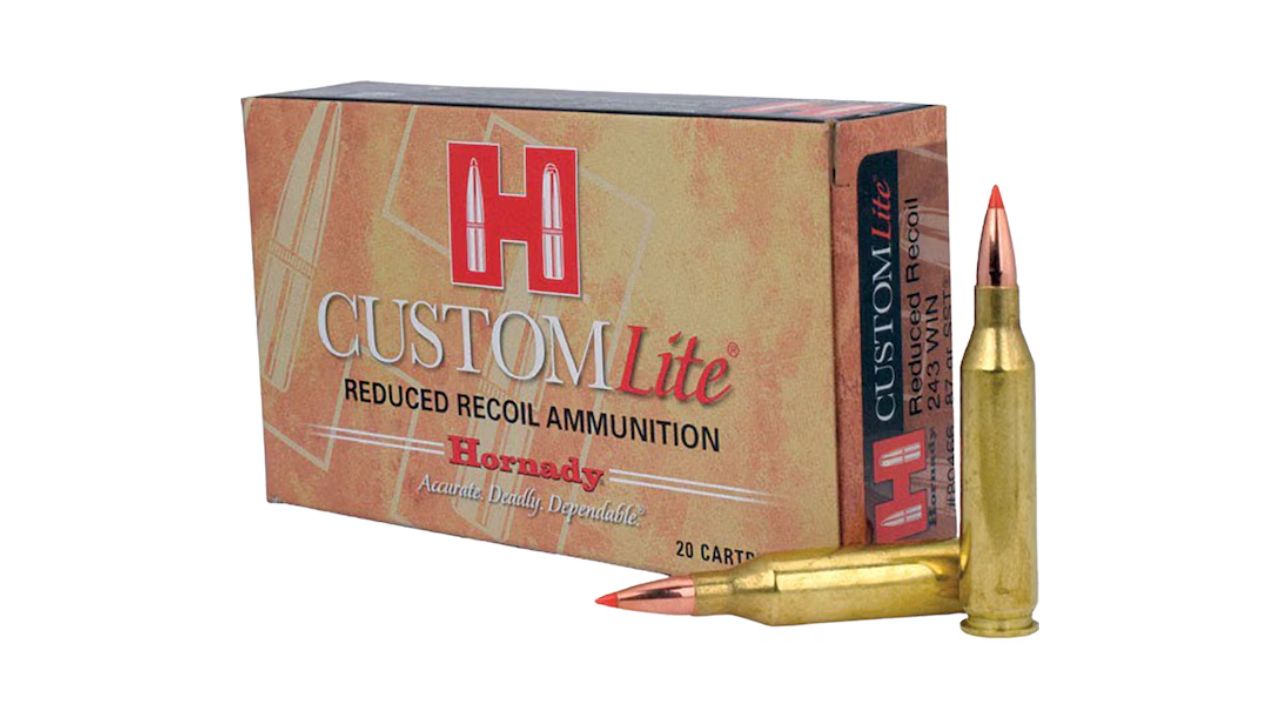
The .243 is great on deer with the right bullet, but it fades when the season gets tough and angles get steep. Late season, you’re more likely to see quartering shots, heavier-bodied deer, or the need to punch through a little shoulder. That’s where the .243’s “perfect placement” requirement starts showing.
A lot of hunters also switch ammo without thinking—cheap soft points, lighter bullets, whatever is on the shelf. With a .243, bullet construction matters a lot more than people want to admit. When conditions go from easy to hard, the .243 doesn’t cover mistakes. It exposes them.
.25-06 Remington
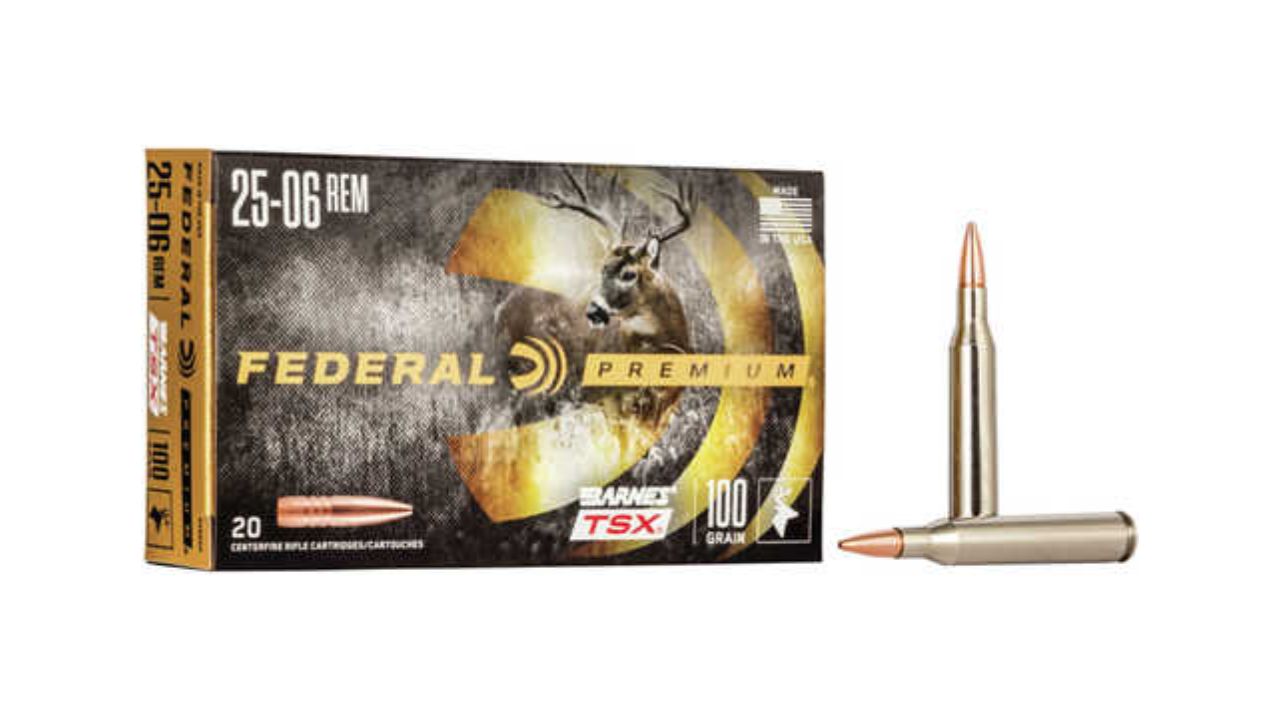
The .25-06 is flat and fast, which makes it look like a long-range solution. In tough conditions, wind and bullet behavior start deciding the story. Lighter .25 bullets can get pushed around more than hunters expect, and at higher velocities, some bullet designs can be dramatic on impact—great when it’s perfect, questionable when it’s not.
In the cold, when you’re rushed and the shot angle isn’t ideal, you want repeatable penetration and predictable performance. The .25-06 can do it with the right bullets, but it’s not as forgiving as many of the heavier “boring” options once the season gets ugly.
6.5 Creedmoor (for elk)

On deer, the 6.5 Creedmoor is easy. On elk, late-season reality can be different: wind, thicker hide, bigger bone, and angles that aren’t broadside. The caliber can work, but it depends heavily on bullet choice and staying inside a realistic distance window.
The fade happens when people treat it like a magic wand. In tough season conditions, you don’t want to rely on perfect wind calls and perfect bullet performance at longer ranges. That’s why many hunters quietly switch to something with more mass and energy when elk season gets cold and serious.
.350 Legend
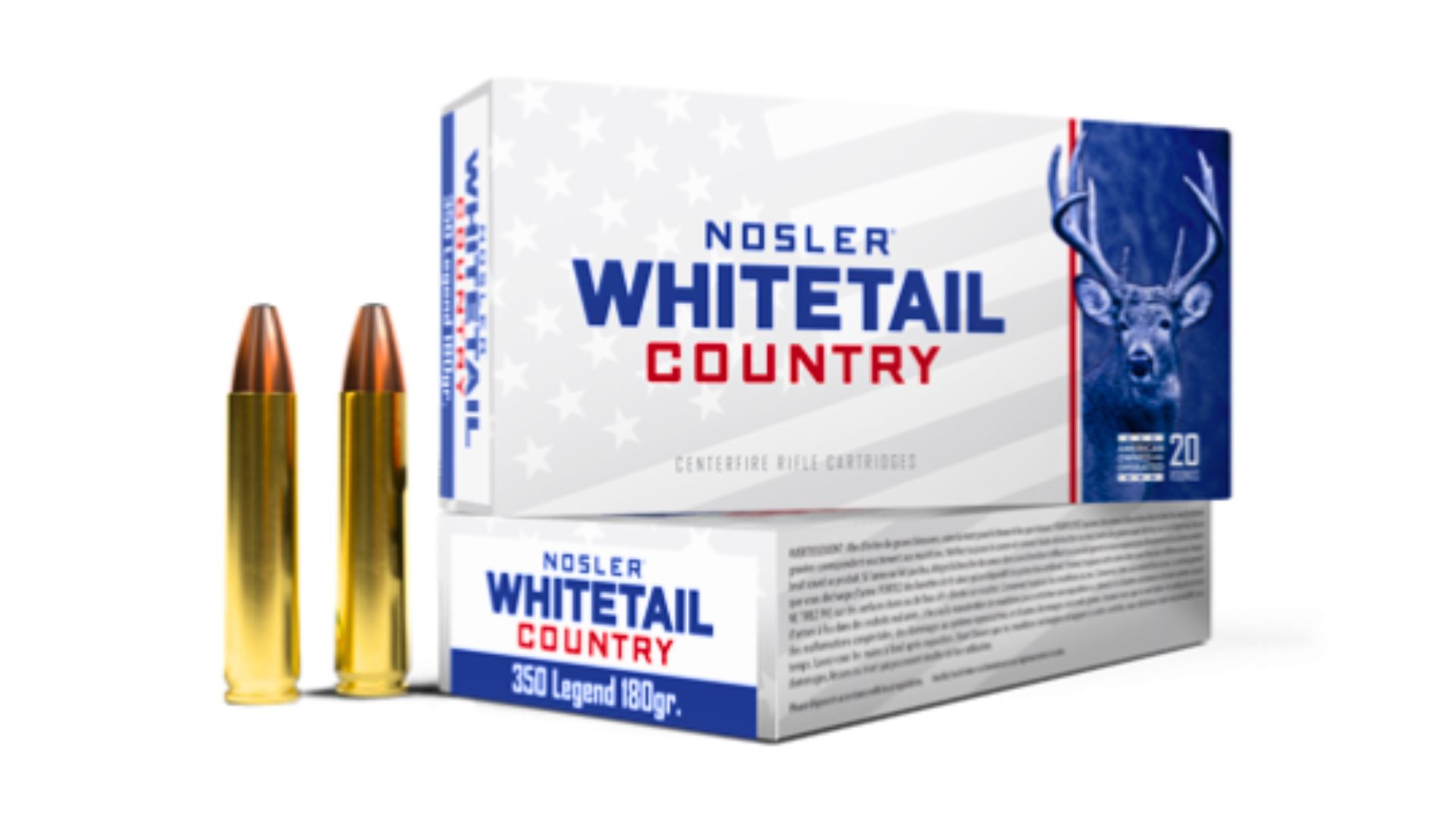
The .350 Legend is a smart straight-wall option, but it can fade when the season demands more than short-range comfort. Wind and drop start adding up sooner than many hunters expect, and bullet performance can vary depending on what you’re running and how fast you’re actually hitting.
It’s also a cartridge many people don’t practice with deeply. They sight in, shoot a few, and hunt. When late season brings longer shots or awkward rests, the confidence isn’t there. It’ll still kill deer, but the “easy button” reputation doesn’t always survive tough conditions.
.450 Bushmaster

The .450 is a hammer, but it fades for a different reason: shootability. In light rifles, recoil can be sharp. Late season, when you’re cold and stiff, that recoil can mess with follow-through and lead to bad hits even when the cartridge has plenty of power.
Trajectory also becomes more of a factor when you’re taking shots across open areas in winter. If you haven’t verified at multiple distances and you’re guessing hold, the cartridge’s power doesn’t save you from a miss. Big rounds don’t fix bad data.
.357 Magnum (as a hunting plan)

From a lever gun at close range, .357 can work well. When the season gets tough and distances stretch or angles get ugly, it fades fast. Many hunters also try it from a revolver and overestimate what they can realistically do with it under pressure.
Late season is not the time to find out your range was too optimistic. The .357’s effective window is real, but it’s not huge. When animals don’t cooperate and you’re forced into less-than-ideal opportunities, a lot of hunters end up wishing they brought a cartridge with more authority.
.44 Magnum (as a hunting plan)

The .44 Magnum has power, but it fades when the conditions demand precision and quick follow-up control. Recoil in revolvers and even some carbines can disrupt accuracy when you’re cold, tired, and shooting from awkward positions.
It’s also a cartridge many people don’t practice with enough. Late season shots feel different—more clothing, more stress, less time. If your pistol or carbine jumps and you don’t manage it well, you’ll see groups open and confidence drop. The .44 can work, but it asks more of the shooter than many admit.
Like The Avid Outdoorsman’s content? Subscribe to our newsletter so you never miss an article.
Here’s more from us: