Photo credit: TheBackwoodsHermit/YouTube
Walk into almost any sporting goods store in America and you’ll see a pattern on the ammo shelf. A handful of calibers show up week after week, even when everything else comes and goes. That matters, because the best cartridge in the world doesn’t help you if you can’t find it, can’t afford to practice with it, or can’t grab a second box when you’re packing for a hunt.
These are the calibers that keep earning their spot because they do real work and they’re widely supported. They’re easy to source, backed by mountains of rifles and handguns, and offered in every flavor from budget practice loads to serious hunting and defensive ammo. If you want fewer headaches and more time shooting, these are tough to beat.
9mm Luger
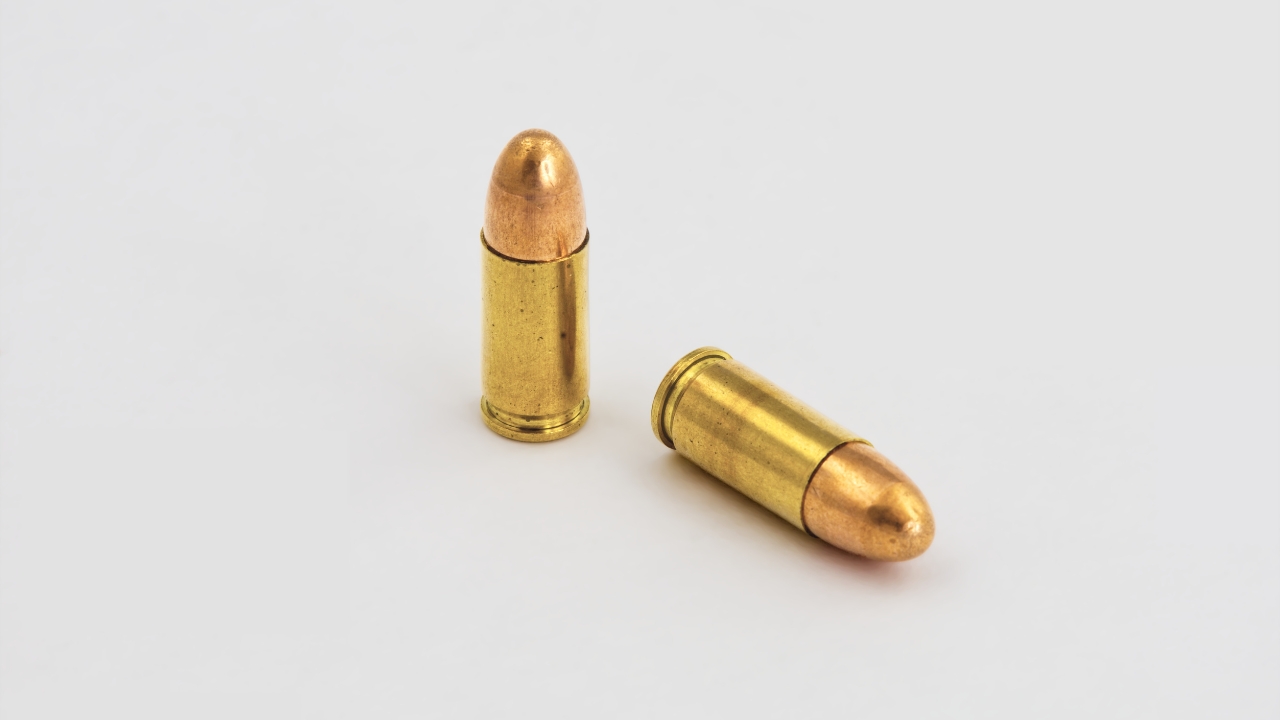
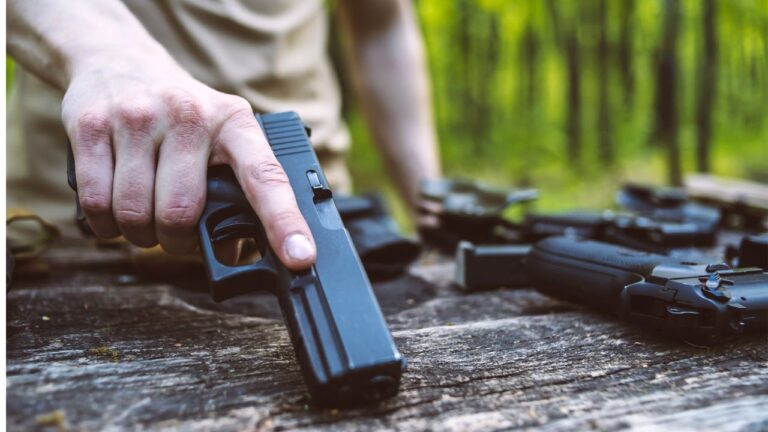
9mm is everywhere because it fits real life. You can find it in big-box stores, small-town shops, and dusty drawers at the range. It gives you manageable recoil, solid performance with modern loads, and enough capacity in most pistols to cover common defensive problems without turning practice into punishment.
It also wins on repetition. You can afford to shoot it often, which means you build skill instead of hoarding rounds. Factory ammo spans cheap ball, match loads, and serious defensive options in every common bullet weight. From compact carry guns to duty pistols and even PCCs, the platform support is massive. If you want one handgun caliber that you can feed, train with, and replace without drama, 9mm keeps earning its spot. It also plays well with suppressors and training classes.
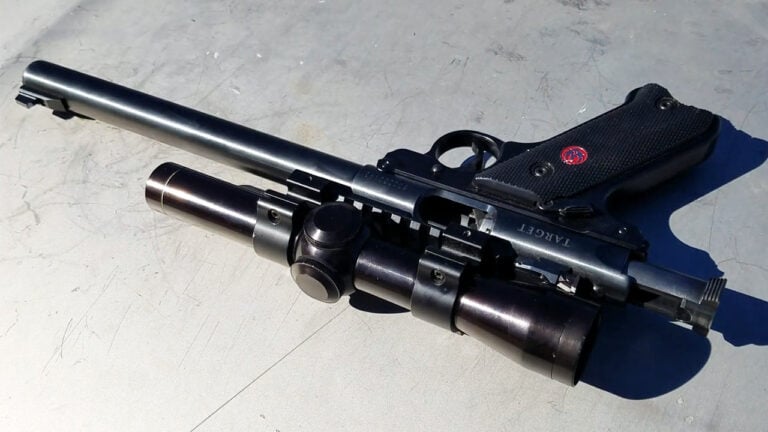
.22 LR
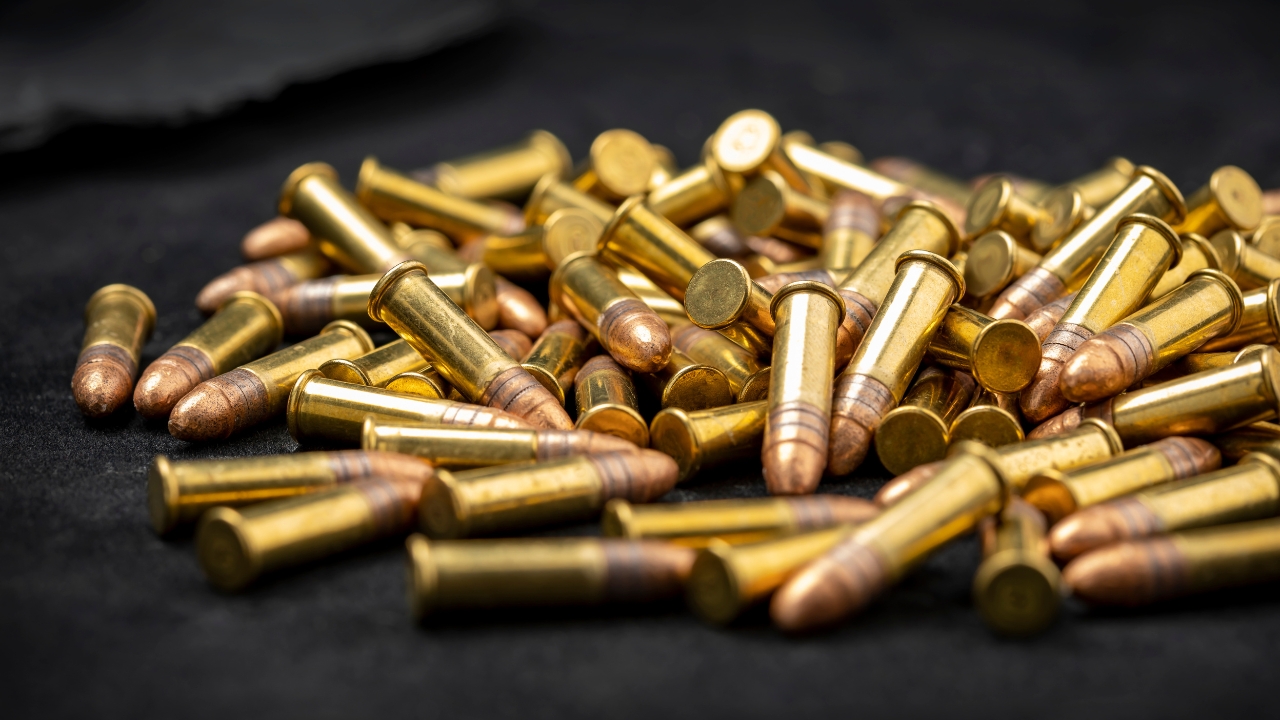
If you want a caliber you can find almost anywhere, .22 LR is hard to top. It’s the round that keeps stores stocked because every shooter, hunter, and kid-with-a-first-rifle ends up needing it. Recoil is minimal, noise is modest, and you can shoot a lot without feeling it in your shoulder or your wallet.
That cheap practice pays off. You can work on trigger control, sight tracking, and position shooting without flinching or rushing. For small game, pests, and camp meat, .22 LR still gets work done with careful shot placement. You also have endless firearm choices: bolt guns, lever guns, semiautos, revolvers, and pistols. When ammo shelves look rough, .22 LR often remains the last dependable option. You can also pick from high-velocity, subsonic, and match loads depending on your rifle and your goal.
.223 Remington

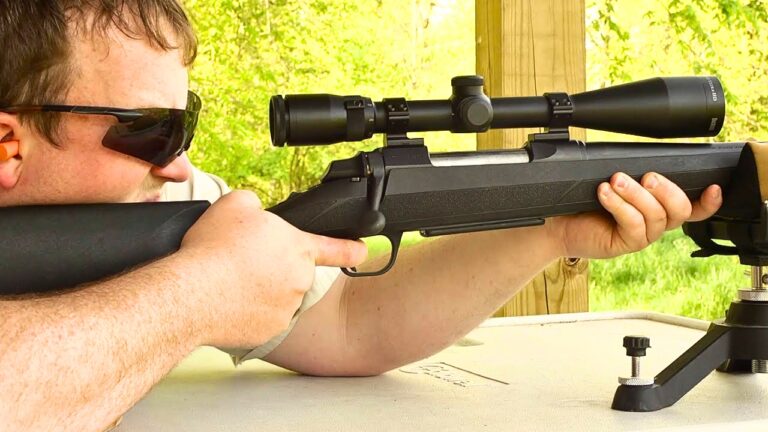
The .223 Remington is easy to find because it rides on the back of America’s favorite rifle format. Whether you run a bolt gun, an AR, or a lightweight varmint rifle, .223 gives you flat enough trajectory for practical distances and mild recoil that lets you spot hits through the scope.
It’s also flexible. You can buy bulk FMJ for training, heavier match loads for tighter groups, and varmint bullets that come apart fast on impact. For coyotes and smaller predators, it’s a proven performer when you pick the right bullet and keep your range honest. Parts, magazines, and rifles are everywhere, and so is ammo. If you want a centerfire rifle round that stays affordable and widely supported, .223 remains a workhorse. It’s also easy to reload in volume.
5.56 NATO
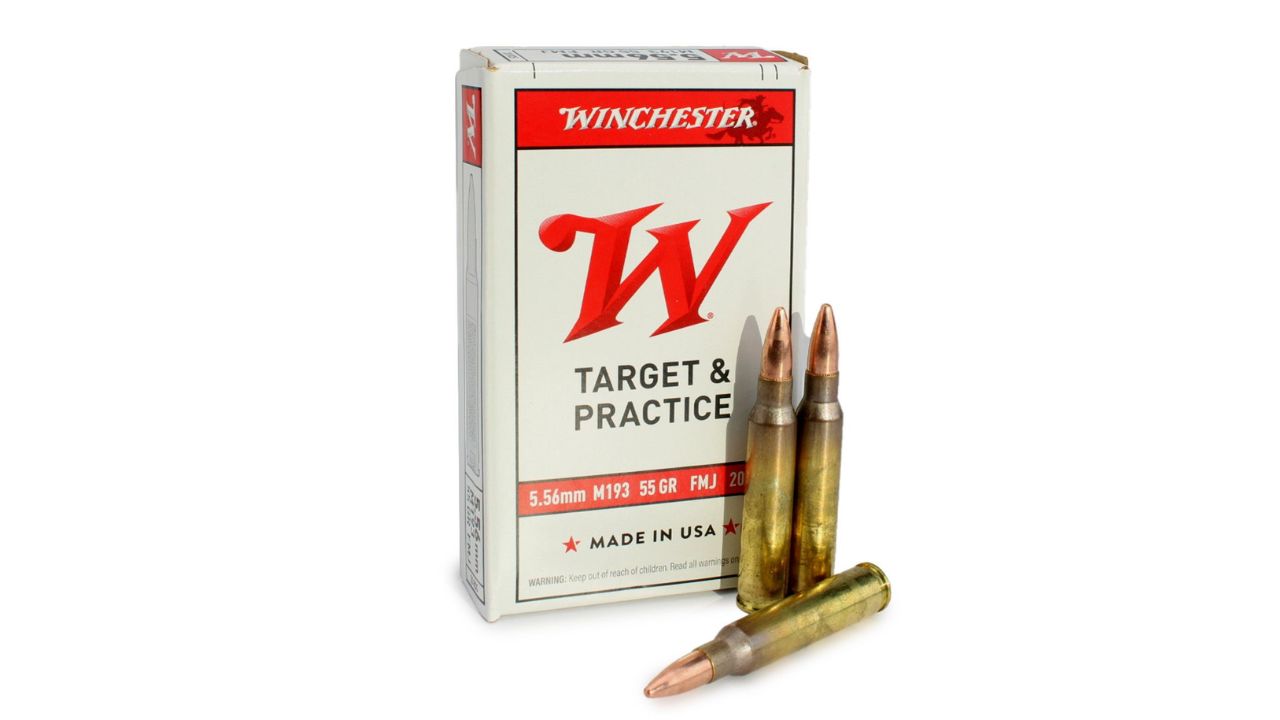
5.56 NATO is the “buy it anywhere” rifle round for a lot of shooters, and that comes from sheer volume. Military and law-enforcement use drove production for decades, and the civilian market keeps it moving. Even when specialty calibers disappear, 5.56 tends to show up in cases and cans.
What makes it hard to beat is how usable it is. Recoil stays light, rifles stay handy, and you can train fast without getting beat up. There’s also a wide spread of loads, from basic ball to barrier-capable duty ammo and heavier match offerings. For training, home defense, and general-purpose rifle work, 5.56 covers a lot of ground. It’s not the answer for everything, but it’s rarely a bad one. Magazine availability and spare parts support are unmatched.
.308 Winchester

If you want a rifle caliber that you can hunt with, shoot at distance, and still find on average shelves, .308 Winchester is the safe pick. It’s been a standard for so long that every major ammo maker supports it, and nearly every rifle brand chambers it. That means options, not scavenger hunts.
On game, .308 hits with authority without turning recoil into a chore, especially in a sensible rifle weight. It handles deer, elk, and hogs with good bullets and realistic shot placement. On steel, it stays consistent, and match ammo is common. You can run it in bolt guns, semiautos, and compact woods rifles. When you want one do-it-all big-game round that’s widely available and proven, .308 keeps showing up for a reason.
.30-06 Springfield

The .30-06 Springfield refuses to go away because it still solves the same problems it always has. Walk into a rural hardware store and you’ll often see a few boxes even when the shelves are thin. Every major manufacturer has loaded it, and every generation of hunters has leaned on it.
What keeps it hard to beat is range and bullet selection. You can find lighter loads that shoot flatter for deer and heavier options that carry momentum for elk and moose. Recoil is real, but it’s manageable in a hunting rifle that fits you. The cartridge also tends to shoot well across many rifles because there’s so much load development behind it. If you want a classic that still performs and stays available, .30-06 is the definition of dependable.
.270 Winchester
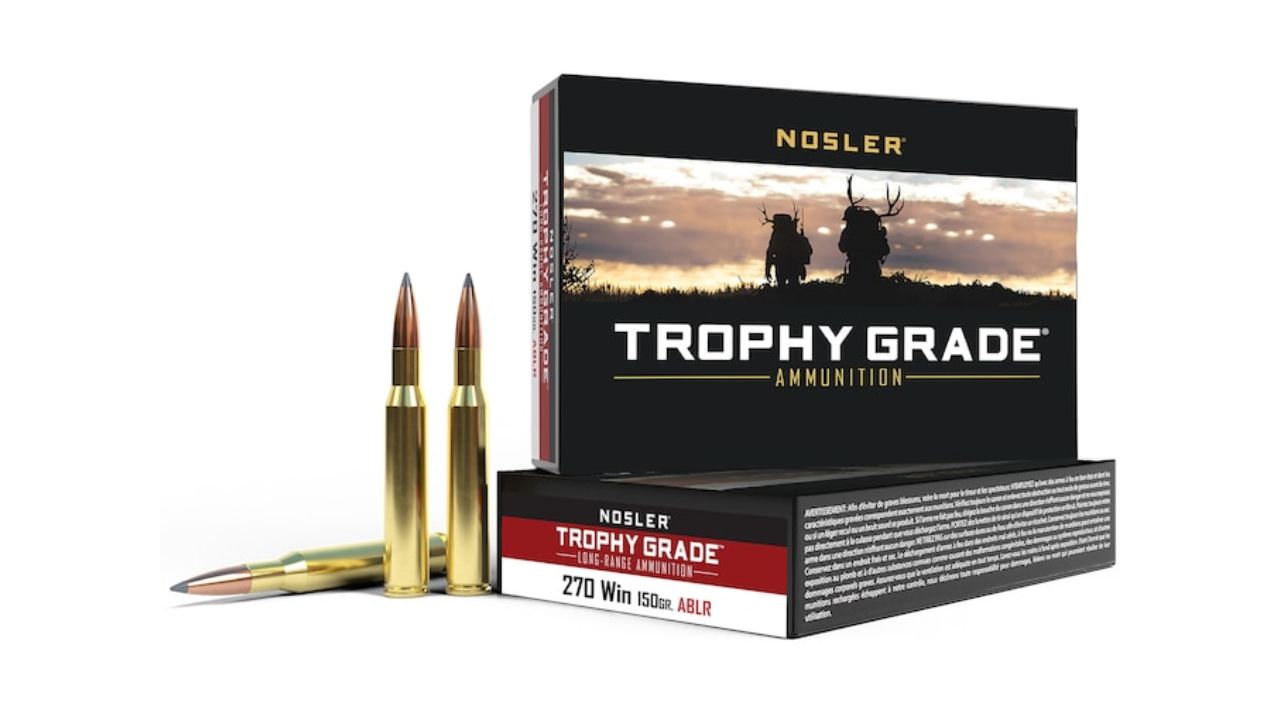
The .270 Winchester is easy to find because it’s a deer-country staple. It has been a default answer for decades, and stores stock it for the same reason they stock .30-06: hunters keep buying it. It offers a flat-shooting feel with recoil that many people handle better than the bigger .30-calibers.
On game, .270 works because it penetrates well and shoots with consistency when you pick a good hunting bullet. It’s a strong choice for deer and pronghorn, and it can handle elk with the right load and good shot placement. You’ll also find plenty of rifle choices, old and new, at fair prices. When you want a widely available hunting round that’s accurate, practical, and not hard on the shoulder, .270 stays hard to beat.
.243 Winchester

The .243 Winchester sits in that sweet spot where recoil stays light but performance stays real. It’s widely stocked because it’s a common starter caliber and a serious tool for varmints and deer. You can find hunting loads, varmint loads, and match-leaning options without digging through obscure catalogs.
The big advantage is shootability. You can practice longer, stay steady behind the rifle, and learn wind and trigger control without fighting the gun. For deer, it works best with controlled-expansion bullets and careful shot placement, and it shines for coyotes when you pick a faster, lighter load. Most rifle makers chamber it, and plenty of used rifles exist because it’s been popular for so long. If you want an easy-shooting round that you can still buy anywhere, .243 is tough to replace.
7mm Remington Magnum

7mm Remington Magnum is one of the few magnums you can still count on finding in regular stores. It became a mainstream hunting cartridge, so ammo makers keep it in the lineup and shops keep it on the shelf. You get a flatter trajectory and strong downrange energy without needing a specialty order.
It’s hard to beat for open-country hunting when you want reach, but you still want manageable recoil compared to the big .30 magnums. With good bullets, it handles deer, elk, and larger game with authority. It also tends to shoot well in many rifles because loads are mature and consistent. You still need to respect wind and distance, but the cartridge gives you a wide performance window. If you want a widely available “stretch it out” hunting round, 7mm Rem Mag remains a reliable option.
12 Gauge

If you measure availability by sheer stack height, 12 gauge wins. Every store that sells ammo carries it because it covers too many roles to ignore. Bird loads, buckshot, slugs, reduced-recoil options, specialty turkey shells—there’s always some version of 12 gauge around, even when rifle shelves look picked over.
It’s hard to beat because you can tailor it to the job. Light target loads keep practice affordable and manageable. Buckshot remains a practical defensive option, and slugs give you legitimate short-range power for deer and hogs where legal. Shotgun platforms are everywhere, parts are everywhere, and you can keep one gun working across seasons with nothing more than a choke change and smarter load selection. When you want one “do a lot” cartridge that you can still find last minute, 12 gauge keeps delivering.
.45 ACP
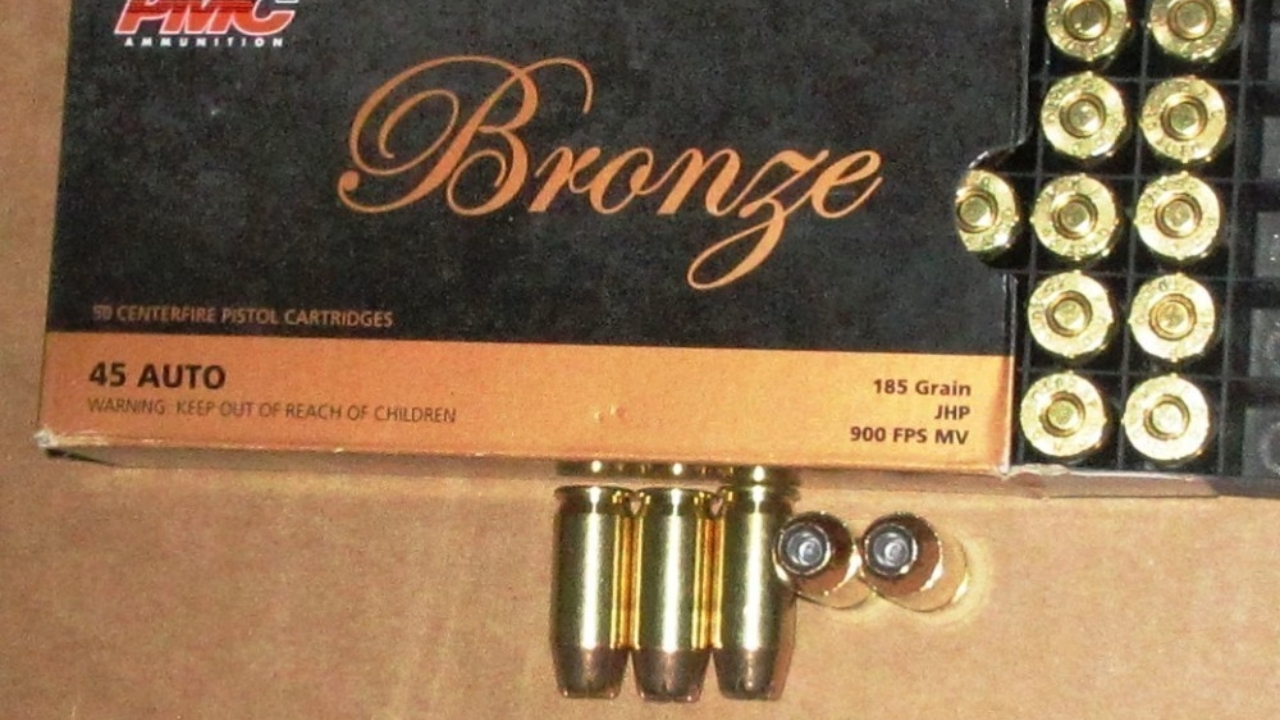
The .45 ACP hangs on because you can still find it almost anywhere handguns are sold. It’s been a major service and civilian cartridge for a long time, and that history keeps factory loads in steady production. You’ll see cheap ball for range work and plenty of defensive choices in most stores.
What makes it hard to beat for some shooters is the feel. In a full-size pistol, recoil tends to come back as a firm push rather than a sharp snap, and many people shoot it well. It also performs well with modern hollow points, and it’s supported by 1911s, polymer duty guns, and plenty of compact options. You pay more per round than 9mm, but availability is still strong. If you want a big-bore handgun caliber that isn’t hard to source, .45 ACP remains a dependable option.
.40 S&W

The .40 S&W is easier to find than many people expect, especially because so many law-enforcement agencies used it for years. That created a huge pipeline of brass, duty ammo, and practice loads. Even now, stores often have .40 on the shelf when newer niche rounds are missing.
It’s hard to beat if you want a middle ground between 9mm and .45 ACP, and you don’t mind a sharper recoil impulse. In service-size pistols, .40 can be very controllable, and it hits with authority using modern defensive loads. There’s also a big used-gun market built around .40, which keeps ammo demand steady and availability high. You can practice with common FMJ and carry proven hollow points without hunting for oddball boxes. For a widely supported “still works” cartridge, .40 stays in the mix.
.38 Special

The .38 Special is one of those cartridges that never leaves the shelf for long, because revolvers never leave America. It’s common, it’s old, and it still fills real roles. You’ll find mild target loads, standard-pressure defensive ammo, and heavier options designed for short barrels in many stores.
It’s hard to beat as a training and carry caliber in the right revolver. Recoil can be mild with wadcutters, which makes practice realistic, and you can step up to defensive loads that still stay controllable. It’s also forgiving for newer shooters because the blast and recoil do not overwhelm them the way magnums can. Add in the number of revolvers chambered for it, and .38 Special becomes a cartridge you can count on finding without planning weeks ahead. For a practical revolver round with broad support, it continues to earn its keep.
.357 Magnum

The .357 Magnum is common because it bridges two worlds: serious defensive power and practical practice. Walk into many shops and you’ll see at least a few boxes, partly because so many revolvers are chambered for it and partly because it shares space with .38 Special. That built-in versatility keeps demand steady.
It’s hard to beat if you want a revolver cartridge that can scale. With .38s you can train without getting hammered, then carry .357 loads when you want more penetration and energy. In the woods, it has a long history as a trail and camp cartridge for predators and problem animals, especially with heavy bullets. Recoil is sharp in lighter guns, so you need honest practice, but the performance is real. If you want one revolver chambering that gives you options and stays available, .357 Magnum stays popular for a reason.
.30-30 Winchester
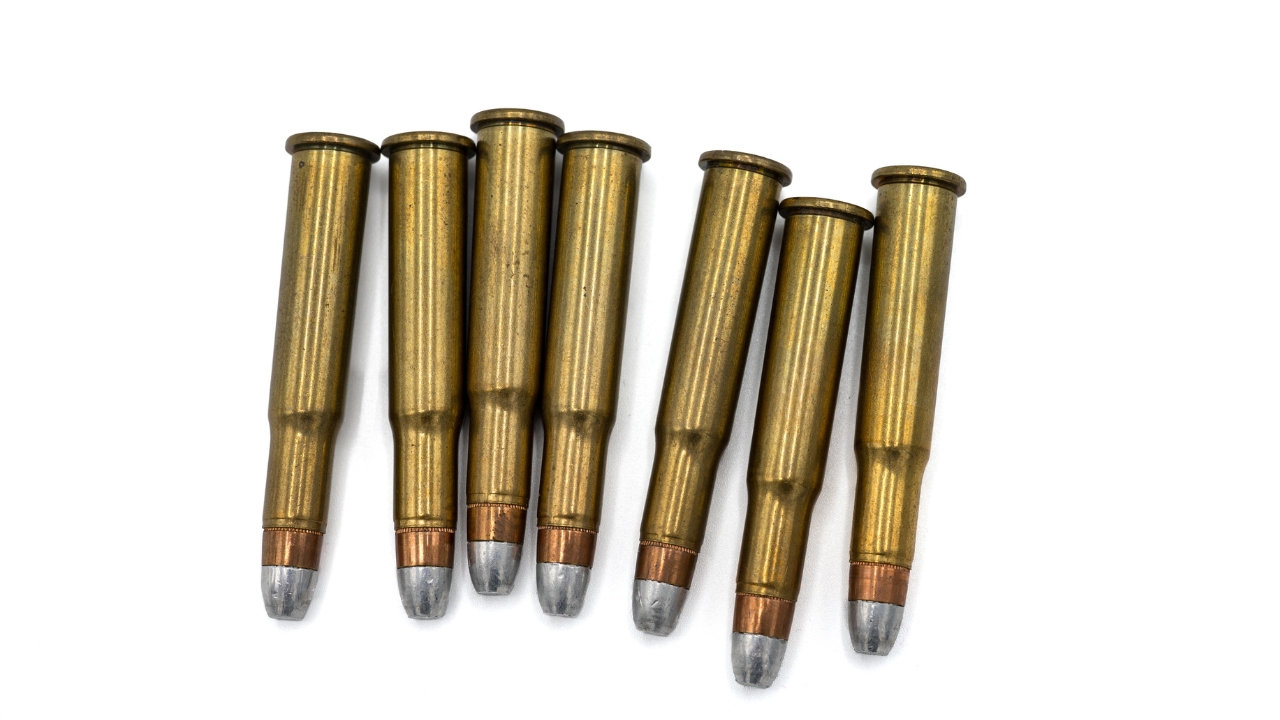
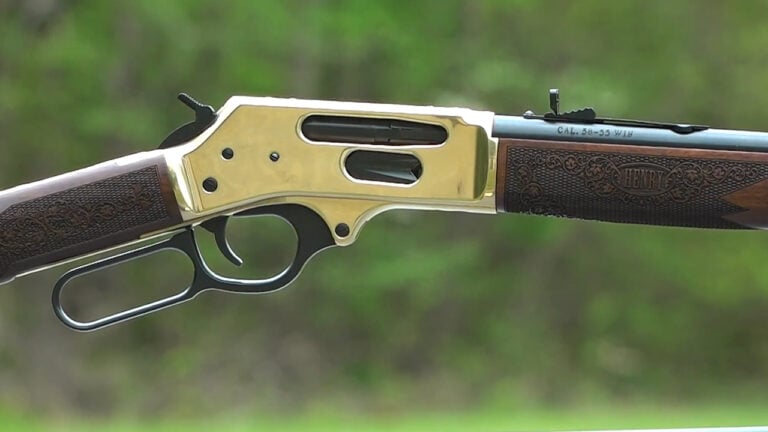
The .30-30 Winchester is still easy to find because lever guns never stopped being hunting tools in a lot of the country. Even with modern cartridges grabbing headlines, .30-30 boxes keep showing up in rural stores, gas-station gun counters, and the back shelves of hardware shops. Hunters buy it because it works inside normal woods ranges.
It’s hard to beat for whitetails in thick cover. Recoil is mild, rifles are quick to carry, and the cartridge has a long track record of clean kills when you keep shots within its comfort zone. Modern bullet designs have also improved performance, especially in tubular magazines where you need safe shapes. You won’t get long-range speed, but you will get reliability, availability, and a cartridge that pairs well with compact rifles. For a practical deer round that you can still pick up last minute, .30-30 remains a go-to.
Like The Avid Outdoorsman’s content? Be sure to follow us.
Here’s more from us: