Photo credit: Anschütz
You want a rifle that earns its keep—one you can carry, trust, and not worry about when the weather turns. Trouble is, some guns look fine on the rack and fall apart the first time they meet real hunting conditions: sleet, mud, rock, salt, and long days without full maintenance. Those first few wet mornings will reveal soft finishes, poorly protected internals, and cheap hardware that loosens or corrodes. The result is a rifle that shoots fine in the parking lot but becomes a headache in camp.
Below you’ll find a list of rifles that, in honest field reports, have a higher-than-acceptable rate of issues after one hard season. I’m focusing on real-world problems—finish failures, bolt and extractor wear, stock swelling, and magazines that crack—so you can make a smarter buy. Read these with an eye toward durability, not sales copy; if you plan to hunt hard and often, these are the guns other hunters warn you about after the leaves fall and the rain starts.
Mauser M12

The Mauser M12 promised old-school Mauser reliability at a modern price point, and it shoots acceptably well, but durability in wet, harsh seasons has tripped up some owners. The action finish on early production runs wasn’t as corrosion-resistant as buyers expected. When you carry the rifle through ice, wet brush, or salty coastal air, the bolt face and receiver ring can start showing patina and, in extreme cases, surface rust. That leads to harder extraction and a gritty feel in the bolt that you don’t want when you’re glassing at first light.
Some M12s also shipped with thin stock bedding and economy hardware that doesn’t tolerate repeated knocks. Screws back out more easily than on higher-end rifles, and polymer components in the floorplate can crack if the rifle gets dropped onto a rock. In short, treat the M12 like a value hunting rifle—good for fair-weather work, questionable as a beat-up, season-long backcountry partner unless you’re prepared for constant maintenance. Test any example thoroughly before trusting it on a multi-day trip.
Browning BLR

Browning’s BLR lever rifles are famous for accuracy and quick handling, but some of the lower-priced finishes and alloy furniture versions haven’t weathered harsh seasons as well as the classic stainless and high-grade blued models. Hunters running BLRs with thin aftermarket coatings or cheaper stock bedding report finish flaking around contact points and screws that loosen after repeated wet-weather use. When the finish fails, bare metal appears quickly, and that invites rust in coastal or humid conditions.
The short action and lever mechanism bring a lot of moving parts close to the elements. If grit or sap gets into the receiver area, the action can bind and need a field strip—an awkward job in gloves and wind. Some sub-models arrived with magazine followers and internal springs that aren’t truly corrosion-resistant, which makes feeding less reliable after a season of rain and mud. If you plan to use a BLR hard, favor stainless or premium finishes and check the internals frequently; otherwise you’ll find yourself cleaning and tightening more often than you should.
CZ 557

The CZ 557 is a fine-shooting controlled-round-feed rifle, but early production examples exposed some finish and fitment issues in rough use. Hunters who put them through a season of brush and rain noted that the matte bluing on certain batches wore through at screw holes and around the bolt until bare metal showed. Once that happens, surface corrosion follows quickly unless you’re obsessive about immediate cleaning.
A few owners also reported that the stock-to-receiver fit loosened after repeated recoil and environmental swelling; that change affects point of impact and can make follow-up shots uncertain. The extractor and ejector springs on some early serials were also marginal, leading to occasional failures to eject when the rifle got filled with mud or heavy moisture. CZ corrected a lot in later production, but if you’re hunting hard country and buying used, inspect finish integrity and bolt function before you rely on one for a multi-week trip.
Ruger No.1

Ruger’s No.1 is a beautiful single-shot action and a joy at the bench, but certain finishes and fancy wood options are notoriously high-maintenance. Thin bluing or nitride coatings on early or special-order models can wear at exposed edges where the stock contacts metal. Hunters who aren’t meticulous about wiping moisture off the receiver after a long day have come back to surface rust, even after a single rainy season.
Because it’s a single-shot, the No.1 gets a lot of handling—loading and unloading rub the receiver constantly. That repetitive contact reveals thin finishing more quickly than on box-mag rifles. Some premium wood stocks also crack or check when carried wet for extended periods, especially when fitted without adequate sealing. If you want a No.1 for rough work, choose stainless or a finished synthetic and plan on immediate post-hunt care; otherwise it’ll show age faster than you expect.
Steyr Mannlicher Pro Hunter
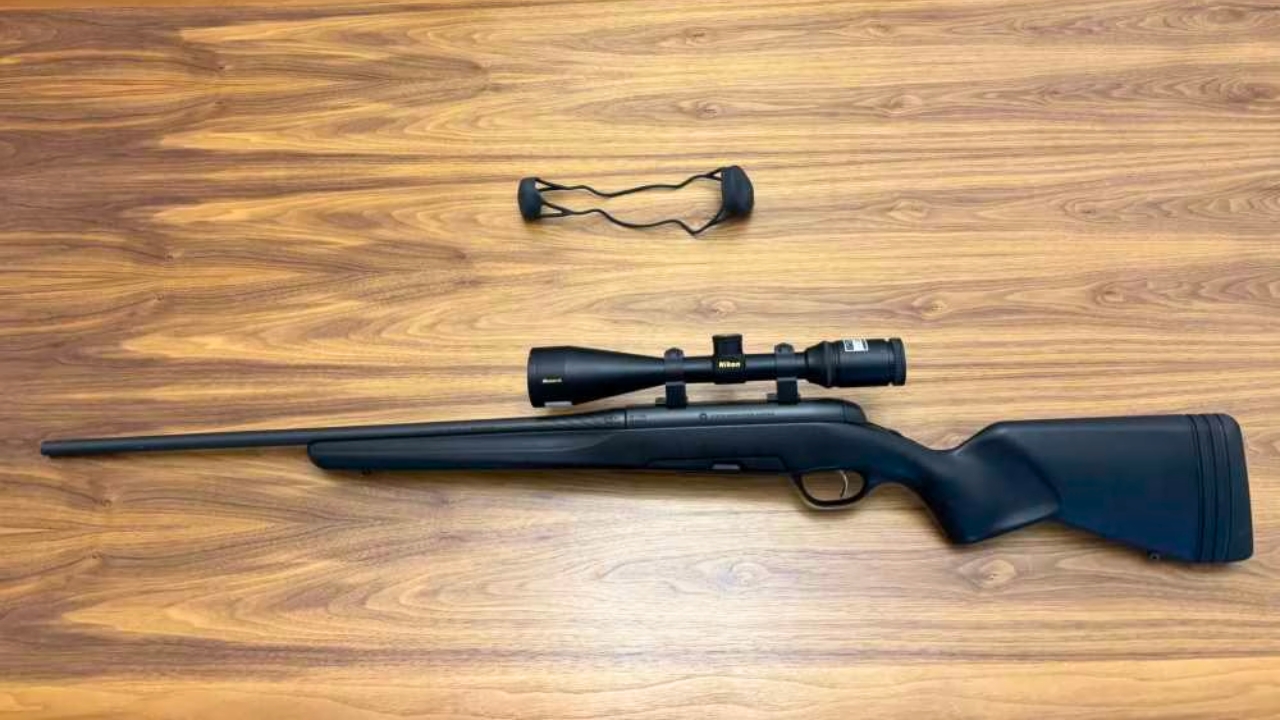
Steyr’s Pro Hunter line is fast and ergonomic, but several users reported that early synthetic stocks and buttpad adhesives degraded with heavy exposure to heat, moisture, and freezing cycles. That leads to stock separation or soft spots under the bedding area after a tough season. When the stock loses rigidity, point of impact can shift and accuracy suffers.
Additionally, some finishes on the metalwork proved vulnerable to abrasion where sling swivels or mounts contact the action—nicks that quickly show through to raw metal and then rust. The rifle’s tight tolerances are great for accuracy but less forgiving when grit gets into the action; a little sand in the bolt raceway translates to sticky cycling. For backcountry work, pick a Pro Hunter with proven weatherproofing or plan frequent field inspections and prompt cleaning.
Winchester 94

The Winchester 94 is a classic brush gun, but some recent, budget-focused runs used thinner bluing and pressed-in furniture that don’t stand up well to a harsh season. Hunters reported the finish scratching off around the receiver and barrel bands after a wet fall, with bluing failure exposing the underlying steel to quick surface oxidation. Lever actions get banged against brush and truck racks, so that exposed metal is an invitation to rust.
Lower-cost magazine followers and springs in a few batches also showed early wear: followers can crack in the cold and cause feeding problems, and replacement parts aren’t always readily available at the same spec. Take care to choose older, well-finished examples or pay for upgraded coatings if you plan to use a 94 as your workhorse. Otherwise, you’ll spend the offseason refinishing more than you’d like.
Henry .30-30 / Big Boy

Henry lever rifles are handsome and shoot well, but several users mentioned thin plating and exposed screws creating corrosion points after prolonged exposure to humidity and rain. While Henry’s brass and blued finishes are attractive, constant contact with wet brush or salty air has been known to produce spotting and early surface corrosion in some examples.
Because many owners cherish Henrys cosmetically, they don’t always treat them like tools. That leaves small nicks that become corrosion pits. Some of the economic finishes on certain years showed less resistance to abrasion and solvent-based gun oils, which can discolor or lift finish if you’re not careful. For serious, season-long hunting in wet climates, opt for stainless variants or be prepared for persistent finish upkeep.
Merkel Helix
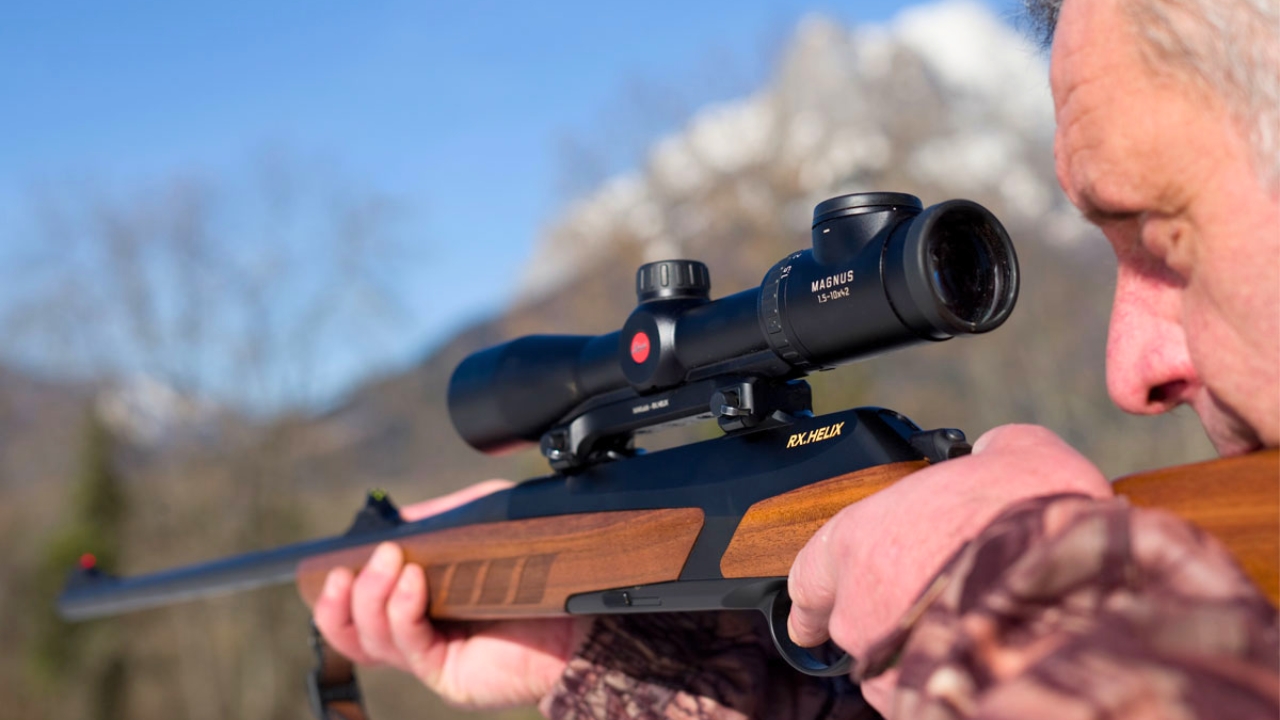
The Merkel Helix is a brilliant fast-cycling straight-pull, but its complex action relies on tight seals and precise tolerances. That works great at the range—but in hard, wet seasons, the moving seals and multiple small parts can pick up grit and lose sealing effectiveness. Users reported increased play in the bolt and occasional stiffness after heavy rain or mud exposure.
The Helix’s modular stock interfaces and add-on hardware also create water traps if not fitted and maintained perfectly; moisture that sits in those seams accelerates corrosion at screw threads and inlets. The Helix performs superbly when you maintain it, but expect to field-strip and clean it more often than with a simple turn-bolt if you’re hunting slow, wet country.
Anschütz

Anschütz rifles are famous in shooters’ circles, but some of the entry-level hunting models produced for broad markets used finishes and barrel steels that aren’t optimized for constant field abuse. Hunters reported spotting and staining in coastal hunts and minor pitting in humid conditions after a single season, especially where the receiver finish was thin or improperly cured.
Those rifles often have precision tolerances that don’t tolerate grit well; a little sand in the action creates roughness that demands immediate attention. Anschütz builds amazing target rifles, but when you buy a cheaper hunting model expecting the same weatherproofing, you can be disappointed. If you plan to push their low-end hunting rifles hard, accept that they’ll need above-average care or pick something specifically built for the elements.
Bergara B-14

Bergara makes excellent barrels, but some early B-14 production runs included lighter alloy furniture and economy coatings that degraded unexpectedly under harsh use. Reports include adhesive break-down between stock bedding and action, and surface finish wear where sling swivel contact occurs. Once the coating fails, the underlying metal takes on moisture and begins to corrode.
A few owners also noted that while the barrel itself held up, small action screws and magazine springs were not stainless and showed surface corrosion if the rifle sat damp for too long. Bergara has amended many of these issues in later runs, but if you pick a used B-14 from an early batch, check the hardware and finish carefully before trusting it to survive a season without constant attention.
*This article was developed with AI-powered tools and has been carefully reviewed by our editors.