
Photo credit: Matthew Corley/Shutterstock.com
You’d think spending big money would buy you better accuracy. But any experienced hunter knows price tags don’t always match performance. Some rifles carry premium branding and exotic materials yet still group worse than rifles half their price. The problem often comes down to poor bedding, inconsistent barrels, or designs that look better in ads than on the bench. Meanwhile, the cheaper rifles—your Ruger Americans, Savage Axis, or Weatherby Vanguards—regularly outshoot the “premium” ones. These are the rifles that look like status symbols but act like a headache, the ones that make you wish you’d bought two mid-range rifles instead of one fancy disappointment.
Christensen Arms Ridgeline FFT

The Ridgeline FFT is light, sleek, and expensive—but the performance doesn’t always match the hype. For a rifle that pushes well over two grand, you’d expect consistent sub-MOA accuracy. Many shooters, though, report vertical stringing and flyers with even premium ammo. The FFT carbon stock flexes more than you’d think, especially when resting on a bipod.
Some models show rough chambering, and the thin, fluted barrel heats up fast, causing point-of-impact shifts after only a few shots. The rifle looks like a high-end mountain tool, but its real-world precision doesn’t justify the price. You can pick up a $600 Tikka T3x or Bergara B-14 and shoot tighter groups all day without fighting the carbon-fiber drama.
Weatherby Mark V Backcountry 2.0

The Mark V Backcountry 2.0 is a stunning rifle on paper—carbon barrel, sub-five-pound build, and all the marketing buzzwords you can imagine. But those ounces saved come at a cost. Many shooters report erratic accuracy, especially once the barrel heats up. The recoil from such a lightweight magnum can also make follow-up shots tough to keep consistent.
The trigger and stock are well-made, but the rifle feels over-tuned for looks and under-tested for stability. For the money, you’d expect laser precision. Instead, you get groups that wander more than they should. Hunters have found that cheaper rifles like the Bergara Wilderness or Savage 110 Ultralite handle recoil better and hold zero longer. Lightweight shouldn’t mean unpredictable, but that’s the trade-off here.
Nosler Model 21

Nosler knows bullets—but their Model 21 rifle hasn’t earned the same respect. It’s beautifully built and marketed as a premium field rifle, but performance varies wildly. Some shoot lights-out; others struggle to stay under two inches. The problem often comes down to inconsistent chamber tolerances and barrel harmonics that don’t play well with certain loads.
You can handload all you want, but many shooters report the rifle simply never “settles in.” For a gun with a price north of $2,500, that’s hard to justify. The stock feels good, the action is smooth, but results on paper tell a different story. It’s one of those rifles that makes you question whether craftsmanship or consistency matters more—because the cheaper options prove that both are possible.
Browning X-Bolt Pro

The Browning X-Bolt Pro has the looks of a high-end rifle—spiral-fluted barrel, Cerakote finish, carbon-fiber stock—but when it comes to accuracy, it can’t always back up the visuals. The thin barrel profile and inconsistent bedding in some models lead to frustrating vertical stringing. Even shooters using match-grade ammo have reported wandering groups after the barrel heats.
Browning builds smooth actions, but this one feels like it was designed to impress on display racks, not on the bench. It’s a rifle that shoots “good enough” for hunting distances but never lives up to its precision-rifle price tag. For half the money, you could grab a Bergara Ridge or even a Howa 1500 and see better consistency. The X-Bolt Pro proves that looks don’t always land shots where they count.
Benelli Lupo
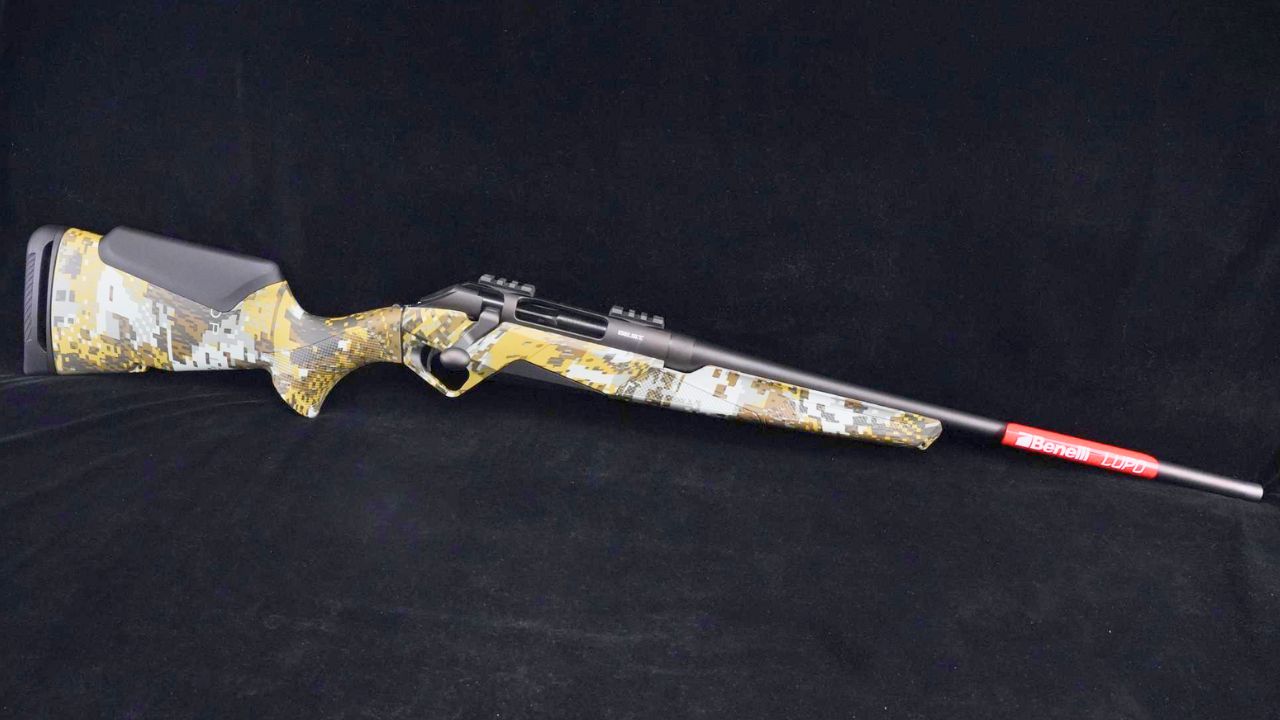
Benelli’s Lupo entered the bolt-action market with huge expectations—but it hasn’t lived up to the brand’s reputation. While it’s ergonomically great and sleek in design, accuracy complaints are widespread. The modular chassis-like stock and bedding system create pressure points that shift depending on torque. That’s not what you want from a $1,800 rifle.
It’s a shame because the trigger and fit are excellent. But all the quality parts in the world can’t fix a system that moves every time you reassemble it. Many shooters who tried to love the Lupo ended up selling it after chasing their zero for weeks. It’s one of those rifles that reminds you: Italian engineering shines in shotguns, but in bolt guns—it’s still finding its footing.
Kimber Mountain Ascent

The Kimber Mountain Ascent looks like a dream rifle for sheep country—lightweight, weather-resistant, and stylish. But for many owners, the accuracy never matched the price tag. The thin, fluted barrel heats up after two shots, and the carbon-fiber stock can flex enough to touch the barrel, ruining consistency.
Even when properly torqued and bedded, the Ascent has a reputation for fliers that don’t make sense. For a rifle that costs well over $2,000, shooters expect MOA or better, not 2–3″ groups. Kimber’s tolerances are tight, but that sometimes works against the design—especially in extreme temperatures. Many hunters traded their Ascents for rifles half the cost that grouped twice as well.
Fierce Edge

The Fierce Edge looks like a precision rifle dressed for the mountains—but plenty of owners found out its performance doesn’t match its marketing. Accuracy claims of half-MOA are common in advertising, but real-world results often tell a different story. Many rifles show inconsistent grouping, especially once they warm up.
The bedding system isn’t bad, but the action fit can vary rifle to rifle. For something that costs as much as a Christensen or high-end Weatherby, that’s unacceptable. Hunters who’ve used it in the field often say it shoots no better than a Tikka for three times the money. The Fierce Edge might turn heads at camp, but it won’t always impress on paper.
Sauer 100 Pantera XT
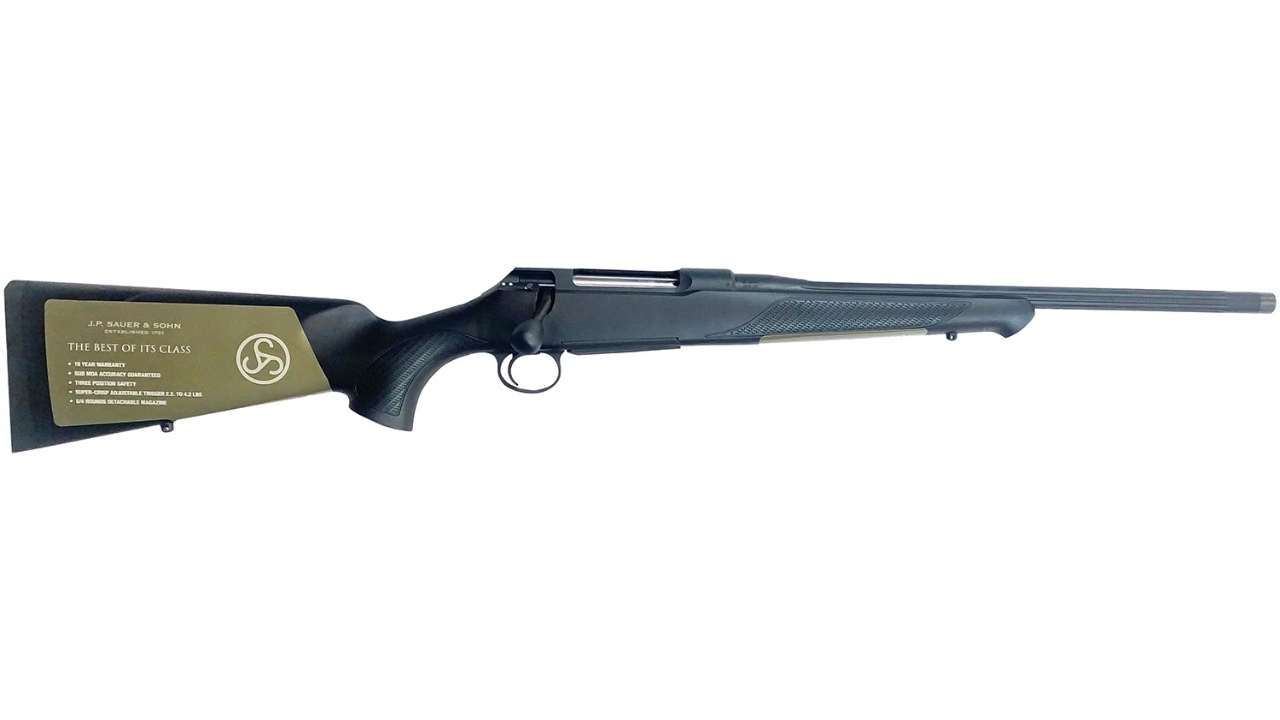
Sauer makes excellent rifles, but the 100 Pantera XT feels overpriced for the accuracy it delivers. It’s marketed as a hybrid precision rifle, but many owners have struggled to find consistent loads that group well. The polymer chassis doesn’t bed the action as firmly as it should, and even slight pressure shifts can affect barrel harmonics.
For a rifle sitting in the $2,000 range, that’s frustrating—especially when mid-tier rifles shoot circles around it. The trigger and finish are nice, but accuracy is king, and this rifle can’t always deliver it. When your $700 Ruger American consistently outshoots your Sauer, you start to question whether you’re paying for performance or prestige.
Steyr CL II
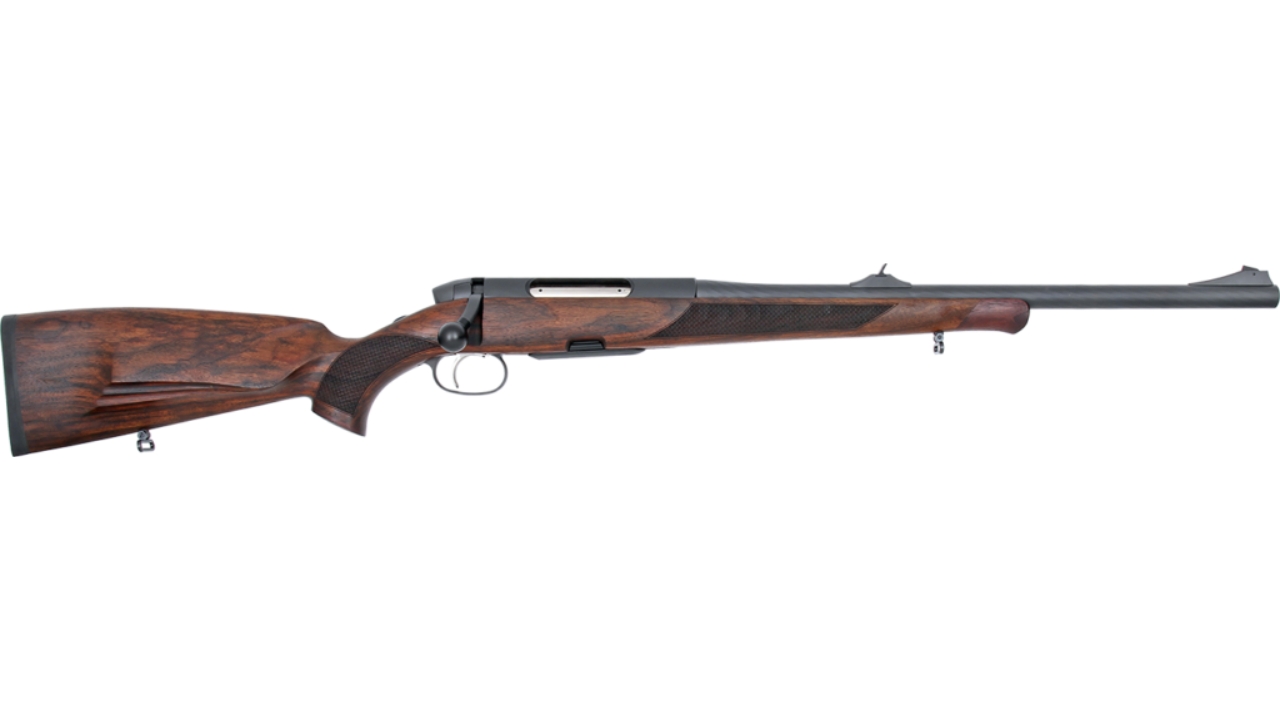
Steyr rifles have a strong reputation overseas, but the CL II hasn’t impressed many American hunters. Its unique safety and styling make it interesting, but its accuracy has been spotty. The cold-hammer-forged barrels are great, but the flexible stock and odd bedding design hurt consistency.
It’s also a heavy rifle for the money, and the trigger, while crisp, doesn’t always reset cleanly. For a firearm that can approach $2,500, it should deliver more than “good enough.” Shooters expecting precision comparable to Tikka or Bergara have been disappointed. It’s a rifle that feels refined but performs like a mid-range option at a premium price.
Mauser M18 Savanna

Mauser’s name carries history, but the M18 Savanna doesn’t carry its weight in performance. The rifle feels great out of the box, but accuracy often lands in the 1.5–2 MOA range. The problem is the soft polymer stock, which flexes under recoil and affects barrel harmonics.
The trigger is decent, and the bolt runs smooth, but for the price, you’d expect something that can rival rifles half its cost. Once hunters realized their $600 Tikka or Savage shot tighter, many didn’t hesitate to trade the M18 off. It’s a reminder that heritage doesn’t automatically equal performance—and Mauser’s glory days don’t guarantee a tight group today.
*This article was developed with AI-powered tools and has been carefully reviewed by our editors.


