Photo credit: TheSouthernsurvivor/YouTube
A lot of guns get sold with the unspoken assumption that you’ll “fix” them later. You swap sights, chase triggers, add a different stock, change springs, throw money at mounts, and tell yourself it’s part of the process. Sometimes that’s fine. But if you actually shoot a lot, you start appreciating the guns that show up ready to work, ready to hunt, or ready to carry—without turning into a long-term project.
These are the guns that feel settled the first time you run them. The controls make sense, the ergonomics don’t fight you, and the performance doesn’t depend on a shopping cart full of parts. You can still personalize them if you want, but you don’t need to.
Glock 19
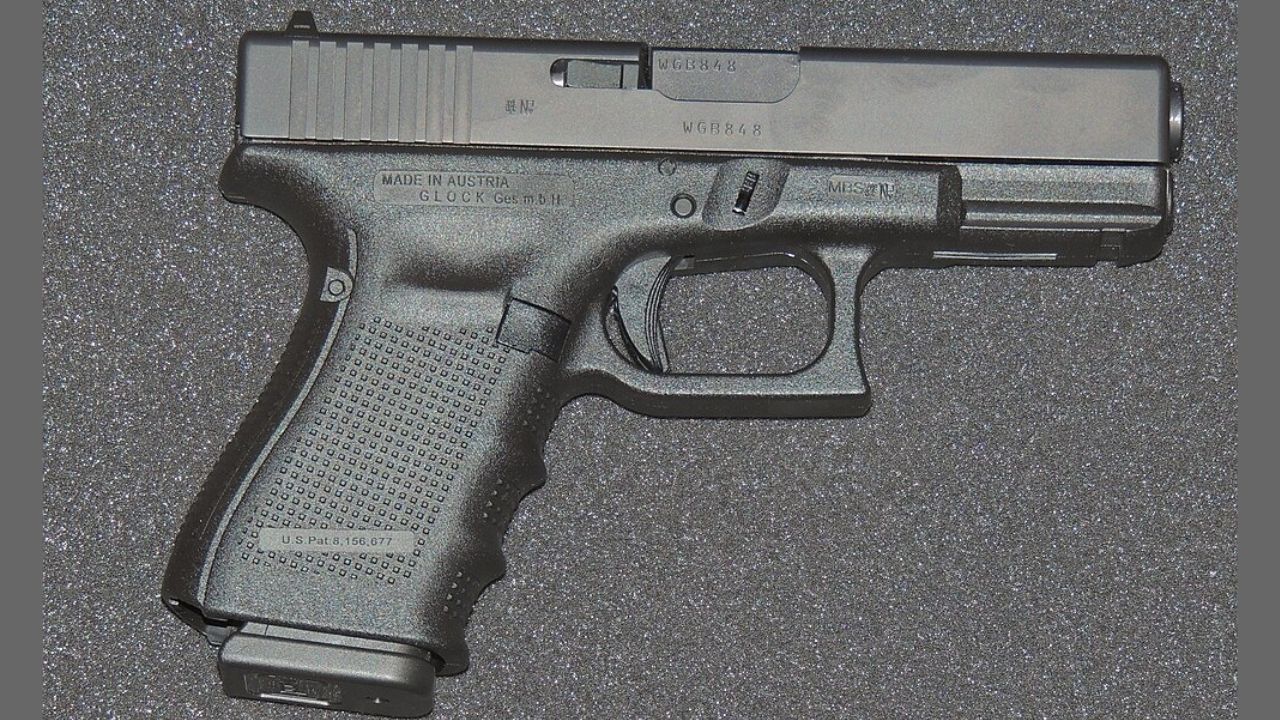
A Glock 19 is the definition of “leave it alone and go shoot.” The trigger isn’t a match unit, but it’s consistent, and that matters more than people admit when you’re running drills at speed. The grip shape and texture are usable, the reliability baseline is high, and the gun doesn’t get picky when it’s dusty, sweaty, or carried every day.
What makes it great out of the box is how few problems it creates. The sights are the one common complaint, but plenty of shooters keep them and still shoot well. With quality magazines and ammo you’ve tested, the Gen5 will do carry work, class work, and range work without needing a “fix” to earn your trust.
Smith & Wesson M&P9 M2.0 Compact

The M&P9 M2.0 Compact comes from the factory with the grip texture and ergonomics that many striker guns only reach after aftermarket frames or stippling. It locks into your hands, tracks predictably, and doesn’t feel like it’s trying to jump out of your grip when you start shooting faster than you “meant to.”
The other big win is how balanced it feels across different tasks. It’s small enough to carry, big enough to train hard with, and the controls are laid out in a way that doesn’t punish you for having real hands. You can run it stock and get excellent results, especially if you focus on consistent ammo and realistic practice instead of chasing tiny changes.
CZ 75 P-01

The CZ 75 P-01 has been earning its reputation for a long time, and it does it without needing a makeover. The shape of the frame, the weight, and the way it points make it easy to shoot well even when you’re tired or rushing. The DA/SA system takes practice, but it rewards you with control and clean follow-up shots.
Out of the box, it already feels like a “finished” pistol. You’re not buying it to replace half the parts—you’re buying it because the core design works. Keep it lubricated, feed it good magazines, and you’ll see why people trust it for carry and training. It’s one of those pistols that makes you better without demanding anything in return.
Beretta 92FS

A Beretta 92FS doesn’t need help to run like a duty gun, because that’s what it was built to be. The slide cycles smoothly, the recoil impulse stays manageable, and the grip shape makes the gun feel steady during fast strings. You don’t have to chase a compensator or a new guide rod to get a pleasant shooting experience.
What surprises newer shooters is how forgiving it is when your fundamentals get messy. The sight radius helps, the weight helps, and the gun doesn’t feel snappy the way many lighter pistols do. If you keep an eye on springs at normal intervals and use quality mags, the 92FS remains a reliable workhorse that doesn’t need “upgrades” to prove itself.
SIG Sauer P226

The SIG Sauer P226 is one of those pistols that feels settled the moment you pick it up. The controls are where they should be, the slide runs like it’s on rails, and the gun stays flat enough that you can focus on seeing your sights instead of managing chaos. When you shoot it back-to-back with lighter pistols, you notice how calm it stays.
It also holds up to real use without turning into a tuning project. You can keep it stock, run it hard, and trust it with serious ammo as long as you maintain it like any duty-grade pistol. The P226 is expensive compared to many polymer options, but part of what you’re paying for is a gun that doesn’t require a parts list to feel “right.”
Ruger SP101 (3-inch)
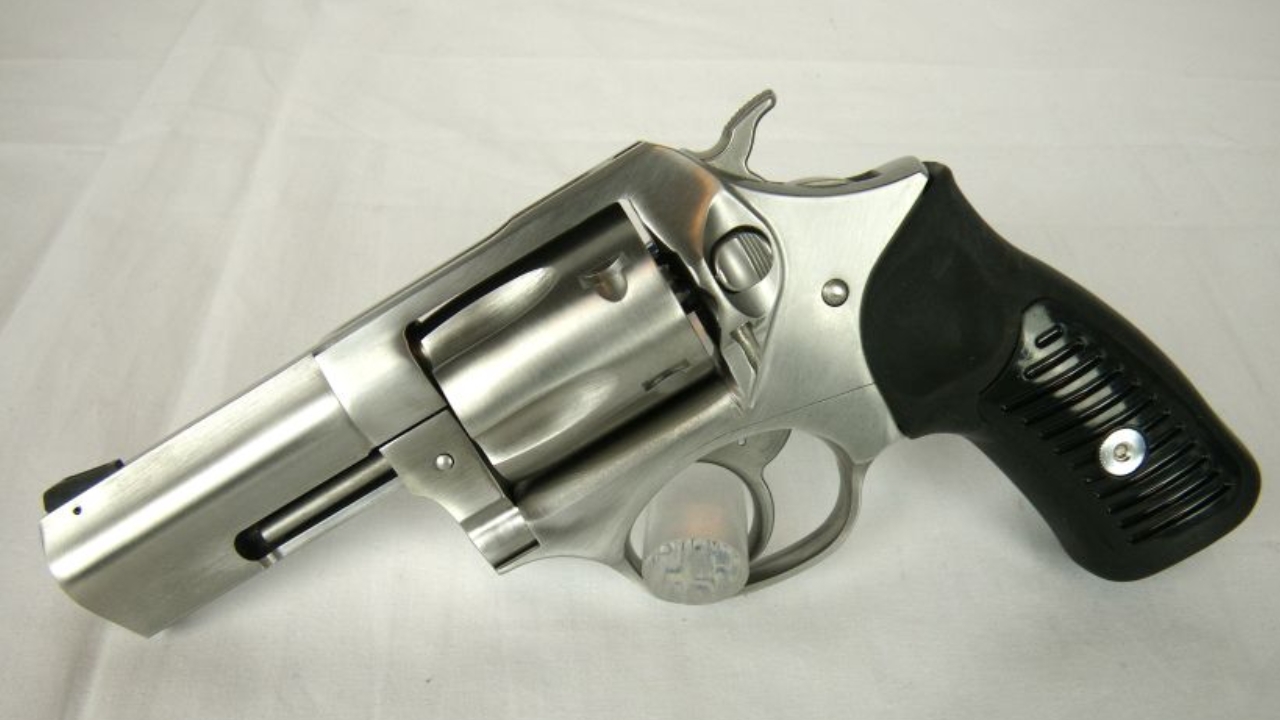
The Ruger SP101 with a 3-inch barrel is a revolver that doesn’t ask for excuses. It’s built to handle real ammo, it doesn’t feel fragile, and it’s heavy enough to make extended practice realistic without turning your hand into hamburger. The sights are usable, the trigger smooths out with time, and the gun keeps running even if you aren’t babying it.
The reason it doesn’t need modifications is that it’s already doing its job: reliability, durability, and predictable handling. You can carry it, train with it, and stash it as a “known quantity” without worrying about magazine springs, feed lips, or finicky cycling. If you want a revolver that behaves like a tool, the 3-inch SP101 is hard to beat.
Tikka T3x Lite
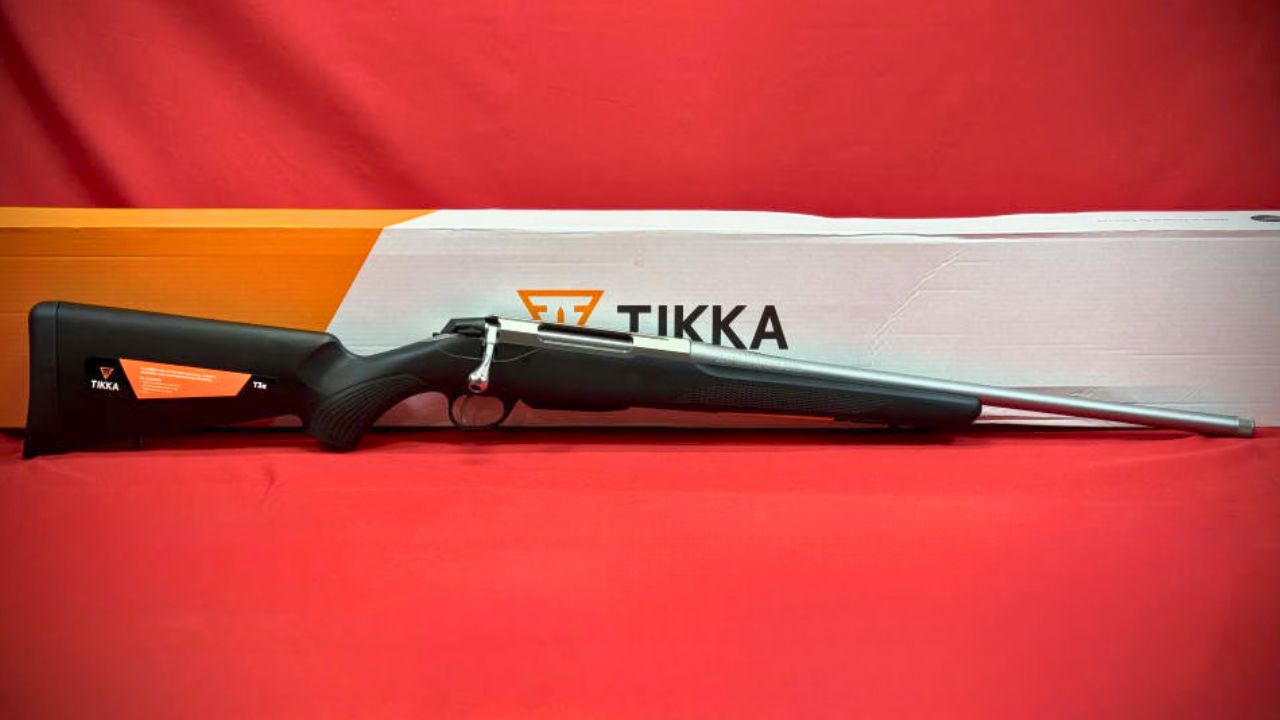
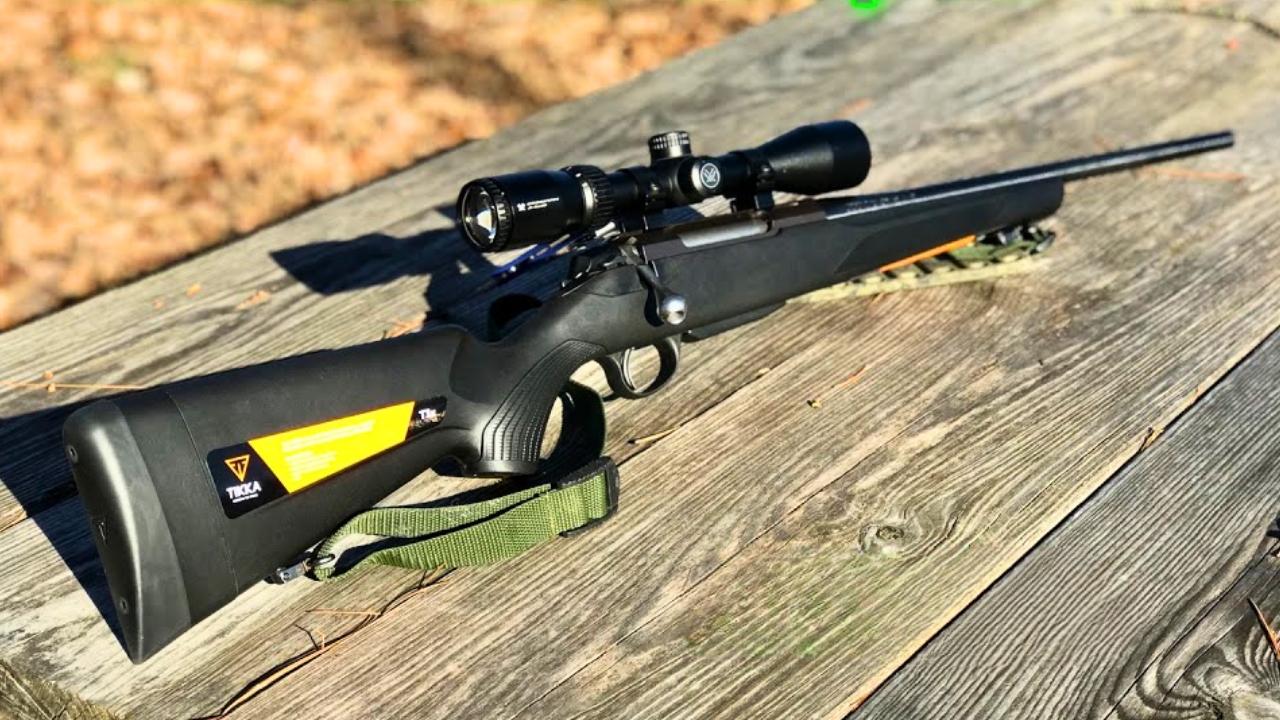
A Tikka T3x Lite is the bolt rifle that makes you stop arguing with your gear. The action is smooth, the factory barrels have a long track record of shooting well, and the trigger is clean enough that most hunters never feel a need to replace it. When you’re trying to make a cold-bore shot count, that consistency matters.
It also avoids the common “budget bolt gun” problems that push people toward upgrades. The feeding is usually reliable, the bolt lift doesn’t feel like work, and the rifle carries well without feeling whippy. Put a good scope on it, confirm your zero, and go hunt. The T3x Lite earns its reputation by not forcing you into a tinkering mindset.
Browning X-Bolt Hell’s Canyon Speed

The Browning X-Bolt Hell’s Canyon Speed comes from the factory with features hunters often add later: a solid trigger, a well-shaped stock, and a finish that’s built for bad weather. The rifle shoulders naturally, balances well in the hands, and doesn’t feel like it needs a new stock to be comfortable in field positions.
What makes it “done” out of the box is how complete the package feels. The bolt lift is smooth, the magazine system works well for hunting use, and the rifle tends to shoot accurately with quality factory ammo. You’re still responsible for good optics and a sane zero, but you aren’t fighting the rifle. It’s the kind of gun you can buy, sight in, and trust without building a second rifle out of the parts.
Ruger American Ranch Gen II (5.56)

The Ruger American Ranch Gen II in 5.56 is a rare budget rifle that doesn’t immediately feel like a compromise. It’s handy, it feeds well with the right magazines, and it’s accurate enough that most shooters run out of skill before the rifle runs out of potential. For a truck gun, a ranch gun, or a practical training rifle, it does what it’s supposed to do.
The best part is that you don’t have to rebuild it to enjoy it. The bolt throw is workable, the trigger is serviceable, and the rifle is light without feeling cheap in the ways that matter. Put dependable glass on it, pick one load it likes, and you’ve got a rifle you can actually use a lot without turning it into a money pit.
Winchester Model 70 Featherweight

The Winchester Model 70 Featherweight has been carried for generations because it works as a hunting rifle without a bunch of “solutions.” The controlled-round feed design has real appeal when you’re cycling fast under pressure, and the rifle’s balance makes it easy to shoot well from improvised rests. It feels like it belongs in your hands, not on a bench.
The Featherweight also doesn’t require you to chase identity through accessories. The stock profile, the handling, and the overall feel are already where they should be for a rifle that’s meant to live in deer woods. Mount a good scope, confirm your drops, and you’re ready. It’s a classic that stays practical because it was built for hunters, not for aftermarket catalogs.
Marlin 336 (Remington-era or Ruger-era, in .30-30)

A Marlin 336 in .30-30 is a reminder that “great” can be straightforward. The rifle carries easily, points quickly, and gives you the kind of real-world accuracy that matters inside typical deer distances. You don’t need to replace parts to make it feel alive—it already does what a lever gun is supposed to do.
What keeps it from becoming a project is how complete the platform is for its job. A good 336 cycles smoothly, stays reliable with normal maintenance, and hits hard enough for deer with the right loads. You can add a sight system if you want, but the rifle doesn’t require a transformation to be useful. If you hunt thick cover, the 336 earns its keep without asking for upgrades.
Benelli M2 Field

The Benelli M2 Field is famous because it keeps working when conditions and volume get ugly. It runs fast, it stays reliable across a wide range of loads, and it doesn’t demand constant attention to keep cycling. For a shotgun that’s going to see real hunting use, that matters more than cosmetic features.
Out of the box, the M2 is already what most people are trying to build toward: dependable function, solid handling, and durability that doesn’t feel fragile. Fit the gun to your body the best you can, pattern your loads, and go hunt. You can add accessories, but you don’t need them to make it a serious field shotgun. The M2’s value is how little it asks of you while still delivering.
Beretta A300 Ultima

The Beretta A300 Ultima has become a favorite because it gives you a reliable semi-auto shotgun that doesn’t feel like it needs “fixing” to be enjoyable. It cycles well, the recoil system is kind to your shoulder, and the gun can handle long days without feeling like it’s slowly shaking itself apart. For many hunters, it’s the shotgun they shoot better than they expected.
What makes it great without modifications is the overall balance of the platform. The controls are practical, the gun is easy to clean compared to many semi-autos, and it tends to run with the loads people actually buy. You still need to pattern and confirm what your gun does with your shells, but the A300 isn’t a project. It’s a tool you can lean on.
CZ 457 Varmint

The CZ 457 Varmint is one of those rimfires that feels “right” the first time you work the bolt. The action is smooth, the trigger is good enough for real precision work, and the rifle tends to deliver excellent accuracy with the ammo it prefers. You don’t have to chase a pile of upgrades to see tight groups.
It’s also built in a way that encourages good shooting habits. The heavier barrel and stable stock make it easy to call shots and stay honest about your fundamentals. Put a solid rimfire scope on it, find the load it likes, and you’ve got a rifle that can train you year-round without drama. The 457 Varmint is proof that rimfire excellence doesn’t have to mean tinkering.
HK USP Compact

The HK USP Compact is built around the idea that a pistol should keep working even when you’re not treating it gently. It’s not the lightest, it’s not the trendiest, and it doesn’t need to be. The recoil system and overall build make it feel steady, and it keeps running through hard use with a level of consistency that’s easy to respect.
What makes it “great without mods” is that it already does the duty-gun things well: reliability, durability, and controllability with a wide range of ammo. The trigger isn’t going to win a match, but it’s predictable, and predictability is what helps you shoot well under stress. If you want a carry pistol that behaves like it was built for serious work, the USP Compact doesn’t need help to prove it.
Like The Avid Outdoorsman’s content? Be sure to follow us.
Here’s more from us: