Photo credit: Gun Talk Media/YouTube
There’s nothing worse than hearing a click when you needed a bang. That second shot—when adrenaline’s up and everything’s moving—needs to be there without hesitation. But some pistols can’t be trusted in those moments. Whether it’s a stovepipe, failure to feed, or a weak extraction, it all ends the same: you’re left holding a half-working gun and trying to clear it under pressure. And while user error is real, some pistols are far more prone to choking when it counts. The common thread? Flaws in design, tight tolerances, weak springs, or ammo sensitivities that don’t show up until you’re already in it. These aren’t range annoyances—they’re real-world failures that can cost you.
SCCY CPX-2
The SCCY CPX-2 is a budget-friendly pistol that’s lightweight and carries well, but it’s known for choking under pressure. The trigger pull is long and heavy, which can mess with your grip and timing on that second shot. Combine that with occasional feeding issues and inconsistent ejection, and you’ve got a pistol that might stop when you need it to run. It doesn’t love hollow points, and it’s sensitive to grip technique. On the range, you’ll notice it stumble if your form isn’t rock solid. In a real-world moment, that hesitation can feel like forever.
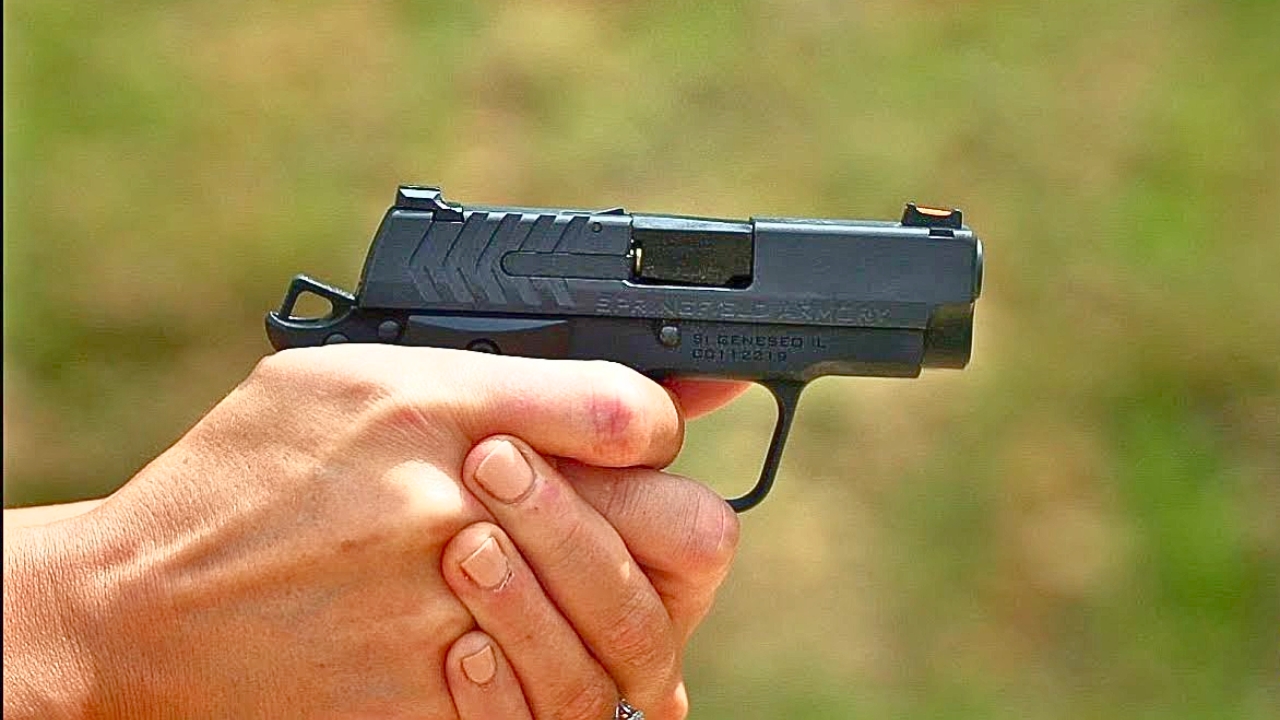
Springfield 911

This little .380 looks and feels like a mini 1911, and it draws a lot of folks in because of that. But it doesn’t share the same reputation for reliability. It has tight tolerances and tends to struggle when dirty, especially after the first few shots. Some users have reported failures to extract or return to battery, particularly when running lower-end ammo. The small grip also makes it easy to limp-wrist under stress. You pull the trigger once, get a pop, and then—nothing. That second shot? Might be jammed up until you clear it.
Jimenez JA-9
This isn’t a pistol anyone should bet their life on, but plenty of people have picked one up due to the price. The JA-9 is bulky for a compact and often struggles to cycle reliably—even with full metal jacket rounds. Its materials and tolerances make failures to feed and extract fairly common, especially when shooting fast. That second shot? It might come, or it might hang up on a stovepipe or a failure to return to battery. It’s not designed for serious carry, and it shows when you actually put it to use.
Diamondback DB9

The DB9 is another slim carry gun that sounds good on paper, but its track record says otherwise. It’s incredibly light, which also means it’s snappy—and that leads to all kinds of issues if your grip isn’t perfect. Limp-wristing or light loads can cause failures to feed or eject. That second shot is often where things go wrong. Even with good ammo, the slide speed and spring setup can be unforgiving. It’s not a gun that gives you much margin for error, and if you’re in a hurry, you might be clearing a jam instead of pressing the trigger again.
AMT Backup
The AMT Backup has been around in different forms for decades, and most of them share a reputation for heavy triggers and questionable reliability. These pistols are small and easy to carry, but they’re known to hiccup when running anything other than full-power ammo. Failures to extract or fully chamber the next round are common complaints. Some of that comes down to the stiff recoil spring and tight fit, but in practice, it leaves you with a carry gun that might stall right after the first shot. You don’t want to be racking the slide while someone’s still coming at you.
Beretta Pico

The Pico is tiny, snag-free, and very soft-shooting for a .380, but that smoothness comes at a cost. Its slide is extremely stiff, and the tolerances are tight enough that any fouling or weak ammo can throw off the cycling. That second shot is often where problems show up—either the slide doesn’t return fully or the extractor struggles with low-powered loads. It’s not a pistol that forgives poor maintenance or loose grip technique. If everything’s perfect, it runs. If not, it’s prone to hesitation right when you need another round on deck.
Raven MP-25
The Raven MP-25 is more of a collector’s curiosity these days, but a surprising number still show up in drawers and glove boxes. This .25 ACP pistol was never known for its reliability, and the second shot often exposes its flaws. Weak magazines, worn springs, and rough chambers can all contribute to failures to feed or eject. It’s not a platform built for real-world defense—it was built to be cheap. And in actual use, especially under stress, that second shot may never come. You’d be better off with a reliable modern .22 than counting on this one.
Like The Avid Outdoorsman’s content? Be sure to follow us.
Here’s more from us:
The worst deer rifles money can buy
Sidearms That Belong in the Safe — Not Your Belt
*This article was developed with AI-powered tools and has been carefully reviewed by our editors.