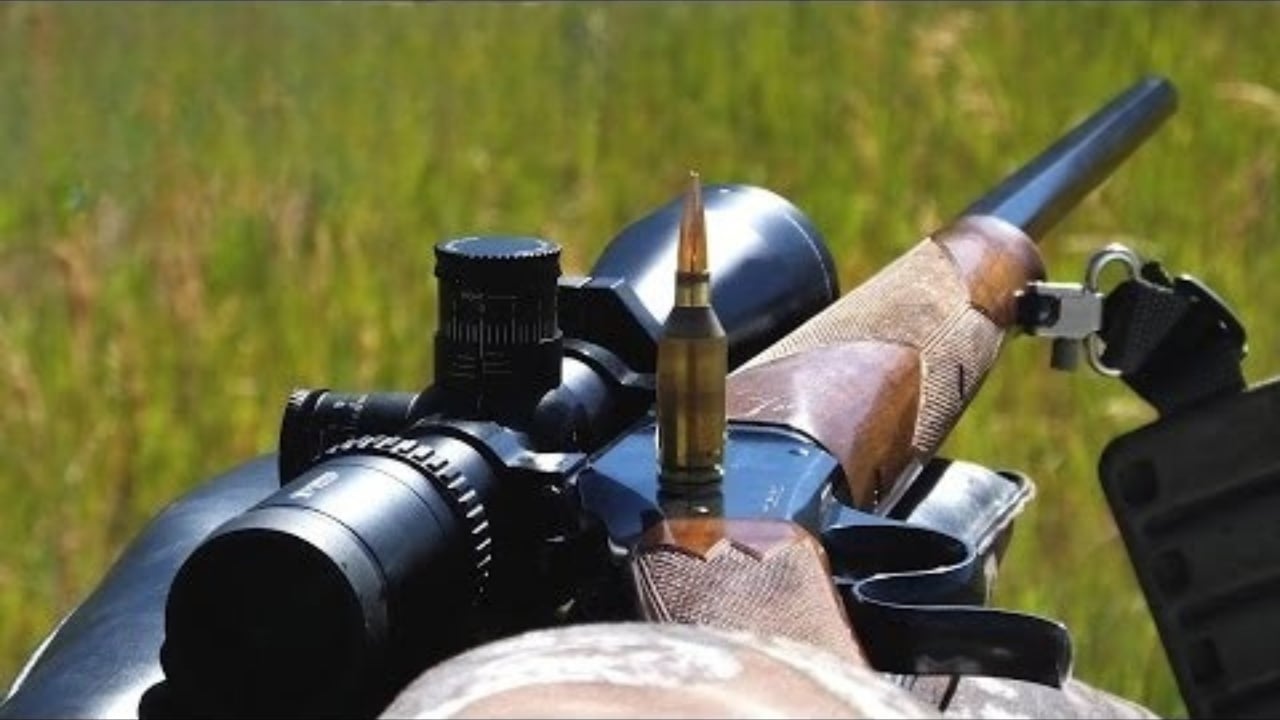
Photo credit: diyhntr/YouTube
Guides usually try to be polite about a client’s rifle. They know people get attached to calibers, and nobody wants the first conversation in camp to turn into an argument. But behind the scenes, some cartridges make guides nervous before the hunt even starts.
It is not always because the caliber cannot kill game. Most rifle cartridges can work under the right conditions. The problem is that guided hunts are not built around perfect conditions. Wind, nerves, distance, bad angles, thick brush, poor bullet choice, and limited practice all matter. These are the calibers guides often wish clients would leave at home and replace with something more forgiving.
.204 Ruger
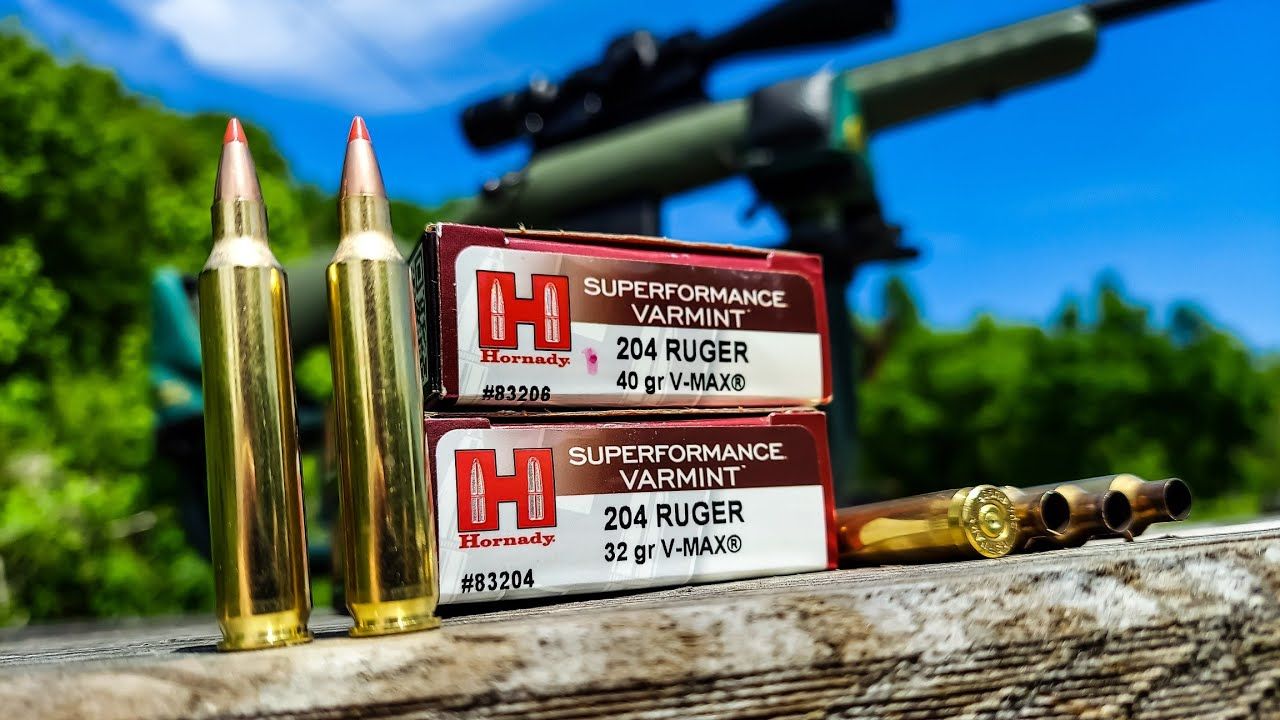
The .204 Ruger is a great little varmint round, but that is where it belongs. It is fast, flat, and fun on prairie dogs, coyotes, foxes, and small targets. The trouble starts when someone tries to stretch that speed into a big-game role.
Guides do not want a client showing up for deer or antelope with tiny bullets and a cartridge designed around varmints. Even if it is legal somewhere, that does not make it a smart choice. There is just too little bullet weight and too little margin when the shot is not perfect.
.17 Hornet

The .17 Hornet is excellent for small varmints, but it makes no sense as a guided big-game cartridge. It is quiet, efficient, and easy to shoot, which can trick people into thinking it is more useful than it really is. For prairie dogs and small predators, fine. For deer-sized animals, no.
A guide is thinking about clean kills and quick recovery. The .17 Hornet gives almost no room for error on anything larger than its intended targets. It is the kind of rifle that should stay home unless the hunt is specifically for small varmints.
.22 Hornet

The .22 Hornet has old-school charm and real utility, but guides still do not want to see it on most big-game hunts. It is mild, accurate enough, and useful around farms for pests and small predators. That does not mean it belongs in deer camp.
The problem is that it sits too close to rimfire territory in performance for many guide situations. It can work on small game and varmints, but it does not give the penetration, bullet weight, or downrange authority guides want when money, time, and wounded-game recovery are on the line.
.218 Bee
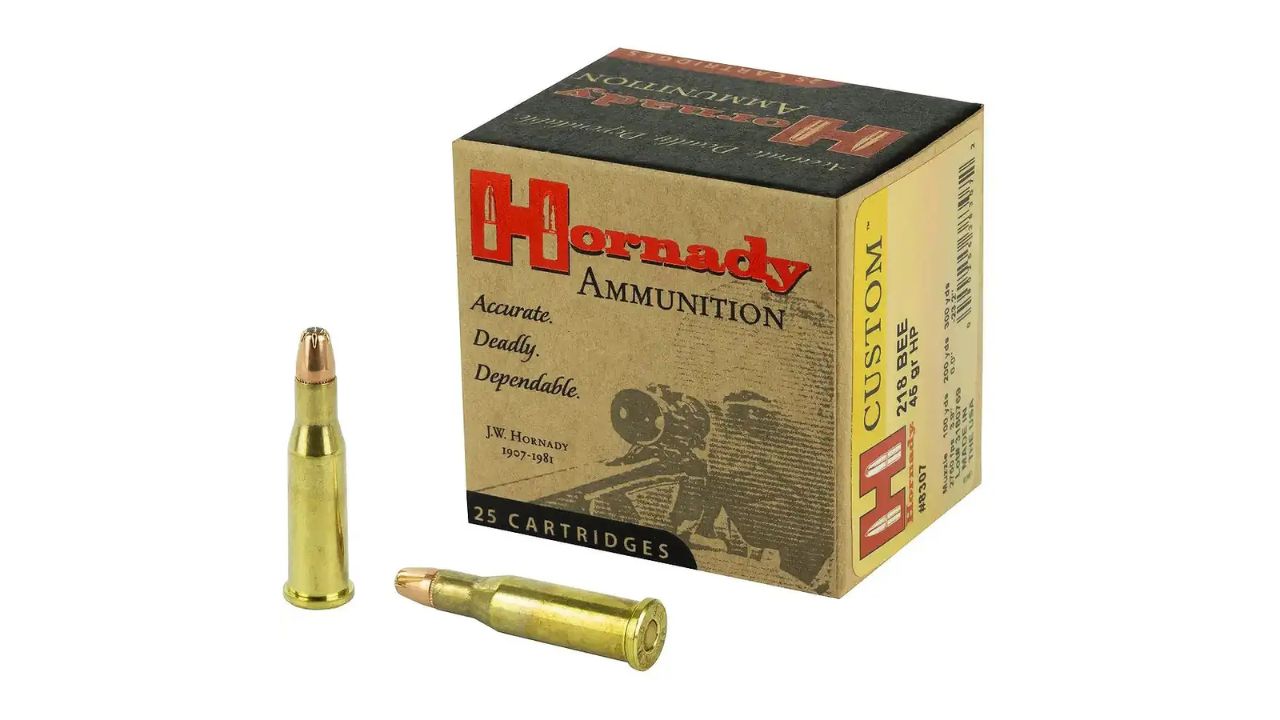
The .218 Bee is another neat old varmint cartridge that gets miscast by nostalgic hunters. It was handy in lever guns and small rifles, and it can still be a fun round for small predators and pests. But a guided deer or antelope hunt is not the place to bring it.
Guides are not impressed by novelty when the animal steps out. They want enough cartridge to handle imperfect field conditions. The .218 Bee may be interesting, but it is too light and too limited for anything beyond small-game and varmint work.
.221 Fireball

The .221 Fireball is accurate, efficient, and surprisingly useful in the right varmint rifle. It has a loyal following because it does a lot without noise or recoil. But for guided big-game hunting, it is exactly the kind of cartridge that creates an uncomfortable conversation.
A guide may respect the cartridge and still tell a client to leave it home. It is not built for deer, elk, black bear, or similar game. It belongs on a prairie dog town, not on a hunt where a poor hit could turn into hours of tracking.
.222 Remington
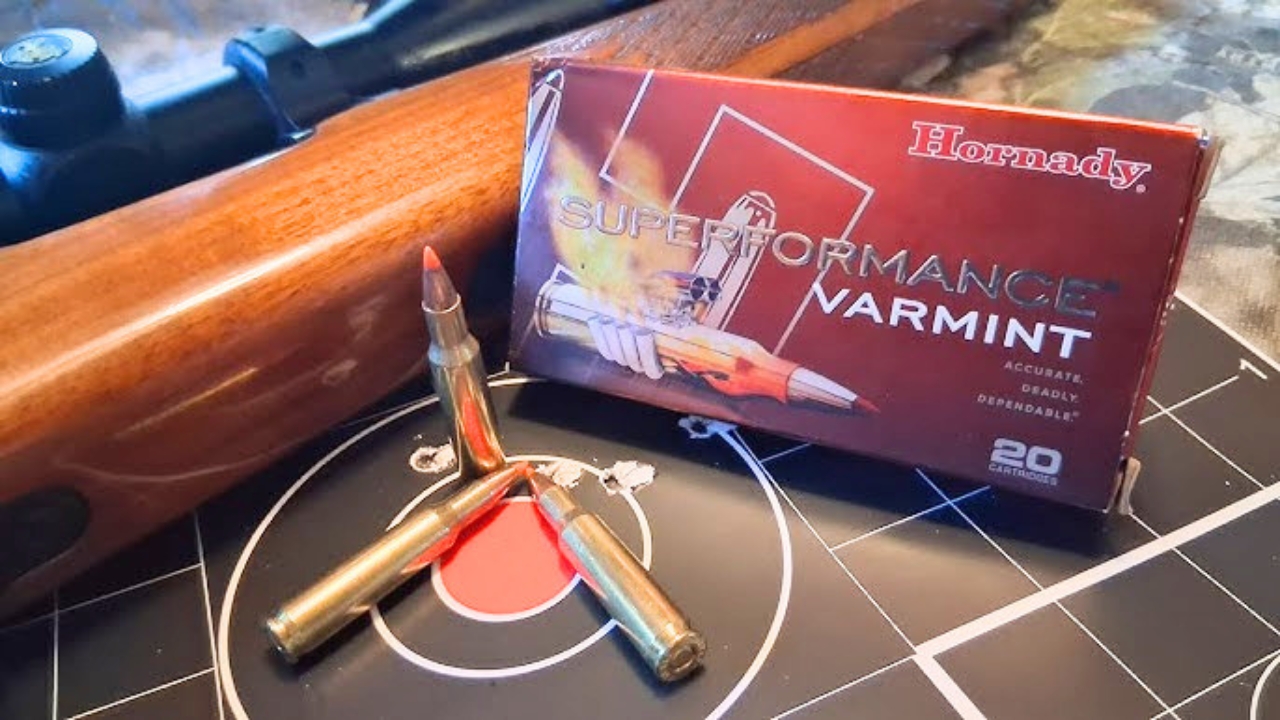
The .222 Remington is one of the classic accurate small-bore centerfires. It has taken varmints cleanly for decades and still has a soft spot among shooters who appreciate mild, precise cartridges. The problem is that some hunters trust its accuracy too much.
Guides care about what happens after impact. A tiny bullet that lands perfectly can work on small animals, but big game needs penetration and tissue damage under less-than-perfect angles. For deer or anything larger, most guides would rather see the client bring more rifle.
.225 Winchester

The .225 Winchester has enough speed to impress people who like old varmint rounds. It was never a bad cartridge. It simply landed in a crowded field and faded behind the .22-250 and .223. For varmints, it still has real appeal.
That does not make it a guide-friendly big-game choice. Ammo is harder to find, bullet options are usually varmint-focused, and it does not solve any problem on a guided hunt. A client showing up with one may love the cartridge, but a guide is probably wishing they had brought a normal deer rifle instead.
.22-250 Remington
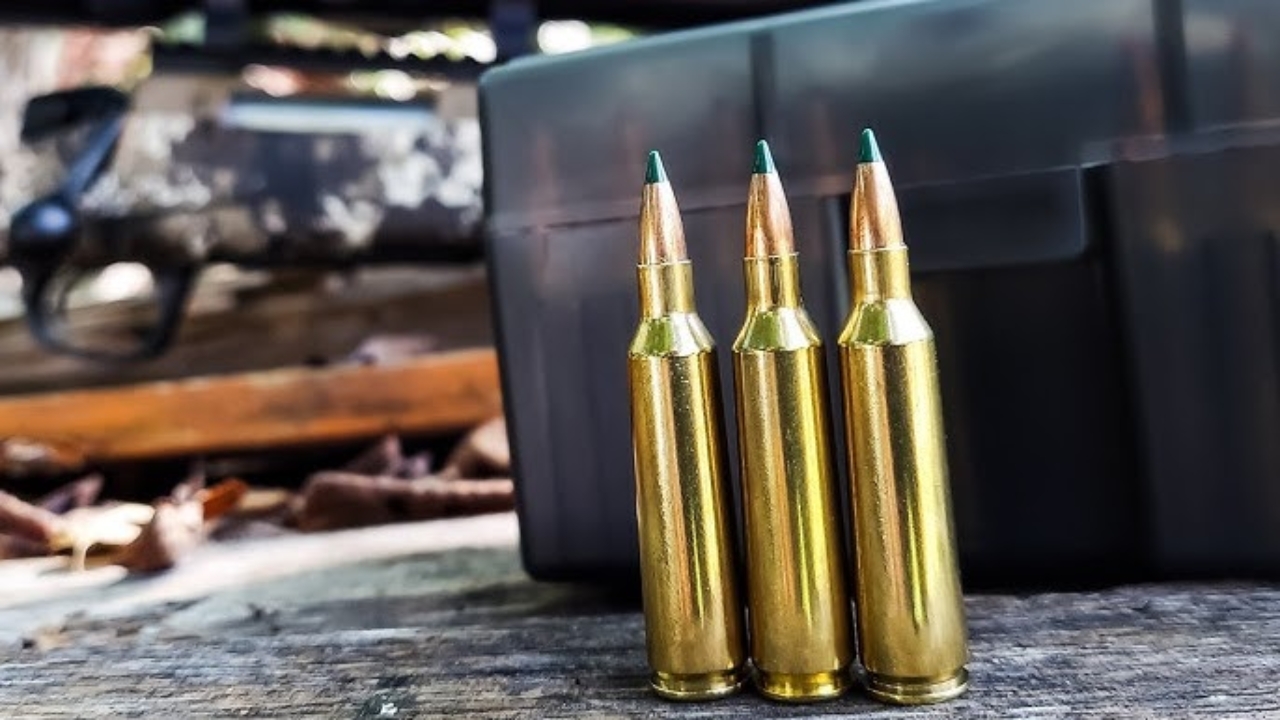
The .22-250 Remington is one of the best varmint cartridges ever made. That is exactly why guides do not love seeing it used for deer or antelope by average clients. It shoots flat, hits fast, and makes coyotes fold up. But small, fast bullets are not always forgiving on larger animals.
With the right bullet and careful shot placement, it can kill deer where legal. That is not the point. A guide does not want a client bringing a cartridge that depends on ideal bullet choice and perfect discipline. They would usually rather see a .243, 6mm Creedmoor, .25-06, .270, or .308.
.243 WSSM
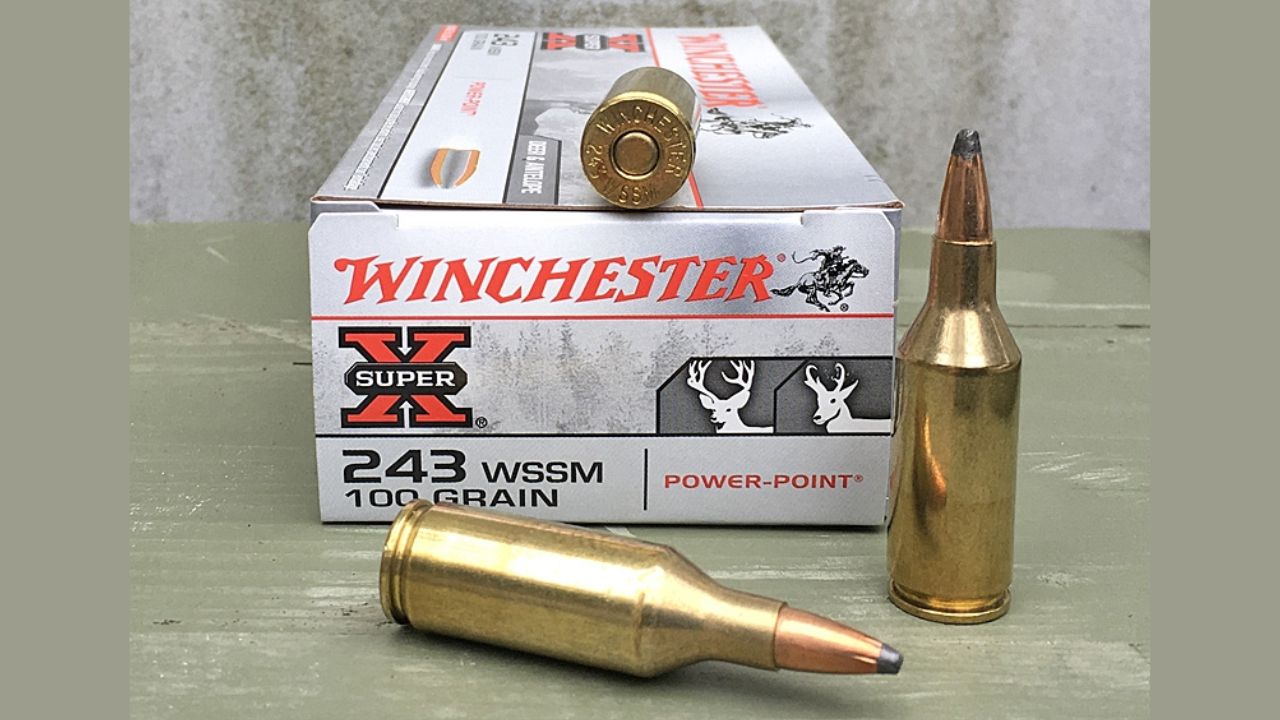
The .243 WSSM looked exciting when short magnums were getting attention, but it never became the dependable, easy-to-support hunting answer some people hoped for. It is fast and capable on deer-sized game, but rifles and ammunition are not common anymore.
Guides dislike cartridges that create logistics problems before the hunt even starts. If a client forgets ammo, loses ammo, or needs to verify zero after travel, obscure rounds become a headache. The .243 WSSM can work, but a guide would much rather deal with a common .243 Winchester or 6mm Creedmoor.
.25 WSSM
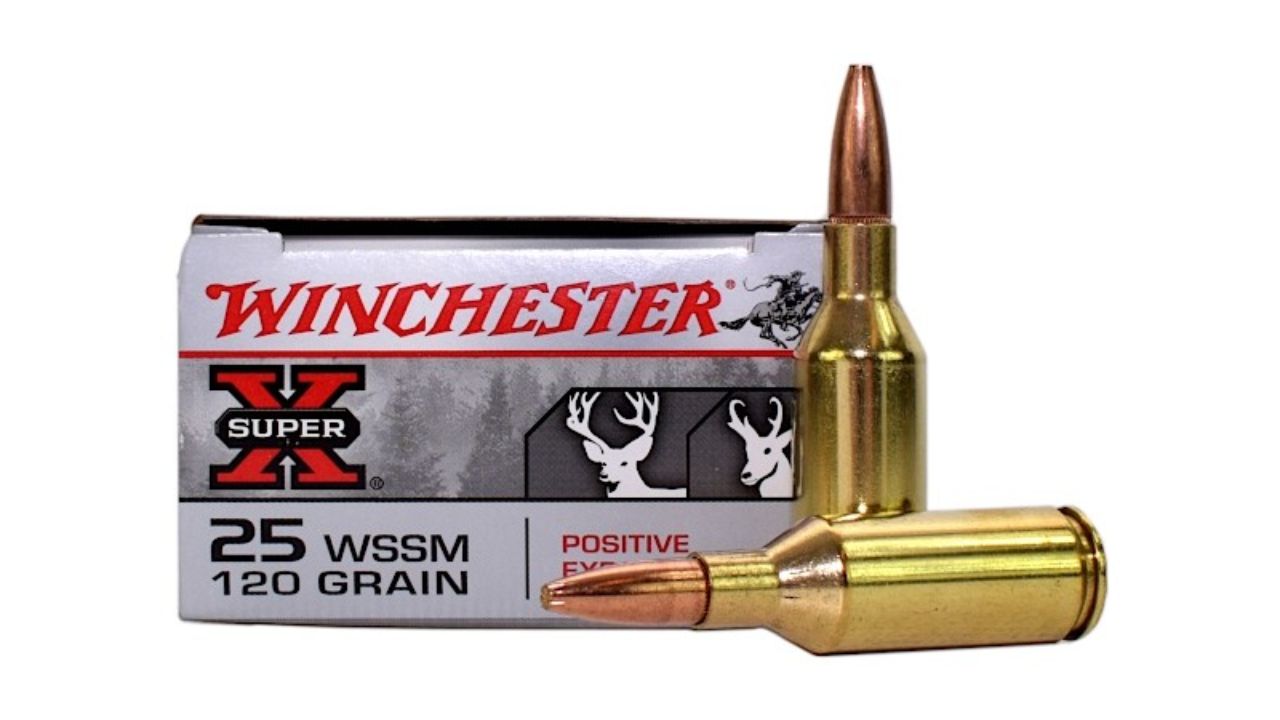
The .25 WSSM has the same basic problem. It is not weak, and it can be effective on deer and antelope. But it never got the long-term support that makes guides comfortable. When ammunition is scarce and rifle options are limited, the cartridge becomes more trouble than it is worth.
A guided hunt is not the place to gamble on a cartridge the local shop probably does not stock. Even if the rifle shoots well, the guide is thinking about backup plans. With the .25 WSSM, those backup plans get thin fast.
.257 Roberts +P

The .257 Roberts +P is a wonderful deer and antelope cartridge in the right hands. It is mild, accurate, and classy. But some guides are still cautious when clients bring it for bigger hunts or tough country. The cartridge has charm, but charm does not recover wounded animals.
For whitetails and pronghorn, it is fine with proper bullets. For elk, big mule deer in steep country, or black bear, guides usually prefer something with more bullet weight and easier ammo support. The Roberts is a great cartridge that too many people try to stretch past its best role.
.256 Winchester Magnum
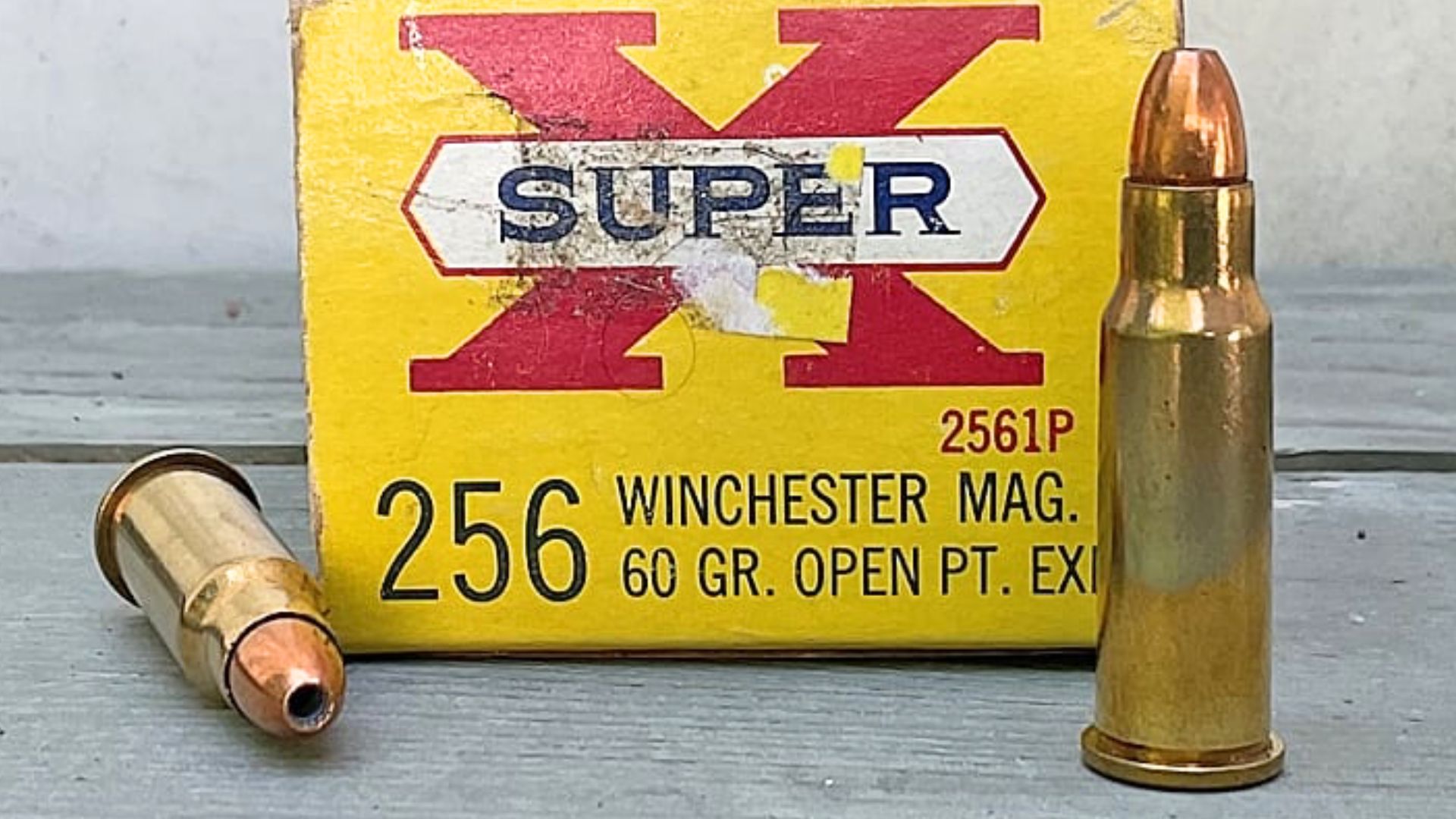
The .256 Winchester Magnum is interesting, but it is not a cartridge guides want anywhere near a serious big-game hunt. It was mostly tied to specialty firearms and light sporting use, not modern guided hunting. It has more curiosity value than field confidence.
A guide’s job is not to admire oddball cartridges. It is to help clients make clean kills. The .256 Winchester Magnum does not bring enough power, availability, or practical rifle support to justify the risk. It belongs in a collector conversation, not a guide’s recommended gear list.
.30 Carbine

The .30 Carbine has history, light recoil, and plenty of fans. It is fun in an M1 Carbine and useful in some defensive or recreational roles. But as a hunting round, especially for guided big game, it is a hard no from most experienced guides.
The cartridge was not built to be a modern deer round. It lacks the bullet weight, velocity, and penetration guides want when an animal may not stand perfectly broadside at close range. A hunter bringing one may feel nostalgic, but the guide is probably already worried about tracking.
7.62x39mm
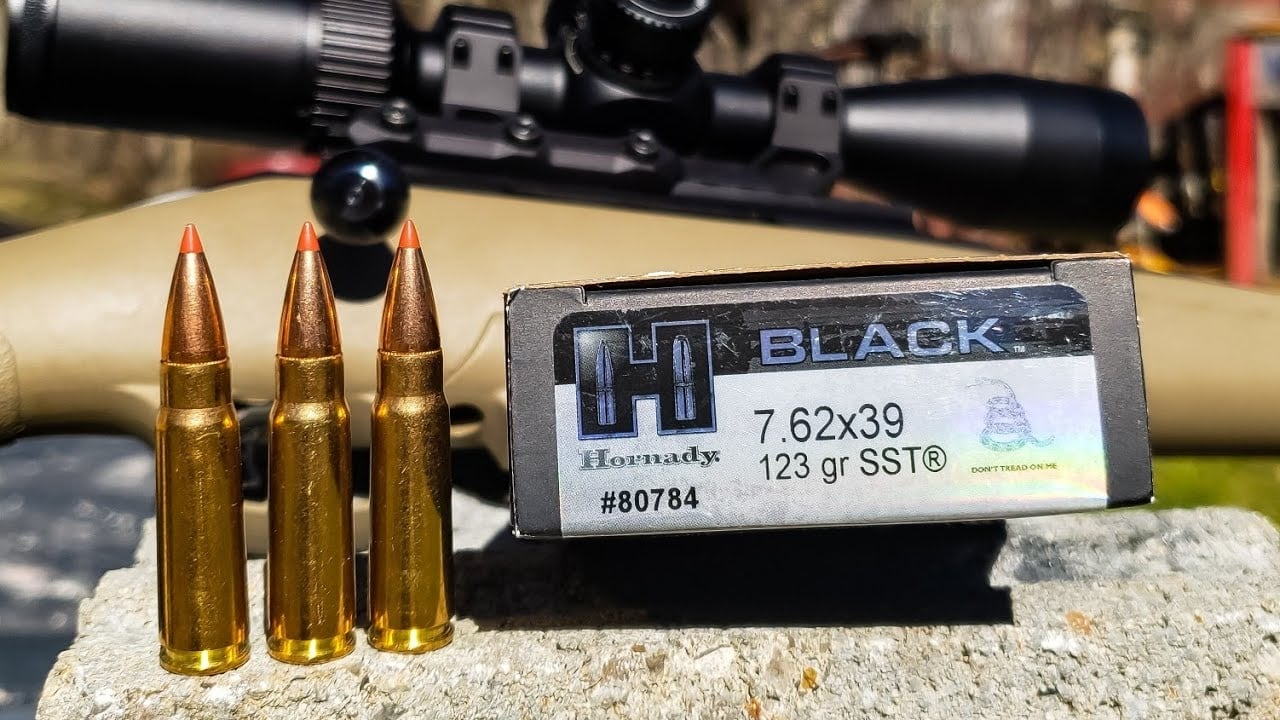
The 7.62x39mm can work on deer and hogs at close range with proper soft-point ammo. The problem is that many rifles chambered for it are not set up like precise hunting rifles, and ammo quality varies widely. Guides do not like uncertainty.
In a good bolt-action rifle with proper hunting loads, the cartridge is not ridiculous for short-range deer. But many clients associate it with cheap ammo and range fun, not careful hunting. Guides usually prefer something with better trajectory, better bullet selection, and a stronger record in the deer woods.
.300 Savage

The .300 Savage is a classic, and in a good rifle it can still kill deer cleanly. The reason guides may tell clients to leave it home is not because it suddenly stopped working. It is because old rifles, old scopes, limited ammo choices, and sentimental confidence can become a bad mix.
A Savage 99 in .300 Savage is a great woods rifle when the owner knows it well. But for a paid hunt where longer shots or bigger animals may be possible, guides tend to prefer more common modern cartridges. The .300 Savage is capable, but it is not always the best tool for today’s guided conditions.
.303 British

The .303 British has taken plenty of game around the world, and it deserves respect. But a lot of rifles chambered for it are older military surplus guns with triggers, sights, scopes, and bore conditions that vary wildly. That makes guides uneasy.
The cartridge itself can handle deer and similar game with good soft points. The problem is the whole package. A guide does not want to discover on day one that a client’s old Lee-Enfield shoots loose groups, has questionable ammo, or is hard to scope well. Nostalgia is not a substitute for confidence.
7.5×55 Swiss
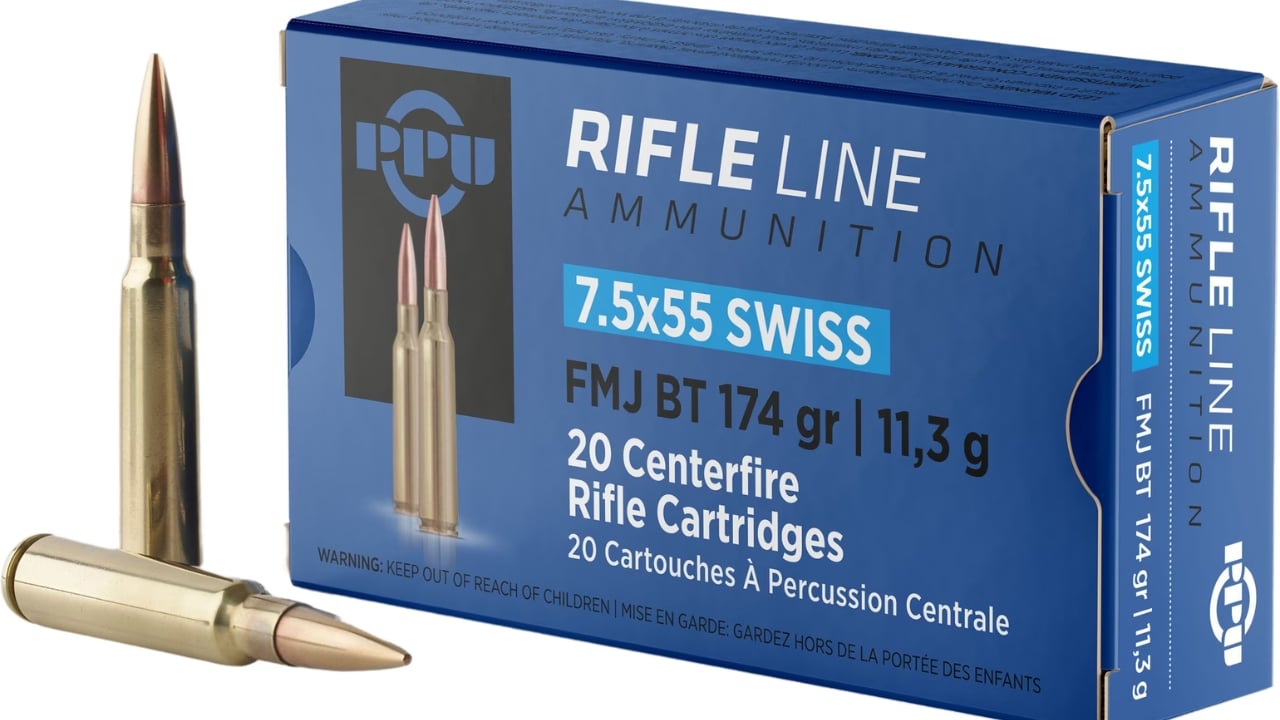
The 7.5×55 Swiss is accurate, well-designed, and more capable than many hunters realize. In the right rifle, it can absolutely take game. But it is uncommon enough that guides may not want clients relying on it for a serious trip.
The issue is not performance on paper. It is ammo support, rifle setup, and familiarity. A client who handloads and knows the rifle well is one thing. A client bringing an odd surplus caliber because it seems cool is another. Guides usually prefer cartridges that are easier to support if anything goes wrong.
8mm Mauser

The 8mm Mauser can be a powerful hunting cartridge, especially with proper European-style loads or handloads. But in the U.S., factory ammunition can be inconsistent in power level, and many rifles are old military sporters of mixed quality. That combination makes guides cautious.
A well-built sporting rifle in 8mm Mauser can be effective on deer, hogs, elk, and black bear. But guides are thinking about the average client, not the expert handloader. If the ammo is underpowered, the scope setup is poor, or the rifle has not been truly tested, the hunt can go sideways.
.32 Winchester Special
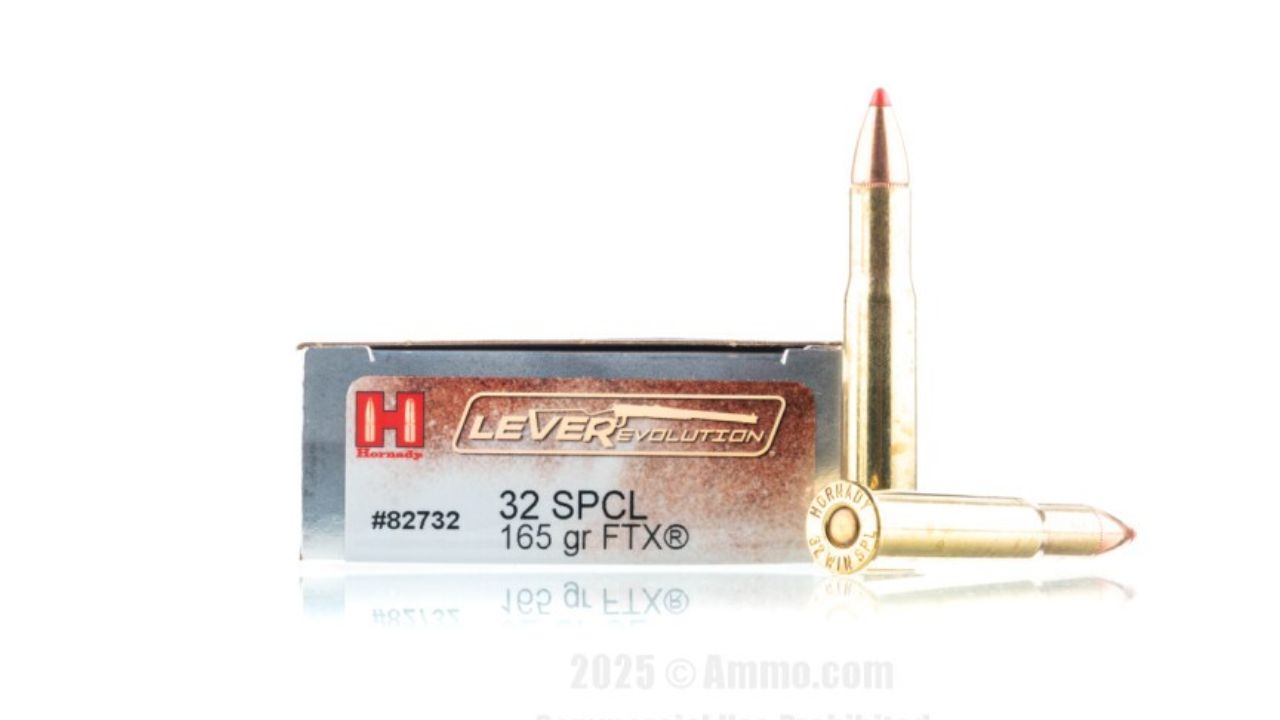
The .32 Winchester Special is a fine old lever-action deer cartridge, but it is not one most guides want on a hunt with variable terrain. It was built for woods ranges and traditional lever guns. Inside that lane, it works. Outside that lane, its limits show up quickly.
Guides often worry about old rifles, limited ammo availability, and hunters overestimating range. A .32 Special in thick timber is one thing. A .32 Special on a hunt where a 225-yard shot might be the only chance is another. The guide would usually rather see a flatter, more common deer cartridge.
.35 Remington
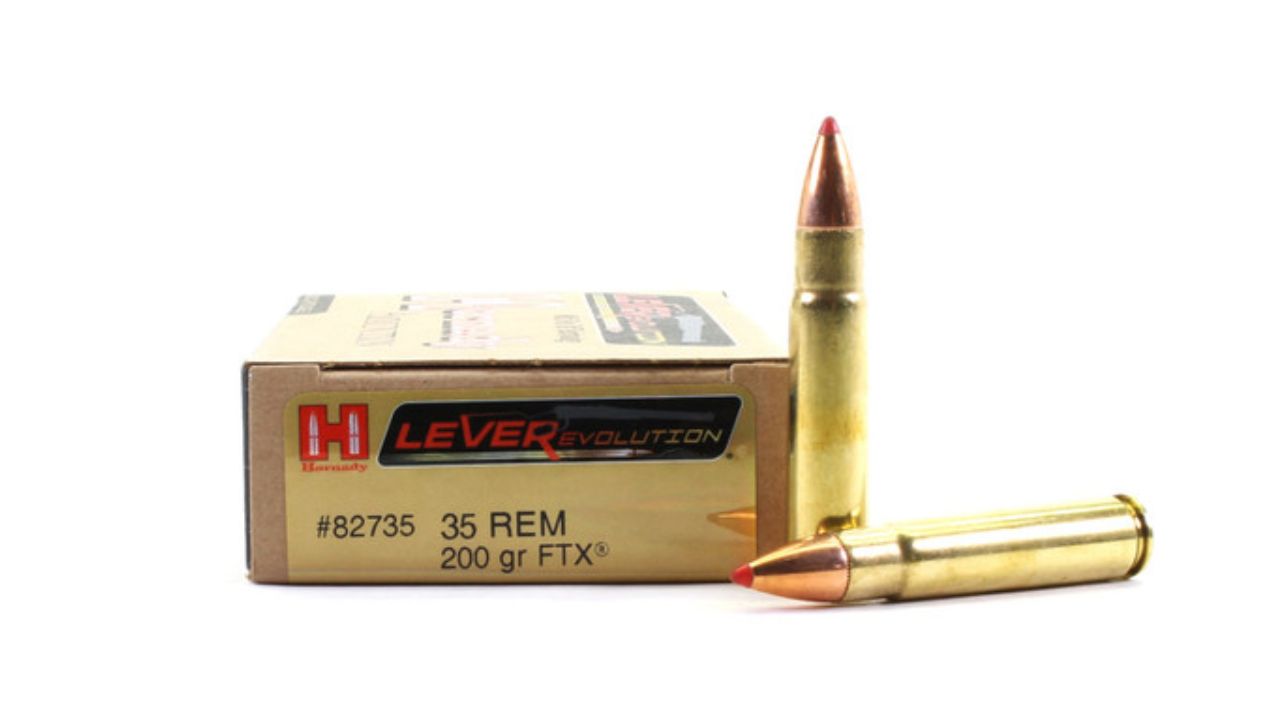
The .35 Remington is beloved by woods hunters for good reason. In a Marlin 336 or Remington semi-auto, it hits hard at close range and works well on deer and black bear. The problem is not the cartridge inside 100 or 150 yards. The problem is when the country does not cooperate.
Guides may tell clients to leave it home when the hunt could involve longer shots, open cuts, or western terrain. Ammo availability has also become a headache at times. For thick woods, it is great. For a guided hunt where flexibility matters, it can be too narrow.
.375 Winchester

The .375 Winchester has real thump in a lever gun, but it is another cartridge that can box a hunter into a short-range role. It is useful for woods deer, hogs, and black bear, but it is not common, not flat-shooting, and not easy to feed compared with mainstream hunting rounds.
Guides like cartridges that make the day easier. The .375 Winchester often does the opposite unless the hunt is perfectly matched to it. A hunter who loves it may do fine in tight cover. But if the guide expects varied distances, this is one of those rounds they may quietly wish had stayed at home.
.44 Magnum in a rifle
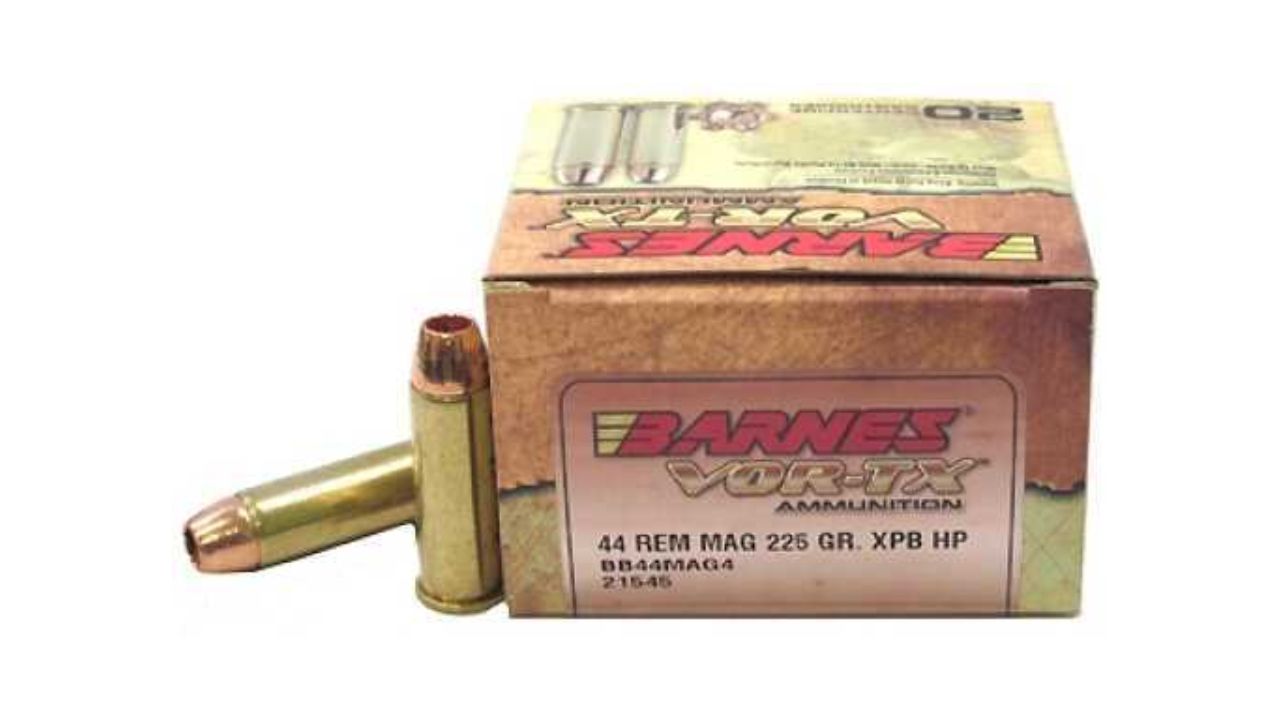
The .44 Magnum from a rifle is much more capable than people think, especially for deer and hogs at short range. In a handy lever gun, it is easy to carry and hits hard inside its limits. But those limits are exactly why guides can be hesitant.
Many hunters overestimate what a pistol-caliber carbine can do. The .44 Magnum drops fast, loses steam, and requires honest range discipline. For a short-range woods hunt, it can work well. For a guided hunt with uncertain shot distances, a guide is probably going to recommend a real rifle cartridge instead.
.454 Casull in a rifle
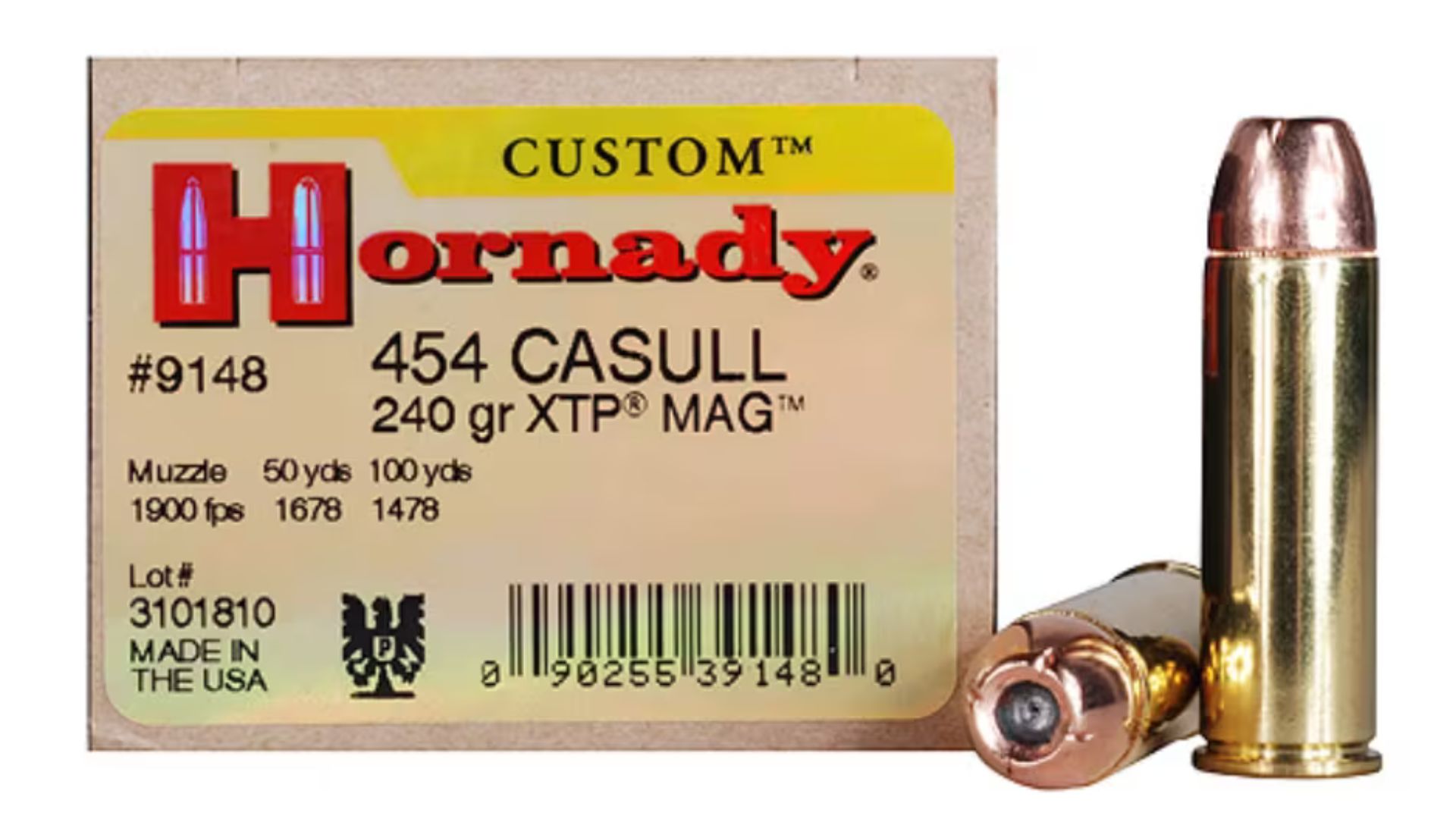
The .454 Casull in a lever rifle is powerful, but power alone does not make it a great guided-hunt choice. It is still a short-range pistol cartridge at heart, even when fired from a longer barrel. It can hit hard on hogs, deer, and black bear inside reasonable distances.
The issue is that it brings recoil, blast, curved trajectory, and limited ammo choices without the flexibility of a common bottleneck rifle cartridge. Guides usually do not want clients carrying something that requires so much distance discipline unless the entire hunt is built around close shots.
.50 Beowulf

The .50 Beowulf is a thumper in an AR platform, and it can be effective on hogs or close-range deer. But guides often dislike cartridges that are heavy on drama and light on flexibility. The .50 Beowulf has a rainbow trajectory, stout recoil, and limited reach.
It can make sense for close-range hog work in thick cover. That is a narrow lane. For a guided deer, elk, or mixed-terrain hunt, it is usually a poor fit. A guide would rather see a cartridge that gives the client more range, more ammo support, and less punishment.
.458 SOCOM
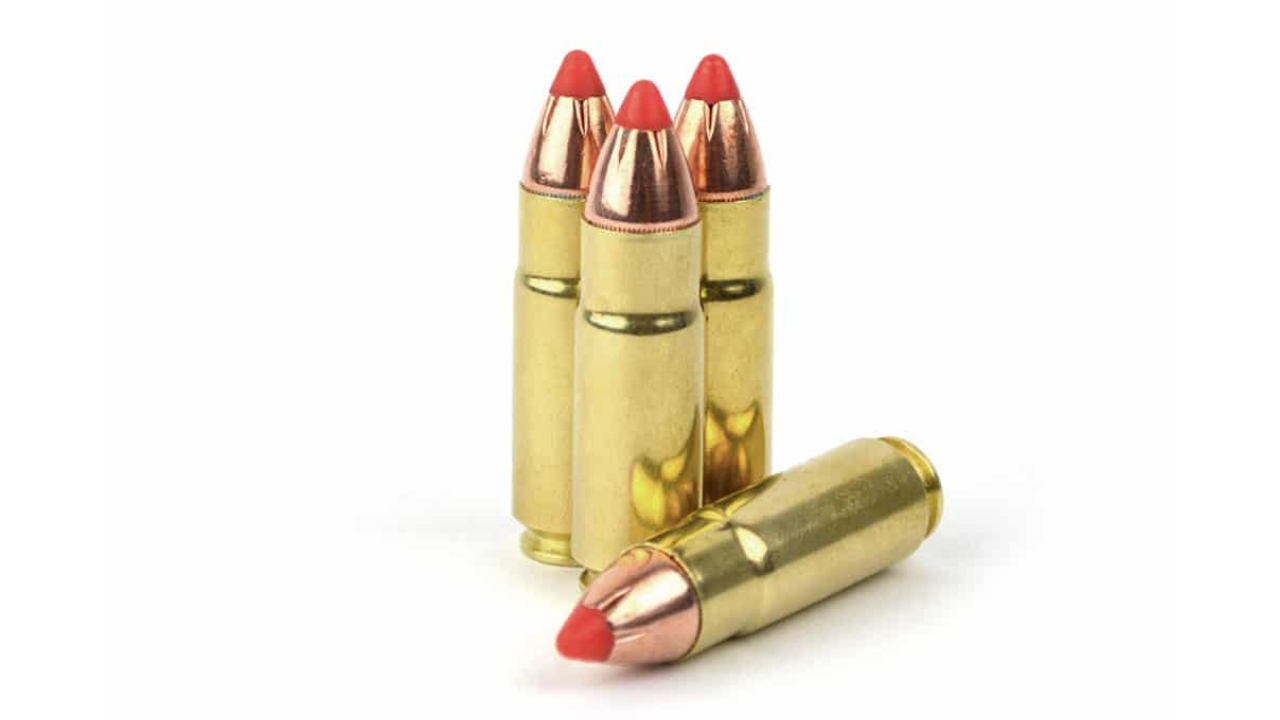
The .458 SOCOM is another big-bore AR cartridge that can be useful in the right niche. It throws heavy bullets, works in compact rifles, and has real appeal for close-range hog hunting. But it is not a general hunting cartridge, no matter how impressive the bullet diameter looks.
Guides worry about trajectory, recoil, ammo availability, and clients stretching it too far. A .458 SOCOM can absolutely hit hard up close. The problem is that guided hunts often require more than close-range thump. They require flexibility, precision, and confidence across changing conditions.
.500 S&W Magnum in a rifle
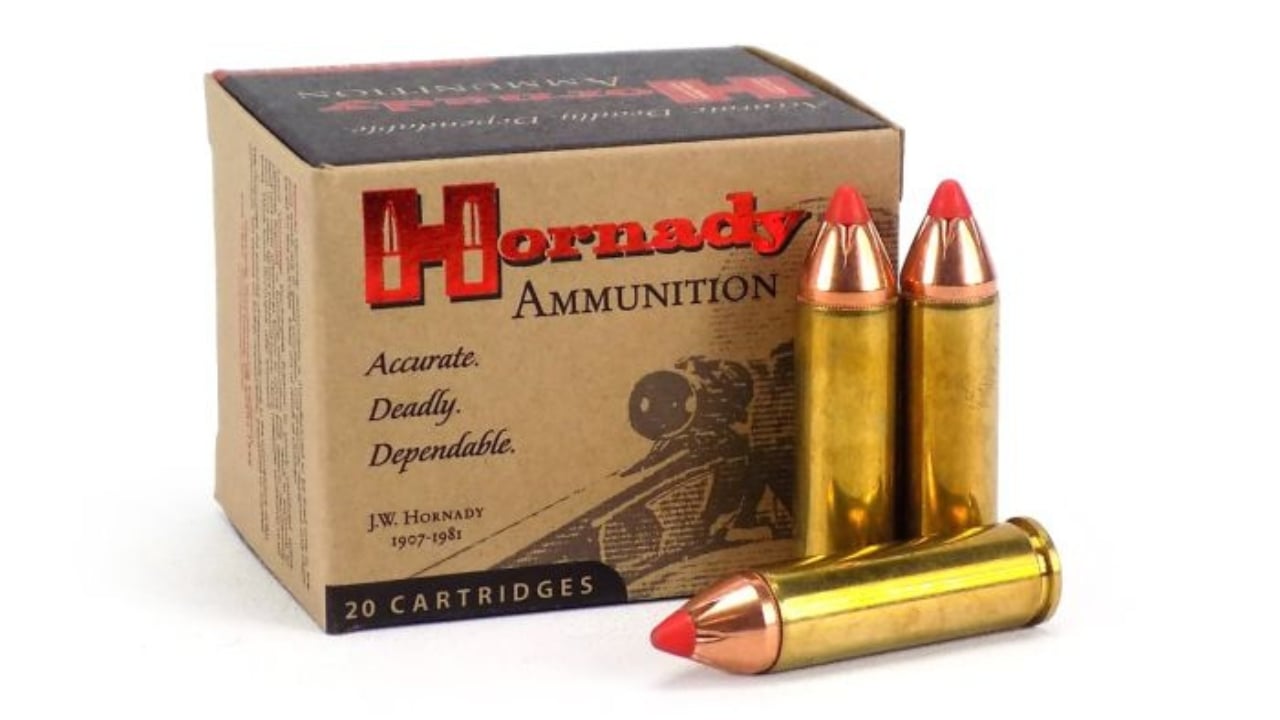
The .500 S&W Magnum from a rifle is powerful, loud, and memorable. It can be used on big hogs, bears, and short-range heavy game. But it is also the kind of setup that makes guides wonder why the client did not just bring a practical rifle.
It kicks, it costs plenty to shoot, and it gives up range quickly. For specialized close-cover hunting, it has a role. For most guided hunts, it is more of a conversation piece than a smart recommendation. Guides tend to prefer boring cartridges that make clean kills easy.
6.5-300 Weatherby Magnum

The 6.5-300 Weatherby Magnum is fast, flat, and technically impressive. It can be devastating in open country with the right bullet. But guides may not love seeing it because it encourages long shots, creates serious muzzle blast, and can be hard on barrels.
A client who truly knows the rifle may do fine with it. The average hunter may not. Guides are usually happier with a cartridge that encourages controlled shooting instead of speed worship. The 6.5-300 can perform, but it can also make hunters think they are more prepared than they really are.
.26 Nosler
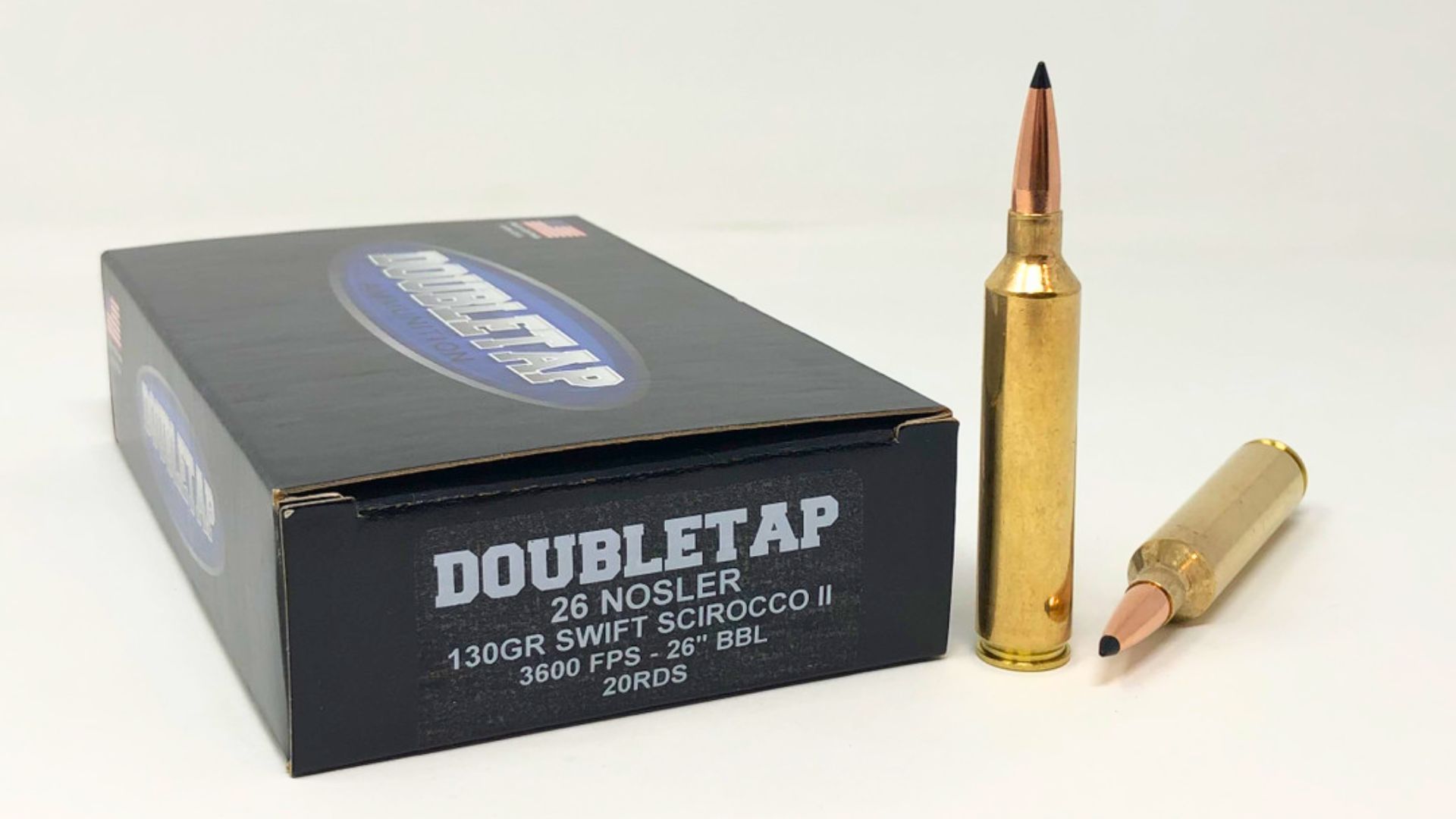
The .26 Nosler has similar problems. It is very fast, very flat, and very capable in the right hands. But it is also expensive to shoot, hard on barrels, and more cartridge than most deer hunters need. It can turn practice into something people avoid.
Guides do not care how fast a bullet starts if the client cannot place it under pressure. The .26 Nosler can be excellent for skilled open-country hunters, but as a general client rifle it raises questions. Too much speed and too little practice is a bad trade.
.28 Nosler

The .28 Nosler is powerful and effective, but guides may still tell some clients to leave it home. It shoots flat and hits hard, which makes it tempting for elk and mule deer. But it also kicks, costs more to feed, and can create overconfidence at distance.
For a practiced shooter, the .28 Nosler is a serious tool. For a hunter who bought it because bigger numbers looked safer, it may be trouble. Guides often prefer a client with a milder rifle they shoot well over a magnum they only tolerate.
.30-378 Weatherby Magnum
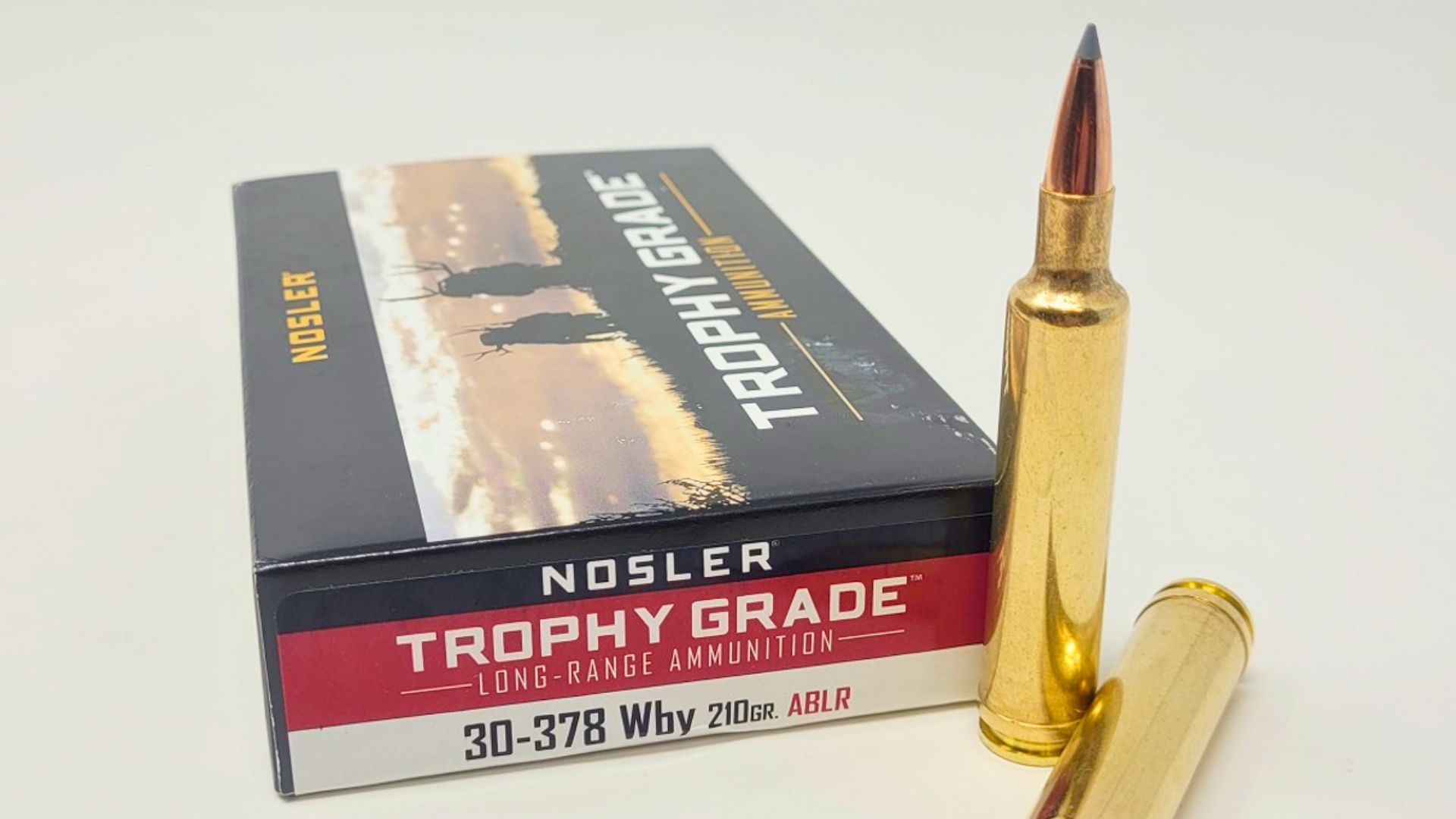
The .30-378 Weatherby Magnum looks impressive on paper and feels dramatic at the bench. That is not always a compliment. It burns a lot of powder, creates heavy recoil and blast, and can make practice expensive and unpleasant.
Guides usually do not want clients bringing a rifle they are afraid to shoot. The .30-378 can perform at long range in expert hands, but most guided hunts do not require that kind of horsepower. A simpler .300 Win. Mag., .30-06, or 7mm Rem. Mag. is often the better answer.
.338 Lapua Magnum

The .338 Lapua Magnum is a great cartridge for the role it was built to fill. That role is not normal guided deer, elk, or antelope hunting. Rifles are heavy, ammunition is expensive, and the blast can be brutal. It is too much gun for most hunting situations.
Guides may quietly dislike seeing one because it often signals the wrong mindset. A client may be thinking about extreme distance before proving they can make ordinary field shots cleanly. The .338 Lapua is impressive, but guides tend to trust practical hunters more than impressive equipment.
.45-70 Government with hot loads

The .45-70 Government is not the problem. Hot modern loads in lightweight rifles are the problem. A heavy .45-70 load can hammer big animals at close range, but it can also hammer the shooter hard enough to create flinching and slow follow-up shots.
Guides do not want clients choosing ammunition based on the most powerful box on the shelf. For deer and hogs, moderate loads usually work fine. When a client shows up with shoulder-crushing loads for ordinary game, a guide may quietly wish they had picked something easier to shoot.
Like The Avid Outdoorsman’s content? Subscribe to our newsletter so you never miss an article.
Here’s more from us: