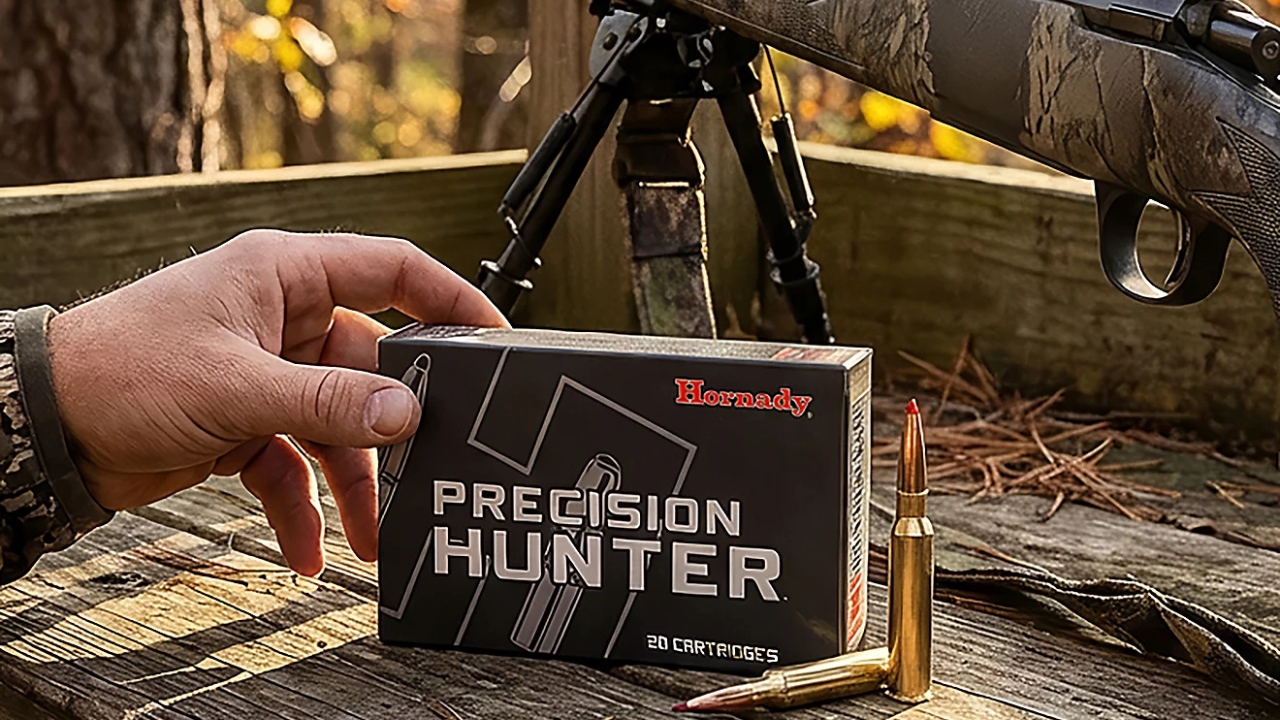
Photo credit: Academy Sports
Big cartridges are easy to brag about until it is time to shoot them well. On paper, extra speed and power look comforting. In the field, that same power can mean flinching, heavier rifles, expensive ammo, loud muzzle brakes, bruised shoulders, and hunters who dread practicing before season.
That does not mean these calibers are useless. Most of them are extremely capable in the right hands and for the right game. The problem is that many hunters buy them for jobs a milder cartridge would handle just fine. When the recoil, blast, and cost start working against the shooter, all that extra horsepower becomes more trouble than it is worth.
.300 Remington Ultra Magnum
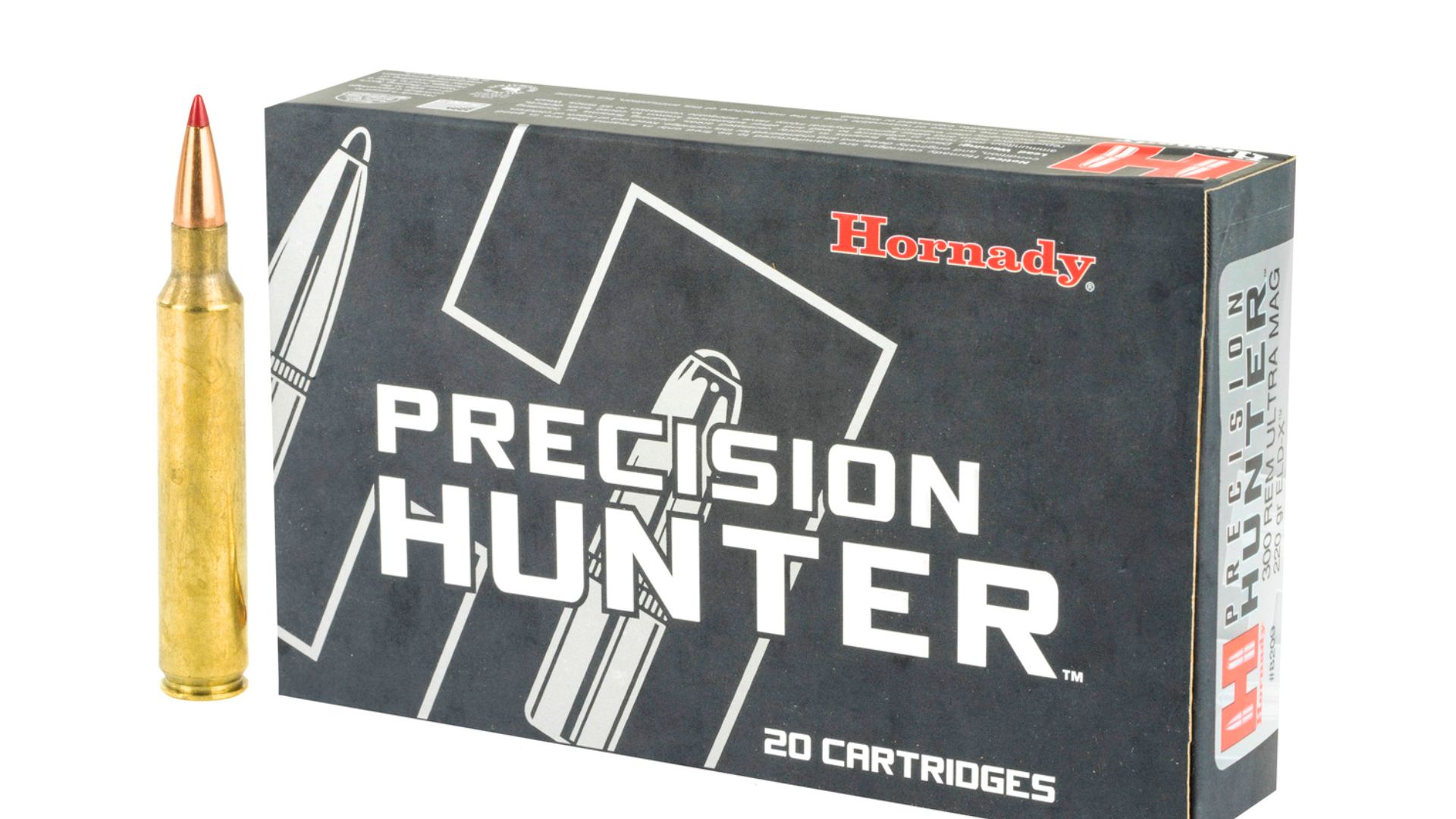
The .300 Remington Ultra Magnum is a beast of a cartridge. It throws .30-caliber bullets fast, hits hard, and can handle elk, moose, mule deer, and long-range work with authority. Nobody can honestly call it weak.
The trouble is that most hunters do not need that much rifle. In lighter hunting guns, the recoil can be nasty, and many shooters end up using brakes that make the rifle miserable to be around. For deer and normal elk distances, a .30-06, .308, 7mm Rem. Mag., or .300 Win. Mag. is usually far easier to live with.
.300 Weatherby Magnum

The .300 Weatherby Magnum has a long history of serious performance, but it is also more cartridge than a lot of hunters actually need. It shoots flat, hits hard, and carries energy well at distance. That is great if you are hunting big country and can shoot it properly.
The problem is the price you pay in recoil, muzzle blast, rifle length, and ammunition cost. For the average whitetail hunter sitting over a feeder or food plot, it is complete overkill. Even for elk, many hunters shoot milder rounds better, and better shooting beats extra velocity every time.
.30-378 Weatherby Magnum

The .30-378 Weatherby Magnum is one of those cartridges that sounds impressive before you start looking at the tradeoffs. It can send heavy .30-caliber bullets extremely fast, and it has the kind of long-range power that makes ballistic charts look exciting.
But for normal hunting, it is a handful. It burns a mountain of powder, kicks hard, produces brutal muzzle blast, and is rough on barrels. Unless someone is truly set up for long-range hunting and willing to practice with it, the .30-378 can become a loud, expensive way to miss or flinch.
.300 PRC

The .300 PRC is a modern, well-designed magnum, and it absolutely has a place. It handles long, heavy bullets well and makes sense for serious long-range shooters and hunters who know what they are doing. The issue is not the cartridge. The issue is how casually some people buy it.
For a hunter who mostly shoots deer inside 300 yards, the .300 PRC is usually too much rifle. Ammo is expensive, rifles are often heavier, recoil is real, and the benefits do not show up unless the shooter has the skill to use them. A lot of hunters would be better served by something they can afford to shoot more often.
.338 Lapua Magnum

The .338 Lapua Magnum was never meant to be a casual deer cartridge, but some people still treat it like the ultimate answer for everything. It is powerful, accurate, and built for serious long-distance work. In that role, it is impressive.
For hunting, though, it is often absurd. The rifles are heavy, the ammo is expensive, the recoil and blast are intense, and the cartridge is far beyond what is needed for deer, hogs, black bear, or normal elk hunting. It is a specialized long-range round, not a smart everyday hunting choice.
.338 Remington Ultra Magnum

The .338 Remington Ultra Magnum has enough horsepower for very large animals, but it also has enough recoil to punish the average shooter. It can make sense for elk, moose, and bears in skilled hands, especially where longer shots are possible.
Most hunters still do not need it. A cartridge this powerful can make practice unpleasant, and that is where problems start. If a hunter only fires a few rounds before season because the rifle hurts, the extra power is not helping. A well-shot .30-06, .300 Win. Mag., or .338 Win. Mag. is usually more useful than a poorly handled .338 RUM.
.340 Weatherby Magnum
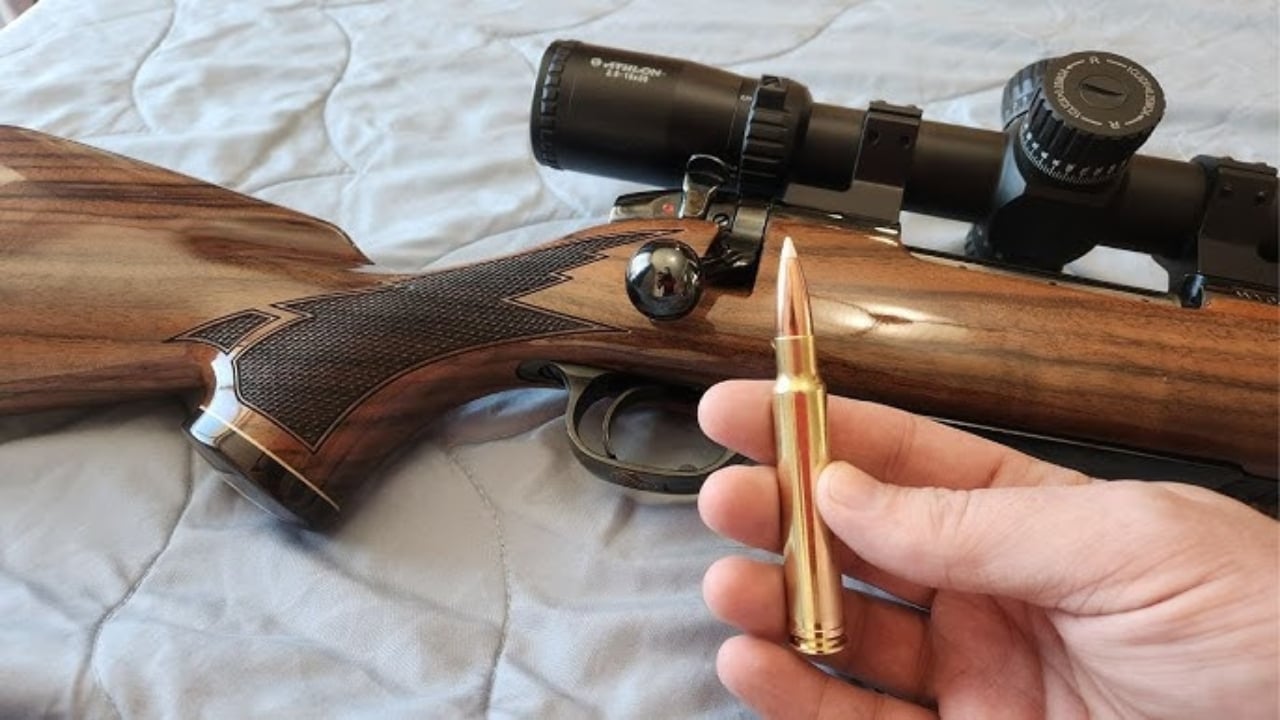
The .340 Weatherby Magnum is a serious elk, moose, and bear cartridge. It shoots flat for its bore size, hits hard, and gives hunters a lot of confidence on big animals. That confidence can be earned if the shooter can actually manage the rifle.
The problem is that many cannot. Recoil is heavy, muzzle blast is sharp, and ammunition is not cheap. For most hunters, the .340 Weatherby lives past the point of practical benefit. It is impressive, but impressive is not the same as useful when the shooter starts flinching.
.338-378 Weatherby Magnum

The .338-378 Weatherby Magnum is more cartridge than nearly anyone needs for ordinary hunting. It has serious long-range power and can push heavy bullets at ridiculous speeds. For specialized work, it is capable.
For most field use, it is a headache. Rifles are heavy, barrels do not live forever, ammunition is expensive, and recoil demands respect. A hunter who buys one for deer or average elk hunting is usually buying bragging rights, not a practical advantage. There are easier ways to kill big game cleanly.
.375 H&H Magnum
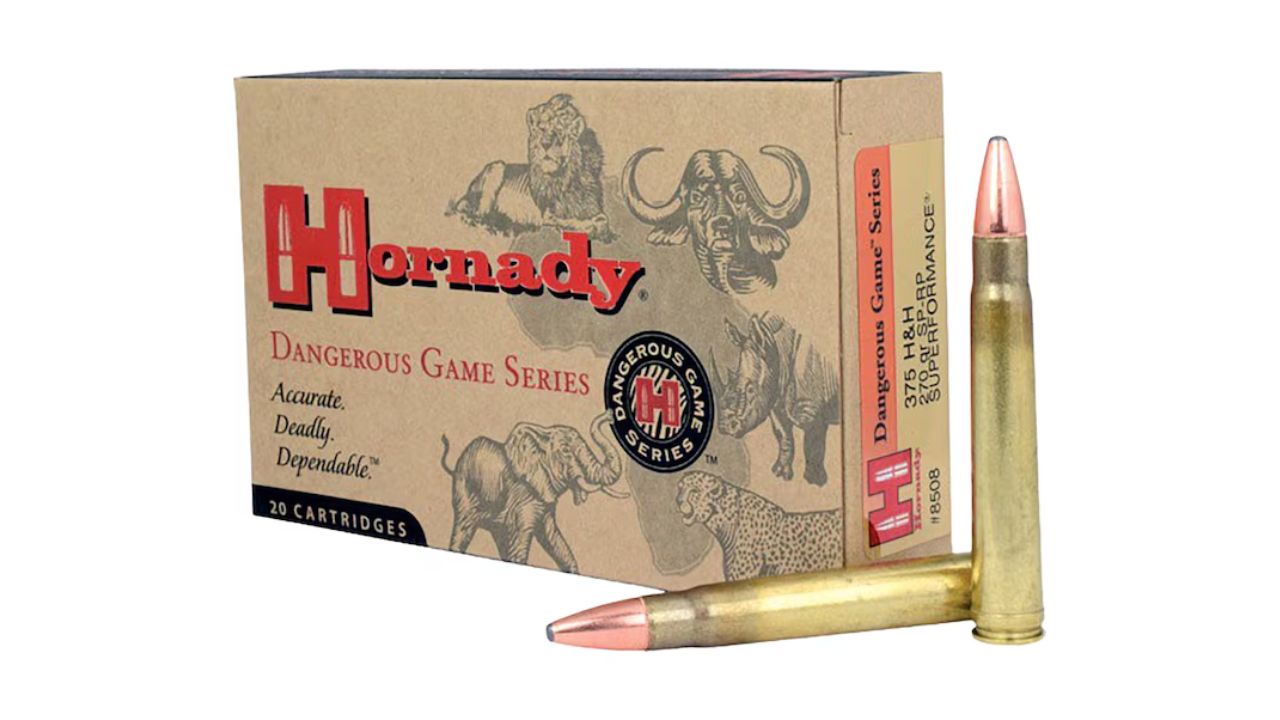
The .375 H&H Magnum is one of the great dangerous-game cartridges, and it earned that reputation honestly. For buffalo, big bears, and heavy game, it has real purpose. The issue is when hunters drag it into situations where a normal rifle would do the job better.
For whitetails, mule deer, hogs, and most elk hunting, it is simply too much gun. The recoil is heavier, the rifle is usually bigger, and the ammunition costs more than most hunters want to burn for practice. Unless the hunt calls for dangerous-game authority, the .375 H&H is more romance than necessity.
.375 Ruger
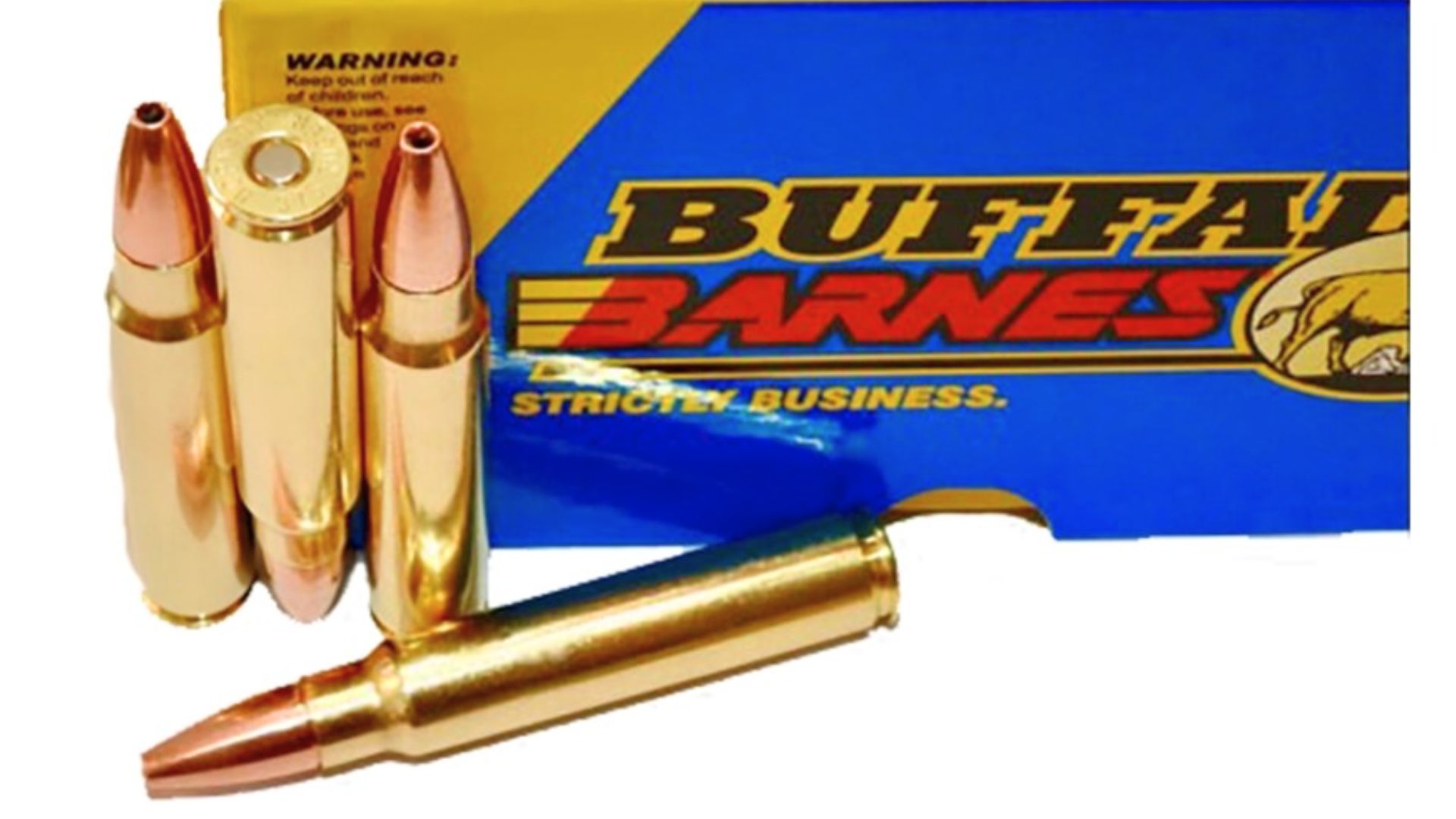
The .375 Ruger gives hunters .375 H&H-level performance in a shorter action, which is a useful idea. It is powerful, efficient, and serious enough for big bears and heavy animals. In Alaska or Africa, it can make perfect sense.
But as an all-around hunting cartridge, it is more than most people need. A lot of hunters buy big because they want insurance, then discover the rifle is not much fun to shoot. For deer and elk in the Lower 48, the .375 Ruger usually creates more recoil and cost than benefit.
.416 Remington Magnum
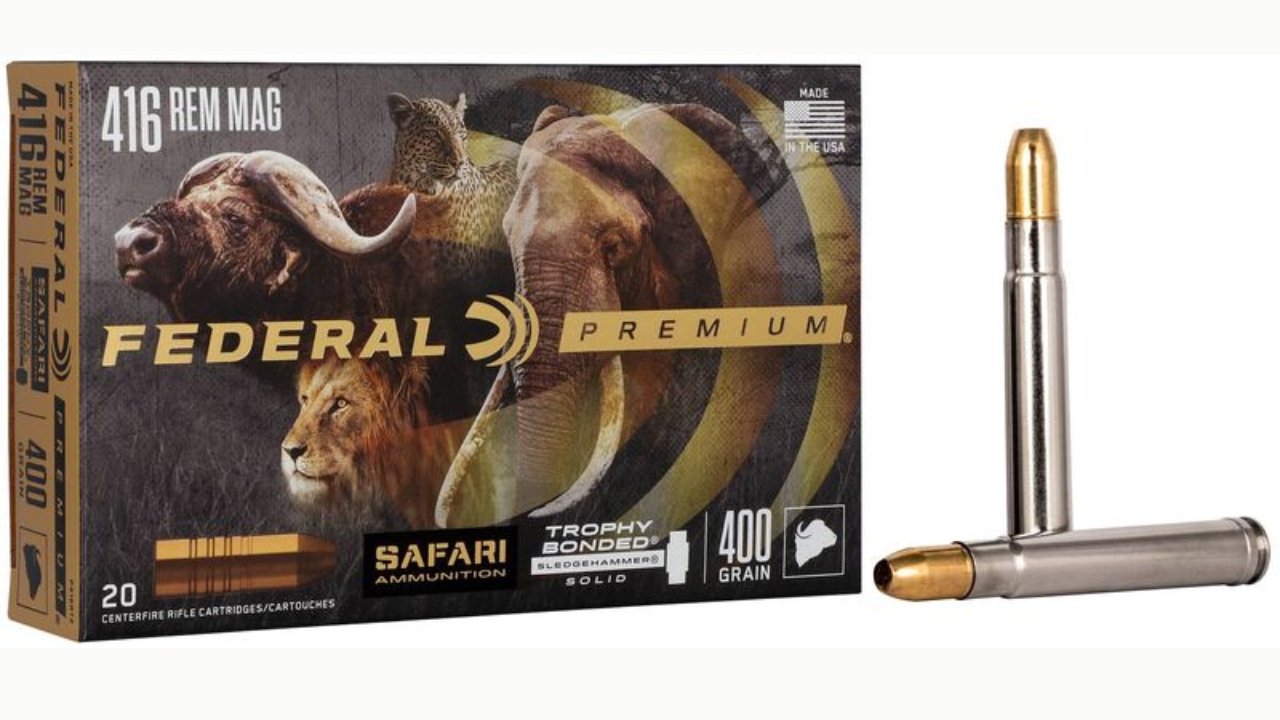
The .416 Remington Magnum is built for dangerous game, and that is where it belongs. It throws heavy bullets with authority and gives professional hunters and serious big-game hunters the power they need when animals can hurt them back.
Outside that world, it is ridiculous for normal hunting. A .416 is not a better deer rifle just because it is powerful. It is heavy, expensive to feed, and punishing to practice with. For most American hunters, owning one is more about wanting a serious rifle than needing one.
.416 Rigby
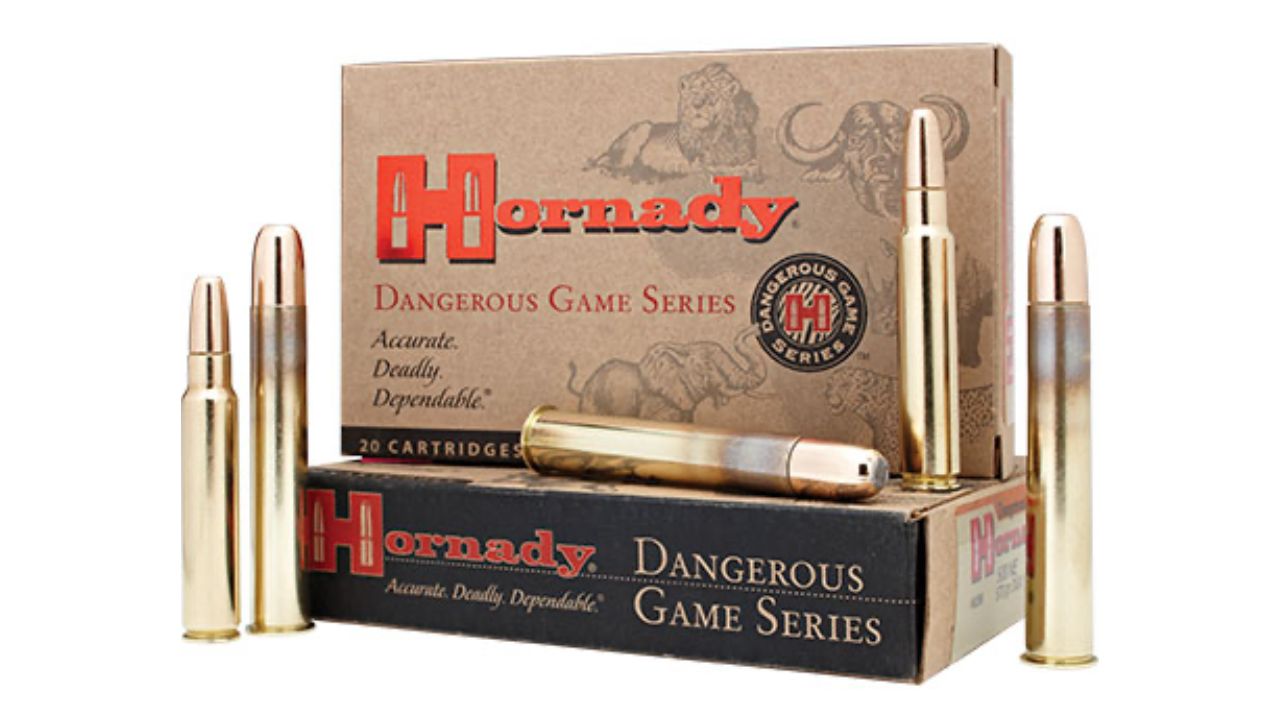
The .416 Rigby has old-school big-game appeal, and it is hard not to respect it. It has taken dangerous game all over the world and still carries a certain romance. But romance does not make it practical for the average hunter.
For anything short of the largest and most dangerous animals, it is too much cartridge. The rifles are large, the ammo is expensive, and the recoil is beyond what most hunters will train with comfortably. It is a magnificent cartridge in the right place and a poor fit almost everywhere else.
.458 Winchester Magnum
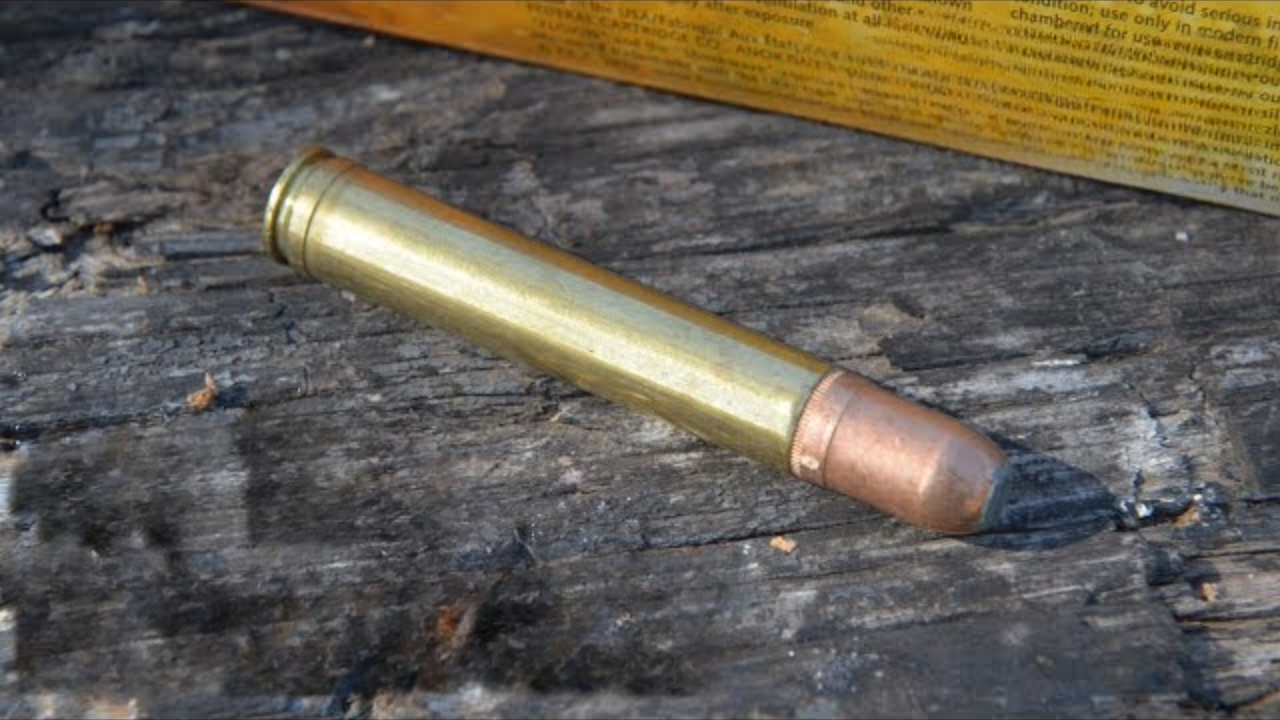
The .458 Winchester Magnum is another cartridge that makes sense when dangerous game is on the menu. It was built to drive heavy bullets into very large animals at close range. That is not a job most hunters face.
For deer, hogs, black bear, or elk, it is mostly a punishment device. The trajectory is not friendly, the recoil is heavy, and the rifle gives up a lot of practical field usefulness. A hunter carrying one for normal game is usually making the hunt harder, not better.
.458 Lott
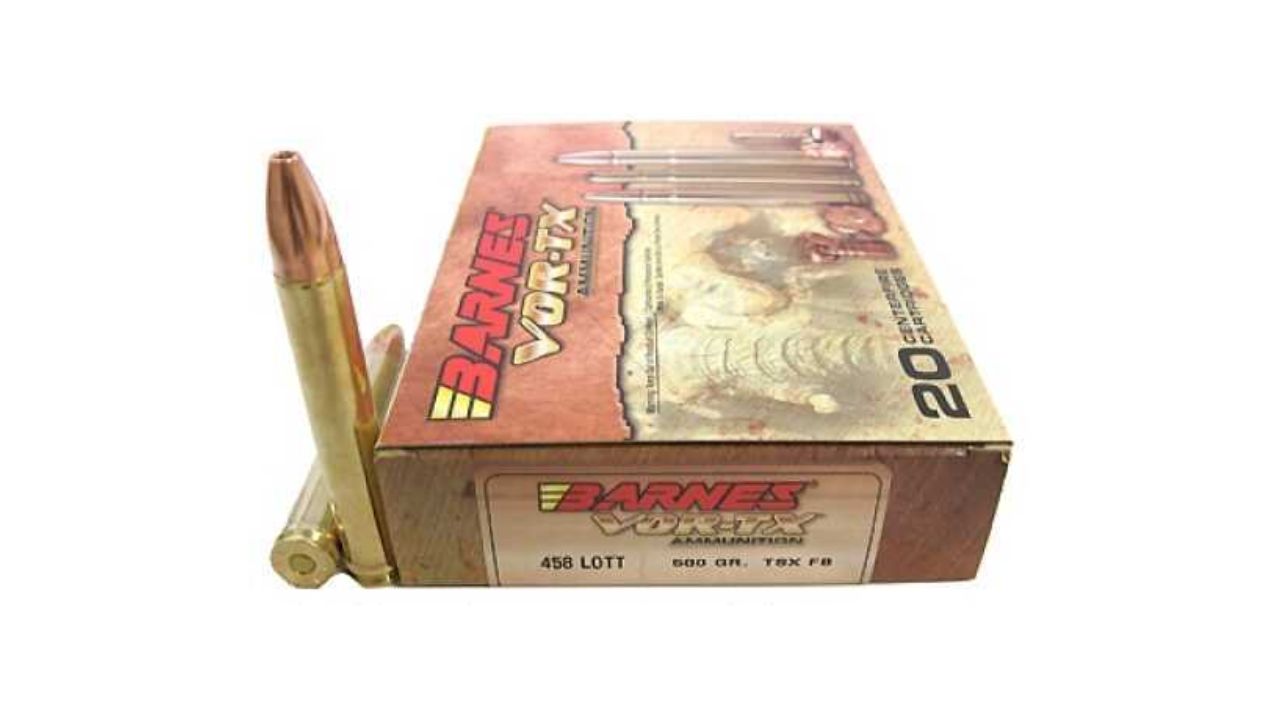
The .458 Lott exists because some hunters and professional guides wanted more than the .458 Winchester Magnum could reliably offer. It is a serious cartridge for serious dangerous-game work. Nobody should pretend it lacks authority.
But for normal hunting, it is far beyond useful. Recoil is severe, ammo is expensive, and rifles chambered for it are not something most people want to carry all day. Unless a hunter is chasing buffalo, elephant, or stopping big bears at close range, the .458 Lott is more trouble than it is worth.
.45-70 Government with heavy modern loads

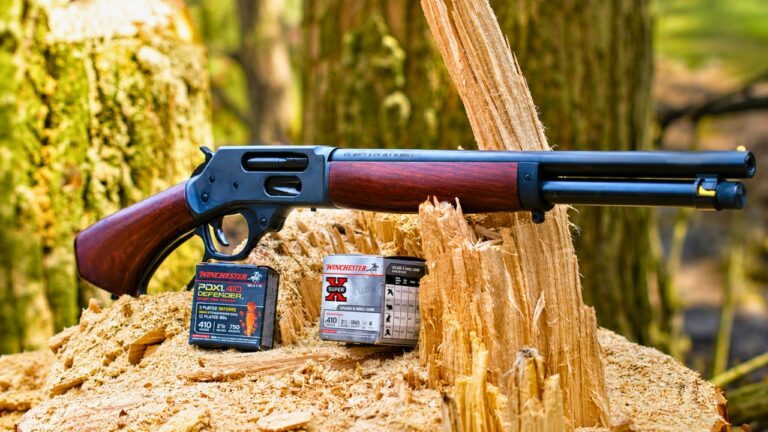
The .45-70 Government is a great cartridge in the right rifle, but heavy modern loads can turn it into a shoulder-busting handful. In strong lever guns and single-shots, the .45-70 can be loaded far beyond the soft old blackpowder-style loads many people imagine.
That power is useful for bears, hogs, and close-range heavy game. It is not necessary for most deer hunting. Too many hunters buy heavy loads because they sound tough, then realize they are slower with follow-up shots and less eager to practice. A moderate .45-70 load is often plenty.
.444 Marlin
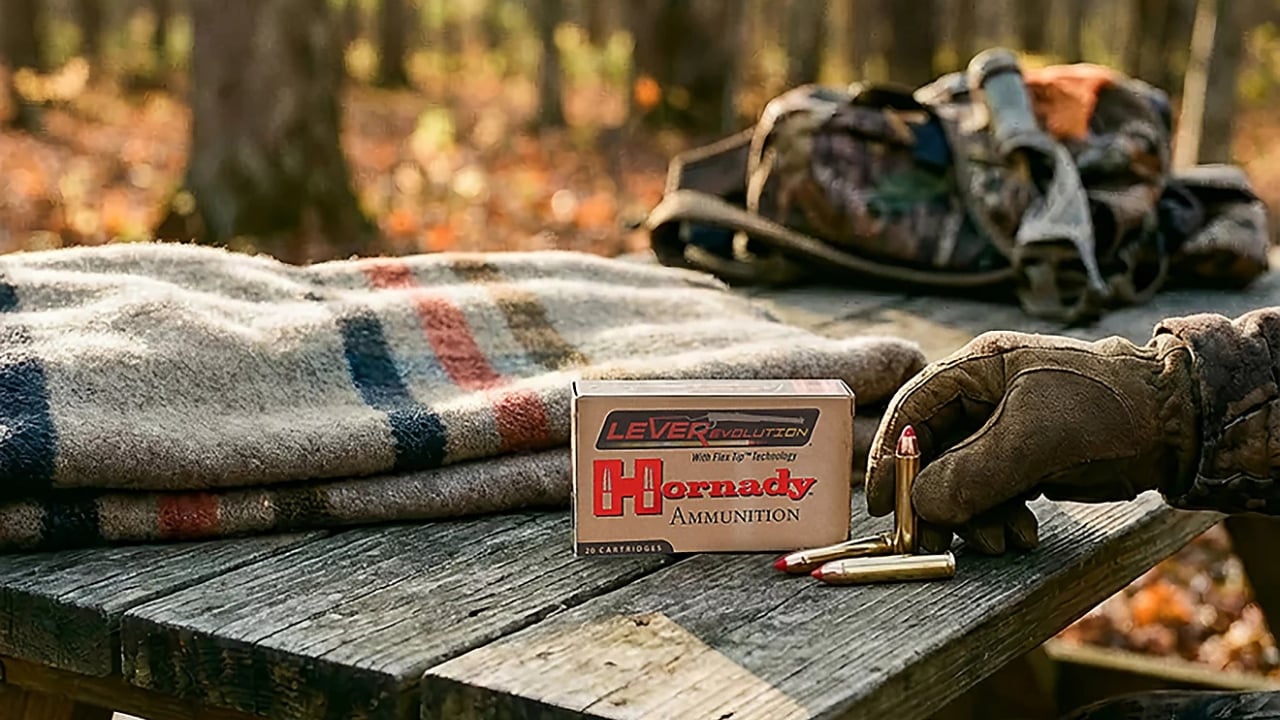
The .444 Marlin is a hard-hitting lever-action cartridge, and in the woods it can do good work. It throws heavy bullets, hits with authority, and has a loyal following among hunters who like big-bore lever guns.
The trouble is that it is specialized. It kicks more than many deer hunters need, has a curved trajectory, and does not offer the same ammo availability as more common rounds. For thick timber it can make sense. For the average hunter who wants one practical rifle, it is often more cartridge and more hassle than needed.
.450 Marlin
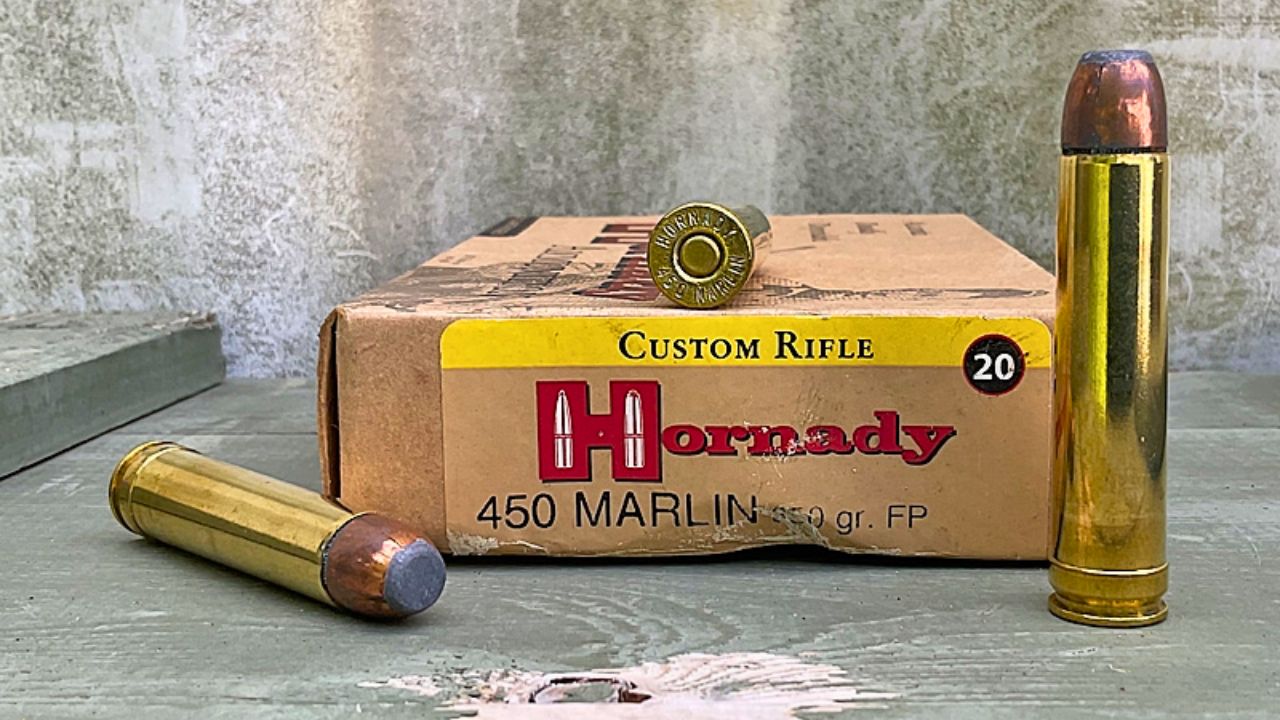
The .450 Marlin was designed to give hunters modern big-bore lever-action power without confusing it with old .45-70 load levels. It is strong, serious, and capable on large animals at moderate range. That part is not the problem.
The problem is that it never became common enough to be easy. Ammo availability can be frustrating, recoil is stout, and its useful range is still limited compared with standard bottleneck hunting cartridges. For many hunters, it brings the pain of a big-bore lever gun without enough advantage over a well-loaded .45-70.
.450 Bushmaster

The .450 Bushmaster has a real role in straight-wall states, where it gives deer hunters a powerful rifle option in places that used to be shotgun-only. Inside reasonable range, it hits hard and works.
Outside that niche, it can become too much trouble. It recoils more than some hunters expect, drops faster than common bottleneck deer cartridges, and is not as pleasant for long practice sessions. If straight-wall rules do not apply, plenty of hunters would be better off with a .243, .270, .308, or 7mm-08.
12-gauge rifled slug loads

A 12-gauge slug is not a rifle cartridge, but it belongs in this conversation because many hunters used it like one for years. Rifled slug guns and modern sabot loads can kill deer cleanly, especially in shotgun-only areas. They also kick hard, cost plenty, and are not fun for many hunters to shoot.
Now that straight-wall rifle cartridges are legal in many places, plenty of hunters have left heavy slug guns behind. It is easy to see why. A .350 Legend, .450 Bushmaster, or similar rifle usually shoots easier and gives better accuracy with less punishment. The 12-gauge slug still works, but it is often more trouble than hunters need.
.50 BMG

The .50 BMG is the extreme example of power being completely beside the point. It is massive, expensive, loud, heavy, and built for a role that has almost nothing to do with normal hunting. Yes, it can launch a huge bullet very far. That does not make it a sensible hunting cartridge.
For practical hunting, it is absurd. The rifles are too heavy, the blast is brutal, and the cartridge creates more problems than it solves. A hunter who needs a clean kill on deer, elk, hogs, or bear has dozens of better choices. The .50 BMG is impressive, but in the deer woods it is mostly a way to make everyone roll their eyes.
Like The Avid Outdoorsman’s content? Subscribe to our newsletter so you never miss an article.
Here’s more from us: