Photo credit: WHO_TEE_WHO/YouTube
Some pistols leave such a forgettable shooting impression that nobody circles back for a second try. They might look fine in the case, but once you’re behind the sights, the rough triggers, odd recoil impulses, or awkward controls start showing themselves.
These are the handguns shooters hand back with a quick nod, usually followed by a quiet decision not to borrow them again. Experience teaches you which designs hold up on the range and which ones turn into a lesson you don’t need twice.
Remington R51

The Remington R51 had ambitious ideas behind it, but the real-world shooting experience didn’t land well. The hesitation during cycling and the inconsistent trigger break make the gun feel unpredictable. Borrowers often need a few rounds just to understand how it wants to run.
Once you start pushing it a little harder, the slide velocity and hand positioning become concerns. Many shooters walk away feeling like the design demands more adjustment than it’s worth, so they rarely ask to shoot it again.
Astra A-75
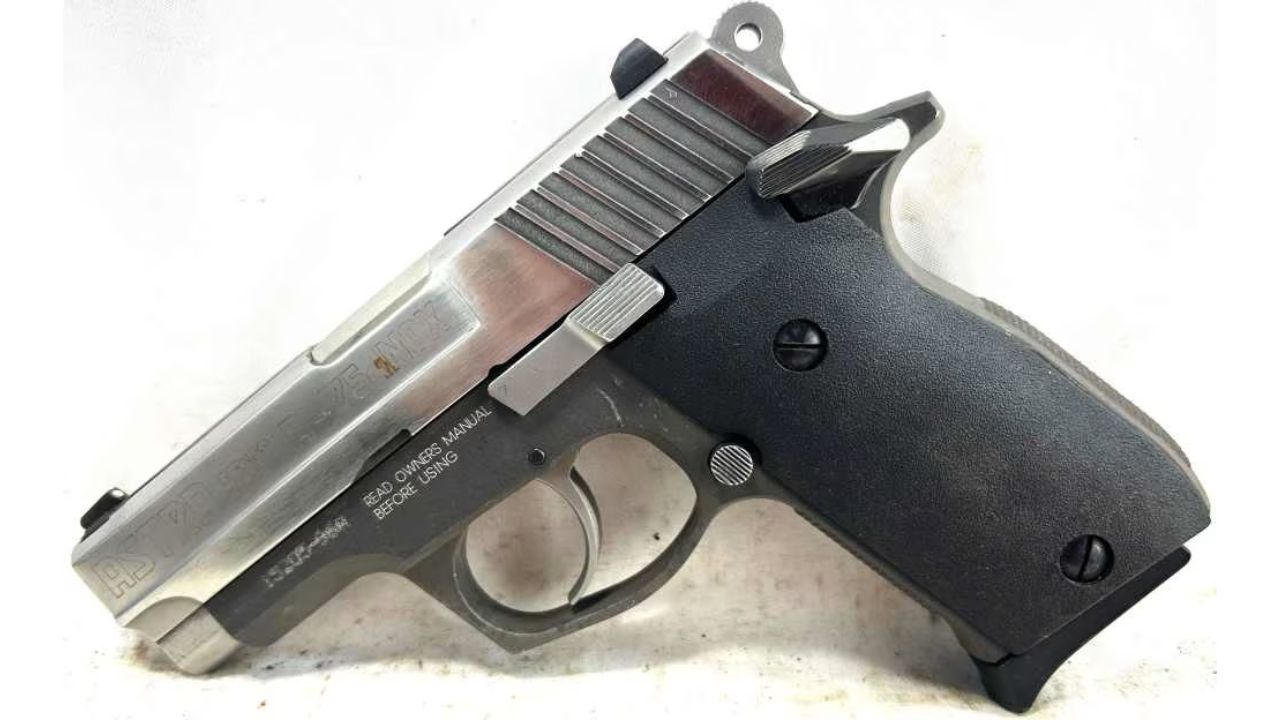
The Astra A-75 brings old-school charm, but the dense frame and stout recoil for its size make it less approachable for new hands. The double-action pull is heavy, and the transition into single action can feel abrupt until you learn it.
While it’s reliable, the gun doesn’t have the smoothness of more refined compacts. Borrowers tend to respect it but move on quickly, especially after noticing how much work it takes to keep groups tight.
CZ 100
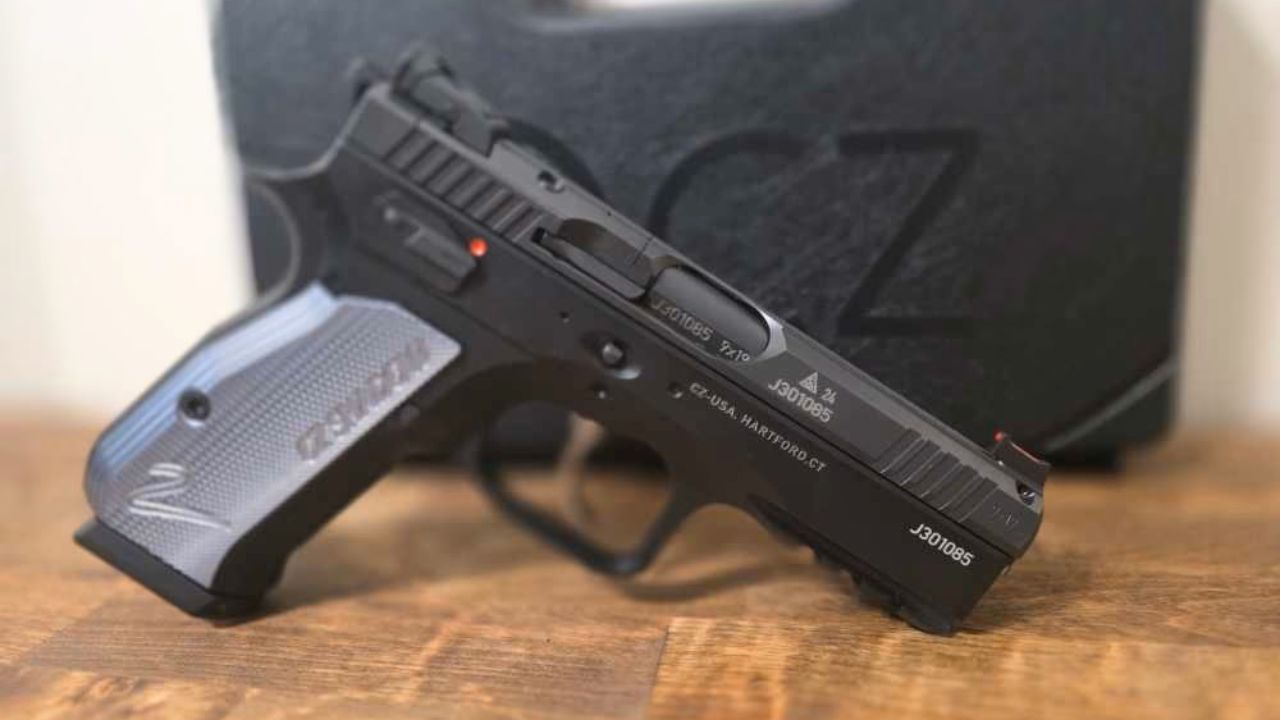
CZ nailed many designs, but the CZ 100 remains one of its most polarizing models. The early striker-fired trigger is long and springy, making it hard for shooters to find a rhythm. It’s one of those guns that feels like it’s working against you.
Recoil is manageable, but the ergonomics don’t support faster strings. Most people trying it for the first time conclude that one magazine is plenty.
Walther PPS (First Generation)

The first-generation PPS is slim and dependable, but the sharp grip edges make the recoil feel more dramatic than it is. Borrowers with larger hands often complain about hot spots developing quickly.
The trigger also has a spongy feel compared to newer Walther designs. While it carries well, it’s not a gun most range partners request twice once they feel how it behaves in live fire.
Detonics CombatMaster
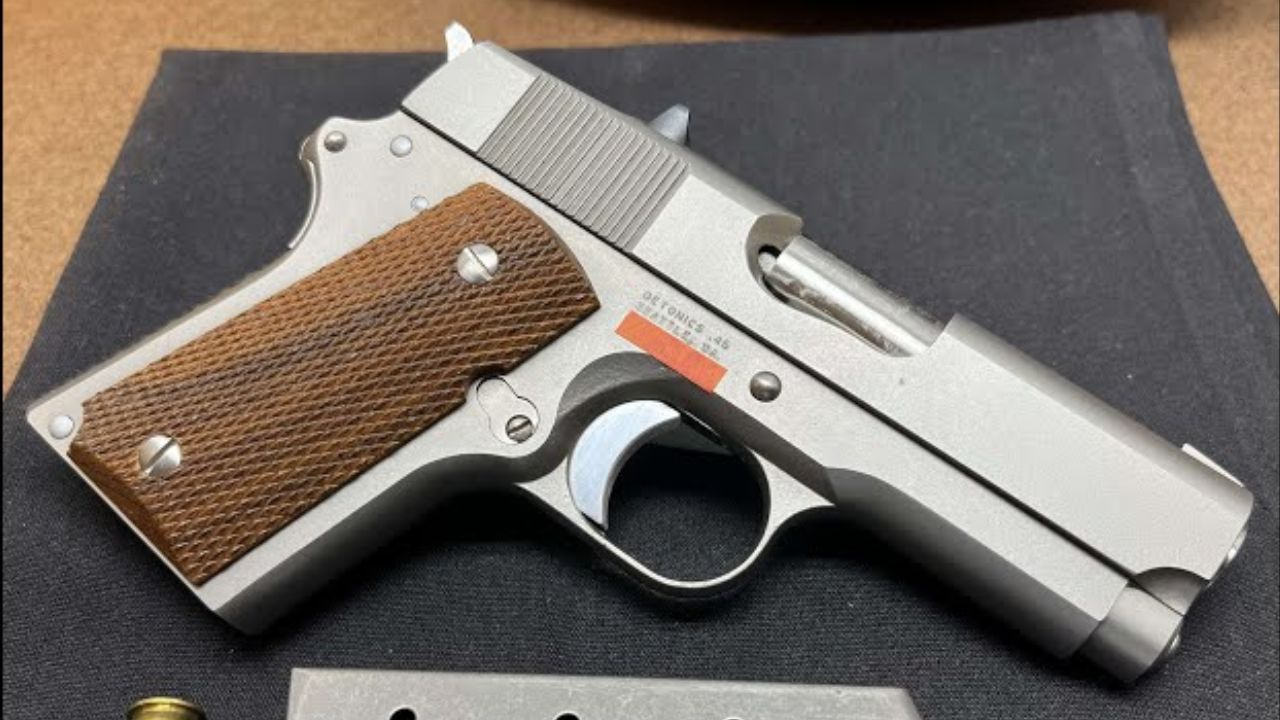
The Detonics CombatMaster is a fascinating, compact take on the 1911 format, but the shooting experience demands discipline. The short sight radius and lively recoil make it unforgiving for anyone who isn’t already familiar with snub-sized .45s.
It’s accurate in practiced hands, but for casual borrowers, the steep learning curve shows immediately. After one session, most shooters decide they’ve gotten everything they needed from the experience.
KelTec P40

The KelTec P40 is famously aggressive in recoil thanks to pairing .40 S&W with a featherweight frame. Borrowers usually need only a single magazine to understand why it wasn’t a long-lived model.
Control becomes a real challenge, and the long trigger pull doesn’t help precision. It’s functional, but not enjoyable enough for guests to request a second round.
Para-Ordnance LDA Carry

The LDA Carry offers an unusual trigger system that feels neither fully single-action nor traditional double-action. Borrowers often spend the first few rounds trying to understand the mechanics rather than focusing on shooting.
The grip angle and overall heft also slow things down. It’s steady, but not lively, and most shooters pass on shooting it again once they’ve satisfied their curiosity about the trigger.
Smith & Wesson Sigma SW9F
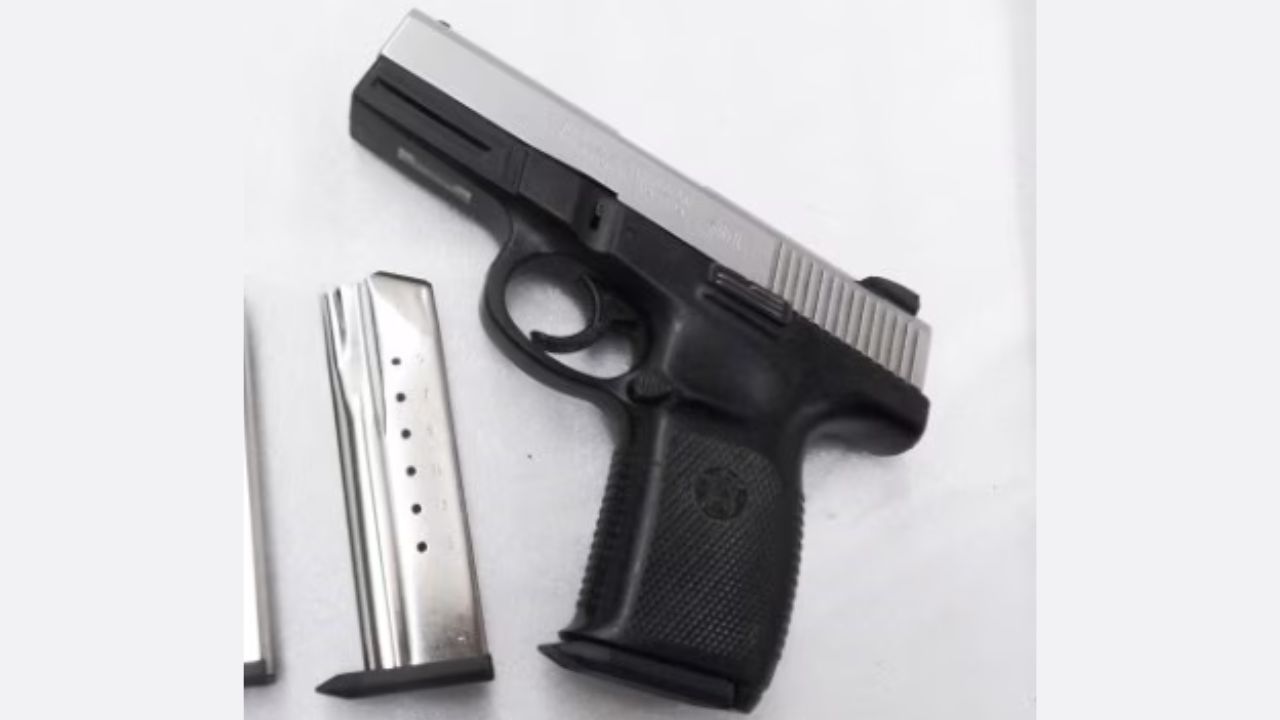
The Sigma SW9F has a reputation for a heavy trigger, and it becomes obvious as soon as someone unfamiliar pulls it for the first time. The pull feels long and gritty, which makes accuracy work harder than it needs to be.
Once fatigue sets in, shooters start dipping their shots. Borrowers rarely ask for a second run after realizing the trigger won’t soften up with any amount of coaching.
Steyr M9 (Early Trigger Variant)
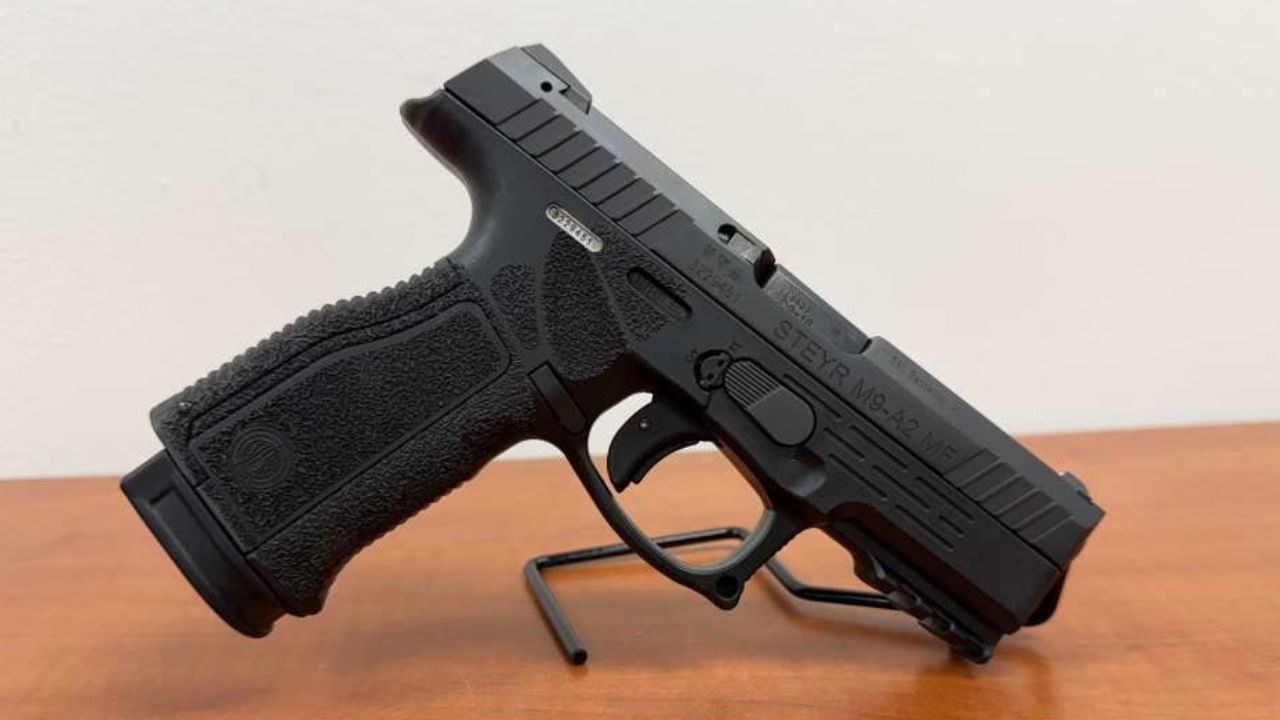
The Steyr M9 is respected today, but the earliest trigger variants felt inconsistent compared to the refined versions that came later. Breaks were unpredictable, and some shooters struggled to understand where the wall actually sat.
Pair that with an unconventional grip shape, and the gun can feel foreign to someone used to more traditional angles. Borrowing it once is usually enough for most people to get their fill.
Taurus 709 Slim (Early Production)

Early-run 709 Slim pistols had a habit of feeling twitchy under recoil. The small grip and light frame didn’t provide much confidence for newer shooters, and controlling it during rapid fire took real technique.
While later versions improved, the early feel stuck in memory. Borrowers often handed it back after one magazine, realizing it wasn’t the smooth, easy-running gun they expected.
EAA Witness Compact Polymer
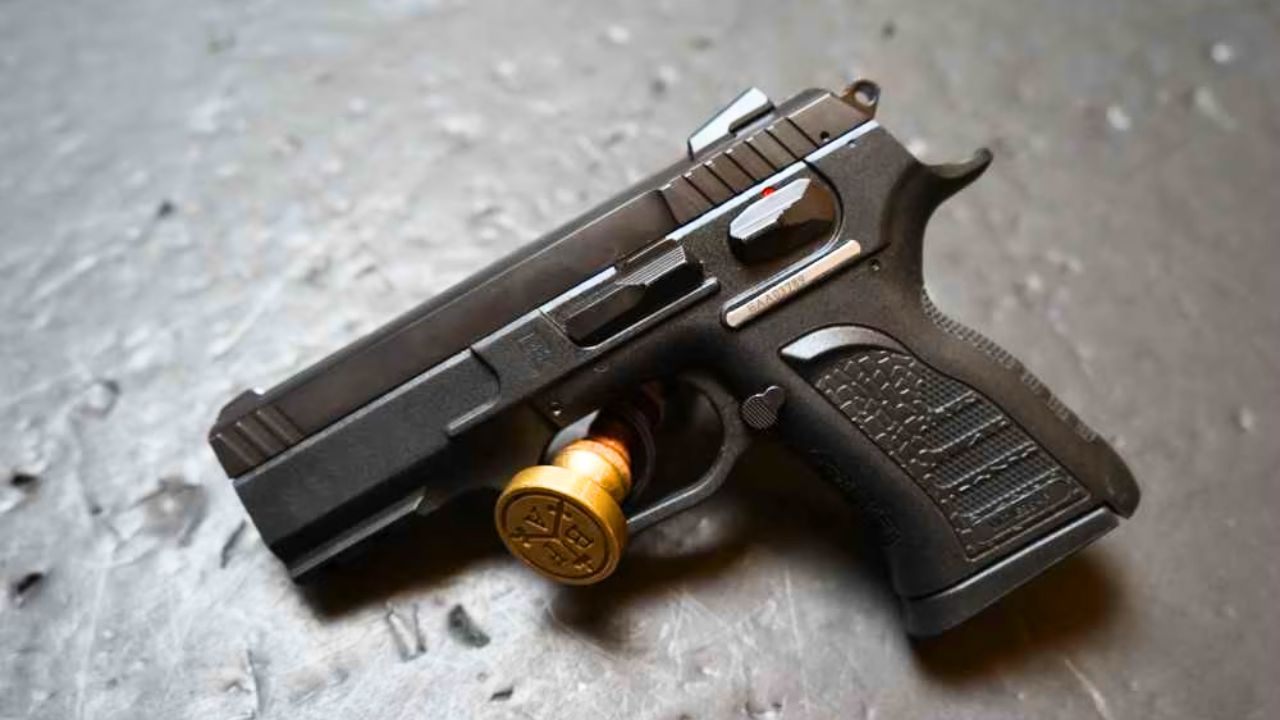
The Witness Compact Polymer gives you power in a lighter frame, but the tradeoff is a snappy, top-heavy feel during recoil. Shooters unfamiliar with the platform sometimes struggle to keep it flat.
The DA/SA transition also surprises new hands, and not always in a good way. It’s a capable gun, but not one people request twice once they feel how lively it gets under pressure.
Bersa Thunder UC Pro
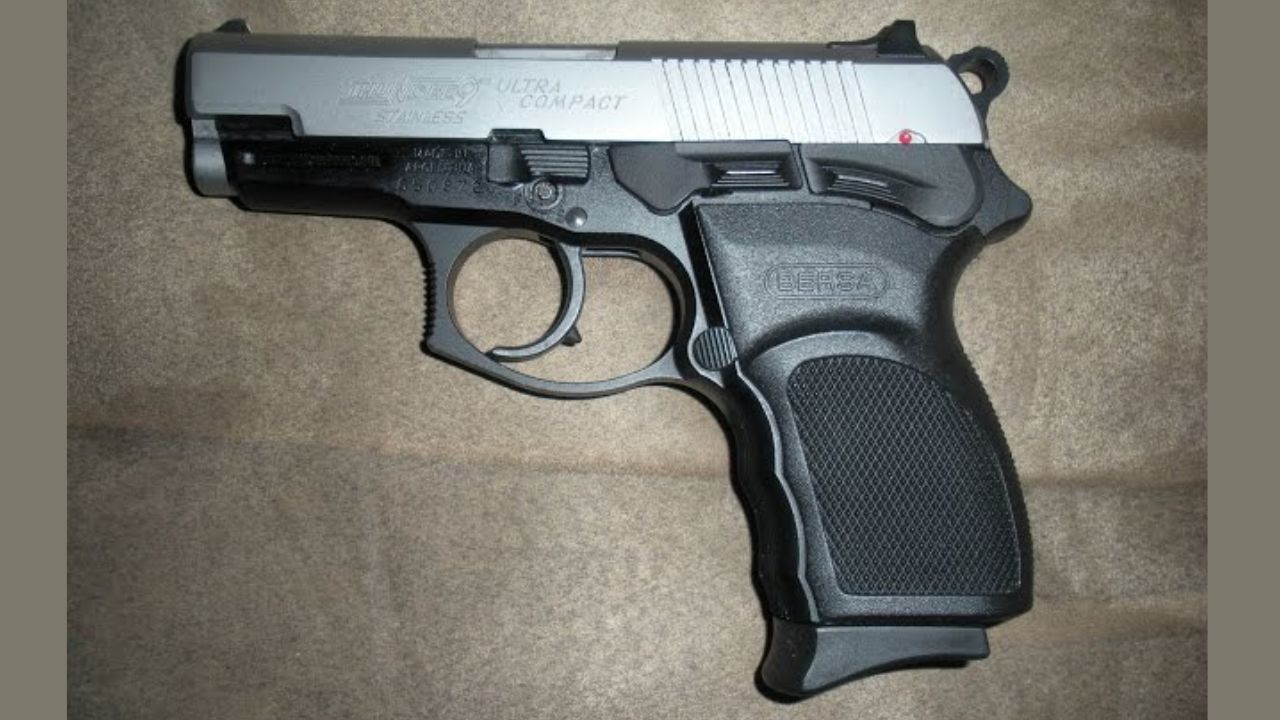
The Bersa Thunder UC Pro is reliable, but the recoil impulse feels sharper than many expect for a mid-size pistol. Borrowers sometimes comment on how abruptly the slide tracks back.
The trigger reset is also longer than people anticipate. After a few magazines, most shooters conclude it’s perfectly serviceable but not something they’re eager to revisit.
Star Firestar M43

The Firestar M43 is dense and rugged, but the weight distribution makes it feel harsher under recoil than comparably sized pistols. Shooters borrowing it often feel like it pushes straight back with little cushion.
The heavy trigger doesn’t help the experience. People usually appreciate the toughness of the design but move on without interest in a repeat session.
FN Forty-Nine
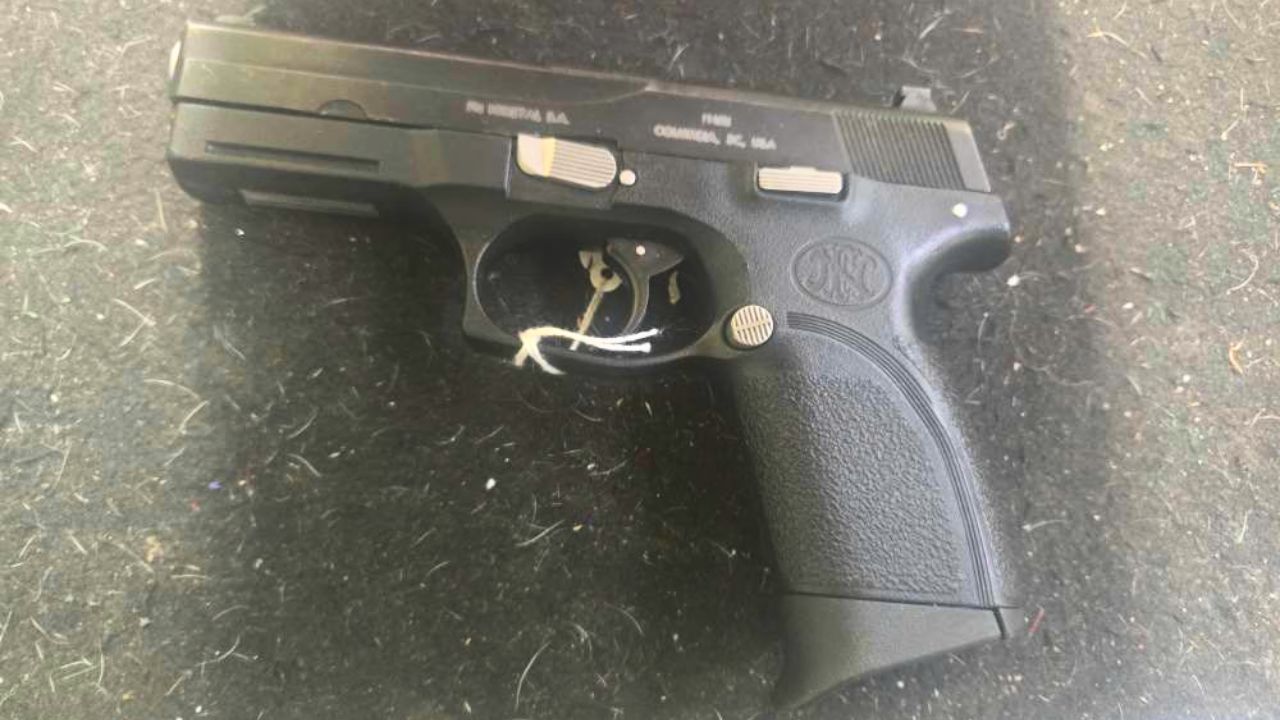
The FN Forty-Nine came before modern striker-fired refinement, and the trigger shows it. It’s long, heavy, and resistant all the way through, surprising anyone who’s expecting something smoother.
The ergonomics aren’t bad, but the overall feel never quite comes together. Borrowers get their curiosity out of the way quickly and rarely ask to try it again.
Smith & Wesson 59-Series (Early Production)
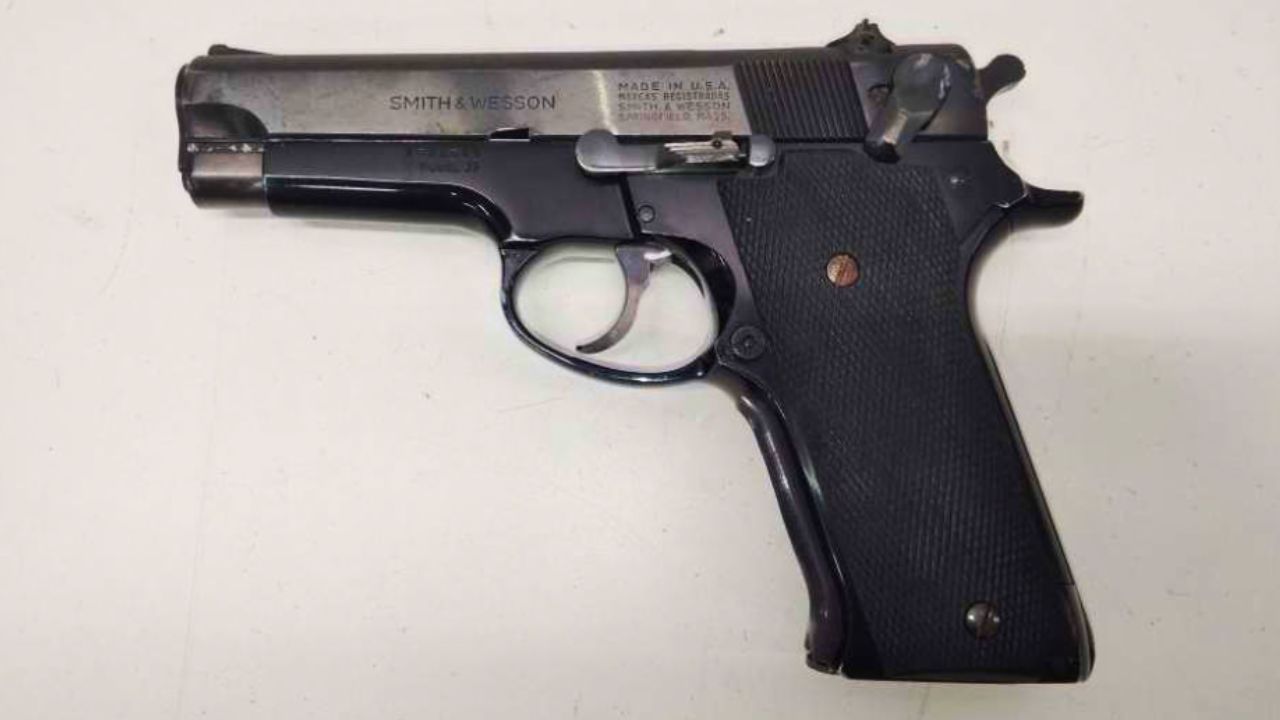
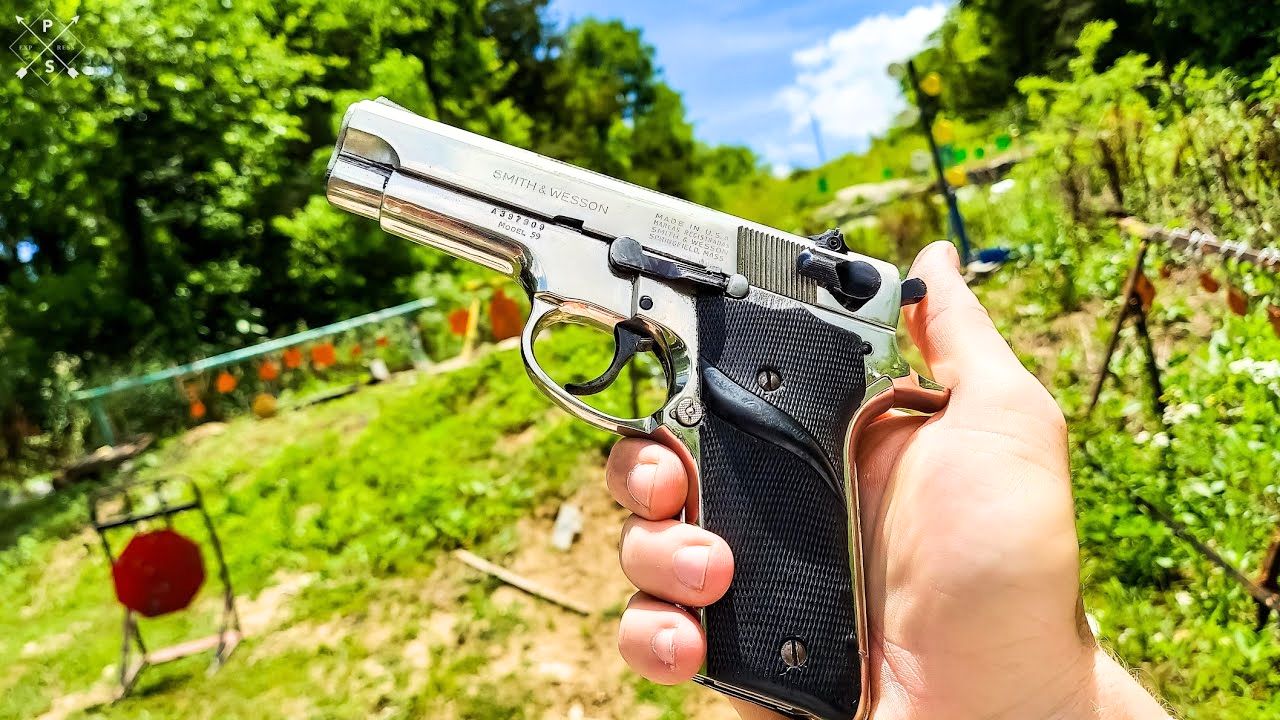
Early 59-series pistols have a loyal following, but the wide grip and dated trigger geometry can feel foreign to modern shooters. Borrowers often struggle with reach in double-action mode.
Once the shooting starts, the weight helps with recoil, but the transition into single action feels abrupt. It’s respected more than enjoyed, and most people don’t ask for another turn.
Like The Avid Outdoorsman’s content? Subscribe to our newsletter so you never miss an article.
Here’s more from us: