Photo credit: Rifleman/Shutterstock.com
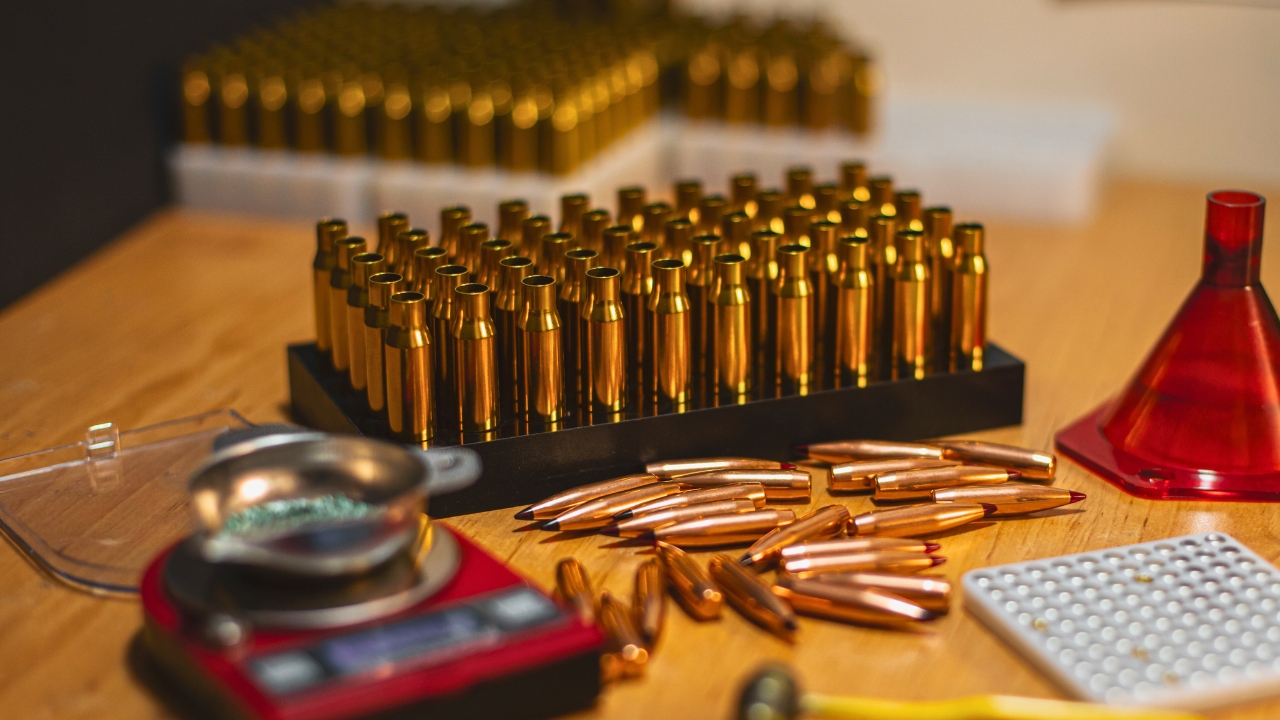
Reloading can be one of the most satisfying parts of shooting and hunting. You get tighter control over accuracy, tweak loads to your rifle, and stretch your ammo dollar. But that all goes out the window when you’re stuck babysitting brass, hunting for boutique components, or wasting hours trying to make a finicky cartridge behave. Some calibers, frankly, aren’t worth the bench time. Whether it’s poor case life, expensive dies, or loads that barely match factory performance, certain rounds give you more headache than help. If you’ve spent more time troubleshooting than shooting, you probably know exactly which ones I’m talking about. And if you haven’t yet, here’s your heads-up before you sink your paycheck into reloading gear that’ll collect dust.
.204 Ruger
The .204 Ruger might be fast, but it’s picky. Its small case capacity means you’re dealing with tight powder tolerances, and even minor overcharges spike pressures fast. Getting consistent velocity without blowing primers is a balancing act that wears thin after a few range sessions.
You’ll also find yourself trimming brass more often than you’d like. It stretches quickly, and case necks thicken fast, demanding constant prep if you want any kind of accuracy. Sure, it shoots flat, but the payoff in reload savings isn’t great when factory ammo is already affordable and widely available. Reloading this one feels more like maintenance than craft.
5.7x28mm

Reloading 5.7x28mm isn’t for the faint of heart. FN made sure of that. The brass is lacquer-coated, often crimped, and sensitive to pressure spikes, so you’re stuck working in a narrow load window. Plus, good luck sourcing consistent projectiles that actually feed and function reliably in the PS90 or Five-seveN.
The dies aren’t cheap, and even resizing feels sketchy thanks to that rebated-rim bottleneck design. Most folks end up scrapping more brass than they keep. And when factory ammo comes in bulk from major makers now, you’re really not saving much—unless you value your time at zero.
.300 Weatherby Magnum
This one wears out brass like a belt-fed machine gun. The pressure levels in Weatherby’s flagship magnum are no joke, and your cases will show it quickly. You’ll be full-length sizing every time—no neck sizing shortcuts here—and you’ll still need to watch for head separation signs early.
Component cost is another wall. Premium bullets and large powder charges eat into any savings you hoped for, and factory ammo isn’t exactly hard to find anymore. Unless you’re chasing long-range elk from 600 yards, the juice really isn’t worth the squeeze. You’ll spend more time babysitting brass than loading up fresh rounds.
.25-06 Remington

The .25-06 is a capable round, but it’s notorious for being hard on barrels—and brass. Long case necks combined with high powder volume lead to erratic pressure signs, especially in older rifles with generous chambers. You’ll end up sorting brass constantly just to keep things consistent.
Annealing helps, but it adds another step that kills the time you thought you’d save by handloading. To make it worse, finding good bullet selection for this bore size is getting harder every year. It’s one of those cartridges that looks great on paper but wears out your patience fast when you try to roll your own.
.22 Hornet
You’d think a small cartridge like the .22 Hornet would be a dream to reload. But the reality is closer to a slow-motion headache. Thin necks make it easy to crush brass if you’re not dead-center in alignment. Seating depth is finicky, and crimping can ruin accuracy if you get lazy.
It doesn’t tolerate hot loads, and pushing the limits does more harm than good. Between trimming, sorting, and constant care, it’s more like reloading match-grade ammo for rimfire performance. Factory ammo isn’t cheap, but for what you go through on the bench, it’s easier to buy a box and call it good.
.338 Lapua Magnum

Unless you’re building a custom load for a custom rifle, reloading .338 Lapua can feel like a rich man’s chore. The brass is insanely expensive, and most of it doesn’t last long under full-power loads. Dies alone can run you more than a new hunting scope.
The cartridge is also very sensitive to seating depth, and if you’re not chasing single-digit SDs for long-range targets, the effort starts to feel wasted. For most casual shooters or hunters, buying factory Hornady or S&B ammo ends up cheaper and less frustrating. The reward’s not worth it unless you’re deep into the precision game.
.221 Fireball
The .221 Fireball is fun to shoot, but it’s a royal pain to reload. Brass availability is sporadic, and forming it from other cases adds extra work. Small case capacity means small mistakes matter—especially with powder metering. You’ll be using tiny charges that are easy to mess up, and not every powder meters cleanly enough for the job.
It’s also not a high-volume hunting round, so you’re usually loading small batches at a time. That means setup and teardown for just a handful of rounds. For something marketed as efficient and easy to shoot, it eats up way more reloading bench time than it earns back in cost savings.
.264 Winchester Magnum

This round has a following, but it chews through brass like it’s going out of style. Throat erosion happens fast, and that changes your load workup every few hundred rounds. You’ll be chasing seating depth adjustments constantly if you want to maintain accuracy.
Powder charges are heavy, and many of the slow-burn powders it prefers don’t meter well, so you’ll be trickling loads by hand if you want precision. Even with handloads, many rifles never quite live up to the hype. Between brass wear, inconsistent performance, and the sheer volume of powder needed, it stops feeling like you’re saving money and starts feeling like homework.
Like The Avid Outdoorsman’s content? Be sure to follow us.
Here’s more from us:
The worst deer rifles money can buy
Sidearms That Belong in the Safe — Not Your Belt
*This article was developed with AI-powered tools and has been carefully reviewed by our editors.