Photo credit: Tex Mex/YouTube
Some guns do not make a big impression at first. They sit in used racks, get passed over for newer models, or seem too ordinary to get excited about. Then people spend time with them and realize the gun does its job better than expected.
That is when an overlooked firearm becomes an obvious keeper. It may not be rare, flashy, or expensive. It may not even be the gun people brag about owning. But once it proves reliable, useful, accurate, or just hard to replace, selling it starts to feel like a mistake.
Ruger 10/22

The Ruger 10/22 is easy to overlook because it is everywhere. That is part of the problem. When a rifle is this common, shooters start treating it like background noise instead of one of the most useful guns they own. It is often seen as a starter rifle, a plinker, or something that lives in the corner of the safe.
Then years go by and the 10/22 keeps getting used. It works for small game, range days, practice, new shooters, and quiet afternoons where burning expensive centerfire ammo makes no sense. The aftermarket support only makes it harder to replace. A lot of owners eventually realize their plain little 10/22 is one of the last guns they would actually sell.
Smith & Wesson Model 10
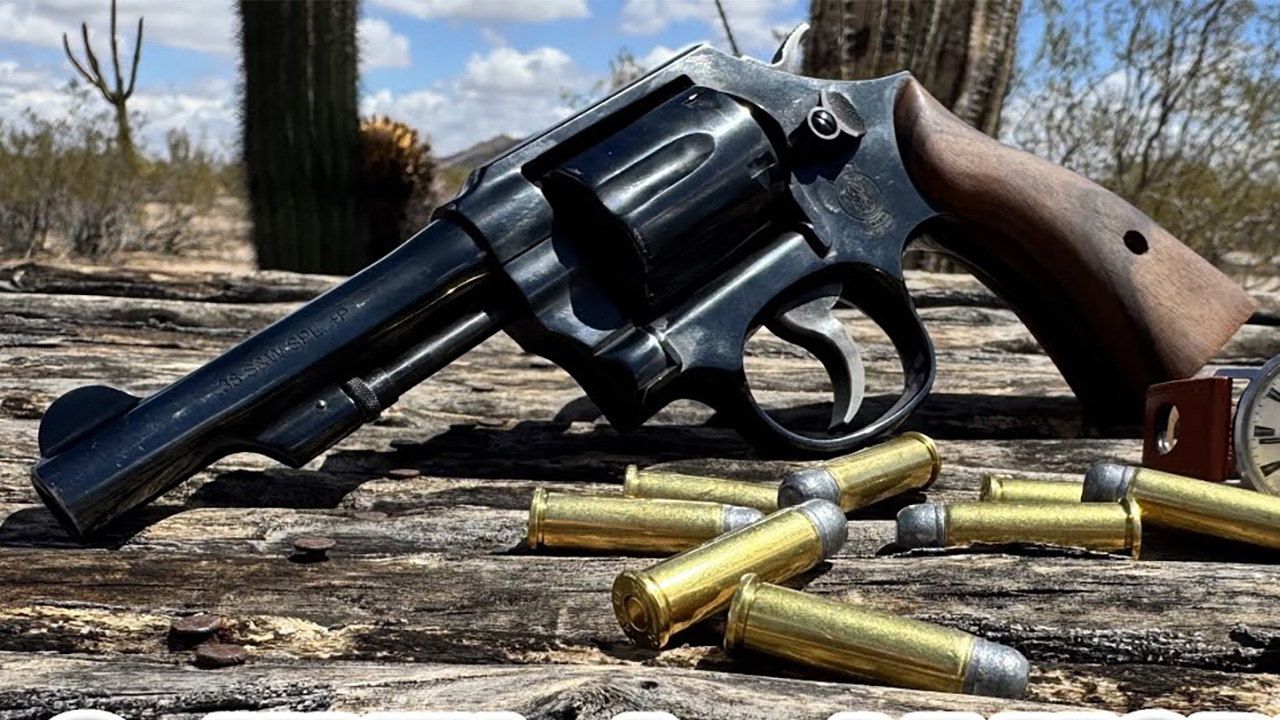
The Smith & Wesson Model 10 was ignored for years because it seemed too ordinary. Fixed sights, .38 Special, basic service-revolver looks, and no magnum chambering made it easy for shooters to pass by. Police trade-ins used to make them feel even less special because they were common and affordable.
That plainness is exactly why they became keepers. The Model 10 has a good trigger, good balance, and enough durability to last through generations of use. It is not trying to be a hunting revolver, a pocket gun, or a flashy collectible. It is just a solid revolver that shoots well. Once owners spend time with one, they usually understand why selling it does not make much sense.
Marlin 336

The Marlin 336 was overlooked when hunters started chasing flatter trajectories, magnum cartridges, and scoped bolt rifles. To some people, a .30-30 lever gun looked dated. It was considered a short-range woods rifle in a world increasingly obsessed with long shots and ballistic charts.
In real deer woods, the 336 never stopped making sense. It carries well, points fast, and hits hard enough inside the ranges where many whitetails are actually killed. Older Marlins also gained a following because they feel better than many people remembered. A clean 336 is no longer just a basic lever gun. For plenty of hunters, it is an obvious rifle to keep.
Remington 870 Wingmaster
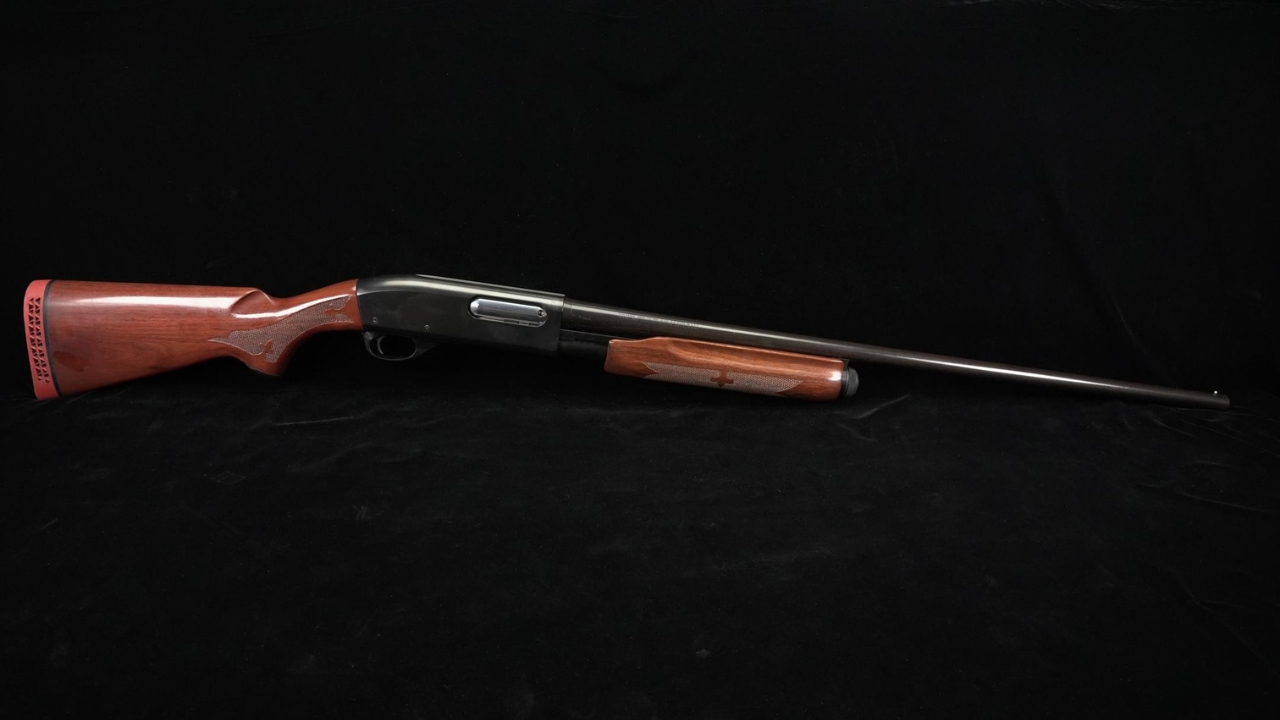
The Remington 870 Wingmaster spent a long time being taken for granted. Because the 870 name was so common, some shooters lumped every version together and failed to appreciate what made the Wingmaster different. It was just another pump shotgun until people compared older Wingmasters to rougher, cheaper guns.
The difference is hard to ignore once you run one. The action is smooth, the finish is better, and the gun has a balanced feel that newer budget pumps often lack. A Wingmaster can hunt birds, deer, turkey, and small game with the right barrel and setup. That kind of versatility makes it hard to sell, especially when replacing the same quality costs more than people expect.
Glock 19 Gen 3
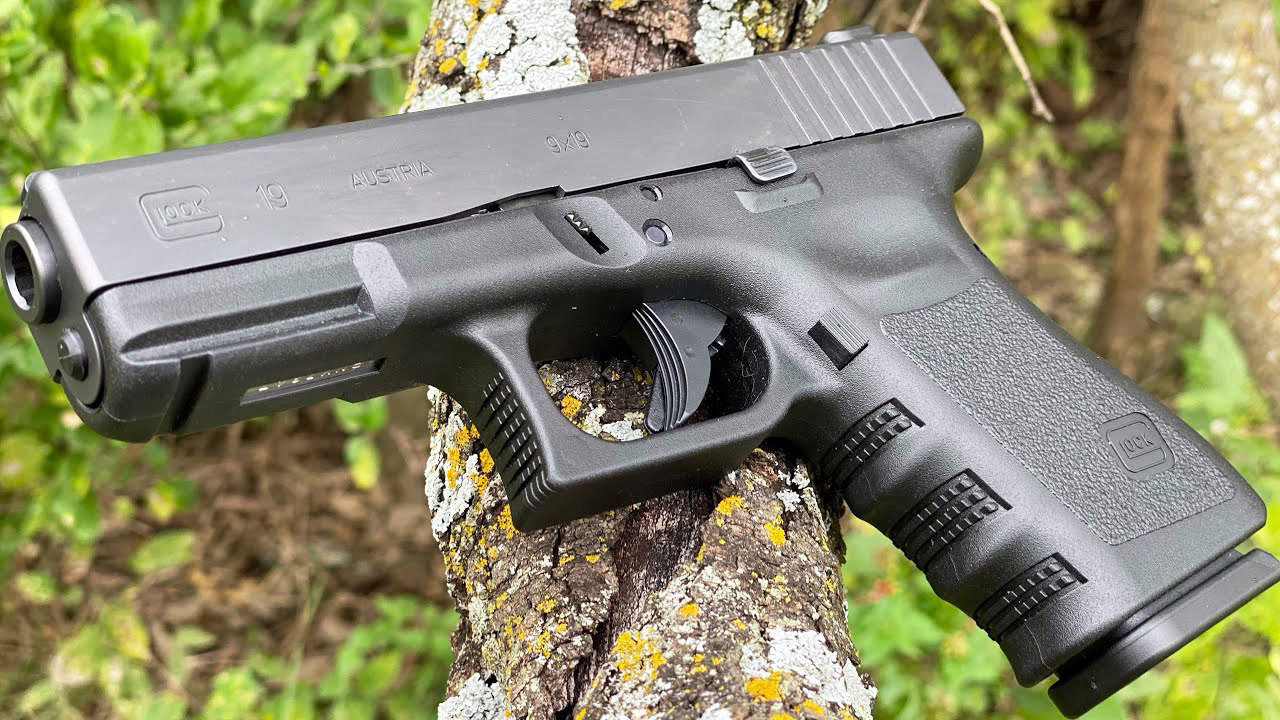
The Glock 19 Gen 3 became so normal that people started overlooking it. It was not the newest Glock, not the most refined compact pistol, and not as interesting as the wave of optics-ready handguns that followed. Many shooters saw it as yesterday’s standard.
Then the Gen 3 kept proving why it became a standard in the first place. It is reliable, simple, easy to maintain, and supported by endless parts, holsters, magazines, and sights. Newer pistols may have better triggers or optics cuts, but a good Gen 3 Glock 19 still does the job without drama. That makes it an obvious keeper, even for people who own fancier handguns.
Ruger Security-Six
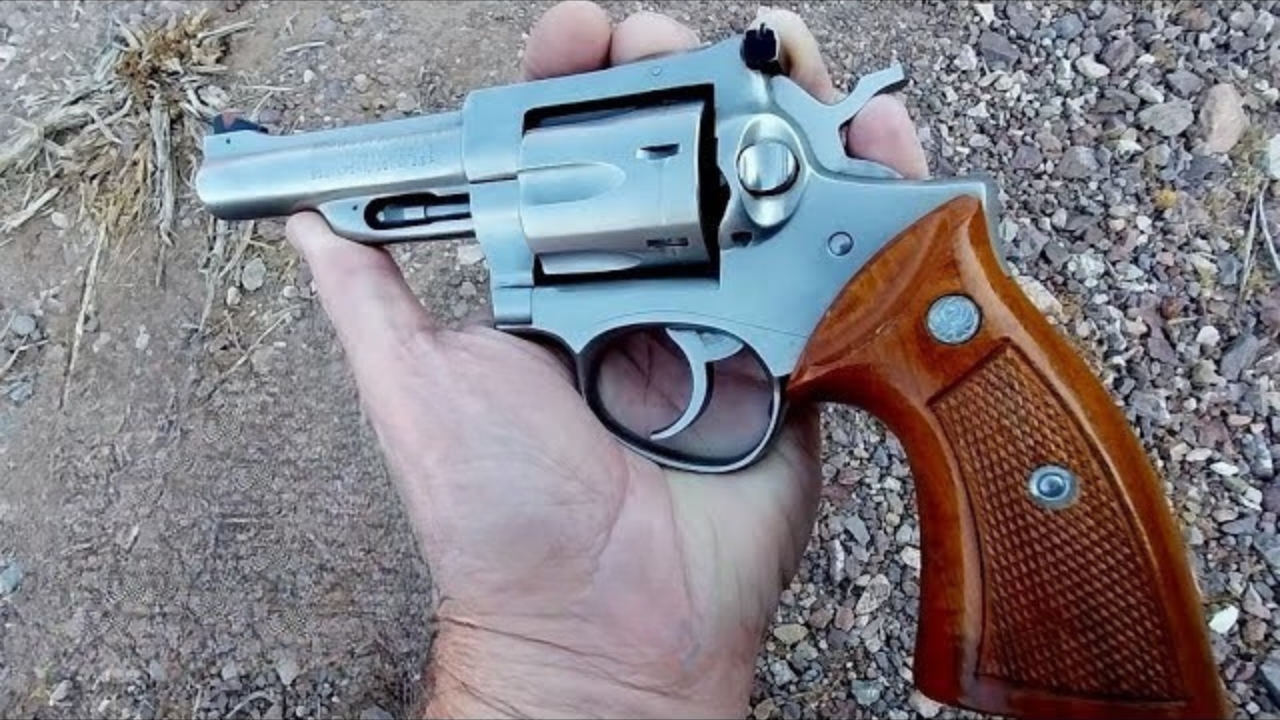
The Ruger Security-Six was overlooked because it was a working revolver rather than a glamour gun. It did not have the Colt Python’s name or the Smith & Wesson 686’s popularity. For years, it was the practical .357 Magnum revolver people bought because it was affordable and tough.
That toughness is why owners hang onto them now. The Security-Six balances better than many heavy magnum revolvers and still has enough strength for serious use. It works as a field revolver, range gun, and home-defense option. Once people realized Ruger was no longer making that exact kind of revolver, the old Security-Six started looking like something worth keeping.
Savage Model 99

The Savage Model 99 was overlooked by some hunters because it did not fit neatly into the usual lever-action conversation. It was not a Winchester 94, and it was not a Marlin 336. Its rotary magazine, hammerless design, and chamberings made it different enough that casual buyers did not always understand it.
That difference is exactly why it became a keeper. The Model 99 gave hunters lever-action handling with cartridge options that stretched beyond the usual brush-gun role. It carries well, points naturally, and has a mechanical cleverness that feels special today. A good Model 99 is not easily replaced by a modern rifle. Once people understand that, they usually stop thinking about selling it.
Beretta 92FS

The Beretta 92FS went through a stretch where shooters doubted it because of its size, slide-mounted safety, and traditional double-action system. Polymer striker-fired pistols made it look large and old-fashioned. Some people treated it like a military relic instead of a serious handgun.
The pistol’s strengths become clearer with time. It is soft-shooting, accurate, reliable, and easy to run well with practice. The weight and size that hurt it for carry also make it excellent on the range and useful for home defense. Plenty of shooters who once dismissed the 92FS eventually realize it is one of those guns that belongs in the safe, even if it is not the latest trend.
CZ 75B

The CZ 75B used to be overlooked by many American shooters who were focused on 1911s, Glocks, SIGs, and Berettas. For a long time, it felt like the pistol people praised in smaller circles while everyone else ignored it. It was all-steel, traditional double-action, and not always as easy to find as mainstream options.
Once people shot it, the reputation made sense. The CZ 75B has excellent ergonomics, low recoil, and a natural point of aim that wins over a lot of doubters. It may be heavier than modern carry pistols, but that weight helps it shoot beautifully. A pistol that feels this good in the hand becomes hard to treat as disposable.
Winchester Model 70
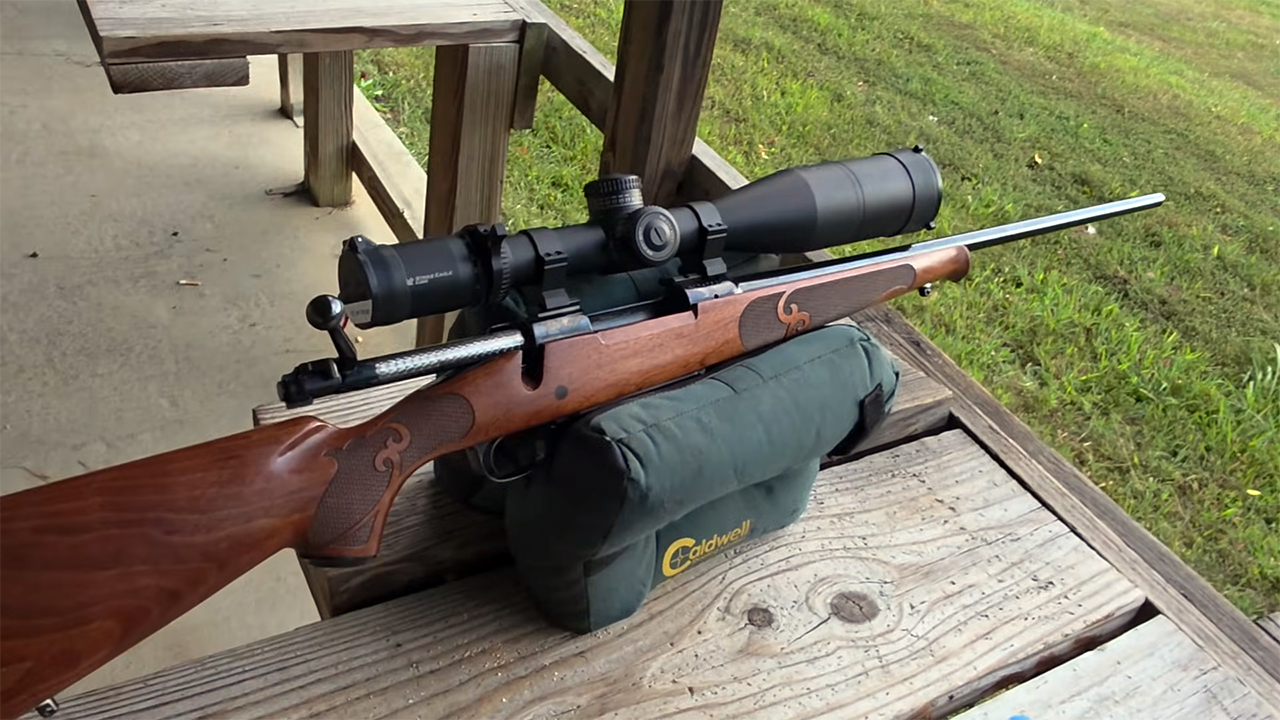
The Winchester Model 70 was never truly forgotten, but many hunters overlooked it during the rise of cheaper, lighter, and more feature-heavy rifles. A classic bolt gun with traditional lines can seem less exciting beside rifles with threaded barrels, chassis stocks, and detachable box magazines.
The Model 70 remains a keeper because it feels like a serious hunting rifle. The controlled-round-feed versions especially have a reputation that matters to hunters who want confidence in rough country. It may not win every spec-sheet comparison, but it carries history, reliability, and field credibility. When a rifle feels that settled, replacing it with something newer does not always feel like an upgrade.
Browning Buck Mark

The Browning Buck Mark is one of those pistols that gets overlooked because rimfire handguns are often treated as casual range toys. It also lives in the shadow of the Ruger Mark series, which has dominated the .22 pistol conversation for decades. That leaves the Buck Mark underappreciated by people who have never spent much time with one.
Owners know better. The Buck Mark usually has a good trigger, comfortable grip angle, and strong practical accuracy. It is fun enough for plinking but serious enough for small-game practice and skill building. A good .22 pistol gets used more than people expect, and the Buck Mark is exactly the kind of handgun that quietly becomes permanent.
Mossberg 500

The Mossberg 500 is easy to overlook because it has always been seen as a practical pump shotgun. It is not fancy, and it does not carry the same polished feel as some older premium pumps. Many people bought one because it was affordable and available, not because they thought it would become a long-term favorite.
Then it keeps working. The tang safety is easy to use, the gun is simple to maintain, and barrel options make it useful for birds, deer, turkey, home defense, and general field work. A Mossberg 500 may not impress anyone at first glance, but it covers more jobs than most guns in the safe. That kind of usefulness turns a basic shotgun into an obvious keeper.
Remington Model 700 ADL

The Remington Model 700 ADL was often overlooked because it was the plainer version of a famous rifle. The blind magazine, basic stock, and stripped-down feel made it seem like the budget option compared with nicer BDL and CDL models. A lot of hunters treated it like a starter deer rifle.
In the field, that plain ADL often proved it had everything a hunter actually needed. It could be accurate, reliable, and easy to carry without offering much to fuss over. Many owners upgraded scopes, triggers, or stocks and ended up with a rifle that shot far better than its original price suggested. Once a Model 700 ADL has years of successful hunts behind it, selling it feels unnecessary.
Browning Auto-5
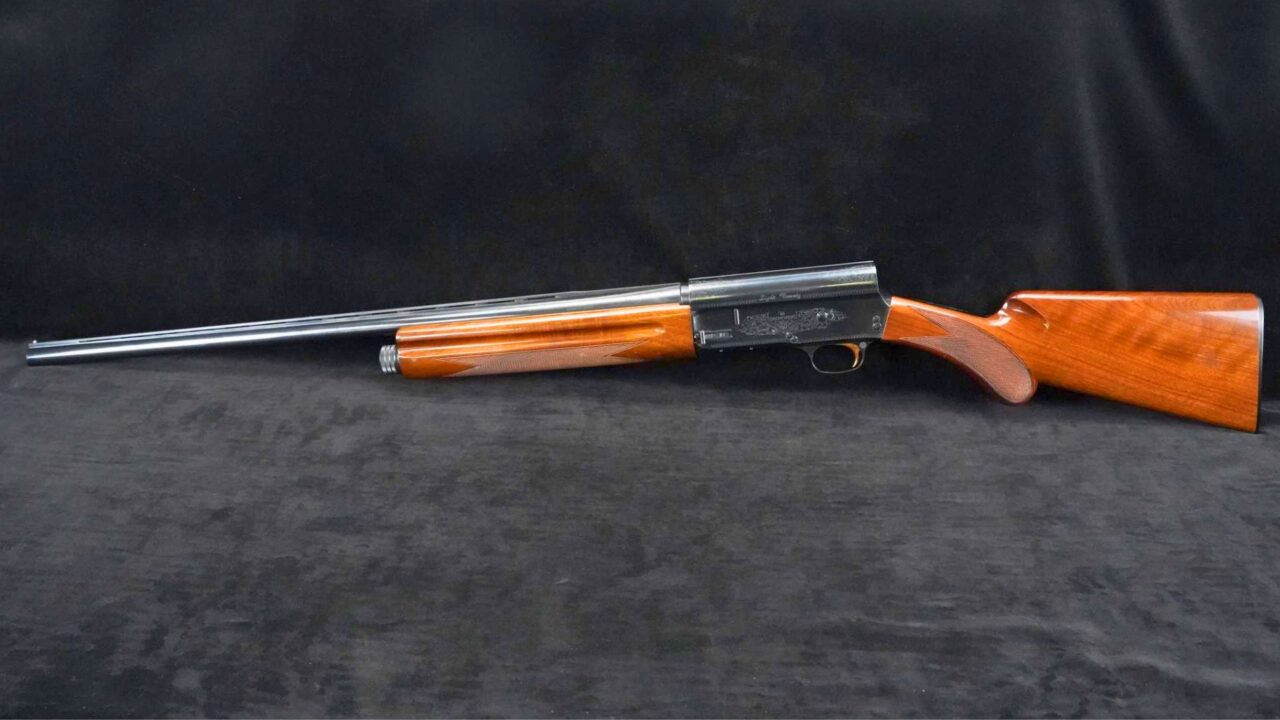
The Browning Auto-5 looked outdated to plenty of shooters once lighter, softer-shooting gas guns became popular. Its humpback receiver, long-recoil action, and old-school handling made some people view it as a relic. It was the shotgun grandpa kept, not the one everyone thought they needed next.
That changed when shooters started appreciating what the Auto-5 really offered. It was durable, distinctive, and tied to decades of bird hunting history. The action has a feel all its own, and the receiver profile points naturally for many people. A nice Auto-5 is not just another old semi-auto. It is a shotgun with character, and that makes it hard to let go.
Tikka T3x

The Tikka T3x can be overlooked because it does not always look impressive in the rack. The factory stock is practical rather than beautiful, and the rifle does not have the old-school charm of walnut and blue steel. Some hunters pass by it because it looks too plain for the price.
Then they shoot one. The action is smooth, the trigger is good, and many Tikkas are accurate without needing much work. That combination turns a plain rifle into a trusted hunting tool very quickly. A hunter may still want a prettier rifle someday, but the T3x often becomes the one they actually grab when they want a hunt to go right.
Like The Avid Outdoorsman’s content? Be sure to follow us.
Here’s more from us: