Photo credit: TFB TV/YouTube
When things go sideways, you don’t always get both hands on your gun. You might be holding a flashlight, a leash, a doorframe—or you might already be bleeding. That’s why the one-hand test isn’t some Instagram drill—it’s a real-world measure of whether your pistol will keep running when everything else isn’t. It’s more than recoil control. We’re talking about failure to feed, slide lock issues, stovepipes, and triggers that go weird under stress. Some pistols that feel fine in calm range conditions fall apart when you rack the slide off your belt or try to clear a jam one-handed. These are the ones that consistently disappoint when it actually counts.
Kimber Micro 9
The Kimber Micro 9 looks clean and carries well, but it’s finicky when you need it most. The slide is short and the recoil spring is tight, which means racking it one-handed—especially off a belt or boot—is a gamble. Add a little sweat or mud and things get worse. Malfunctions like failure to return to battery are common if your grip isn’t rock solid. The manual safety adds another layer of complication under stress. If you’re working one-handed with gloves or limited leverage, it’s more likely to hang up than help. It’s built for looks and carry—not real-world handling.
Taurus G2C
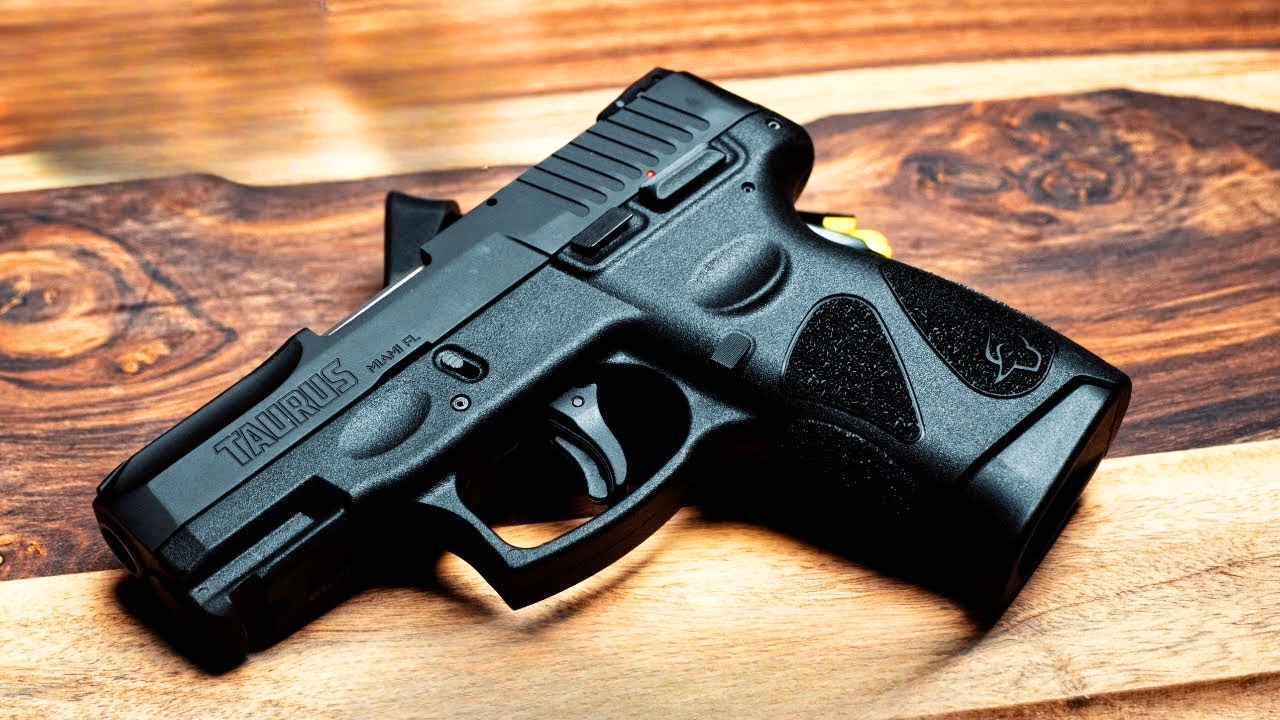
Taurus pistols have improved, but the G2C still has issues in the one-hand department. The slide serrations are shallow and slick, and the return spring doesn’t cycle consistently under less-than-ideal grip. It’ll short-stroke if your wrist isn’t firm, and it’s not uncommon to get failures to eject during a weak-hand cycle. The trigger reset also feels odd when the gun isn’t stabilized with two hands. If you’re trying to run it off your belt or rack it using a wall, it often fails to go fully into battery. It’s not a death sentence, but it’s not a confidence booster either.
Springfield XD Subcompact
The XD Subcompact is fat, heavy, and carries awkwardly. But worse, its reliability drops when you’re down to one hand. The grip safety is its biggest weakness—it demands full palm contact to run the trigger or cycle the slide. That’s a problem when you’re injured, off-balance, or clearing a malfunction with poor leverage. You can’t run the slide off your holster or thigh unless you’re squeezing the grip perfectly, which defeats the purpose of an emergency manipulation. In training, it shows its flaws fast. In real life, it could leave you frozen mid-malfunction.
KelTec P11
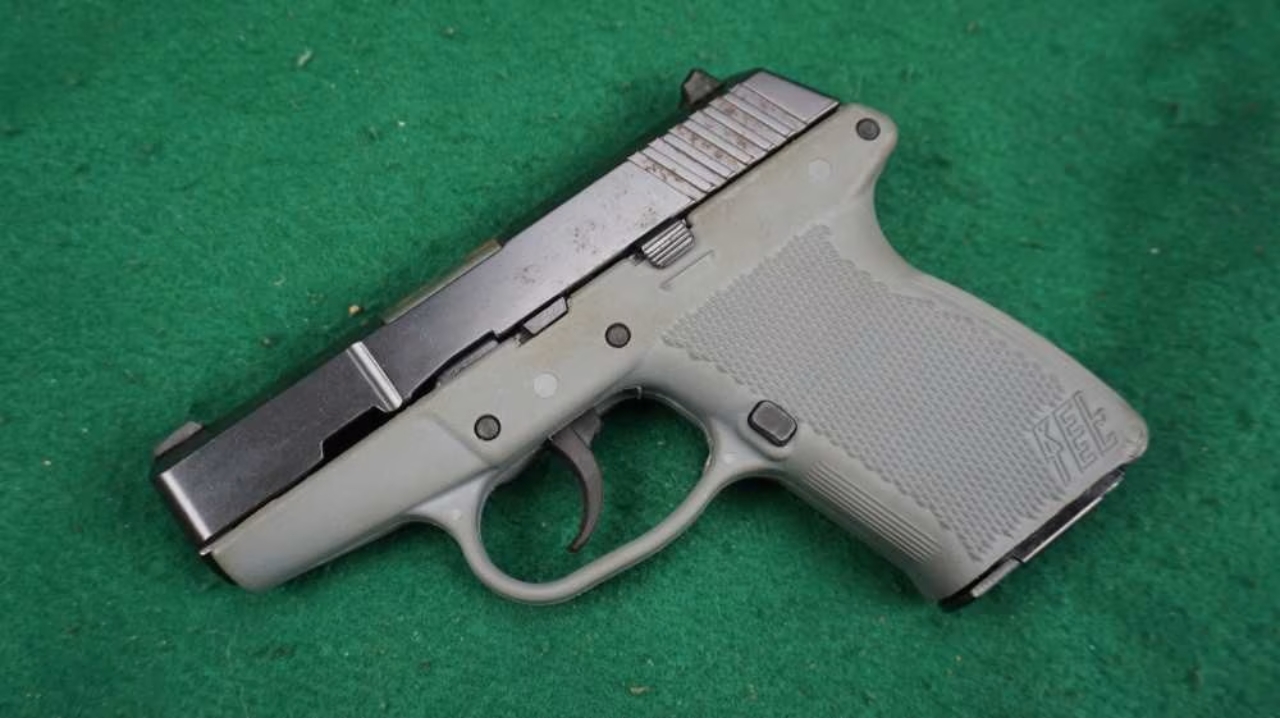
The P11 has been around a while, but if you’ve ever tried to shoot or cycle one one-handed, you already know where this is going. The double-action-only trigger is long and heavy, and the recoil impulse is snappy for such a small frame. Combine those with a tiny grip and a gritty slide, and you’ve got a pistol that won’t behave without both hands. One-hand reloads feel clumsy, slide-lock drills are sketchy, and the magazine often needs a slap to seat properly. It’s a backup gun, sure—but don’t ask it to perform under pressure.
SIG P238
The P238 is smooth to shoot with two hands and light recoil, but it turns into a problem the second you lose leverage. The tiny slide and stiff recoil spring make it hard to manipulate under tension. Racking it off your belt rarely works on the first try. Add a manual thumb safety and small controls, and you’re now fiddling around when you should be firing. Clearing a stovepipe or failure-to-feed one-handed is a chore. It’s a beautiful little pistol, but beauty doesn’t help when your strong hand’s out of play and things are going sideways fast.
Glock 42
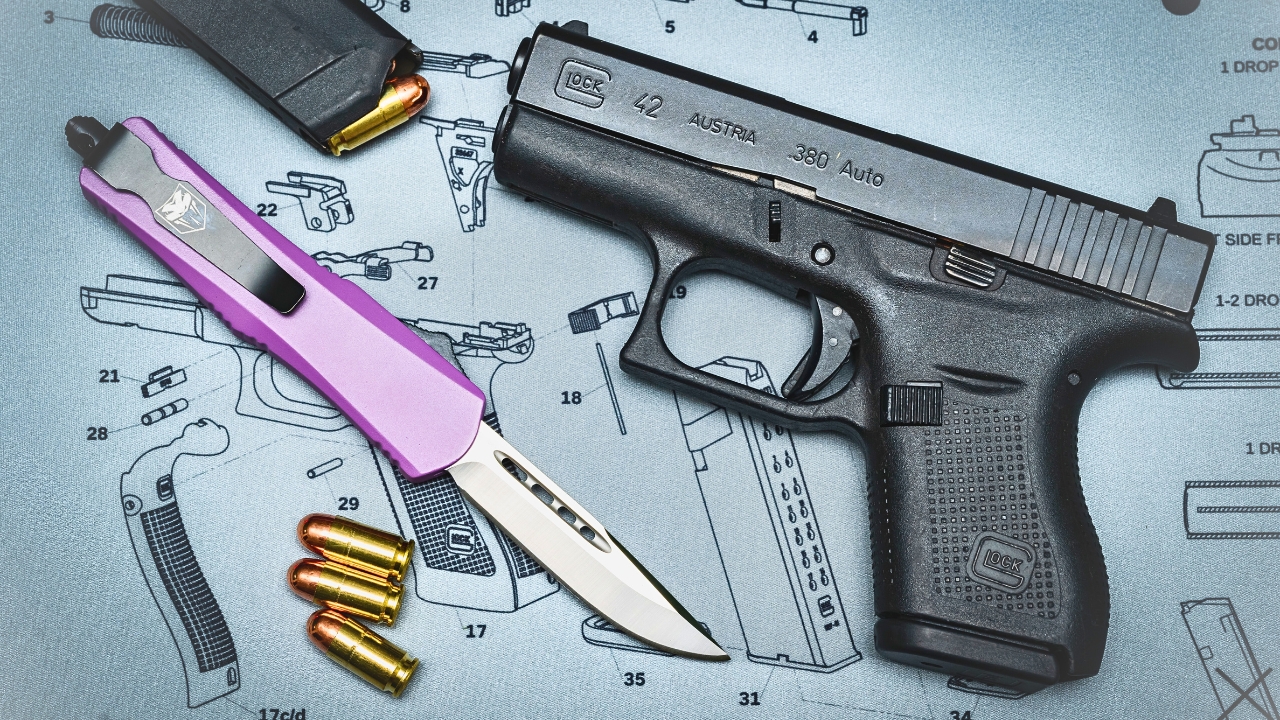
For a Glock, the 42 doesn’t hold up like its bigger brothers. It’s small and light, which means the recoil spring is tuned tight, and it doesn’t cycle well unless you’ve got a firm grip. If you’re shooting one-handed—especially support-hand only—malfunctions like limp-wrist failures or slide-lock errors show up fast. It’s also tough to run the slide with one hand unless you’ve got a hard surface and perfect timing. For a backup gun, it’s manageable, but if you expect it to run under stress with limited dexterity or off-angle reloads, it’s not a top choice.
Smith & Wesson Bodyguard 380
The Bodyguard 380 has a tough double-action trigger and a heavy slide for its size. That combination feels clunky when you’re trying to run it one-handed. The slide serrations are shallow, and the spring tension is stiff enough to fight back during belt or pocket rack drills. It’s also not known for feeding well from certain mags, especially when you’ve got poor grip or you’re clearing a jam without a second hand. Add in a recessed safety that’s hard to engage quickly, and you’ve got a pistol that doesn’t do you many favors when one arm is out of the game.
Like The Avid Outdoorsman’s content? Be sure to follow us.
Here’s more from us:
The worst deer rifles money can buy
Sidearms That Belong in the Safe — Not Your Belt
*This article was developed with AI-powered tools and has been carefully reviewed by our editors.